Anthbot M9 Review (2026): Wire-Free Mowing, With Limits
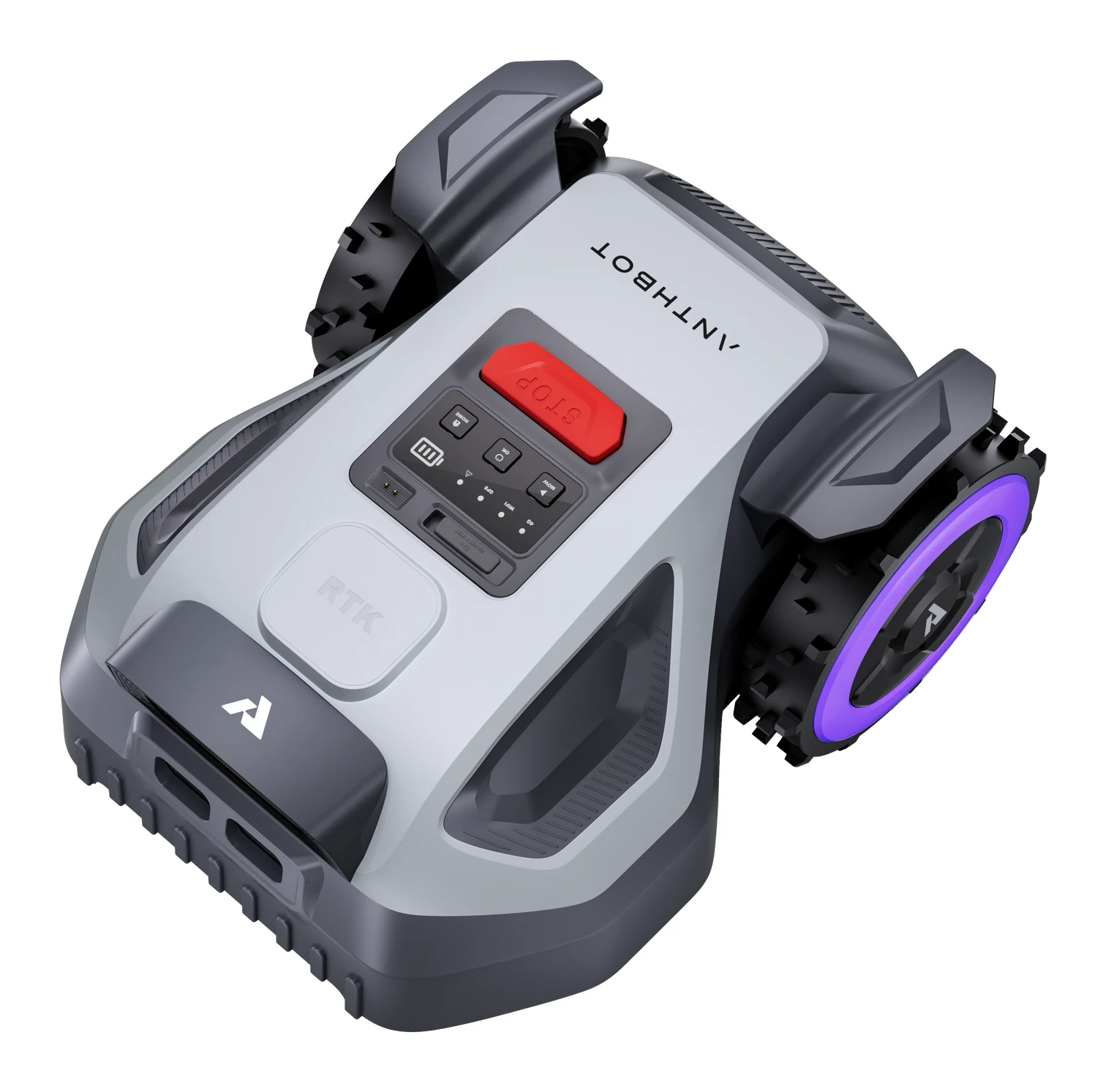
The Anthbot M9 is a mid-range, wire-free robot mower built for smooth, open lawns. Here is where it shines, where experts say it struggles, and who should buy it.
Research-based · We earn from qualifying purchases
Our verdict
The Anthbot M9 suits owners of small to mid-size, fairly smooth lawns who want fast wire-free setup, quiet running and dependable obstacle avoidance at a mid-range price. Skip it if your garden is bumpy, shaded by trees or close to the 1000 m² recommended size, where navigation and battery life may fall short.
The good
- Wire-free setup with roughly 10 minutes of app mapping
- Reliable AI obstacle avoidance from dual 150° HDR cameras
- Quiet operation at 58 dB or less
- Compact body reaches narrow passages and tight corners
- Built-in 4G allows remote control, GPS tracking and security alerts
+2 more
- Compact body reaches narrow passages and tight corners
- Built-in 4G allows remote control, GPS tracking and security alerts
The bad
- Struggles on uneven, lumpy or bumpy ground
- Navigation can weaken with poor sky view or distance from the RTK antenna
- Battery may need several charges to finish a full-size lawn
- 4G may require a paid subscription after the trial period
+1 more
- 4G may require a paid subscription after the trial period
If you want to stop pushing a mower but dread burying a boundary wire, the Anthbot M9 is aimed squarely at you. This Anthbot M9 review covers a wire-free robot lawn mower that maps your garden through an app in about 10 minutes, then navigates using full-band RTK satellite positioning combined with dual-vision cameras. It sits in the mid-range part of the market and is designed for small to mid-size lawns rather than sprawling grounds.
This review is based on Anthbot's published specifications and what independent expert reviewers report, not on our own hands-on testing. The M9 averages 7/10 across 2 expert reviews, which is a decent but not glowing result. The reasons are worth understanding before you buy.
Anthbot M9: specs at a glance
From the manufacturer- Weight
- 10.1 kg
- Battery
- 5 Ah / 90 Wh
- Max slope
- 24° / 45%
- Dimensions
- 49.8 x 39.2 x 25.1 cm
- Navigation
- Full-Band RTK + Dual Vision (NetRTK via 4G supported)
- Work zones
- up to 30
- Noise level
- ≤58 dB
- Charging time
- 90 min
- Cutting width
- 20 cm / 7.9 in, 5-blade disc
- Cutting height
- 3–7 cm (1.2–2.8 in), electric, app-adjusted
- Water resistance
- IPX6
- Mowing efficiency
- up to 150 m² per hour
- Obstacle detection
- 150° HDR AI vision
- Recommended lawn size
- 1000 m² (about 1/4 acre)
Key features
- Wire-free setup with about 10 minutes of app mapping
- Full-band RTK plus dual-vision navigation
- Built-in 4G for remote app control, GPS tracking and security alerts
- AI obstacle detection from dual 150° HDR cameras, recognising over 1,000 objects
- Compact body that fits narrow passages and tight corners
- 5-blade 20cm (7.9in) cutting disc with a systematic U-shaped mowing path
- Cutting height adjustable from 3 to 7cm in the app
- Handles slopes up to 24° / 45%, with IPX6 water resistance and ≤58 dB operation
What the Anthbot M9 is, and who it is for
The M9 is a compact robotic mower that replaces the perimeter wire with satellite positioning and computer vision. You draw your lawn in the app, set your zones, and let it get on with the job. Anthbot recommends it for lawns up to 1000 m² (about 1/4 acre), and the manual allows up to 30 work zones.
In one line, it suits owners of smooth, open lawns who value quiet, wire-free mowing and dependable obstacle avoidance. If your garden is bumpy, heavily shaded or close to the top of the recommended size, the rest of this review explains why you should think twice.
Design and build
The M9 is a small machine. It weighs 10.1 kg and measures 49.8 x 39.2 x 25.1 cm. Reviewers highlight the compact body because it can reach narrow passages and tight corners. For gardens with side paths, gaps between flower beds or awkward corners, that footprint is a real practical advantage.
Protection is rated IPX6 for water resistance, which suits a machine that lives outdoors. The cutting height is adjusted electrically from the app rather than by a manual dial, so you can change it without bending down.
Navigation and setup
Setup is the headline feature. Instead of laying a boundary wire, you map the lawn through the app, which Anthbot says takes about 10 minutes. Reviewers consistently praise this fast, wire-free setup, and it is the main reason to choose a machine like this.
Navigation combines full-band RTK with dual-vision cameras, and NetRTK via 4G is supported. In everyday terms, the mower uses satellite positioning for accuracy and vision to fill in the gaps. That approach works best where the sky is open, and that is where experts point out the limits. A common criticism is that navigation can weaken with a poor view of the sky, or with distance from the RTK antenna. If your lawn sits under mature trees, beside tall buildings or far from where the antenna would be placed, expect this to matter more than any spec-sheet number.
Obstacle avoidance and 4G features
The M9 uses dual 150° HDR cameras with AI detection that Anthbot says recognises over 1,000 objects. Reviewers praise the obstacle avoidance as reliable, which matters for gardens with toys, tools, furniture or pet items left on the grass. A mower that steers around things instead of bumping into them is easier to trust when you are not watching.
Built-in 4G adds remote control through the app, GPS tracking and security alerts. That is useful for checking on the mower while you are away. One caveat from reviewers: the 4G service may require a paid subscription after the trial period, so factor that into the long-term cost of ownership.
Cutting performance
The M9 uses a 5-blade 20cm (7.9in) cutting disc and follows a systematic U-shaped mowing path. Cutting height runs from 3 to 7cm, set in the app, which covers most lawn-height preferences from a fairly short cut to a longer, more drought-tolerant one.
Anthbot quotes a mowing efficiency of up to 150 m² per hour. The cutting width is 20 cm / 7.9 in. A lawn near the recommended size is a long job, which brings us to battery life.
Slopes and uneven ground
The M9 handles slopes up to 24° / 45%. Slope capability and ground texture are different things, though. A common criticism from reviewers is that it struggles on uneven, lumpy or bumpy ground. A gentle, smooth incline is a very different test from a lawn with humps, ruts and hollows. If your lawn is the second kind, this is the single biggest reason to look elsewhere.
Battery, charging and noise
The battery is rated at 5 Ah / 90 Wh, with a charging time of 90 min. The quick recharge helps, but reviewers note that the battery may need several charges to finish a full-size lawn. In practice, the M9 is best suited to small to mid-size gardens. Push it toward the 1000 m² recommended maximum and you should expect it to spread the job over multiple cycles.
Noise is a clear strength. Anthbot specifies operation at ≤58 dB, and reviewers praise how quiet it is. That makes it easy to schedule mowing early or late without bothering neighbours or disturbing the household, which is one of the best arguments for a robot mower over a petrol push mower.
What experts like and what they criticise
The two published scores are Trusted Reviews at 3 out of 5 and Garden Review at 4 out of 5. Together they average 7/10, which fits the picture of a mower with real strengths and some real compromises.
Reviewers praise:
- the quick, wire-free app setup;
- reliable AI obstacle avoidance;
- quiet running;
- the compact body that reaches tight spots;
- the 4G remote control, tracking and alerts.
The criticisms are just as consistent:
- it struggles on bumpy ground;
- navigation can weaken without a good sky view or when far from the RTK antenna;
- the battery may need several charges on a full-size lawn;
- 4G may cost extra after the trial period.
These are not minor footnotes. Navigation and ground quality decide whether a robot mower works well in your particular garden, so match them honestly to your lawn.
Who should buy the Anthbot M9
The M9 is a good fit if:
- your lawn is small to mid-size, fairly smooth and reasonably open to the sky;
- you want to avoid boundary wires and get running quickly;
- quiet operation matters to you or your neighbours;
- you have narrow passages or tight corners that bulkier mowers cannot reach;
- you like remote control, GPS tracking and security alerts through an app.
Who should skip it
Look elsewhere if:
- your garden is lumpy, bumpy or uneven;
- it is shaded by trees or buildings, or the RTK antenna would sit far from parts of the lawn;
- your lawn is close to the 1000 m² recommended size, where battery life may become a limiting factor;
- you want to avoid any chance of an ongoing 4G subscription cost.
How it fits in the robot mower category
The M9 is priced in the mid-range tier. Its appeal is a balance of easy setup, quiet running and a compact body rather than raw capacity. The things that separate good from poor results in this category are navigation reliability, ground handling and battery capacity relative to lawn size. The M9's published strengths and weaknesses map directly onto those three points, so measure your garden against them before you commit.
Verdict
The Anthbot M9 is a sensible choice for the right lawn. It makes wire-free mowing approachable, runs quietly, avoids obstacles reliably and fits into tight spaces. Its limits are equally clear: uneven ground, patchy sky view and bigger lawns are where it is most likely to disappoint. With a 7/10 expert average, it is worth buying if your garden is smooth, open and modest in size, and worth skipping if it is not.
Related buying guides
Not sure about the Anthbot M9? Consider these
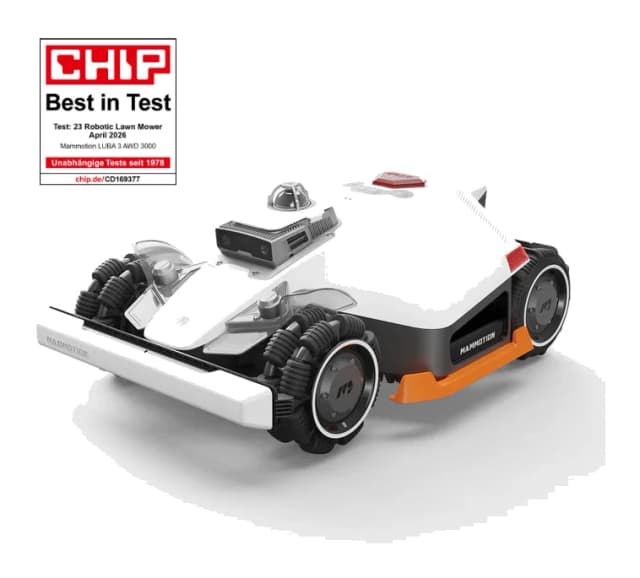
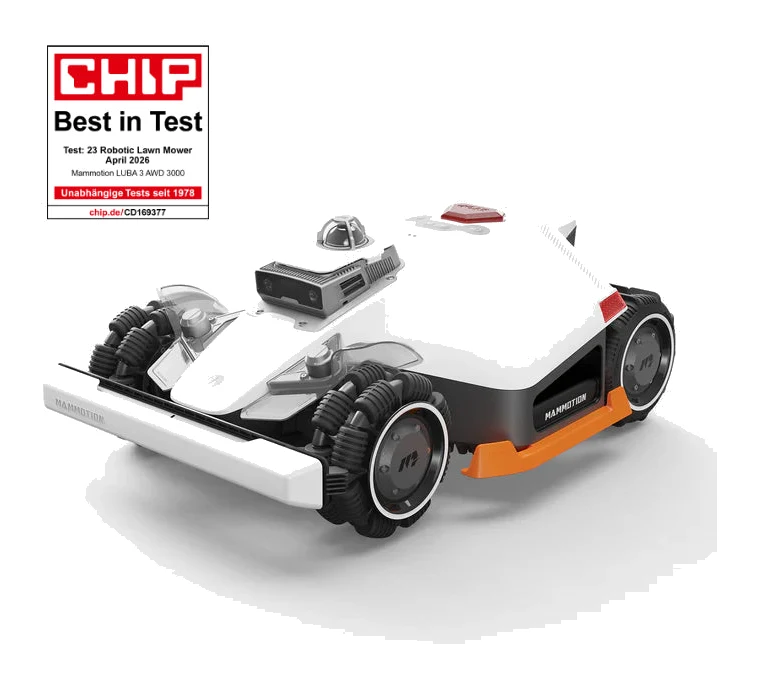
- Best OverallMammotion LUBA 3 AWD 3000Why we picked it →
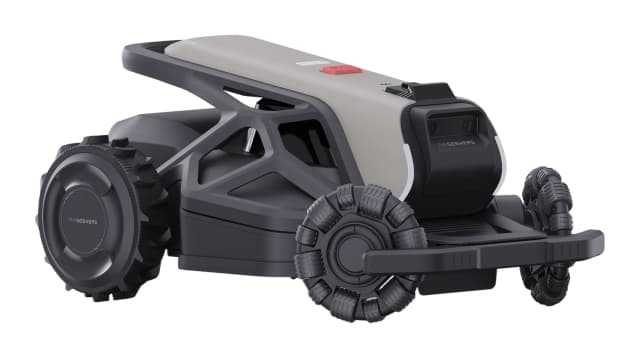
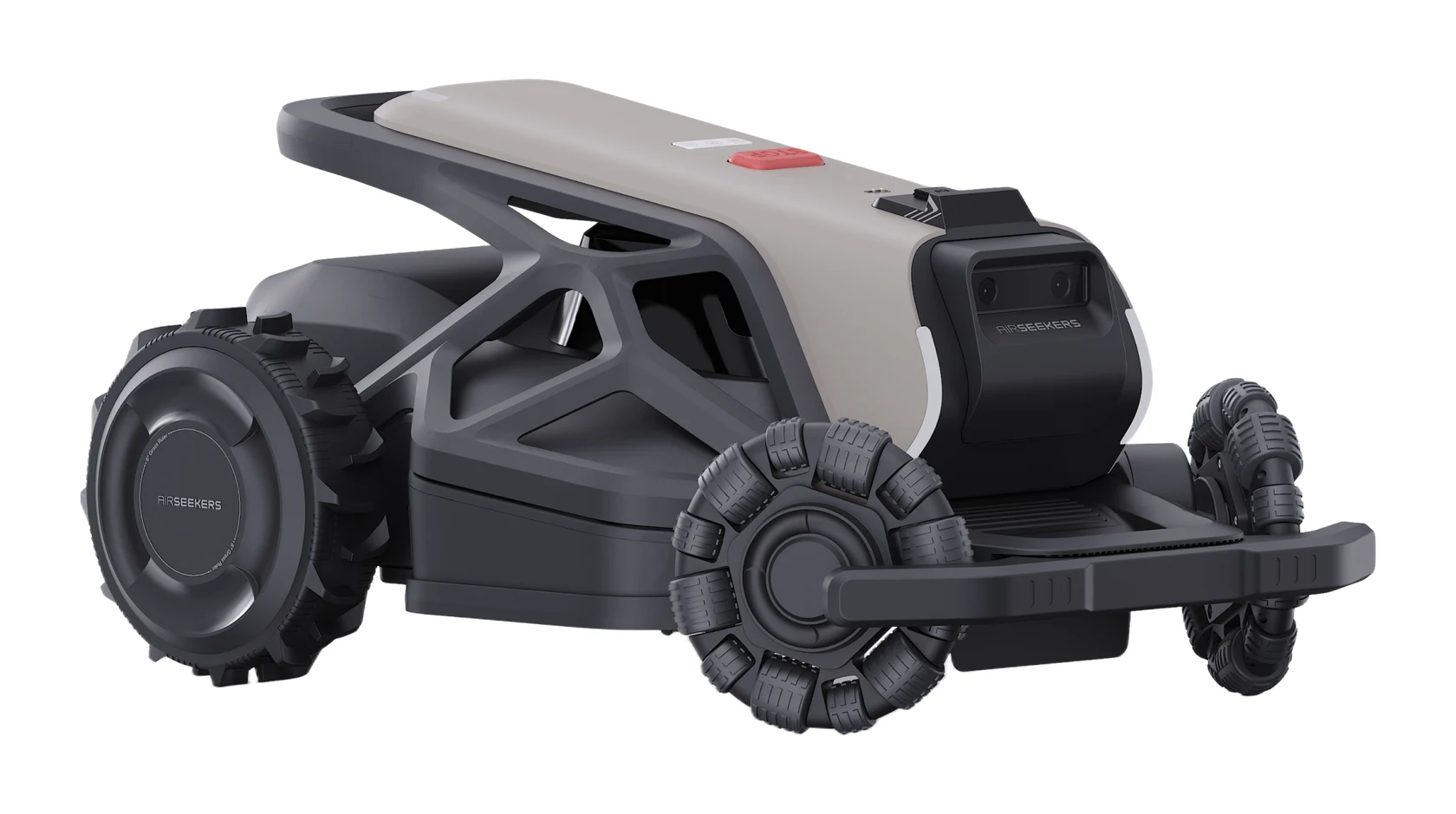
- Also GreatAirSeekers Tron SEWhy we picked it →
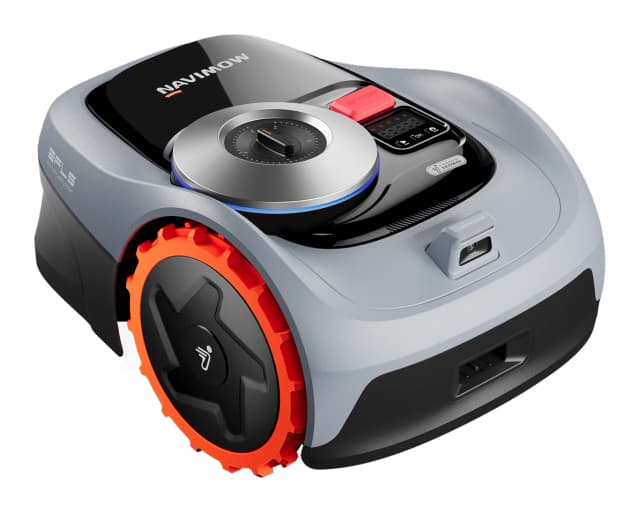
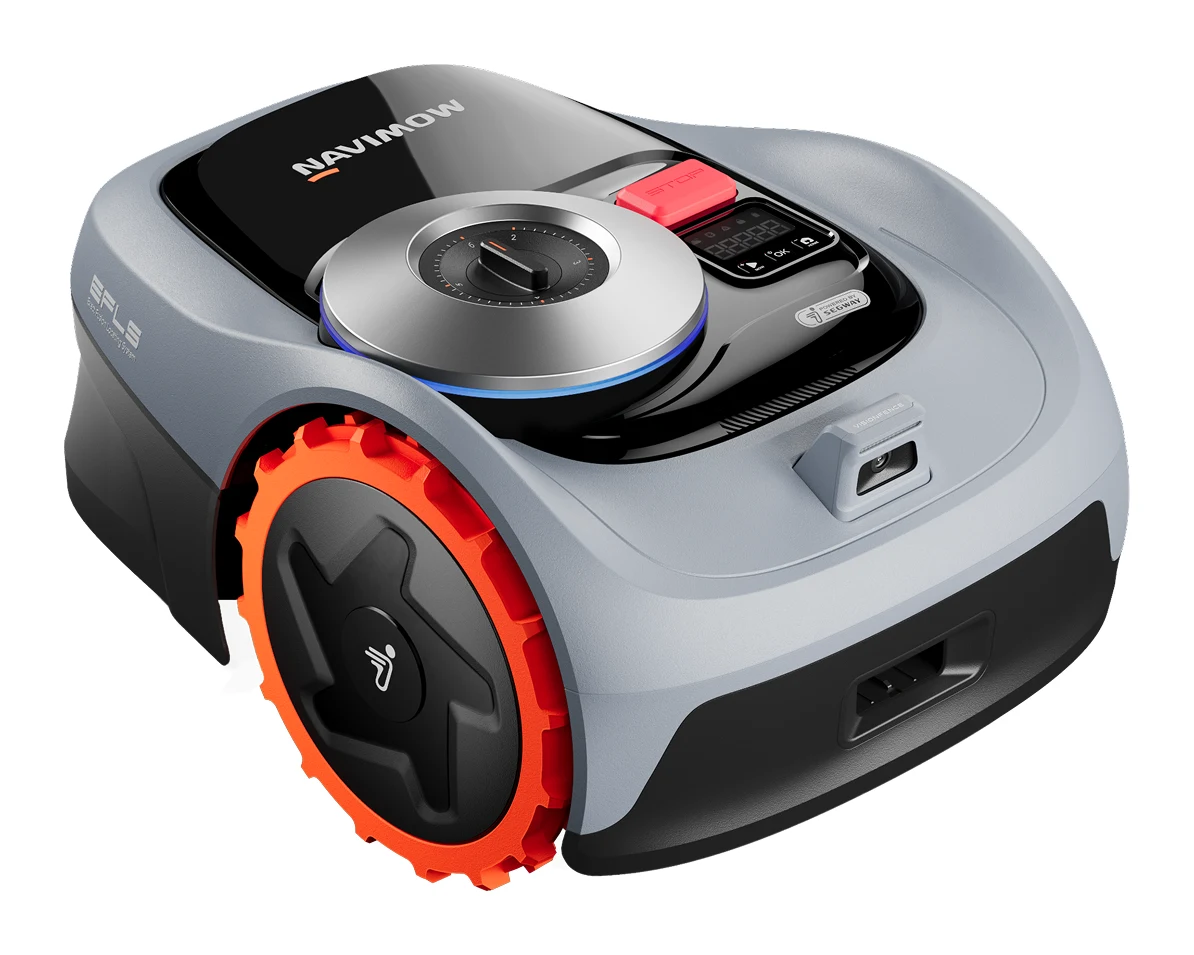
- Best BudgetSegway Navimow i105NWhy we picked it →
Frequently asked questions
Is the Anthbot M9 worth it?
It is worth considering if you have a small to mid-size, smooth, open lawn and want fast wire-free setup and quiet running. It averages 7/10 across 2 expert reviews. Reviewers say it struggles on bumpy ground and that navigation can weaken with poor sky view, so it is less suited to uneven or shaded gardens.
Does the Anthbot M9 need a boundary wire?
No. It uses full-band RTK plus dual-vision navigation, and you map your lawn in the app. Anthbot says app mapping takes about 10 minutes.
What size lawn is the Anthbot M9 designed for?
Anthbot recommends it for lawns of 1000 m² (about 1/4 acre). Reviewers note the battery may need several charges to finish a full-size lawn, so it is more comfortable on smaller or mid-size gardens.
How steep a slope can the Anthbot M9 handle?
It is rated for slopes up to 24° / 45%. Slope rating is separate from ground texture, and reviewers say it struggles on uneven, lumpy or bumpy ground.
Is the Anthbot M9 quiet?
Yes. Anthbot specifies operation at ≤58 dB, and reviewers praise its quiet running.
Does the Anthbot M9 require a subscription?
It has built-in 4G for remote app control, GPS tracking and security alerts. Reviewers note that 4G may require a paid subscription after the trial period, so check the terms before buying.
Sources
Specs are taken from the manufacturers' official pages; expert recommendations from the publications below.
- Anthbot M9: anthbot.com, reviewed.com, newatlas.com, notebookcheck.net
Related reviews & guides
Best Robot Lawn Mowers 2026: Wire-Free Picks by Yard Size
Five wire-free robot lawn mowers compared on lawn size, slope limits, navigation, noise and setup, from budget small-yard models to a hill-climbing flagship.
Published Oct 11, 2026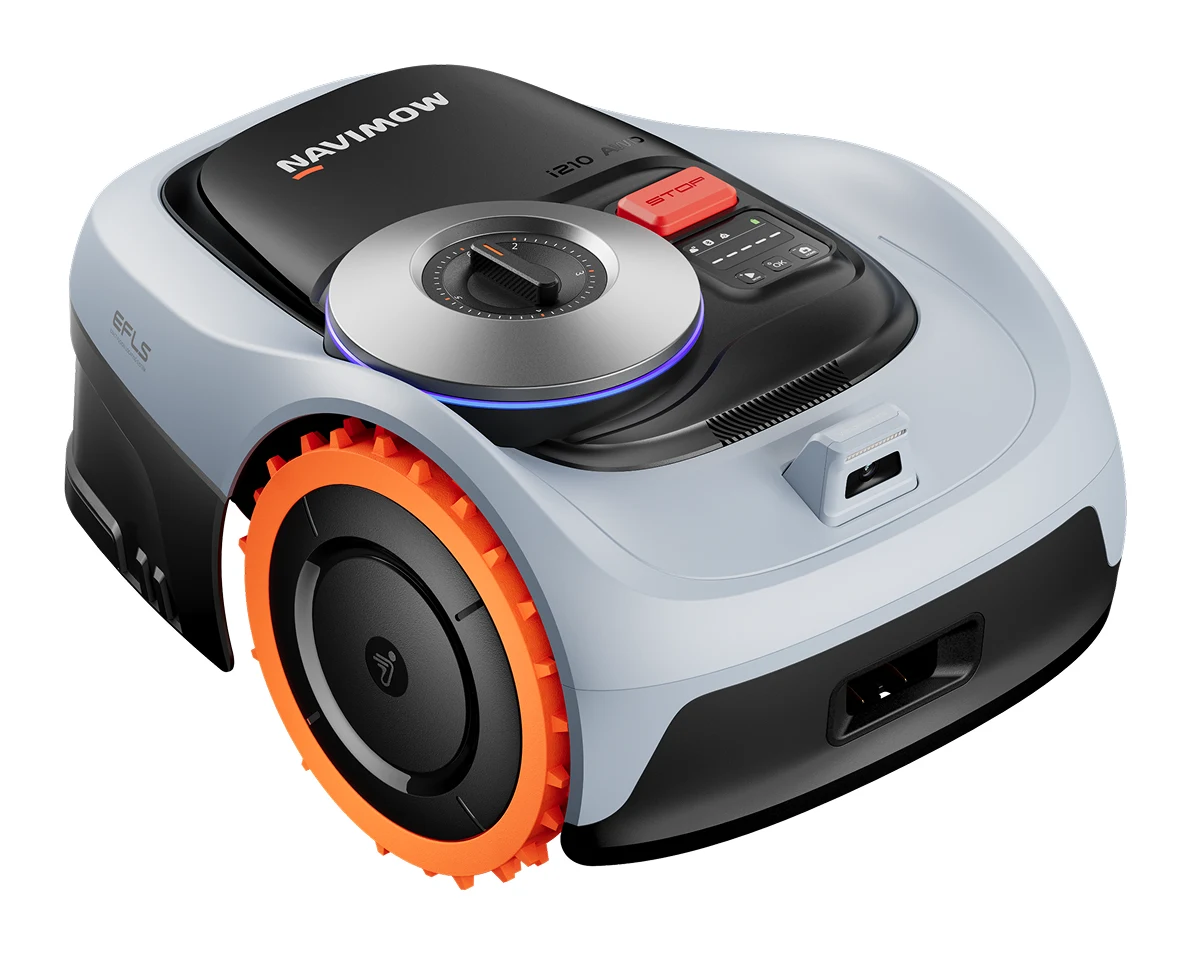
Segway Navimow i210 AWD Review (2026): Wire-Free on Slopes
A wire-free robot mower with three-motor all-wheel drive, built for small lawns with slopes. Here is what it does well, where experts see limits, and who should skip it.
Published Oct 20, 2026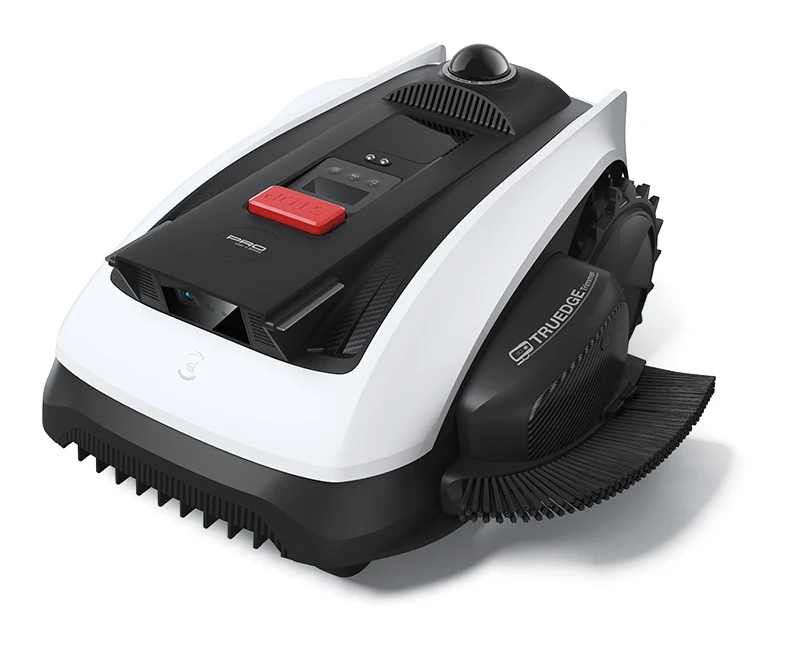
ECOVACS GOAT O1000 LiDAR PRO Review: Wire-Free, Small Yards
A wire-free robot mower with dual-LiDAR navigation and a built-in edge trimmer. Here is who the GOAT O1000 LiDAR PRO suits, and where its limits are.
Published Oct 22, 2026