Apple AirTag (2nd Generation) Review (2026): Longer Reach
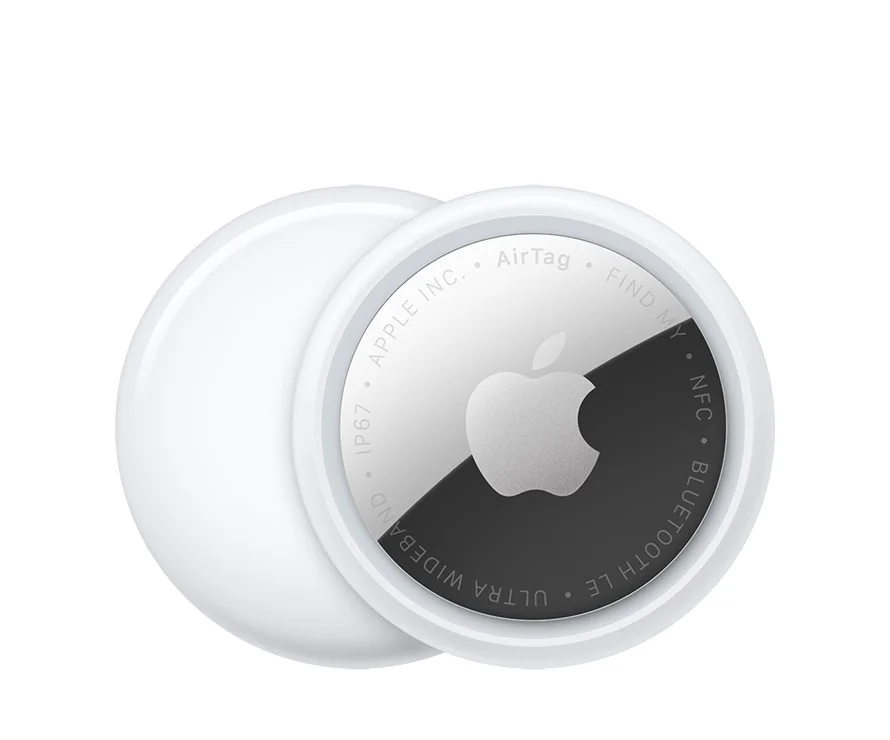
The second-generation AirTag keeps the shape and the price tier of the original but adds longer-range Precision Finding, a louder speaker and Apple Watch support. Here is who it suits and who can skip it.
Research-based · We earn from qualifying purchases
Our verdict
The second-generation AirTag is a worthwhile, same-price upgrade for iPhone users who want longer-range Precision Finding and a louder chime, and it uses the large Find My network. Skip it if you're on Android, already own a first-generation AirTag that works for you, or want a tracker with a built-in loop.
The good
- Precision Finding works from much farther away than the original
- Louder speaker makes it easier to find in bags or under cushions
- Precision Finding now works on supported Apple Watch models
- User-replaceable battery lasts about a year; IP67 water and dust resistance
+1 more
- User-replaceable battery lasts about a year; IP67 water and dust resistance
The bad
- No built-in keyring hole, so you must buy a holder
- Uses a disposable CR2032 coin cell, not a rechargeable battery
- Only a modest upgrade over the original AirTag
- Apple-only, and the best range needs a newer iPhone or Watch
+1 more
- Apple-only, and the best range needs a newer iPhone or Watch
This Apple AirTag (2nd generation) review looks at a tracker that is easy to describe: a small disc you attach to keys, a bag or a bike, which then shows up in Apple's Find My app. It is built for iPhone users who want a simple way to keep track of everyday items. Apple has kept the formula and focused on the weak points of the original, namely how far away you can start guiding yourself to it and how easy it is to hear when it's hidden.
This review is based on Apple's published specifications and on what independent expert reviews report. It is not hands-on testing.
Apple AirTag (2nd generation): specs at a glance
From the manufacturer- Height
- 0.31 inch (8.0 mm)
- Sensor
- Accelerometer
- Weight
- 0.42 ounce (11.8 grams)
- Battery
- User-replaceable CR2032 coin cell
- Speaker
- Built-in speaker
- Diameter
- 1.26 inches (31.9 mm)
- Battery life
- About a year
- Connectivity
- Bluetooth, second-generation Ultra Wideband, NFC tap for Lost Mode
- Compatibility
- iPhone with iOS 26.0 or later; iPad with iPadOS 26.0 or later
- Recycled content
- 85% recycled plastic in the enclosure
- Operating temperature
- −4° to 140° F (−20° to 60° C)
- Water/dust resistance
- IP67 (maximum depth of 1 meter up to 30 minutes)
- Expanded Precision Finding requires
- iPhone Air or iPhone 15 or later (excluding iPhone 16e and iPhone 17e)
Key features
- Precision Finding from up to 50% farther away than the original, using a second-generation Ultra Wideband chip
- Speaker Apple says is 50% louder, so it's easier to hear in bags or under cushions
- Precision Finding on Apple Watch Series 9 or later and Ultra 2 or later
- Upgraded Bluetooth chip widens the range at which your phone or watch can detect it
- IP67 dust and water resistance
- User-replaceable CR2032 battery, rated for about a year
- Same shape as the original, so existing AirTag accessories still fit
- Free engraving when ordered on apple.com
Apple AirTag (2nd generation) review: what has changed
The headline upgrade is Precision Finding, the feature that uses Ultra Wideband to point you toward a lost item on your phone's screen. The second-generation AirTag uses a second-generation Ultra Wideband chip, and Apple says it works from up to 50% farther away than the original. In practice that means you can start the guided search from further away, rather than wandering around until you are close enough for it to kick in.
The second change is the speaker. Apple says it is 50% louder, which matters because the usual way to find a tracker is to play a sound and follow it. Anyone who has lost keys under a sofa cushion or at the bottom of a bag will see why that is useful.
The third is the upgraded Bluetooth chip, which widens the range at which your phone or watch can detect the tag. Together, these changes add up to a tracker that is easier to locate at both long range and short range.
Outside those changes, Apple has left the product alone. It has the same shape as the original, so existing AirTag accessories still fit. It also sits in the mid-range part of the market, and reviewers note it is still the same price as before.
Design and build
The AirTag is a small, round disc, 1.26 inches (31.9 mm) across and 0.31 inch (8.0 mm) tall. It weighs 0.42 ounce (11.8 grams), so it is easy to drop into a bag pocket or a wallet sleeve without adding noticeable bulk.
The enclosure uses 85% recycled plastic. It carries an IP67 rating for dust and water resistance, with a maximum depth of 1 meter up to 30 minutes. That covers rain, splashes and accidental drops in a puddle, which is what a key or bag tracker is most likely to meet. The operating temperature range is −4° to 140° F (−20° to 60° C), so it is designed to cope with a cold winter pocket or a hot car interior.
The design has one well-known quirk. There is no built-in keyring hole, so if you want to attach it to keys, a bag zip or a pet collar, you need to buy a holder or case separately. This is a common criticism from reviewers. It is not a dealbreaker, and the fact that existing AirTag accessories fit means there is already a lot to choose from, but it does add a step and an extra cost to the setup. If you want a tracker you can clip on straight out of the box, this is a real consideration.
Apple also offers free engraving when you order on apple.com. That is a small but nice touch if you have several tags and want to tell them apart, or if you are buying one as a gift.
Features and what they mean day to day
Precision Finding on iPhone and Apple Watch
Precision Finding is the feature that sets an AirTag apart from a basic Bluetooth tracker. Instead of just hearing a beep, you get on-screen guidance toward the item. The 2nd-generation model extends the distance from which this works, and it now also works on Apple Watch Series 9 or later and Ultra 2 or later. Reviewers highlight the Apple Watch support as a useful addition, since your wrist is often the quickest device to check when you are halfway out the door.
There is a catch. The expanded Precision Finding range requires an iPhone Air or iPhone 15 or later, and that excludes the iPhone 16e and iPhone 17e. If you have an older iPhone, you can still use the AirTag, but you may not get the full benefit of the longer reach. Check your own handset before assuming the upgrade applies to you.
Find My and Lost Mode
The AirTag connects over Bluetooth and Ultra Wideband, and it supports an NFC tap for Lost Mode. If someone finds your lost item, they can tap it with a phone to see how to contact you. The tag uses the large Find My network.
Compatibility
The AirTag works with iPhone running iOS 26.0 or later and iPad running iPadOS 26.0 or later. It is an Apple-only product. If you use an Android phone, this is not the tracker for you, and reviewers flag that limitation.
The tag also contains an accelerometer. That is part of the spec sheet rather than something you interact with directly, so we won't make claims beyond that.
Battery and everyday running
The battery is a user-replaceable CR2032 coin cell, rated for about a year. For a tracker you will leave on keys or in luggage for months at a time, that is a sensible arrangement. You never need to charge anything, and when the battery runs low you swap it yourself rather than replacing the whole tag.
The flip side, and a point reviewers raise, is that a CR2032 is a disposable cell rather than a rechargeable battery. If you strongly prefer to avoid disposable batteries, that is a mark against it. For most people, a replacement about once a year is a small chore.
What experts like and what they criticise
Expert opinion on the second-generation AirTag is strongly positive. It averages 9/10 across 4 expert reviews. TechRadar gives it 5 out of 5, Tom's Guide and Trusted Reviews each give it 4.5 out of 5, and Macworld gives it 4 out of 5. It is also recommended in 5 expert guides.
What reviewers praise:
- The much longer reach of Precision Finding compared with the original.
- The louder speaker, which helps when an item is buried in a bag or under cushions.
- Precision Finding support on supported Apple Watch models.
- The fact that the shape is unchanged, so existing accessories still fit.
- The user-replaceable battery, rated for about a year, plus IP67 water and dust resistance.
A common criticism is that it is only a modest upgrade over the original AirTag. The missing keyring hole and the disposable coin cell battery come up too. The last complaint is the dependence on Apple hardware, with the best range needing a newer iPhone or Watch. The upgrades are real, but if you are expecting a dramatic redesign, you will not find one.
Who should buy it
This AirTag suits iPhone users who regularly lose keys, bags or other everyday items and want an easy way to find them. It is especially appealing if you own a recent iPhone or a supported Apple Watch, because that is where the longer-range Precision Finding applies. If you are buying your first tracker, there is little reason to look at the older model rather than this one, because the second-generation version is in the same price tier and adds clear improvements.
It is also a good fit if you want something low-maintenance. There is nothing to charge, the battery lasts about a year, and the IP67 rating means it will cope with weather.
Who should skip it
Skip it if you use an Android phone, since it needs an iPhone or iPad. If you already own a first-generation AirTag that is working for you, the upgrade is modest and you may not need to replace it. And if you want a tracker with a built-in loop, or a rechargeable one, you will need to look elsewhere or budget for a holder. Anyone with an older iPhone should also keep in mind that the expanded Precision Finding needs a newer handset.
How it fits in its category
In general terms, item trackers come down to a few questions: which phone ecosystem you are in, how you want to attach the tag, and how you prefer to power it. The second-generation AirTag answers the first question firmly in Apple's favour and is strongest when you are already invested in iPhone, iPad or Apple Watch. It is less flexible on the attachment and battery fronts. If you want to compare it with other trackers, check how each one handles those same three questions before looking at the extras.
Verdict
The Apple AirTag (2nd generation) is a sensible, incremental update. It does not reinvent the tracker, but it fixes the things that matter most when you are actually looking for something: how far away you can begin the search and how easily you can hear it. With a score of 9/10 from expert reviews, a familiar design, IP67 protection and a battery you can swap yourself, it is an easy recommendation for iPhone users. Just remember to budget for a holder, and check that your iPhone supports the expanded range before you count on it.
Related buying guides
Not sure about the Apple AirTag (2nd generation)? Consider these
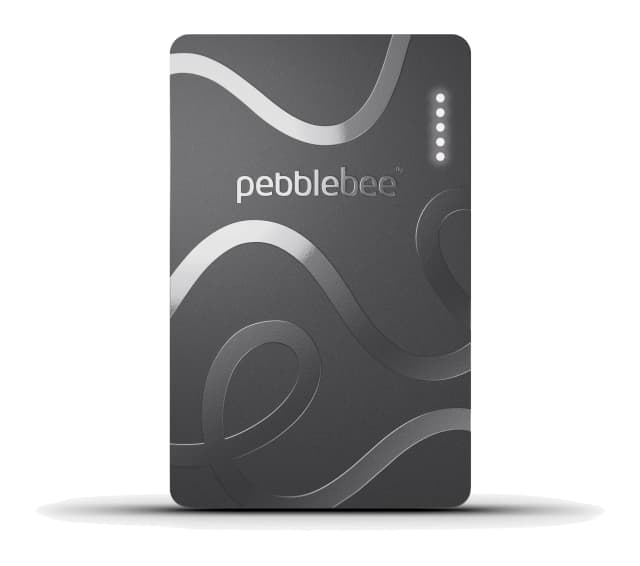
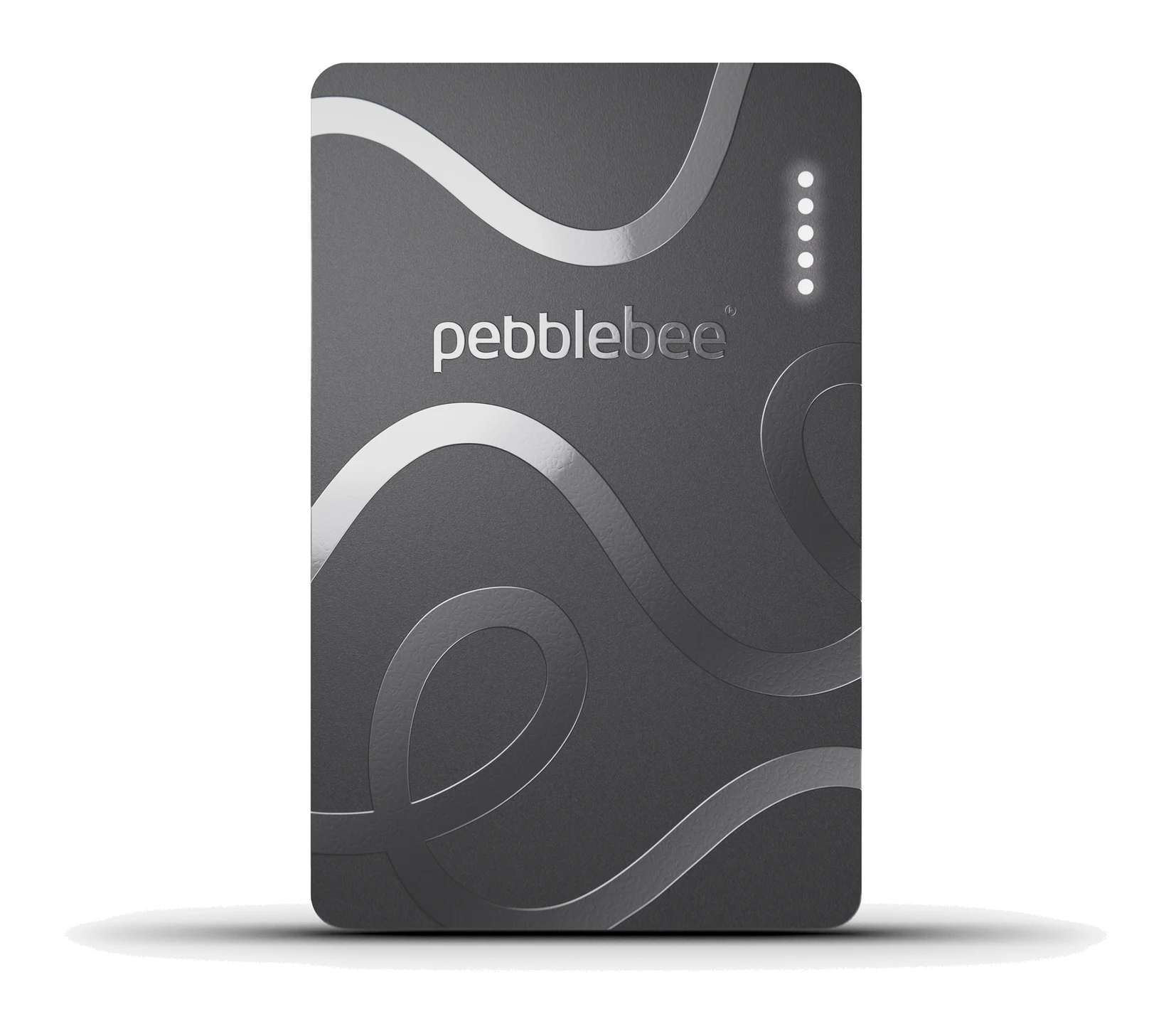
- Best ValuePebblebee Card 5Why we picked it →
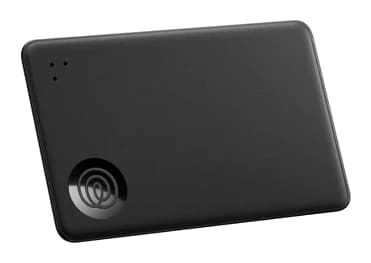
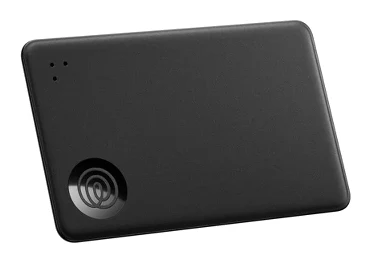
- Best BudgetTile SlimWhy we picked it →
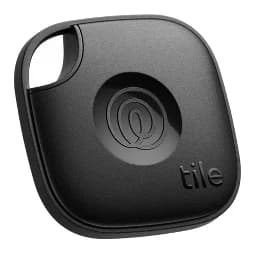
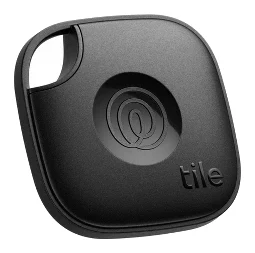
- Also GreatTile MateWhy we picked it →
Frequently asked questions
Is the Apple AirTag (2nd generation) worth it?
For iPhone users, reviewers generally say yes. It averages 9/10 across 4 expert reviews, and it adds longer-range Precision Finding, a louder speaker and Apple Watch support while keeping the same shape. It is less compelling if you already own a first-generation AirTag that works well, since reviewers describe the upgrade as modest.
Does the 2nd-generation AirTag work with Android?
No. It works with iPhone running iOS 26.0 or later and iPad running iPadOS 26.0 or later. Android users will need a different tracker.
Does the AirTag have a keyring hole?
No. A common criticism is that there is no built-in keyring hole, so you need to buy a holder to attach it to keys or a bag. Because the shape matches the original, existing AirTag accessories still fit.
How long does the AirTag battery last, and can I replace it?
It uses a user-replaceable CR2032 coin cell rated for about a year. It is not rechargeable, so you swap in a new cell when it runs low.
Does the AirTag work on Apple Watch?
Yes. Precision Finding works on Apple Watch Series 9 or later and Ultra 2 or later.
Is the AirTag waterproof?
It has an IP67 dust and water resistance rating, with a maximum depth of 1 meter up to 30 minutes. That should handle rain and splashes, though it is not designed for extended submersion.
Sources
Specs are taken from the manufacturers' official pages; expert recommendations from the publications below.
- Apple AirTag (2nd generation): apple.com, cultofmac.com, macworld.com, cnn.com
Related reviews & guides
Best Bluetooth Item Trackers 2026: Wallets, Keys & Bags
We compared Bluetooth trackers using manufacturer specs and expert recommendations. Here are five worth buying for keys, wallets and bags.
Published Oct 29, 2026
Apple iPhone 18 Pro Review (2026): Small, Fast, Familiar
Our Apple iPhone 18 Pro review looks at the compact flagship's A20 Pro chip, 48MP camera system, battery and charging, and who should upgrade.
Published Oct 28, 2026
Apple iPhone 18 Pro Max Review (2026): Big Battery, Big Body
Our Apple iPhone 18 Pro Max review looks at the A20 Pro chip, variable-aperture camera, long battery life and the weight trade-off, based on specs and expert reports.
Published Oct 26, 2026