Clore Jump-N-Carry JNC660 Review (2026): Built for the Shop
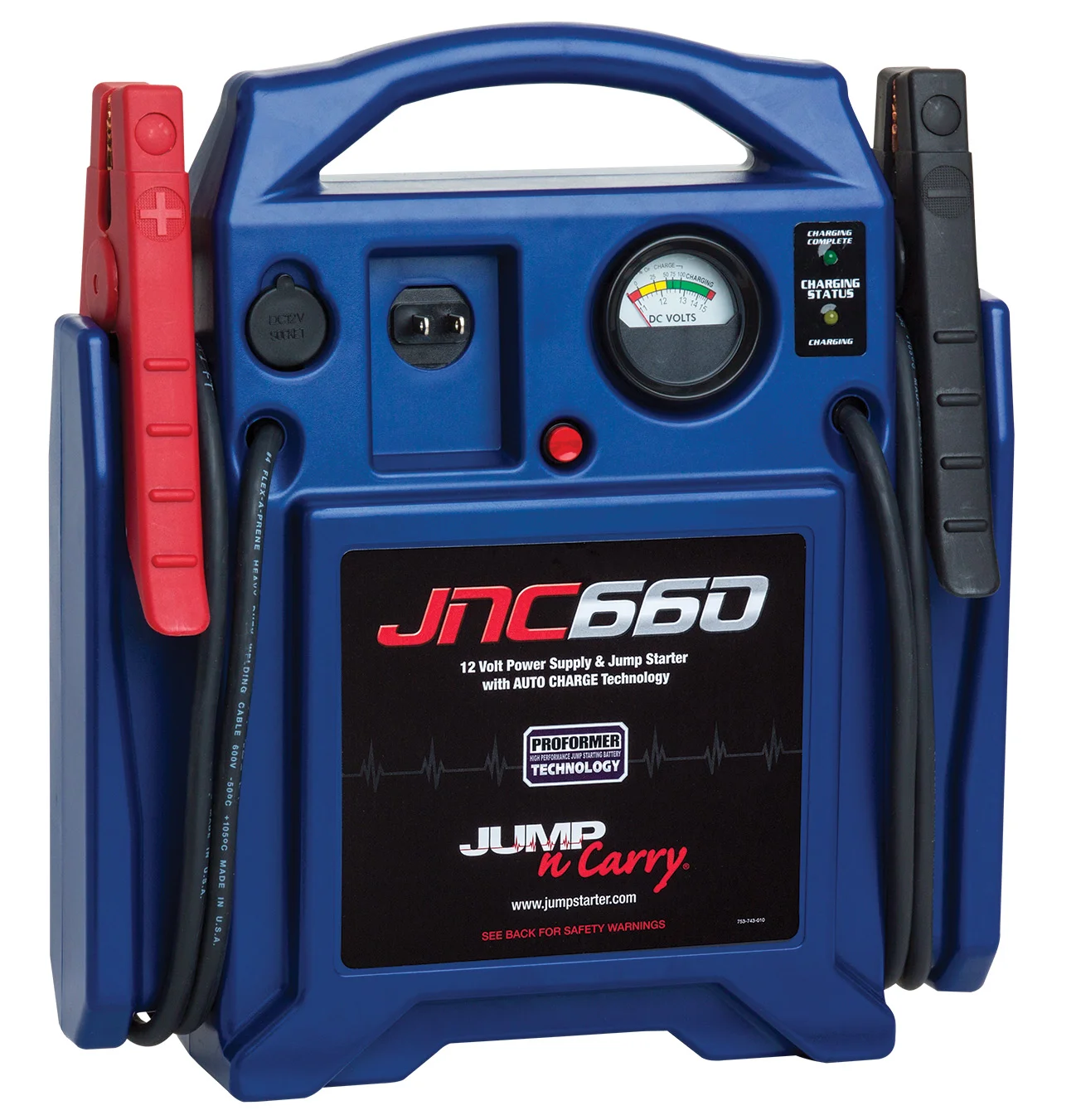
A rugged, plug-in jump starter with 1700 peak amps and long cables. It suits garages and fleets better than glovebox storage.
Research-based · We earn from qualifying purchases
Our verdict
The JNC660 is a rugged, high-output jump starter suited to garages, shops and fleets that need dependable starts and repeated jumps from a unit that stays plugged in. Skip it if you want a compact, portable lithium pack with USB charging and a flashlight for glovebox storage.
The good
- 1700 peak amps for starting stubborn engines
- Long 46" #2 AWG cables reach batteries in tight spots
- Built-in automatic charger can stay plugged in, ready to use
- Voltmeter shows onboard battery charge at a glance
- 12VDC outlet can power accessories
+2 more
- Voltmeter shows onboard battery charge at a glance
- 12VDC outlet can power accessories
The bad
- Heavy at 18 lbs. and bulky next to lithium jump starters
- No USB port or built-in flashlight
- No reverse polarity indicator, so connect clamps carefully
- Only a one-year limited warranty
+1 more
- Only a one-year limited warranty
This Clore Jump-N-Carry JNC660 review looks at a jump starter that takes a different approach from the compact lithium packs most people now picture. It is a heavy-duty, battery-based unit with an automatic charger built in. It is meant to sit plugged in and be ready whenever a dead battery turns up, which makes it a natural fit for garages, workshops and fleets. This review is based on manufacturer specs and what independent experts report, not on our own hands-on testing.
Clore Jump-N-Carry JNC660: specs at a glance
From the manufacturer- Weight
- 18 lbs.
- Battery
- 22Ah Clore PROFORMER
- Warranty
- One Year Limited
- Cable Gauge
- #2 AWG
- Cable Length
- 46"
- Charger Type
- Automatic
- Accessory Outlet
- 12VDC outlet
- 12 Volt Peak Amps
- 1700
- Indicator Display
- Volt Gauge
- 12 Volt Cranking Amps
- 425
- Dimensions (retailer listing)
- 14.1 × 5.1 × 16.5 in
- Battery Type (retailer listing)
- AGM
Key features
- 1700 peak amps for starting stubborn engines
- Clore PROFORMER battery built for repeated jump starts
- Built-in automatic charger that can stay plugged in so the unit is always ready
- 46" #2 AWG welding cable leads reach batteries in tight spots
- Industrial-grade clamps for efficient power transfer
- Voltmeter shows charge status of the onboard battery
- 12VDC outlet to power accessories
- 1 year limited warranty
Who the JNC660 is for
The JNC660 is aimed at people who jump-start vehicles regularly rather than once in a blue moon. Think of a repair shop, a dealership lot, a maintenance garage or a small fleet, where a dead battery is a routine interruption. In those settings, a unit that is always charged, has heavy leads and can handle repeated jumps matters more than pocketability.
If you want something to toss in a glovebox, this is probably not it, and we will say why below. For the right buyer, though, the JNC660 looks like a purpose-built tool, not a compromise. It sits in the mid-range part of the market.
Clore Jump-N-Carry JNC660 review: design and build
The most telling number is the weight: 18 lbs. This is a substantial piece of equipment, and the retailer listing gives its dimensions as 14.1 × 5.1 × 16.5 in. That is a very different proposition from a pocket-sized lithium pack. It is heavy and bulky next to lithium jump starters, and anyone planning to carry it around or store it in a small space should take that seriously.
What you get in return is a more industrial feel. The unit uses a Clore PROFORMER battery, which Clore describes as built for repeated jump starts. A retailer listing gives the battery as a 22Ah AGM type. The leads are 46" #2 AWG welding cable, and the clamps are described as industrial grade for efficient power transfer. Those are the parts that take the abuse in daily shop use, so it is good to see them specified generously.
Cables and clamps
Lead length is one of the quieter reasons to choose a unit like this. Engine bays are crowded, and in some vehicles the battery sits in an awkward spot. The 46" cables are long enough to reach batteries in tight spots. The thick #2 AWG gauge is the kind of cable you would expect on a tool meant to move a lot of current.
Features and what they mean day to day
Built-in automatic charger
The feature that most defines the JNC660 is the automatic charger. It can stay plugged in, so the unit is always topped up and ready. For a shop, that removes a common failure point with portable jump starters: the one that is flat when you finally need it. You park it, plug it in and forget it until the next dead battery.
Voltmeter
The indicator display is a volt gauge, which shows the charge status of the onboard battery. It is a simple, readable way to check at a glance whether the unit is ready, without interpreting a row of lights.
12VDC outlet
The JNC660 also has a 12VDC outlet to power accessories. It is a useful extra in a work setting, where a portable 12-volt source can come in handy beyond starting engines.
What it does not have matters just as much. There is no USB port and no built-in flashlight. If you want to charge a phone or light up an engine bay at night, you will need other gear.
Performance: peak amps and cranking amps
The headline number is 1700 peak amps, which is aimed at starting stubborn engines. Peak amps describe the maximum short burst of current, while cranking amps describe a more sustained figure. The JNC660 is listed at 425 cranking amps on a 12-volt system. The 1700 peak amps is aimed at starting stubborn engines, and the battery is designed to handle repeated jump starts instead of a single emergency use.
The independent scoring we have found is limited. MiniThunder scores it 9.5/10, but it is a single review, so treat it as a positive signal rather than a complete picture.
Safety and ease of use
There is one point to be careful about. The JNC660 has no reverse polarity indicator, so you need to connect the clamps carefully. Without that indicator, the responsibility sits with the person at the battery. In a trained shop environment that is a reasonable expectation. For a casual user who jump-starts a car once a year, it is a real consideration. Take a moment to confirm positive and negative before you clamp on.
Strengths and weaknesses
The strengths are practical and focused:
- The high output, with 1700 peak amps for stubborn engines.
- Long 46" #2 AWG cables that reach batteries in tight spots.
- The built-in automatic charger that can stay plugged in, ready to use.
- A voltmeter that shows onboard battery charge at a glance.
- A 12VDC outlet that can power accessories.
The drawbacks are the flip side of its design:
- It is heavy at 18 lbs. and bulky next to lithium jump starters.
- It has no USB port or built-in flashlight.
- It has no reverse polarity indicator, so careful clamp connection is required.
- It has only a one-year limited warranty.
None of these is a hidden flaw. They are the cost of a rugged, plug-in, battery-based design, and whether they matter depends entirely on how you plan to use it.
Who should buy it, and who should skip it
Buy the JNC660 if:
- You run a shop, garage or fleet and need dependable, repeatable jump starts.
- You want a unit that lives on a charger and is always ready.
- You value long, heavy-gauge cables and sturdy clamps over compact size.
- A basic volt gauge and a 12VDC outlet cover what you need.
Skip it if:
- You want a compact, portable pack for the glovebox or a small trunk.
- You expect USB charging and a flashlight from a jump starter.
- You would like a reverse polarity indicator as a safety net.
- You want a longer warranty than one year.
How it fits in its category
Jump starters broadly split into two camps: compact lithium packs built for convenience, and larger battery-based units built for output and repeated use. The JNC660 clearly belongs to the second camp. Its strengths are the ones you would expect from that design, such as high output, heavy cables and a charger that keeps it ready. Its weaknesses are weight, size and a thin feature list next to the small packs. Neither type is better in the abstract. The right choice depends on where the unit will live and how often it will be used.
We do not currently have a jump starter buying guide to link to, so for a broader comparison, check dedicated roundups of both compact and heavy-duty models before you commit.
Verdict
The Clore Jump-N-Carry JNC660 is a specialist tool, and it is honest about it. It trades portability and convenience features for high output, long cables and a charger that keeps it ready to go. For shops, garages and fleets that jump vehicles often, that is a sensible trade, and the MiniThunder score of 9.5/10 is a positive signal. For everyday drivers who just want emergency backup in the car, its weight, lack of USB and flashlight, and absence of a reverse polarity indicator make a compact pack the easier choice.
Related buying guides
Not sure about the Clore Jump-N-Carry JNC660? Consider these
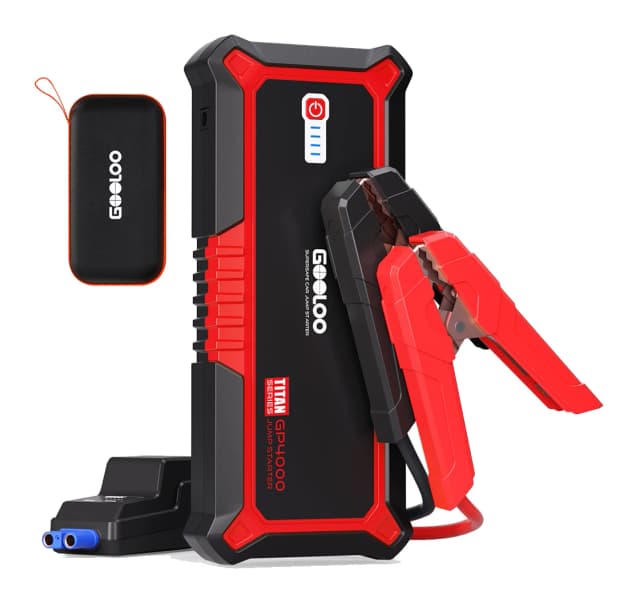
- Best OverallGOOLOO GP4000Why we picked it →
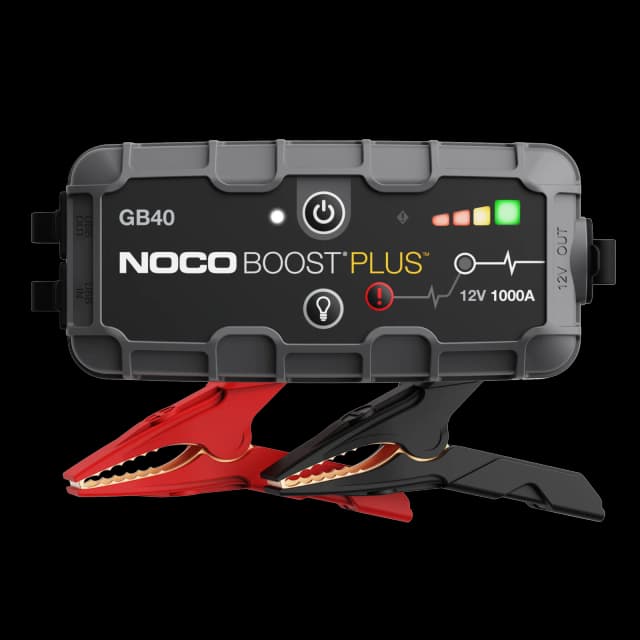
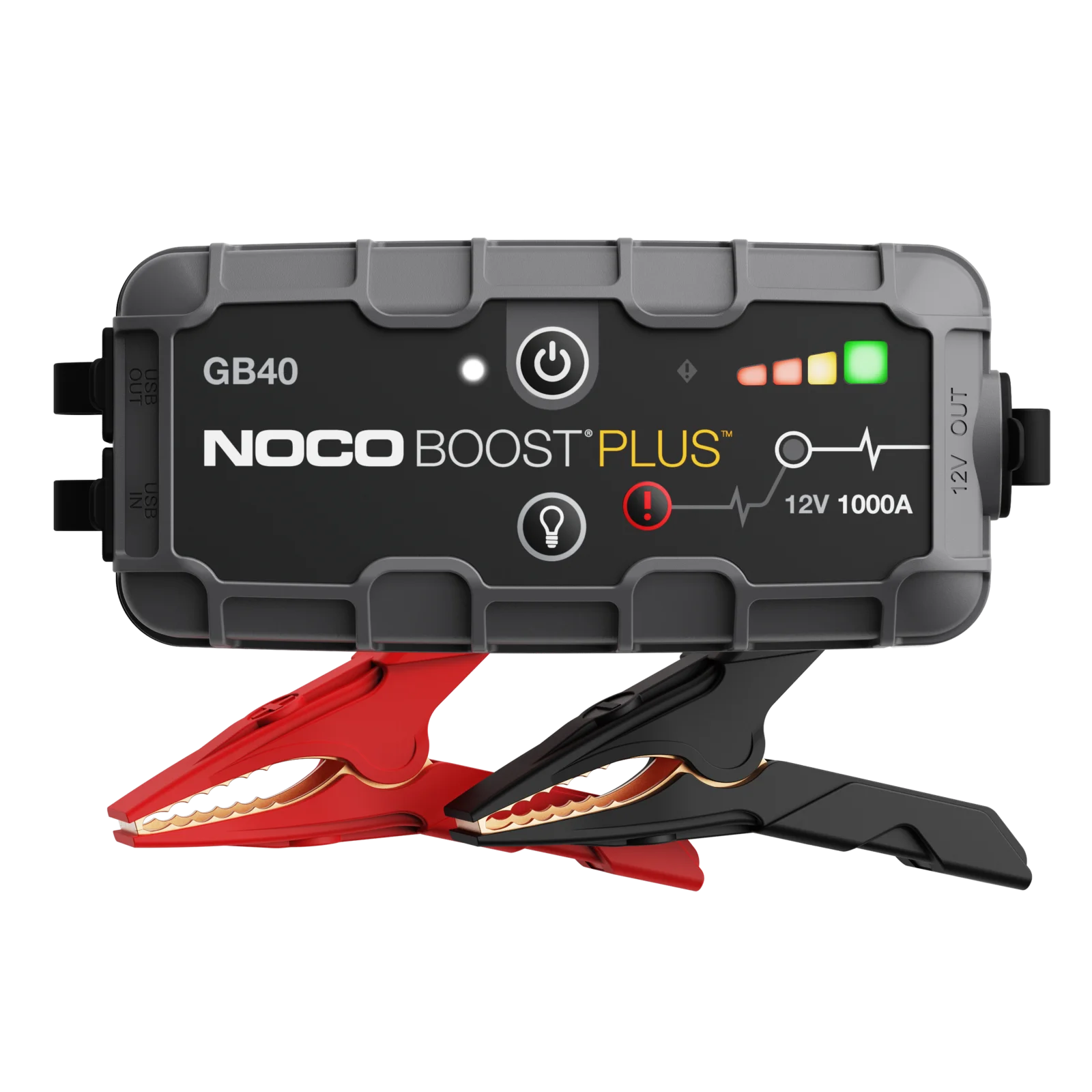
- Best BudgetNOCO Boost Plus GB40Why we picked it →
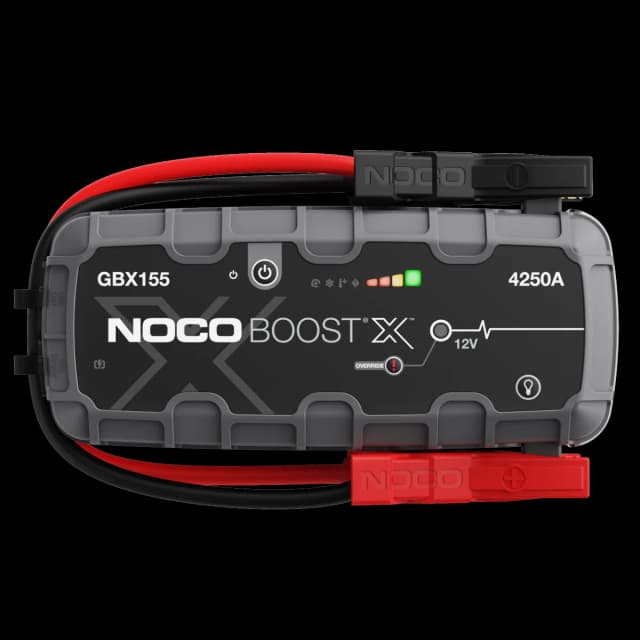
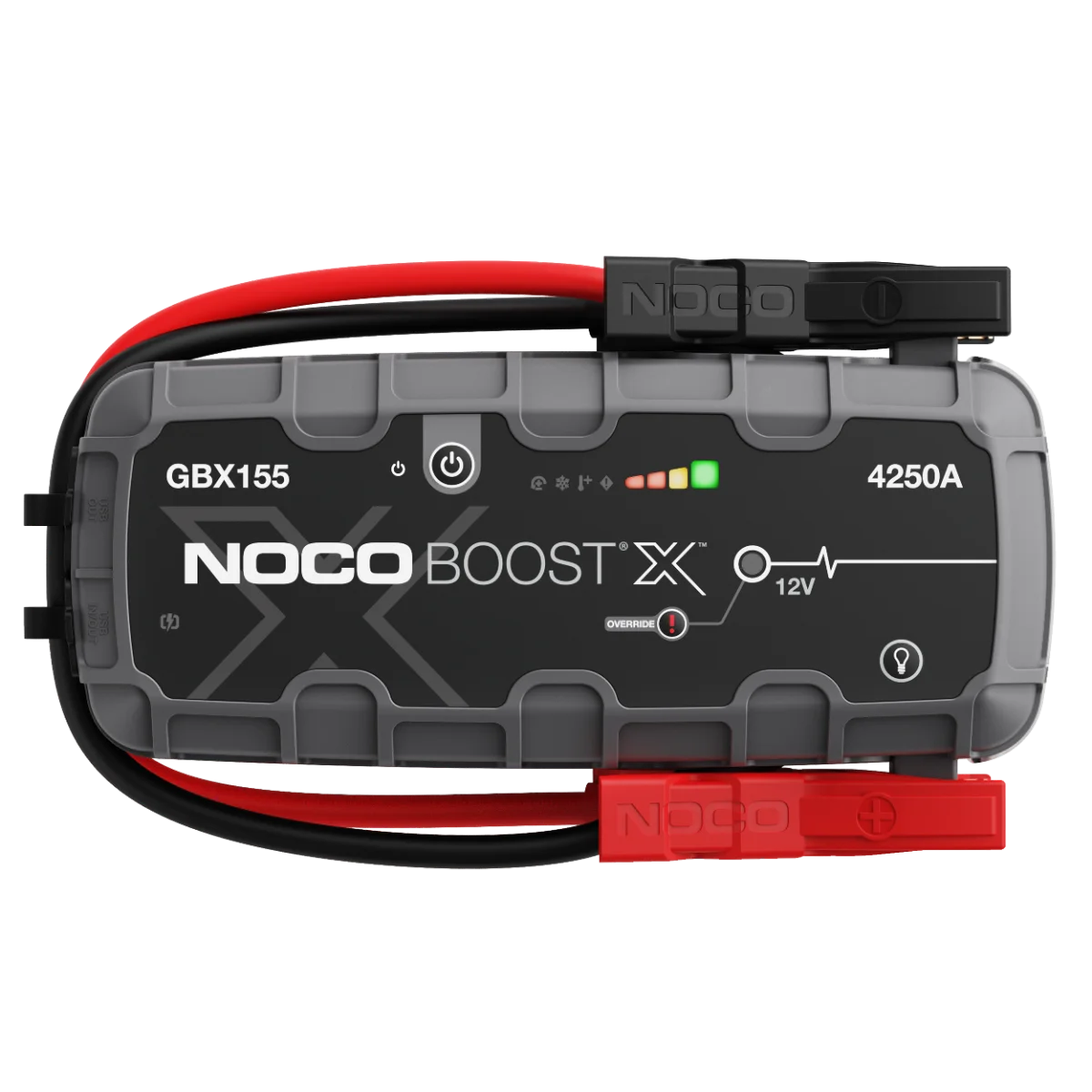
- Premium PickNOCO Boost X GBX155Why we picked it →
Frequently asked questions
Is the Clore Jump-N-Carry JNC660 worth it?
It is worth considering if you need heavy-duty, repeatable jump starts in a garage, shop or fleet. It offers 1700 peak amps, long 46" #2 AWG cables and a built-in automatic charger that can stay plugged in. It is less compelling for casual drivers who want something compact, since it weighs 18 lbs. and has no USB port or flashlight.
How many peak amps does the JNC660 have?
The JNC660 is rated at 1700 peak amps. It is also listed at 425 cranking amps on a 12-volt system.
Can the JNC660 stay plugged in all the time?
Yes. It has a built-in automatic charger that can stay plugged in so the unit is always ready to use. A voltmeter shows the charge status of the onboard battery.
Does the JNC660 have a USB port or flashlight?
No. It does have a 12VDC outlet that can power accessories, but it has no USB port and no built-in flashlight.
Does the JNC660 have reverse polarity protection?
It does not have a reverse polarity indicator, so you need to connect the clamps carefully and check positive and negative before clamping on.
What warranty does the Clore JNC660 come with?
It comes with a one year limited warranty, which is a drawback for some buyers.
Sources
Specs are taken from the manufacturers' official pages; expert recommendations from the publications below.
- Clore Jump-N-Carry JNC660: cloreautomotive.com, walmart.com, tooldom.com, asedeals.com
Related reviews & guides
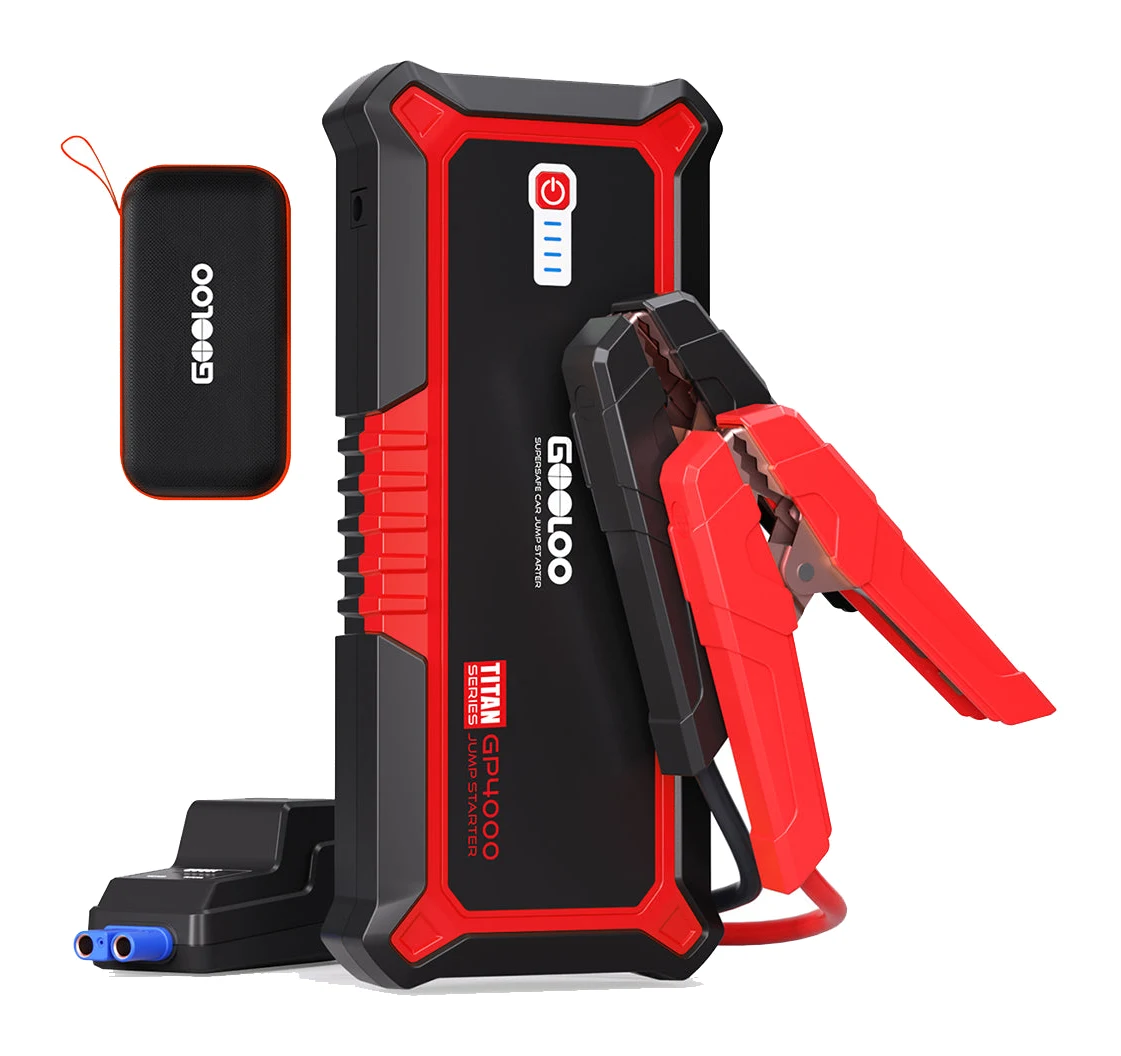
Best Portable Car Jump Starters 2026: Sized to Your Engine
Five jump starters compared on engine range, weight, recharging and extras, using manufacturer specs and expert recommendations.
Published Oct 22, 2026GOOLOO GP4000 Review (2026): Big Power, Mid-Range Build
The GOOLOO GP4000 pairs 4000A of peak current with power-bank and flashlight extras at a mid-range price. Here is what the specs and expert reviews say, and where it falls short.
Published Oct 27, 2026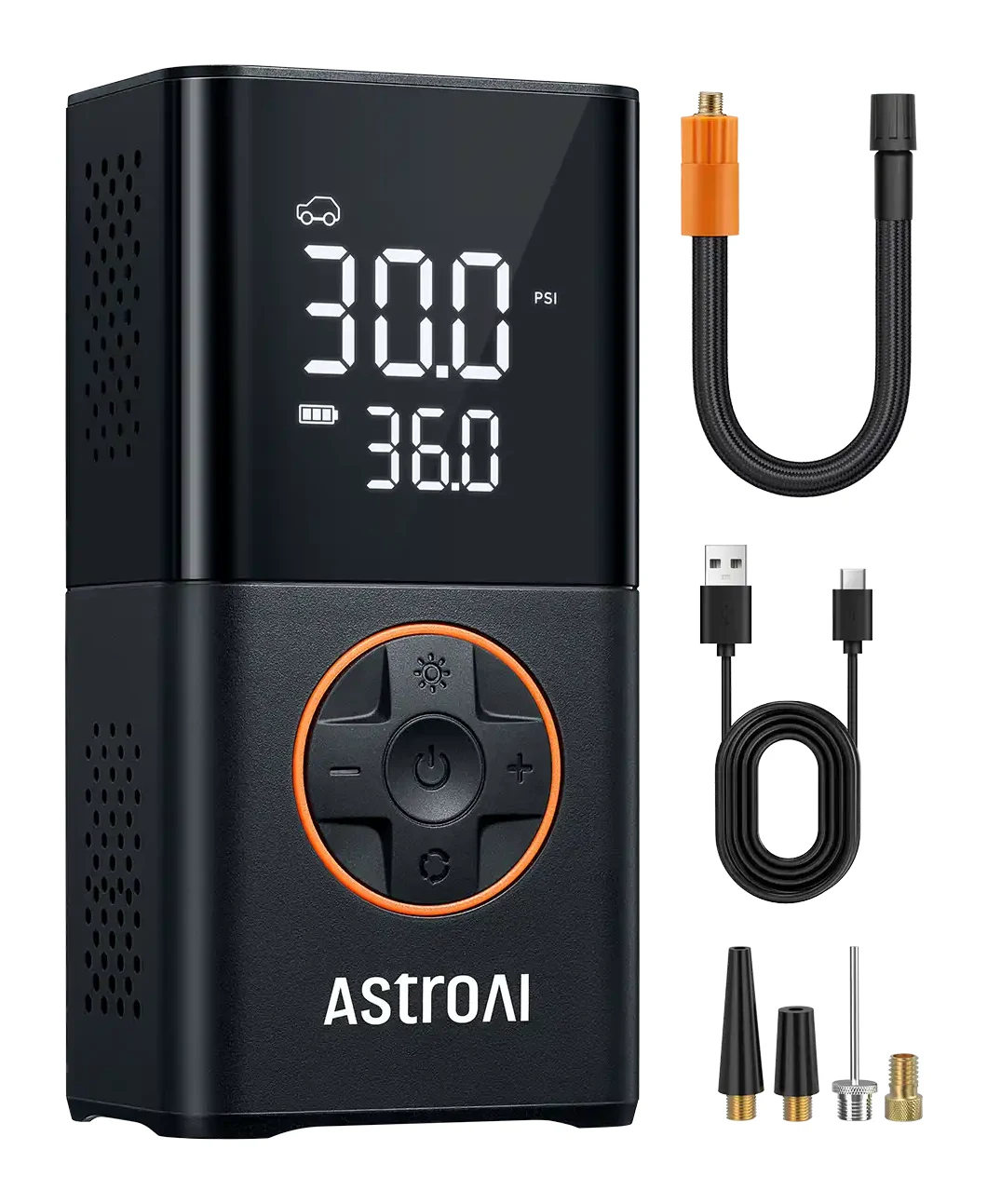
AstroAI L7 Review (2026): Built for Top-Ups, Not Flats
A compact cordless inflator with presets, auto shut-off, a flashlight and a power-bank port. Here is what the AstroAI L7 does well, where reviewers say it struggles, and who should buy it.
Published Oct 23, 2026