Google Fitbit Air Review (2026): Screenless and Always On
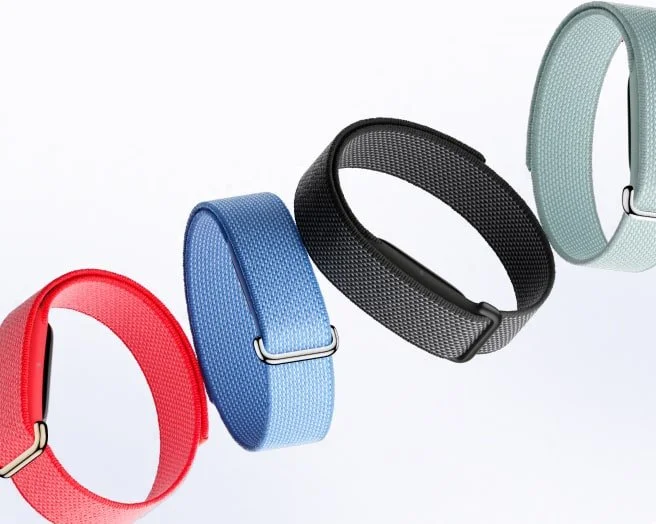
A screenless tracker built to be worn day and night. This Google Fitbit Air review covers sleep tracking, battery, health sensors and the trade-offs of having no display or GPS.
Research-based · We earn from qualifying purchases
Our verdict
The Fitbit Air suits anyone who wants a comfortable, long-lasting tracker for sleep, daily activity and general wellness without a smartwatch screen. Serious athletes who want standalone GPS, precise high-intensity tracking or on-wrist data should look at a full smartwatch instead.
The good
- Tiny screenless design is light enough to wear 24/7, including in bed
- Up to 7 days of battery, with 5-minute fast charging for about a day
- Strong sleep tracking with sleep stages, Smart Wake alarm and daily Readiness score
- Wide health tracking: AFib alerts, SpO2, HRV and skin temperature variation
- Water resistant to 50m, and works with both Android and iOS
+2 more
- Wide health tracking: AFib alerts, SpO2, HRV and skin temperature variation
- Water resistant to 50m, and works with both Android and iOS
The bad
- No built-in GPS, so distance and pace depend on your phone
- Heart rate and workout tracking is weaker at high intensity
- No screen, so you check everything through the app
- Best AI coaching needs a Google Health Premium subscription after the 3-month trial
+1 more
- Best AI coaching needs a Google Health Premium subscription after the 3-month trial
This Google Fitbit Air review looks at a tracker that drops the screen. Instead of a mini smartphone on your wrist, you get a small, light sensor pod that logs heart rate, activity and sleep, with everything read through the Google Health app. It is aimed at wellness and sleep trackers who want a minimalist, always-on wearable and who don't need data on the wrist.
This review is based on Google's published specifications and on what independent expert reviews report. It is not based on hands-on testing. Across four published expert scores, the Fitbit Air averages 9.1/10, which is a strong result.
Google Fitbit Air: specs at a glance
From the manufacturer- GPS
- None built in; uses phone GPS
- Memory
- 7 days of minute-by-minute motion data; daily totals for the last 30 days; heart rate stored at 2-second intervals
- Weight
- 0.01 lb (5.2 g) without band; 0.03 lb (12 g) with band
- Display
- None (screenless)
- Sensors
- Optical heart rate monitor; 3-axis accelerometer + gyroscope; red and infrared SpO2 sensors; device temperature sensor
- Battery life
- Up to 7 days
- Battery type
- Lithium-polymer
- Connectivity
- Bluetooth 5.0
- Quick charge
- 1 day of battery life in 5 min
- Other hardware
- Vibration motor
- Water resistance
- 50m (5 ATM)
- Phone compatibility
- Android 11.0 or higher; also iOS (requires Google Account and Google Health app)
- Dimensions (without band)
- 1.4 in (34.9 mm) long x 0.7 in (17 mm) wide x 0.3 in (8.3 mm) high
- Full charge time (0-100%)
- 90 min
- Included subscription trial
- 3 months of Google Health Premium
Key features
- Screenless 'pebble' tracker that is light and comfortable enough to wear 24/7, including in bed
- Up to 7 days of battery, plus 5-minute fast charging for about 1 day of power
- Tracks heart rate, steps, Active Zone Minutes, distance and calories around the clock
- Sleep stages, Smart Wake vibration alarm and a daily Readiness score with Cardio Load
- Heart rhythm monitoring with AFib alerts, SpO2, HRV and skin temperature variation
- Optional Gemini-powered Google Health Coach (Google Health Premium; 3-month trial included)
- Works with Android and iOS through the Google Health app
- Swappable bands; the Performance Loop band is included
What the Google Fitbit Air actually is
The Fitbit Air is a screenless "pebble" tracker. There is no display, so it works more like a sensor you forget about than a gadget you interact with. A tracker that is light enough to wear all day and night, including in bed, can record sleep and overnight metrics. Sleep and recovery metrics only mean something if the device is on your wrist when you go to bed.
It is a mid-range option among the products compared and works with both Android and iOS through the Google Health app. Android users need Android 11.0 or higher, and iOS users need a Google Account and the Google Health app.
Design and build
The design is the main selling point. The tracker body measures 1.4 in (34.9 mm) long x 0.7 in (17 mm) wide x 0.3 in (8.3 mm) high without the band. It weighs 0.01 lb (5.2 g) without the band and 0.03 lb (12 g) with it. It is light and comfortable enough to wear 24/7, including in bed.
The Performance Loop band is included, and bands are swappable. That lets you swap in a different band.
Water resistance is rated to 50m (5 ATM).
Living without a screen
The flip side of the minimal design is that there is nothing to look at. You check steps, heart rate, sleep and readiness in the app, not at a glance. If you like checking your pace mid-run or glancing at the time, this is not the right tracker. If the idea of fewer screens appeals, it may be a benefit.
There is a vibration motor on board, and the Smart Wake alarm is vibration-based.
Features and what they mean day to day
Around-the-clock activity tracking
The Fitbit Air tracks heart rate, steps, Active Zone Minutes, distance and calories around the clock. That covers the basics most people want from a tracker: a sense of how active you've been and how hard your body is working.
The sensor set is an optical heart rate monitor, a 3-axis accelerometer and gyroscope, red and infrared SpO2 sensors, and a device temperature sensor. Together they feed both daily activity numbers and the overnight health metrics.
Sleep and readiness
Sleep tracking is one of the Air's strong points. It records sleep stages, offers the vibration-based Smart Wake alarm, and produces a daily Readiness score with Cardio Load. That gives you sleep data and a daily readiness reading in the app.
If you wear a tracker mainly to understand your sleep, the combination of light weight and long battery matters as much as the metrics. You can wear it every night without thinking about it.
Wider health metrics
The Air goes beyond steps and sleep. It offers heart rhythm monitoring with AFib alerts, plus SpO2, HRV and skin temperature variation. As with any consumer tracker, treat them as wellness information rather than a diagnosis.
Gemini-powered Google Health Coach
An optional Gemini-powered Google Health Coach is available through Google Health Premium. A 3-month trial of Google Health Premium is included. The best AI coaching needs a Google Health Premium subscription after the 3-month trial, so budget for it if the coach is a big draw. The Google Health Coach is optional.
Battery, charging and connectivity
Google quotes up to 7 days of battery. The tracker connects over Bluetooth 5.0.
Charging is quick. A 5-minute fast charge gives about 1 day of battery life, and a full charge from 0-100% takes 90 min. That fast top-up is handy for a tracker meant to be worn overnight.
The tracker has no built-in GPS and uses your phone's GPS. Distance and pace therefore depend on carrying your phone. Memory holds 7 days of minute-by-minute motion data, daily totals for the last 30 days, and heart rate at 2-second intervals. That is the data the tracker stores on the device itself.
Performance: strong for wellness, weaker for hard training
From the facts and expert reports, the Air is built for all-day wellness rather than intense training. Heart rate and workout tracking is weaker at high intensity. If your training is high intensity, expect heart rate and workout tracking to be weaker.
The Air is positioned for all-day wellness and sleep tracking rather than hard training.
What experts like and what they criticise
The expert scores are strong overall:
- Tom's Guide: 4.5/5
- Android Central: 4.5/5
- Engadget: 8.8/10
- Exhibit.tech: 9.7/10
The average is 9.1/10.
The strengths are the tiny, comfortable design that you can wear in bed, the battery life with fast charging, the sleep tracking, the range of health metrics, and the 50m water resistance. Support for both Android and iOS also counts in its favour.
The drawbacks are the lack of built-in GPS, the weaker heart rate and workout tracking at high intensity, and the absence of a screen. The best AI coaching also needs a Google Health Premium subscription after the 3-month trial.
Who should buy it, and who should skip it
Buy it if you want a comfortable, long-lasting tracker for sleep, daily activity and general wellness. It suits people who don't want a smartwatch screen on their wrist and who want a light, always-on tracker. It also suits people who want AFib alerts and overnight health metrics from a light tracker they can wear in bed.
Skip it if you are a serious athlete who needs standalone GPS, precise high-intensity tracking or data on the wrist. In that case, a full smartwatch is the better choice. It is also a poor fit if you want to glance at time, notifications or live workout stats, since the Air has no display at all.
How it fits among fitness trackers
The fitness tracker category covers bands, rings and watches, each making different trade-offs between screen, comfort, battery and features. The Fitbit Air takes a clear position: no screen, light weight, and a focus on sleep and wellness. If you're weighing your options, see our guide to the best fitness trackers for a wider view of the category.
Verdict
The Google Fitbit Air is a focused product that does a specific job well. It tracks sleep, daily activity and a broad set of health metrics from a device light enough that you may stop noticing it. Up to 7 days of battery and 5-minute fast charging for about a day of power are practical strengths, and support for both Android and iOS widens its appeal.
The trade-offs are real and clear: no screen, no built-in GPS, weaker tracking at high intensity, and a subscription for the best coaching. If those don't bother you, the Air is a strong fit for wellness and sleep tracking. If they do, look for a device with a display and built-in GPS.
Related buying guides
Not sure about the Google Fitbit Air? Consider these
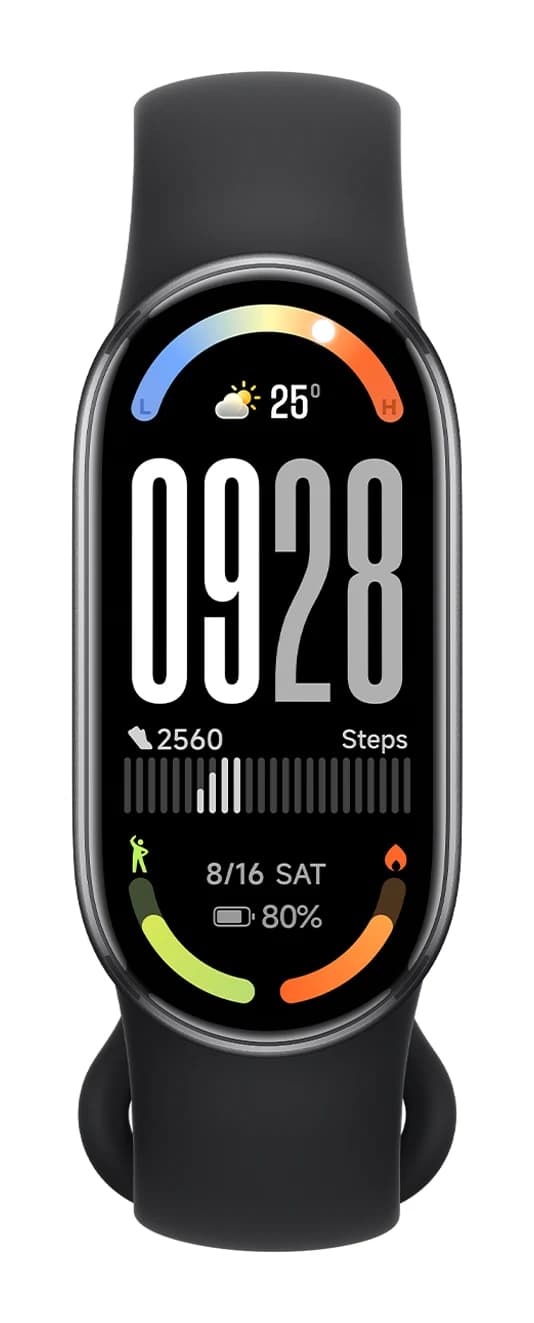
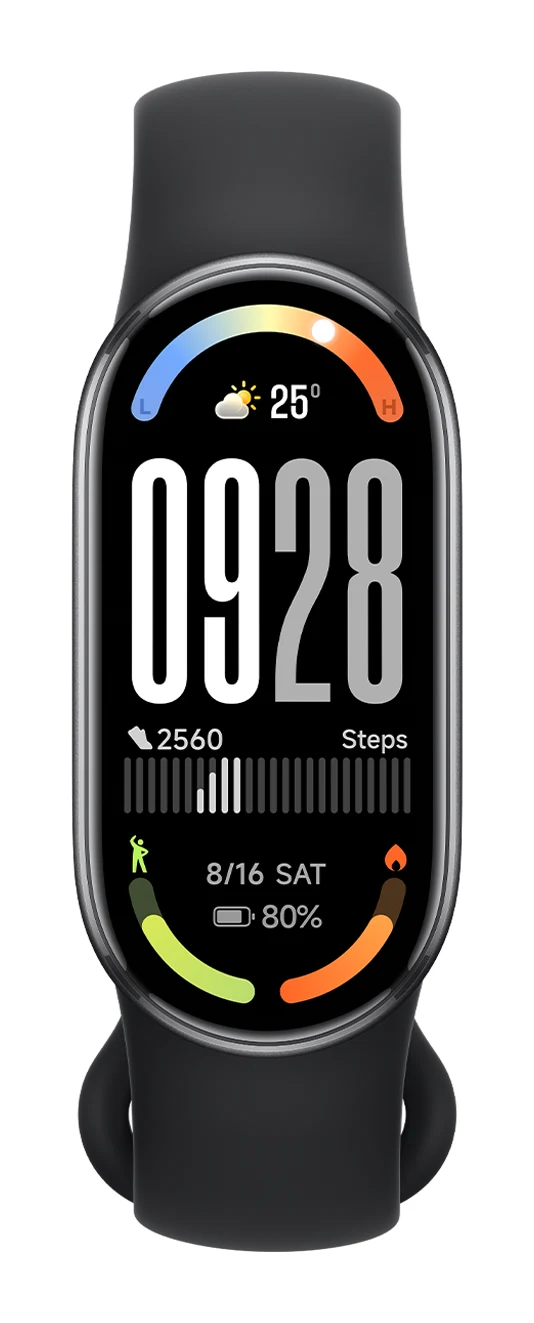
- Best ValueXiaomi Smart Band 10Why we picked it →
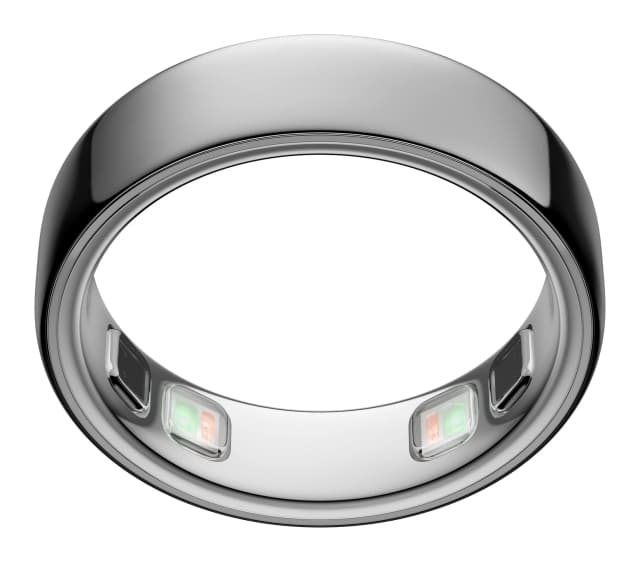
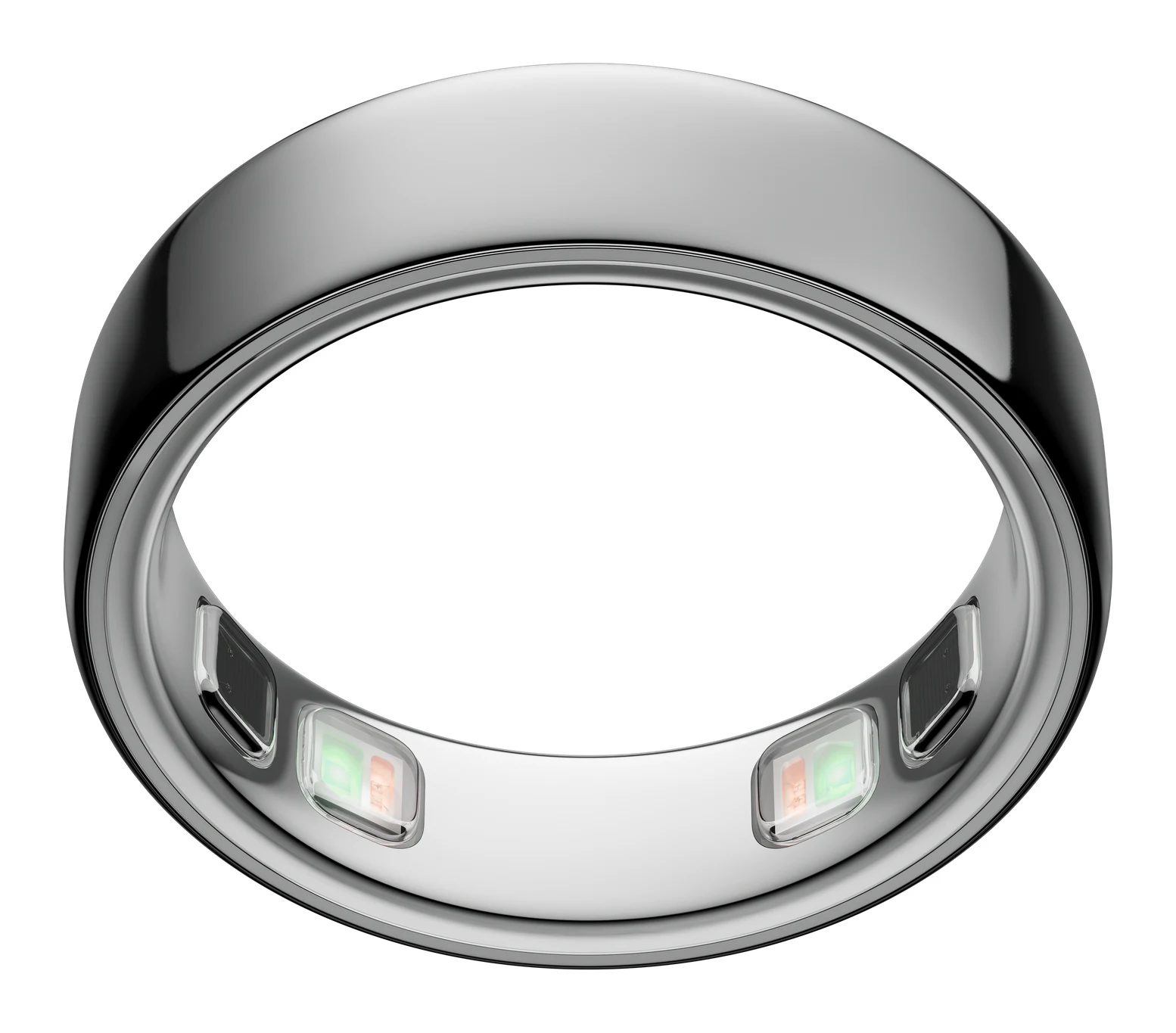
- Best BudgetOura Ring 5Why we picked it →
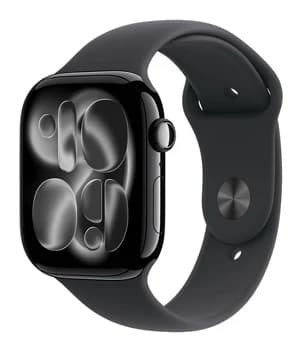
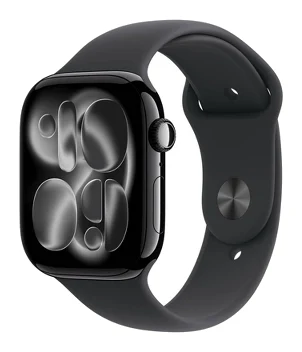
- Also GreatApple Watch Series 11Why we picked it →
Frequently asked questions
Is the Google Fitbit Air worth it?
It is a good fit if you want a light, comfortable tracker for sleep, daily activity and general wellness. It averages 9.1/10 across four expert reviews. It is less suitable for serious athletes who need built-in GPS, on-wrist data or precise high-intensity tracking.
Does the Google Fitbit Air have GPS?
No. It has no built-in GPS and uses your phone's GPS, so distance and pace depend on carrying your phone.
How long does the Fitbit Air battery last?
Google quotes up to 7 days of battery. A 5-minute fast charge gives about 1 day of battery life, and a full charge from 0-100% takes 90 min.
Does the Fitbit Air work with iPhone?
Yes. It works with Android and iOS through the Google Health app. Android needs version 11.0 or higher, and iOS requires a Google Account and the Google Health app.
Is the Fitbit Air waterproof?
It is water resistant to 50m (5 ATM).
Does the Fitbit Air need a subscription?
The optional Gemini-powered Google Health Coach is part of Google Health Premium, which includes a 3-month trial. The best AI coaching needs that subscription after the trial ends.
Sources
Specs are taken from the manufacturers' official pages; expert recommendations from the publications below.
- Google Fitbit Air: store.google.com, support.google.com, blog.google
Related reviews & guides
Best Fitness Trackers 2026: Bands, Rings & Watches
Five of the best fitness trackers for 2026, from a screenless band and a long-battery budget band to a smart ring and two full smartwatches, compared on manufacturer specs and expert recommendations.
Published Oct 22, 2026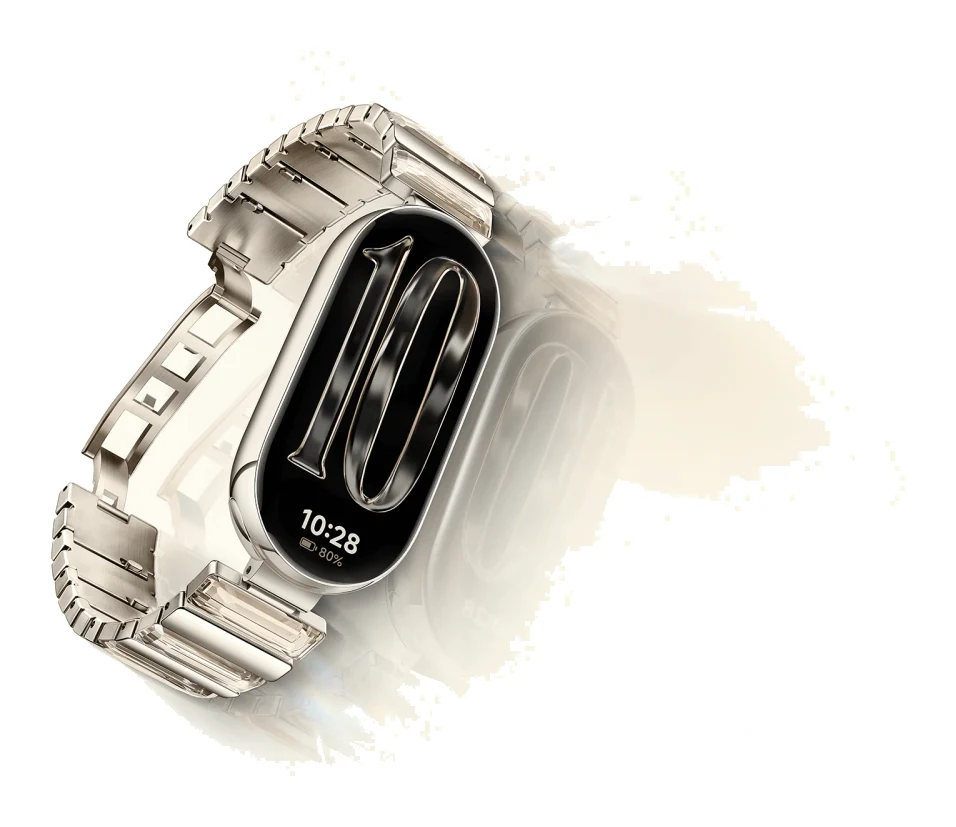
Xiaomi Smart Band 10 Review (2026): Big Screen, No GPS
A bright 1.72-inch AMOLED, multi-week battery and broad fitness tracking in a light band, with no built-in GPS and a few weak spots. Here is who the Band 10 suits.
Published Oct 25, 2026
Garmin Venu 4 Review (2026): Premium Look, Long Battery
A spec-based look at the Garmin Venu 4 45mm: bright AMOLED screen, multi-band GPS, up to 12 days of battery and deep health tools, plus where experts say it falls short.
Published Oct 25, 2026