Google Pixel 11 Pro Review (2026): Compact, With Caveats
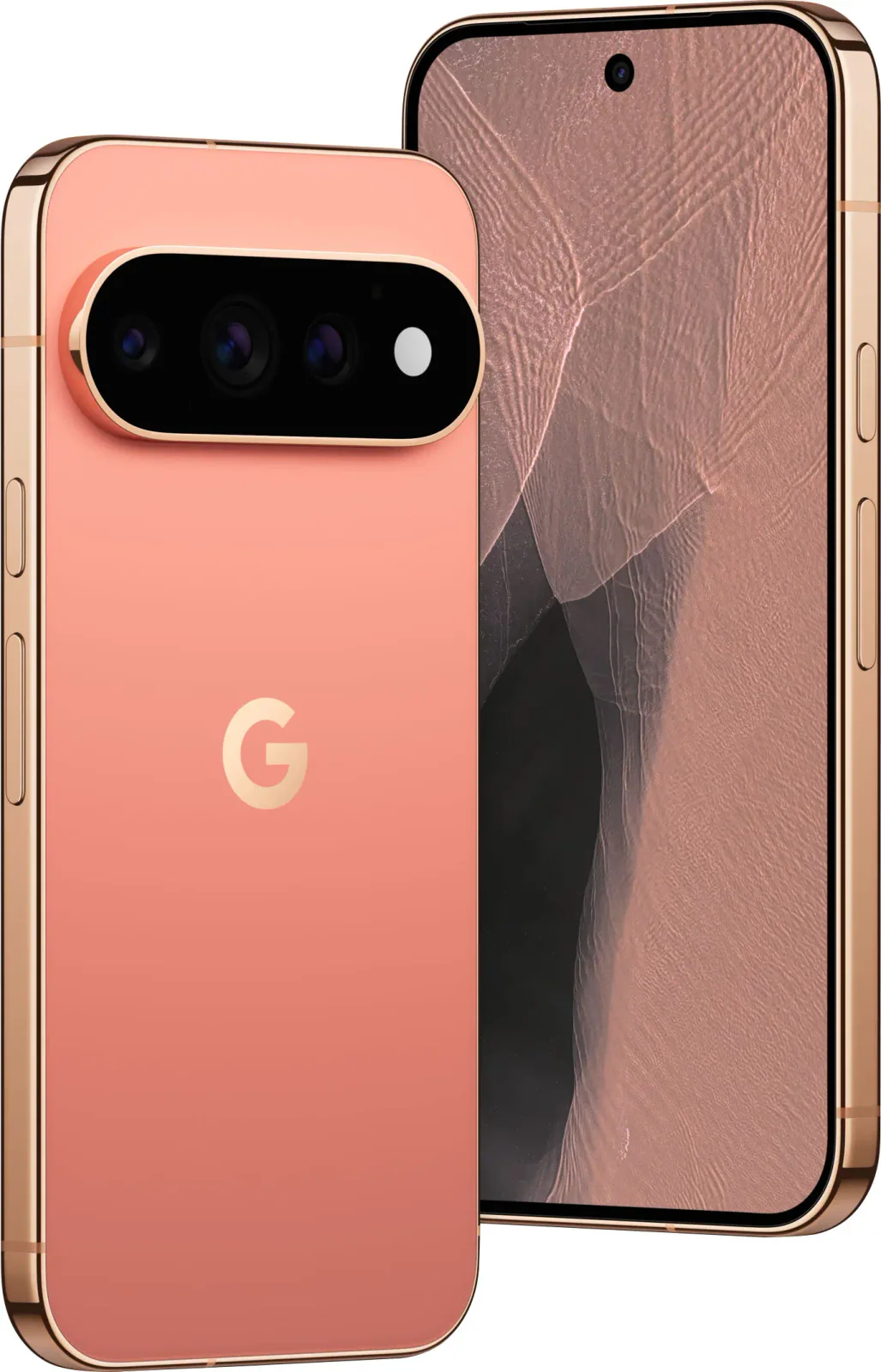
Our Google Pixel 11 Pro review looks at a compact flagship with a versatile triple camera, a very bright display and long software support, and where expert reviewers say it falls short.
Research-based · We earn from qualifying purchases
Our verdict
The Pixel 11 Pro suits buyers who want a compact phone with a flexible camera system, a bright display and long software support. Skip it if you prioritize gaming performance, top-tier battery life, or value over the Pixel 10 Pro.
The good
- Versatile triple camera with 5x optical telephoto and Pro Zoom up to 120x
- Very bright 6.3-inch LTPO OLED, up to 3600 nits peak
- Compact, premium build with IP68 and Gorilla Glass Victus 2
- 7 years of OS, security and Pixel Drop updates
- Built-in Pixelsnap Qi2.2 magnets with up to 25W wireless charging
+2 more
- 7 years of OS, security and Pixel Drop updates
- Built-in Pixelsnap Qi2.2 magnets with up to 25W wireless charging
The bad
- Tensor G6 trails rivals in benchmarks and demanding gaming
- Reviewers call battery life and charging speeds average or inconsistent
- HiLight camera-bar light seen as gimmicky or underused
This Google Pixel 11 Pro review is for people who want a flagship Android phone without a huge slab in the pocket. The Pixel 11 Pro pairs a 6.3-inch display with a triple rear camera, Google's Tensor G6 chip and Gemini AI built in. It is aimed at compact-phone fans who care more about cameras and long software support than raw gaming speed. This review is based on Google's published specs and what independent experts report, not on our own hands-on testing.
Google Pixel 11 Pro: specs at a glance
From the manufacturer- Zoom
- Pro Zoom up to 120x
- Weight
- 7.2 oz
- Battery
- Typical 4850 mAh (minimum 4707 mAh)
- Display
- 6.3-inch LTPO OLED, 1280 x 2856, 1-120 Hz
- Software
- Launched with Android 17
- Processor
- Google Tensor G6 with Titan M3 security coprocessor
- Dimensions
- 6 in x 2.8 in x 0.3 in
- Durability
- IP68; Gorilla Glass Victus 2 front and back; aluminum frame
- Connectivity
- Wi-Fi 7, Bluetooth v6, NFC, USB Type-C 3.2, dual eSIM (US)
- Front camera
- 42 MP
- Rear cameras
- 50 MP wide + 48 MP ultrawide + 48 MP 5x telephoto
- RAM / storage
- 12 GB / 256 GB; 16 GB / 512 GB or 1 TB
- Wired charging
- up to 55% in about 30 minutes with a 30W USB-C PPS charger or higher (sold separately)
- Peak brightness
- up to 3600 nits (2400 nits HDR)
- Wireless charging
- Pixelsnap Qi2.2 up to 25W
Key features
- Tensor G6 chip with Gemini AI built in for everyday assistance
- Pro triple rear camera with 5x optical telephoto and Pro Zoom up to 120x
- Bright 6.3-inch Super Actua LTPO OLED display, up to 3600 nits peak
- HiLight light in the camera bar that signals calls and Gemini use without looking at the screen
- Pixelsnap Qi2.2 magnetic wireless charging up to 25W
- 7 years of OS, security and Pixel Drop updates
- Vapor chamber to help keep performance steady
- Compact body with IP68 dust and water resistance
What the Pixel 11 Pro is trying to be
The Pixel 11 Pro sits in the mid-range part of the market among the phones we compare. Its pitch is simple: a compact body, a camera system with a real telephoto lens, a bright screen and a very long update promise. Google also leans on Gemini AI for everyday assistance, running on the Tensor G6 with a Titan M3 security coprocessor handling security.
It has been recommended in 5 independent expert guides. Published scores are more mixed. The phone averages 7.7/10 across 3 expert reviews: Engadget gives it 9/10, Trusted Reviews 4/5 and Tom's Guide 3/5. That spread shows reviewers are not unanimous about it.
Design and build
The Pixel 11 Pro measures 6 in x 2.8 in x 0.3 in and weighs 7.2 oz. Reviewers praise the compact, premium build. The front and back both use Gorilla Glass Victus 2 around an aluminum frame, and the phone carries an IP68 rating for dust and water resistance.
A small, sealed, glass-and-aluminum phone is easier to use one-handed and easier to carry. IP68 means it is built to cope with dust and water exposure, which is useful insurance for a phone you plan to keep for years.
HiLight in the camera bar
The most unusual design element is HiLight, a light in the camera bar that signals calls and Gemini use without you looking at the screen. It signals calls and Gemini use without you looking at the screen. In practice, a common criticism is that reviewers see it as gimmicky or underused. Treat it as a nice extra, not a reason to buy.
Display
The screen is a 6.3-inch Super Actua LTPO OLED panel at 1280 x 2856 resolution. It adjusts its refresh rate across a 1-120 Hz range. LTPO panels can drop the refresh rate when content is static and rise when you scroll or play games, which helps balance smoothness and battery use.
Brightness is the headline. Google quotes up to 3600 nits peak and 2400 nits HDR, and reviewers single out the very bright display as a strength. That matters most outdoors in strong light, where a dim screen quickly becomes hard to read. Along with the compact body, the display is one of the clearest reasons to choose this phone.
Google Pixel 11 Pro review: cameras and zoom
The rear camera system is the main draw. It combines a 50 MP wide camera, a 48 MP ultrawide and a 48 MP 5x telephoto. On the front is a 42 MP selfie camera. Google adds Pro Zoom, which reaches up to 120x.
What does that mean day to day? Three lenses cover wide scenes, ordinary framing and a 5x optical reach for distant subjects, so you are not relying on digital cropping for every zoomed shot. Google quotes Pro Zoom at up to 120x. Reviewers consistently describe the camera setup as versatile.
Performance and the Tensor G6
Performance is one of the criticisms reviewers raise about the Pixel 11 Pro. The phone runs the Google Tensor G6 with 12 GB of RAM on the base configuration; higher storage options come with 16 GB. Google also includes a vapor chamber to help keep performance steady under load.
A common criticism is that the Tensor G6 trails rivals in benchmarks and demanding gaming. If you want the fastest phone for long gaming sessions, it is the clearest reason to look elsewhere.
Storage options are 256 GB on the 12 GB model, and 512 GB or 1 TB paired with 16 GB of RAM.
Battery and charging
The battery is rated at a typical 4850 mAh (minimum 4707 mAh). Reviewers, though, call battery life and charging speeds average or inconsistent, so it is not a strength of this phone. If you are a heavy user who needs a phone to last well past a full day, treat that criticism seriously.
Wired charging reaches up to 55% in about 30 minutes with a 30W USB-C PPS charger or higher, which is sold separately. So you may need to buy a suitable charger to get that speed.
Wireless charging is better handled. The phone has built-in Pixelsnap Qi2.2 magnets and supports wireless charging up to 25W. Reviewers list the built-in Pixelsnap Qi2.2 magnets and up to 25W wireless charging as a strength.
Connectivity and software
Connectivity is up to date: Wi-Fi 7, Bluetooth v6, NFC, USB Type-C 3.2 and dual eSIM in the US. The phone launched with Android 17.
The software promise is one of its best features. Google commits to 7 years of OS, security and Pixel Drop updates. For a phone you expect to keep for a long time, that is a strong reason to pay for a flagship, because it lowers the risk of the phone becoming insecure or outdated before the hardware wears out. It also helps offset the performance concerns, since a phone that stays supported can stay useful even if it isn't the fastest.
What experts like and what they criticise
Reviewers praise the versatile triple camera with its 5x optical telephoto, the very bright display, the compact premium build, the 7 years of updates and the built-in magnetic wireless charging.
The criticisms are just as consistent. Reviewers say the Tensor G6 trails rivals in benchmarks and demanding gaming, that battery life and charging speeds are average or inconsistent, and that HiLight is gimmicky or underused. They also note that the price has risen compared with the Pixel 10 Pro while offering little that is new. That last point matters if you are weighing the two, or already own the previous model.
Who should buy it, and who should skip it
Buy the Pixel 11 Pro if:
- You want a compact flagship and don't want to carry a large phone.
- A flexible camera system, including a real 5x optical telephoto, matters to you.
- You value a bright display for outdoor use.
- You plan to keep the phone for years and want long software support.
- You like the idea of magnetic wireless charging with Pixelsnap Qi2.2.
Skip it if:
- You prioritize gaming performance or benchmark scores.
- You need top-tier battery life or consistently fast charging.
- You already own the Pixel 10 Pro and are looking for a major upgrade, since reviewers see little that is new.
- You care about value over the Pixel 10 Pro, since the Pixel 11 Pro costs more with little new.
How it fits in the wider phone market
In general terms, the Pixel 11 Pro is a phone for people who choose on cameras, software and size rather than on performance numbers. Rivals with faster chips may suit heavy gamers better, since reviewers say the Tensor G6 trails rivals in benchmarks and demanding gaming. The Pixel 11 Pro's appeal is that it concentrates its strengths in a smaller, well-built phone, and it supports that with a long update promise.
Verdict
The Pixel 11 Pro is a good choice for a particular kind of buyer, not a phone that wins on every measure. The camera setup, bright display, compact build and 7 years of updates are real strengths, and the phone has earned recommendations in 5 expert guides. Its limits are equally clear: a chip that trails rivals, battery and charging that reviewers call average or inconsistent, and a higher price with little new over its predecessor. The 7.7/10 average across 3 expert reviews fits that picture: a strong, focused phone for the right buyer, and one to pass over if performance and battery are your priorities.
Related buying guides
- Google Pixel 9a Review (2026): Built to Last for Years
- Google Pixel 10a Review (2026): Great Basics, Few Surprises
- Best Camera Phone 2026: Zoom, Video & Night Shots
- Best Phone for Seniors 2026: 5 Easy-to-Use Picks
- Samsung Galaxy Z Flip7 Review (2026): Slim, With Trade-offs
- Lively Jitterbug Smart5 Review (2026): Simple, With Strings
- Best Foldable Phones 2026: Flip or Fold for Your Needs
Not sure about the Google Pixel 11 Pro? Consider these
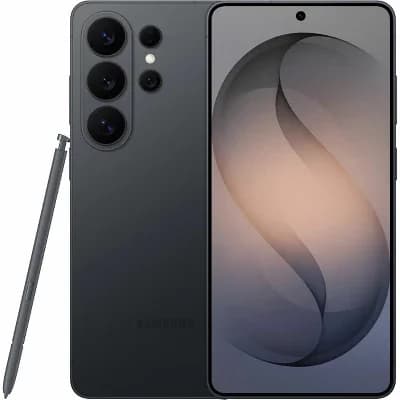
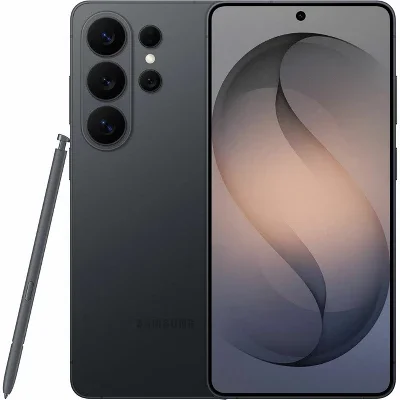
- Best OverallSamsung Galaxy S26 UltraWhy we picked it →
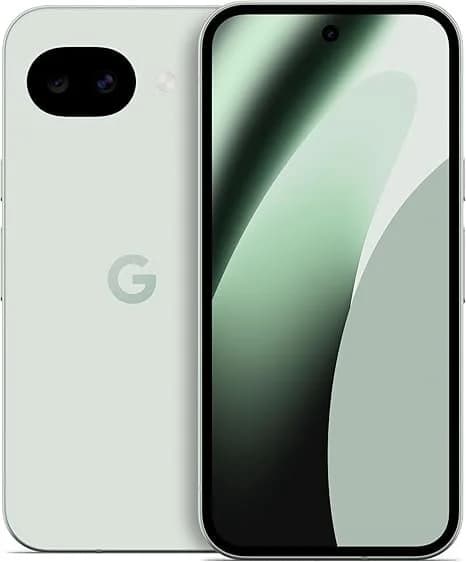
- Best ValueGoogle Pixel 10aWhy we picked it →
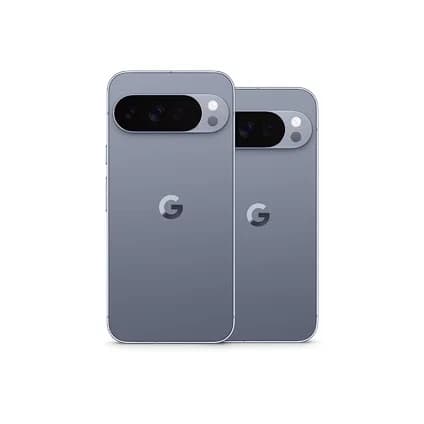
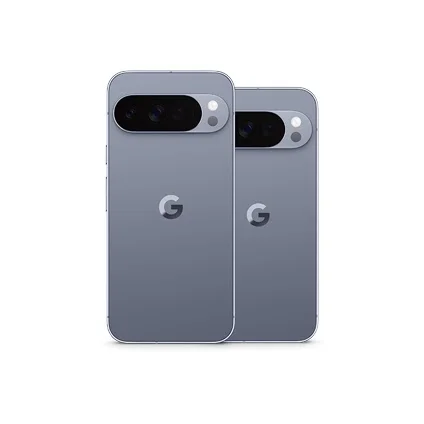
- Also GreatGoogle Pixel 10 Pro XLWhy we picked it →
Frequently asked questions
Is the Google Pixel 11 Pro worth it?
It is worth considering if you want a compact flagship with a versatile camera system, a very bright display and 7 years of OS, security and Pixel Drop updates. It is a weaker choice if you care most about gaming performance, battery life or value, since reviewers say the Tensor G6 trails rivals and that battery and charging are average or inconsistent. It averages 7.7/10 across 3 expert reviews.
Does the Pixel 11 Pro support wireless charging?
Yes. It has built-in Pixelsnap Qi2.2 magnets and supports wireless charging up to 25W. Reviewers praise this feature.
How long will the Pixel 11 Pro get updates?
Google promises 7 years of OS, security and Pixel Drop updates. The phone launched with Android 17.
What cameras does the Pixel 11 Pro have?
The rear system has a 50 MP wide camera, a 48 MP ultrawide and a 48 MP 5x telephoto, with Pro Zoom up to 120x. The front camera is 42 MP.
How fast does the Pixel 11 Pro charge?
Wired charging reaches up to 55% in about 30 minutes with a 30W USB-C PPS charger or higher, which is sold separately. Wireless charging goes up to 25W with Pixelsnap Qi2.2. Reviewers describe charging speeds overall as average or inconsistent.
Is the Pixel 11 Pro waterproof?
It has an IP68 rating for dust and water resistance, with Gorilla Glass Victus 2 on the front and back and an aluminum frame.
Sources
Specs are taken from the manufacturers' official pages; expert recommendations from the publications below.
- Google Pixel 11 Pro: store.google.com, trustedreviews.com, cnn.com, androidauthority.com
Related reviews & guides
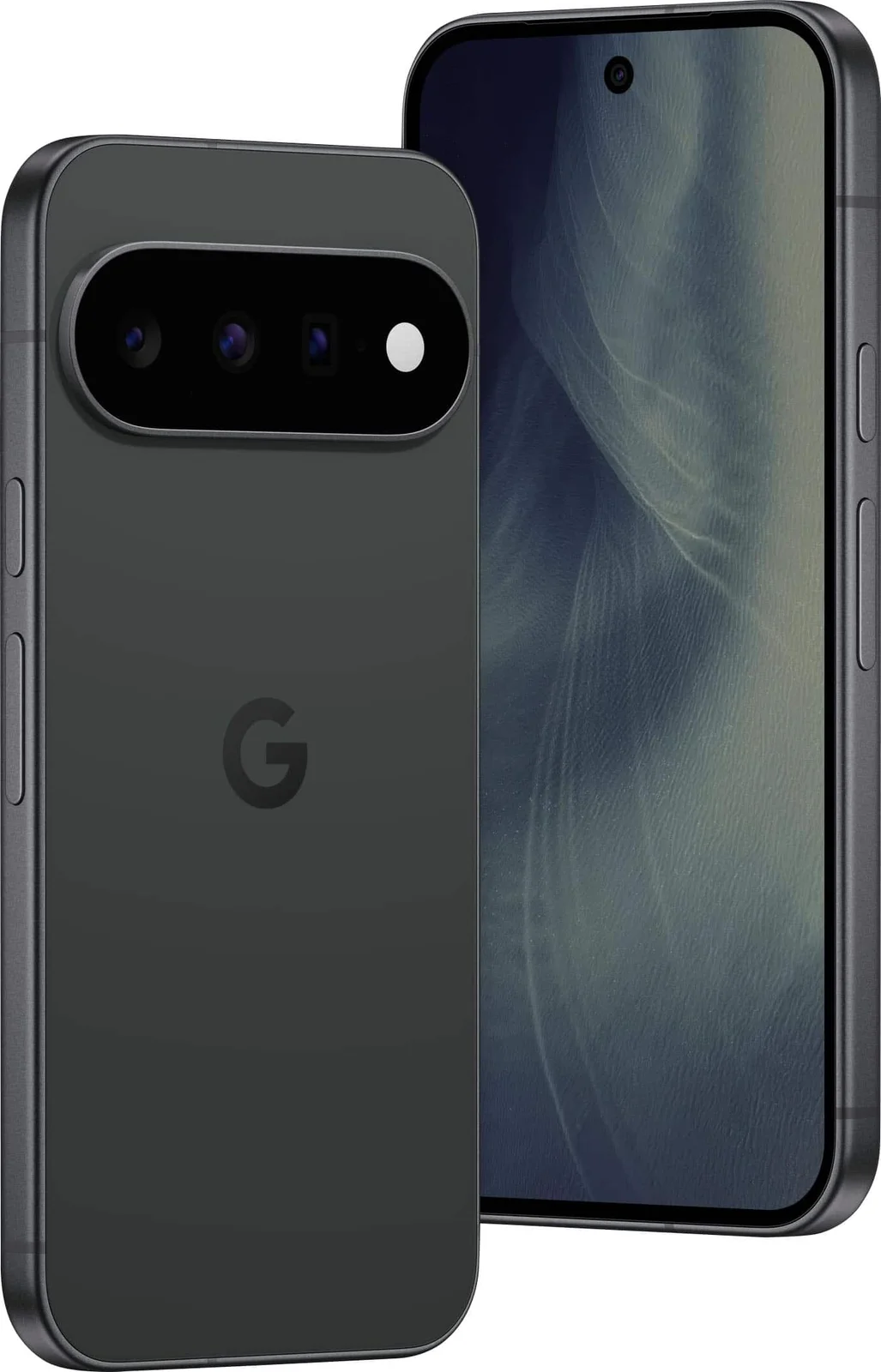
Google Pixel 11 Review (2026): Refined, Not Reinvented
Our Google Pixel 11 review covers the compact design, 5x telephoto camera, 7 years of updates and the trade-offs experts flag, from slow charging to Tensor G6 performance.
Published Oct 19, 2026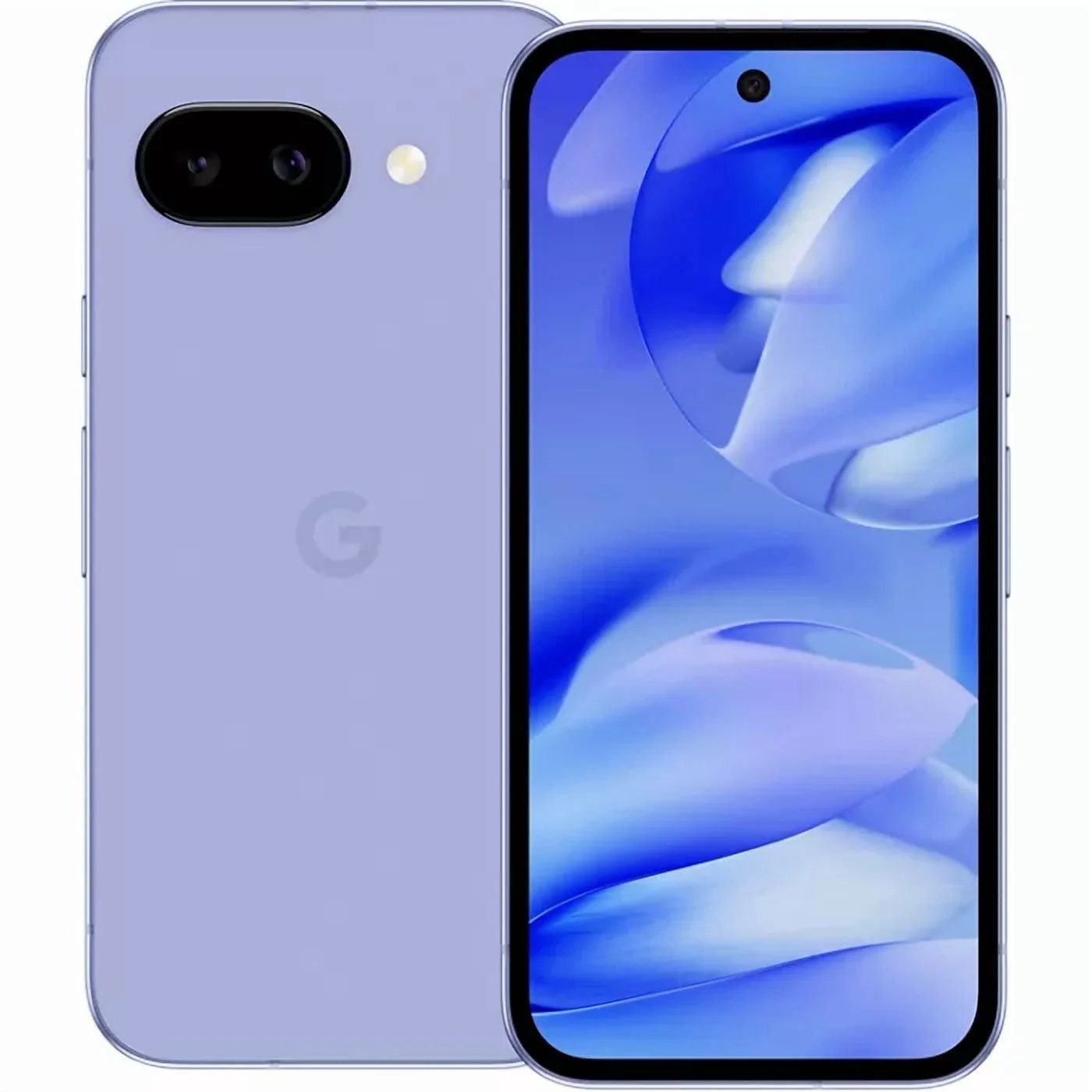
Google Pixel 9a Review (2026): Built to Last for Years
Our Google Pixel 9a review looks at a mid-range phone built around longevity: a bright pOLED screen, a big battery, IP68 protection and seven years of updates. It also covers where experts say it falls short.
Published Oct 22, 2026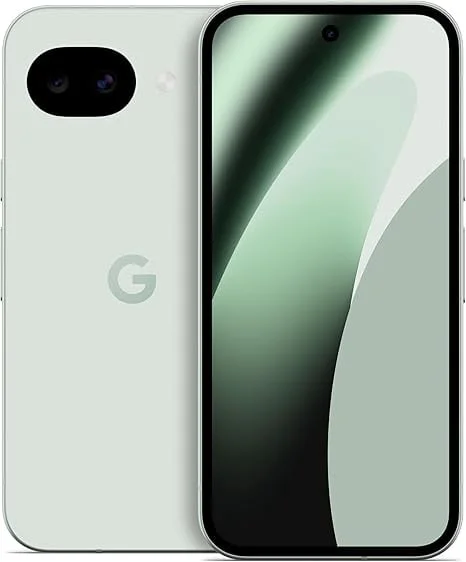
Google Pixel 10a Review (2026): Great Basics, Few Surprises
The Google Pixel 10a pairs a well-regarded camera, clean Android 16 and long software support in a compact, durable body. Here is what the specs and expert reviews say, and who should skip it.
Published Oct 22, 2026