Onkyo TX-NR6100 Review (2026): Feature-Rich, Power-Shy
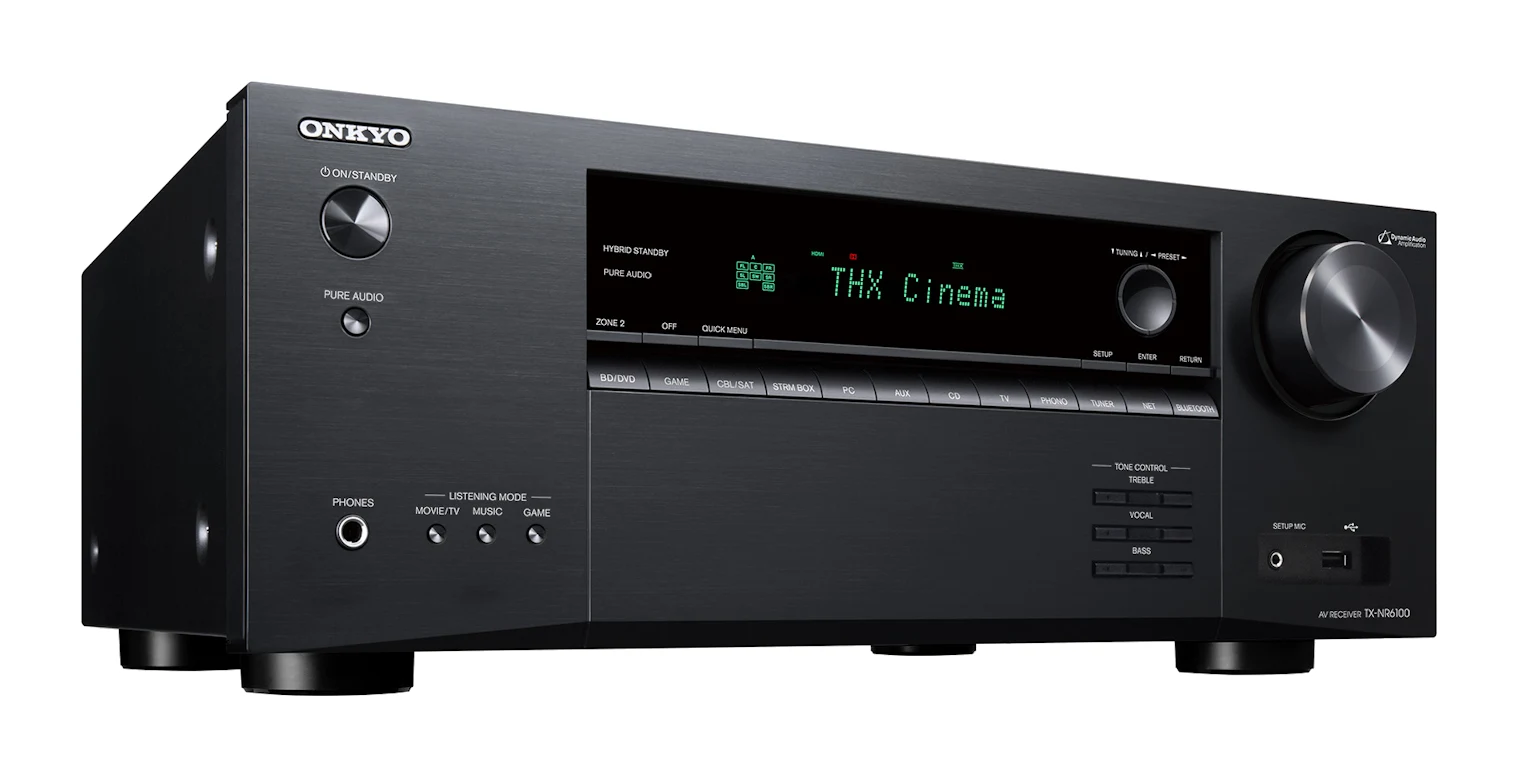
Our Onkyo TX-NR6100 review looks at a mid-range AV receiver that packs in Atmos, HDMI 2.1 and flexible streaming, and explains where its limits show.
Research-based · We earn from qualifying purchases
Our verdict
The TX-NR6100 is a feature-packed mid-range receiver that suits home theater fans and gamers wanting Atmos, HDMI 2.1 and flexible streaming. Buyers who need advanced room correction or plenty of headroom for demanding speakers should look at stronger alternatives.
The good
- HDMI 2.1 with 8K/60 and 4K/120 on inputs 1-3 suits gaming
- Dolby Atmos and DTS:X with THX Certified Select amplification
- Wide streaming support: Chromecast, AirPlay 2, Play-Fi, Spotify, TIDAL
- Built-in MM phono input for turntables
- Powered Zone 2 with discrete HDMI and analog audio
+2 more
- Built-in MM phono input for turntables
- Powered Zone 2 with discrete HDMI and analog audio
The bad
- AccuEQ room correction is basic compared with rival systems
- Runs warm and needs good ventilation
- Can run short on power and bass detail with demanding material
- Remote control feels cheap
+1 more
- Remote control feels cheap
This Onkyo TX-NR6100 review looks at a mid-range AV receiver aimed at people who want a modern home theater without paying for a flagship. It offers Dolby Atmos and DTS:X, HDMI 2.1 for current consoles, a broad set of streaming options and even a turntable input. It is built for budget-minded home theater and console gaming enthusiasts. This review is based on the manufacturer's specifications and what independent experts report, not on hands-on testing by us.
Onkyo TX-NR6100: specs at a glance
From the manufacturer- DAC
- 192 kHz/24-bit
- HDMI
- 6 inputs / 2 outputs (Main Out eARC, Sub/Zone 2 Out)
- Wi-Fi
- Dual-band 5 GHz/2.4 GHz, 802.11ac
- Weight
- 21.7 lb (9.8 kg)
- Channels
- 7.2 (5.2.2 Dolby Atmos/DTS:X)
- Bluetooth
- RX: SBC/AAC; TX: SBC/aptX/aptX HD
- Other inputs
- Optical and coaxial digital, 4 analog RCA, 1 MM phono, 2 USB
- Power output
- 100 W/Ch (8 ohms, 20 Hz–20 kHz, 0.08% THD, 2-ch driven, FTC)
- HDMI 2.1 video
- Inputs 1-3 and Main/Sub out support 8K/60 and 4K/120; inputs 4-6 up to 4K/60
- Speaker impedance
- 4–16 ohms
- Frequency response
- 10 Hz–100 kHz/+1 dB, -3 dB (Direct/Pure Audio)
- Max effective power
- 210 W/Ch (6 ohms, 1 kHz, 10% THD, 1-ch driven)
- Signal-to-noise ratio
- 106 dB (Line, IHF-A)
- Dimensions (W x H x D)
- 17 1/8˝ x 6 13/16˝ x 14 15/16˝ (435 x 173.5 x 379.5 mm)
Key features
- THX Certified Select amplification with 5.2.2-channel Dolby Atmos and DTS:X playback
- HDMI 2.1 with 8K/60 and 4K/120 on inputs 1-3 and the main/sub outputs, for gaming
- VRR, ALLM and QFT gaming features
- AccuEQ room calibration with AccuReflex for Atmos-enabled speakers
- Smart streaming: Chromecast built-in, AirPlay 2, DTS Play-Fi, Works with Sonos, Spotify, TIDAL and more
- Bi-directional Bluetooth, with aptX/aptX HD transmit to headphones
- Built-in MM phono input for turntables
- Powered Zone 2 with discrete HDMI and analog audio
What the Onkyo TX-NR6100 is
The TX-NR6100 is a 7.2-channel receiver that supports 5.2.2-channel Dolby Atmos and DTS:X playback. In practice that means five main speakers, two subwoofer outputs and two height or Atmos-enabled speakers. It carries THX Certified Select amplification.
It sits in the mid-range part of the market. The pitch is breadth: gaming-grade HDMI, immersive audio, multiple streaming platforms, Bluetooth in both directions, phono and a powered second zone, all in one box. Home Cinema Choice gives it 4.5 out of 5, and reviewers broadly praise that feature spread. They also raise a handful of consistent criticisms, covered below.
Design and build
The receiver measures 17 1/8˝ x 6 13/16˝ x 14 15/16˝ (435 x 173.5 x 379.5 mm) and weighs 21.7 lb (9.8 kg). Check these dimensions against your rack or shelf before buying, and allow for cabling and airflow.
Ventilation matters here. A common criticism from reviewers is that the TX-NR6100 runs warm and needs good ventilation. Don't squeeze it into a tight cabinet with no clearance. Open shelving or a cabinet with real airflow is the safer choice.
Reviewers also say the remote control feels cheap. It is a common criticism, so it is worth knowing if you like a premium feel in everyday use. Because the receiver supports Chromecast built-in, AirPlay 2 and several streaming services, you may end up controlling much of your listening from a phone or tablet anyway.
HDMI 2.1 and gaming
Gaming is one of the strongest reasons to consider this receiver. HDMI inputs 1-3 and the main and sub outputs support 8K/60 and 4K/120, while inputs 4-6 go up to 4K/60. The receiver also lists VRR, ALLM and QFT, the features that help consoles and compatible displays deliver smooth, low-latency play.
The practical takeaway is to plan your connections. If you have a current console or a high-frame-rate source, use one of the first three inputs. Older or less demanding sources, such as a streaming box or a Blu-ray player, can go on inputs 4-6. In total there are 6 inputs and 2 outputs: a Main Out with eARC, and a Sub/Zone 2 Out. The eARC output carries audio from a compatible TV back to the receiver, which is useful when you use the TV's own apps.
Reviewers praise the HDMI 2.1 support, with 8K/60 and 4K/120 on inputs 1-3, as suiting gaming.
Immersive audio and room calibration
The 5.2.2 Atmos and DTS:X configuration lets you add height effects without a huge speaker count. The receiver includes AccuEQ room calibration, plus AccuReflex, which is designed for Atmos-enabled speakers that bounce sound off the ceiling.
This is where reviewers are most guarded. A common criticism is that AccuEQ room correction is basic compared with rival systems. If you have a room with awkward acoustics, or you like to fine-tune the result, that is a real limitation. Reviewers say AccuEQ is basic compared with rival systems.
Amplification and power
The rated output is 100 W/Ch (8 ohms, 20 Hz–20 kHz, 0.08% THD, 2-ch driven, FTC). The maximum effective power is 210 W/Ch (6 ohms, 1 kHz, 10% THD, 1-ch driven). Those two figures are measured under very different conditions. The two figures use different measurement conditions, so don't compare them directly.
Reviewers say the receiver can run short on power and bass detail with demanding material. That points to the sort of buyer who will be happy and the sort who may not. Check it against your speakers and room before you buy. If you have demanding speakers or material, you may find it reaches its limits sooner than you would like. The speaker impedance range is 4–16 ohms, so check your speakers' ratings before you buy.
Other audio specs are respectable on paper, including a 192 kHz/24-bit DAC, a 106 dB signal-to-noise ratio (Line, IHF-A) and a frequency response of 10 Hz–100 kHz/+1 dB, -3 dB (Direct/Pure Audio).
Streaming and connectivity
This is a strength. The TX-NR6100 supports:
- Chromecast built-in
- AirPlay 2
- DTS Play-Fi
- Works with Sonos
- Spotify, TIDAL and more
Wi-Fi is dual-band 5 GHz/2.4 GHz, 802.11ac. Whether you live in an Apple household, an Android one or a mix of both, there is likely a native way to send music to the receiver. Reviewers praise how wide the streaming support is.
Bluetooth is bi-directional. The receiver accepts SBC and AAC, and transmits SBC, aptX and aptX HD. The transmit side is the interesting part: you can send audio to compatible Bluetooth headphones for late-night listening without disturbing anyone.
Other inputs include optical and coaxial digital, four analog RCA, one MM phono and two USB. The built-in MM phono input means a turntable with a moving-magnet cartridge can connect directly without a separate phono preamp. Check your cartridge type first, since this is an MM input.
Zone 2
The powered Zone 2 with discrete HDMI and analog audio makes the receiver more flexible than a basic home theater box. It lets you serve a second room, with the Sub/Zone 2 HDMI output covering the video side. If you have a second space where you sometimes want music or a separate source, it is a useful extra at this level.
What experts like and what they criticise
The positives are consistent across reviewers:
- HDMI 2.1 with 8K/60 and 4K/120 on inputs 1-3 suits gaming.
- Dolby Atmos and DTS:X with THX Certified Select amplification.
- Wide streaming support, including Chromecast, AirPlay 2, Play-Fi, Spotify and TIDAL.
- A built-in MM phono input.
- Powered Zone 2 with discrete HDMI and analog audio.
The criticisms are just as consistent. Room correction is basic, the receiver runs warm, it can lack power and bass detail with demanding material, and the remote feels cheap. The power and room-correction points are the ones most likely to affect how much you enjoy the system, so weigh them against your room and your speakers.
Who should buy it
The TX-NR6100 is a good fit if you:
- want Atmos and DTS:X without stepping up to a high-end receiver;
- game on a console and want HDMI 2.1 features;
- stream from several services and want options beyond Bluetooth;
- own a turntable with an MM cartridge;
- want to feed a second zone or send audio to Bluetooth headphones.
Who should skip it
Look elsewhere if you:
- rely on advanced room correction to tame a difficult room;
- have demanding speakers that need plenty of headroom;
- plan to install it in a closed cabinet with little airflow;
- care about the feel of the remote.
How it fits in its category
In general terms, mid-range AV receivers trade between feature count, amplifier muscle and room-correction sophistication. The TX-NR6100 leans heavily toward features: gaming support, streaming, phono and zones. Its weaker points are the amplifier's headroom with demanding material and the basic AccuEQ calibration. That makes it a sensible choice for people who value connectivity and value, and a less natural one for buyers whose priority is performance with demanding speakers.
Verdict
The TX-NR6100 is a capable all-rounder for a particular kind of buyer. If your speakers are not hard to drive and your priorities are Atmos, console gaming and flexible streaming, it covers a great deal for its place in the market. If you need top-tier room correction or a lot of power in reserve, those are the areas where reviewers say it falls short. Go in with your room and speakers in mind, and it is easy to see why it earns a strong 4.5 out of 5 from Home Cinema Choice.
Related buying guides
Not sure about the Onkyo TX-NR6100? Consider these
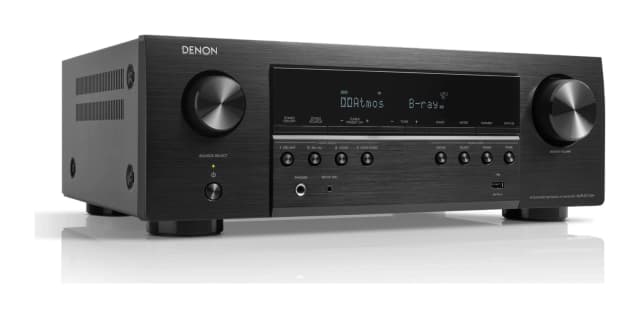
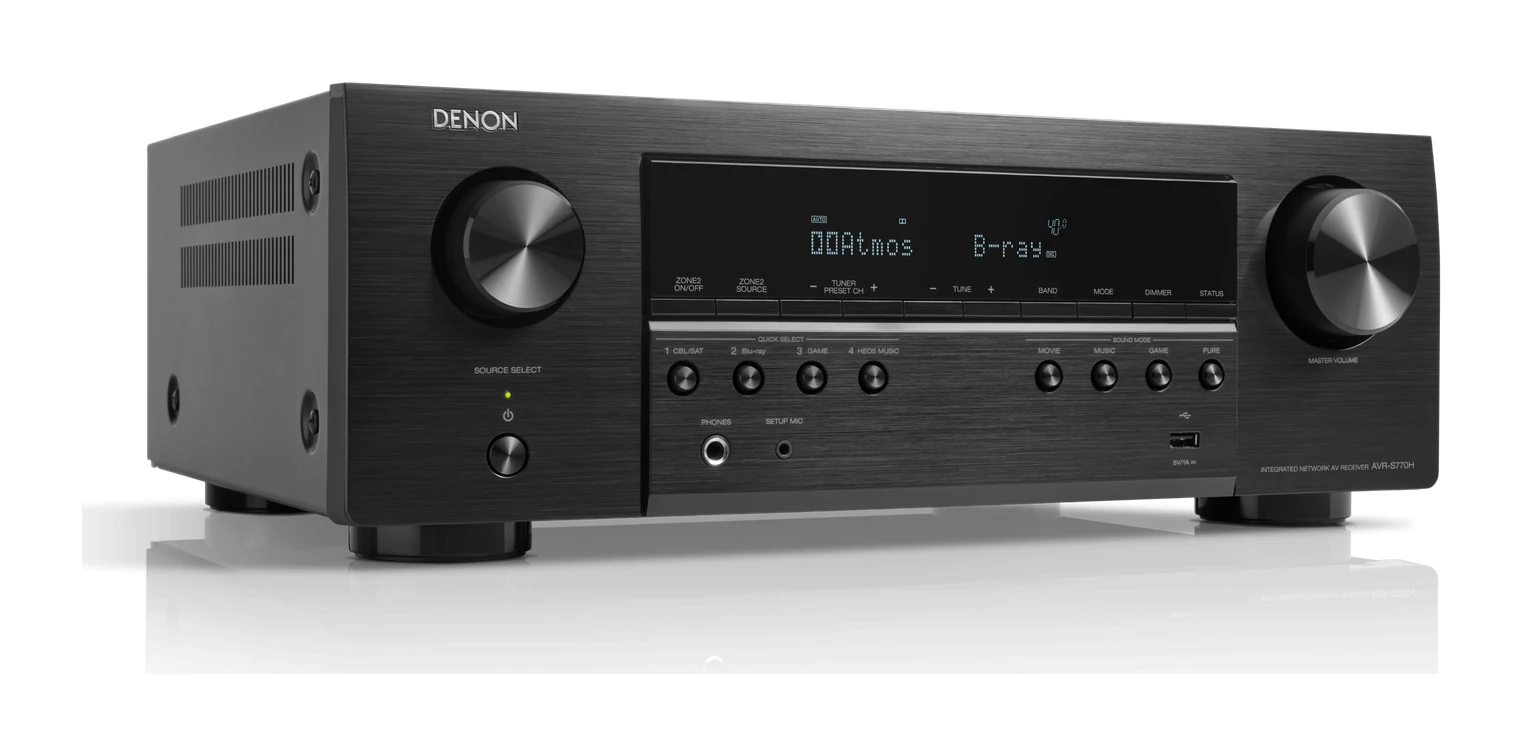
- Best ValueDenon AVR-S770HWhy we picked it →
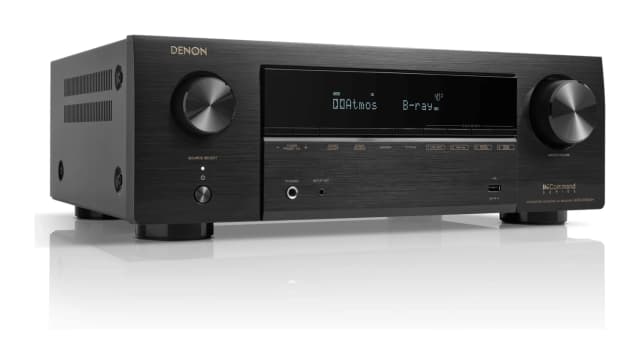
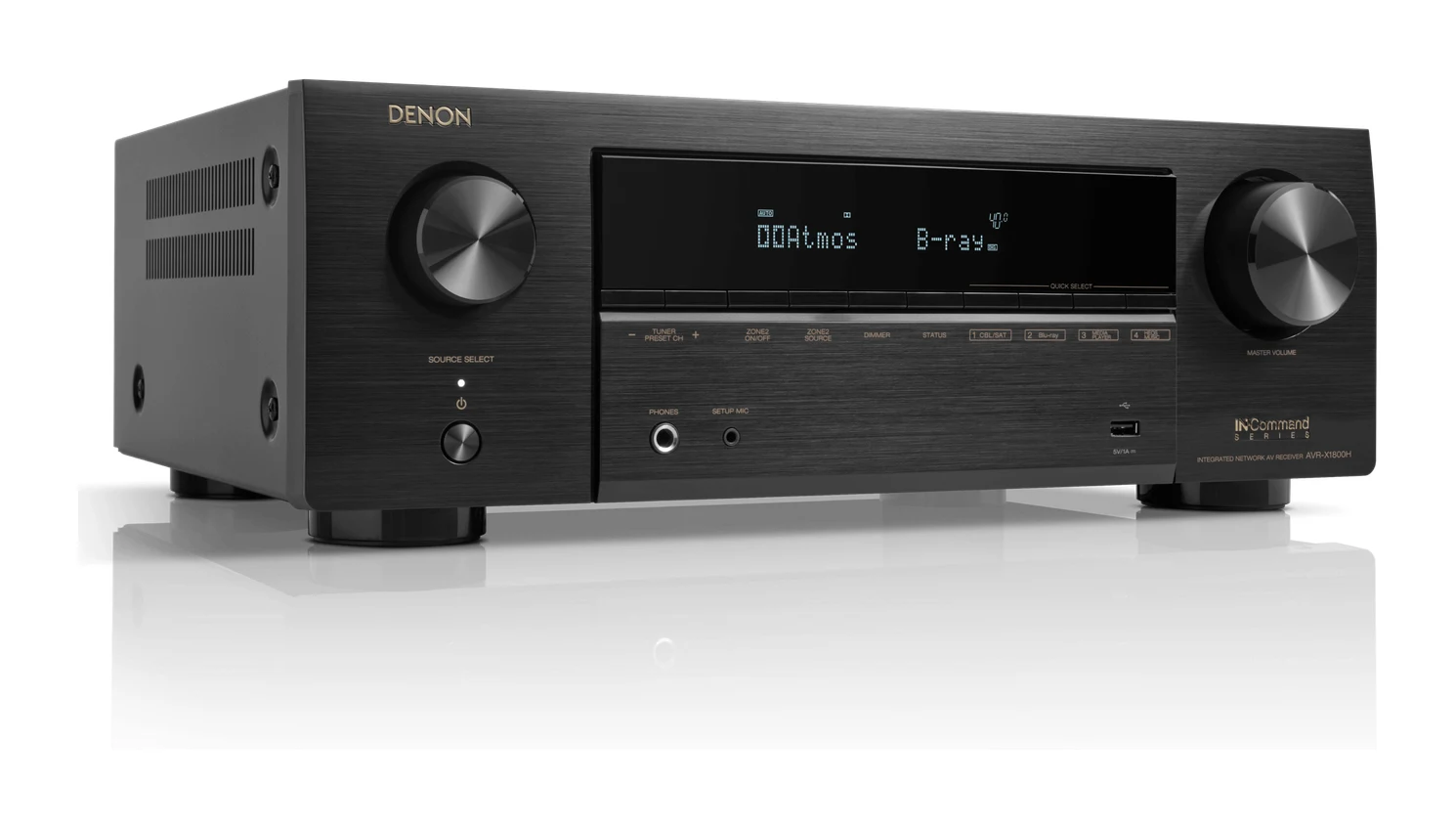
- Best BudgetDenon AVR-X1800HWhy we picked it →
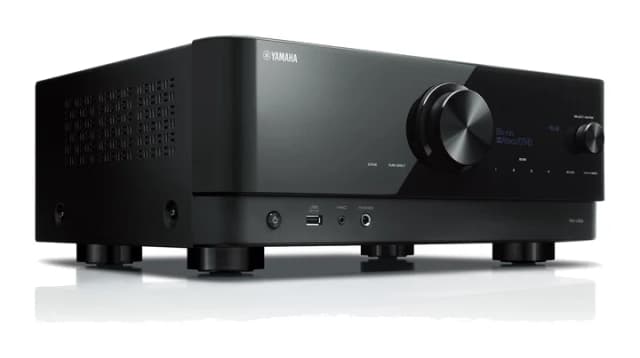
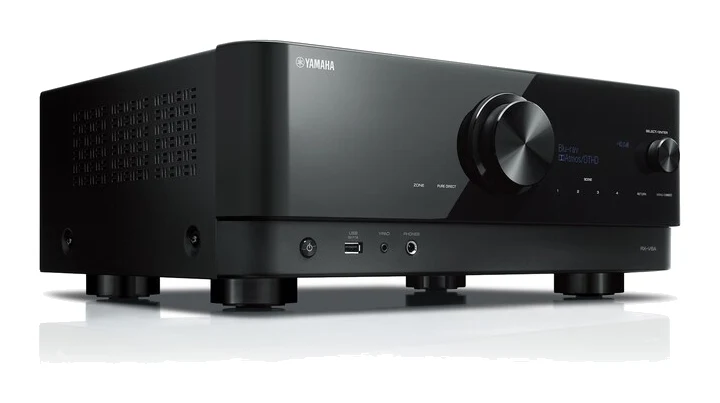
- Also GreatYamaha RX-V6AWhy we picked it →
Frequently asked questions
Is the Onkyo TX-NR6100 worth it?
It is a good fit for budget-minded home theater and console gaming enthusiasts who want Atmos, HDMI 2.1 and wide streaming support. Reviewers say its room correction is basic and that it can run short on power with demanding material, so it is less suited to difficult rooms or hard-to-drive speakers.
Does the Onkyo TX-NR6100 support Dolby Atmos and DTS:X?
Yes. It is a 7.2-channel receiver supporting 5.2.2-channel Dolby Atmos and DTS:X playback, with THX Certified Select amplification. AccuReflex is included for Atmos-enabled speakers.
Does the TX-NR6100 support 8K and 4K/120 gaming?
HDMI inputs 1-3 and the main and sub outputs support 8K/60 and 4K/120. Inputs 4-6 support up to 4K/60. The receiver also lists VRR, ALLM and QFT gaming features.
Can I connect a turntable to the Onkyo TX-NR6100?
Yes, it has a built-in MM phono input. Check that your turntable uses a moving-magnet cartridge, since the input is specified as MM.
Which streaming services and protocols does it support?
It offers Chromecast built-in, AirPlay 2, DTS Play-Fi, Works with Sonos, Spotify, TIDAL and more, over dual-band 5 GHz/2.4 GHz 802.11ac Wi-Fi.
Can the TX-NR6100 send audio to Bluetooth headphones?
Yes. Bluetooth is bi-directional, and the receiver can transmit using SBC, aptX and aptX HD. It receives using SBC and AAC.
Sources
Specs are taken from the manufacturers' official pages; expert recommendations from the publications below.
- Onkyo TX-NR6100: onkyo.com, homecinemachoice.com, amplifierzone.com, avforums.com
Related reviews & guides
Best AV Receivers for Home Theater 2026: Atmos & Gaming
Five AV receivers for home theater compared on power, Dolby Atmos support, HDMI 2.1 gaming features, room calibration and streaming, drawn from manufacturer specs and expert recommendations.
Published Oct 20, 2026
JBL Go 4 Review (2026): Tiny, Tough, but Bass-Shy?
A pocket-sized, IP67-rated Bluetooth speaker with Auracast and a carry loop. Here is what the JBL Go 4 does well, where it falls short, and who should buy it.
Published Oct 21, 2026
Anker Soundcore Space A40 Review (2026): Feature-Packed ANC
Our Anker Soundcore Space A40 review looks at adaptive ANC, LDAC, multipoint and battery life, and where expert reviewers say it falls short.
Published Oct 28, 2026