Ray-Ban Meta Wayfarer (Gen 2) Review (2026): Subtle Smarts
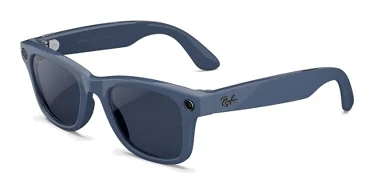
Camera, open-ear speakers and Meta AI in classic Wayfarer frames. Here is what the specs and expert reviews say about the Ray-Ban Meta Wayfarer (Gen 2), and who should buy it.
Research-based · We earn from qualifying purchases
Our verdict
The Ray-Ban Meta Wayfarer (Gen 2) suits anyone who wants hands-free photos, calls and AI help in glasses that look like normal eyewear, with up to 8 hours of battery per charge. Gen 1 owners may not find enough change to upgrade, and privacy-minded buyers or those wanting landscape photos should skip it.
The good
- Up to 8 hours of battery, plus up to 48 more from the case
- 12MP ultra-wide camera with 3K video for hands-free capture
- Classic Wayfarer styling at 52g looks like ordinary eyewear
- Open-ear speakers handle calls and podcasts without blocking ambient sound
- Wide choice of frames and lenses, including prescription from -6.00 to +4.00
+2 more
- Open-ear speakers handle calls and podcasts without blocking ambient sound
- Wide choice of frames and lenses, including prescription from -6.00 to +4.00
The bad
- Photos are portrait only, and framing shots without a display is awkward
- Meta AI privacy concerns, including data use for targeted ads
- Only a modest upgrade over Gen 1, with some sound leakage
- IPX4 means splash resistance only, and lens upgrades add cost
+1 more
- IPX4 means splash resistance only, and lens upgrades add cost
This Ray-Ban Meta Wayfarer (Gen 2) review looks at a pair of smart glasses that tries to disappear into everyday life. They keep the classic Wayfarer shape but add a camera, microphones, open-ear speakers and the Meta AI assistant. They suit style-conscious people who want hands-free capture and AI help without wearing something that looks like a gadget.
This review is based on manufacturer specs and what independent experts report, not on our own hands-on testing. Expert reviews are positive overall: the glasses average 9/10 across 3 published expert scores, and they are recommended in 4 independent expert guides.
Ray-Ban Meta Wayfarer (Gen 2): specs at a glance
From the manufacturer- Video
- 3K Ultra HD at 30fps
- Camera
- 12MP ultra-wide
- Weight
- 52g
- Storage
- 32GB
- Speakers
- 2x open-ear
- Processor
- Qualcomm Snapdragon AR1 Gen 1
- Microphones
- 5-mic array
- Connectivity
- Wi-Fi 6, Bluetooth 5.3
- Fast charging
- 50% in 20 minutes
- Photo resolution
- 3024 x 4032 pixels (portrait)
- Water resistance
- IPX4
- Battery (glasses)
- Up to 8 hours typical use
- Prescription range
- -6.00 to +4.00
- Battery (charging case)
- Up to 48 additional hours
Key features
- Hands-free photo and video capture with a 12MP ultra-wide camera
- 3K Ultra HD video capture
- Up to 8 hours of battery life on a charge with typical use
- Charging case adds up to 48 hours, and the glasses charge to 50% in 20 minutes
- Open-ear speakers for music and calls without blocking ambient sound
- Meta AI built in for questions, live translation and asking about what you see
- Wide choice of frames and lenses (Wayfarer, Skyler, Headliner) including polarized, Transitions and prescription
- Works with both iPhone and Android
What the Ray-Ban Meta Wayfarer (Gen 2) is
The Gen 2 is a pair of camera-equipped glasses that work with both iPhone and Android. The core idea is simple. You take photos and video, make calls, listen to music or podcasts, and ask an AI assistant questions, all without pulling out your phone. It sits in the mid-range price tier among the products compared.
The pitch is convenience rather than spectacle. There is no display in the lenses, so everything is delivered through the camera, speakers and microphones. That shapes both the strengths and the weaknesses covered below.
Design and build: normal glasses first
At 52g, the glasses look like ordinary eyewear, and reviewers praise the classic Wayfarer styling.
Frame and lens choice
You can pick from several styles (Wayfarer, Skyler and Headliner) and a wide range of lens options. These include polarized and Transitions lenses, and prescription lenses covering -6.00 to +4.00. That range matters because smart glasses only work as a daily device if you can actually wear them all day. If your prescription falls within that range, you don't need to choose between seeing clearly and having the tech.
A common criticism is that lens upgrades add cost, so the real price of a pair set up the way you want it can sit above the base model. Factor that in if you need prescription or Transitions lenses.
Durability
The glasses carry an IPX4 rating. That means splash resistance only.
Camera and video: hands-free capture, with caveats
The camera is a 12MP ultra-wide unit. It records 3K Ultra HD video at 30fps, and photos come out at 3024 x 4032 pixels. The appeal is capturing moments from your own point of view with your hands free.
There are two things to know before buying:
- Photos are portrait only. Photos are portrait only, so buyers who want landscape photos should skip it.
- Framing is awkward without a display. Framing shots without a display is awkward.
The glasses have 32GB of onboard storage.
Audio and calls: open-ear convenience
Two open-ear speakers deliver music, podcasts and calls without sealing off your ears. Reviewers praise this: the open-ear speakers handle calls and podcasts without blocking ambient sound. The glasses have a 5-mic array.
The trade-off is built into the open-ear design. A common criticism is some sound leakage.
Meta AI and everyday features
Meta AI is built in. According to the manufacturer, you can ask it questions, use live translation, and ask about what you are looking at.
The flip side is privacy. Meta AI privacy concerns, including data use for targeted ads, are among the listed drawbacks. If data use for targeted ads concerns you, this is the part to think hardest about.
Under the hood, a Qualcomm Snapdragon AR1 Gen 1 processor powers the glasses, with Wi-Fi 6 and Bluetooth 5.3 for connectivity.
Battery life and charging
The battery is listed among the glasses' pros. The glasses are rated for up to 8 hours of typical use on a charge. The charging case adds up to 48 additional hours, so the glasses can be topped up repeatedly before you need a wall socket.
Fast charging helps too: the glasses reach 50% in 20 minutes.
What experts like and what they criticise
Reviewers consistently praise:
- the battery life, helped by the charging case
- hands-free capture from the 12MP ultra-wide camera with 3K video
- Wayfarer styling that looks like ordinary eyewear at 52g
- open-ear speakers that handle calls and podcasts without blocking ambient sound
- the range of frames and lenses, including prescription options
The common criticisms are:
- portrait-only photos and awkward framing without a display
- Meta AI privacy concerns
- a modest upgrade over Gen 1, with some sound leakage
- IPX4 splash resistance only, and extra cost for lens upgrades
On scores, Tom's Guide rates it 4.5/5, Android Police 9/10 and Forbes Vetted 4.5/5. The average is 9/10 across those three reviews.
Who should buy it, and who should skip it
Buy it if you want hands-free photos and video, calls and AI help in glasses that look like normal eyewear. It suits people who care about style, who already wear glasses and want to add tech to them, and who value strong battery life over a built-in display.
Skip it if any of these apply:
- You own Gen 1 and expect a big leap, since experts describe Gen 2 as a modest upgrade.
- You want landscape photos or precise framing.
- Meta's data practices, including data use for targeted ads, are a dealbreaker for you.
- You need water protection beyond splashes.
- You want private, immersive audio, as open-ear speakers leak some sound.
How it fits the smart glasses category
Smart glasses vary widely: some prioritise a display, some sport use, and some, like this one, prioritise a discreet camera and audio in a familiar frame. This model sits firmly in the last group. Its strengths are battery, styling and everyday usability, not augmented-reality visuals. If you are still deciding what type of smart glasses you want, our roundup of the best AI smart glasses can help you compare your options.
Verdict
The Ray-Ban Meta Wayfarer (Gen 2) suits people who want hands-free capture and AI help in glasses that look like ordinary eyewear. Expert scores are strong, with a 9/10 average. The battery is rated for up to 8 hours of typical use, the styling is subtle, and the lens options make it practical for people who need prescription glasses. The weak points are clear and worth taking seriously: portrait-only photos, framing without a display, some sound leakage, IPX4-only water resistance and, above all, Meta AI's privacy trade-offs. If those don't bother you and you aren't upgrading from Gen 1 hoping for big changes, it is an easy pair of smart glasses to recommend.
Related buying guides
Not sure about the Ray-Ban Meta Wayfarer (Gen 2)? Consider these
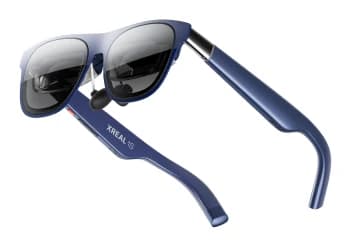
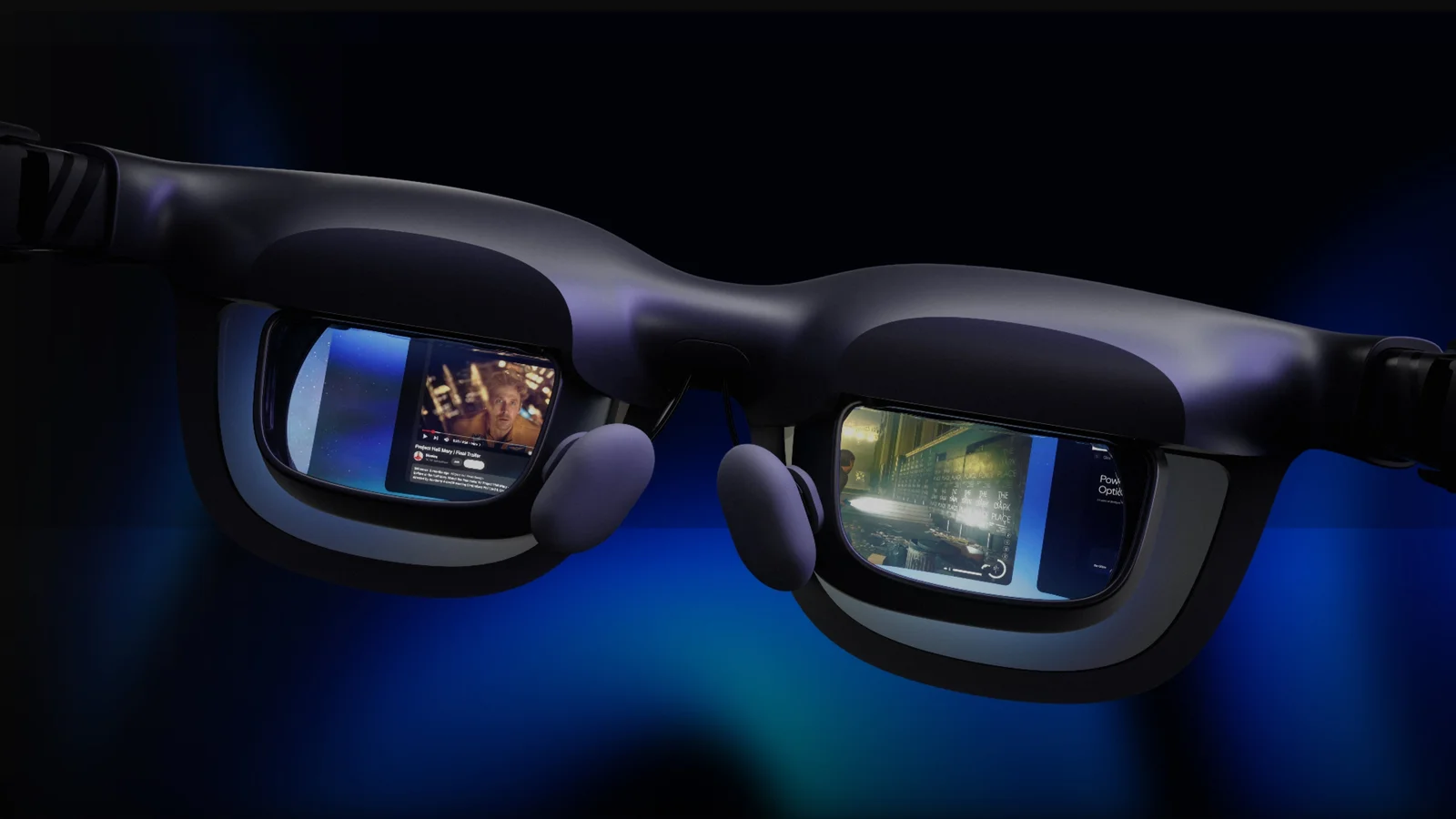
- Best OverallXREAL 1SWhy we picked it →
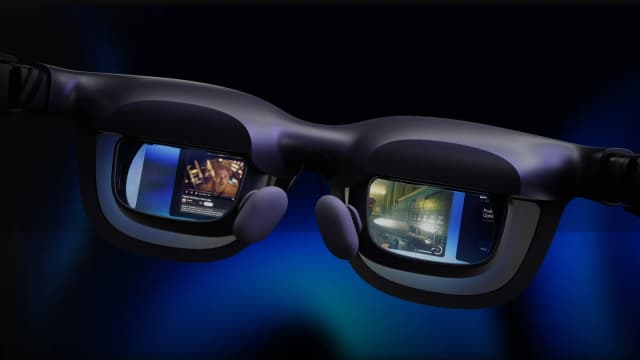
- Premium PickVITURE BeastWhy we picked it →
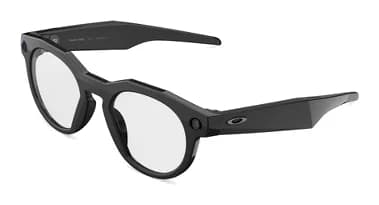
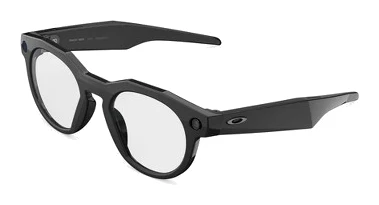
- Best BudgetOakley Meta HSTNWhy we picked it →
Frequently asked questions
Is the Ray-Ban Meta Wayfarer (Gen 2) worth it?
Expert reviews are positive: it averages 9/10 across 3 published scores and is recommended in 4 expert guides. It is worth considering if you want a discreet camera, open-ear audio and AI in normal-looking glasses. Privacy-minded buyers and Gen 1 owners may find it less compelling.
How long does the battery last on the Ray-Ban Meta Wayfarer (Gen 2)?
The glasses are rated for up to 8 hours of typical use on a charge. The charging case adds up to 48 additional hours, and the glasses charge to 50% in 20 minutes.
Does the Ray-Ban Meta Wayfarer (Gen 2) work with iPhone and Android?
Yes. According to the manufacturer, the glasses work with both iPhone and Android.
Can I get prescription lenses in the Ray-Ban Meta Wayfarer (Gen 2)?
Yes. Prescription lenses are available for a range of -6.00 to +4.00, along with polarized and Transitions options. Lens upgrades add cost.
Are the Ray-Ban Meta Wayfarer (Gen 2) waterproof?
No. They have an IPX4 rating, which means splash resistance only.
What are the main downsides of the Ray-Ban Meta Wayfarer (Gen 2)?
Reviewers point to portrait-only photos, awkward framing without a display, Meta AI privacy concerns including data use for targeted ads, some sound leakage from the open-ear speakers, and only a modest upgrade over Gen 1.
Sources
Specs are taken from the manufacturers' official pages; expert recommendations from the publications below.
- Ray-Ban Meta Wayfarer (Gen 2): meta.com, androidcentral.com, india.ray-ban.com
Related reviews & guides
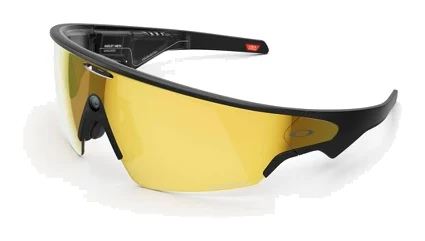
Oakley Meta Vanguard Review (2026): Built for Athletes
A look at the Oakley Meta Vanguard, sport smart glasses with a centered 12MP camera, open-ear audio and Garmin and Strava integration, based on specs and expert reviews.
Published Oct 25, 2026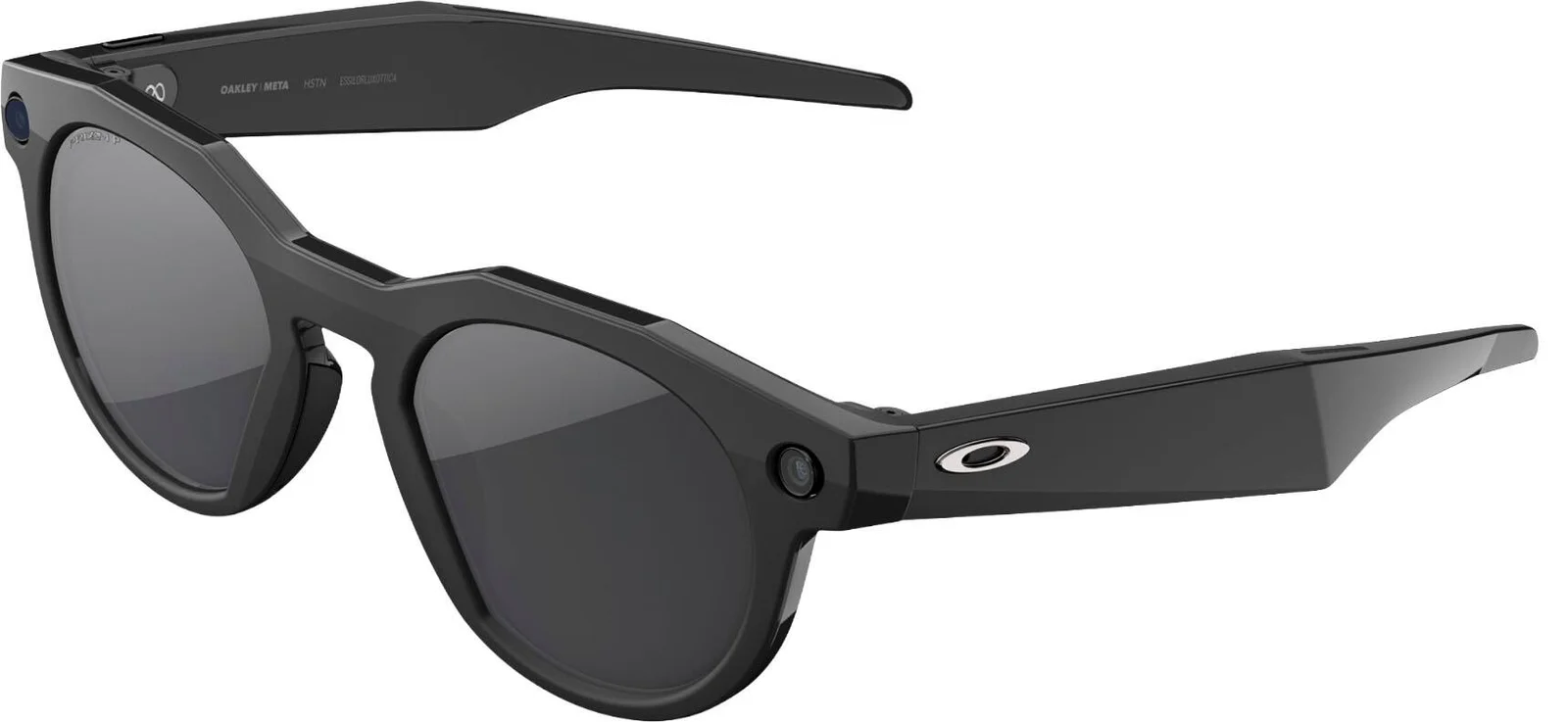
Oakley Meta HSTN Review (2026): Built for Active Wearers
The Oakley Meta HSTN puts a hands-free camera, open-ear audio and Meta AI into a sport-style frame. Here is who it suits and where experts see limits.
Published Oct 21, 2026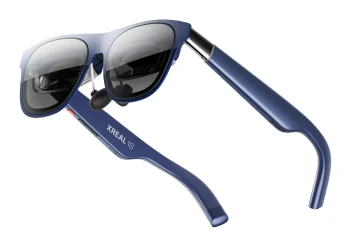
Best AI Smart Glasses 2026: Camera, Sport & Display Picks
Five smart glasses compared from manufacturer specs and expert reviews: AI camera glasses from Ray-Ban and Oakley, plus XREAL and VITURE display glasses for video and gaming.
Published Oct 20, 2026