Raynic CR1009Pro Review (2026): Six Ways to Stay Powered
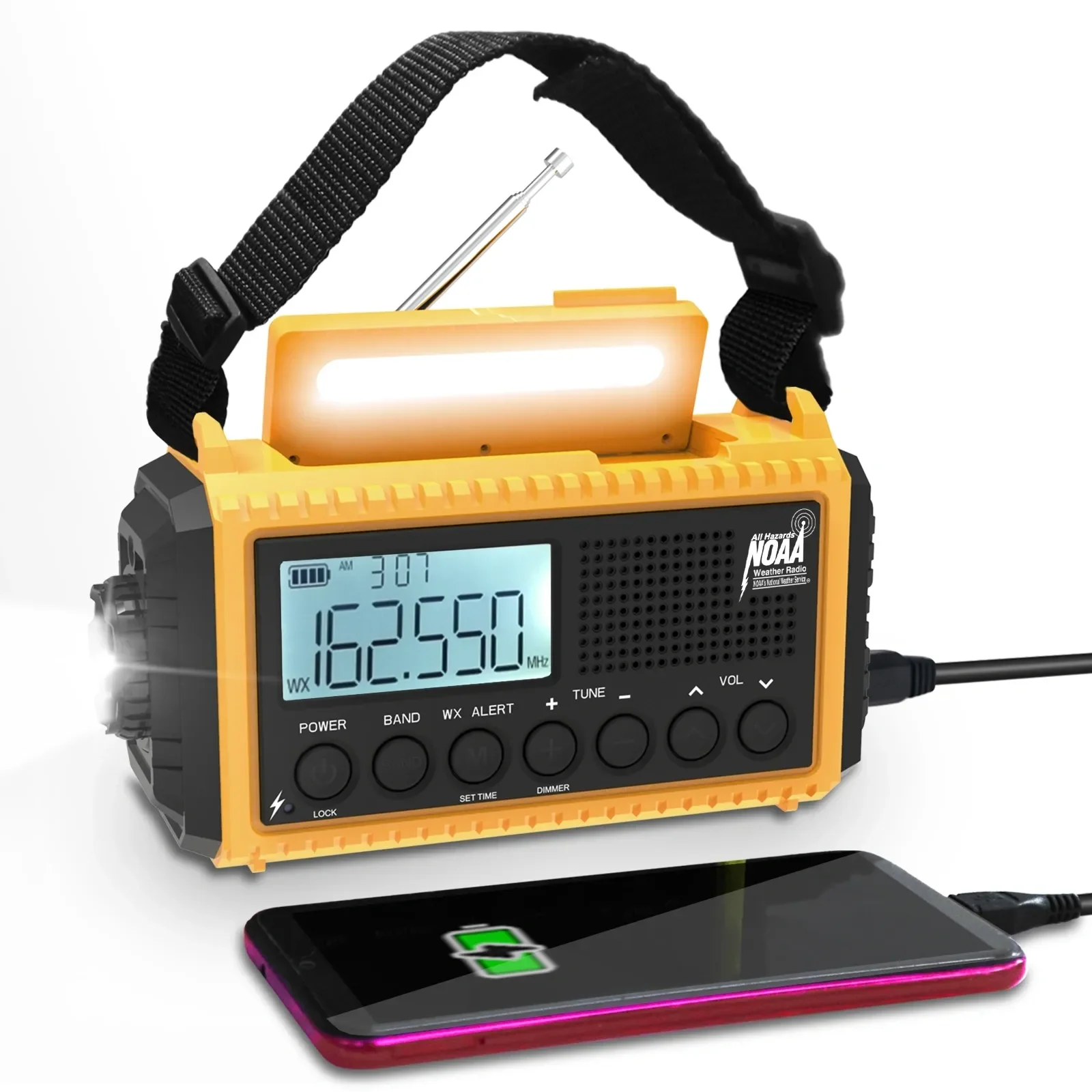
An emergency radio built around power redundancy, automatic NOAA alerts and a phone-charging battery. Here is what the specs and expert reviews say about the Raynic CR1009Pro.
Research-based · We earn from qualifying purchases
Our verdict
The Raynic CR1009Pro is a strong emergency radio for households that want maximum power redundancy, automatic NOAA alerts and a phone-charging battery at a mid-range price. Skip it if you need county-specific SAME alerts, serious shortwave listening or rugged, fully weatherproof construction.
The good
- Six power options, including battery, hand crank, solar, USB and 3 AAA
- Automatic NOAA weather alert scanning works even in standby mode
- 5000mAh battery can also charge a phone via USB output
- Large backlit LCD with digital tuning is easy to read
- 3W flashlight, reading lamp and SOS siren cover emergency lighting needs
+2 more
- Large backlit LCD with digital tuning is easy to read
- 3W flashlight, reading lamp and SOS siren cover emergency lighting needs
The bad
- No SAME county-level alert filtering, so alerts may not be location-specific
- Solar panel and hand crank only trickle-charge the battery
- Shortwave reception is weak and the antenna is short
- IPX3 is splash-resistant only, and port covers feel loose
+1 more
- IPX3 is splash-resistant only, and port covers feel loose
If you are putting together a home emergency kit, a weather radio is one of the first things worth adding. This Raynic CR1009Pro review looks at a mid-range model that tries to cover most of the bases in one body. It combines AM, FM, shortwave and NOAA weather bands with a flashlight, a reading lamp, a siren and a battery that can top up a phone. It is aimed at households that want flexible power and automatic weather alerts, not at radio hobbyists.
This review is based on the manufacturer's specifications and on what independent expert reviews report. It is not based on our own hands-on testing.
Raynic CR1009Pro: specs at a glance
From the manufacturer- Weight
- 1.2 lb (manual features list); 1 lb (spec tables)
- Battery
- 5000mAh/18500mWh lithium polymer, included
- AM range
- 520-1710KHz
- FM range
- 87-108MHz
- SW range
- 2.3 - 22MHz
- Warranty
- 1 Year
- Dimensions
- 6.8"L x 3.7"W x 2.9"H
- Flashlight
- 3W LED
- Radio bands
- AM, FM, SW, NOAA weather band
- Reading lamp
- 2.5W
- Speaker output
- 3 Watts
- Charging options
- AC adapter, DC 5V USB input, hand crank, solar panel, 3 AAA (not included), built-in battery
- Water resistance
- IPX3
- Advertised runtime
- 12 hours of radio or 18 hours of light
Key features
- Automatic NOAA weather alert scanning, including in standby mode
- Six ways to power it: built-in battery, AC adapter, USB input, hand crank, solar panel, 3 AAA
- 5000mAh/18500mWh battery that can also charge a phone through its USB output
- Large backlit HD LCD with digital tuning, battery level and frequency
- 3W flashlight, 2.5W reading lamp and SOS siren with flashing red light
- AM/FM/shortwave/NOAA bands with a 3.5mm headphone jack
- IPX3 water-resistant body with carabiner and braid belt
Raynic CR1009Pro review: what it is and who it suits
The CR1009Pro is a portable emergency radio. Its main selling point is how many ways you can keep it running. The built-in 5000mAh/18500mWh lithium polymer battery is included. Beyond that you can use an AC adapter, a DC 5V USB input, a hand crank, a solar panel or three AAA batteries (not included). That is six routes to power in a single unit.
It is a good fit for people who want a "set it and forget it" radio for a storm kit, a basement shelf or a go-bag. It is less suited to people who want precise, location-specific alerts or a serious shortwave receiver. Experts are fairly consistent on both points, and we cover them below.
It also does well with the experts. Across four published expert reviews it averages 9.1/10. FCCJ (10 Best Hand Crank Radios), Of Zen and Computing and Finding Dulcinea each score it 4.5 out of 5, and the-weather.com scores it 4.6 out of 5. It is also recommended in 10 expert buying guides.
Design and build
The radio measures 6.8"L x 3.7"W x 2.9"H. That is compact enough for a kit bag or a shelf. The manual's features list gives the weight as 1.2 lb, while the spec tables say 1 lb. In either case it is light enough to carry around easily.
It comes with a carabiner and a braid belt, so you can clip it to a pack or hang it up. The body is rated IPX3. In practice that means it should cope with splashes, but it is not built for heavy rain or immersion. A common criticism from reviewers is that IPX3 is splash-resistance only, and that the port covers feel loose. For a radio that may be used in bad weather, those covers are worth keeping in mind. If you plan to use it outdoors in the wet, keep it sheltered.
The front carries a large backlit HD LCD. It shows the digital tuning, the frequency and the battery level. Reviewers praise the screen as easy to read. Digital tuning is also a practical advantage in a stressful situation, because you can see exactly which frequency you are on without guessing at a dial.
Features and what they mean day to day
Automatic NOAA weather alerts
The headline feature is automatic NOAA weather alert scanning, which works even in standby mode. You can leave the radio idle and it will still listen for alerts. That is the main reason to buy a dedicated weather radio over a general-purpose one. Reviewers single this out as a strength.
There is one important caveat. The radio has no SAME county-level alert filtering. Alerts may therefore not be specific to your location. With a radio that has SAME, you can tell it which county to listen for. Without it, you may be woken by warnings that do not apply to you, or you may need to read each alert carefully to judge whether it matters. For some households that is a minor annoyance. For others, especially anyone who wants precise warnings, it is a reason to look elsewhere.
Six power options
Emergency gear is only useful if it works when the grid is down, so the power flexibility is the core of this radio's appeal:
- Built-in battery: the everyday source, included in the box.
- AC adapter and USB input: for topping up while mains power is available.
- Hand crank and solar panel: for when nothing else is on hand.
- 3 AAA batteries: a last-resort option, though the AAAs are not included.
A common criticism is that the solar panel and hand crank only trickle-charge the battery. Treat them as backups for keeping the radio alive. Do not expect them to refill the battery quickly. The sensible approach is to keep the built-in battery charged from the wall or a USB source before a storm, and to leave the crank and solar panel as fallbacks.
Phone charging from the battery
The 5000mAh battery can also charge a phone through its USB output. In a power cut, that turns the radio into a basic power bank as well. Reviewers praise this as a useful extra. Keep in mind that every bit of charge sent to a phone is charge not available for the radio, lights or alerts. If weather alerts are your priority, it is worth being sparing.
Lighting and the siren
The radio includes a 3W flashlight, a 2.5W reading lamp and an SOS siren with a flashing red light. Together they cover the typical emergency lighting jobs: moving around in the dark, reading by a small lamp and signalling for help. Reviewers say these cover emergency lighting needs well. The manufacturer's advertised runtime is 12 hours of radio or 18 hours of light. Treat these as manufacturer figures, because real runtime will depend on volume and use.
Radio performance and connectivity
The CR1009Pro covers the AM band at 520-1710KHz, FM at 87-108MHz and shortwave at 2.3 - 22MHz, along with the NOAA weather band. The speaker output is 3 Watts, and there is a 3.5mm headphone jack for private listening.
For local AM, FM and NOAA listening, the spec sheet covers what a home emergency radio needs. Shortwave is the weak spot. Reviewers report that reception is weak and that the antenna is short. If you are buying mainly to explore international shortwave broadcasts, this is not the radio for that. Think of the shortwave band as a bonus rather than a headline feature.
What experts like and what they criticise
The praise follows a clear pattern. Reviewers like the six power options, the automatic NOAA alert scanning in standby mode, the phone-charging battery, the large backlit LCD and the lighting and siren package. These are the practical features that matter when conditions are poor.
The criticisms are just as consistent:
- No SAME county-level filtering, so alerts may not be local to you.
- The solar panel and hand crank only trickle-charge.
- Shortwave reception is weak and the antenna is short.
- IPX3 is splash-resistant only, and the port covers feel loose.
None of these makes it a bad emergency radio. They do define its limits. It is a flexible, well-featured home preparedness tool, not a precision weather monitor or a rugged outdoor device.
Who should buy it and who should skip it
Buy it if:
- You want a single radio for a home emergency kit, with several ways to keep it powered.
- Automatic NOAA alerts that keep scanning in standby are a priority.
- You like the idea of a battery that can also give a phone a charge.
- You want a clear, backlit digital display and built-in lighting.
Skip it if:
- You need county-specific SAME alerts to avoid irrelevant warnings.
- You plan to do serious shortwave listening.
- You need a rugged, fully weatherproof radio for use in heavy rain.
- You expect the hand crank or solar panel to charge the battery quickly.
How it fits in its category
Emergency radios range from simple crank models to units with SAME alerts, stronger weatherproofing or better shortwave reception. The CR1009Pro sits in the mid-range part of the market. Its strengths are power redundancy and an easy, automatic alert system, and its gaps are in precision and ruggedness. If those gaps matter to you, check that any alternative you consider has the features you need. Whichever radio you choose, the battery will be the part you rely on most. It is worth checking that it is charged before bad weather arrives.
Verdict
The Raynic CR1009Pro is a sensible choice for a home emergency kit. It gives you plenty of power options, automatic NOAA alert scanning in standby, a phone-charging battery and a decent set of emergency lights, with a 4.5-out-of-5 score from several expert sources and a 9.1/10 average. Its weaknesses are clear and well documented. There is no SAME filtering, the crank and solar charging are slow, shortwave is weak, and the IPX3 body is only splash-resistant. If those trade-offs fit your needs, it is easy to recommend. If they do not, look for a radio that is stronger in the area that matters to you.
Related buying guides
Not sure about the Raynic CR1009Pro? Consider these
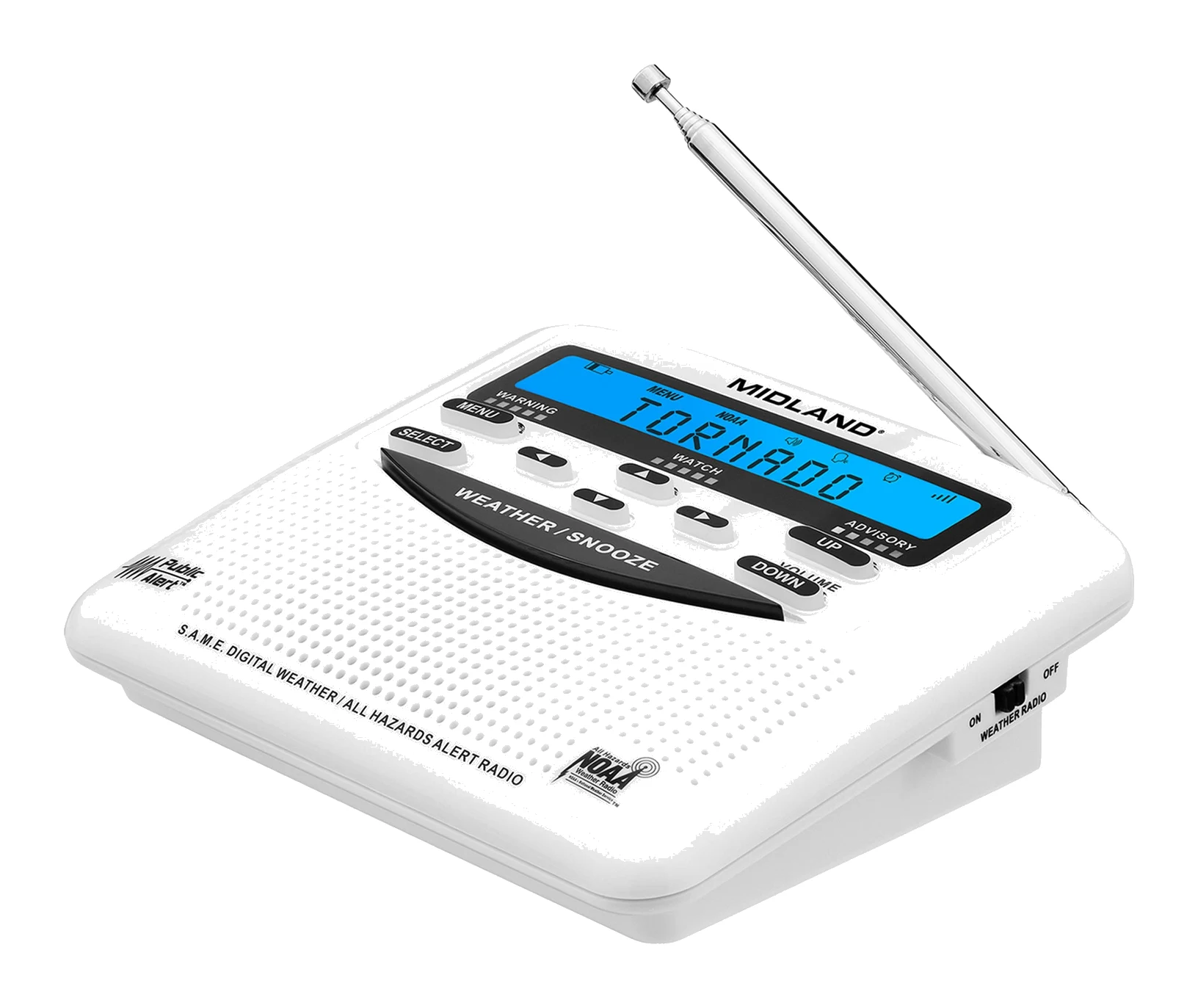
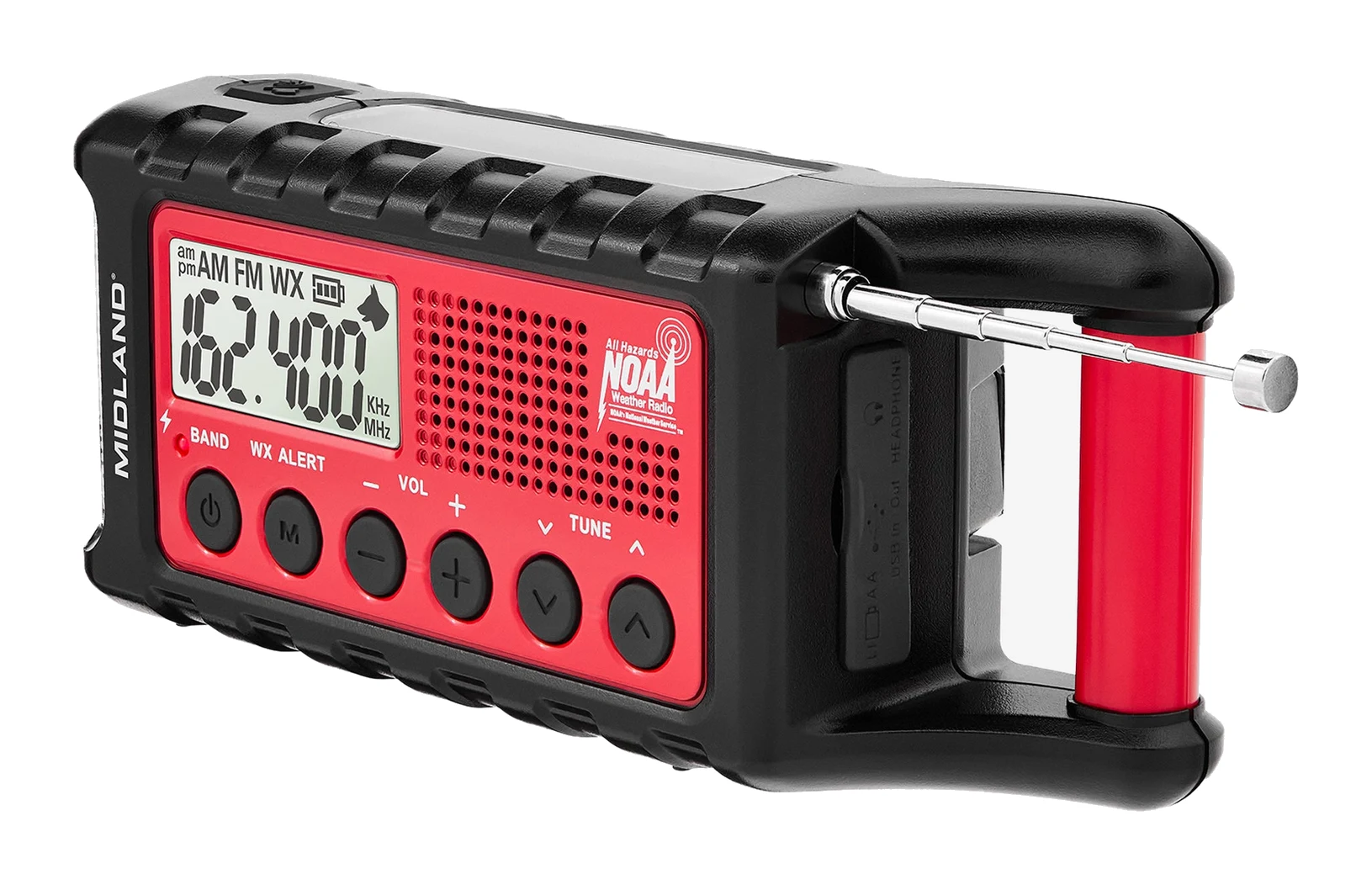
- Best OverallRoxicosly CR1030Why we picked it →
- Also GreatMidland WR120BWhy we picked it →
- Premium PickMidland ER310Why we picked it →
Frequently asked questions
Is the Raynic CR1009Pro worth it?
For a home emergency kit, experts think so. It averages 9.1/10 across four expert reviews and is recommended in 10 expert buying guides. It is strongest on power flexibility, automatic NOAA alerts and phone charging. It is weaker on SAME filtering, shortwave reception and weatherproofing.
Does the Raynic CR1009Pro have SAME county-level alerts?
No. Reviewers note that it lacks SAME county-level alert filtering, so the alerts it picks up may not be specific to your location. If you want warnings limited to your county, you will need a radio with SAME.
Can the Raynic CR1009Pro charge a phone?
Yes. Its 5000mAh/18500mWh battery can charge a phone through the USB output. Charging a phone draws on the same battery that powers the radio and lights, so use it sparingly if weather alerts are your priority.
How can you power the Raynic CR1009Pro?
There are six options: the built-in battery, an AC adapter, a DC 5V USB input, a hand crank, a solar panel and three AAA batteries (not included). Reviewers note that the hand crank and solar panel only trickle-charge the battery.
Is the Raynic CR1009Pro waterproof?
It is rated IPX3, which means it is splash-resistant only. Reviewers also note that the port covers feel loose, so keep it sheltered from heavy rain.
Is the shortwave on the Raynic CR1009Pro any good?
It covers 2.3 - 22MHz, but reviewers report that reception is weak and the antenna is short. It is fine as a bonus band, but it is not the reason to buy this radio.
Sources
Specs are taken from the manufacturers' official pages; expert recommendations from the publications below.
- Raynic CR1009Pro: raynic.com, shopquantumconcepts.com, the-weather.com
Related reviews & guides
Best Emergency Weather Radios 2026: Alerts and Backup Power
Five emergency weather radios compared on alert type, power options, waterproofing and phone charging, based on manufacturer specs and expert recommendations.
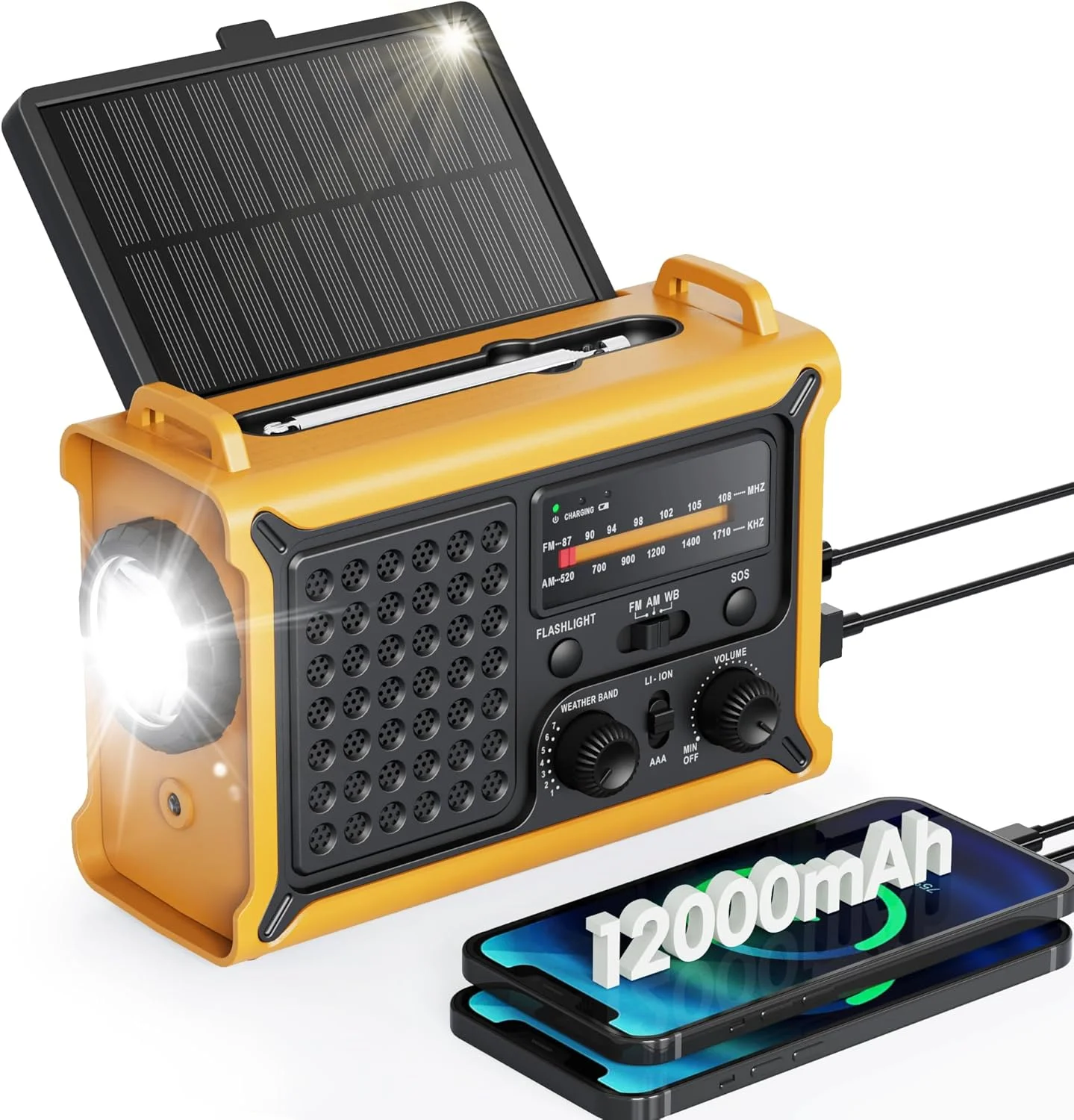
Published Oct 22, 2026Roxicosly CR1030 Review (2026): Outage Kit Radio
The Roxicosly CR1030 is an emergency weather radio built around a 12000mAh battery and five ways to power it. Here is what it offers and where its bulk gets in the way.
Published Oct 26, 2026
Best Rechargeable Hand Warmers 2026: Runtime & Power Banks
Five rechargeable hand warmers compared on runtime, heat control, power bank features and safety, from long-lasting pairs to a budget cat paw set.
Published Oct 27, 2026