Wahoo KICKR CORE 2 Review (2026): Quiet and Accurate
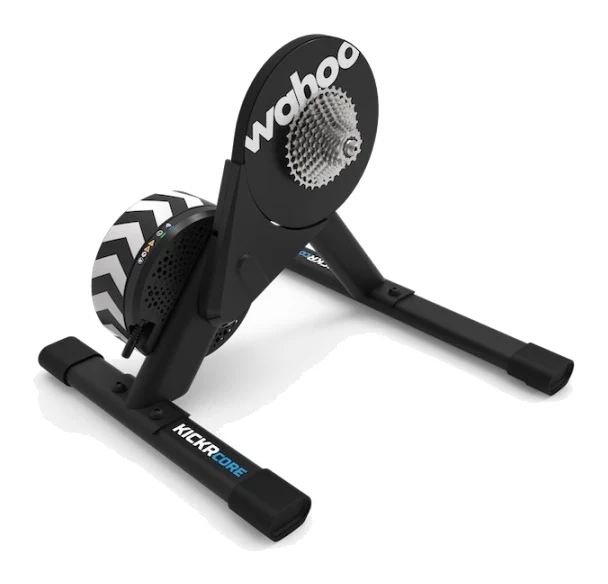
A spec-based look at the Wahoo KICKR CORE 2, a mid-range direct-drive smart trainer praised for accuracy and quiet running, but awkward to move and store.
Research-based · We earn from qualifying purchases
Our verdict
The KICKR CORE 2 is a quiet, accurate direct-drive trainer with a realistic ride feel and useful extras like Wi-Fi, Race Mode and virtual shifting. It suits riders who want a mid-range smart trainer for structured training or Zwift, but sprint-focused racers or anyone who needs to move and store it often may want to look elsewhere.
The good
- Smooth, realistic ride feel that responds quickly to gradient changes
- Power accuracy of +/- 2%, confirmed by reviewers
- Quiet operation suits apartments and early-morning sessions
- Wi-Fi and Race Mode give faster pairing and 10Hz power data
- Redesigned flat legs with four-bolt assembly make setup easy and stable
+2 more
- Wi-Fi and Race Mode give faster pairing and 10Hz power data
- Redesigned flat legs with four-bolt assembly make setup easy and stable
The bad
- No carry handle and non-folding legs make it awkward to move and store
- No Direct Connect (Ethernet) option
- Some reviewers saw app problems and ERG mode lag at interval starts
- 5.4kg flywheel is lighter than flagship trainers; hard sprints may feel less stable
+1 more
- 5.4kg flywheel is lighter than flagship trainers; hard sprints may feel less stable
This Wahoo KICKR CORE 2 review looks at a mid-range direct-drive smart trainer built for riders who want accurate power and a realistic ride indoors without paying for a flagship. It suits people who train with structure or ride virtual worlds like Zwift. The review is based on Wahoo's specifications and what independent expert reviewers report, not on our own hands-on testing.
Wahoo KICKR CORE 2: specs at a glance
From the manufacturer- Cassette
- Pre-installed 11-speed 11-28 (or Zwift Cog and Click version)
- Flywheel
- 5.4kg
- Dimensions
- 23.5 x 20.5 x 18.5 in / 59.7 × 52 × 47 cm
- Connectivity
- WiFi, Bluetooth (up to 3 connections), ANT+, ANT+ FE-C
- Power accuracy
- +/- 2%
- Product weight
- 30 lb / 13.6 kg
- Resistance type
- Electromagnetic, belt drive
- Front wheel block
- Sold separately
- Hub compatibility
- 130/135mm QR, 12x142 and 12x148 thru-axle
- Power requirements
- 100-240V~1.5A 50-60 Hz
- Maximum power output
- 1800W
- Maximum rider weight
- 250 lb / 113 kg
- Maximum simulated grade
- 16%
- Minimum simulated grade
- -10%
Key features
- Built-in Wi-Fi for faster pairing and automatic firmware updates
- Race Mode sends power data up to 10Hz over Wi-Fi, versus 1Hz over Bluetooth or ANT+, for snappier sprints
- KICKR Bridge streams heart rate monitor data through the trainer to your training app
- Redesigned flat, color-coded legs with four-bolt assembly for easier, more stable setup
- Multi-color LEDs show connection, firmware and virtual shifting status
- Comes with a pre-installed 11-speed cassette or a Zwift Cog and Click for virtual shifting
- Works with 8 to 13-speed drivetrains and with KICKR CLIMB and KICKR HEADWIND
- Adapters for 130/135mm QR and 12x142/148 thru-axle hubs are included
Wahoo KICKR CORE 2 Review: Design and Setup
The KICKR CORE 2 is a direct-drive trainer. You remove the rear wheel and mount the bike's frame straight onto the trainer's cassette, and the resistance comes from an electromagnetic unit with a belt drive. Direct-drive designs avoid tyre slip, and this one is rated for power accuracy of +/- 2%. Reviewers confirm that accuracy, which matters if you follow power-based workouts.
Wahoo has redesigned the legs. They are flat and color-coded, and they attach with four bolts. Reviewers say this makes assembly straightforward and the finished trainer stable. Axle compatibility is covered out of the box. Adapters are included for 130/135mm QR hubs as well as 12x142 and 12x148 thru-axle hubs.
The drivetrain side is flexible too. The trainer works with 8 to 13-speed drivetrains. It comes with a pre-installed 11-speed 11-28 cassette, or you can choose the version with a Zwift Cog and Click for virtual shifting.
There are two practical downsides, and reviewers raise both. The trainer has no carry handle, and the legs don't fold. It weighs 30 lb / 13.6 kg, which isn't extreme, but the shape makes it awkward to move around or tuck away. If it lives permanently in a pain cave or a corner of the spare room, this matters less. If you need to put it away after each session, it matters a lot.
Also note that a front wheel block is sold separately. You may want one to hold the front wheel level, depending on your setup.
Features That Matter Day to Day
Wi-Fi and Race Mode
The CORE 2 has built-in Wi-Fi, which Wahoo says allows faster pairing and automatic firmware updates. That removes some routine fiddling. Updates arrive without needing to be hunted down.
The headline feature is Race Mode. Over Wi-Fi, the trainer can send power data at up to 10Hz, compared with 1Hz over Bluetooth or ANT+. In practice, that means quicker feedback in virtual sprints and surges, because the app receives power updates more often. Reviewers list this among the trainer's strengths. The 10Hz power data is sent over Wi-Fi.
Virtual shifting and drivetrain options
With the Zwift Cog and Click version, you shift virtually through the app rather than on your bike's own gears. Riders who prefer to keep their bike's drivetrain out of it get a simple, clean option. Those who want to use their own gearing can go with the 11-speed cassette. Support for 8 to 13-speed setups means the trainer isn't tied to one generation of groupset.
Heart rate bridging and accessories
The KICKR Bridge feature streams heart rate monitor data through the trainer to your training app. This can simplify connections, since the trainer relays the signal. It also works with KICKR CLIMB and KICKR HEADWIND, so you can add a gradient simulator or a fan within the same ecosystem later.
Multi-color LEDs show connection, firmware and virtual shifting status. It's a small touch, but it gives you a quick read on what the trainer is doing without opening an app.
Ride Feel, Accuracy and Noise
The most consistent praise from reviewers is for ride feel. They describe it as smooth and realistic, with quick responses to gradient changes. The trainer can simulate climbs up to 16% and descents down to -10%. The maximum power output is 1800W, and the maximum rider weight is 250 lb / 113 kg. Those figures should be enough for most riders, though heavier riders should check the limit before buying.
Noise is another strength. Reviewers say it runs quietly, which makes it a good fit for apartments and early-morning sessions. If you ride when others are asleep, or share walls with neighbours, that counts for a lot.
The flywheel is 5.4kg, which reviewers note is lighter than on flagship trainers. They suggest hard sprints may feel less stable as a result. If your sessions involve many all-out efforts, it's worth thinking about.
Connectivity
The CORE 2 covers the standard options: Wi-Fi, Bluetooth (up to 3 connections), ANT+ and ANT+ FE-C. Three Bluetooth connections allow, for example, a training app, a head unit and another device at the same time. The trainer plugs into mains power, with a 100-240V~1.5A 50-60 Hz input, so it should work in most regions.
There is one gap. It has no Direct Connect (Ethernet) option. Riders who want a wired Ethernet connection will not find one here.
What Experts Like and What They Criticise
The trainer averages 8.3/10 across 3 expert reviews. Cyclingnews gives it 4.4/5, BikeRadar scores it 4.5/5, and road.cc rates it 7/10. The two star-rated reviews are strongly positive, and the road.cc score is more reserved.
Reviewers praise:
- the smooth, responsive ride feel
- the confirmed power accuracy
- the quiet operation
- the speed of Wi-Fi pairing and the 10Hz data in Race Mode
- the easy, stable leg assembly
A common criticism is the lack of a carry handle and folding legs, which makes it awkward to move and store. The missing Ethernet option comes up too. Some reviewers also saw app problems and ERG mode lag at the start of intervals. Since ERG mode drives structured workouts, this is worth knowing about if that's how you mostly train. As noted above, the 5.4kg flywheel is also a limitation for sprint-heavy riders.
Who Should Buy It, and Who Should Skip It
Buy it if you want an accurate, quiet direct-drive trainer for structured training or Zwift, and you're happy to leave it set up in one place. The easy setup, Wi-Fi features and wide drivetrain compatibility make it a practical option for riders with a modern bike. The ability to add KICKR CLIMB and KICKR HEADWIND is a plus if you expect to build up a bigger indoor setup.
Skip it if you need to move or store the trainer after every ride, since the shape works against you there. Sprint-focused racers may prefer a heavier flywheel. Riders who insist on a wired Ethernet connection should look elsewhere. If your workouts depend on tight ERG mode response at interval starts, take the reviewer reports of lag seriously.
How It Fits in the Smart Trainer Category
The CORE 2 sits in the mid-range part of the smart trainer market. In general terms, that means you get the features that matter most to regular indoor riders, such as direct drive, accurate power, quiet running and modern connectivity, while some flagship traits, like a heavier flywheel, are left out. It's a sensible place to look if you want a serious trainer without paying for top-end extras.
Verdict
The KICKR CORE 2 does the core job well. It is accurate, quiet and realistic to ride, and Wi-Fi, Race Mode and virtual shifting make it feel current. Its weak points are practical: it's awkward to move, it lacks Ethernet, and a few reviewers hit app or ERG mode problems. For riders who set it up once and use it for training or virtual racing, it's a well-rounded choice.
Related buying guides
Not sure about the Wahoo KICKR CORE 2? Consider these
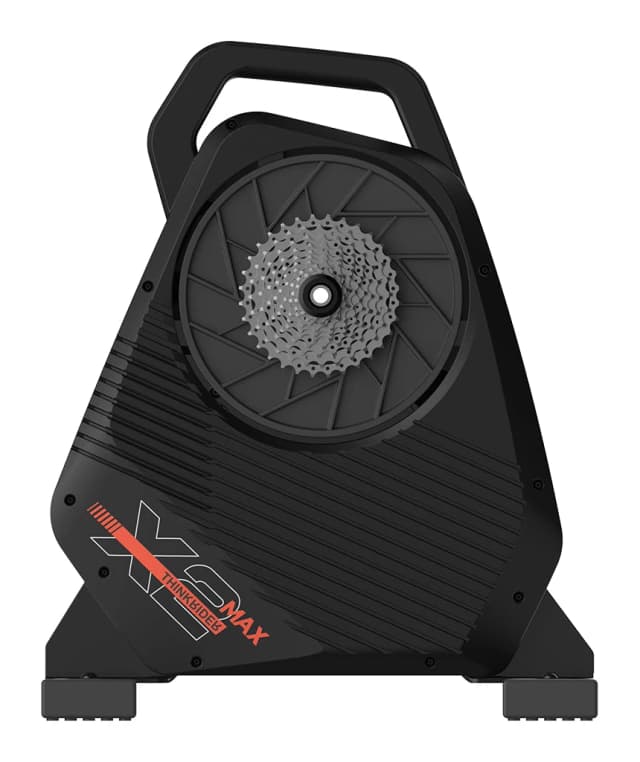
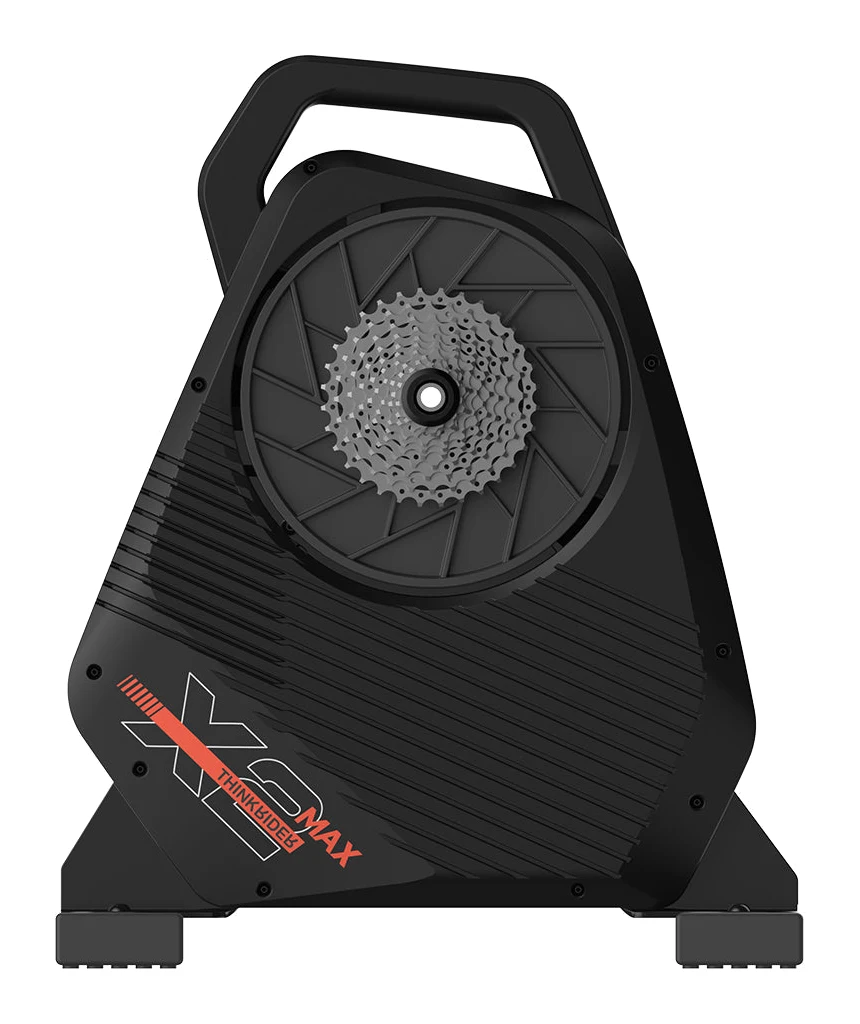
- Best ValueThinkRider X2MaxWhy we picked it →
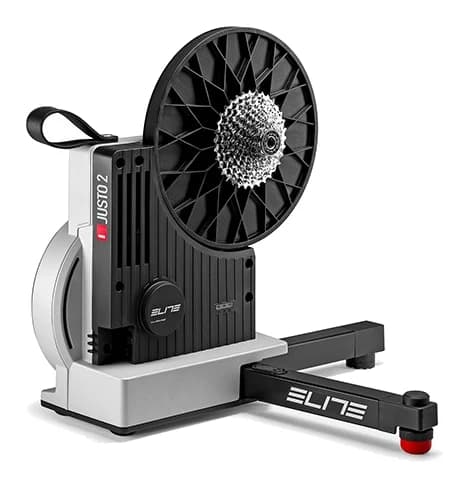
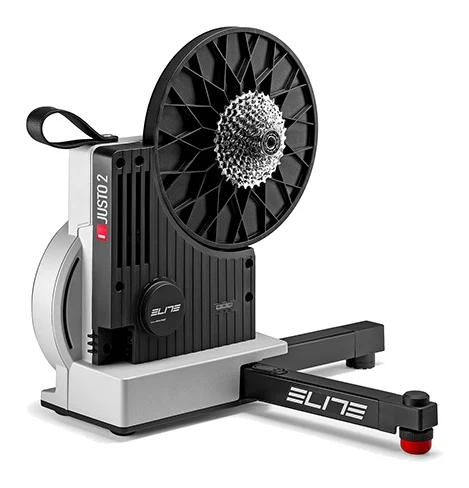
- Premium PickElite Justo 2Why we picked it →
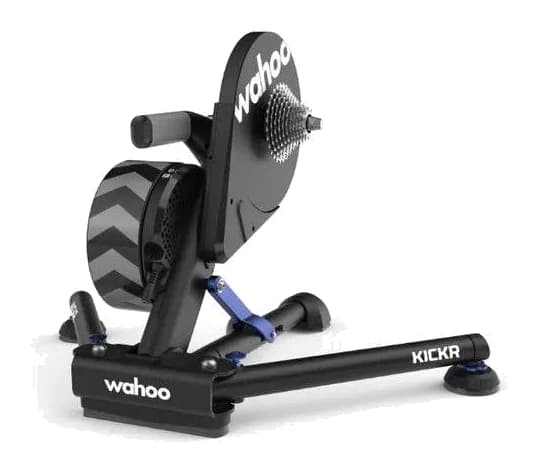
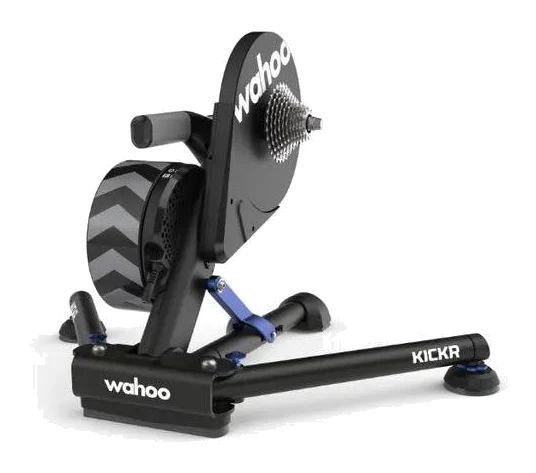
- Best BudgetWahoo KICKR V6Why we picked it →
Frequently asked questions
Is the Wahoo KICKR CORE 2 worth it?
Reviewers largely think so. It averages 8.3/10 across 3 expert reviews, and they praise its accuracy, quiet running and ride feel. It's best for riders who leave it set up in one spot, as it has no carry handle and non-folding legs.
How accurate is the Wahoo KICKR CORE 2?
It is rated for power accuracy of +/- 2%, and reviewers confirm that accuracy.
What is Race Mode on the KICKR CORE 2?
Race Mode sends power data at up to 10Hz over Wi-Fi, versus 1Hz over Bluetooth or ANT+. That is meant to give snappier sprints.
Does the KICKR CORE 2 support virtual shifting?
Yes, if you choose the version with the Zwift Cog and Click. The other version comes with a pre-installed 11-speed 11-28 cassette.
Does the Wahoo KICKR CORE 2 work with thru-axle bikes?
Yes. Adapters are included for 130/135mm QR hubs, plus 12x142 and 12x148 thru-axle hubs. It also works with 8 to 13-speed drivetrains.
Does the KICKR CORE 2 have an Ethernet port?
No. It has no Direct Connect (Ethernet) option. Connectivity is through Wi-Fi, Bluetooth (up to 3 connections), ANT+ and ANT+ FE-C.
Sources
Specs are taken from the manufacturers' official pages; expert recommendations from the publications below.
- Wahoo KICKR CORE 2: wahoofitness.com, cyclingnews.com, bikeradar.com, cyclingweekly.com
Related reviews & guides
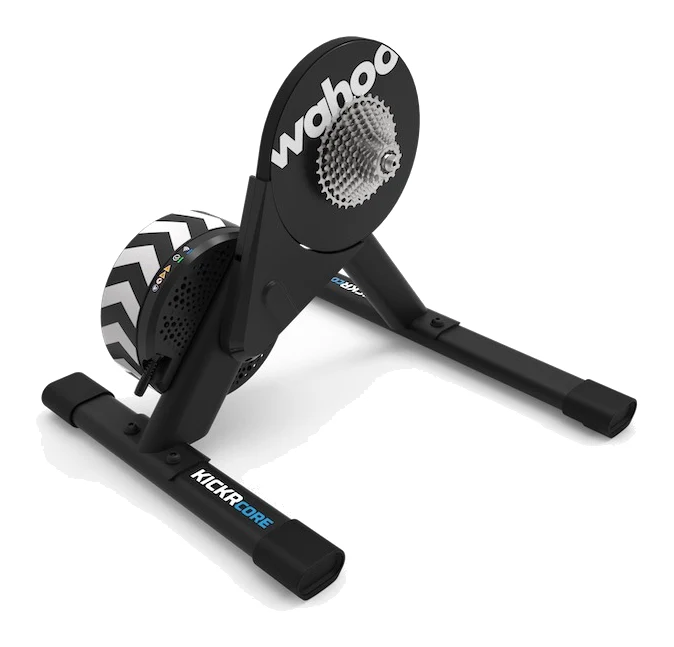
Best Smart Bike Trainers for 2026: Accurate and Quiet
Five smart trainers compared on accuracy, noise, gradient, connectivity and expert recommendations, from a budget-tier option to premium models.
Published Oct 25, 2026
Best Smart Exercise Bikes 2026: Classes, Apps & Intervals
Five exercise bikes compared on manufacturer specs and expert recommendations, from screen-first studio bikes to rugged air bikes and bring-your-own-app options.
Published Oct 25, 2026
NordicTrack X24 Bike Review (2026): Hills, Screen, iFIT
The NordicTrack X24 pairs a -10% to 20% incline range and quiet magnetic resistance with a big pivoting screen. Here is what it offers and where the iFIT requirement bites.
Published Oct 26, 2026