Audar E2 Senior Smartwatch Review (2026): Phone-Free Care
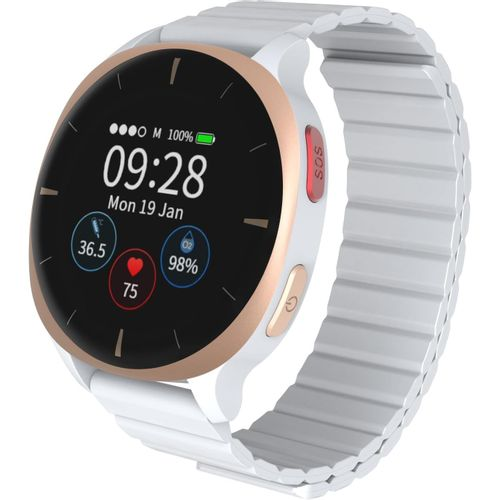
The Audar E2 is a phone-free smartwatch for seniors, with fall detection, SOS, vital-sign tracking and a caregiver dashboard. Here is who it suits and where it falls short.
Research-based · We earn from qualifying purchases
Our verdict
The Audar E2 suits families who want a phone-free watch for a senior, with broad vital-sign tracking and a caregiver dashboard. Skip it if you need direct 911 calling, reliable detection of slow falls, or want to avoid ongoing connectivity fees.
The good
- Works standalone on LTE-M and NB-IoT, with no smartphone or app needed
- Automatic fall detection plus a manual SOS button with GPS alerts
- Tracks heart rate, blood pressure trends, SpO2 and body temperature
- Caregivers can view data and change settings on a web dashboard
- Up to 10 days of battery life with hourly measurements
+2 more
- Caregivers can view data and change settings on a web dashboard
- Up to 10 days of battery life with hourly measurements
The bad
- Blood pressure readings need calibrating against a cuff to be reliable
- Cannot call or alert 911 or other public emergency numbers
- Fall detection is tuned for hard, fast falls, so slow falls may be missed
- SMS and voice alerts cost extra, and an annual connectivity fee applies after year one
+1 more
- SMS and voice alerts cost extra, and an annual connectivity fee applies after year one
This audar e2 senior smartwatch review looks at a watch built for a specific job: keeping an older person connected and monitored without asking them to own, charge or understand a smartphone. The Audar E2 has its own SIM and cellular connection, and it sends its data to a web dashboard that family members or caregivers can check. It is aimed at seniors without smartphones and at the people who look after them remotely.
This review is based on the manufacturer's specifications and on what independent expert reviews report, not on hands-on testing. It is also recommended in 3 expert guides. It sits in the mid-range part of the market, so the real question is whether its feature set and its limits fit your situation.
Audar E2 Senior Smartwatch: specs at a glance
From the manufacturer- Weight
- 39.5 g
- Display
- 1.09" TFT 240x240 touchscreen
- Strap fit
- wrist sizes 135–238 mm
- Dimensions
- 4.6 x 4.3 x 1.35 cm
- Battery life
- up to 10 days (hourly measurements)
- Connectivity
- LTE-M & NB-IoT, embedded MFF2 SIM
- Standby time
- up to 30 days
- Charging time
- 1.5 hours
- Motion sensor
- 6-axis accelerometer and gyroscope
- Battery capacity
- 280 mAh
- Heart rate range
- 30 - 240bpm
- Operating system
- Zephyr RTOS
- Water resistance
- IP67
- Body temperature range
- 32 - 42c
Key features
- Automatic fall detection plus a manual SOS button, with GPS location alerts to chosen contacts
- Tracks heart rate, blood pressure trends, SpO2 and body temperature on a schedule or on demand
- Built-in SIM on LTE-M and NB-IoT, so no smartphone, app or Bluetooth is needed
- Caregivers can view data and change settings remotely on a web dashboard
- AI weekly wellbeing reports summarise health trends
- Up to 10 days of battery life with hourly measurements, and up to 30 days of standby
- Magnetic strap is easy to fasten and light on the wrist
- IP67 water, sweat and dust resistance
What the Audar E2 is designed to do
The pitch is simple: put a safety net on a wrist. The watch combines automatic fall detection with a manual SOS button. When either is triggered, it sends GPS location alerts to contacts chosen in advance. Alongside that, it tracks heart rate, blood pressure trends, SpO2 and body temperature, either on a schedule or on demand, so a caregiver can see how someone is doing without phoning to ask.
The approach is organised around the caregiver. Settings can be changed remotely from the web dashboard. That matters if the wearer would struggle to navigate menus on a 1.09" TFT 240x240 touchscreen, or simply would not want to.
Design and build
The E2 is a compact watch at 39.5 g, with dimensions of 4.6 x 4.3 x 1.35 cm. It is light on the wrist, which matters for something meant to be worn all day. The strap is magnetic and easy to fasten. The strap fits wrist sizes 135–238 mm.
The display is a 1.09" TFT 240x240 touchscreen. Water, sweat and dust resistance is rated IP67.
Features and what they mean day to day
Standalone connectivity
The headline feature is the embedded SIM running on LTE-M and NB-IoT. Those are low-power cellular networks designed for connected devices, and they let the watch report in without a phone, an app or Bluetooth pairing. For a senior who does not carry a smartphone, or for a family that does not want to manage another app on someone else's device, this removes a lot of friction. As with any cellular device, how well it works depends on coverage in the places the wearer spends time, so it is worth checking before you commit.
The flip side is cost. Reviewers point out that SMS and voice alerts cost extra and that an annual connectivity fee applies after year one. This is a recurring commitment, not a one-off purchase, and it should be part of your budgeting from the start.
Fall detection and SOS
Automatic fall detection is backed by a 6-axis accelerometer and gyroscope, and the manual SOS button gives the wearer a way to ask for help directly. Alerts include GPS location and go to the contacts you choose.
Two caveats are worth knowing. First, the fall detection is tuned for hard, fast falls, so slow falls may be missed. Someone who tends to slump or slide to the floor gradually should not rely on automatic detection alone. Second, the watch cannot call or alert 911 or other public emergency numbers. Alerts go to your designated contacts, not to emergency services. That makes the E2 a family-and-caregiver alert tool, not a replacement for an emergency calling service, and your plan needs to include someone who will answer and act on an alert.
Health tracking
The E2 measures heart rate, blood pressure trends, SpO2 and body temperature. The heart rate range runs from 30 - 240bpm and the body temperature range from 32 - 42c. Readings can run on a schedule or on demand. AI-generated weekly wellbeing reports summarise the trends, which is useful for a caregiver who wants an overview rather than a stream of individual readings.
Blood pressure deserves a specific warning. A common criticism is that the readings need calibrating against a cuff to be reliable. The watch tracks blood pressure trends, so treat the figures as trends and not as a substitute for a proper blood pressure monitor or medical advice.
Caregiver dashboard
The watch includes a web dashboard. Caregivers can view data and change settings remotely, without touching the watch. For families who want to monitor a senior remotely, the dashboard lets caregivers view data and change settings.
Battery and charging
Battery life is up to 10 days with hourly measurements, with up to 30 days of standby. The battery capacity is 280 mAh, and a full charge takes 1.5 hours. The runtime quoted is based on hourly measurements.
On the software side, the watch runs Zephyr RTOS.
What experts like and what they criticise
Reviewers praise the standalone operation, which means no smartphone or app is needed, along with the combination of automatic fall detection and a manual SOS button with GPS alerts. They also like the breadth of health tracking and the caregiver dashboard.
The criticisms are worth weighing, and several are significant:
- Blood pressure readings need cuff calibration to be reliable.
- The watch cannot contact 911 or other public emergency numbers.
- Fall detection favours hard, fast falls, so slow ones may go undetected.
- SMS and voice alerts cost extra, and an annual connectivity fee applies after year one.
None of these makes the watch unusable, but the emergency-number limitation and the fall-detection tuning go to the heart of what a safety watch is for. Go in understanding them.
Who should buy it
The Audar E2 is a good fit if:
- The wearer does not have a smartphone, or does not want to depend on one.
- A family member or caregiver wants to check vitals and adjust settings remotely.
- You want a light, easy-to-fasten watch with up to 10 days of battery life with hourly measurements.
- You are comfortable with ongoing connectivity costs and with alerts going to personal contacts.
Who should skip it
Look elsewhere if:
- You need the watch to call 911 or other public emergency numbers directly.
- The wearer is prone to slow falls and you want dependable automatic detection.
- You want clinically reliable blood pressure readings without a calibration step.
- You would rather avoid recurring fees after the first year.
How it fits in its category
The E2 carries its own connection and puts the caregiver in charge. Its strength is independence from a phone and the remote dashboard. Its trade-offs are the lack of public emergency calling and the ongoing fees. If they have no phone and want someone else to be able to keep an eye on them, the E2 is aimed squarely at that need.
Verdict
The Audar E2 suits families who want a phone-free watch for a senior, with broad vital-sign tracking and a caregiver dashboard. Standalone LTE-M and NB-IoT connectivity, fall detection with GPS alerts, wide-ranging vitals and a remote dashboard are the main draw for families managing care at a distance. The limits are real, though: no direct emergency calling, fall detection that can miss slow falls, blood pressure that needs calibration and fees that continue after the first year. If those fit your plan, it is a practical option. If any of them is a deal-breaker, treat it as a supplement to proper emergency arrangements, not a replacement for them.
Related buying guides
- Best Smartwatch for Seniors 2026: Fall Detection & Safety
- Medical Guardian MGMove Review (2026): Phone-Free Safety
- Seculife Medical Alert Smartwatch Review: No Phone Needed
- Best Smartwatches for Kids (2026): Safe Calls and GPS
- Best Smartwatch for Small Wrists 2026: Light and Compact
- Apple Watch SE 3 Review (2026): Enough Watch for Most?
- Garmin Tactix 8 Review (2026): Built for the Field
Not sure about the Audar E2 Senior Smartwatch? Consider these
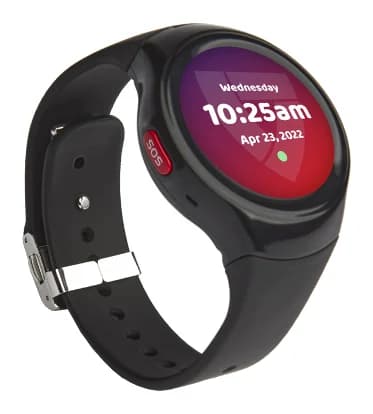
- Best OverallMedical Guardian MGMoveWhy we picked it →
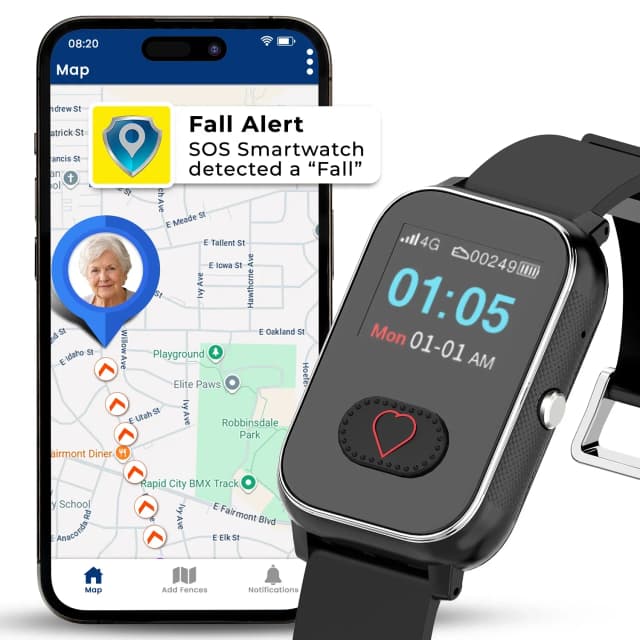
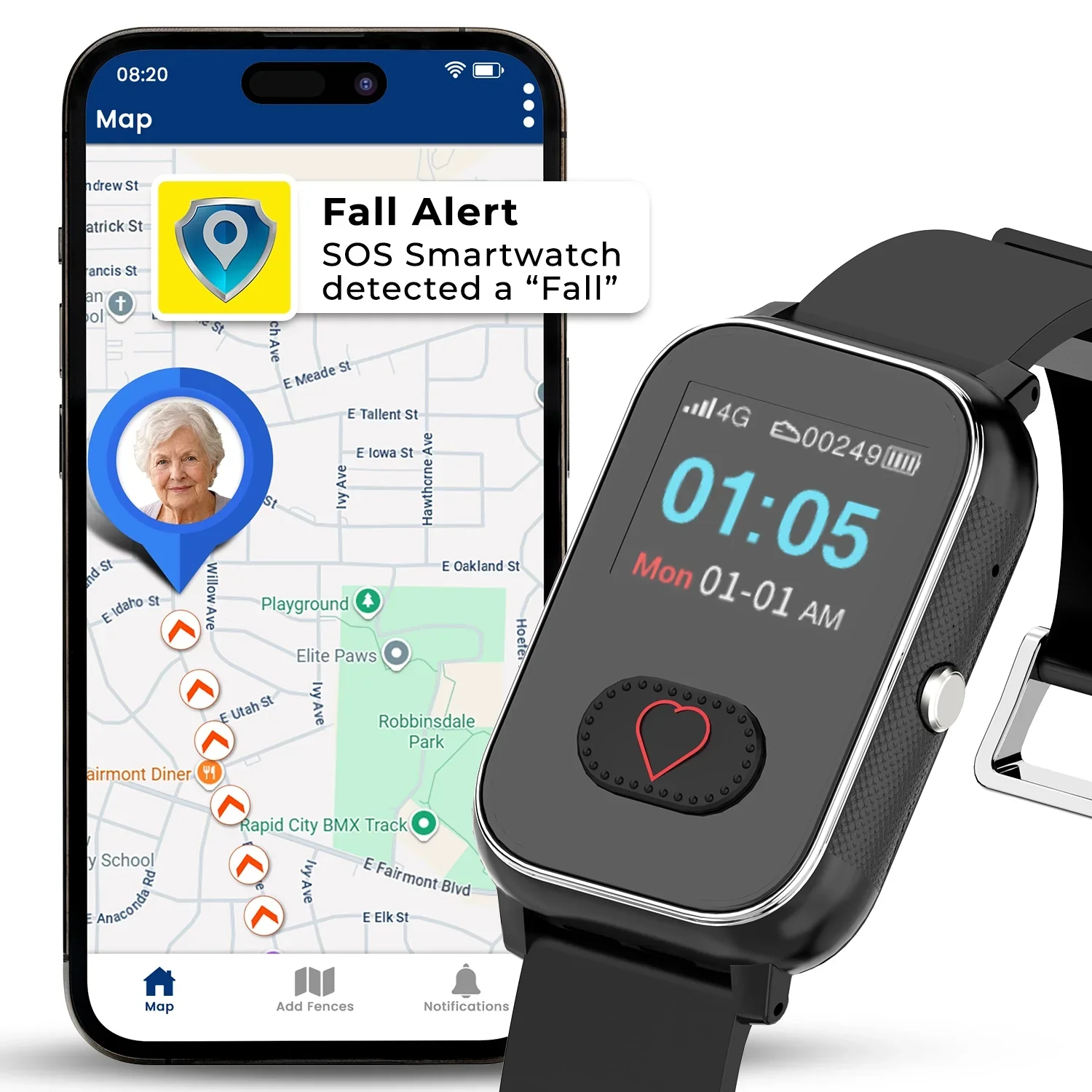
- Best ValueSeculife Cellular Medical Alert SmartwatchWhy we picked it →
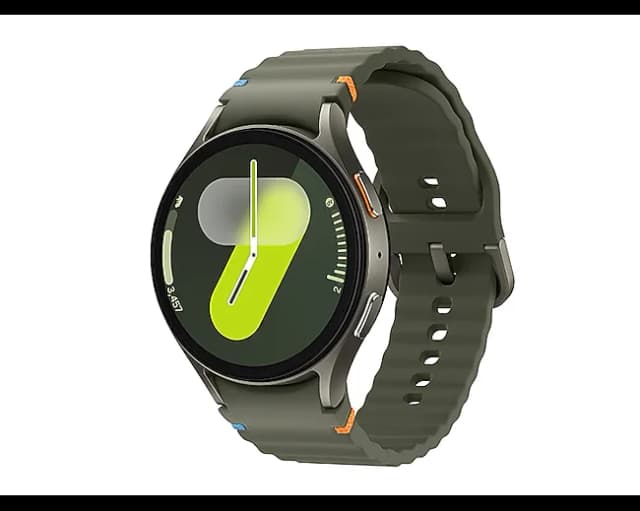
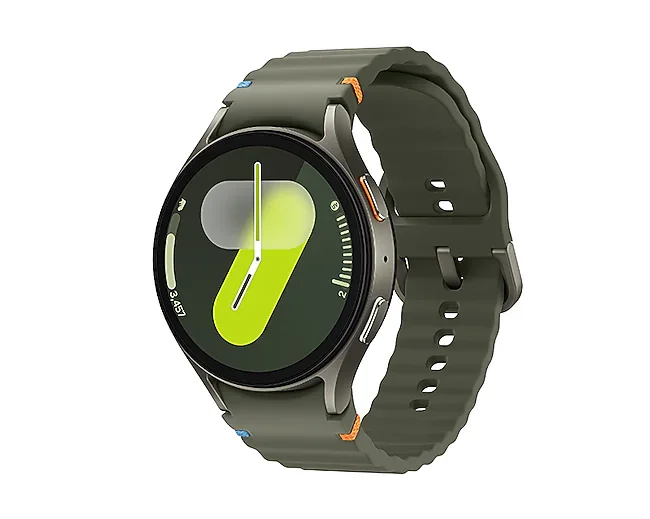
- Best BudgetSamsung Galaxy Watch 7Why we picked it →
Frequently asked questions
Is the Audar E2 senior smartwatch worth it?
It is worth considering if the wearer has no smartphone and a caregiver wants remote visibility of their health data and alerts. It is less compelling if you need direct 911 calling, dependable slow-fall detection or no ongoing fees, since reviewers flag all three as limitations.
Does the Audar E2 need a smartphone?
No. It has an embedded SIM running on LTE-M and NB-IoT, so no smartphone, app or Bluetooth connection is required. Caregivers use a web dashboard to view data and change settings.
Can the Audar E2 call 911?
No. It cannot call or alert 911 or other public emergency numbers. Fall and SOS alerts with GPS location go to the contacts you choose, so someone needs to be ready to respond.
How good is the Audar E2's fall detection?
It combines automatic detection, using a 6-axis accelerometer and gyroscope, with a manual SOS button. Reviewers note that detection is tuned for hard, fast falls, so slow falls may be missed.
How long does the Audar E2 battery last?
Up to 10 days with hourly measurements and up to 30 days of standby. The battery capacity is 280 mAh and a full charge takes 1.5 hours.
Does the Audar E2 have ongoing costs?
Yes. Reviewers report that SMS and voice alerts cost extra and that an annual connectivity fee applies after year one.
Sources
Specs are taken from the manufacturers' official pages; expert recommendations from the publications below.
- Audar E2 Senior Smartwatch: audarhealth.com, ebay.com, hchsonline.org, desertcart.ae
Related reviews & guides
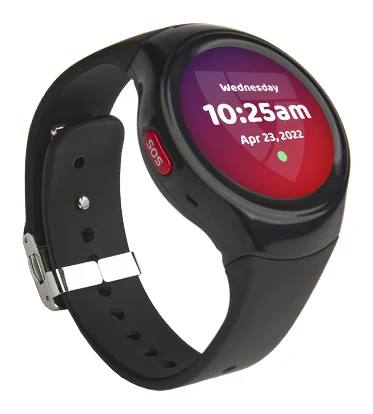
Best Smartwatch for Seniors with Memory Issues
The best smartwatch for seniors depends on whether you want professional monitoring, health tracking or a full smartwatch. Here are five fall-detection picks compared.
Published Oct 22, 2026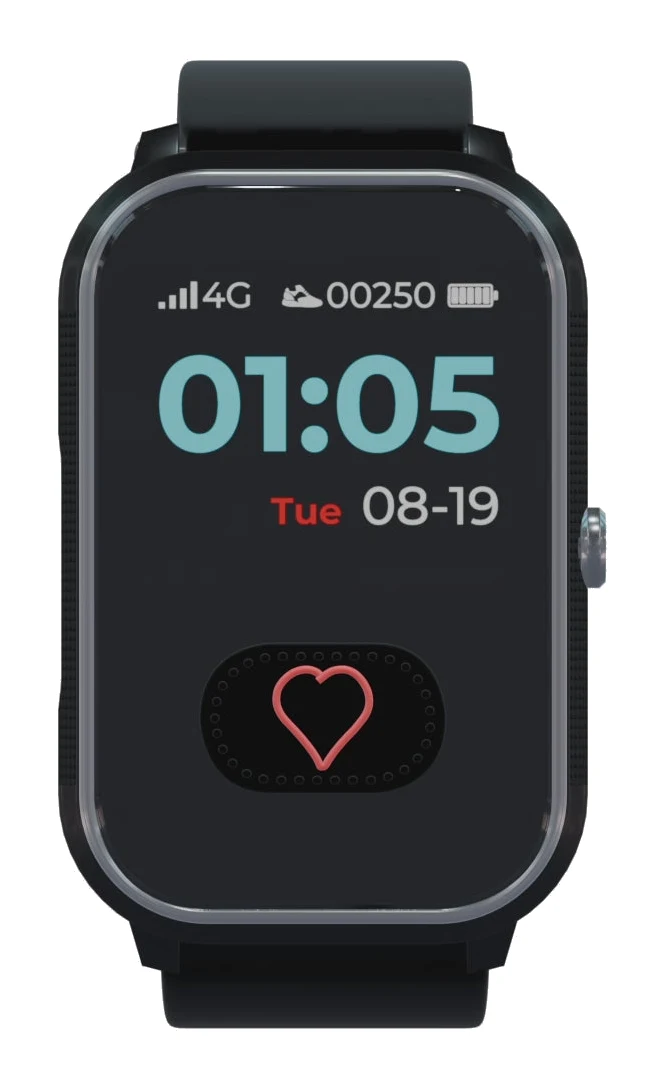
Seculife Medical Alert Smartwatch Review: No Phone Needed
A look at the Seculife cellular medical alert smartwatch: automatic fall detection, GPS, calling and health readings on its own 4G LTE connection, and the trade-offs of a monthly plan and daily charging.
Published Oct 25, 2026
Best Smartwatch (2026): 5 Top Picks Compared
Five smartwatches compared on battery life, health and safety features, case size and phone compatibility, using manufacturer specs and independent expert recommendations.
Published Oct 9, 2026