Best USB Microphones for Podcasting and Streaming 2026
Five USB microphones for podcasters and streamers, compared on polar patterns, bit depth, connectivity and expert recommendations, with a clear pick for each type of creator.
22 products compared · Research-based · Affiliate links
We earn a commission from qualifying purchases made through our links, at no extra cost to you. It never decides our picks. How we make money
Which one should you buy?
Our picks by what matters to you · details below ↓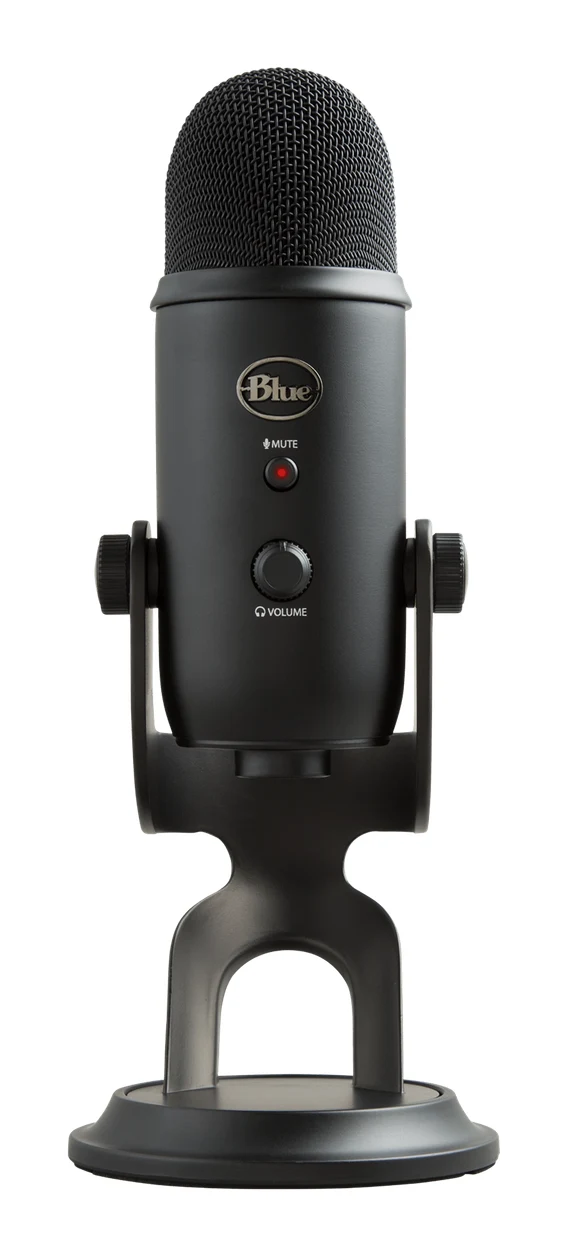
Best for: Podcasters and streamers wanting flexible polar patterns
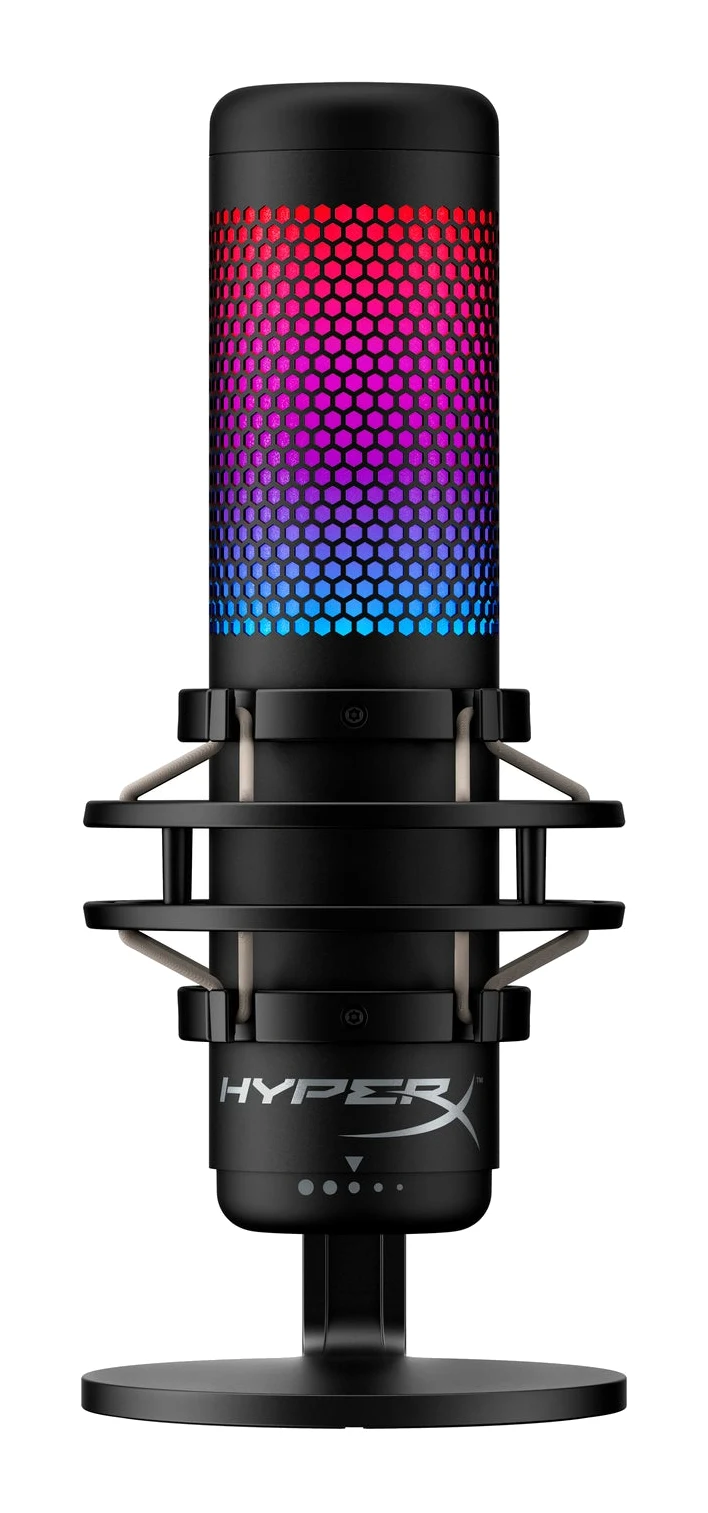
Check price on Amazon- Best ValueHyperX QuadCast SBest for: Streamers who like RGB and console compatibilityCheck price
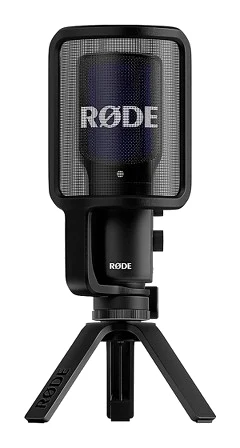
- Also GreatRode NT-USB+Best for: Solo voice creators wanting polished sound easilyCheck price
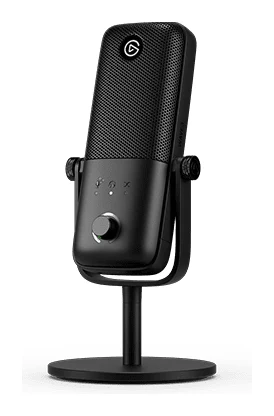
- Premium PickElgato Wave:3 MK.2Best for: Streamers wanting multi-source audio controlCheck price
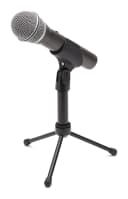
- Best BudgetSamson Q2UBest for: Podcasters starting out with flexible connectivity optionsCheck price
Choosing among the best USB microphones for podcasting and streaming comes down to a few practical questions. Do you record alone or with guests? Do you want software-based voice processing? Do you want the option of moving to an XLR setup later? This guide compares five popular mics so you can match the right one to your setup.
Everything here is based on manufacturer specifications and independent expert recommendations. It is a research-based roundup, not a product test. Prices change often, so use the check price buttons on each product card for current offers.
USB Microphones at a Glance
| Rank | Microphone | Label | Type | Polar patterns | Resolution | Connection | Buy |
|---|---|---|---|---|---|---|---|
| 1 | Logitech Blue Yeti | Best Overall | Condenser | Four switchable | 16-bit | USB 2.0 | Check price |
| 2 | HyperX QuadCast S | Best Value | Electret condenser | Four selectable | 16-bit | USB-C | Check price |
| 3 | Rode NT-USB+ | Also Great | Condenser | Cardioid | 24-bit | USB-C | Check price |
| 4 | Elgato Wave:3 MK.2 | Premium Pick | Condenser | Cardioid | 24-bit | USB-C | Check price |
| 5 | Samson Q2U | Best Budget | Dynamic | Cardioid | Up to 16-bit | USB-C and XLR | Check price |
Logitech Blue Yeti: Best Overall
Best for: Podcasters and streamers wanting flexible polar patterns
The Blue Yeti earns Best Overall through the most expert recommendations (11) and a full feature set, led by four polar patterns and easy plug-and-play setup. It suits podcasters and streamers who want one flexible mic.
Read our full Logitech Blue Yeti review →- Weight
- 1.2 lbs (0.55 kg)
- Warranty
- 2-year
- Bit Depth
- 16-bit
- Sample Rate
- 48 kHz
- Sensitivity
- 4.5mV/Pa (1 kHz)
- Connectivity
- USB 2.0
Reasons to buy
- Four switchable polar patterns cover solo, interview and group recording
- Triple capsule condenser array for clear sound
- Zero-latency headphone monitoring with dedicated amplifier
- Plug-and-play USB with no drivers required
- Most expert recommendations in this group (11)
Reasons to avoid
- 16-bit/48 kHz resolution is below 24-bit alternatives
- Fairly large and heavy at 2.2 lbs with stand
- TechRadar
- 10.0
- Reviews.org
- 9.0
- The Podcast Host
- 6.0
- Musician Nerd
- 8.9
The Blue Yeti has more independent expert recommendations than any other mic in this group, with 11. That is the main reason it ranks first. It is also the most flexible mic here. Four switchable polar patterns (cardioid, omnidirectional, bidirectional and stereo) let you set it up for a solo voiceover, a two-person interview or a group around one table.
Keep reading about Logitech Blue Yeti
A triple capsule condenser array handles the sound capture. Setup is plug-and-play over USB with no software or drivers required. Gain, mute and headphone volume are controlled directly on the microphone, and zero-latency headphone monitoring runs through a dedicated amplifier. Blue VO!CE filters and effects are available if you want to shape your vocal sound.
The trade-offs are resolution and size. The Yeti records at 16-bit and 48 kHz, which is below the 24-bit alternatives in this guide. It is also fairly large and heavy, at 2.2 lbs with the stand. It suits podcasters and streamers who want one adaptable mic that handles most recording situations.
HyperX QuadCast S: Best Value
Best for: Streamers who like RGB and console compatibility
The QuadCast S is Best Value thanks to the top value for money and a feature set that includes a shock mount, tap-to-mute and four polar patterns. It's a strong fit for streamers who like RGB and console compatibility.
- Weight
- 255g
- Warranty
- 2 year
- Bit-depth
- 16-bit
- Sample rate
- 48kHz/16-bit
- Sensitivity
- -36dB (1V/Pa at 1kHz)
- Connectivity
- USB-C, 3.5mm headphone output
Reasons to buy
- Four selectable polar patterns for varied recording setups
- Built-in anti-vibration shock mount reduces rumble
- Tap-to-mute sensor with LED status indicator
- RGB lighting customizable through NGENUITY software
- Top value for money in the group
Reasons to avoid
- 16-bit depth, below 24-bit options
- Sample rate options top out at 48 kHz
- SoundGuys
- 8.6
- Tom's Guide
- 8.0
- CGMagazine
- 8.0
- ProSettings.net
- 9.0
- PC Gamer
- 8.8
The QuadCast S earns Best Value by combining a strong feature set with the top value for money in the group. It has four selectable polar patterns (stereo, omnidirectional, cardioid and bidirectional), so like the Yeti it adapts to solo and multi-person recording. Its three 14mm electret condenser capsules do the capturing.
Keep reading about HyperX QuadCast S
Several features are aimed at streamers. A built-in anti-vibration shock mount suppresses vibrations and rumbles. A tap-to-mute sensor has an LED status indicator, so you can see at a glance whether the mic is live. Radiant RGB lighting can be customized through HyperX NGENUITY software. It connects via USB-C, has a 3.5mm headphone output, and works with PC, PS5, PS4 and Mac, which helps if you stream from a console.
The main limitation is audio resolution. The QuadCast S offers 16-bit depth, and its sample rate options top out at 48kHz. For most spoken-word streaming that is a reasonable compromise, but it is a step below the 24-bit mics here. It is a strong fit for streamers who value RGB styling, a built-in shock mount and easy muting.
Rode NT-USB+: Also Great
Best for: Solo voice creators wanting polished sound easily
The NT-USB+ is an Also Great pick for its full feature set, onboard DSP and included accessories. It suits solo voice creators who want polished sound with little extra gear.
- Weight
- 540 g
- Warranty
- 1-Year Limited (extendable to 2 years with registration)
- Bit Depth
- 24-bit
- Sample Rate
- 48 kHz
- Sensitivity
- 97 dB
- Connectivity
- USB-C
Reasons to buy
- 24-bit/48 kHz conversion with low-noise Revolution preamp
- Built-in APHEX DSP with compressor, noise gate and effects
- Tight cardioid pattern gives focused voice pickup
- Zero-latency monitoring with volume and mix controls
- Includes pop filter, tripod stand, ring mount and USB-C cable
Reasons to avoid
- Cardioid-only pattern limits multi-person recording
- Mid-range pricing sits above the budget picks
- MMORPG
- 8.0
- MusicRadar
- 9.0
- CGMagazine
- 9.5
The Rode NT-USB+ is the choice for solo voice creators who want polished sound with little extra gear. It combines a studio-grade condenser capsule and a tight cardioid pattern with an ultra-low-noise Revolution Preamp and 24-bit/48kHz analog-to-digital conversion. It has 7 independent expert recommendations.
Keep reading about Rode NT-USB+
Its built-in DSP uses APHEX audio processing, including a compressor, noise gate and effects. Zero-latency headphone monitoring comes with dedicated volume and mix controls. The USB-C connection works with computers, smartphones and tablets.
The box also includes a pop filter, desktop tripod stand, ring mount and USB-C cable, so you can start recording without buying accessories. The trade-offs are the cardioid-only pattern, which limits multi-person recording around a single mic, and a mid-range price tier that sits above the budget picks.
Elgato Wave:3 MK.2: Premium Pick
Best for: Streamers wanting multi-source audio control
The Wave:3 MK.2 is the Premium Pick for its software-driven toolset, including Clipguard, Auto Gain and Wave Link mixing. It's best for streamers who want multi-source audio control and a polished voice.
- Weight
- 250 g (without stand)
- Warranty
- 2 years
- Bit depth
- 24-bit
- Sample Rate
- 48 kHz
- Sensitivity
- -20 dBFS typical at 1 kHz
- Connectivity
- USB-C (USB 2.0 HS), 3.5 mm stereo jack (headphones)
Reasons to buy
- Wave FX DSP with Clipguard 2.0 anti-distortion
- Auto Gain and Voice Tune compression for broadcast-ready sound
- 110 dB dynamic range and 24-bit resolution
- Wave Link software mixes multiple audio sources independently
- VST Insert support for plugin integration
Reasons to avoid
- Cardioid-only pattern
- Frequency response starts at 70 Hz rather than 20 Hz
- GamesRadar+
- 9.0
- MediaBerry
- 9.0
- 4WeAreGamers
- 9.0
- TopsFive
- 8.1
The Wave:3 MK.2 is the most software-driven mic in this group. Its Wave FX Processor adds onboard DSP effects and Clipguard 2.0 anti-distortion technology, which is useful if you tend to get loud during gameplay or live reads. Auto Gain calibration and Voice Tune compression aim at broadcast-ready sound without much manual tweaking.
Keep reading about Elgato Wave:3 MK.2
The biggest draw for streamers is Wave Link software integration. It handles multi-source audio mixing with independent output control, so you can manage voice, game audio and music separately. VST Insert support lets you bring plugins into the chain across applications. A 16mm cardioid condenser capsule with a built-in pop filter handles voice pickup, and a customizable LED ring gives feedback. The specs list 24-bit resolution and a 110 dB dynamic range.
The trade-offs are the cardioid-only pattern and a frequency response that starts at 70 Hz rather than 20 Hz. It has 7 independent expert recommendations. It is best for streamers who want multi-source audio control and a polished voice.
Samson Q2U: Best Budget
Best for: Podcasters starting out with flexible connectivity options
The Q2U is Best Budget thanks to its strong value for money and flexible USB/XLR connectivity, with a stand and windscreen included. It's a good starter mic for podcasters who may later move to an XLR setup.
Read our full Samson Q2U review →- Weight
- 0.7lb (0.32kg)
- Warranty
- 2 Year
- Bit Depth
- Up to 16-bit
- Sample Rate
- 44.1kHz/48kHz
- Sensitivity
- -54dBV/Pa
- Connectivity
- USB and XLR
Reasons to buy
- Dual USB and XLR outputs for digital and analog recording
- Cardioid pattern minimizes ambient and room noise
- Zero-latency headphone monitoring with level control
- Plug-and-play with no driver installation
- Includes tripod stand, mic clip and windscreen
Reasons to avoid
- Frequency response limited to 50 Hz–15 kHz
- Up to 16-bit depth only
Our score. Fewer than two published expert reviews score this model yet, so the number is our ranking formula (expert recommendations, features, value, retailers), relative to the other picks in this guide. It switches to the expert average once two reviews are published.
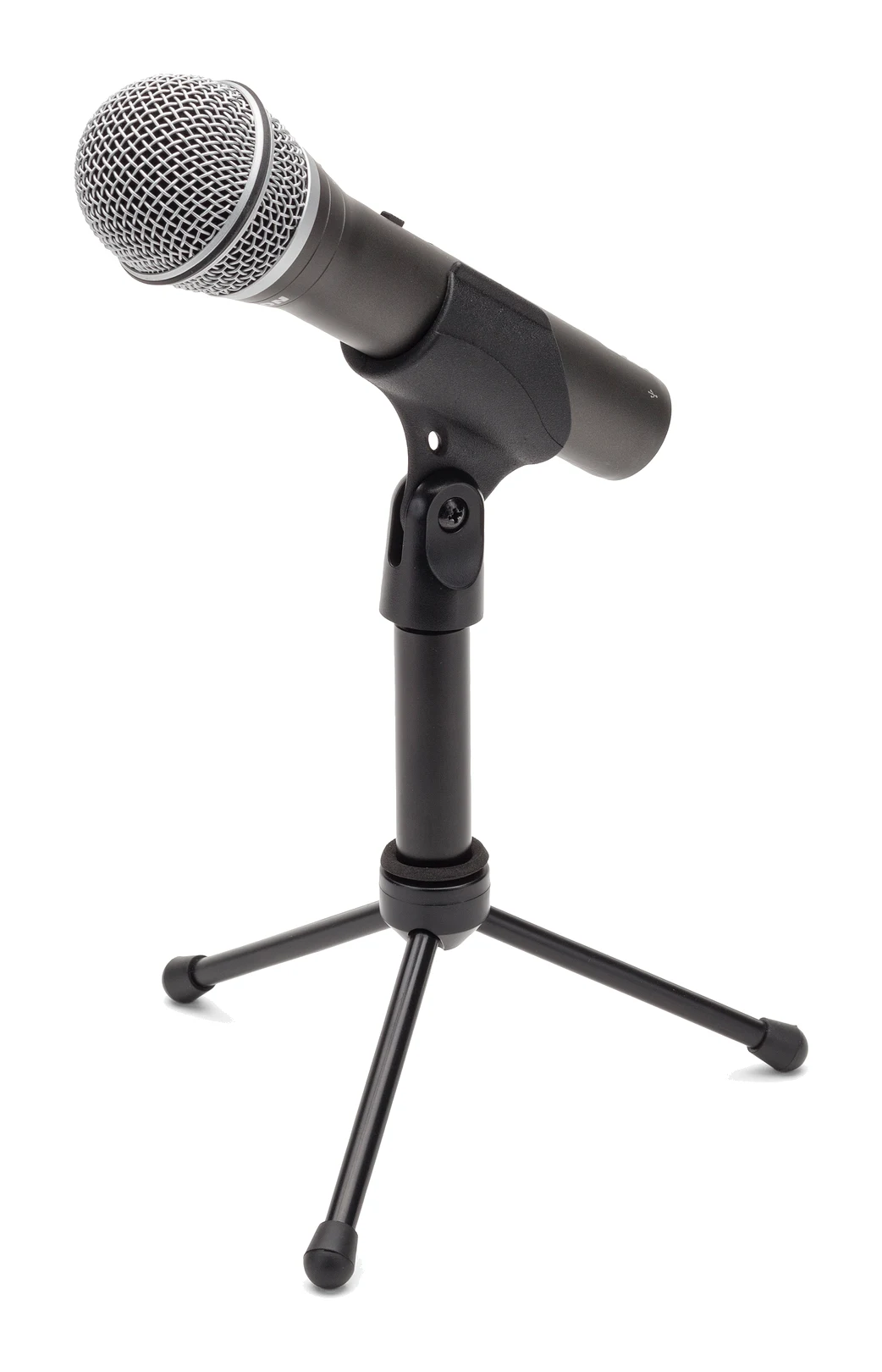
The Samson Q2U stands apart from the other four in two ways. It is a dynamic microphone, and it offers both USB-C and XLR outputs. You can plug it into a computer today and move it to an audio interface or mixer later without buying a new mic. That makes it a sensible starter choice for podcasters who may upgrade their setup.
Keep reading about Samson Q2U
The cardioid pattern minimizes ambient and room noise. Zero-latency headphone monitoring is available through a 1/8" output with level control. It is plug-and-play with no driver installation, and the package includes a desktop tripod stand, mic clip and windscreen. It has 7 independent expert recommendations.
The compromises are in the numbers. Frequency response is limited to 50Hz–15kHz, and bit depth is up to 16-bit. It is a practical, no-frills option for new podcasters on a budget.
Compare our picks side by side
The specs most of our picks share, from each maker’s spec page (— = not published). Expert score = the average of published expert reviews, which rate each product for its price. Scroll sideways on small screens.
| Spec | Logitech Blue Yeti | HyperX QuadCast S | Rode NT-USB+ | Elgato Wave:3 MK.2 | Samson Q2U |
|---|---|---|---|---|---|
| Best for | Best Overall | Best Value | Also Great | Premium Pick | Best Budget |
| Expert score | 8.5 | 8.5 | 8.8 | 8.8 | 5.6 |
| Price vs. these picks | Lower | Lower | Middle | Middle | Lower |
| Weight | 1.2 lbs (0.55 kg) | 255g | 540 g | 250 g (without stand) | 0.7lb (0.32kg) |
| Warranty | 2-year | 2 year | 1-Year Limited (extendable to 2 years with registration) | 2 years | 2 Year |
| Bit Depth | 16-bit | 16-bit | 24-bit | 24-bit | Up to 16-bit |
| Sample Rate | 48 kHz | 48kHz/16-bit | 48 kHz | 48 kHz | 44.1kHz/48kHz |
| Sensitivity | 4.5mV/Pa (1 kHz) | -36dB (1V/Pa at 1kHz) | 97 dB | -20 dBFS typical at 1 kHz | -54dBV/Pa |
| Connectivity | USB 2.0 | USB-C, 3.5mm headphone output | USB-C | USB-C (USB 2.0 HS), 3.5 mm stereo jack (headphones) | USB and XLR |
| Polar pattern | Cardioid, Omnidirectional, Bidirectional, Stereo | Stereo, Omnidirectional, Cardioid, Bidirectional | Cardioid | Cardioid | Cardioid |
| Frequency Response | 20 Hz – 20 kHz | 20Hz - 20kHz | 20 Hz – 20 kHz | 70 – 20,000 Hz | 50Hz–15kHz |
| Where to buy | Check price | Check price | Check price | Check price | Check price |
How to Choose the Best USB Microphones for Podcasting and Streaming
Polar patterns
If you record alone, a cardioid pattern is usually all you need. It focuses on sound in front of the mic. The Rode NT-USB+, Elgato Wave:3 MK.2 and Samson Q2U are cardioid-only. If you record interviews, co-hosted shows or group conversations around one mic, the Blue Yeti and HyperX QuadCast S offer four selectable patterns.
Bit depth and processing
The Rode NT-USB+ and Elgato Wave:3 MK.2 list 24-bit resolution. The Blue Yeti and HyperX QuadCast S list 16-bit, and the Samson Q2U goes up to 16-bit. Onboard processing also varies. The Rode has APHEX processing, and the Elgato has Wave FX, Auto Gain and Voice Tune. If you prefer to process audio in your own editing software, that matters less.
Connectivity and upgrade path
All of these mics connect over USB, and four of the five use USB-C. The Samson Q2U also has an XLR output, which keeps your options open if you later add an interface or mixer. If you stream from a console, the HyperX QuadCast S lists PS5 and PS4 compatibility.
Monitoring, mute and controls
Hearing yourself without delay helps you control your delivery. The Blue Yeti, Rode NT-USB+, Elgato Wave:3 MK.2 and Samson Q2U all list low or zero-latency headphone monitoring. For streamers who need to mute quickly, the QuadCast S has a tap-to-mute sensor with an LED indicator. The Yeti puts mute and gain controls on the mic itself.
Size and desk setup
The Blue Yeti is fairly large and heavy at 2.2 lbs with the stand. The Rode NT-USB+ weighs 540 g. The Samson Q2U weighs 0.7lb (0.32kg). Check your desk space and whether you plan to use a boom arm.
How We Picked
We compared these microphones using manufacturer specifications and independent expert recommendations. We looked at features, audio specs, connectivity, included accessories and value, and gave extra weight to products recommended by multiple independent expert guides. The Blue Yeti leads with 11 recommendations. The Rode NT-USB+, Elgato Wave:3 MK.2 and Samson Q2U each have 7, and the HyperX QuadCast S has 6.
This guide is research-based, so treat it as a shortlist built from published specifications and expert opinion. Check the latest product details before you buy.
Bottom Line
For most people, the Logitech Blue Yeti is the best all-round choice. It has the most expert recommendations, four polar patterns and an easy plug-and-play setup. The HyperX QuadCast S is the better fit if you want a shock mount, tap-to-mute and RGB, or stream from a console.
The Rode NT-USB+ suits solo creators who want 24-bit conversion, onboard processing and included accessories. The Elgato Wave:3 MK.2 is the choice for streamers who want software mixing and plugin support. The Samson Q2U is the Best Budget pick if you want a budget-tier mic with an XLR upgrade path.
Ready to buy?
 Best OverallLogitech Blue YetiCheck price
- Best ValueHyperX QuadCast SCheck price
- Also GreatRode NT-USB+Check price
- Premium PickElgato Wave:3 MK.2Check price
- Best BudgetSamson Q2UCheck price
Frequently asked questions
What is the best USB microphone for podcasting?
The Logitech Blue Yeti is our top pick overall. It has the most independent expert recommendations in this group, four switchable polar patterns and plug-and-play USB setup. If you record alone and want built-in processing, the Rode NT-USB+ is a strong alternative.
Which USB microphone is best for streaming?
The HyperX QuadCast S is a good fit for streamers who want RGB lighting, a built-in shock mount and tap-to-mute, and it supports PC, PS5, PS4 and Mac. The Elgato Wave:3 MK.2 suits streamers who want to mix several audio sources with Wave Link software.
Do I need a microphone with multiple polar patterns?
Only if you record more than one person around a single mic. For solo podcasting or streaming, a cardioid mic such as the Rode NT-USB+, Elgato Wave:3 MK.2 or Samson Q2U focuses on your voice. The Blue Yeti and HyperX QuadCast S offer four patterns for group or interview setups.
Can I upgrade a USB microphone to an XLR setup later?
Only some models allow it. Of the mics in this guide, the Samson Q2U has both USB-C and XLR outputs. That lets you start with a direct computer connection and move to an audio interface or mixer later.
Is 24-bit better than 16-bit for podcasting?
A 24-bit mic such as the Rode NT-USB+ or Elgato Wave:3 MK.2 records at a higher resolution than the 16-bit Blue Yeti and HyperX QuadCast S. Many spoken-word shows work well at 16-bit, but 24-bit gives you more headroom if you plan to edit and process your audio heavily.
Sources
Specs are taken from the manufacturers' official pages; expert recommendations from the publications below.
- Logitech Blue Yeti: logitechg.com, en.wikipedia.org, logitech.com, square-technology.com
- HyperX QuadCast S: hyperx.com, row.hyperx.com, supportcenter.hyperx.com
- Rode NT-USB+: rode.com, radio.co, musicradar.com, ggvideo.com
- Elgato Wave:3 MK.2: elgato.com, help.elgato.com
- Samson Q2U: samsontech.com, bswusa.com, bhphotovideo.com, shi.com
More buying guides
Samson Q2U Review (2026): Easy USB Now, XLR Later
The Samson Q2U is a dynamic microphone with both USB and XLR outputs, aimed at beginners who want to start recording today and upgrade their setup later.
Published Oct 28, 2026Logitech Blue Yeti Review (2026): Versatile, but Needs Quiet
The Logitech Blue Yeti is a versatile plug-and-play USB condenser mic with four pickup patterns. Here is what it does well, where experts find fault, and who should buy it.
Published Oct 19, 2026
Best Streaming Devices 2026: Budget Sticks to Smart Hubs
Five streaming devices compared on picture formats, Wi-Fi, Ethernet, storage and remotes, from a smart home hub to compact budget sticks.
Published Oct 14, 2026