Bose SoundLink Max vs JBL Charge 6 (2026): Sound or Portability
The Bose SoundLink Max offers bigger true-stereo sound, while the JBL Charge 6 is lighter, cheaper and lasts longer per charge. Here is how they compare.
Head-to-head comparison · Research-based · Affiliate links
We earn a commission from qualifying purchases made through our links, at no extra cost to you. It never decides our picks. As an Amazon Associate I earn from qualifying purchases. How we make money
Bose SoundLink Max vs JBL Charge 6: which one should you buy?
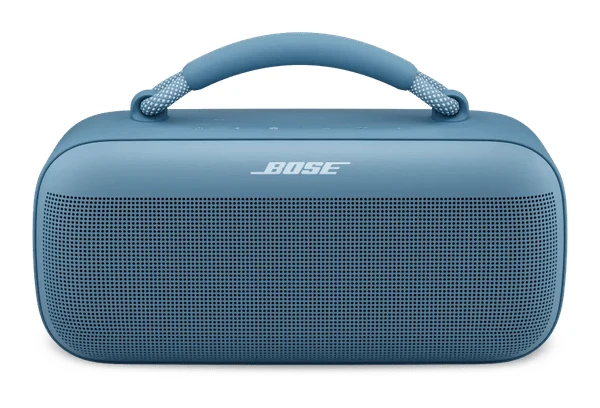
Best for: Listeners wanting big stereo sound and wired input flexibility
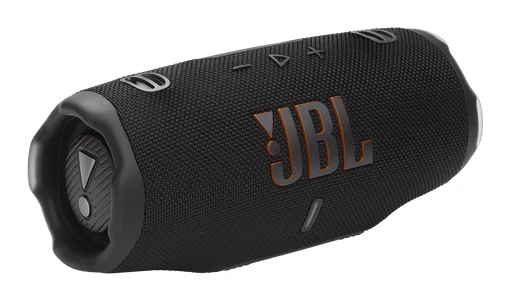
Best for: Travelers and budget buyers wanting a rugged, portable, long-lasting speaker
The Bose SoundLink Max vs JBL Charge 6 decision comes down to one question: do you want a speaker that fills a room, or one that goes everywhere? Most buyers who care about sound first should pick the Bose SoundLink Max for its true-stereo output, wide soundstage and aux input. The JBL Charge 6 is the better choice if you travel with your speaker, want longer battery life and fast charging, or simply want the budget option.
Expert reviews rate the two almost identically, with both averaging 8.9 out of 10. The difference is in what each speaker is built to do.
Bose SoundLink Max vs JBL Charge 6: Sound
This is where the two speakers are most different. The Bose uses two 2.5" midrange drivers and a 0.79" tweeter, and reviewers praise its true stereo sound, punchy bass and wide soundstage. They also describe balanced, detailed mids and treble that get loud. The common complaint is that the default bass can overpower and distort at high volume. Bose doesn't publish an output figure, so there is no wattage to compare.
The JBL Charge 6 is rated at 30 W RMS for the woofer and 15 W RMS for the tweeter. It uses a 53 mm x 93 mm woofer and a 20 mm tweeter, with a stated frequency response of 56 Hz - 20 kHz (-6 dB). JBL pitches it as JBL Pro Sound with AI Sound Boost, and reviewers describe the sound as powerful and punchy, with strong bass for its size. The catch, which reviewers note, is that it is mono only: stereo audio is downmixed to a single channel. Audio compresses at maximum volume, and bass is limited by the speaker's size. Playtime Boost mode also reduces sound quality.
Winner: the Bose, for anyone who wants stereo separation and a big sound. The JBL is a good fit when a compact, punchy speaker is enough and you don't mind mono playback.
Battery Life and Charging
The JBL has the edge here on every measure. It is rated at up to 24 hours of playtime, plus 4 hours with Playtime Boost (which costs some sound quality). It recharges in 3 hours, and a 10-minute fast charge gives up to 150 minutes of playtime. That is handy if you forget to charge it before heading out.
The Bose lasts up to 20 hours and has a 4600 mAh battery according to B&H. Its charge time is 5 hours, which reviewers call slow. Twenty hours is plenty for a day at the beach or a long party, but the JBL gives you more margin and recovers faster when you're short on time.
Winner: the JBL Charge 6, clearly, for long trips and quick top-ups.
Size, Weight and Toughness
The Bose measures 4.73" H x 10.42" W x 4.13" D and weighs 4.9 lb. Reviewers call it heavy and bulky for a portable speaker, and its removable rope handle helps with carrying but not with the weight. It is better suited to a patio, backyard or living room than a bag.
The JBL measures 9.0" x 3.9" x 3.7" and weighs 2.18 lbs with the strap (2.11 lbs without), so it is less than half the weight of the Bose. It also has a removable handle strap and is much easier to take on a trip.
Both are built for rough use. The Bose has IP67 dust and water protection, and reviewers say it survives drops, sand and water. The JBL carries an IP68 rating and is described as waterproof, dustproof and drop-proof. On paper the JBL has the higher water rating, but both are made for outdoor use.
Winner: the JBL Charge 6 for anyone who carries their speaker. The Bose is fine if it mostly stays in one spot.
Connectivity, Ports and Extras
The Bose has the more flexible set of connections. It has a USB-C port that works for both input and output (so it can charge your phone) and a 3.5mm aux input for wired sources. It supports AAC, aptX Adaptive and SBC, with aptX Adaptive available on compatible devices through Snapdragon Sound. The Bose app offers EQ and SimpleSync, and you can pair two Bose speakers for Stereo or Party Mode. Bluetooth is listed as 5.4 on Bose's US page and 5.3 by B&H and reviewers, with a range of 30ft.
The JBL uses Bluetooth 5.4 and has no aux input listed. Instead, its USB-C port supports lossless audio playback, and it has a built-in power bank that charges phones but not laptops. It also supports Auracast, which lets you connect multiple speakers together. JBL doesn't list the Bluetooth codecs it supports, so you can't confirm aptX support from the spec sheet.
Neither speaker has a built-in microphone, so neither works as a speakerphone. The JBL also ships without a charging cable in the box.
Winner: the Bose for wired inputs and aptX Adaptive. The JBL if you want lossless audio over USB-C or Auracast sharing.
What Experts Say
Both speakers land on the same average of 8.9 out of 10, but they get there differently.
For the Bose SoundLink Max, RTINGS gave 8.2 out of 10 and SoundGuys 7.4 out of 10. Stuff, Trusted Reviews and Living etc each gave 5 out of 5, and T3 gave 4 out of 5. Reviewers praise the true stereo sound, the loudness and the rugged build. The criticisms are the premium price, the weight, the missing microphone, the slow charge and bass that can distort at high volume.
For the JBL Charge 6, SoundGuys gave 8.4 out of 10, Stereo Guide 84 out of 100 and TechRadar 5 out of 5. Reviewers praise the punchy bass for its size, the IP68 build, the long battery life, fast charging and the lighter body. They criticise the mono-only output, the sound quality hit from Playtime Boost, the compression at maximum volume, and the missing microphone and charging cable.
SoundGuys reviewed both and scored the JBL higher, 8.4 against 7.4. The Bose's high average comes from its strong scores from Stuff, Trusted Reviews and Living etc.
Choose the Bose SoundLink Max if…
Best for: Listeners wanting big stereo sound and wired input flexibility
Pick the Bose SoundLink Max over the JBL if you want bigger, true-stereo sound with a wide soundstage, an aux input and aptX Adaptive, and can accept the higher price and extra weight. It suits a speaker that fills a room or backyard rather than one that slips into a bag.
Read our full Bose SoundLink Max review →- Charging time
- 5 hours
- Battery life
- 20 hours
- Drivers
- 2x 2.5" midrange, 1x 0.79" tweeter (B&H)
- Bluetooth
- 5.4 (Bose US page); 5.3
- Water resistance
- IP67
- Weight
- 4.9 lb (Bose US page); 4.89 lb / 2.22 kg (B&H)
Reasons to buy
- True stereo sound with punchy bass and a wide soundstage
- Balanced, detailed mids and treble that get loud
- IP67 build that reviewers say survives drops, sand and water
- USB-C power-out charges phones; 3.5mm aux input adds flexibility
- aptX Adaptive support via Snapdragon Sound for compatible devices
Reasons to avoid
- Premium price compared with the JBL
- Heavy and bulky at 4.9 lb for a portable speaker
- No built-in microphone, so no speakerphone calls
- Slow 5-hour charge; default bass can overpower and distort at high volume
- TechRadar
- 9.0
- Stuff
- 10.0
- Trusted Reviews
- 10.0
- SoundGuys
- 7.4
- Android Police
- 7.0
- T3
- 8.0
- TechGearLab
- 9.2
- Livingetc
- 10.0
- RTINGS
- 8.2
Choose the Bose if sound quality is your priority and the speaker will mostly stay at home, in the yard or at a gathering. You get true stereo, a wide soundstage, a 3.5mm aux input and aptX Adaptive support for compatible devices. You also need to accept the premium price, the 4.9 lb weight and the lack of a microphone. It suits listeners who want big stereo sound and wired input flexibility, and you can also pair two Bose speakers for Stereo or Party Mode.
Choose the JBL Charge 6 if…
Best for: Travelers and budget buyers wanting a rugged, portable, long-lasting speaker
Pick the JBL Charge 6 over the Bose if you value portability, longer battery life, fast charging and a lower price over stereo separation. It suits people who want a rugged, easy-to-carry speaker that can also top up a phone.
Read our full JBL Charge 6 review →- Charging time
- 3 hours (12 - 20 V / 3 A)
- Battery life
- Up to 24 hours of playtime plus 4 hours with Playtime Boost
- Drivers
- 53 x 93 mm woofer, 20 mm tweeter
- Bluetooth
- 5.4 (A2DP 1.4, AVRCP 1.6)
- Water resistance
- IP68
- Weight
- 0.99 kg / 2.18 lbs (with strap); 0.96 kg / 2.11 lbs (without strap)
Reasons to buy
- Powerful, punchy sound with strong bass for its size
- IP68 waterproof, dustproof and drop-proof construction
- Long battery life, up to 24 hours plus Playtime Boost
- Fast charge: 10 minutes gives up to 150 minutes of playtime
- Built-in power bank, lossless USB-C audio and a lighter 2.18 lb body
Reasons to avoid
- Mono only: stereo audio is downmixed to a single channel
- Playtime Boost mode reduces sound quality
- Audio compresses at max volume, and bass is limited by size
- No built-in microphone, and no charging cable in the box
- What Hi-Fi?
- 10.0
- Trusted Reviews
- 10.0
- TechGearLab
- 9.4
- SoundGuys
- 8.4
- Stereo Guide
- 8.4
- TechRadar
- 9.0
- Audio Review
- 8.4
Choose the JBL if you want a rugged speaker that is easy to carry, lasts up to 24 hours and recharges quickly. It is the budget option, it weighs 2.18 lbs and it can top up your phone. It suits travelers and anyone who wants punchy sound without the bulk. Just accept that the audio is mono and that it can compress at the highest volumes.
Compare our picks side by side
The specs most of our picks share, from each maker’s spec page (— = not published). Expert score = the average of published expert reviews, which rate each product for its price. Scroll sideways on small screens.
| Spec | Bose SoundLink Max | JBL Charge 6 |
|---|---|---|
| Best for | Our Pick | The Alternative |
| Expert score | 8.8 | 9.1 |
| Price vs. these picks | Higher | Lower |
| Charging time | 5 hours | 3 hours (12 - 20 V / 3 A) |
| Battery life | 20 hours | Up to 24 hours of playtime plus 4 hours with Playtime Boost |
| Drivers | 2x 2.5" midrange, 1x 0.79" tweeter (B&H) | 53 x 93 mm woofer, 20 mm tweeter |
| Bluetooth | 5.4 (Bose US page); 5.3 | 5.4 (A2DP 1.4, AVRCP 1.6) |
| Water resistance | IP67 | IP68 |
| Weight | 4.9 lb (Bose US page); 4.89 lb / 2.22 kg (B&H) | 0.99 kg / 2.18 lbs (with strap); 0.96 kg / 2.11 lbs (without strap) |
| Dimensions | 4.73" H x 10.42" W x 4.13" D | 228.8 x 98.5 x 94.0 mm / 9.0" x 3.9" x 3.7" |
| Output | — | 30 W RMS for woofer, 15 W RMS for tweeter |
| Where to buy | View on Amazon | View on Amazon |
The Verdict
The Bose SoundLink Max is the better speaker for listening, with real stereo, a wide soundstage and more input options, and it is the pick for most buyers who put sound first. The JBL Charge 6 is the better speaker to own if you move around: it is lighter, cheaper, has longer battery life and charges much faster. Since reviewers score them equally overall, the right choice depends on whether you value sound or portability.
Ready to buy?
 Our PickBose SoundLink MaxView on Amazon
 The AlternativeJBL Charge 6View on Amazon
Related buying guides
- Bose SoundLink Max vs JBL Flip 7 (2026): Big vs Portable
- Anker Soundcore 2 vs Bose SoundLink Flex (2026)
- Bose SoundLink Flex (2nd Gen) Review: Rugged but Pricey?
- Anker Soundcore 2 vs JBL Go 4 (2026): Battery vs Portability
- Best Bluetooth Speakers for Outdoors (Waterproof) 2026
- Best Bluetooth Speakers 2026: Rugged Picks for Any Budget
Frequently asked questions
Is the Bose SoundLink Max better than the JBL Charge 6?
The Bose SoundLink Max is better for sound, with true stereo output and a wide soundstage, but the JBL Charge 6 is better for portability and battery life. Expert reviews average 8.9 out of 10 for both, so the right pick depends on what you value.
Does the Bose SoundLink Max or JBL Charge 6 have longer battery life?
The JBL Charge 6 lasts longer. It is rated at up to 24 hours of playtime, plus 4 hours with Playtime Boost, against 20 hours for the Bose SoundLink Max. The JBL also charges in 3 hours versus 5 hours for the Bose.
Is the JBL Charge 6 stereo?
No. Reviewers note that the JBL Charge 6 is mono only, meaning stereo audio is downmixed to a single channel. The Bose SoundLink Max offers true stereo sound, and you can pair two Bose speakers for Stereo or Party Mode.
Which is more portable, the Bose SoundLink Max or JBL Charge 6?
The JBL Charge 6 is much more portable. It weighs 2.18 lbs with its strap and measures 9.0" x 3.9" x 3.7", while the Bose SoundLink Max weighs 4.9 lb and measures 4.73" H x 10.42" W x 4.13" D.
Do the Bose SoundLink Max and JBL Charge 6 have a microphone?
Neither does. The Bose SoundLink Max has no microphone, and reviewers note the JBL Charge 6 also lacks a built-in microphone, so neither works as a speakerphone for calls.
Which is more waterproof, the Bose SoundLink Max or JBL Charge 6?
The JBL Charge 6 has the higher rating on paper, at IP68 against IP67 for the Bose SoundLink Max. Both are dust and water protected, and reviewers say the Bose survives drops, sand and water.
Sources
Specs are taken from the manufacturers' official pages; expert recommendations from the publications below.
- Bose SoundLink Max: bose.com, techradar.com, whathifi.com, speakerranking.com
- JBL Charge 6: jbl.com, global.jbl.com, mm.jbl.com
More buying guides
Bose SoundLink Max vs JBL Flip 7 (2026): Big vs Portable
Bose SoundLink Max vs JBL Flip 7: a heavy stereo speaker for home and parties against a compact, rugged one for travel. Here is how they differ and who should buy which.
Published Nov 11, 2026Bose SoundLink Max Review (2026): Big Sound, Big Bulk
A look at the Bose SoundLink Max: its rugged IP67 build, 20-hour battery and big stereo sound, plus the weight, missing mic and slow charging that reviewers flag.
Published Nov 9, 2026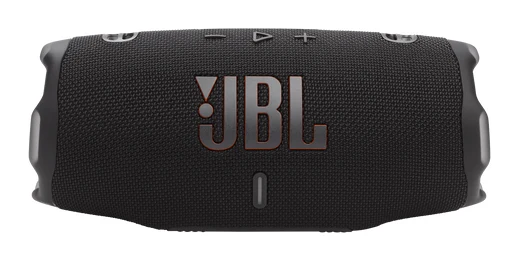
JBL Charge 6 Review (2026): Tough, Loud and Long-Lasting
A look at the JBL Charge 6 based on JBL's specs and what independent reviewers report: rugged build, big battery, punchy sound and a few trade-offs worth knowing.
Published Oct 29, 2026