KEF LSX II LT vs Fluance Ri71 (2026): Streaming vs Value
The KEF LSX II LT is the streaming-first pick; the Fluance Ri71 is the budget pair with a turntable input. Here is how they compare.
Head-to-head comparison · Research-based · Affiliate links
We earn a commission from qualifying purchases made through our links, at no extra cost to you. It never decides our picks. As an Amazon Associate I earn from qualifying purchases. How we make money
Fluance Ri71 vs KEF LSX II LT: which one should you buy?
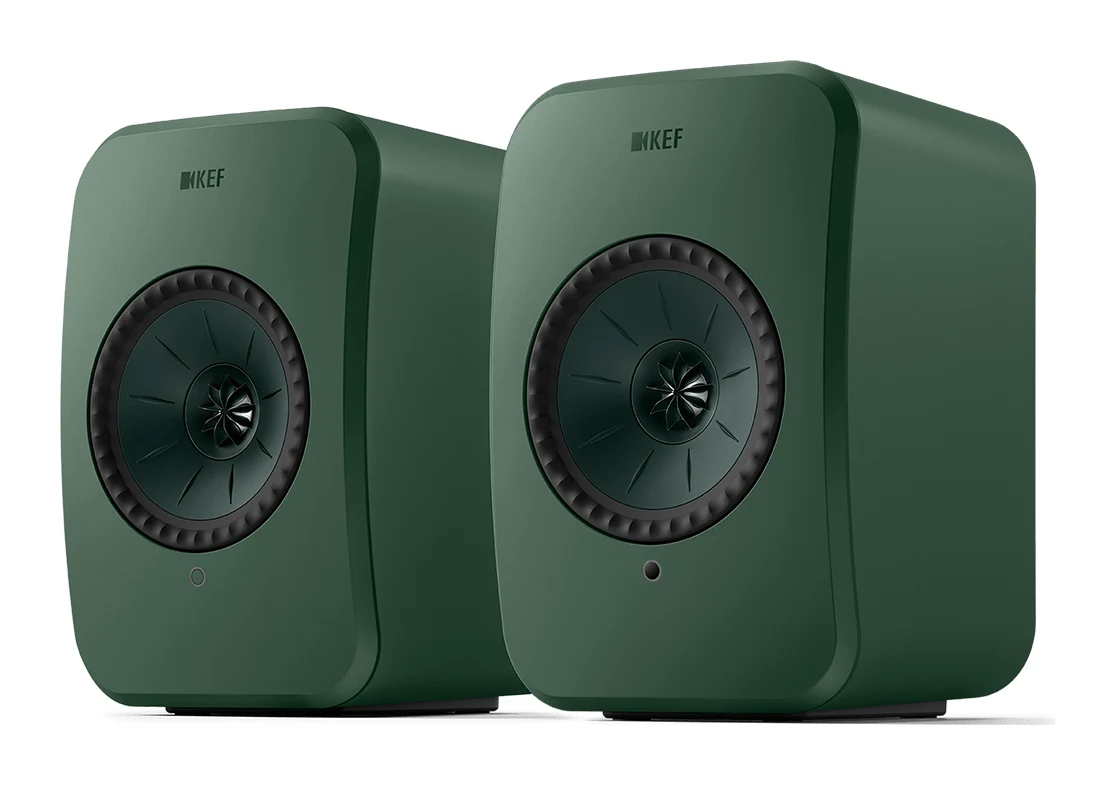
Best for: Digital streamers wanting app control and room EQ in compact spaces
For most buyers, the Fluance Ri71 is the better pick in the KEF LSX II LT vs Fluance Ri71 matchup: it sits in the budget tier, hooks up to a TV over HDMI ARC and accepts an analog source such as a turntable. The KEF LSX II LT is the better choice if you listen almost entirely to streaming services and want Wi-Fi, AirPlay 2, Chromecast and an app with room EQ, and you are happy to pay the premium tier for it.
Both are compact powered speaker pairs, both carry a 2-year warranty and both score an expert average of 9 out of 10. What separates them is what they plug into and how you control them, not a clear gap in reviewer approval.
KEF LSX II LT vs Fluance Ri71: streaming and wireless
This is the KEF's strongest round. It has dual-band Wi-Fi, Bluetooth 5.0, AirPlay 2, Google Chromecast and UPnP. Its features list adds Spotify Connect, Tidal Connect, Amazon Music, Qobuz and Deezer. Network streaming goes up to 384kHz/24bit, and the features list also mentions DSD. Reviewers praise the Wi-Fi streaming in particular, along with the high-resolution network support.
The Fluance Ri71 is Bluetooth only. Its wireless spec reads "Bluetooth 5.0 with aptX HD, aptX Low Latency, SBC, AAC (not Wi-Fi)". That codec list is a real plus for phone and tablet listening, and aptX Low Latency is useful for video. But there is no network streaming, no AirPlay 2 and no Chromecast. Reviewers flag the lack of Wi-Fi as a limit on connectivity.
KEF also has Bluetooth 5.0, but it doesn't list which Bluetooth codecs it supports, so the Fluance is the one with documented higher-quality Bluetooth. For anyone who streams from a service rather than from a phone, the KEF is clearly ahead. If Bluetooth from a phone covers your listening, the Fluance does the job.
Winner: KEF LSX II LT for streaming-first listeners; Fluance Ri71 if Bluetooth is enough.
Inputs: TV, turntable and digital sources
Both speakers have HDMI ARC, so both can act as a soundbar alternative for a TV. The KEF's HDMI ARC input lets the TV remote control the speakers. The Fluance's ARC hookup is praised by reviewers for easy setup and clear dialogue. Both also have a subwoofer output, and the Fluance adds an 80Hz filter for the sub.
After that, the two diverge:
- KEF LSX II LT: the primary speaker has HDMI ARC, TOSLINK optical, USB Type C, RJ45 Ethernet and an RCA subwoofer output. There is no analog input, so no turntable connection. Source resolution is up to 96kHz/24bit over optical and USB-C and up to 48kHz/16bit over HDMI.
- Fluance Ri71: RCA L/R inputs, HDMI ARC and a subwoofer output. The RCA input can take a turntable, but the Ri71 has no built-in phono preamp, so you need an external one. There is no USB or optical input. The internal DAC handles up to 192 kHz 24-bit.
If you own a turntable or another analog source, this round goes to the Fluance, because the KEF cannot connect one at all. If your sources are digital (a TV, a computer over USB-C, a network streamer or a console over optical), the KEF gives you far more ways to connect them. Reviewers cite the several digital inputs as a strength of the KEF and the missing optical and USB as a weakness of the Fluance.
Winner: Fluance Ri71 for analog and turntable users; KEF LSX II LT for digital variety.
Sound and drivers
The two take different approaches. The KEF uses a Uni-Q coaxial array: a 19mm (0.75in.) aluminium dome tweeter sits with a 115mm (4.5in.) magnesium/aluminium alloy mid/bass cone. Reviewers say this gives wide, even sound and precise imaging. KEF lists 200W combined system power (70W LF and 30W HF Class D per speaker) and a max SPL of 102dB.
The Fluance uses a 28x35mm AMT tweeter and a 5.25 inch woven glass fiber composite woofer in each speaker, in a tuned front-firing port bass reflex enclosure. Its output is Class D, 120 Watts continuous average (2x 60 watts RMS). Reviewers praise the airy, detailed highs and wide imaging. Fluance doesn't list a maximum SPL, so a loudness comparison isn't possible from the spec sheets.
On paper, frequency figures are quoted differently. Fluance gives 46 Hz - 30 kHz (DSP Enhanced), while KEF gives 54Hz – 28kHz (±3dB) and 49Hz – 47kHz (-6dB). Because the measurement methods differ, don't read them as a direct bass contest. What reviewers say is more useful:
- The Fluance's bass lacks the deepest lows without a subwoofer, and it can sound harsh at very high volumes.
- The KEF is best in small-to-medium rooms and has limited scale.
Both can add a subwoofer, and the Fluance's bass lacks the deepest lows without one. The Fluance is the larger speaker at 12.20 x 7.28 x 7.83 inches / 31.0 x 18.5 x 19.9 cm (HxWxD) each, against the KEF's 240 × 155 × 180 mm (9.5 × 6.1 × 7.1 in.) per speaker. If desk space is tight, the KEF is the more compact pair.
Winner: a close call. KEF for even, precise imaging in a smaller footprint; Fluance for airy highs and a larger woofer at a lower price tier.
Setup, controls and everyday use
The KEF is the more app-driven day-to-day package. It needs only one mains cable, because the second speaker is powered over the 3m USB-C interspeaker cable. The KEF Connect app adds room EQ and subwoofer pre-sets. The catch is that the speakers are linked by cable only, with no wireless link between them, and standby draw is listed as under 2.0W.
The Fluance keeps things simpler. A remote gives bass and treble control, and there are on-speaker volume and source controls. Reviewers do criticize the placement: the volume wheel and controls sit on the back of the speaker. The Fluance is also heavier, with the active speaker at 14.11 lb (6.4 kg) and the passive one at 11.02 lb (5 kg). KEF lists 6.8kg (15.0lbs) per set.
Both come in three finishes. Fluance offers black ash, walnut and white; KEF offers graphite grey, stone white and sage green.
Winner: KEF LSX II LT for app control and room tuning; Fluance Ri71 if you prefer a plain remote and don't want an app.
What experts say
Reviewers are positive about both. The Fluance Ri71 earns an expert average of 9 out of 10, built from TechRadar at 4.5 out of 5 and the Audioholics performance rating at 4.5 out of 5. It is also recommended in 2 expert buying guides. Reviewers consistently praise the easy HDMI ARC hookup with clear dialogue, the airy AMT highs, the aptX HD and aptX Low Latency Bluetooth, the turntable-ready RCA input and the solid build for a budget-tier price. Their common complaints are no Wi-Fi, USB or optical input, rear-mounted controls, bass that lacks the deepest lows without a subwoofer and some harshness at very high volumes.
The KEF LSX II LT also averages 9 out of 10, from Trusted Reviews at 5 out of 5 and 7Review at 8 out of 10. Reviewers praise the Wi-Fi streaming with AirPlay 2, Chromecast, Spotify Connect and Tidal Connect, the network streaming up to 24bit/384kHz plus DSD, the Uni-Q driver's wide and even sound, the KEF Connect app and the compact single-mains-cable design. The criticisms are the lack of an analog input, limited scale outside small-to-medium rooms, a cable-only link between the speakers and the premium price tier.
The tied scores mean neither speaker is the clear winner on sound quality alone. The right choice depends on your sources and budget.
Choose the KEF LSX II LT if…
Best for: Digital streamers wanting app control and room EQ in compact spaces
Choose the KEF LSX II LT over the Fluance if you want a streaming-first system with Wi-Fi, AirPlay 2, Chromecast, an app with room EQ, and optical and USB-C inputs. It suits digital-only listeners in small-to-medium rooms who don't need a turntable input.
Read our full KEF LSX II LT review →- Drivers
- Uni-Q array: 19mm (0.75in.) aluminium dome tweeter, 115mm (4.5in.) magnesium/aluminium alloy mid/bass cone
- Weight
- 6.8kg (15.0lbs) per set
- Dimensions
- 240 × 155 × 180 mm (9.5 × 6.1 × 7.1 in.) per speaker
- Output
- LF 70W + HF 30W Class D per speaker (200W combined system power); max SPL 102dB
- Ports
- Primary speaker: HDMI ARC, TOSLINK optical, USB Type C, RJ45 Ethernet, RCA subwoofer out; secondary speaker: USB Type C (interspeaker)
- Warranty
- 2 years
Reasons to buy
- Wi-Fi streaming with AirPlay 2, Chromecast, Spotify Connect and Tidal Connect
- Network streaming up to 24bit/384kHz plus DSD
- Uni-Q coaxial driver gives wide, even sound and precise imaging
- KEF Connect app offers room EQ and subwoofer pre-sets
- Compact design with a single mains cable and several digital inputs
Reasons to avoid
- No analog input, so no turntable connection
- Best in small-to-medium rooms, with limited scale
- Speakers are linked by cable only, with no wireless link
- Premium price tier
- What Hi-Fi?
- 10.0
- TechRadar
- 10.0
- Trusted Reviews
- 10.0
- 7Review
- 8.0
- Truthful Reviews
- 8.0
- StereoNET
- 8.5
Pick the KEF if your listening is streaming-led and you want Wi-Fi, AirPlay 2, Chromecast, Spotify Connect or Tidal Connect, along with an app that offers room EQ and subwoofer pre-sets. It also suits you if you want optical and USB-C inputs, a compact pair with a single mains cable, and a TV remote that controls the speakers over HDMI ARC. Accept that it has no turntable input, is best in small-to-medium rooms and sits in the premium tier.
Choose the Fluance Ri71 if…
Best for: Budget buyers wanting TV sound and turntable-ready analog input
Choose the Fluance Ri71 over the KEF if you want a budget-friendly pair with analog RCA input for a turntable (with a phono preamp) and a simple HDMI ARC TV hookup. It gives up Wi-Fi streaming and app control, but it is the better fit if Bluetooth and wired sources are enough.
Read our full Fluance Ri71 review →- Drivers
- 28x35mm AMT tweeter; 5.25 inch woven glass fiber composite woofer, per speaker
- Weight
- Active speaker 14.11 lb (6.4 kg); passive speaker 11.02 lb (5 kg)
- Dimensions
- 12.20 x 7.28 x 7.83 inches / 31.0 x 18.5 x 19.9 cm (HxWxD) each
- Output
- Class D 120 Watts continuous average (2x 60 watts RMS)
- Ports
- RCA L/R, HDMI ARC, subwoofer output (80 Hz); no phono preamp
- Warranty
- 2 Year Manufacturer's Warranty
Reasons to buy
- HDMI ARC gives easy TV hookup with clear dialogue
- AMT tweeters deliver airy, detailed highs and wide imaging
- Bluetooth with aptX HD and aptX Low Latency support
- RCA input for a turntable, with an external phono preamp
- Budget-tier price with solid build quality
Reasons to avoid
- No Wi-Fi, USB or optical input limits connectivity
- Volume wheel and controls sit on the back of the speaker
- Bass lacks the deepest lows without a subwoofer
- Can sound harsh at very high volumes
- TechRadar
- 9.0
- Trusted Reviews
- 8.0
- Audioholics
- 9.0
Pick the Fluance if you want the budget option with HDMI ARC for TV sound, aptX HD and aptX Low Latency Bluetooth, and an RCA input for a turntable (with an external phono preamp). It suits buyers whose sources are a TV, a phone and maybe a record player, and who don't need Wi-Fi streaming or an app. Keep in mind the lack of USB and optical inputs, the rear-mounted controls and a subwoofer being worthwhile if you want the deepest bass.
Compare our picks side by side
The specs most of our picks share, from each maker’s spec page (— = not published). Expert score = the average of published expert reviews, which rate each product for its price. Scroll sideways on small screens.
| Spec | Fluance Ri71 | KEF LSX II LT |
|---|---|---|
| Best for | Our Pick | The Alternative |
| Expert score | 8.7 | 9.1 |
| Price vs. these picks | Lower | Higher |
| Drivers | 28x35mm AMT tweeter; 5.25 inch woven glass fiber composite woofer, per speaker | Uni-Q array: 19mm (0.75in.) aluminium dome tweeter, 115mm (4.5in.) magnesium/aluminium alloy mid/bass cone |
| Weight | Active speaker 14.11 lb (6.4 kg); passive speaker 11.02 lb (5 kg) | 6.8kg (15.0lbs) per set |
| Dimensions | 12.20 x 7.28 x 7.83 inches / 31.0 x 18.5 x 19.9 cm (HxWxD) each | 240 × 155 × 180 mm (9.5 × 6.1 × 7.1 in.) per speaker |
| Output | Class D 120 Watts continuous average (2x 60 watts RMS) | LF 70W + HF 30W Class D per speaker (200W combined system power); max SPL 102dB |
| Ports | RCA L/R, HDMI ARC, subwoofer output (80 Hz); no phono preamp | Primary speaker: HDMI ARC, TOSLINK optical, USB Type C, RJ45 Ethernet, RCA subwoofer out; secondary speaker: USB Type C (interspeaker) |
| Warranty | 2 Year Manufacturer's Warranty | 2 years |
| Wireless | Bluetooth 5.0 with aptX HD, aptX Low Latency, SBC, AAC (not Wi-Fi) | Dual-band Wi-Fi, Bluetooth 5.0, AirPlay 2, Google Chromecast, UPnP |
| Wireless connectivity | Bluetooth 5.0 aptX HD, AAC | AirPlay 2, Google Chromecast, Bluetooth 5.0, Wi-Fi |
| Where to buy | View on Amazon | View on Amazon |
The verdict
The Fluance Ri71 is the better choice for most buyers: it costs less, connects to a TV and a turntable, and covers Bluetooth well. The KEF LSX II LT is worth the premium if you live in streaming apps and want Wi-Fi, room EQ and a wide choice of digital inputs. With identical expert averages, let your sources decide: analog and budget point to Fluance, streaming and app control point to KEF.
Ready to buy?
 Our PickFluance Ri71View on Amazon
 The AlternativeKEF LSX II LTView on Amazon
Frequently asked questions
Is the KEF LSX II LT better than the Fluance Ri71?
Not outright. The KEF LSX II LT is better for streaming, with Wi-Fi, AirPlay 2, Chromecast and an app with room EQ, while the Fluance Ri71 is the budget option with a turntable-ready RCA input. Both have an expert average of 9 out of 10.
Can I connect a turntable to the KEF LSX II LT or the Fluance Ri71?
The Fluance Ri71 can, through its RCA input, but you need an external phono preamp because it has none built in. The KEF LSX II LT has no analog input, so it cannot connect a turntable.
Which has better Bluetooth, the KEF LSX II LT or the Fluance Ri71?
The Fluance Ri71 has the better-documented Bluetooth, with Bluetooth 5.0 plus aptX HD, aptX Low Latency, SBC and AAC. The KEF LSX II LT also has Bluetooth 5.0, but KEF doesn't list its supported codecs.
Do the KEF LSX II LT and Fluance Ri71 work with a TV?
Yes, both have HDMI ARC. On the KEF it lets the TV remote control the speakers, and reviewers praise the Fluance's easy TV hookup and clear dialogue. The KEF also adds an optical input.
Does the Fluance Ri71 have Wi-Fi?
No. The Fluance Ri71 is Bluetooth only, and reviewers note it has no Wi-Fi, USB or optical input. The KEF LSX II LT is the one with dual-band Wi-Fi.
Which is better for a small room, the KEF LSX II LT or the Fluance Ri71?
Both suit small rooms. The KEF LSX II LT is the more compact pair at 240 × 155 × 180 mm per speaker, though reviewers say it has limited scale. Reviewers say the Fluance Ri71's bass lacks the deepest lows without a subwoofer, and both can add one.
Sources
Specs are taken from the manufacturers' official pages; expert recommendations from the publications below.
- Fluance Ri71: fluance.com, audioholics.com, soundstagesimplifi.com, techradar.com
- KEF LSX II LT: us.kef.com, whathifi.com, assets.kef.com, fullspecs.net
More buying guides
KEF LSX II LT Review (2026): Compact Active Hi-Fi for TVs
Our KEF LSX II LT review looks at a compact active speaker pair with Uni-Q drivers, broad streaming support and HDMI ARC, based on specs and expert reports.
Published Oct 21, 2026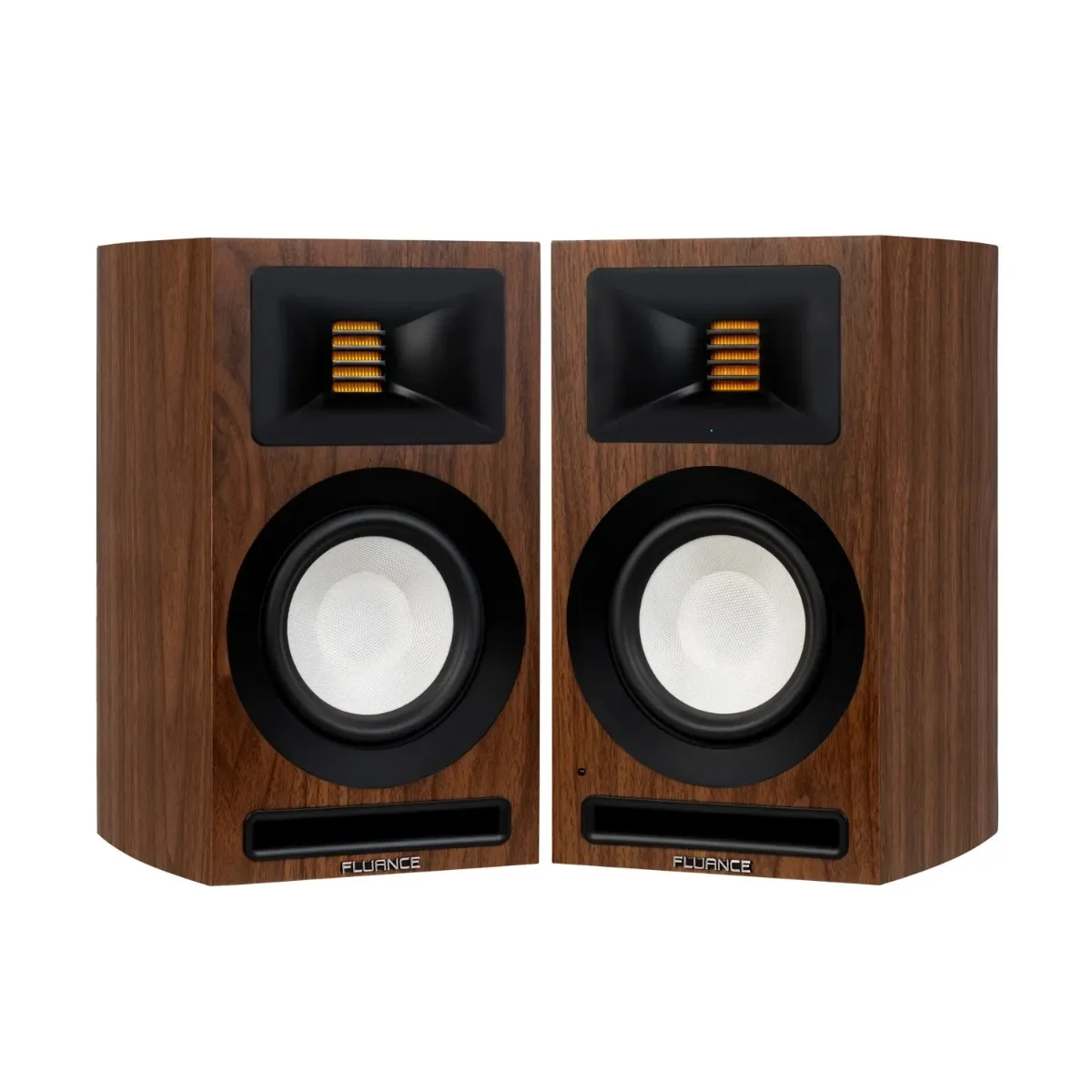
Fluance Ri71 Review (2026): A Real Step Up From Soundbars?
A look at the Fluance Ri71 powered bookshelf speakers: HDMI ARC, aptX HD Bluetooth, AMT tweeters, what reviewers praise, and where the missing inputs and limited bass hold it back.
Published Nov 4, 2026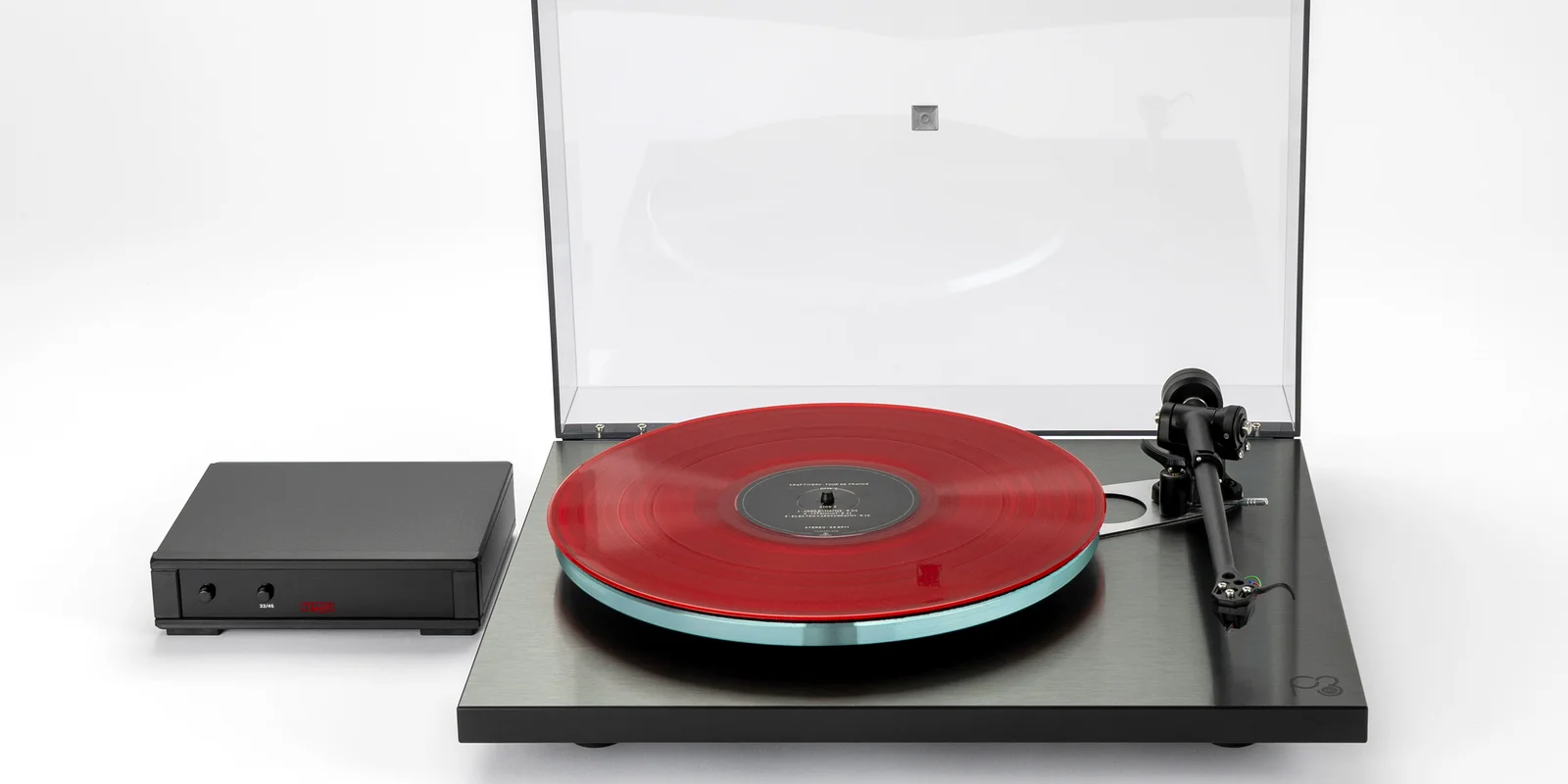
Best Record Players / Turntables 2026: Starter to Hi-Fi
Five turntables from a plug-and-play starter to a purist hi-fi deck, compared on drive type, preamp, operation and trade-offs.
Published Nov 4, 2026