Samsung Galaxy Watch7 40mm Review (2026): Polished, Familiar
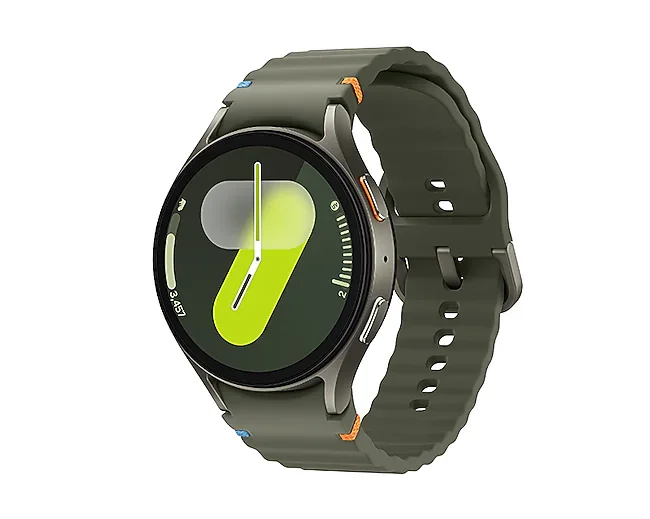
A look at the Galaxy Watch7 40mm Bluetooth: fast Wear OS performance, detailed sleep and health tracking, and the battery and iPhone limits you should know about.
Research-based · We earn from qualifying purchases
Our verdict
The Galaxy Watch7 40mm is a fast, polished Wear OS smartwatch with strong sleep and health tracking, best suited to Android users, especially those with a Samsung phone. iPhone owners and anyone who wants multi-day battery life or a big redesign over the Watch 6 should look elsewhere.
The good
- Fast, smooth performance from the 3nm Exynos W1000 chip
- Detailed sleep tracking with sleep apnea detection and sleep scores
- Full health sensor set: ECG, body composition, skin temperature, blood oxygen
- Bright, sharp sapphire crystal Super AMOLED display up to 2,000 nits
- Rugged build with 5 ATM, IP68 and MIL-STD-810H ratings
+2 more
- Bright, sharp sapphire crystal Super AMOLED display up to 2,000 nits
- Rugged build with 5 ATM, IP68 and MIL-STD-810H ratings
The bad
- Battery life is modest, around a day with always-on display
- Design is nearly identical to the Galaxy Watch 6, so the upgrade is small
- Not compatible with iPhones; some features work best with Samsung phones
- GPS distance can drift on longer runs
+1 more
- GPS distance can drift on longer runs
If you want a smartwatch that treats sleep and health data seriously, this Samsung Galaxy Watch7 (40mm Bluetooth) review covers what the smaller Watch7 offers and where it falls short. It is a Wear OS watch built around Samsung's BioActive Sensor and a 3nm Exynos W1000 chip. It is aimed at Android users who want detailed sleep and health tracking, especially if they already carry a Samsung phone. This review is based on manufacturer specs and what independent experts report, not hands-on testing.
Samsung Galaxy Watch7 (40mm Bluetooth): specs at a glance
From the manufacturer- Case
- Aluminum, 40.4 x 40.4 x 9.7 mm
- Weight
- 28.8 g (40mm)
- Battery
- 300 mAh (40mm)
- Display
- 1.3" Super AMOLED, 432 x 432 (40mm model)
- Processor
- Exynos W1000 (3nm, 5-core)
- Connectivity
- Bluetooth 5.3, Wi-Fi 802.11a/b/g/n 2.4+5GHz, NFC, GPS (L1+L5)
- Colors (40mm)
- Green, Cream
- Display glass
- Sapphire crystal
- Memory/storage
- 2 GB RAM / 32 GB
- Peak brightness
- Up to 2,000 nits
- Operating system
- Wear OS 5 (One UI Watch 6 at launch)
- Phone compatibility
- Android 11.0 or higher, 1.5GB RAM or more; not compatible with iOS
- Water/dust resistance
- 5 ATM + IP68, MIL-STD-810H
- Battery life (Samsung)
- Up to 40 hours AOD off, up to 30 hours AOD on
Key features
- Faster app switching and smooth navigation from the 3nm Exynos W1000 chip
- BioActive Sensor with 13 LEDs for heart rate, sleep and workout tracking
- Sleep tracking with sleep apnea detection and sleep scores
- Energy Score shows daily readiness, using Galaxy AI
- ECG, body composition (BIA), skin temperature and blood oxygen sensors
- Double pinch gesture for hands-free control
- Sapphire crystal Super AMOLED display, rated 5 ATM + IP68 and MIL-STD-810H
- Swap bands with One-Click bands, and use the watch as a remote for your phone camera
Why people consider the Galaxy Watch7 40mm
The Watch7 sits in the mid-range part of the market. It pairs a broad health-sensor package with a fast processor and a tough case. The 40mm model has a 1.3" display and weighs 28.8 g.
It also has a clear audience. Samsung lists compatibility as Android 11.0 or higher with 1.5GB RAM or more, and the watch is not compatible with iOS. If you use an iPhone, this is not the right watch. If you use Android, expert reviewers have rated it well. It averages 8.7/10 across 5 expert reviews, and it is recommended in an independent expert buying guide.
Design and build
The case is aluminum, measuring 40.4 x 40.4 x 9.7 mm. It comes in Green and Cream in the 40mm size. The display glass is sapphire crystal, a material usually chosen for scratch resistance. On a watch that gets knocked against desks, door frames and gym equipment, that matters.
Durability is a real selling point. The watch is rated 5 ATM + IP68 and MIL-STD-810H, so dust, water and general knocks are covered on paper. Reviewers consistently praise the rugged build.
The common criticism is that the design is nearly identical to the Galaxy Watch 6. If you want a visibly new watch, the Watch7 will not give you one. The watch uses One-Click bands, so swapping straps is simple.
Display
The screen is a 1.3" Super AMOLED panel at 432 x 432 resolution, with peak brightness up to 2,000 nits. In practice that should mean crisp text, strong contrast and good visibility when you check the time outdoors. Reviewers describe the display as bright and sharp, which fits the specs.
The 40mm model has a 1.3" display, weighs 28.8 g and has a 300 mAh battery. That matters for the battery section below.
Performance and software
The Exynos W1000 is a 3nm, 5-core chip, backed by 2 GB RAM and 32 GB of storage. Samsung says it brings faster app switching and smooth navigation, and reviewers agree that it feels fast and fluid. For a watch, that is more important than it sounds, because lag when launching a workout or scrolling notifications quickly becomes frustrating.
The watch runs Wear OS 5, shipping with One UI Watch 6 at launch. Day to day, that means Google's smartwatch platform with Samsung's own layer on top. There is a double pinch gesture for hands-free control, which is handy when your other hand is full. The watch can also act as a remote for your phone's camera.
Health and sleep tracking
This is the watch's main strength. The BioActive Sensor uses 13 LEDs for heart rate, sleep and workout tracking. Alongside it sit sensors for ECG, body composition (BIA), skin temperature and blood oxygen. Experts single out this full sensor set as a highlight.
Sleep
Sleep tracking includes sleep scores and sleep apnea detection. Reviewers praise the depth of the sleep data. The 40mm model weighs 28.8 g. As with any wearable, sleep apnea detection is a screening feature, not a diagnosis, so treat any flag as a prompt to talk to a clinician.
Energy Score
The Energy Score uses Galaxy AI to show daily readiness. It is a convenient way to digest your health numbers, though the score is only as useful as the data behind it.
Body composition and other sensors
The body composition (BIA) sensor, skin temperature and blood oxygen sensors round out the package. You get a broad view of your health from one device, rather than needing separate gadgets.
Connectivity and GPS
This is the Bluetooth model, with Bluetooth 5.3, Wi-Fi (802.11a/b/g/n, 2.4 and 5GHz), NFC and GPS (L1+L5). Dual-band GPS is a useful spec for runners and cyclists. Even so, a common criticism is that GPS distance can drift on longer runs. If precise distance tracking is your top priority, bear that in mind.
Battery life
The 40mm model has a 300 mAh battery. Samsung quotes up to 40 hours with the always-on display off and up to 30 hours with it on. Reviewers describe the real-world result as modest, around a day with the always-on display.
That is the clearest weakness. If you track sleep every night, you will need a charging routine, such as topping up while you shower or work at a desk. If you want a watch that lasts several days between charges, this is the wrong choice.
What experts like and what they criticise
The published scores are consistently positive:
- Tom's Guide: 4.5/5
- TechRadar: 4/5
- Trusted Reviews: 4/5
- Android Police: 8.5/10
- Stuff: 5/5
Reviewers praise the fast, smooth performance, the detailed sleep tracking, the full health sensor set, the bright display and the rugged build.
The criticisms are just as consistent: modest battery life, a design that barely changes from the Galaxy Watch 6, no iPhone support (with some features working best alongside Samsung phones), and GPS distance that can drift on longer runs.
Who should buy it
- Android users who care about sleep and health data. The sensors and sleep features are the main reason to buy.
- Samsung phone owners. Some features work best with Samsung phones.
- Anyone who wants the 40mm model. It has a 1.3" display and weighs 28.8 g.
- Anyone who wants a tough watch. Sapphire crystal plus 5 ATM, IP68 and MIL-STD-810H ratings is a solid package.
Who should skip it
- iPhone owners. It is not compatible with iOS.
- Anyone who wants multi-day battery life. Expect to charge it often.
- Watch 6 owners. With a nearly identical design, the upgrade is small.
- Runners who need very accurate distance. GPS drift on longer runs is a known complaint.
How it fits among smartwatches
In general terms, the Galaxy Watch7 is a feature-heavy Android smartwatch. Its strengths are the sensor suite and software polish, while its weaknesses are the battery and the platform restriction. Compare it with others by deciding what matters most: if you want the broadest health tracking on Android, it is a strong candidate, but if battery life or iPhone support come first, look elsewhere.
Verdict
The Galaxy Watch7 40mm is an easy recommendation for the right buyer. With its 8.7/10 expert average, it is a fast, well-built Wear OS watch with detailed sleep and health features. The compromises are real: you will be charging it regularly, the design is familiar, and iPhone users are shut out entirely. If you are on Android and want detailed health insight on your wrist, it is well worth a look.
Related buying guides
- Google Pixel Watch 4 Review (2026): Polished Wear OS Pick
- Best Smartwatches for Kids (2026): Safe Calls and GPS
- Samsung Galaxy Watch8 (44mm Bluetooth) Review: Polished
- Samsung Galaxy Watch9 Review (2026): Health Over Battery
- Best Smartwatch for Small Wrists 2026: Light and Compact
- Best Smartwatch for Seniors 2026: Fall Detection & Safety
- Audar E2 Senior Smartwatch Review (2026): Phone-Free Care
Not sure about the Samsung Galaxy Watch7 (40mm Bluetooth)? Consider these
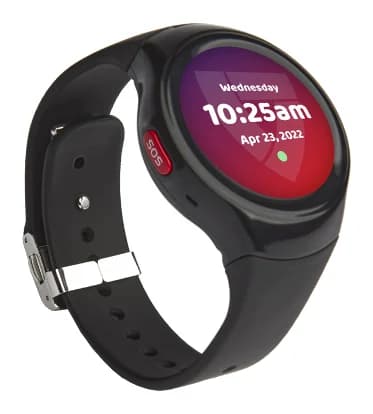
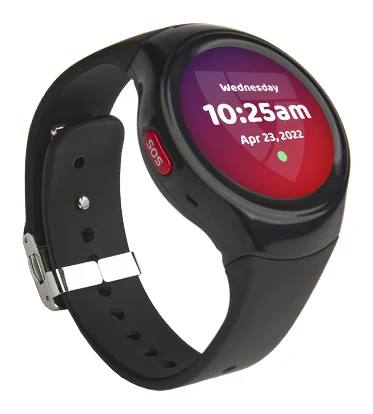
- Best OverallMedical Guardian MGMoveWhy we picked it →
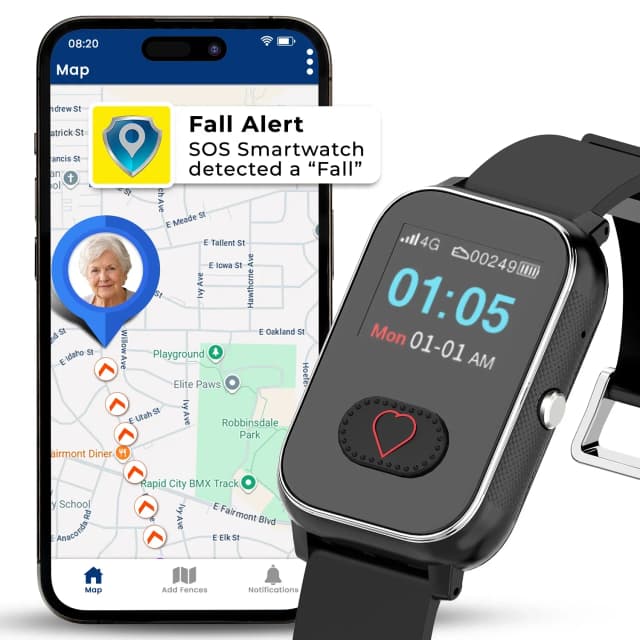
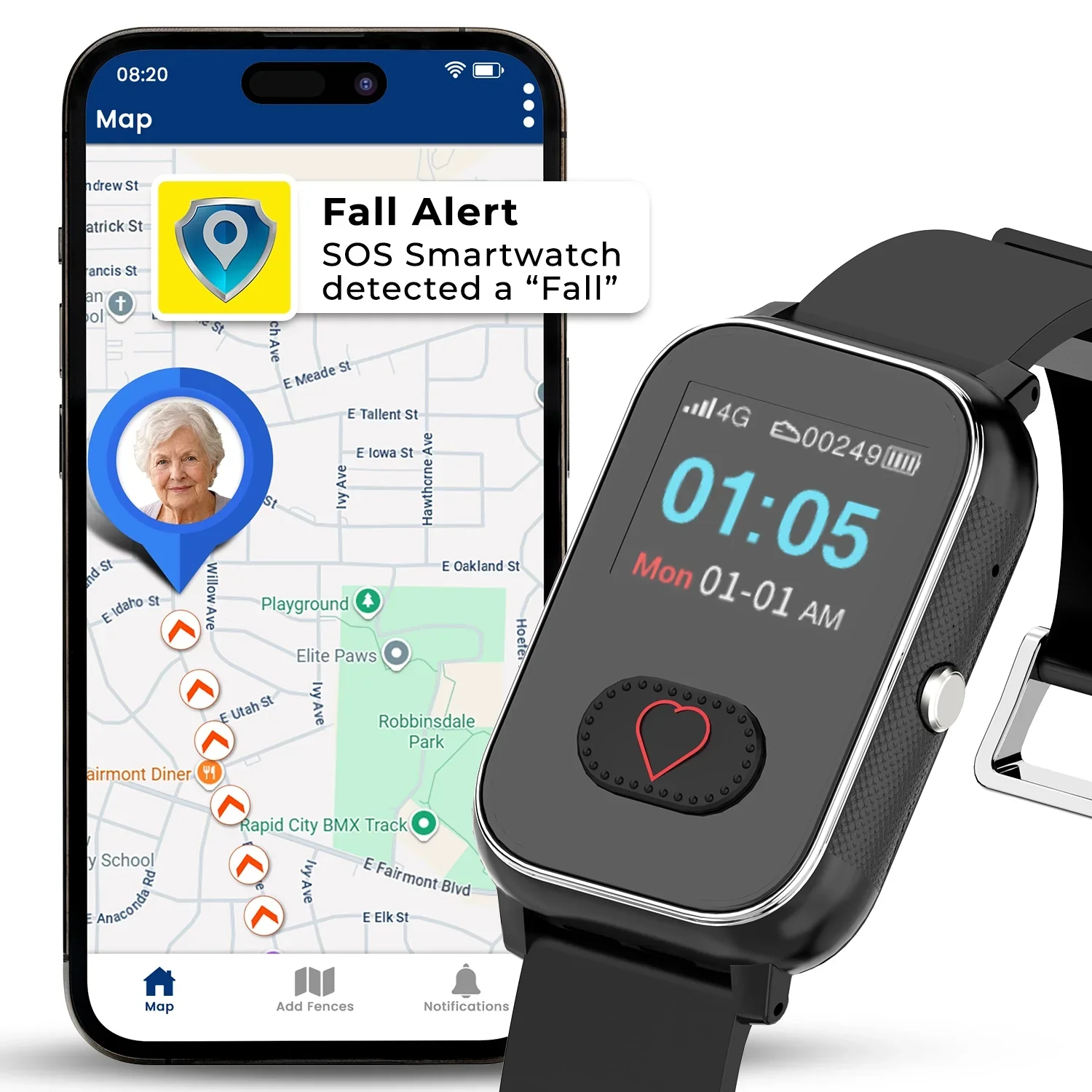
- Best ValueSeculife Cellular Medical Alert SmartwatchWhy we picked it →
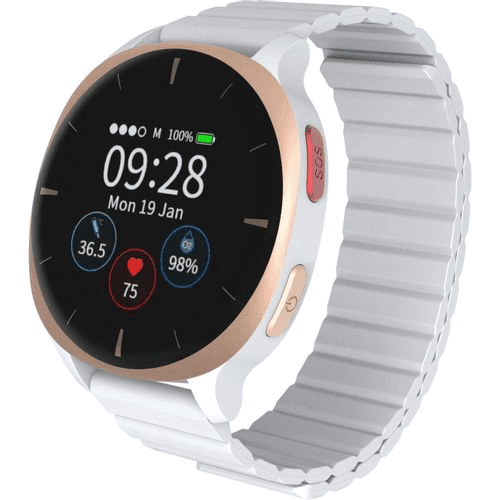
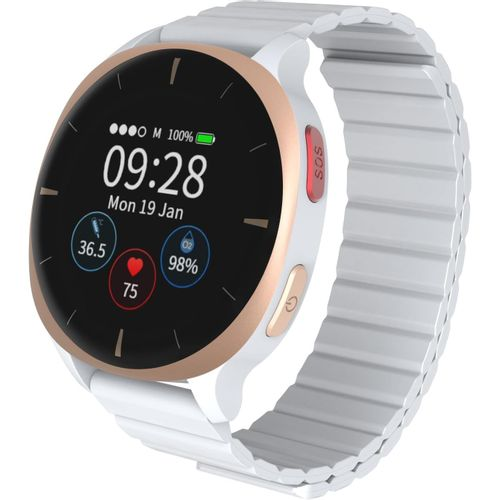
- Also GreatAudar E2 Senior SmartwatchWhy we picked it →
Frequently asked questions
Is the Samsung Galaxy Watch7 40mm worth it?
For Android users who want detailed sleep and health tracking, experts say yes. It averages 8.7/10 across 5 expert reviews. It is less compelling if you want multi-day battery life, use an iPhone, or already own the nearly identical Galaxy Watch 6.
Does the Galaxy Watch7 work with iPhone?
No. Samsung lists the watch as not compatible with iOS. It needs an Android phone running Android 11.0 or higher with 1.5GB RAM or more.
How long does the Galaxy Watch7 40mm battery last?
Samsung quotes up to 40 hours with the always-on display off and up to 30 hours with it on. Reviewers describe real-world battery life as modest, around a day with the always-on display.
Does the Galaxy Watch7 have sleep apnea detection and ECG?
Yes. It offers sleep tracking with sleep apnea detection and sleep scores, plus an ECG sensor. It also has body composition (BIA), skin temperature and blood oxygen sensors.
Is the Galaxy Watch7 40mm water resistant?
It is rated 5 ATM + IP68 and MIL-STD-810H, and it uses a sapphire crystal display glass, so it is built to be a rugged everyday watch.
Does the Galaxy Watch7 40mm Bluetooth model have GPS?
Yes. It includes GPS (L1+L5), along with Bluetooth 5.3, Wi-Fi and NFC. A common criticism is that GPS distance can drift on longer runs.
Sources
Specs are taken from the manufacturers' official pages; expert recommendations from the publications below.
- Samsung Galaxy Watch7 (40mm Bluetooth): samsung.com, gsmarena.com
Related reviews & guides
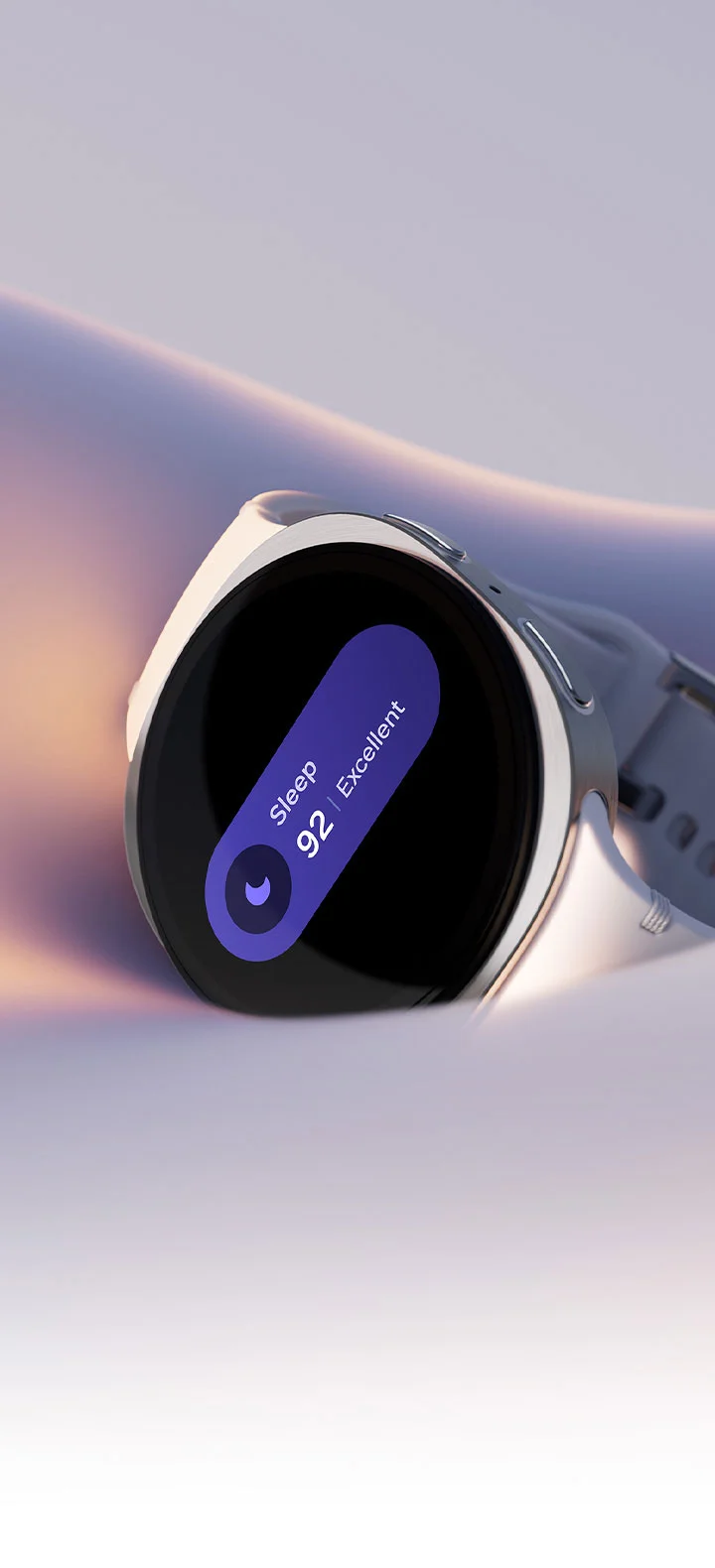
Samsung Galaxy Watch8 (44mm Bluetooth) Review: Polished
A look at the Samsung Galaxy Watch8 44mm Bluetooth: slim, bright and feature-rich Wear OS 6, held back by roughly one-day battery life and Samsung-only health features.
Published Oct 25, 2026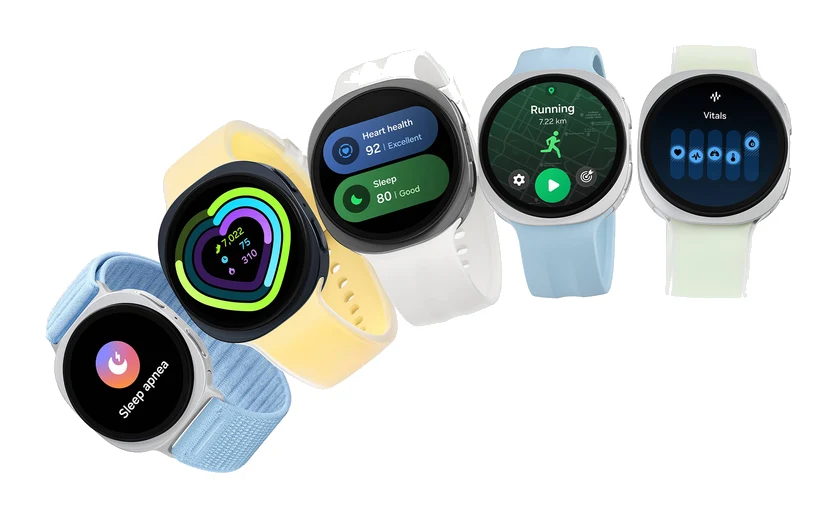
Samsung Galaxy Watch9 Review (2026): Health Over Battery
A slim, quick Wear OS smartwatch with broad health tracking, held back by short battery life and a modest update. Here is who it suits, based on specs and expert reviews.
Published Oct 25, 2026
Best Smartwatch (2026): 5 Top Picks Compared
Five smartwatches compared on battery life, health and safety features, case size and phone compatibility, using manufacturer specs and independent expert recommendations.
Published Oct 9, 2026