Samsung Galaxy Z Fold8 Review (2026): Light Fold, No Zoom
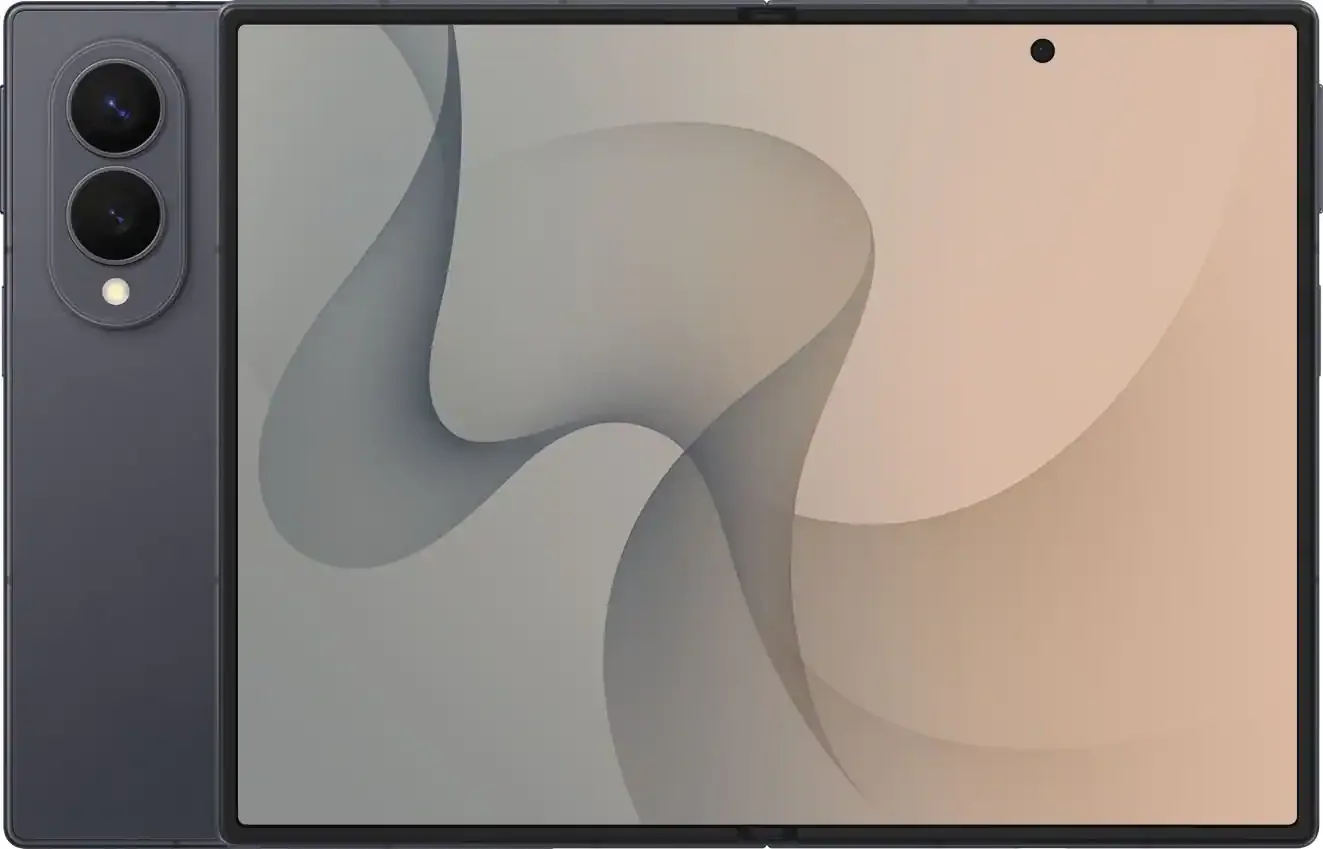
A light, pocketable foldable with a 7.6-inch 4:3 inner screen and a flagship chip. Experts rate it highly, but there's no zoom camera and no dust protection.
Research-based · We earn from qualifying purchases
Our verdict
The Galaxy Z Fold8 is a lighter, more pocketable foldable with a bigger, brighter inner screen, strong performance and long software support. It suits buyers who want a tablet-style display without the bulk, but those who need zoom photography or full dust resistance should look elsewhere.
The good
- Light at 201 g, easy to carry and use
- Compact 5.5-inch cover screen works well one-handed
- 7.6-inch 4:3 inner screen suits video, reading and multitasking
- Anti-reflective inner display with a much less visible crease
- Fast flagship chip, good for gaming and Galaxy AI features
+2 more
- Anti-reflective inner display with a much less visible crease
- Fast flagship chip, good for gaming and Galaxy AI features
The bad
- No telephoto or optical zoom camera
- IP48 rating means no dust protection
- No Flex Mode and no built-in Qi2 magnets
- Some apps are not optimised for the new screen shapes
+1 more
- Some apps are not optimised for the new screen shapes
Foldables have long asked buyers to accept a heavy, chunky phone in exchange for a tablet-sized screen. This Samsung Galaxy Z Fold8 review looks at a model that tries to reduce that trade-off. Samsung calls it the lightest Galaxy Z Fold yet, at 201 g, and pairs a compact 5.5-inch cover screen with a 7.6-inch inner display. It's aimed at power users who want a light, pocketable foldable for media and multitasking. This review is based on Samsung's specifications and what independent expert reviewers report, not on our own hands-on testing.
Samsung Galaxy Z Fold8: specs at a glance
From the manufacturer- RAM
- 12GB (256GB/512GB), 16GB (1TB)
- Weight
- 201 g
- Battery
- 4,800 mAh (typical), up to 26 hours video playback
- Storage
- 256GB / 512GB / 1TB
- Charging
- 45W wired, 20W wireless
- Processor
- Snapdragon 8 Elite Gen 5 for Galaxy
- Rear cameras
- 50 MP wide (f/1.8) + 50 MP ultra-wide (f/1.9)
- Cover display
- 5.5-inch, 1,248 x 1,972, up to 120 Hz
- Front cameras
- 10 MP cover + 10 MP inner
- Inner display
- 7.6-inch QXGA+ Dynamic AMOLED 2X, 1,848 x 2,448, 1–120 Hz
- Peak brightness
- 3,000 nits
- Operating system
- One UI 9 (Android 17)
- Dimensions folded
- 81.9 x 123.9 x 9.7 mm
- Dimensions unfolded
- 161.4 x 123.9 x 4.5 mm
- Water/dust resistance
- IP48
Key features
- Lightest Galaxy Z Fold yet at 201 g, so it is easy to carry
- Compact 5.5-inch cover screen with a 10:16 shape for one-handed use
- 7.6-inch 4:3 inner screen suited to video, reading and games
- Anti-reflective inner screen with a much less visible crease
- Snapdragon 8 Elite Gen 5 for Galaxy chip with Galaxy AI features
- Dual 50 MP wide and ultra-wide rear cameras
- 4,800 mAh battery with 45W wired and 20W wireless charging
- One UI 9 on Android 17, with seven years of OS upgrades
Samsung Galaxy Z Fold8 review: design and build
Weight is the headline here. At 201 g, the Fold8 is light for a phone that opens into a tablet-style device, and reviewers consistently single this out as what makes it easy to carry and use. Folded, it measures 81.9 x 123.9 x 9.7 mm. Unfolded, it measures 161.4 x 123.9 x 4.5 mm.
That cover screen is a 5.5-inch panel at 1,248 x 1,972 resolution with up to 120 Hz. The 10:16 proportions are meant to make it feel closer to a regular phone than a tall, narrow strip. Reviewers say the compact size works well one-handed, which matters because the cover screen is where most quick tasks happen: checking messages, replying, glancing at notifications.
The Fold8 carries an IP48 rating. The "4" is the dust figure, and it means the phone has no meaningful dust protection. Water resistance is covered, but anyone who takes their phone to beaches, building sites or dusty trails should factor that in. Reviewers do flag this as a drawback.
The two screens
Inner display
The 7.6-inch inner screen is a QXGA+ Dynamic AMOLED 2X panel at 1,848 x 2,448, with a 1–120 Hz variable refresh rate and peak brightness of 3,000 nits. Its 4:3 shape is closer to a small tablet than to a stretched phone display. That suits video, reading and games, and gives room to run apps side by side.
Two details stand out. The inner screen is anti-reflective, which should help when you're using it in bright rooms or near windows. And the crease is described as much less visible, which has traditionally been the sore point of folding displays. Reviewers praise both, and the display is a big part of the case for buying this phone.
Cover display
The outer screen shares the 120 Hz ceiling. In day-to-day use, the aim is to let you leave the phone folded for most of the day and open it for longer sessions: watching something, reading a long document, or working across two apps.
Features and what they mean day to day
The Fold8 runs One UI 9 on Android 17, and Samsung promises seven years of OS upgrades. With seven years of OS upgrades, you're more likely to keep the phone for years rather than swap it after a couple.
The chip is the Snapdragon 8 Elite Gen 5 for Galaxy, with Galaxy AI features on top. Memory is 12GB on the 256GB and 512GB models and 16GB on the 1TB version. Reviewers describe it as a fast flagship chip that's good for gaming and for the AI tools. It also gives multitasking room, which is the point of a screen this size.
There are some software caveats. A common criticism is that some apps aren't optimised for the new screen shapes. That's a reminder that a 4:3 inner display and a 10:16 cover screen don't always match what app developers expect, so you may meet apps that don't use the space well. Reviewers also note there's no Flex Mode on this model, so the half-open, laptop-style posture some foldables support isn't available here.
Cameras
The rear setup is two 50 MP cameras: a wide (f/1.8) and an ultra-wide (f/1.9). There are two 10 MP selfie cameras, one on the cover screen and one on the inner screen.
The notable gap is a telephoto. Reviewers flag the absence of a telephoto or optical zoom camera as a clear drawback. If you regularly photograph things at a distance, such as events, wildlife or kids' sports, this is the single biggest reason to look elsewhere. For general shooting with wide and ultra-wide lenses, the 50 MP pair covers the basics, but the spec sheet doesn't give a zoom option beyond that.
Battery and charging
The battery is 4,800 mAh (typical), and Samsung quotes up to 26 hours of video playback. That figure is a manufacturer claim, so real-world endurance will depend on how much you use the inner screen, since a large 120 Hz panel is a major drain. The spec sheet gives only the video playback figure, so we won't guess at mixed-use endurance.
Charging is 45W wired and 20W wireless. Wireless charging is supported, but reviewers note there are no built-in Qi2 magnets. If you rely on magnetic car mounts, stands or chargers, you'd need a case that adds them.
What experts like and what they criticise
The Fold8 averages 8.7/10 across four expert reviews. TechRadar gives it 4.5/5, Tom's Guide 4/5 and Gizmodo 4.5/5. CNET's review, via PetaPixel's Pixelmeter, comes to 8.6/10. It's also recommended in 3 expert guides.
The praise follows a clear pattern:
- Portability: the low weight makes it easy to carry and use.
- Cover screen: the compact 5.5-inch display works well one-handed.
- Inner screen: the 4:3 shape suits video, reading and multitasking.
- Display quality: the anti-reflective finish and much less visible crease get specific mentions.
- Performance: the flagship chip handles gaming and Galaxy AI features.
The criticism is just as consistent. There's no telephoto or optical zoom camera. The IP48 rating means no dust protection. There's no Flex Mode and no built-in Qi2 magnets. Some apps aren't optimised for the new screen shapes. None of these is a deal-breaker for everyone, but each matters to a particular type of buyer.
Who should buy it, and who should skip it
Buy it if you want a foldable that doesn't feel like a brick in your pocket. It suits people who spend a lot of time on video, reading, games or multitasking, and who value a big, anti-reflective inner display with a barely visible crease. The long software support also suits anyone planning to keep the phone for years.
Skip it if zoom photography matters to you, since there's no telephoto. Also skip it if you work in dusty places and want full ingress protection, if you rely on Flex Mode, or if you want magnetic Qi2 accessories to work without a case.
How it fits in the foldable and flagship market
The Fold8 is in the mid-range price tier. Its pitch is clear: the tablet-style screen without the usual bulk. The trade-offs are in the camera and durability rather than in speed or display. If you're still deciding between a foldable and a conventional flagship, see our guide to the best Android phones.
Verdict
The Galaxy Z Fold8 is an appealing step towards a foldable you can use as a normal phone. It is light, with a compact cover screen, a large 4:3 inner display, a fast chip and seven years of OS upgrades. Experts rate it well, with an average of 8.7/10. The costs are real, though: no telephoto camera, an IP48 rating without dust protection, and no Flex Mode or built-in Qi2 magnets. If those gaps don't touch how you use a phone, it's a good fit for media and multitasking.
Related buying guides
Not sure about the Samsung Galaxy Z Fold8? Consider these
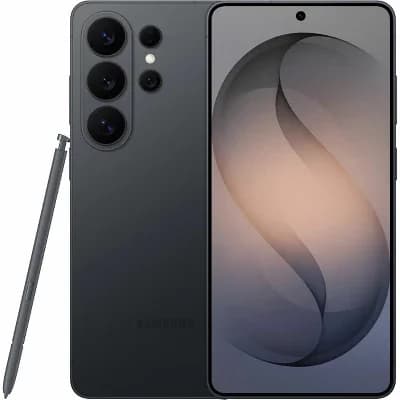
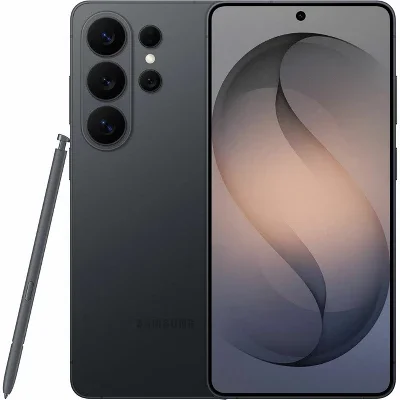
- Best OverallSamsung Galaxy S26 UltraWhy we picked it →
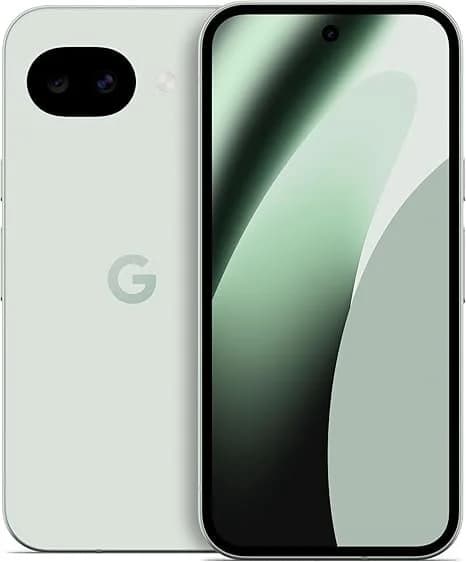
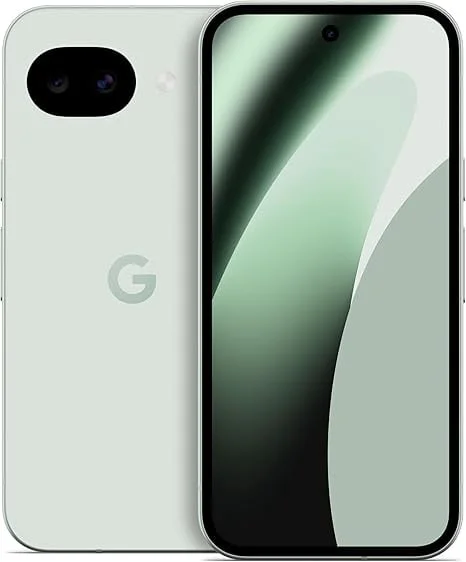
- Best ValueGoogle Pixel 10aWhy we picked it →
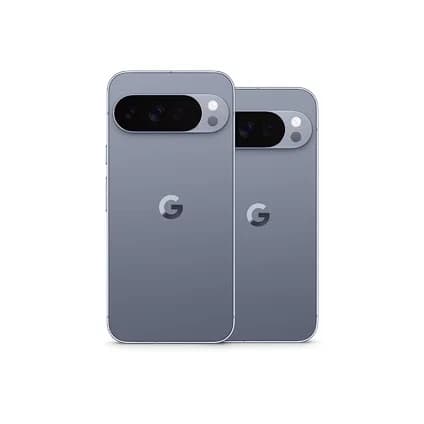
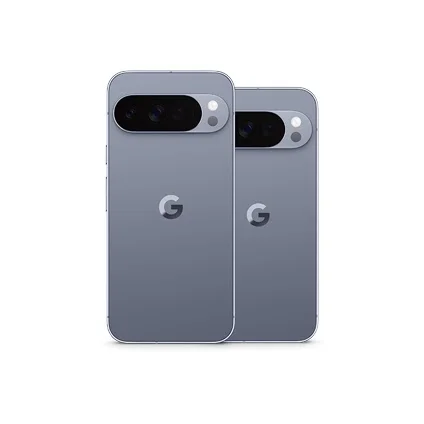
- Also GreatGoogle Pixel 10 Pro XLWhy we picked it →
Frequently asked questions
Is the Samsung Galaxy Z Fold8 worth it?
Expert reviewers rate it highly, averaging 8.7/10 across four reviews. It's worth considering if you want a light foldable with a large inner screen for video, reading and multitasking. It's less compelling if you need a telephoto camera or full dust resistance.
Does the Galaxy Z Fold8 have a telephoto or zoom camera?
No. The rear cameras are a 50 MP wide (f/1.8) and a 50 MP ultra-wide (f/1.9). Reviewers list the lack of a telephoto or optical zoom camera as a common criticism.
Is the Galaxy Z Fold8 waterproof?
It has an IP48 rating. That means it has water resistance, but the "4" for dust means it has no dust protection, which reviewers flag as a drawback.
Does the Galaxy Z Fold8 support wireless charging?
Yes, it supports 20W wireless charging alongside 45W wired charging. It doesn't have built-in Qi2 magnets, so magnetic accessories would need a case that adds them.
How long will the Galaxy Z Fold8 get software updates?
It runs One UI 9 on Android 17, and Samsung promises seven years of OS upgrades.
How heavy is the Galaxy Z Fold8?
It weighs 201 g, which Samsung describes as the lightest Galaxy Z Fold yet. Folded, it measures 81.9 x 123.9 x 9.7 mm.
Sources
Specs are taken from the manufacturers' official pages; expert recommendations from the publications below.
- Samsung Galaxy Z Fold8: samsung.com, gizmodo.com, markellisreviews.com, cnn.com
Related reviews & guides
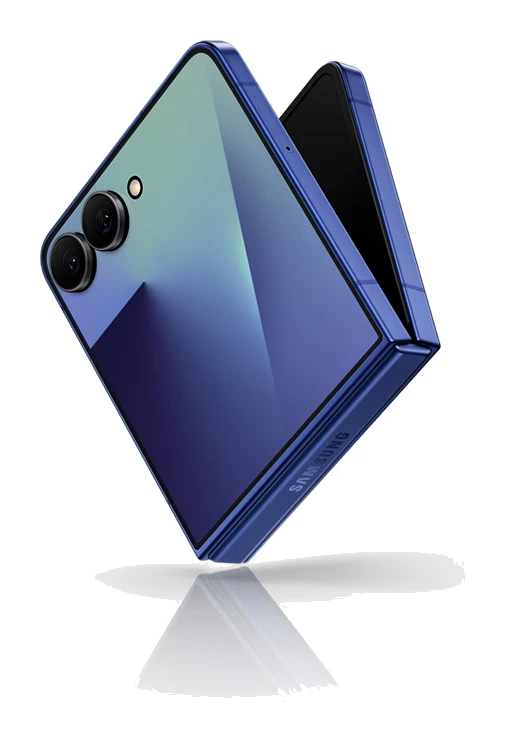
Samsung Galaxy Z Flip7 Review (2026): Slim, With Trade-offs
Our Samsung Galaxy Z Flip7 review looks at the 4.1-inch cover screen, slim 13.7mm body and long software support, and at where the chipset, cameras and charging hold it back.
Published Oct 19, 2026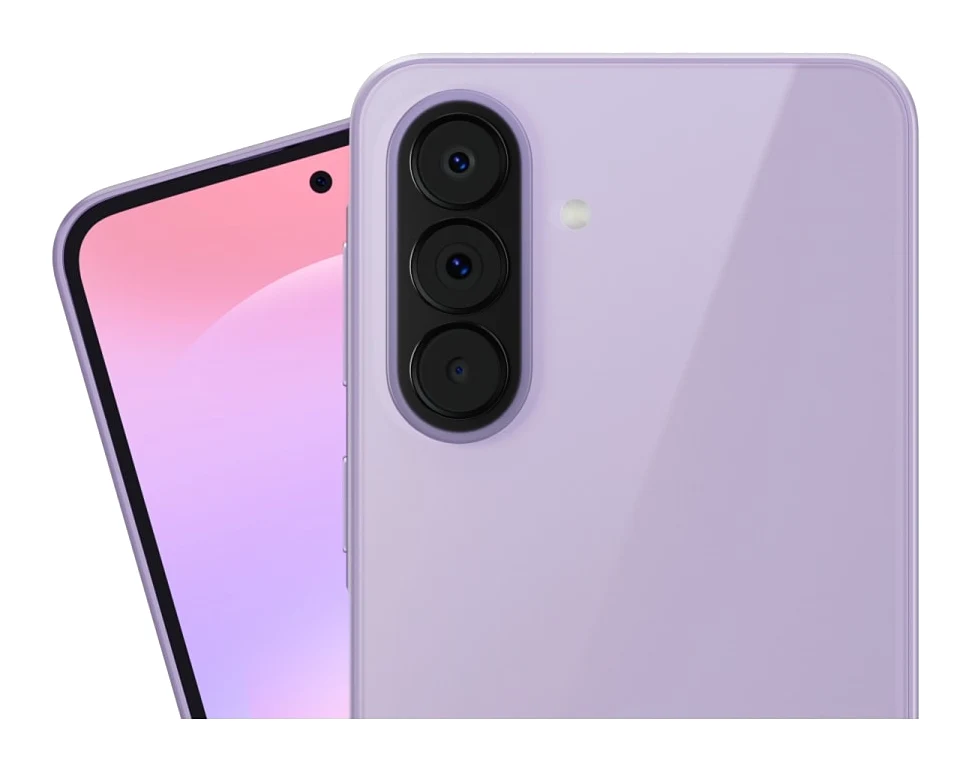
Samsung Galaxy A37 5G Review (2026): Polished, Not Powerful
Our Samsung Galaxy A37 5G review looks at a mid-range phone built around a great screen, water resistance and long software support, and where its modest performance holds it back.
Published Oct 27, 2026
Best Camera Phone 2026: Zoom, Low Light and Video
Five camera phones from Apple, Google and Nothing compared on main sensor, zoom reach, video and battery, based on manufacturer specs and expert recommendations.
Published Oct 15, 2026