Sony BRAVIA 8 II 65-inch Review (2026): Cinephile QD-OLED
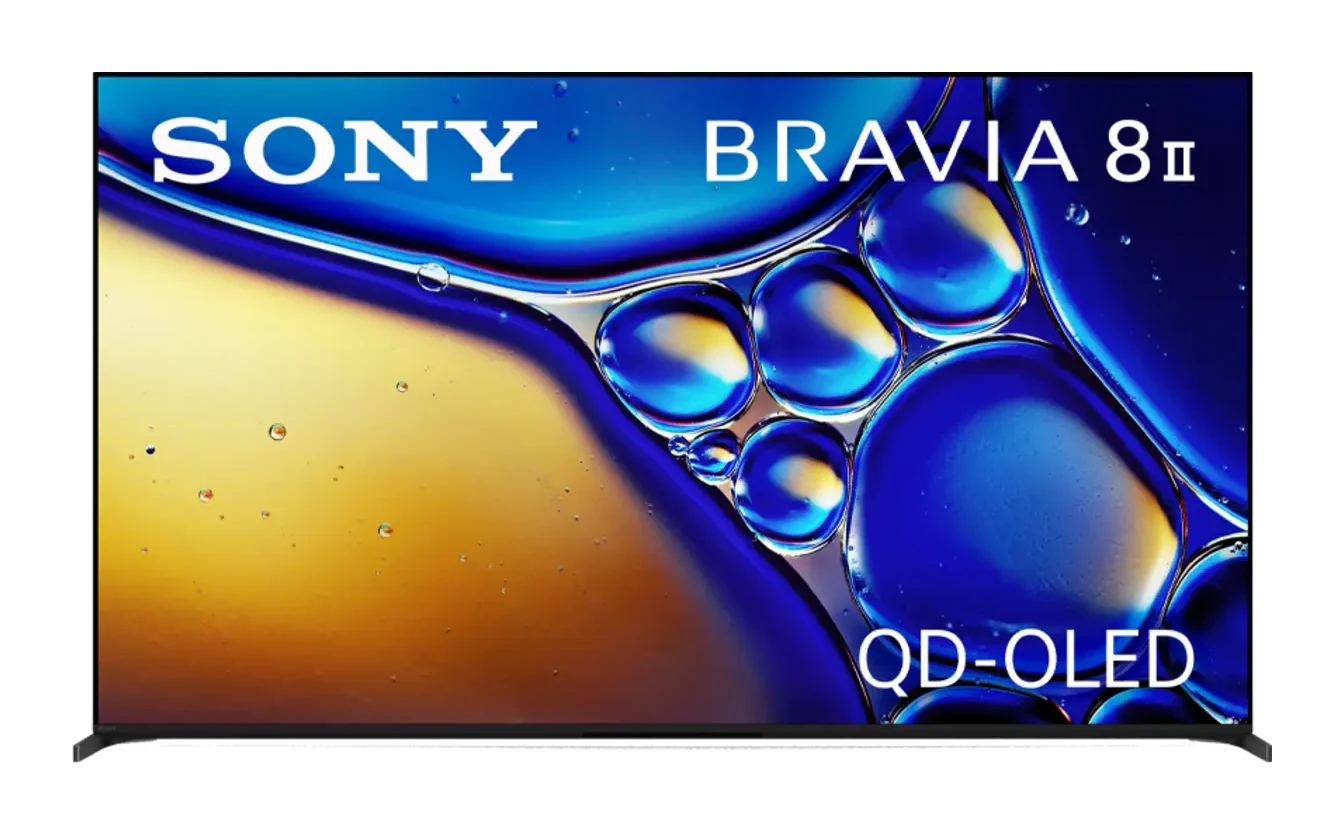
A look at the Sony BRAVIA 8 II 65-inch QD-OLED TV: what its panel, processor and screen-as-speaker audio offer, where experts say it falls short, and who should buy it.
Research-based · We earn from qualifying purchases
Our verdict
The Bravia 8 II suits movie and TV fans who prioritise contrast, accurate colour, superb processing and good built-in sound over peak brightness. Bright-room viewers and gamers with several 4K/120 consoles or PC setups should look at brighter, more gaming-focused rivals.
The good
- Excellent contrast with perfect black levels on QD-OLED panel
- Rich, accurate colour that looks great out of the box
- Class-leading processing and upscaling from the XR Processor
- Built-in Acoustic Surface Audio+ sound is well above average for a TV
- Dolby Vision, Dolby Atmos, IMAX Enhanced and DTS:X support
+2 more
- Built-in Acoustic Surface Audio+ sound is well above average for a TV
- Dolby Vision, Dolby Atmos, IMAX Enhanced and DTS:X support
The bad
- Only two of four HDMI ports support full 4K/120Hz
- Not as bright as Samsung S95F and LG G5 rivals
- Game mode input lag of 16.3ms is higher than some rivals
- Feet sit at the outer edges, so it needs a wide stand
+1 more
- Feet sit at the outer edges, so it needs a wide stand
This Sony BRAVIA 8 II 65-inch (K65XR80M2) review looks at a TV that puts picture refinement ahead of raw spec-sheet bragging rights. It pairs a QD-OLED panel with Sony's XR Processor and a speaker system built into the screen itself. It sits in the mid-range part of the market, and it is aimed squarely at people who watch a lot of films and TV and care how they look and sound. This review is based on Sony's manufacturer specs and what independent experts report, not hands-on testing.
Sony BRAVIA 8 II 65-inch (K65XR80M2): specs at a glance
From the manufacturer- Speakers
- Acoustic Surface Audio+, 15 + 15 + 10 + 10 W
- Wireless
- Wi-Fi 6E, Bluetooth 5.3
- Processor
- XR Processor
- USB ports
- 2
- Panel type
- QD-OLED
- Resolution
- 3840 x 2160
- VESA mount
- 300 x 300 mm
- HDMI inputs
- 4 (only 2 support full 4K/120Hz)
- HDR formats
- HDR10, HLG, Dolby Vision
- Screen size
- 65" class (64.5" diagonal)
- Refresh rate
- 120Hz
- Smart platform
- Google TV
- Weight without stand
- 50.5 lb
- Measured input lag (Game mode)
- 16.3ms
- Dimensions without stand (W x H x D)
- 56.87" x 32.75" x 1.37"
Key features
- QD-OLED panel with XR Triluminos Max for rich, accurate colour and Sony's highest OLED brightness
- XR Processor with AI for scene-by-scene picture enhancement and strong upscaling
- Acoustic Surface Audio+ turns the screen into the speaker, so a soundbar is less necessary
- Dolby Vision, Dolby Atmos, IMAX Enhanced and DTS:X support
- Google TV with Gemini, Google Cast and AirPlay
- Gaming: 4K/120, VRR, ALLM, plus PS5 features (Auto HDR Tone Mapping, Auto Genre Picture Mode)
- Two-way stand that can be raised to fit a soundbar
- Built-in ATSC 3.0 tuner for NextGen TV
Design and build
The 65-inch model is a "65" class" set with a 64.5" diagonal. Without its stand it measures 56.87" x 32.75" x 1.37" and weighs 50.5 lb, so the panel itself is only 1.37" deep. If you plan to wall mount, the VESA pattern is 300 x 300 mm.
The stand deserves a closer look before you buy. It is a two-way design, and it can be raised to leave room for a soundbar underneath. That matters because you may not need a soundbar at all, but the option is there. The catch is that the feet sit at the outer edges of the TV, so you need a wide piece of furniture to hold it. Measure your media unit first; a common criticism from reviewers is exactly this footprint.
Picture: what the QD-OLED panel and XR Processor do
The headline is the QD-OLED panel with XR Triluminos Max. In practical terms, that means self-lit pixels that can switch fully off, so black levels are deep and contrast is strong, along with a quantum-dot colour layer aimed at rich, accurate colour. Reviewers consistently praise the contrast, describing perfect black levels, and say colour looks great out of the box. That second point is useful if you would rather not spend an evening in the picture menus.
The second pillar is the XR Processor with AI, which Sony positions as doing scene-by-scene picture enhancement and upscaling. Reviewers call the processing and upscaling class-leading. This is worth caring about even in an era of 4K streaming, since plenty of what we watch, from broadcast TV to older films and lower-bitrate streams, isn't pristine native 4K. A good processor makes that content look cleaner and more natural.
HDR support covers HDR10, HLG and Dolby Vision. Sony also lists IMAX Enhanced support, so compatible films can be shown in the way the format intends.
The brightness caveat
This is where you need to be honest about expectations. Sony describes this as its highest OLED brightness, but experts note it isn't as bright as the Samsung S95F and LG G5. If your living room gets a lot of daylight, or you mostly watch with the curtains open, that gap is the main reason to look elsewhere. In a dim or controlled room, where OLED contrast shines, it matters far less.
Sound: the screen is the speaker
Sony's Acoustic Surface Audio+ vibrates the panel to produce sound, with a 15 + 15 + 10 + 10 W speaker configuration. Sony says the screen itself acts as the speaker, so a soundbar becomes less necessary. Reviewers agree the audio is well above average for a TV, which is a meaningful strength for people who don't want to buy and place extra boxes.
Format support is broad: Dolby Atmos and DTS:X sit alongside the Dolby Vision video support. If you do eventually add a soundbar or a full home cinema setup, the TV's raised stand position is there to help, though dedicated speakers will naturally go further than any built-in system.
Smart features and connectivity
The BRAVIA 8 II runs Google TV with Gemini, and supports Google Cast and AirPlay. That covers both Android and Apple households when it comes to throwing video or music to the screen. Wi-Fi 6E and Bluetooth 5.3 are listed for wireless, and there are two USB ports.
There is also a built-in ATSC 3.0 tuner for NextGen TV. That's useful if broadcast TV matters to you and your area carries NextGen signals, though it's a niche feature for many streaming-first households.
HDMI is the awkward part
The TV has 4 HDMI inputs, but only 2 support full 4K/120Hz. For most people with a single games console and a soundbar or streaming box, that's workable, as long as you plug the right devices into the right ports. It is a real limitation, though, for anyone with several high-frame-rate sources, such as a PS5 plus a gaming PC plus another console. Reviewers flag it as a common criticism.
Gaming
On paper the gaming kit is solid: 4K/120, VRR and ALLM, plus PS5-specific features including Auto HDR Tone Mapping and Auto Genre Picture Mode. The 120Hz refresh rate means smooth motion for compatible games, and the PS5 features reduce fiddling with settings.
The measured input lag in Game mode is 16.3ms. Reviewers note that this is higher than some rivals. Combined with the HDMI limit and the brightness gap, it explains why this TV is better framed as a film lover's set that also plays games well, rather than a dedicated gaming display. For a competitive player with multiple consoles, a more gaming-focused rival makes more sense.
What experts like and what they criticise
Expert verdicts are positive but not unanimous. It averages 8.2/10 across 3 expert reviews. Trusted Reviews gives it 4.5 out of 5 and Choose.tv scores it 8.5/10, while Tom's Guide is more measured at 3.5 out of 5.
The praise centres on:
- contrast and black levels from the QD-OLED panel
- colour that looks accurate without much adjustment
- the XR Processor's processing and upscaling
- sound quality that is well above average for a TV
- broad Dolby Vision, Dolby Atmos, IMAX Enhanced and DTS:X support
The criticism centres on the two-of-four HDMI 4K/120Hz limit, lower brightness than the Samsung S95F and LG G5, input lag that is higher than some rivals, and the wide-set feet.
Who should buy the BRAVIA 8 II 65-inch
This is a strong fit if you:
- watch mostly films and TV in a room you can darken
- value accurate colour and strong processing over peak brightness
- would like good sound without immediately buying a soundbar
- use one main gaming device rather than several 4K/120 sources
- use both Google Cast and AirPlay devices at home
You should probably skip it if you:
- watch mainly in a bright, sunlit room
- need more than two full 4K/120Hz HDMI connections
- are a competitive gamer for whom input lag is the top priority
- have a narrow TV stand
How it fits among OLED TVs
In general terms, large OLED and QD-OLED TVs trade off between peak brightness, gaming connectivity and picture processing. The BRAVIA 8 II leans toward the processing, colour and sound end of that spectrum and away from the brightness-and-gaming end. If you want to explore another big-screen OLED before deciding, our Panasonic TV-65Z95B review is a sensible next read.
Verdict
The Sony BRAVIA 8 II 65-inch is a thoughtful pick for people who care about how films and shows actually look and sound. Deep blacks, rich colour, capable upscaling and unusually good built-in audio are its calling cards, and its Google TV, AirPlay and Dolby feature set rounds it out well. The compromises are clear and worth weighing: brightness trails the brightest rivals, only two HDMI ports handle full 4K/120Hz, and the stand needs room. If those don't describe your setup's problems, it is an easy TV to recommend to a home-cinema fan.
Related buying guides
- Best 65-Inch TV 2026: OLED and Mini LED for Gaming
- TCL 65QM6K vs LG C5 (2026): Budget Mini-LED or OLED?
- Best Budget TVs in 2026: Gaming to Small Rooms
- LG OLED evo C5 65" Review (2026): HDMI 2.1 on Every Port
- LG OLED65B6GUA Review (2026): Dark-Room OLED Value
- TCL 65QM6K Review (2026): Mini LED Value With Trade-Offs
Not sure about the Sony BRAVIA 8 II 65-inch (K65XR80M2)? Consider these
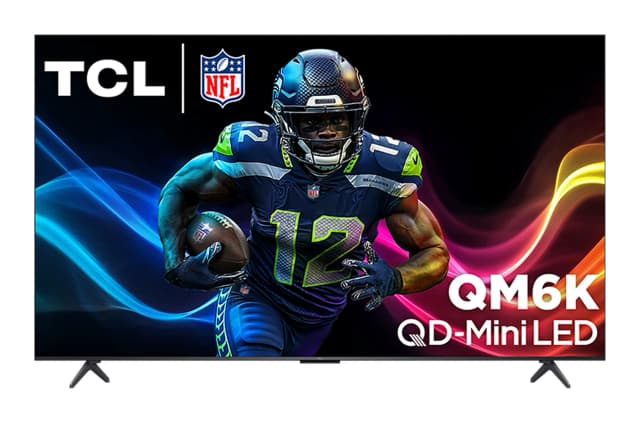
- Best OverallTCL 50QM6KWhy we picked it →
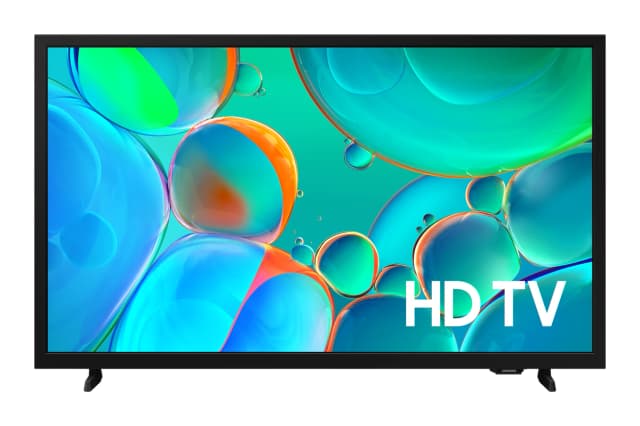
- Best ValueSamsung UN32H5000FFXZAWhy we picked it →
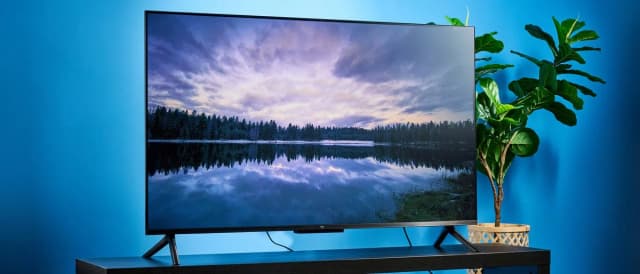
- Premium PickAmazon Ember 4-SeriesWhy we picked it →
Frequently asked questions
Is the Sony BRAVIA 8 II 65-inch worth it?
For movie and TV fans who prioritise contrast, accurate colour, strong processing and good built-in sound, experts rate it well, averaging 8.2/10 across 3 expert reviews. It is less compelling for bright rooms or multi-console gaming setups.
Does the BRAVIA 8 II support Dolby Vision and Dolby Atmos?
Yes. It supports HDR10, HLG and Dolby Vision for video, and Dolby Atmos, IMAX Enhanced and DTS:X are also listed.
Is the Sony BRAVIA 8 II good for PS5 gaming?
It supports 4K/120, VRR and ALLM, plus PS5 features such as Auto HDR Tone Mapping and Auto Genre Picture Mode. Measured Game mode input lag is 16.3ms, which reviewers say is higher than some rivals.
How many HDMI ports support 4K/120Hz?
The TV has 4 HDMI inputs, but only 2 support full 4K/120Hz. If you have several high-frame-rate devices, plan which ones use those two ports.
Do I need a soundbar with the BRAVIA 8 II?
Sony's Acoustic Surface Audio+ uses the screen as the speaker, and reviewers say the sound is well above average for a TV, so a soundbar is less necessary. The stand can be raised if you do want to add one.
Does the Sony BRAVIA 8 II support AirPlay and Google Cast?
Yes. It runs Google TV with Gemini and supports both Google Cast and AirPlay.
Sources
Specs are taken from the manufacturers' official pages; expert recommendations from the publications below.
- Sony BRAVIA 8 II 65-inch (K65XR80M2): sony.ca, blog.son-video.com, avsforum.com, tomsguide.com
Related reviews & guides
Best 65-Inch TV 2026: OLED and Mini LED for Gaming
Our guide to the best 65-inch TV for 2026 compares a TCL QD-Mini LED, two LG OLEDs, a Panasonic Tandem OLED and a Sony QD-OLED using manufacturer specs and expert recommendations.
Published Oct 17, 2026
TCL 65QM6K vs LG C5 (2026): Budget Mini-LED or OLED?
The budget QD-Mini LED TCL 65QM6K takes on the premium LG OLED evo C5. Here is how picture, gaming, sound and smart features compare, and who should buy which.
Published Oct 30, 2026
Best Budget TVs in 2026: Gaming to Small Rooms
Four budget TVs compared on picture tech, refresh rate, smart platform and ports, from a 144Hz Mini-LED TCL to a compact 32-inch Samsung for small rooms.
Published Oct 30, 2026