TP-Link Tapo D225 Video Doorbell Review: Free AI, Big Body
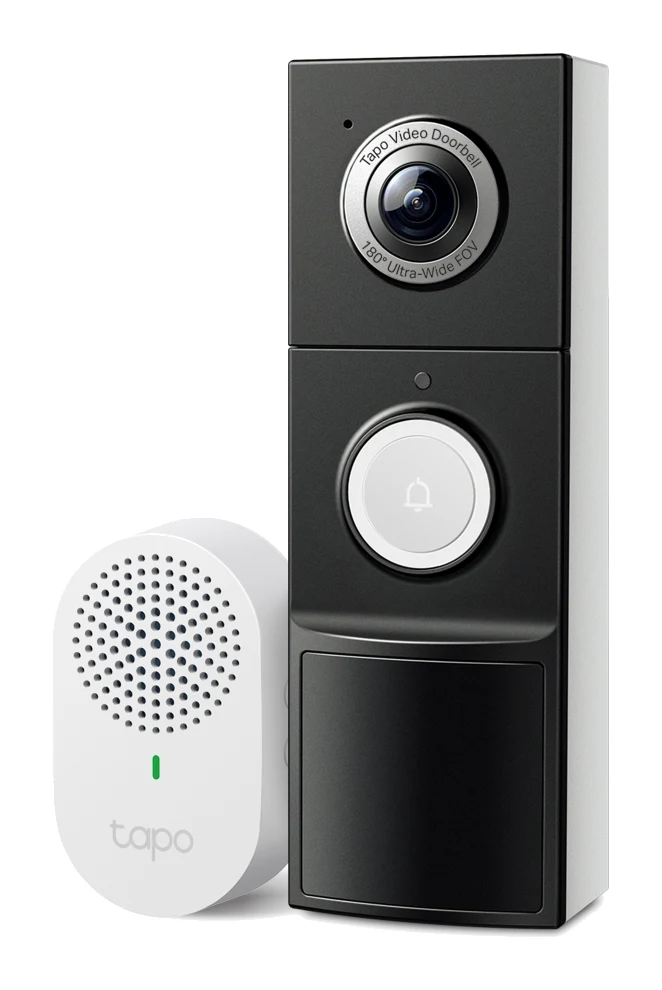
A look at the TP-Link Tapo D225: 2K head-to-toe video, AI alerts with no subscription, flexible power and local storage, balanced against its bulk and HDR-free image.
Research-based · We earn from qualifying purchases
Our verdict
The Tapo D225 suits buyers who want free AI detection, a wide head-to-toe view and flexible power without monthly fees, with a chime included. Skip it if you want a slim doorbell, dependable backlit scenes or consistently strong color night video.
The good
- AI detects people, pets, vehicles and packages with no subscription
- Runs on battery or hardwires to existing doorbell wiring
- Hardwired mode enables 24/7 recording with a few seconds of pre-roll
- 2K video with 180° view captures visitors head to toe
- Local microSD storage up to 512 GB avoids monthly fees
+2 more
- 2K video with 180° view captures visitors head to toe
- Local microSD storage up to 512 GB avoids monthly fees
The bad
- Bulky, chunky design that may look large by the door
- No HDR, so bright or backlit scenes can look washed out
- Color night vision can be hit or miss; spotlights are weak
- Busy areas drain battery faster, and continuous recording needs wiring
+1 more
- Busy areas drain battery faster, and continuous recording needs wiring
This TP-Link Tapo D225 video doorbell review looks at a camera doorbell aimed at people who want smart alerts without a monthly bill. It records in 2K QHD (4MP) with a 180° head-to-toe view and runs on a built-in battery or on existing doorbell wiring. It sits in the mid-range part of the market. It is best suited to budget-minded homeowners who want subscription-free smart alerts and wide coverage.
This review is based on manufacturer specs and what independent experts report. It is not based on hands-on testing.
TP-Link Tapo D225 Video Doorbell: specs at a glance
From the manufacturer- Siren
- 98dB (measured at 10 cm)
- Wi-Fi
- IEEE 802.11b/g/n, 2.4 GHz
- Battery
- 10000 mAh built-in rechargeable Li-ion, up to 8 months per TP-Link
- Frame rate
- 15/20 fps
- Image sensor
- 1/2.7" Progressive Scan CMOS
- Night vision
- 850 nm IR LED (33 ft / 10 m), full-color with spotlights
- Field of view
- 170.6° (Horizontal), 140.1° (Vertical), 180° diagonal
- Lens aperture
- F1.8
- Local storage
- MicroSD up to 512 GB (sold separately)
- Smart integration
- Google Assistant, Amazon Alexa
- Video compression
- H.264
- Maximum resolution
- 2K 4MP QHD
- Weather resistance
- IP66
- Doorbell dimensions
- 5.91 × 1.97 × 1.52 in (150 × 50 × 38.4 mm)
- Operating temperature
- -4°F ~ 113°F
Key features
- 2K QHD (4MP) video with a 180° head-to-toe view
- Runs on a 10000 mAh rechargeable battery or hardwired to existing doorbell wiring
- Hardwired mode supports 24/7 continuous recording and up to 4 seconds of pre-roll
- AI detection of people, pets, vehicles and packages, with no subscription needed
- Full-color night vision with built-in spotlights
- Ring Call rings your phone like a call, with two-way audio and preset quick replies
- Indoor chime included in the box
- Local microSD storage up to 512 GB, with optional Tapo Care cloud storage
What the Tapo D225 offers
The D225 is built around AI detection of people, pets, vehicles and packages, and TP-Link says no subscription is needed for that. It also supports local microSD storage up to 512 GB (card sold separately), so recordings can stay in your own hands. Cloud storage is available through the optional Tapo Care plan if you prefer it.
It also works with Google Assistant and Amazon Alexa. An indoor chime is in the box, so you don't need to buy one separately.
Experts agree on the appeal. It is recommended in 4 independent expert guides, and it averages 7.5/10 across 2 expert reviews. Trusted Reviews scores it 4.5/5 and MakeUseOf gives it 6/10. That spread is a useful signal: the feature list is strong, but reviewers found real compromises in the picture and the hardware.
Design and build
The doorbell measures 5.91 × 1.97 × 1.52 in (150 × 50 × 38.4 mm). A common criticism is that it is bulky and chunky, and may look large beside the door. If you want something discreet, check those dimensions against your door frame before buying.
On the practical side, it carries an IP66 weather-resistance rating and an operating temperature range of -4°F ~ 113°F. That covers rain and a wide range of climates. A built-in siren is rated at 98dB (measured at 10 cm). It adds a deterrent option beyond simply recording a visitor.
Video quality and field of view
The headline is the 2K QHD (4MP) resolution with a 180° diagonal field of view. The horizontal view is 170.6° and the vertical view is 140.1°. In everyday terms, the tall vertical coverage is what gives the head-to-toe view. Reviewers praise that coverage.
The camera uses a 1/2.7" Progressive Scan CMOS sensor with an F1.8 lens aperture. It records at 15/20 fps using H.264 compression.
There is one important caveat. The D225 has no HDR. Reviewers say bright or backlit scenes can look washed out. If your front door faces strong sun, or visitors often stand against bright light, this is the weakness most likely to matter. It is not a minor footnote.
Night vision
For low light, the D225 has an 850 nm IR LED rated at 33 ft / 10 m. It also offers full-color night vision with built-in spotlights. Color night vision is a nice idea, but a common criticism is that results can be hit or miss and the spotlights are weak. Treat the color mode as a bonus. Don't count on it as the main reason to buy.
Power: battery or wired
The D225 gives you two ways to power it. It has a 10000 mAh built-in rechargeable Li-ion battery, which TP-Link rates at up to 8 months. Or you can hardwire it to existing doorbell wiring.
The choice changes what the doorbell can do:
Battery mode
Battery mode is the option if you have no doorbell wiring. The 8-month figure is TP-Link's claim, though, and reviewers note that busy areas drain the battery faster. A doorbell facing a busy street will need recharging more often than one on a quiet porch.
Hardwired mode
Hardwired mode unlocks 24/7 continuous recording with up to 4 seconds of pre-roll. Pre-roll means the clip includes a few seconds from before the trigger, so you see what led up to the event. Continuous recording needs the wired setup, so battery-only owners won't get it. If you already have doorbell wiring, wiring it in is the better route. It also adds the continuous recording and pre-roll features.
Smart features in daily use
The AI detection is the part that most affects daily life. The AI detects people, pets, vehicles and packages, so alerts can reflect what the camera has spotted. Reviewers praise that this AI detection works without a subscription.
Ring Call is a handy touch. When someone presses the button, the doorbell rings your phone like a call. You get two-way audio and preset quick replies, so you can answer when you're not at home or when you can't speak.
The specs list Wi-Fi IEEE 802.11b/g/n on 2.4 GHz. It is worth checking your router setup and the signal strength at your front door before you commit.
Storage and running costs
Local storage is the other big money-saver. A microSD card up to 512 GB goes in the doorbell, and you avoid monthly fees. The card is not included, so factor it in. If you need a card, our Lexar SILVER PLUS microSDXC review covers one option. Tapo Care cloud storage is there if you would rather have off-device backups, but it is optional.
What experts like and criticise
Reviewers praise:
- free AI detection of people, pets, vehicles and packages
- the choice between battery and hardwired power
- 24/7 recording with pre-roll when hardwired
- 2K video with a head-to-toe view
- local storage that avoids monthly fees
The criticisms are just as consistent:
- the design is bulky
- there is no HDR, so backlit scenes suffer
- color night vision is inconsistent and the spotlights are weak
- busy areas drain the battery faster, and continuous recording needs wiring
The praise is about features and flexibility. The criticism is about picture quality in tricky light and about physical design. That pattern explains the moderate scores.
Who should buy the Tapo D225
This doorbell makes sense if:
- you want AI alerts without paying monthly
- you value a wide, head-to-toe view of visitors
- you want to choose between battery and wired power
- you prefer to keep recordings on a microSD card
- you like having a chime included
Who should skip it
Look elsewhere if:
- you want a slim doorbell that blends in
- your door gets harsh backlighting and you need dependable picture quality
- you rely on strong color night video
- your doorbell faces a busy area, you can't hardwire it, and you don't want to recharge often
How it fits in its category
In general terms, video doorbells trade off features, picture quality, power options and running costs. The D225 puts its strengths in features and flexibility: free AI, two power modes, local storage and a wide view. Its weaker side is image quality in difficult lighting and its physical size. That profile suits value-focused buyers more than people who want the most polished picture or the most compact design.
Verdict
The Tapo D225 makes a good case for buyers who want smart detection and wide coverage without ongoing fees. The head-to-toe view, flexible power and local storage are real advantages. The bulky body, missing HDR and patchy color night vision are real compromises. Check your door's lighting, your wiring and your space, and it can be a practical, cost-conscious doorbell.
Related buying guides
Not sure about the TP-Link Tapo D225 Video Doorbell? Consider these
- Premium PickGoogle Nest Doorbell (Wired, 3rd Gen)Why we picked it →

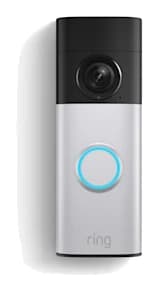
- Also GreatRing Battery Doorbell 2K PlusWhy we picked it →
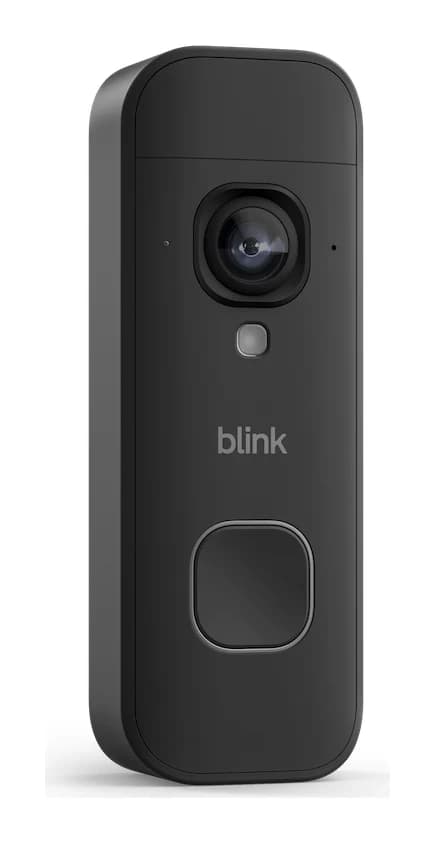
- Best ValueBlink Battery Doorbell 2K+Why we picked it →

Frequently asked questions
Is the TP-Link Tapo D225 worth it?
It can be if you want AI detection and local storage without monthly fees. It averages 7.5/10 across 2 expert reviews, and reviewers praise its features and flexibility. They criticise its bulk, lack of HDR and inconsistent color night vision.
Does the Tapo D225 need a subscription?
No. AI detection of people, pets, vehicles and packages works without a subscription. Tapo Care cloud storage is optional, and you can use a microSD card up to 512 GB instead.
Can the Tapo D225 be hardwired?
Yes. It runs on a 10000 mAh rechargeable battery or hardwires to existing doorbell wiring. Hardwired mode also enables 24/7 continuous recording with up to 4 seconds of pre-roll.
How long does the Tapo D225 battery last?
TP-Link rates the built-in battery at up to 8 months. Reviewers note that busy areas drain it faster, so real-world life depends on how often the doorbell is triggered.
Does the Tapo D225 work with Alexa and Google Assistant?
Yes. The specs list smart integration with both Google Assistant and Amazon Alexa.
Does the Tapo D225 come with a chime?
Yes. An indoor chime is included in the box. The microSD card for local storage is sold separately.
Sources
Specs are taken from the manufacturers' official pages; expert recommendations from the publications below.
- TP-Link Tapo D225 Video Doorbell: tp-link.com, us.store.tapo.com, trustedreviews.com, bhphotovideo.com
Related reviews & guides
Best Video Doorbell 2026: 5 Top Picks Compared
The best video doorbell depends on your wiring, storage and smart home setup. We compare five picks on manufacturer specs and expert recommendations.
Published Oct 17, 2026
Ring Battery Doorbell 2K Plus Review: Is 2K Enough?
The Ring Battery Doorbell 2K Plus pairs a head-to-toe 2K view with a Quick Release battery and optional wired trickle-charging. Here is what the specs and expert reviews say, and who should skip it.
Published Oct 25, 2026
TP-Link Tapo L535E Review (2026): Bright Matter Bulb
A bright, hub-free Matter color bulb that works across Apple Home, Google Home and Alexa. Here is what it does well, where reviewers see weaknesses, and who should skip it.
Published Oct 29, 2026