Amazon Fire TV Stick 4K Max (2nd Gen) Review: Who Needs It?
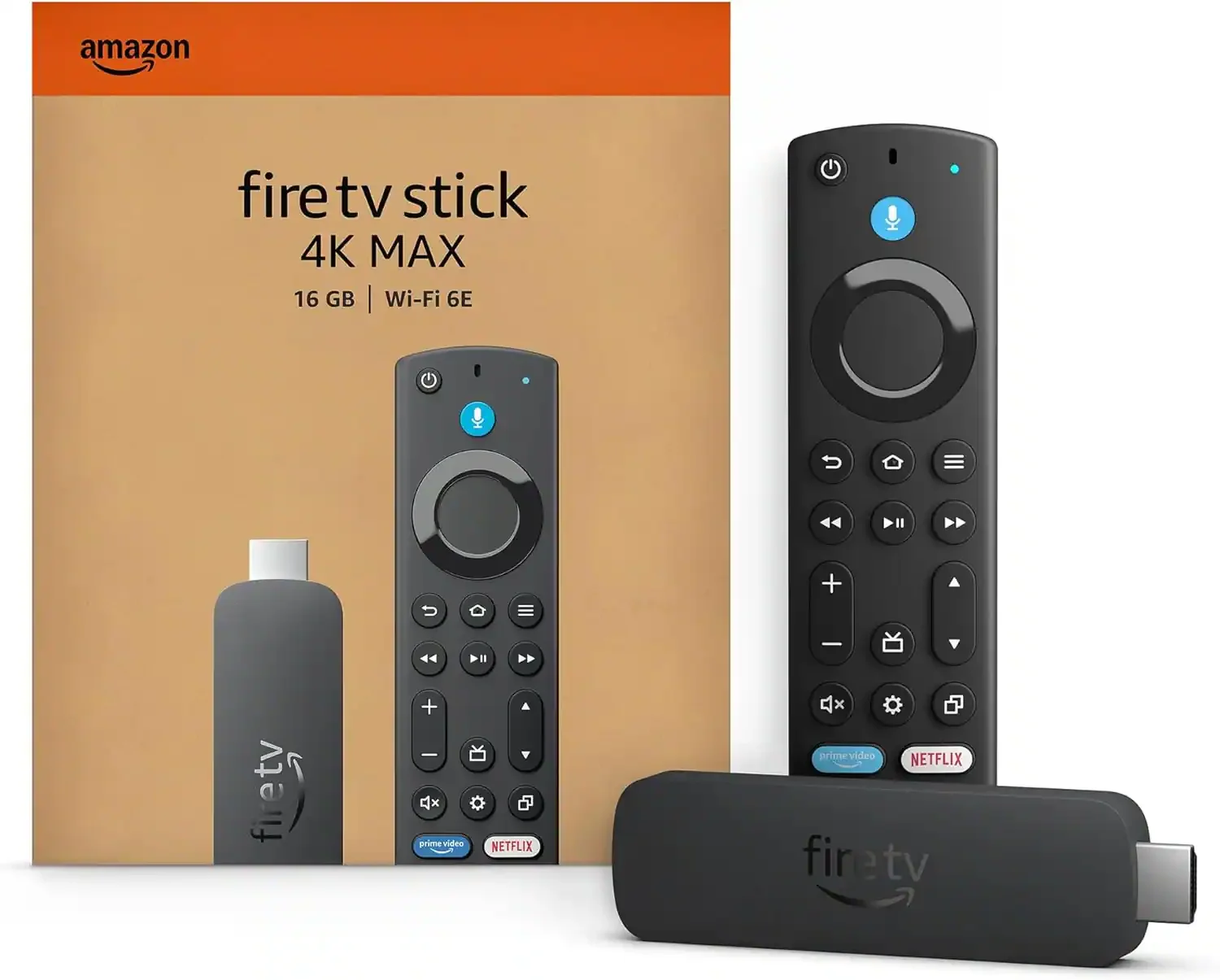
A close look at the Fire TV Stick 4K Max (2nd Gen): quick performance, broad HDR and Atmos support, and the Amazon-heavy interface reviewers criticise.
Research-based · We earn from qualifying purchases
Our verdict
The Fire TV Stick 4K Max (2nd Gen) is a fast, capable 4K HDR streamer with broad app support, best for anyone buying their first or an older stick. Owners of the 1st-gen 4K Max can skip it, as can anyone who dislikes Amazon's ad-heavy interface.
The good
- Fast quad-core processor gives quick app launches and a responsive interface
- Dolby Vision, HDR10+ and Dolby Atmos support for strong 4K picture and sound
- 16 GB storage, double the 8 GB on Amazon's other sticks
- Supports almost every major streaming app
- Alexa Voice Remote Enhanced adds TV control and handy recents and channel buttons
+2 more
- Supports almost every major streaming app
- Alexa Voice Remote Enhanced adds TV control and handy recents and channel buttons
The bad
- Only a minor upgrade over the 1st-gen 4K Max, so owners shouldn't bother
- Wi-Fi 6E showed little real-world benefit and needs a 6E router
- Amazon-centric, ad-heavy interface
- Still uses micro-USB rather than USB-C
+1 more
- Still uses micro-USB rather than USB-C
If you are weighing up this amazon fire tv stick 4k max (2nd gen) review against a stack of streaming devices, the main question is simple: does a small stick that plugs into the back of your TV deserve to be the top tier of Amazon's range? It sits in the mid-range part of the market and is aimed at people whose current streamer is old, slow or stuck on a lower resolution. That makes it a natural fit for buyers upgrading from an older, slower stick. This review is based on manufacturer specs and what independent experts report, not hands-on testing by us.
Amazon Fire TV Stick 4K Max (2nd Gen): specs at a glance
From the manufacturer- GPU
- 850 MHz
- RAM
- 2 GB
- Audio
- Dolby Atmos, 7.1 surround sound
- Ports
- HDMI ARC output and micro-USB
- Wi-Fi
- Wi-Fi 6E tri-band: 802.11 a/b/g/n/ac/ax (2.4 GHz, 5 GHz and 6 GHz)
- Remote
- Alexa Voice Remote Enhanced
- Weight
- 43.5 g
- Storage
- 16 GB
- Bluetooth
- Bluetooth 5.2 + BLE
- Processor
- Quad-core 2.0 GHz
- HDR formats
- Dolby Vision, HDR10, HDR10+, HLG
- Max resolution
- 2160p up to 60 fps
- Size (housing)
- 99 x 30 x 14 mm
- Operating system
- Fire OS 8 (Android 11)
Key features
- 4K Ultra HD streaming with Dolby Vision, HDR10+ and Dolby Atmos support
- Wi-Fi 6E tri-band support for smoother streaming (needs a 6E router)
- Fast 2.0 GHz quad-core processor for quick app launches
- 16 GB storage, double the 8 GB of Amazon's other sticks
- Ambient Experience turns the TV into an art and smart-display screen
- Alexa Voice Remote Enhanced with recents and channel buttons, and TV control
- Smart home control for compatible cameras, lights and other devices
- Cloud gaming via Xbox Game Pass Ultimate or Amazon Luna
What the Fire TV Stick 4K Max (2nd Gen) is
The 2nd-gen 4K Max is Amazon's higher-end streaming stick. It outputs up to 2160p at 60 fps and supports Dolby Vision, HDR10, HDR10+ and HLG. It runs Fire OS 8, which is built on Android 11, and it is controlled by the Alexa Voice Remote Enhanced.
It averages 8.4/10 across 3 expert reviews. Dong Knows Tech gives it 8.1/10, Tech Advisor scores it 4/5 and Cord Busters scores it 4.5/5. That is a solid showing, but the criticisms are just as consistent as the praise, and we cover both below.
Design and build
The housing measures 99 x 30 x 14 mm and weighs 43.5 g. It is a compact stick that tucks behind or beside the TV rather than sitting in front of it like a set-top box. For most people that means it disappears from view, which is the point.
The port situation is basic. There is an HDMI ARC output and a micro-USB port. Reviewers flag the micro-USB as a drawback because it is a dated connector in a product at this level, and anyone who has standardised on USB-C will notice. It is a fair mark against an otherwise modern device.
The remote is the Alexa Voice Remote Enhanced. Beyond the usual voice search, it adds recents and channel buttons, and it can control your TV. Reviewers praise the remote's TV control and its recents and channel buttons.
Performance: the quad-core processor and 16 GB of storage
Speed is the main reason to choose this stick. It uses a quad-core 2.0 GHz processor, an 850 MHz GPU and 2 GB of RAM. In practice, reviewers say this translates into quick app launches and a responsive interface. That matters more than it sounds. A streaming stick is something you interact with every time you sit down to watch, and slow menus quickly become irritating.
Storage is 16 GB, which Amazon points out is double the 8 GB found on its other sticks. Apps and their cached data take up space, so the extra room gives you more headroom if you install a lot of apps or games. It is one of the more tangible differences between this model and the cheaper options in Amazon's own range.
Picture and sound
The format support is thorough. Dolby Vision, HDR10+ and HDR10 cover the main HDR standards, and HLG is included too. Whether you get the full benefit depends on your TV, since the stick can only pass along what the screen is able to display. Reviewers praise the picture and sound support as a strong point for a streamer in this class.
On the audio side, it supports Dolby Atmos and 7.1 surround sound. Atmos only pays off when you pair it with a compatible soundbar or receiver and content that carries it. If you are thinking about the audio side of the setup, our reviews of the Sonos Beam (Gen 2) and the Samsung HW-Q800F cover two Atmos-capable soundbars.
Connectivity: Wi-Fi 6E and Bluetooth
This is a Wi-Fi 6E tri-band device, covering 2.4 GHz, 5 GHz and 6 GHz. On paper, that promises smoother streaming. The catch is that you need a 6E router to use the 6 GHz band, and reviewers report that Wi-Fi 6E showed little real-world benefit. If your router is older, you will not see any difference, and even with a 6E router the gains were modest according to experts.
Bluetooth 5.2 with BLE is also included, which covers pairing accessories and other nearby devices.
Features that matter day to day
Beyond streaming, the stick has a few extras worth knowing about:
- Ambient Experience: when you are not watching anything, it can turn the TV into an art display or smart-display screen. Whether that appeals depends on how you feel about your TV showing something while idle.
- Smart home control: it can control compatible cameras, lights and other devices.
- Cloud gaming: Xbox Game Pass Ultimate and Amazon Luna both work through the stick. It does not turn the stick into a console, but it opens up games without extra hardware.
- App support: reviewers note that it supports almost every major streaming app, which means you are unlikely to find a service missing.
If Alexa already runs your home, the smart-home and voice features will feel natural. If you are weighing Alexa hardware more broadly, our reviews of the Amazon Echo Dot (5th Gen) and the Amazon Echo Spot (2024) are useful companions.
What experts like and what they criticise
The praise is consistent. Reviewers like the fast processor and the responsive feel it gives the interface. They like the Dolby Vision, HDR10+ and Dolby Atmos support, the extra storage, the wide app support and the improved remote with TV control and recents and channel buttons.
The criticisms are also consistent, and they are worth weighing carefully:
- A minor upgrade over the 1st-gen 4K Max. Reviewers say that if you already own the earlier model, there is little reason to switch.
- Wi-Fi 6E gives little real-world benefit and needs a 6E router to matter at all.
- The interface is Amazon-centric and ad-heavy. A common criticism is that the home screen pushes Amazon content and promotions. If that bothers you, the stick's speed will not fix it.
- It still uses micro-USB rather than USB-C.
The interface complaint is the one most likely to shape your day-to-day experience, so it deserves real thought before you buy.
Who should buy it
This stick makes the most sense for someone whose current streamer is slow, outdated or limited in what it can display. The quad-core processor, Dolby Vision and HDR10+ support, extra storage and improved remote add up to a clear step up from an older stick. It also suits people who want a broad app selection without worrying about missing services, and Alexa households that will make use of the smart home and voice features.
It is also a reasonable pick if you plan to dabble in cloud gaming, since Xbox Game Pass Ultimate and Amazon Luna are both supported.
Who should skip it
If you already own the 1st-gen 4K Max, reviewers are clear that this is not worth the swap. The same goes for anyone who dislikes Amazon's ad-heavy, Amazon-first interface, since that is built into the experience. And if you are buying specifically for Wi-Fi 6E, be aware that it needs a compatible router and that experts saw little practical benefit.
How it fits in its category
The 4K Max has 16 GB of storage (double the 8 GB on Amazon's other sticks) and a fast quad-core 2.0 GHz processor. It is the option for people who want the smoothest experience from a stick rather than the cheapest way onto 4K streaming. The trade-offs are the usual ones for this kind of device: the ecosystem is Amazon's, and the interface reflects that.
Verdict
The Fire TV Stick 4K Max (2nd Gen) is a capable, fast streamer that does the core job well: quick navigation, broad HDR and Atmos support, and almost every major app. Its weaknesses are mostly about what it isn't. It is not a meaningful upgrade for owners of the earlier 4K Max, its Wi-Fi 6E is of limited practical use, it clings to micro-USB, and it sits inside an interface that leans heavily on Amazon. For anyone replacing an older stick, the 8.4/10 expert average is a fair reflection of a strong, if unremarkable, all-rounder.
Related buying guides
Not sure about the Amazon Fire TV Stick 4K Max (2nd Gen)? Consider these
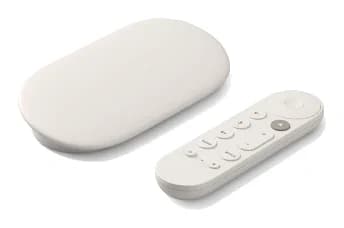
- Best OverallGoogle TV Streamer (4K)Why we picked it →
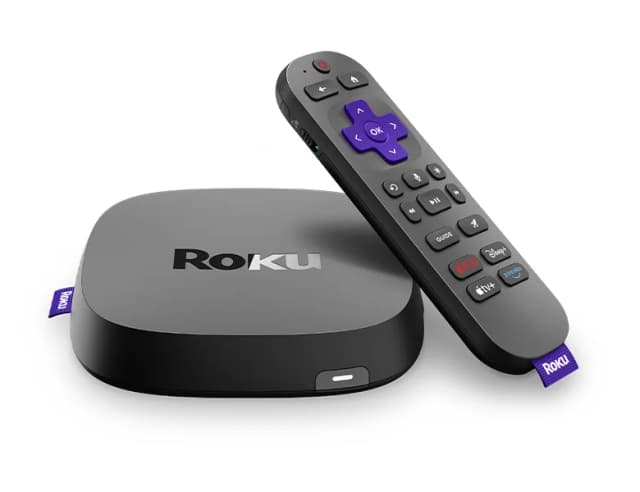
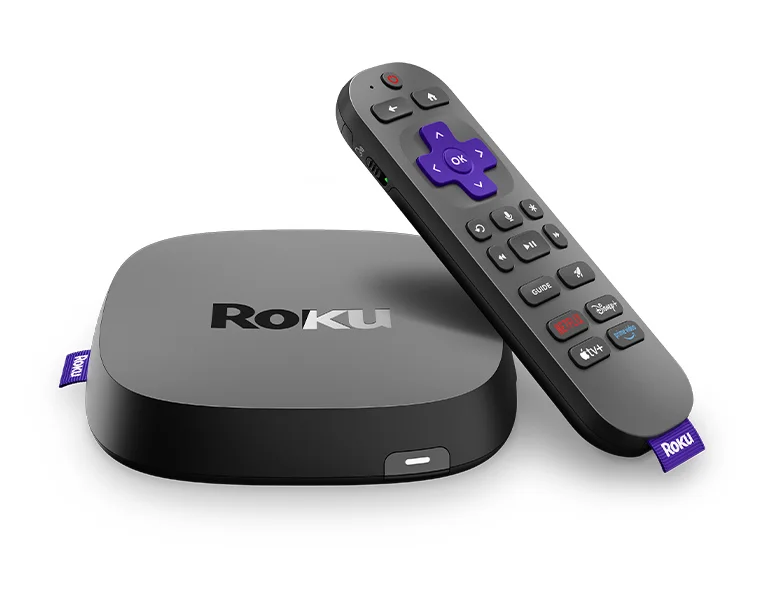
- Premium PickRoku Ultra 4850RWhy we picked it →
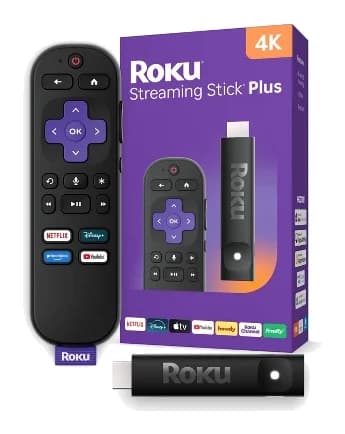
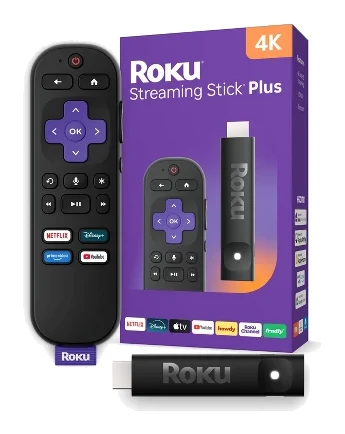
- Best BudgetRoku Streaming Stick PlusWhy we picked it →
Frequently asked questions
Is the Amazon Fire TV Stick 4K Max (2nd Gen) worth it?
For anyone upgrading from an older, slower streaming stick, reviewers say yes. It averages 8.4/10 across 3 expert reviews and is praised for its fast processor, HDR and Atmos support, and broad app support. It is not worth it if you already own the 1st-gen 4K Max.
Does the Fire TV Stick 4K Max (2nd Gen) support Dolby Vision and Dolby Atmos?
Yes. It supports Dolby Vision, HDR10, HDR10+ and HLG for picture, plus Dolby Atmos and 7.1 surround sound for audio. You will need a TV and audio setup that supports those formats to get the full effect.
Do I need a Wi-Fi 6E router for the Fire TV Stick 4K Max (2nd Gen)?
No, it works with other Wi-Fi networks too. The 6 GHz band only works with a 6E router, and reviewers found Wi-Fi 6E gave little real-world benefit.
How much storage does the Fire TV Stick 4K Max (2nd Gen) have?
It has 16 GB of storage and 2 GB of RAM. Amazon says that is double the 8 GB found on its other sticks.
Can you play games on the Fire TV Stick 4K Max (2nd Gen)?
Yes, through cloud gaming. It supports Xbox Game Pass Ultimate and Amazon Luna, so the games stream rather than run locally on the stick.
Is the Fire TV Stick 4K Max (2nd Gen) a big upgrade over the 1st-gen 4K Max?
No. Reviewers describe it as a minor upgrade, so owners of the 1st-gen model have little reason to switch.
Sources
Specs are taken from the manufacturers' official pages; expert recommendations from the publications below.
- Amazon Fire TV Stick 4K Max (2nd Gen): dongknows.com, tomsguide.com, expertreviews.co.uk, techadvisor.com
Related reviews & guides
Best Streaming Devices 2026: Budget Sticks to Smart Hubs
Five streaming devices compared on picture formats, Wi-Fi, Ethernet, storage and remotes, from a smart home hub to compact budget sticks.
Published Oct 14, 2026
Insignia NS-55F501NA26 Review (2026): Simple 4K Fire TV
A look at the Insignia F50 Series 55" 4K Fire TV: a straightforward, big-screen streaming set for bedrooms and dens, with clear limits on HDR, motion and sound.
Published Oct 28, 2026Google TV Streamer (4K) Review: Fast, With a Hub Inside
A look at the Google TV Streamer (4K) based on manufacturer specs and expert reviews: fast navigation, Dolby Vision and Atmos, a smart home panel, and the trade-offs.
Published Oct 23, 2026