Best Smart Telescopes 2026: Ultra-Portable to Observatory
Five smart telescopes compared, from the 840g Dwarf Mini to the 18.87 kg Celestron Origin Mark II. We cover aperture, sensors, battery, portability and who each one suits.
13 products compared · Research-based · Affiliate links
We earn a commission from qualifying purchases made through our links, at no extra cost to you. It never decides our picks. How we make money
Which one should you buy?
Our picks by what matters to you · details below ↓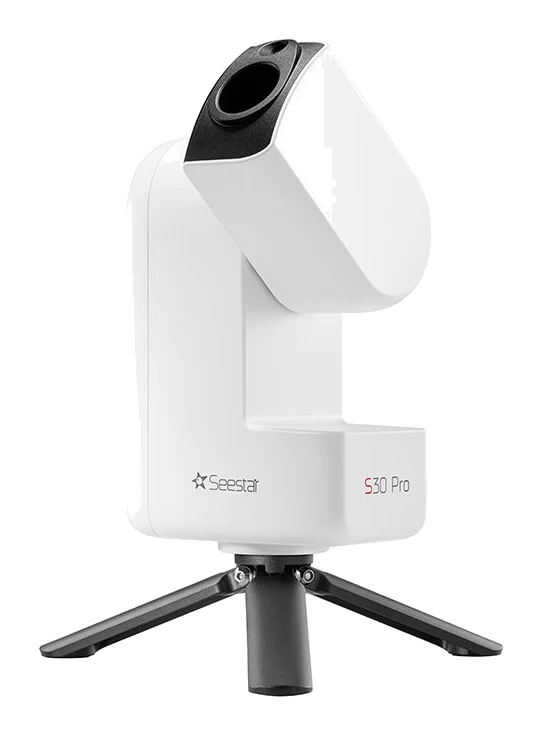
Best for: Beginners wanting portable, automated deep-sky and solar imaging
Check price on Amazon- Best ValueDWARFLAB Dwarf MiniBest for: Travelers wanting the smallest, lightest automated smart telescopeCheck price
- Best BudgetDWARFLAB Dwarf 3Best for: Budget-minded beginners wanting 4K imaging in a carry-on sizeCheck price
- Also GreatUnistellar eQuinox 2Best for: Urban stargazers wanting a larger aperture and long battery lifeCheck price
- Premium PickCelestron Origin Mark II Intelligent Home ObservatoryBest for: Serious hobbyists wanting a powerful, fully automated home observatoryCheck price
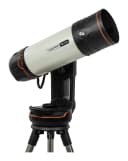
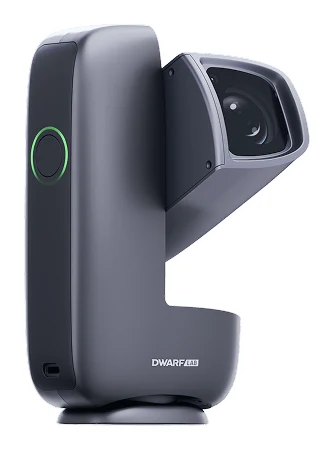
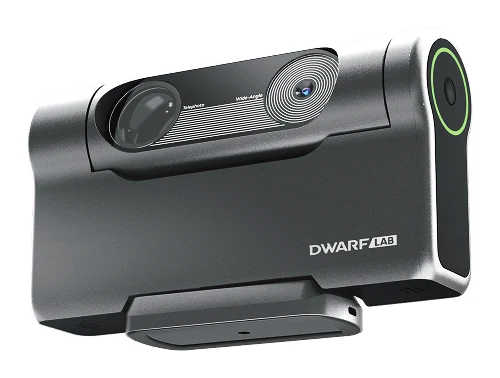
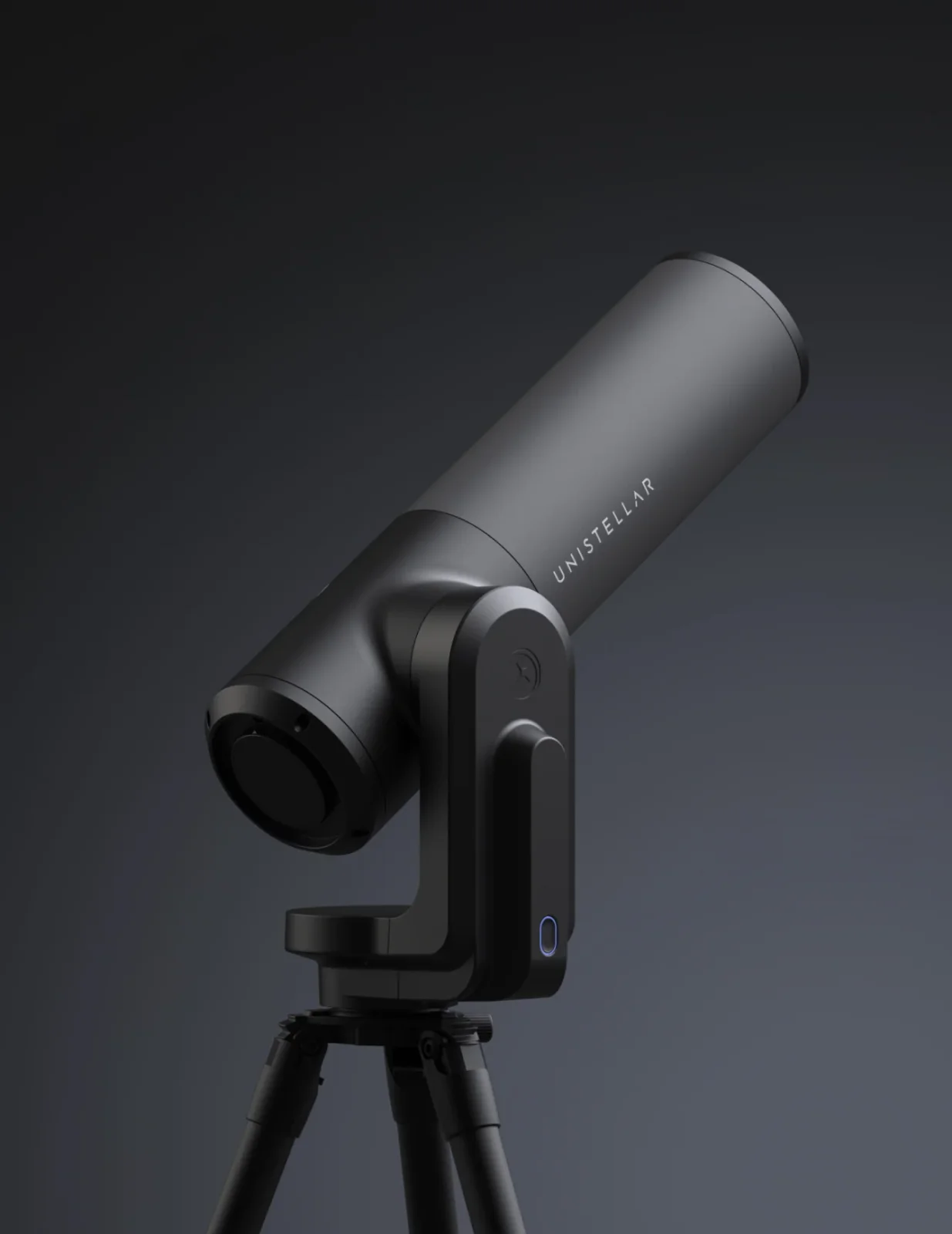
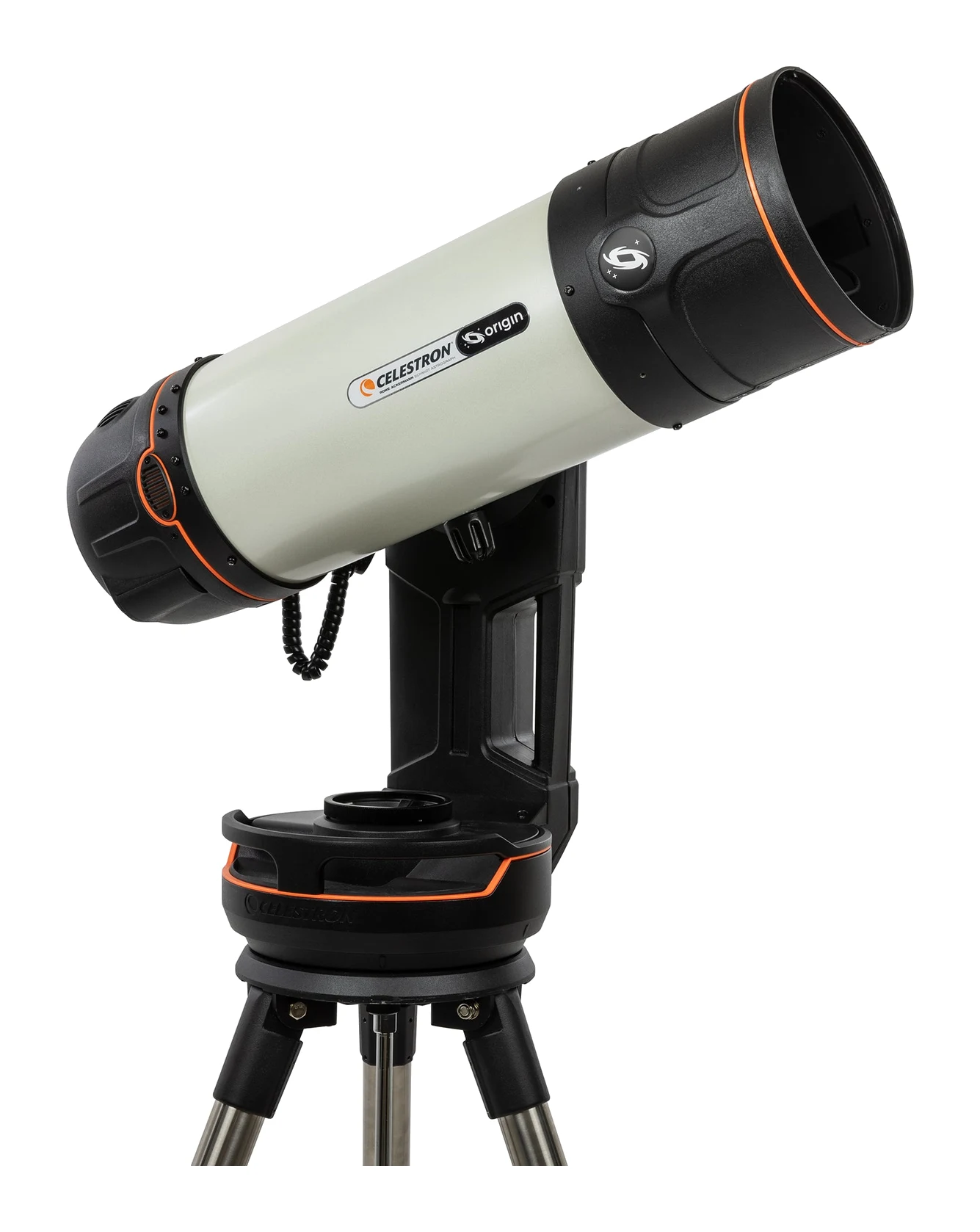
The best smart telescopes take most of the hard work out of astronomy. They find the target, track it and stack the exposures for you, so a phone or tablet shows a finished image instead of a blurry dot. This guide compares five options, from an ultra-portable 840g unit to a heavy home-observatory system, so you can match one to your sky, your budget and the way you like to observe.
This guide is based on manufacturer specifications and on what independent expert guides recommend. It is not based on hands-on testing. This guide compares five smart telescopes that suit different kinds of buyers.
The best smart telescopes at a glance
| Pick | Label | Aperture | Sensor resolution | Weight | Best for | Buy |
|---|---|---|---|---|---|---|
| ZWO Seestar S30 Pro | Best Overall | 30mm (telephoto) | 8.3MP | 1.65 kg | Beginners wanting portable, automated deep-sky and solar imaging | Check price |
| DWARFLAB Dwarf Mini | Best Value | 30mm | 2.1 MP | 840g | Travelers wanting the smallest, lightest option | Check price |
| DWARFLAB Dwarf 3 | Best Budget | 35mm (telephoto) | 8.3MP | 1.3 kg | Budget-minded beginners wanting 4K imaging in a carry-on size | Check price |
| Unistellar eQuinox 2 | Also Great | 114mm | 6.2MP | 9kg | Urban stargazers wanting a larger aperture and long battery life | Check price |
| Celestron Origin Mark II | Premium Pick | 152 mm | 8.3MP | 18.87 kg | Serious hobbyists wanting a fully automated home observatory | Check price |
ZWO Seestar S30 Pro: Best Overall for Portable Automated Imaging
Best for: Beginners wanting portable, automated deep-sky and solar imaging
The Seestar S30 Pro packs two 4K cameras, a corrected optical design and fully automatic operation into a very portable body. Eleven expert recommendations back it as a well-rounded entry into smart-telescope imaging.
Read our full ZWO Seestar S30 Pro review →- Weight
- 1.65 kg
- Warranty
- 2 years (1 year battery)
- Aperture
- 30mm (telephoto); 3.4mm (wide-angle)
- GoTo mount
- Alt-azimuth motorized with equatorial mode support
- Connectivity
- Wi-Fi 5G/2.4G, Bluetooth, USB Type-C, NFC
- Focal length
- 160mm (telephoto); 6mm (wide-angle)
Reasons to buy
- Dual 8.3MP cameras cover both deep-sky and wide-field Milky Way shots
- Apochromatic quadruplet lens with ED glass for well-corrected stars
- Autonomous GoTo finds, tracks and stacks with no polar alignment
- Solar, light-pollution and dark-frame filters work for day and night
- Light at 1.65 kg with a 6-hour battery
Reasons to avoid
- 30mm aperture limits light gathering versus larger telescopes
- Narrow 4.6° telephoto field suits close targets more than sprawling ones
- TelescopicWatch
- 9.4
- Skies & Scopes
- 8.7
- Telescope Advisor
- 8.6
- Telescoop (Dutch review)
- 9.0
The ZWO Seestar S30 Pro is our Best Overall pick for beginners who want portable, automated deep-sky and solar imaging. Its autonomous GoTo mount finds, tracks and stacks targets with no polar alignment, and it is recommended in 11 independent expert guides.
Keep reading about ZWO Seestar S30 Pro
Two 8.3MP (3840×2160) cameras cover both a 160mm telephoto view and a 6mm wide-angle view. The telephoto has a 4.6° field of view and the wide-angle a 63° field, so one device handles deep-sky targets and wide Milky Way scenes. The optics are a 4-element apochromatic quadruplet lens with ED glass, designed to keep stars sharp and well corrected across the telephoto field.
Built-in solar, light-pollution and dark-frame filters let you observe the sun in daytime and image from light-polluted skies at night. It weighs 1.65 kg, has a 6-hour battery and 128GB of storage, and connects through Wi-Fi, Bluetooth, USB Type-C and NFC. The Seestar app runs on iOS and Android. Reviewers are positive: Skies & Scopes gives it 8.7 out of 10 and TelescopicWatch 4.7 out of 5.
The trade-off
The 30mm aperture limits light gathering compared with larger telescopes. The narrow 4.6° telephoto field also suits close targets better than sprawling ones. If you want the largest possible view of faint objects, look further down this list.
DWARFLAB Dwarf Mini: Best Value for Ultra-Light Travel
Best for: Travelers wanting the smallest, lightest automated smart telescope
The Dwarf Mini is the lightest option here and still offers GoTo, stacking, built-in filters and equatorial-mode exposures. It's a strong pick for travelers who prioritize size and simplicity over resolution.
- Weight
- 840g (1.85 lbs)
- Warranty
- 2 years (AUS market)
- Aperture
- 30mm
- GoTo mount
- Yes, Alt-azimuth with equatorial (EQ) mode
- Connectivity
- Wi-Fi (2.4/5 GHz), Bluetooth 5.0, USB-C
- Focal length
- 150mm
Reasons to buy
- Only 840g, making it extremely easy to carry anywhere
- Sony IMX662 sensor aimed at low-noise astrophotography
- Dual lenses: 30mm f/5 telephoto plus a wide-angle
- 90-second exposures in equatorial mode for deep-sky work
- Automated GoTo tracking and stacking through the smartphone app
Reasons to avoid
- 2MP resolution is lower than 8MP rivals
- About 4 hours of battery runtime is on the short side
- TelescopicWatch
- 9.4
- Sky at Night Magazine
- 10.0
- Impulse Gamer
- 9.6
- Digital Camera World
- 8.0
The DWARFLAB Dwarf Mini earns Best Value as the lightest automated smart telescope here, at just 840g. It suits travelers who put size and simplicity ahead of resolution. Seven independent expert guides recommend it.
Keep reading about DWARFLAB Dwarf Mini
Despite its size, it keeps the features that matter. Automated GoTo tracking and image stacking run through the smartphone app on Android and iOS. A 30mm f/5 telephoto lens is paired with a wide-angle lens, and built-in filters cover dark frames, nebulae and light-pollution reduction. In equatorial mode it can take 90-second exposures for deep-sky work. The manufacturer bills it as the world's smallest smart telescope.
The sensor is a Sony IMX662 (1/2.8-inch, 2.1 MP, 1920×1080), aimed at low-noise astrophotography. The unit has 64 GB of internal storage and a 7000 mAh battery. Reviewers rate it highly: Sky at Night Magazine gives it 5 out of 5, and TelescopicWatch 4.7 out of 5.
The trade-off
The 2MP resolution is lower than the 8MP rivals. About 4 hours of battery runtime is also on the short side, so plan a recharge or a power bank for longer nights. Buy it for portability, not for the sharpest possible output.
DWARFLAB Dwarf 3: Best Budget for Carry-On 4K Imaging
Best for: Budget-minded beginners wanting 4K imaging in a carry-on size
The Dwarf 3 pairs a high-resolution 4K sensor with carry-on portability and built-in solar and light-pollution filters. Ten expert recommendations make it a solid, affordable way to start in astrophotography.
- Weight
- 1.3 kg (2.9 lbs)
- Warranty
- 2 years
- Aperture
- 35mm (telephoto), 3.4mm (wide-angle)
- GoTo mount
- Alt-azimuth with equatorial (EQ) mode
- Connectivity
- Wi-Fi 5GHz, Bluetooth 4.0, NFC one-touch connection
- Focal length
- 150mm (telephoto), 6.7mm (wide-angle); 737mm equivalent (telephoto), 45mm equivalent (wide-angle)
Reasons to buy
- 8.3MP Sony IMX678 Starvis 2 sensor with advanced image stacking
- Dual lenses: 35mm telephoto and 3.4mm wide-angle
- Equatorial mode supports 60-second exposures
- 1.3 kg and fits in airline carry-on luggage
- 10,000 mAh battery runs about 5.5 hours
Reasons to avoid
- Bluetooth 4.0 is older than the standard on some rivals
- Small 35mm aperture limits faint-object light collection
- Sky at Night Magazine
- 8.0
- Digital Camera World
- 8.0
- TechRadar
- 9.0
- WhichScope
- 8.3
The DWARFLAB Dwarf 3 is the Best Budget pick for beginners who want 4K imaging in a package that fits airline carry-on luggage. At 1.3 kg, it pairs an 8.3MP sensor with GoTo tracking and built-in filters. Ten independent expert guides recommend it.
Keep reading about DWARFLAB Dwarf 3
The sensor is a Sony IMX678 Starvis 2 with advanced image stacking. The dual-lens system has a 35mm telephoto and a 3.4mm wide-angle lens, so you can image by day or by night. Equatorial (EQ) mode supports 60-second exposures. Built-in filters cover light pollution, deep-sky and solar observation.
The 10,000 mAh built-in battery runs about 5.5 hours, and storage is 128GB eMMC. You connect by Wi-Fi 5GHz, Bluetooth 4.0 or NFC one-touch, using the DwarfLab app on iOS or Android. Reviewers are broadly positive, including 4.5 out of 5 from TechRadar and 4 out of 5 from Sky at Night Magazine.
The trade-off
Bluetooth 4.0 is older than the standard on some rivals, and the small 35mm aperture limits how much light it collects from faint objects. If your priority is the lightest possible kit, the Dwarf Mini is smaller. If you want the higher-resolution 8.3MP sensor, the Dwarf 3 is the one to pick of the two.
Unistellar eQuinox 2: Also Great for City-Sky Stargazing
Best for: Urban stargazers wanting a larger aperture and long battery life
The eQuinox 2 brings a large 114mm aperture, automatic alignment and long battery life to city and suburban observing. It leans toward visual, shared observing sessions more than ultra-portable travel.
- Weight
- 9kg (telescope 7kg, tripod 2kg)
- Warranty
- 2 years
- Aperture
- 114mm
- GoTo mount
- Motorized Alt-Azimuth with Autonomous Field Detection
- Connectivity
- WiFi, iOS/Android app control
- Focal length
- 450mm
Reasons to buy
- 114mm aperture gathers far more light than compact smart scopes
- Light Pollution Reduction helps with urban skies
- Autonomous Field Detection aligns and tracks in seconds
- Access to 5000+ celestial objects through the app
- 11-hour battery and 64GB storage suit long sessions
Reasons to avoid
- 9kg total weight makes it less portable than pocket-size rivals
- 6.2MP sensor trails the 8.3MP resolution of some competitors
- Sky at Night Magazine
- 9.0
- Space.com
- 9.0
- Live Science
- 9.0
- Skies & Scopes
- 7.5
The Unistellar eQuinox 2 is the Also Great pick for urban stargazers who want a larger aperture and a long battery life. Its 114mm aperture gathers far more light than the compact smart scopes here. Nine independent expert guides recommend it.
Keep reading about Unistellar eQuinox 2
Smart Light Pollution Reduction technology is aimed at clearer views from urban skies. Autonomous Field Detection aligns and tracks the night sky automatically in seconds. The optics are f/4 with a 450mm focal length, and the 6.2MP sensor uses live image stacking. The app on iOS and Android controls the motorized alt-azimuth GoTo mount and gives access to 5000+ celestial objects. The listed limiting magnitude is 18.2.
The 11-hour battery and 64GB of onboard storage suit long sessions and sharing images afterward. Reviewers rate it well, with Sky at Night Magazine, Space.com and Live Science each giving it 4.5 out of 5, and Skies & Scopes 7.5 out of 10.
The trade-off
At 9kg total (7kg telescope, 2kg tripod), it is much less portable than the ultra-portable options. The 6.2MP sensor also trails the 8.3MP resolution of some competitors. It leans toward visual, shared observing sessions at home rather than ultra-portable travel.
Celestron Origin Mark II Intelligent Home Observatory: Premium Pick for Home Observatory Imaging
Best for: Serious hobbyists wanting a powerful, fully automated home observatory
The Origin Mark II is a home-observatory-class system with fast optics, automated alignment and focus, and dew control. It suits dedicated hobbyists who want serious imaging power and don't mind a heavy setup.
Read our full Celestron Origin Mark II Intelligent Home Observatory review →- Weight
- 18.87 kg (41.6 lb)
- Warranty
- Celestron 2 Years
- Aperture
- 152 mm (6 inches)
- GoTo mount
- Computerized GoTo altazimuth
- Connectivity
- Wi-Fi, Ethernet, 3 USB-A ports
- Focal length
- 335 mm
Reasons to buy
- 6-inch f/2.2 RASA design collects light quickly with a wide, flat field
- 8.3MP Sony IMX678 sensor with real-time AI stacking
- StarSense alignment and focus complete setup in under 2 minutes
- 97.9 Wh LiFePO4 battery with automated dew prevention
- Wi-Fi, Ethernet and three USB-A ports for flexible connections
Reasons to avoid
- At 18.87 kg, it is heavy and hard to move
- Premium tier positioning puts it beyond casual buyers
- BBC Sky at Night Magazine
- 9.0
- Space.com
- 8.0
- Telescope Advisor
- 8.4
The Celestron Origin Mark II is the Premium Pick for serious hobbyists who want a powerful, fully automated imaging system at home. It combines a 6-inch f/2.2 RASA design with automated alignment, focus and dew prevention. Eight independent expert guides recommend it.
Keep reading about Celestron Origin Mark II Intelligent Home Observatory
The RASA optics are built for ultra-fast light collection and a wide, flat field of view. The aperture is 152 mm (6 inches) with a 335 mm focal length and a 1.32° x 0.75° field of view. An 8.3MP Sony IMX678 Starvis 2 color sensor feeds automated real-time AI stacking and processing. StarSense alignment and focus complete setup in under 2 minutes.
An integrated 97.9 Wh LiFePO4 battery gives 6+ hours of runtime. Connections include Wi-Fi, Ethernet and three USB-A ports. The Celestron Origin app on iOS 16 or higher and Android 12 or higher streams images to a phone or tablet. Reviewers rate it well: Sky at Night Magazine gives it 4.5 out of 5, Telescope Advisor 4.2 out of 5 and Space.com 4 out of 5.
The trade-off
At 18.87 kg, it is heavy and hard to move, and its premium positioning puts it beyond casual buyers. It makes the most sense as a system you set up regularly rather than one you carry on trips.
Compare our picks side by side
The specs most of our picks share, from each maker’s spec page (— = not published). Expert score = the average of published expert reviews, which rate each product for its price. Scroll sideways on small screens.
| Spec | ZWO Seestar S30 Pro | DWARFLAB Dwarf Mini | DWARFLAB Dwarf 3 | Unistellar eQuinox 2 | Celestron Origin Mark II Intelligent Home Observatory |
|---|---|---|---|---|---|
| Best for | Best Overall | Best Value | Best Budget | Also Great | Premium Pick |
| Expert score | 8.9 | 9.3 | 8.3 | 8.6 | 8.5 |
| Price vs. these picks | Lower | Lower | Lower | Middle | Higher |
| Weight | 1.65 kg | 840g (1.85 lbs) | 1.3 kg (2.9 lbs) | 9kg (telescope 7kg, tripod 2kg) | 18.87 kg (41.6 lb) |
| Warranty | 2 years (1 year battery) | 2 years (AUS market) | 2 years | 2 years | Celestron 2 Years |
| Aperture | 30mm (telephoto); 3.4mm (wide-angle) | 30mm | 35mm (telephoto), 3.4mm (wide-angle) | 114mm | 152 mm (6 inches) |
| GoTo mount | Alt-azimuth motorized with equatorial mode support | Yes, Alt-azimuth with equatorial (EQ) mode | Alt-azimuth with equatorial (EQ) mode | Motorized Alt-Azimuth with Autonomous Field Detection | Computerized GoTo altazimuth |
| Connectivity | Wi-Fi 5G/2.4G, Bluetooth, USB Type-C, NFC | Wi-Fi (2.4/5 GHz), Bluetooth 5.0, USB-C | Wi-Fi 5GHz, Bluetooth 4.0, NFC one-touch connection | WiFi, iOS/Android app control | Wi-Fi, Ethernet, 3 USB-A ports |
| Focal length | 160mm (telephoto); 6mm (wide-angle) | 150mm | 150mm (telephoto), 6.7mm (wide-angle); 737mm equivalent (telephoto), 45mm equivalent (wide-angle) | 450mm | 335 mm |
| App compatibility | iOS and Android (Seestar app) | DWARFLAB app (Android and iOS) | iOS and Android via DwarfLab app | iOS & Android | iOS 16 or higher, Android 12 or higher |
| Computerized tracking | Alt-azimuth (Supports Equatorial Mode), Slew Rate 1X–1440X | Alt-azimuth and equatorial (EQ) mode | Yes (GoTo with auto-tracking) | Motorized Dawes Limit 1.02 arcseconds | Computerized GoTo altazimuth mount |
| Where to buy | Check price | Check price | Check price | Check price | Check price |
How to choose the best smart telescopes for you
Start with how much you want to carry
Weight is the biggest divider in this group. The Dwarf Mini (840g), Dwarf 3 (1.3 kg) and Seestar S30 Pro (1.65 kg) are easy to travel with. The eQuinox 2 (9kg) and Origin Mark II (18.87 kg) are better treated as home setups.
Aperture and light gathering
A larger aperture collects more light, which matters for faint objects. The compact models use 30mm to 35mm apertures, while the eQuinox 2 has 114mm and the Origin Mark II 152 mm. The trade is size and weight, so decide how often you will actually move the telescope.
Sensor resolution
The Seestar S30 Pro, Dwarf 3 and Origin Mark II all list 8.3MP sensors. The eQuinox 2 lists 6.2MP and the Dwarf Mini 2.1 MP. Higher resolution helps if you plan to crop or share large images, but a smaller sensor can still be satisfying if portability matters more.
Battery life
Listed battery figures range from about 4 hours on the Dwarf Mini to 11 hours on the eQuinox 2. If you image through long nights, battery life matters as much as optics. A short-runtime unit can still work with a power bank.
Sky conditions and filters
If you live under bright skies, look for light-pollution features. The Seestar S30 Pro, both DWARFLAB models and the eQuinox 2 all list light-pollution filtering or reduction. If daytime sun observation interests you, the Seestar S30 Pro and Dwarf 3 list built-in solar filters.
How we picked
We compared five smart telescopes using manufacturer specifications and the recommendations of independent expert guides. We also looked at what reviewers consistently praise and criticize. The guide is not based on hands-on testing. Labels reflect the role each product plays for a different kind of buyer. Prices change often, so use the check-price buttons for current offers.
Bottom line
For most newcomers, the ZWO Seestar S30 Pro is the easiest recommendation: two 8.3MP cameras, automated operation and solar capability in a light body. The DWARFLAB Dwarf Mini suits travelers who want the smallest kit, while the Dwarf 3 adds 8.3MP resolution in a carry-on size. If you observe mostly from a city or backyard, the Unistellar eQuinox 2 brings a large aperture and an 11-hour battery. The Celestron Origin Mark II is the choice for dedicated hobbyists who want an automated observatory and accept its weight.
Ready to buy?
 Best OverallZWO Seestar S30 ProCheck price
- Best ValueDWARFLAB Dwarf MiniCheck price
- Best BudgetDWARFLAB Dwarf 3Check price
- Also GreatUnistellar eQuinox 2Check price
- Premium PickCelestron Origin Mark II Intelligent Home ObservatoryCheck price
Frequently asked questions
What is the lightest smart telescope in this guide?
The DWARFLAB Dwarf Mini: 840g. It still offers GoTo tracking, image stacking and built-in filters, but its 2.1 MP sensor has lower resolution than the 8.3MP models here.
Which smart telescope has the largest aperture?
The Celestron Origin Mark II: 152 mm (6 inches). It is also the heaviest pick at 18.87 kg, so it suits a home setup more than travel.
Which smart telescope has the longest battery life?
The Unistellar eQuinox 2: an 11-hour battery. It also has 64GB of onboard storage, which suits long observing sessions.
What is the best smart telescope for beginners?
The ZWO Seestar S30 Pro. Its autonomous GoTo finds, tracks and stacks with no polar alignment, and it is recommended in 11 independent expert guides. The DWARFLAB Dwarf 3 is a good alternative if you want a carry-on-size 8.3MP option.
Can a smart telescope observe the sun?
The ZWO Seestar S30 Pro and DWARFLAB Dwarf 3 both list built-in solar filters for sun observation. Only use the solar filter the manufacturer provides, and follow its safety instructions.
Sources
Specs are taken from the manufacturers' official pages; expert recommendations from the publications below.
- ZWO Seestar S30 Pro: us.seestar.com, seestar.com, highpointscientific.com, zwoastro.com
- DWARFLAB Dwarf Mini: dwarflab.com, highpointscientific.com, space.com, telescopicwatch.com
- DWARFLAB Dwarf 3: dwarflab.com, skyatnightmagazine.com, astronomy.com, bhphotovideo.com
- Unistellar eQuinox 2: shop.unistellar.com, space.com, astroprices.com, skyatnightmagazine.com
- Celestron Origin Mark II Intelligent Home Observatory: celestron.com, bhphotovideo.com, highpointscientific.com, sterngucker.de
More buying guides
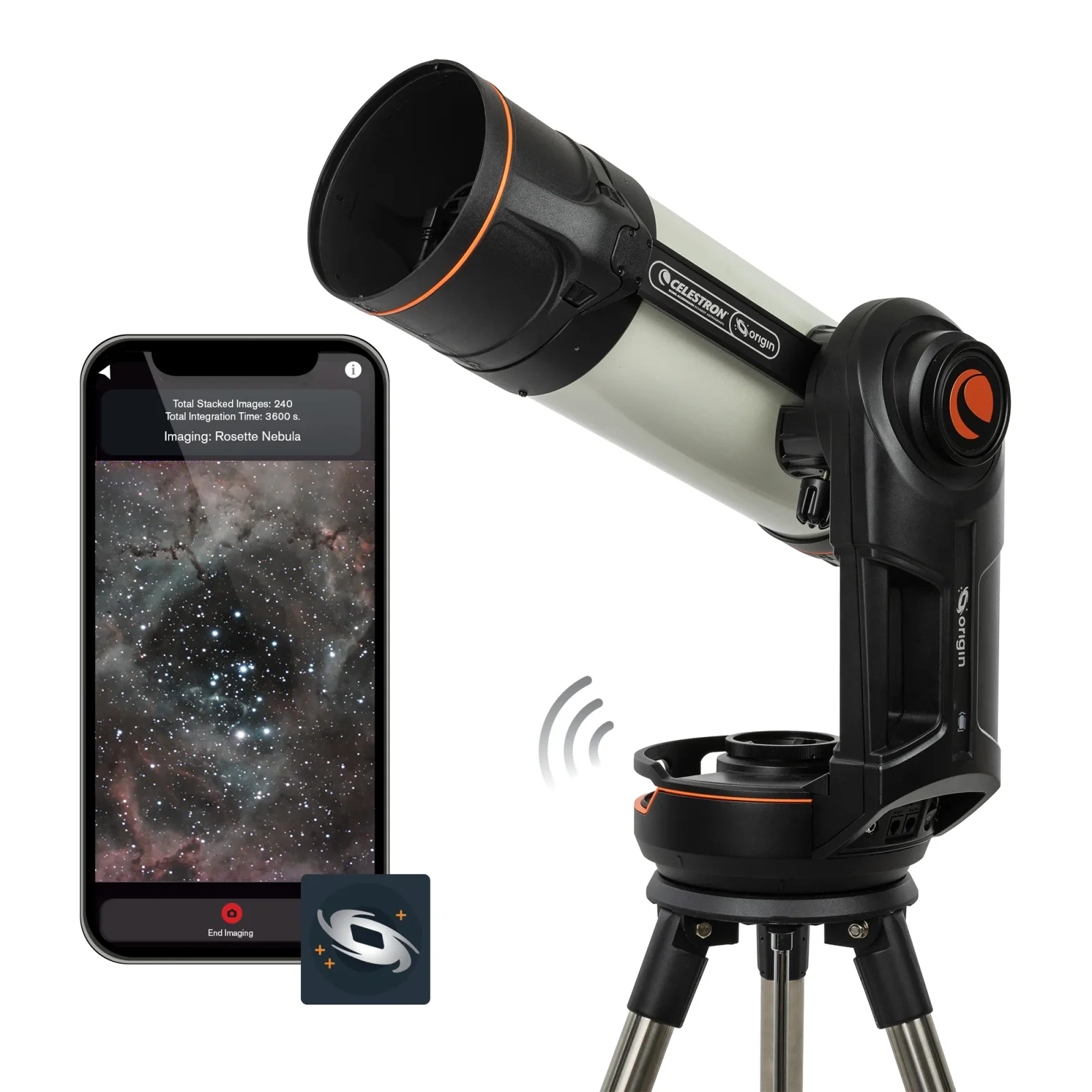
Celestron Origin Mark II Review (2026): Hands-Off Deep Sky
A look at the Celestron Origin Mark II: f/2.2 RASA optics, StarSense auto-setup, live AI stacking and an integrated battery, plus what reviewers say about its weight and limits.
Published Oct 25, 2026ZWO Seestar S30 Pro Review (2026): Wide-Field Smart Scope
A compact smart telescope with two 4K cameras, built-in filters and app-driven GOTO. We look at what it does well for wide-field deep-sky and Milky Way imaging, and where a 30mm aperture runs out.
Published Oct 28, 2026
Best Rechargeable Hand Warmers 2026: Runtime & Power Banks
Five rechargeable hand warmers compared on runtime, heat control, power bank features and safety, from long-lasting pairs to a budget cat paw set.
Published Oct 27, 2026