Celestron Origin Mark II Review (2026): Hands-Off Deep Sky
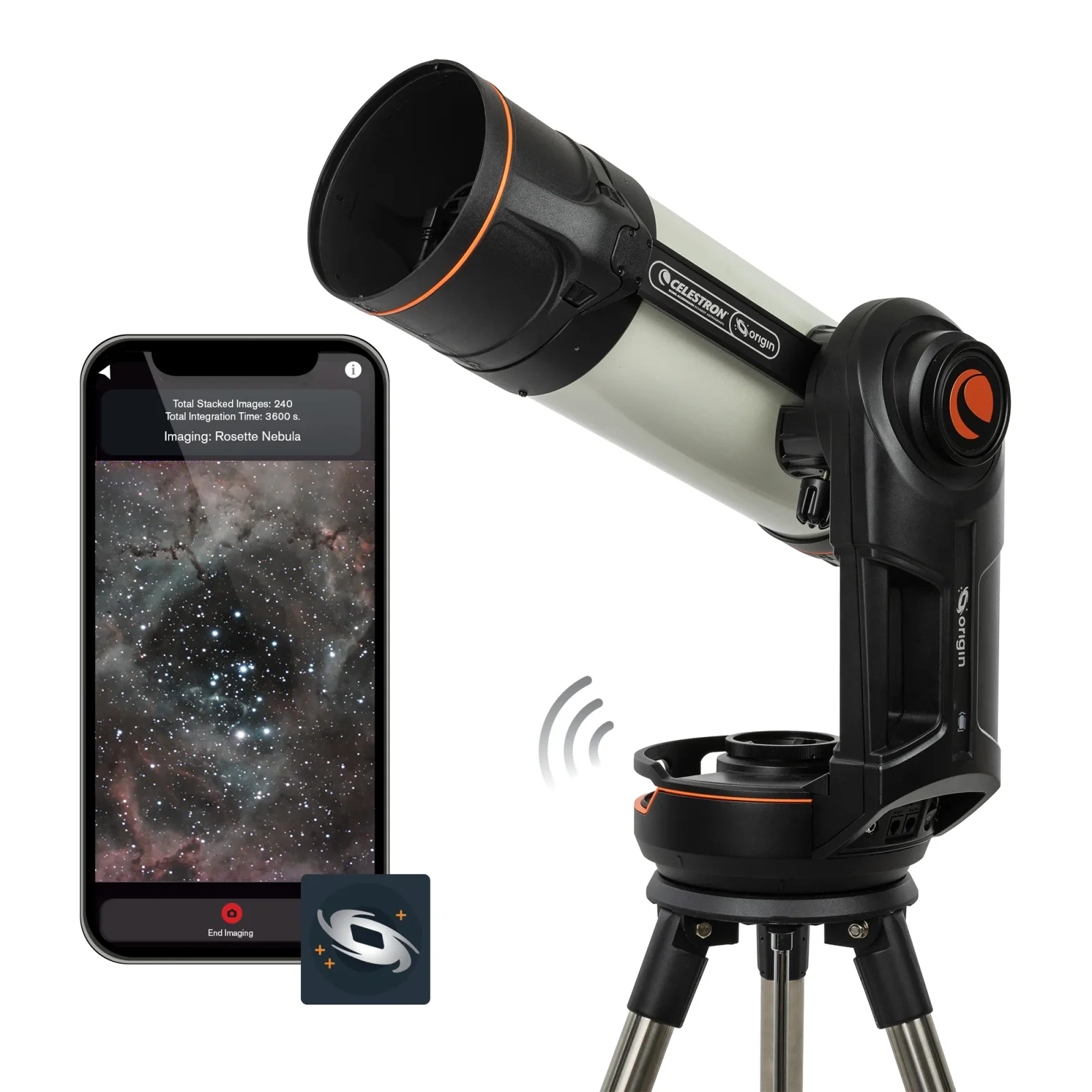
A look at the Celestron Origin Mark II: f/2.2 RASA optics, StarSense auto-setup, live AI stacking and an integrated battery, plus what reviewers say about its weight and limits.
Research-based · We earn from qualifying purchases
Our verdict
The Origin Mark II suits beginners, educators and star-party hosts who want fast, automated deep-sky imaging with minimal setup. Skip it if you want a portable scope, visual observing through an eyepiece, or planetary and lunar close-ups.
The good
- Fast f/2.2 RASA optics capture deep-sky targets in short exposures
- StarSense auto-setup focuses and aligns itself in under two minutes
- Live AI stacking handles light pollution and gradients without generative content
- Intuitive app with sky atlas and target lists, no external WiFi needed
- Integrated battery runs 6+ hours; raw files saved for manual processing
+2 more
- Intuitive app with sky atlas and target lists, no external WiFi needed
- Integrated battery runs 6+ hours; raw files saved for manual processing
The bad
- Heavy and bulky at 18.87 kg, so not grab-and-go
- No eyepiece, and weak for planets and close-up targets
- Small sensor under-uses the wide image circle of the RASA optics
- App lacks some features, such as pause and resume of imaging
+1 more
- App lacks some features, such as pause and resume of imaging
If you want to photograph nebulae and galaxies but have no interest in wrestling with polar alignment, guide cameras and laptop cables, this Celestron Origin Mark II Intelligent Home Observatory review is for you. The Origin packs a telescope, camera, mount, computer and battery into one self-contained unit, and you run it from your phone. It is aimed at beginners, educators and people who host star parties, rather than at experienced imagers who enjoy tinkering. This review is based on Celestron's manufacturer specs and on what independent expert reviews report, not on our own hands-on testing.
Celestron Origin Mark II Intelligent Home Observatory: specs at a glance
From the manufacturer- Mount
- Computerized GoTo altazimuth single fork-arm mount
- Sensor
- Sony IMX678-AAQR1, color, back-illuminated
- Battery
- Integrated LiFePO4, 97.9 Wh, 6+ hours of use
- Aperture
- 152mm (5.98")
- Pixel size
- 2.0μm x 2.0μm
- Focal ratio
- f/2.2
- Sensor size
- 8.9mm (0.35") diagonal
- Focal length
- 335mm (13.18")
- Field of view
- 1.32° x 0.75°
- Optical design
- Rowe-Ackermann Schmidt Astrograph (RASA)
- App requirements
- iOS 16 or higher, Android 12 or higher
- Effective pixels
- 8.3M (3856 x 2180)
- Onboard computer
- Raspberry Pi 4 Model B
- Total system weight
- 18.87 kg (41.6 lb)
Key features
- Fast 6-inch RASA optics at f/2.2 gather faint deep-sky light in short exposures
- StarSense auto-setup focuses, scans the sky and aligns itself in under two minutes
- Built-in AI processing stacks and enhances every frame live, without adding generative content
- New 8.3M-pixel Sony IMX678 Starvis 2 color sensor, with a user-replaceable camera
- Control and live view from the Origin app on iOS or Android, with no external WiFi needed
- Integrated 97.9 Wh LiFePO4 battery, rated for 6+ hours of use
- Automated dew heater and integrated 1.25-inch / 2-inch filter drawer
- Saves raw image files for manual post-processing; tube, mount and tripod assemble without tools
What the Origin Mark II actually is
The Origin Mark II is a smart telescope built around a 6-inch Rowe-Ackermann Schmidt Astrograph (RASA) design. The aperture is 152mm (5.98") and the focal ratio is f/2.2. In plain terms, that is a very fast optical system. It is designed to gather faint deep-sky light in short exposures, which is what lets an automated system build up a usable picture quickly.
It does not behave like a traditional telescope. There is no eyepiece, so the camera is your view of the sky. The live image streams to the Origin app on your phone or tablet, where it gets stacked and enhanced as the exposures arrive. The pitch is simple: the hard parts of astrophotography are automated, so you can spend your time choosing targets and watching them develop.
Design and build
The Origin is mounted on a computerized GoTo altazimuth single fork-arm mount, with the tube, mount and tripod assembling without tools. The onboard computer is a Raspberry Pi 4 Model B.
The biggest practical fact about the design is its weight. The total system weighs 18.87 kg (41.6 lb), and it is bulky as well as heavy. Reviewers consistently flag this as a drawback. This is not a scope you throw in a bag for a spontaneous trip. It suits someone who can keep it at home, carry it out to a backyard or patio, or load it into a car for a planned outreach evening.
Two details make the all-in-one concept more convincing. The first is an automated dew heater, which matters because moisture on the optics ends many imaging sessions early. The second is an integrated filter drawer that takes 1.25-inch and 2-inch filters.
Features and what they mean day to day
StarSense auto-setup
Setup is where this telescope tries to win over beginners. StarSense auto-setup focuses the optics, scans the sky and aligns the scope on its own in under two minutes. Reviewers praise this quick, automated setup, which is aimed at beginners. You place the scope, open the app and let it work.
Live AI stacking
The built-in AI processing stacks and enhances every frame live. Celestron says it does this without adding generative content, which means the image is built from the light the scope actually collected rather than from invented detail. Reviewers say it copes well with light pollution and gradients, which is relevant if you live somewhere with a bright sky. The live approach also means the picture improves in front of you as exposures accumulate, which is rewarding to watch and useful for sharing at a star party.
The sensor and camera
The Mark II uses a new 8.3M-pixel Sony IMX678 Starvis 2 color sensor, a back-illuminated chip with 2.0μm x 2.0μm pixels and an effective resolution of 3856 x 2180. The camera is user-replaceable, so the system is not locked to this sensor forever. The field of view is 1.32° x 0.75°.
There is a catch that reviewers point out. The sensor is small, at 8.9mm (0.35") diagonal, and the RASA optics project a wider image circle than it can use. In other words, some of what the optics could deliver goes unused. It is a limitation of the pairing: the small sensor under-uses the wide image circle of the RASA optics.
The Origin app
Control and live view run through the Origin app on iOS 16 or higher, or Android 12 or higher. No external WiFi is needed, so you can use it in a field or at a dark-sky site without a router. Reviewers describe the app as intuitive, with a sky atlas and target lists that help you decide what to point at. A common criticism is that it lacks some features, such as pause and resume of imaging, which reviewers count as a gap.
Raw files for later
For people who want to grow into the hobby, the Origin saves raw image files for manual post-processing. That gives you a path beyond the automated results: you can start with the live-stacked picture and later try your own processing on the same data.
Performance, battery and connectivity
The core performance story is the fast f/2.2 optical system. Fast optics mean you collect light efficiently, so deep-sky targets can show up in short exposures. That matters for a casual user, because it shortens the wait between setting up and seeing something worth looking at. Experts single out this speed as one of the Origin's strengths.
The battery is integrated: a 97.9 Wh LiFePO4 unit rated for 6+ hours of use. That is long enough for a proper evening session, and having it built in means there is no separate power pack to carry or connect. LiFePO4 is a chemistry known for durability, which suits a device you expect to use regularly. As always, real runtime depends on conditions and use, so treat the figure as a rating.
Connectivity is deliberately simple. No external WiFi is needed to control the telescope and view the live image through the app. For outreach events, that is a real convenience.
Where performance falls short is close-up observing. Reviewers say the Origin is weak for planets and other close-up targets. It is built and tuned for wide, faint deep-sky objects, so if lunar and planetary detail is your main interest, this is the wrong tool.
What experts like and what they criticise
The praise is consistent. Reviewers like the fast RASA optics, the quick StarSense setup, the live AI stacking, the friendly app and the long-lasting integrated battery, along with the raw-file option. BBC Sky at Night Magazine scores it 4.5 out of 5.
The criticism is just as consistent, and it is fair to take seriously:
- Weight and bulk. At 18.87 kg (41.6 lb), it is not grab-and-go.
- No eyepiece. You cannot look through it, and it is weak for planets and close-up targets.
- Sensor mismatch. The small sensor under-uses the wide image circle of the RASA optics.
- App gaps. Features such as pause and resume of imaging are missing.
These are real limitations, and they set clear boundaries: it is a specialised deep-sky imager, not a general-purpose telescope.
Who should buy it and who should skip it
It is a good fit if you are a beginner who wants to see and photograph deep-sky objects without learning alignment, focusing and stacking first. It also makes sense for educators and anyone running star parties, since the fast setup, live view and phone-based control suit a group watching the same screen.
Look elsewhere if you want a portable scope you can carry easily, if looking through an eyepiece is part of the appeal, or if planets and the Moon are what you want to photograph. People who want to do their own processing can use the raw files the Origin saves, but the app lacks some features, such as pause and resume of imaging.
How it fits in its category
The Origin Mark II trades portability for an all-in-one design with an integrated battery, filter drawer and dew heater. To see how that approach compares with the rest of the field, see our guide to the best smart telescopes.
Verdict: is the Celestron Origin Mark II worth it?
The Origin Mark II delivers on its central promise: setting up a deep-sky imaging session with minimal effort, then showing you a steadily improving picture on your phone. Its weaknesses are clear and mostly about scope: it is heavy, has no eyepiece, is poor for planets and has an app that lacks some features, such as pause and resume of imaging. If your goal is simple, automated deep-sky imaging at home or for groups, it is a strong candidate. If your priorities lie elsewhere, you will do better with a different kind of telescope.
Related buying guides
Not sure about the Celestron Origin Mark II Intelligent Home Observatory? Consider these
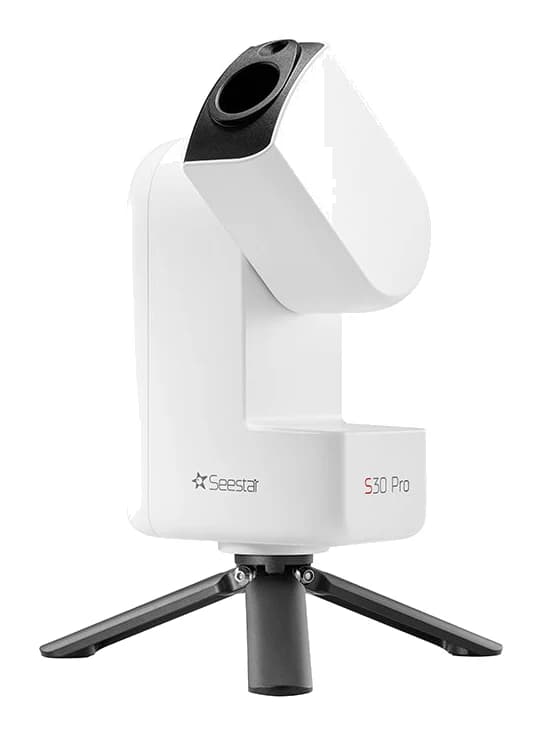
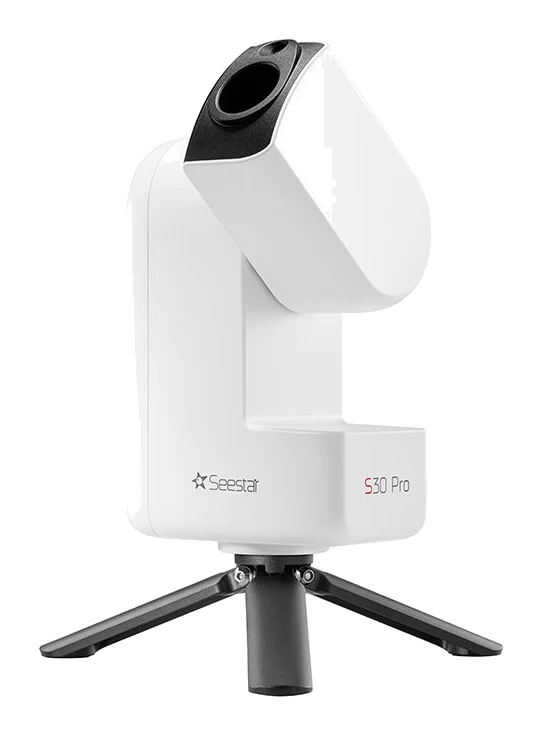
- Best OverallZWO Seestar S30 ProWhy we picked it →
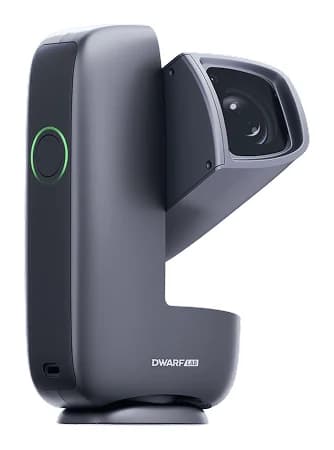
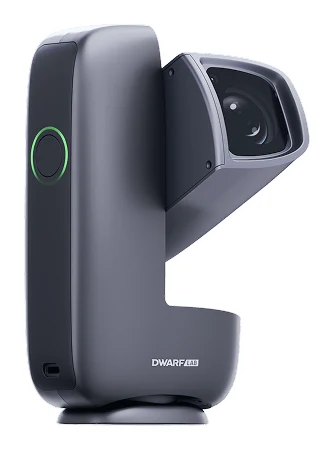
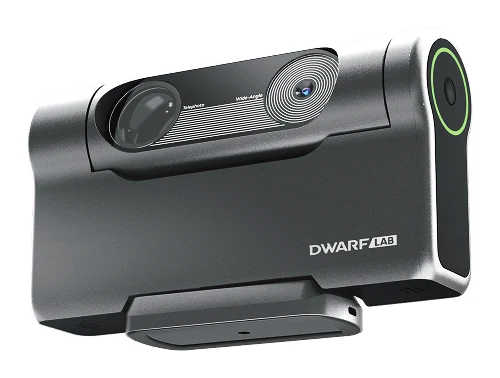
- Best ValueDWARFLAB Dwarf MiniWhy we picked it →
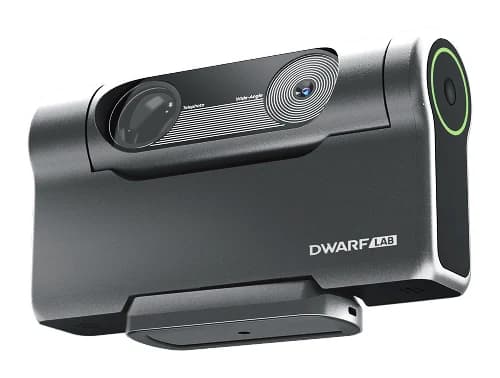
- Best BudgetDWARFLAB Dwarf 3Why we picked it →
Frequently asked questions
Is the Celestron Origin Mark II worth it?
It suits beginners, educators and star-party hosts who want automated deep-sky imaging, and BBC Sky at Night Magazine scores it 4.5 out of 5. It is less suitable if you want a portable telescope, an eyepiece view or planetary and lunar close-ups.
How long does the Celestron Origin Mark II take to set up?
StarSense auto-setup focuses, scans the sky and aligns the telescope in under two minutes. The tube, mount and tripod assemble without tools.
Does the Origin Mark II need WiFi?
No external WiFi is needed. You control the telescope and view the live image through the Origin app on iOS 16 or higher, or Android 12 or higher.
Does the Celestron Origin Mark II have an eyepiece?
No. It is a camera-based system, so you view the sky on your phone or tablet through the app. Reviewers note it is weak for planets and other close-up targets.
How long does the Origin Mark II battery last?
The integrated LiFePO4 battery is 97.9 Wh and rated for 6+ hours of use. Actual runtime will depend on conditions and how you use it.
Can I process the images myself?
Yes. The Origin stacks and enhances images live with built-in AI processing, and it also saves raw image files so you can do manual post-processing.
Sources
Specs are taken from the manufacturers' official pages; expert recommendations from the publications below.
- Celestron Origin Mark II Intelligent Home Observatory: celestron.com, highpointscientific.com, skyatnightmagazine.com, bhphotovideo.com
Related reviews & guides
Best Smart Telescopes 2026: Ultra-Portable to Observatory
Five smart telescopes compared, from the 840g Dwarf Mini to the 18.87 kg Celestron Origin Mark II. We cover aperture, sensors, battery, portability and who each one suits.
Published Oct 25, 2026ZWO Seestar S30 Pro Review (2026): Wide-Field Smart Scope
A compact smart telescope with two 4K cameras, built-in filters and app-driven GOTO. We look at what it does well for wide-field deep-sky and Milky Way imaging, and where a 30mm aperture runs out.
Published Oct 28, 2026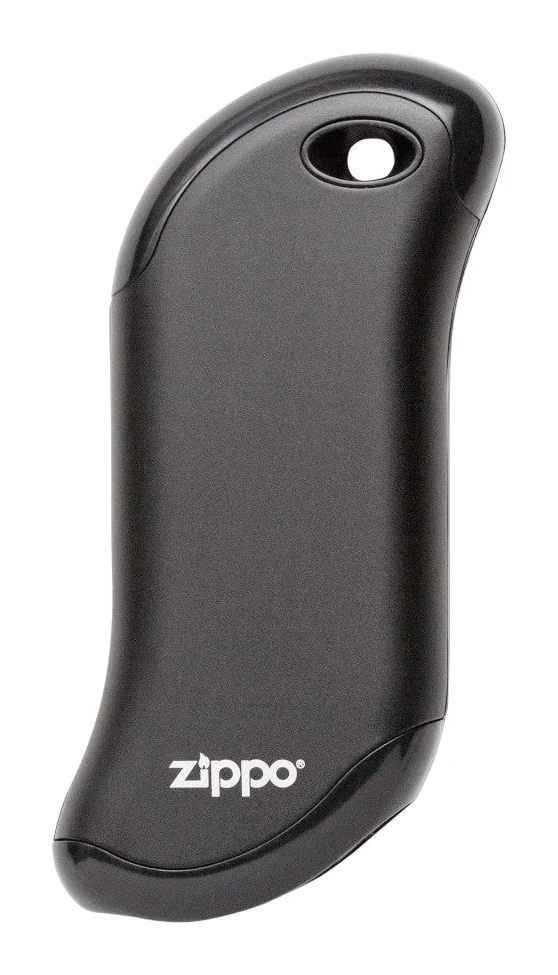
Best Rechargeable Hand Warmers 2026: Runtime & Power Banks
Five rechargeable hand warmers compared on runtime, heat control, power bank features and safety, from long-lasting pairs to a budget cat paw set.
Published Oct 27, 2026