ZWO Seestar S30 Pro Review (2026): Wide-Field Smart Scope
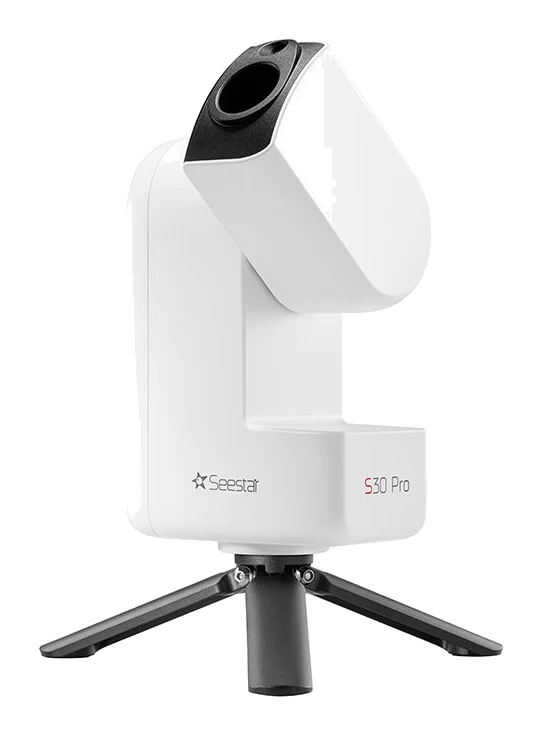
A compact smart telescope with two 4K cameras, built-in filters and app-driven GOTO. We look at what it does well for wide-field deep-sky and Milky Way imaging, and where a 30mm aperture runs out.
Research-based · We earn from qualifying purchases
Our verdict
The Seestar S30 Pro is a compact, beginner-friendly smart telescope that suits wide-field deep-sky imaging, Milky Way shots and daytime use. Skip it if you want fine detail on planets, the Moon or small galaxies, where the 30mm aperture falls short.
The good
- Dual 4K cameras cover deep-sky targets and wide Milky Way scenes
- Wide 4.6° telephoto field frames big nebulae and galaxies without mosaics
- Sharp apochromatic ED-glass optics with little colour fringing
- Built-in dual-band filter helps in light-polluted skies
- Easy app-controlled GOTO, autofocus and tracking suit beginners
+2 more
- Built-in dual-band filter helps in light-polluted skies
- Easy app-controlled GOTO, autofocus and tracking suit beginners
The bad
- Small 30mm aperture limits detail on planets, the Moon and small targets
- Alt-az mode limits exposure length because of field rotation and edge trailing
- File transfer is awkward, with unreliable USB and confusing station mode
- Wi-Fi and Bluetooth range is short
+1 more
- Wi-Fi and Bluetooth range is short
This ZWO Seestar S30 Pro review is based on the manufacturer's specifications and what independent experts report, not on our own hands-on testing. The S30 Pro is a compact, app-controlled smart telescope that aims to take the hard parts out of astrophotography. Alignment, focusing, tracking and stacking are handled for you. It is aimed at beginners who want wide-field deep-sky and Milky Way images without learning a traditional telescope setup. It sits in the mid-range part of the market.
ZWO Seestar S30 Pro: specs at a glance
From the manufacturer- Optics
- 4-Element Apochromatic Lens (with ED glass)
- Sensor
- Tele: Sony IMX585; Wide: Sony IMX586
- Weight
- 1.65 kg
- Battery
- 6000mAh, 6 hours (ZWO laboratory test data)
- Storage
- 128GB eMMC
- Aperture
- Tele: 30mm; Wide: 3.4mm
- Resolution
- Tele: 2160 x 3840 (8.3MP); Wide: 2160 x 3840 (8.3MP)
- Focal Ratio
- Tele: F/5.3; Wide: F/1.75
- Power Input
- Type-C, DC 5V~3A
- Connectivity
- Wi-Fi / USB Type-C / Bluetooth
- Focal Length
- Tele: 160mm; Wide: 6mm
- Field of View
- Tele: 4.6°; Wide: 63°
- External Filter
- Magnetic Solar Filter
- Built-in Filters
- UV/IR Cut; Light Pollution (OIII 30 nm / Hα 20 nm); Dark Field
Key features
- Dual cameras: 4K telephoto plus 4K wide-angle (63° FOV) for deep-sky, Milky Way and landscapes
- Large 1/1.2-inch telephoto sensor with 4-element apochromatic ED-glass lens for sharp, low-noise images
- App-controlled GOTO, autofocus and automatic tracking, with live stacking
- Three built-in filters: UV/IR cut, dual-band light pollution (OIII/Hα) and dark field
- Milky Way mode with AI foreground separation, panorama stitching and star trail capture
- Cable-free use: built-in 6000mAh battery (6 hours, ZWO lab data) and 128GB storage
- Daytime ultra-telephoto camera with object tracking for birds, landscapes and time-lapse
- Lightweight at 1.65 kg, with a magnetic solar filter for sun imaging
What the Seestar S30 Pro is
Most telescopes make you choose between visual use and imaging. The Seestar S30 Pro is an all-in-one imaging device. The optics, camera sensors, filters, battery and storage are built into one unit. You control it from a phone or tablet over Wi-Fi or Bluetooth. You control it from a phone or tablet, and the app handles live stacking.
The headline feature is the pair of cameras. One is a telephoto camera for deep-sky targets and the other is a wide-angle camera for landscapes and Milky Way scenes. Both are 4K.
Design and build
The S30 Pro weighs 1.65 kg, so it is easy to carry to a dark-sky site or a back garden. Everything is integrated. There is a built-in 6000mAh battery and 128GB of storage, so you don't need a laptop, power cable or external drive in the field. The unit charges and powers through USB Type-C (DC 5V~3A), which suits common power banks and chargers.
The all-in-one approach is the main appeal for newcomers. There is no separate camera to attach, because the cameras and filters are built in. The design also sets the limits of the product. Without a conventional mount you work in alt-az mode, and that shapes how long each exposure can be (more on that below).
Optics and cameras
The telephoto camera uses a Sony IMX585 sensor behind a 4-element apochromatic lens that includes ED glass. The aperture is 30mm, the focal length is 160mm and the focal ratio is F/5.3. The resolution is 2160 x 3840 (8.3MP). ZWO describes this as a large 1/1.2-inch sensor designed for sharp, low-noise images.
The field of view is 4.6° on the telephoto camera. Reviewers praise this wide framing because big nebulae and galaxies fit in the frame without having to stitch mosaics. Reviewers also credit the apochromatic ED-glass optics with sharp images and little colour fringing.
The wide-angle camera uses a Sony IMX586 sensor with a 6mm focal length, an F/1.75 focal ratio and a 3.4mm aperture. Its 63° field of view is what makes it useful for Milky Way scenes, landscapes and panoramas. It has the same 2160 x 3840 (8.3MP) resolution as the telephoto camera.
Features and what they mean day to day
GOTO, autofocus and tracking
The app handles GOTO, autofocus and automatic tracking, plus live stacking. In practice, you choose a target in the app and the telescope points itself, focuses and starts building the image. This is the main reason reviewers say it suits beginners.
Built-in filters
There are three built-in filters: UV/IR cut, a dual-band light-pollution filter (OIII 30 nm / Hα 20 nm) and a dark field filter. The dual-band filter is the one that matters most for people who live under suburban skies. Reviewers say it helps in light-polluted conditions. Dual-band filters generally favour emission nebulae, so they are not a universal fix for every target.
Milky Way mode and wide-field tools
The wide camera comes with a Milky Way mode that uses AI foreground separation. There are also panorama stitching and star trail capture. These are the features that set it apart from a purely deep-sky telescope. You can use it for night-sky landscapes as well as galaxies and nebulae.
Daytime use
The S30 Pro also has a daytime ultra-telephoto camera with object tracking, which ZWO positions for birds, landscapes and time-lapse. A magnetic solar filter is included for sun imaging. Only use proper solar filtering for the Sun, and follow ZWO's instructions for fitting it.
Battery, storage and connectivity
The built-in 6000mAh battery is rated at 6 hours in ZWO's laboratory test data. Real-world runtime will depend on conditions and how you use it. Because it charges over USB Type-C, a power bank is a natural backup.
The 128GB of eMMC storage keeps images on the device. Connectivity covers Wi-Fi, USB Type-C and Bluetooth. This is where reviewers are more critical. A common criticism is that Wi-Fi and Bluetooth range is short, so you need to stay fairly close to the telescope. File transfer is also described as awkward, with unreliable USB and a confusing station mode. If you plan to move a lot of images to a computer, factor that in.
What experts like and what they criticise
TelescopicWatch scores the Seestar S30 Pro 4.7 out of 5. Across the expert feedback, the praise falls into a consistent set of points:
- The dual 4K cameras cover both deep-sky targets and wide Milky Way scenes.
- The wide 4.6° telephoto field frames large objects without mosaics.
- The apochromatic ED-glass optics are sharp with little colour fringing.
- The built-in dual-band filter helps under light-polluted skies.
- App-controlled GOTO, autofocus and tracking make it easy to start.
The criticisms are just as consistent, and two of them deserve attention.
First, the 30mm aperture is small. Reviewers say it limits detail on planets, the Moon and small targets. The wide field that makes the S30 Pro good for big objects is the flip side of that. If your goal is close-up detail on a planet or a small galaxy, the aperture is the limiting factor.
Second, alt-az mode limits exposure length because of field rotation and edge trailing. That means long single exposures are constrained. This is a real limit of the format. The remaining criticisms are the awkward file transfer and short wireless range mentioned above.
Who should buy it
The S30 Pro suits beginners who want easy wide-field deep-sky and Milky Way imaging. It is a good fit if:
- You want to start astrophotography without learning polar alignment, guiding or stacking software.
- You like the idea of one device that covers both deep-sky and wide night-sky landscapes.
- You live under light-polluted skies and want a built-in dual-band filter.
- You want a portable, cable-free setup that also works in daylight for birds, landscapes and time-lapse.
Who should skip it
Skip the S30 Pro if your priority is fine detail on planets, the Moon or small galaxies, since the 30mm aperture is the weak spot there. It is also a poor match if you want long exposures with a conventional equatorial setup, or if you expect to move large numbers of files quickly. Anyone who wants a traditional visual telescope will need to look elsewhere, because this one is built around app control.
How it fits in the smart-telescope category
Smart telescopes trade raw aperture and flexibility for convenience. The S30 Pro follows that pattern. The S30 Pro combines two cameras, a wide telephoto field and built-in filters in a 1.65 kg unit. The trade-off is the same one every compact smart scope faces: a small aperture means it is best at big, bright, wide targets and weaker at fine detail. Judge it on that basis, and it makes sense for beginners who want wide scenes more than close-ups.
Verdict
The ZWO Seestar S30 Pro is a convenient, beginner-friendly way into wide-field astrophotography. Its dual 4K cameras, wide field of view, sharp ED-glass optics and built-in dual-band filter make it capable across deep-sky, Milky Way and daytime use, and the app automation removes most of the usual setup barriers. The 30mm aperture, the limits of alt-az exposures and the clumsy file transfer are real compromises. Buy it for wide-field imaging and ease of use. Look elsewhere if you want fine planetary and lunar detail.
Related buying guides
Not sure about the ZWO Seestar S30 Pro? Consider these
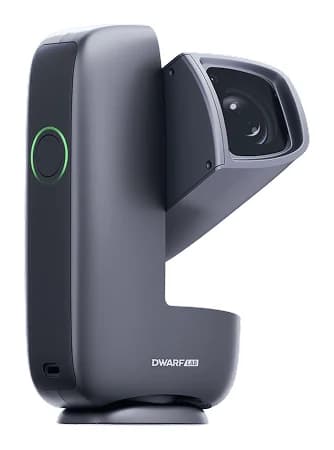
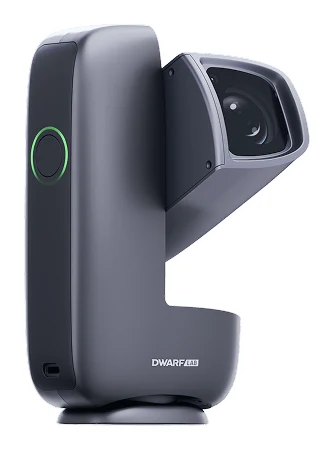
- Best ValueDWARFLAB Dwarf MiniWhy we picked it →
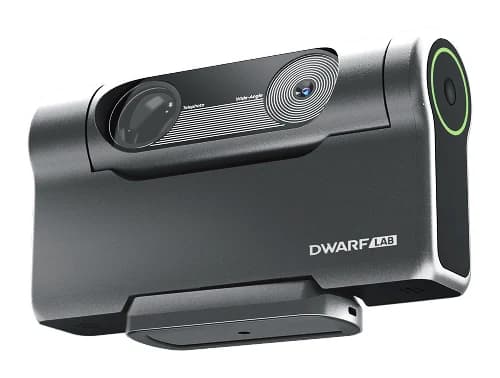
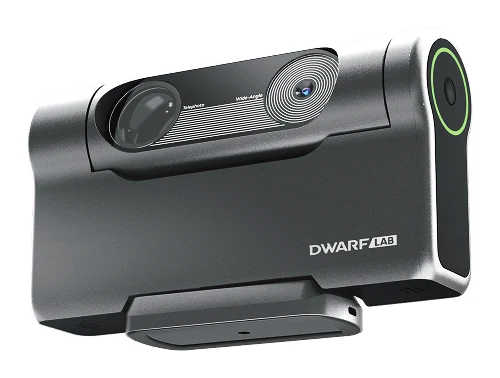
- Best BudgetDWARFLAB Dwarf 3Why we picked it →
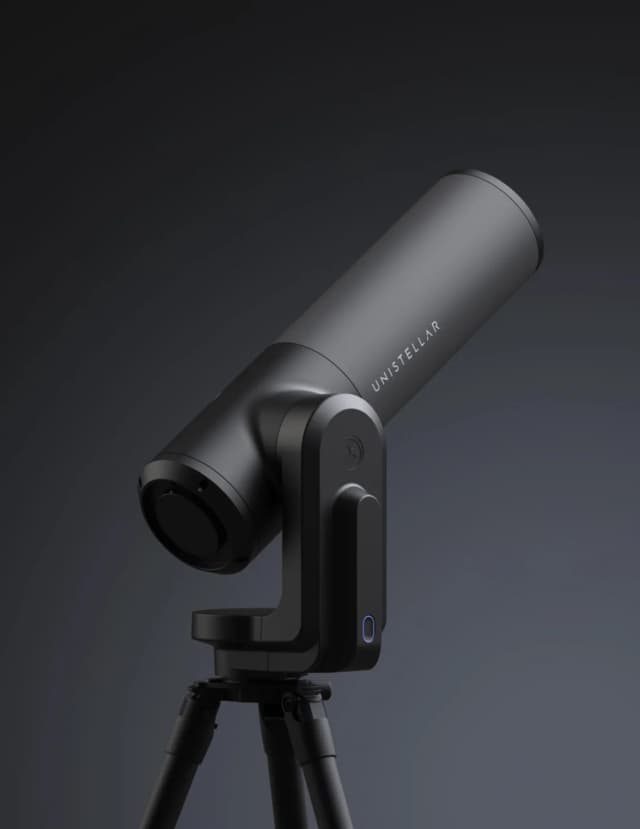
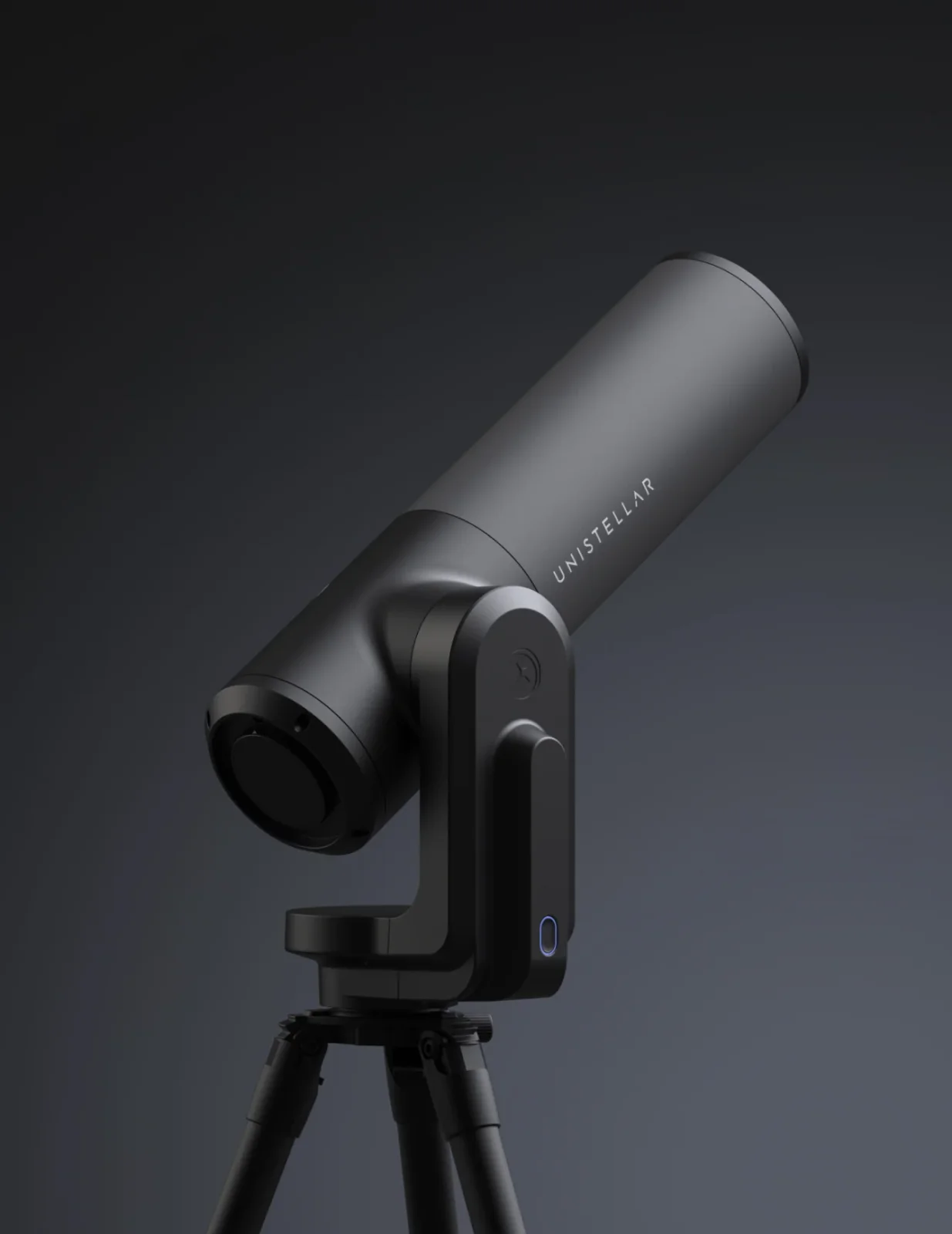
- Also GreatUnistellar eQuinox 2Why we picked it →
Frequently asked questions
Is the ZWO Seestar S30 Pro worth it?
It is worth considering if you are a beginner who wants easy wide-field deep-sky and Milky Way imaging. Reviewers praise its dual 4K cameras, wide field of view and app automation. It is less suited to fine detail on planets, the Moon or small galaxies because of its 30mm aperture.
Does the Seestar S30 Pro have a built-in light pollution filter?
Yes. It has three built-in filters: UV/IR cut, a dual-band light pollution filter (OIII 30 nm / Hα 20 nm) and a dark field filter. Reviewers say the dual-band filter helps in light-polluted skies.
How long does the Seestar S30 Pro battery last?
It has a built-in 6000mAh battery rated at 6 hours in ZWO's laboratory test data. Real-world runtime will vary. It charges over USB Type-C (DC 5V~3A).
Can the Seestar S30 Pro be used during the day?
Yes. It has a daytime ultra-telephoto camera with object tracking, which ZWO positions for birds, landscapes and time-lapse. A magnetic solar filter is also included for sun imaging.
Is the Seestar S30 Pro good for planets and the Moon?
Not especially. A common criticism from reviewers is that the small 30mm aperture limits detail on planets, the Moon and small targets. It is better suited to large nebulae, galaxies and wide Milky Way scenes.
How do you control the Seestar S30 Pro?
You control it through an app over Wi-Fi or Bluetooth. The app handles GOTO, autofocus, automatic tracking and live stacking. Reviewers note that Wi-Fi and Bluetooth range is short, and that file transfer can be awkward.
Sources
Specs are taken from the manufacturers' official pages; expert recommendations from the publications below.
- ZWO Seestar S30 Pro: zwoastro.com, seestar.com, fstoppers.com
Related reviews & guides
Best Smart Telescopes 2026: Ultra-Portable to Observatory
Five smart telescopes compared, from the 840g Dwarf Mini to the 18.87 kg Celestron Origin Mark II. We cover aperture, sensors, battery, portability and who each one suits.
Published Oct 25, 2026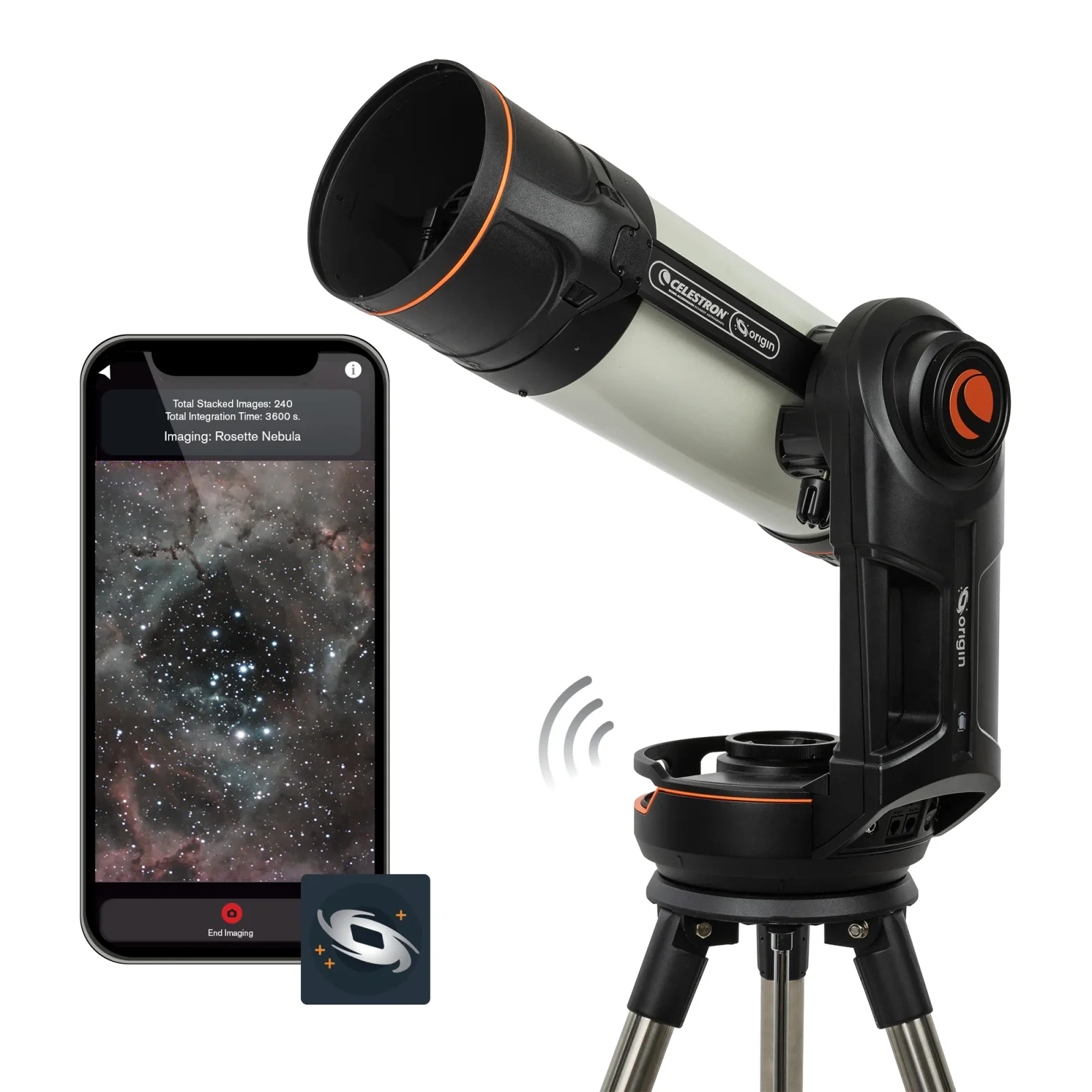
Celestron Origin Mark II Review (2026): Hands-Off Deep Sky
A look at the Celestron Origin Mark II: f/2.2 RASA optics, StarSense auto-setup, live AI stacking and an integrated battery, plus what reviewers say about its weight and limits.
Published Oct 25, 2026
ECOVACS GOAT O1000 LiDAR PRO Review: Wire-Free, Small Yards
A wire-free robot mower with dual-LiDAR navigation and a built-in edge trimmer. Here is who the GOAT O1000 LiDAR PRO suits, and where its limits are.
Published Oct 22, 2026