EcoFlow DELTA 3 Review (2026): Fast Charge, Room to Grow
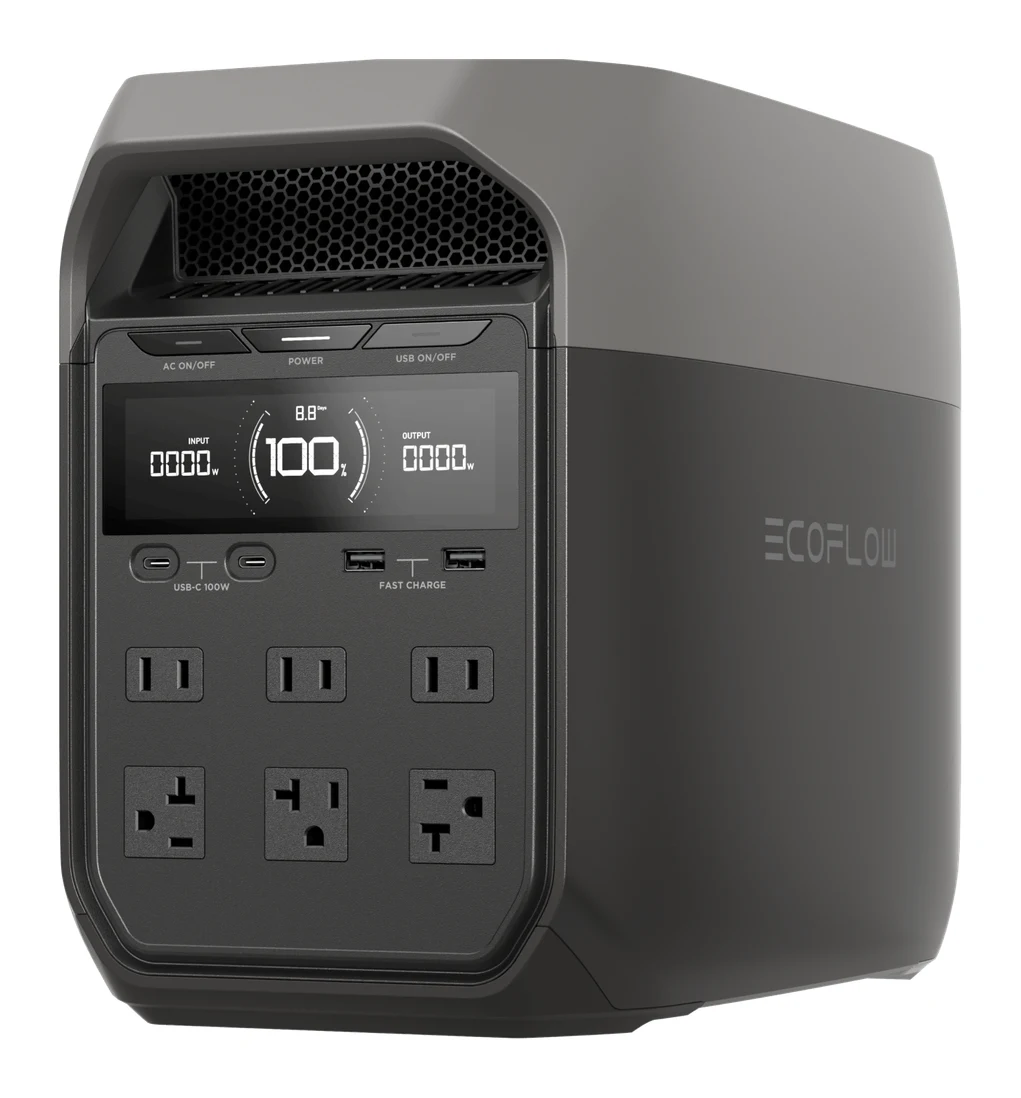
The EcoFlow DELTA 3 is a 1024 Wh LFP power station built around fast recharging and expandability. Here is how its specs translate to home backup, camping and van use, and where it falls short.
Research-based · We earn from qualifying purchases
Our verdict
The DELTA 3 suits buyers who want a fast-charging, expandable 1kWh power station for home backup, camping or van use. Those who need a lightweight, compact unit or must run heavy appliances on grounded outlets only should look elsewhere.
The good
- Recharges 0-100% in about 56 minutes from a wall outlet
- 1800W output with 3600W surge, 2200W using X-Boost
- Expandable from 1kWh up to 5kWh with extra batteries
- LFP chemistry rated for 4000 cycles to 80+% capacity
- Five charging methods, including 500W solar and 800W car charging
+2 more
- LFP chemistry rated for 4000 cycles to 80+% capacity
- Five charging methods, including 500W solar and 800W car charging
The bad
- Half of the AC outlets are ungrounded
- Heavy at 12.5kg and larger than some 1,000Wh rivals
- 1800W base output limits very heavy loads without X-Boost
This EcoFlow DELTA 3 review looks at a 1024 Wh portable power station that sits in the mid-range part of the market. It is aimed at people who want one box for home backup, camping trips or a van build, and who care about recharging quickly and adding capacity later. The review is based on EcoFlow's specifications and what independent experts report, not on hands-on testing.
EcoFlow DELTA 3: specs at a glance
From the manufacturer- Capacity
- 1024 Wh
- Warranty
- 5 years
- AC Output
- 6 outlets, 1800W total (Surge 3600W)
- Cycle Life
- 4000 cycles to 80+% capacity
- Dimensions
- Approx. 397.6*202*283.6mm (15.7*8.0*11.2in.)
- Net Weight
- Approx. 12.5kg (27.6 lbs)
- AC Charging
- 1500W
- Car Charging
- 800W, in 1.3 Hour
- USB-C Output
- 2 ports, 100W Max
- Solar Charging
- DC Charge Input, 11V-60V 500W Max
- Car Power Output
- 1 port, 12.6V, 10A, 126W Max
- Battery Chemistry
- LFP (LiFePO4 battery)
- Expandable Capacity
- Up to 5kWh
- USB-A Output (Fast Charge)
- 2 ports, 18W Max
- Max Device Power (with X-Boost)
- 2200W
Key features
- Recharges 0-100% in 56 minutes with X-Stream and 1500W AC input
- 1800W AC output (surge 3600W), 2200W with X-Boost for heavier appliances
- Expandable from 1kWh to 5kWh with compatible extra batteries
- 5 recharging methods: AC, solar, 800W alternator charger, Smart Generator 3000 (Dual Fuel), multicharging
- 500W max solar input (11V-60V DC)
- LFP battery rated for 4000 cycles to 80+% capacity, IP65 battery pack
- UPS switchover under 10ms for backing up electronics
- Quiet operation: 600W <30db, 1200W <40db, plus a 5-year warranty
What the DELTA 3 is, and who it is for
The DELTA 3 pairs a 1024 Wh LFP (LiFePO4) battery with 1800W of AC output and a 3600W surge rating. Its two main selling points are speed and flexibility: it accepts 1500W of AC input, offers several other ways to recharge, and can grow from 1kWh to 5kWh with compatible extra batteries.
That makes it a good fit for someone who wants a starter system now and may add capacity later. It is a worse fit for anyone who wants the lightest, smallest unit for weekend trips.
EcoFlow DELTA 3 review: design and build
EcoFlow lists the DELTA 3 at roughly 12.5kg (27.6 lbs), with dimensions of about 397.6202283.6mm (15.78.011.2in.). It is a substantial box. Reviewers flag the weight and size as a criticism, noting that it is larger than some 1,000Wh rivals. You can move it between a garage, a car boot and a campsite, but this is not a pack you carry far.
The battery chemistry is the more interesting build story. LFP cells are rated here for 4000 cycles to 80+% capacity, which is the cycle life EcoFlow rates for the LFP battery. The battery pack is also rated IP65. EcoFlow backs the DELTA 3 with a 5-year warranty, which suits a product meant to stay in service for years.
Ports and outputs in daily use
There are six AC outlets sharing 1800W in total, with a 3600W surge rating for appliances that draw extra power on startup. Beyond AC, you get:
- Two USB-C ports, 100W max.
- Two USB-A fast-charge ports at up to 18W each.
- One car power output (12.6V, 10A, 126W Max).
The catch is that half of the AC outlets are ungrounded. Reviewers raise this as a criticism. If you plan to run appliances that need a grounded plug, check how they will connect before you buy.
X-Boost for heavier appliances
The base 1800W output limits very heavy loads, and reviewers say so. EcoFlow's X-Boost raises the maximum device power to 2200W for heavier appliances. EcoFlow lists 2200W max device power with X-Boost for heavier appliances. If your main goal is running several high-draw appliances at once, treat the 1800W figure as the one to plan around.
Charging: the DELTA 3's strongest card
Charging is where this power station stands out. With X-Stream and 1500W AC input, EcoFlow says it goes from 0 to 100% in 56 minutes. Reviewers praise this. In practice, it means a short stop at a wall outlet can put a lot of charge back in, which matters during a power cut or between camping stops.
There are five recharging methods in all:
- AC wall charging at 1500W.
- Solar with a DC input of 11V-60V and up to 500W.
- Car charging through an 800W alternator charger.
- Smart Generator 3000 (Dual Fuel) as a generator-based option.
- Multicharging, for combining sources.
The DELTA 3 accepts up to 500W of solar input. If you are looking at panels, our Renogy E.Flex 200W portable solar panel review looks at one portable option. Check the voltage and connector details against the DELTA 3's 11V-60V input before pairing any panel.
Expandability and backup use
The DELTA 3 can go from 1kWh up to 5kWh with compatible extra batteries. This is a big part of its appeal. You can start with the base unit for camping and light backup, then add capacity if your needs grow, such as keeping more of a home running through longer outages. The spec sheet does not give runtimes for specific appliances, so work out your own loads in watts and compare them with the capacity.
For electronics, the DELTA 3 has a UPS function with a switchover time under 10ms. EcoFlow lists this switchover for backing up electronics during a power cut. As with any UPS-style use, it is best to check that your most sensitive equipment is happy with that switchover.
Noise
EcoFlow quotes operating noise of under 30db at 600W and under 40db at 1200W. Those figures suit use indoors or beside a tent, where a fan-noisy unit would get tiresome. The company does not give a noise level at full 1800W output, so expect it to be louder under a heavy load.
What experts like and what they criticise
Reviewers consistently praise the same things. Praise centres on the fast wall charging, the 1800W output with 3600W surge (2200W with X-Boost), the expandability, the long-life LFP chemistry and the number of ways to recharge, including 500W solar and 800W car charging.
The criticisms are just as consistent. Half of the AC outlets are ungrounded, the unit is heavy at 12.5kg and larger than some 1,000Wh rivals, and the 1800W base output limits very heavy loads without X-Boost.
OutdoorGearLab scores it 67/100. That is a score to read alongside the specs rather than in place of them. The DELTA 3's pros centre on charging speed and expandability, and its cons on size, weight and outlet design.
Who should buy the DELTA 3, and who should skip it
It suits you if:
- You want to recharge quickly from a wall outlet and be ready again soon after.
- You like the idea of starting with 1kWh and expanding toward 5kWh.
- You want several charging options, including solar, car and generator input.
- You value long battery life and a 5-year warranty.
- You want a backup unit for home or a van, with UPS-style switchover for electronics.
Look elsewhere if:
- You need something compact and light to carry far.
- Your appliances need grounded outlets exclusively.
- You regularly run very heavy loads and do not want to rely on X-Boost.
How it fits in the portable power station category
Power stations in this class trade off capacity, output, weight and charging speed. The DELTA 3's version of that trade-off is clear: it leans toward fast charging, flexibility and long life, and gives up some portability. Buyers who mostly want a camping battery they can carry easily may find it more than they need, while those planning a growing backup system have a good reason to consider it.
Verdict
The DELTA 3 suits people who want a fast-charging, expandable 1kWh power station and don't mind a heavy box. Its charging options, LFP battery and path to 5kWh are the reasons to buy it. The ungrounded outlets, the weight and the 1800W base limit are the reasons to think twice. If those fit your use, it is worth shortlisting.
Related buying guides
- EcoFlow DELTA Pro Review (2026): Big Backup, Big Weight
- EcoFlow DELTA 3 Max Plus Review (2026): Quiet Home Backup
- EcoFlow RIVER 2 Max 500 Review (2026): Fast Charging
- EcoFlow NextGen 220W Bifacial Review: Output vs Weight
- Best Solar Panels for Portable Power Stations 2026
- Best Power Station for CPAP 2026: Runtime, Weight & Backup
Not sure about the EcoFlow DELTA 3? Consider these
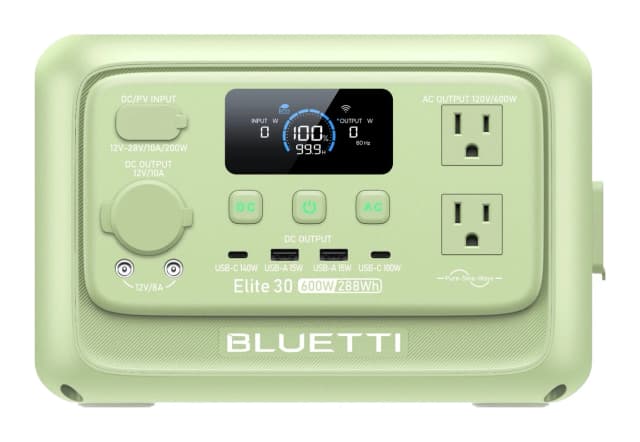
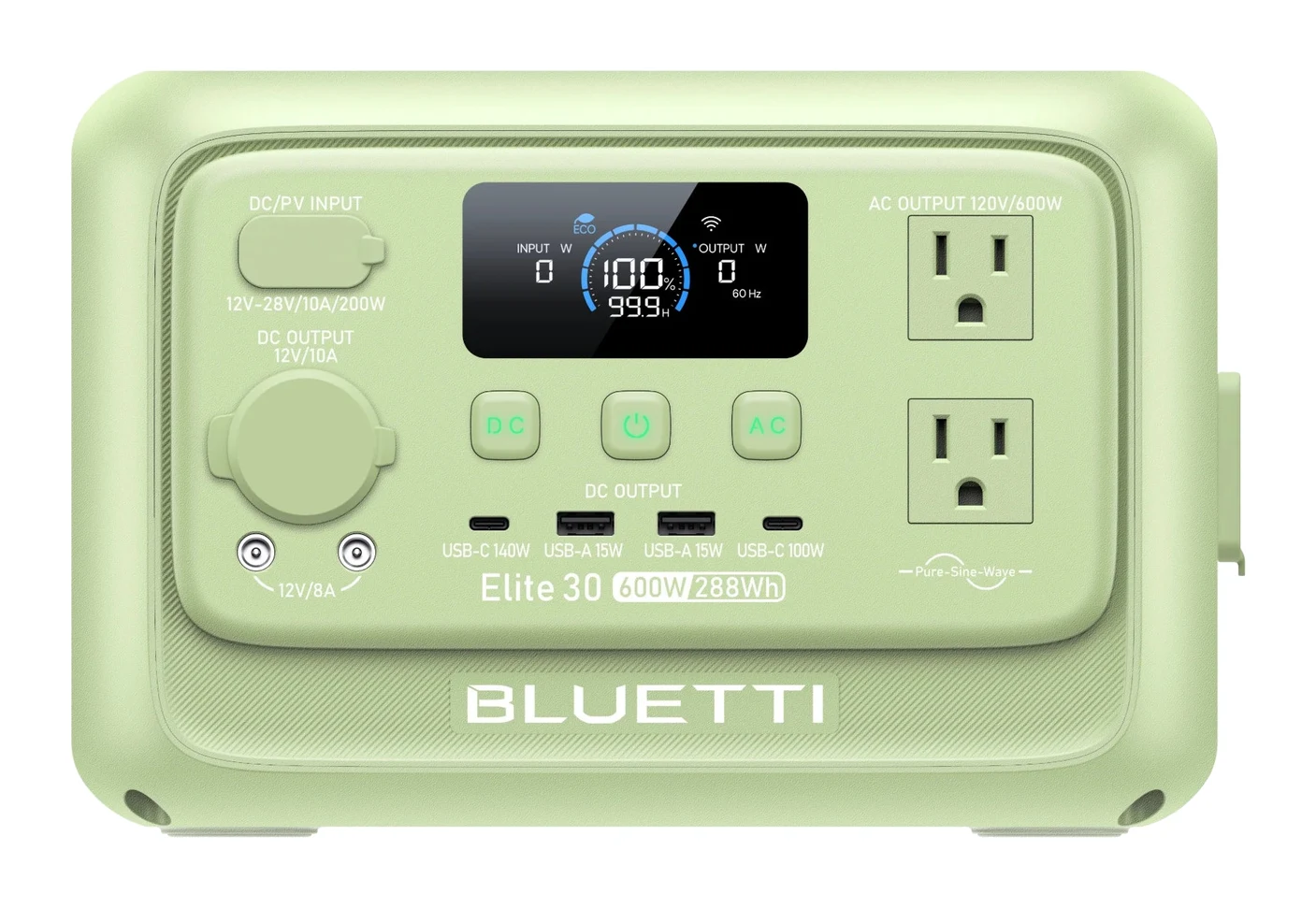
- Best OverallBLUETTI Elite 30 V2Why we picked it →
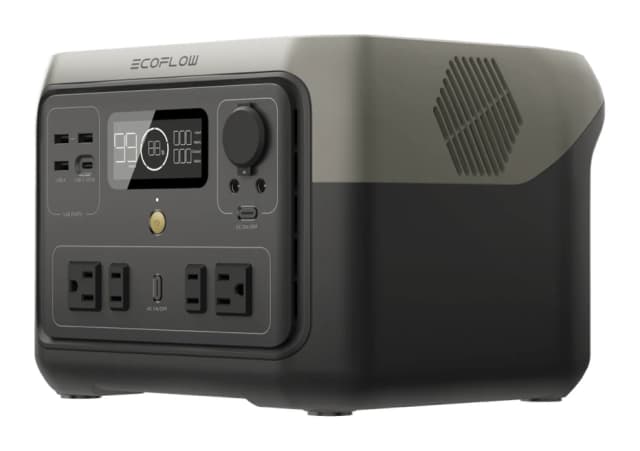
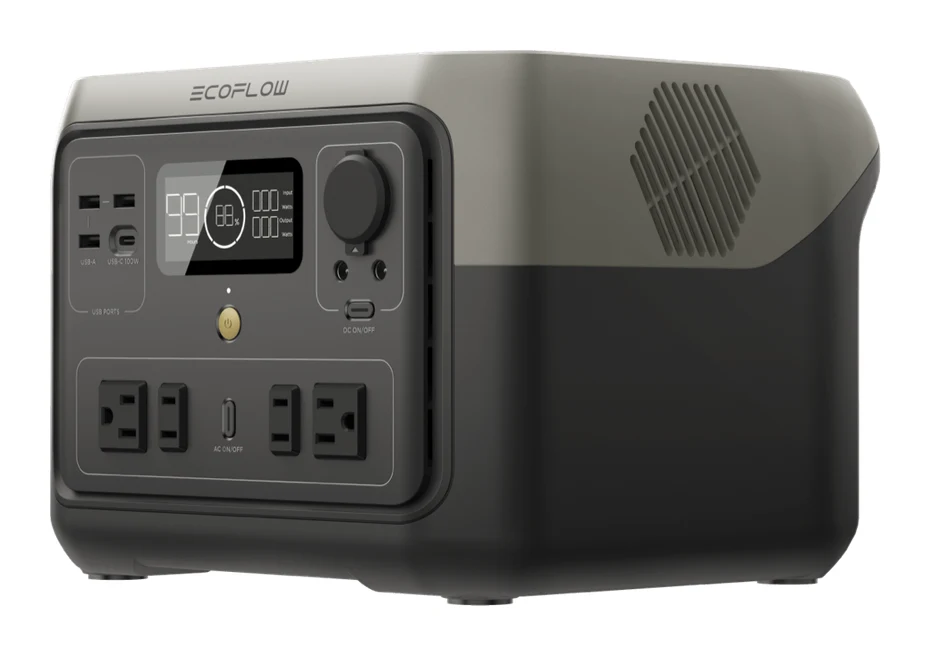
- Best ValueEcoFlow RIVER 2 Max 500Why we picked it →
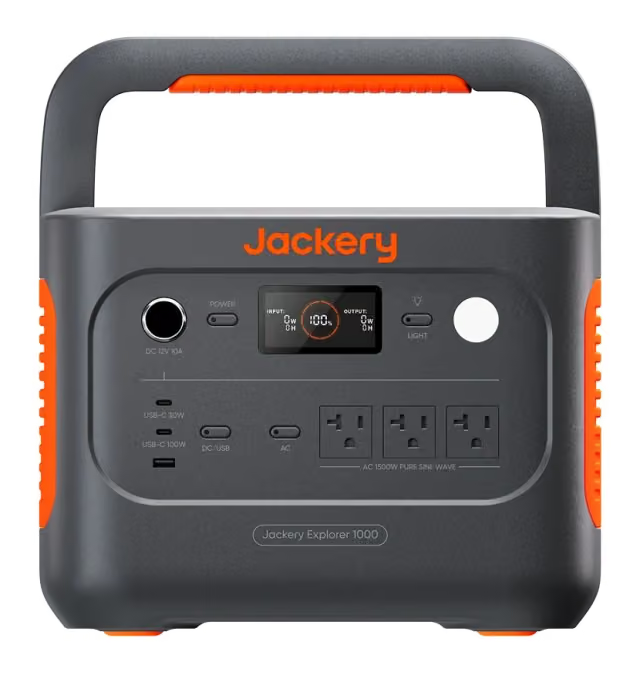
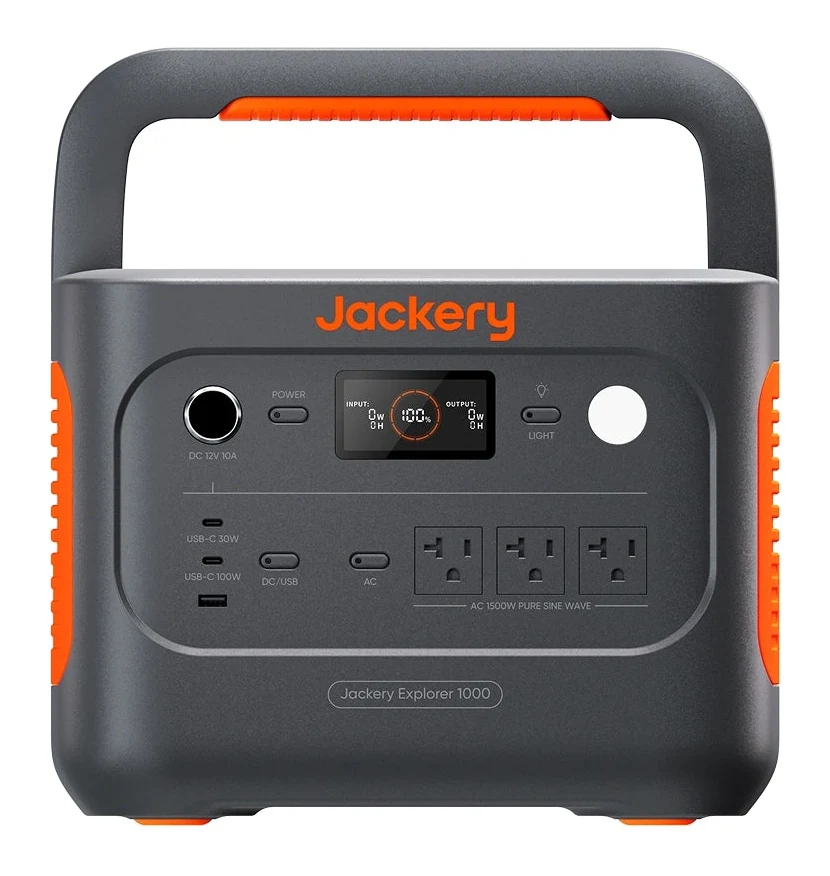
- Best BudgetJackery Explorer 1000 v2Why we picked it →
Frequently asked questions
Is the EcoFlow DELTA 3 worth it?
It is worth considering if you want fast recharging, expandable capacity and a long-life LFP battery for home backup, camping or van use. It is less appealing if you need a light, compact unit or grounded outlets across the board.
How fast does the EcoFlow DELTA 3 charge?
EcoFlow says it recharges from 0 to 100% in 56 minutes using X-Stream and 1500W AC input. It can also charge from solar (up to 500W) and through an 800W alternator charger.
Can the EcoFlow DELTA 3 be expanded?
Yes. It can grow from 1kWh to 5kWh with compatible extra batteries.
Can the DELTA 3 work as a UPS?
EcoFlow lists a UPS switchover time under 10ms, so it can back up electronics during a power cut.
What is the DELTA 3's output?
It has 6 AC outlets sharing 1800W in total, with a 3600W surge. X-Boost raises maximum device power to 2200W for heavier appliances. Half of the AC outlets are ungrounded.
How long will the DELTA 3 battery last?
The LFP battery is rated for 4000 cycles to 80+% capacity, and the unit comes with a 5-year warranty.
Can I charge the DELTA 3 with solar panels?
Yes. It has a DC input of 11V-60V with a maximum of 500W for solar charging.
Sources
Specs are taken from the manufacturers' official pages; expert recommendations from the publications below.
- EcoFlow DELTA 3: us.ecoflow.com, eu.ecoflow.com, backuppowerhub.com, ge.ecoflow.com
Related reviews & guides
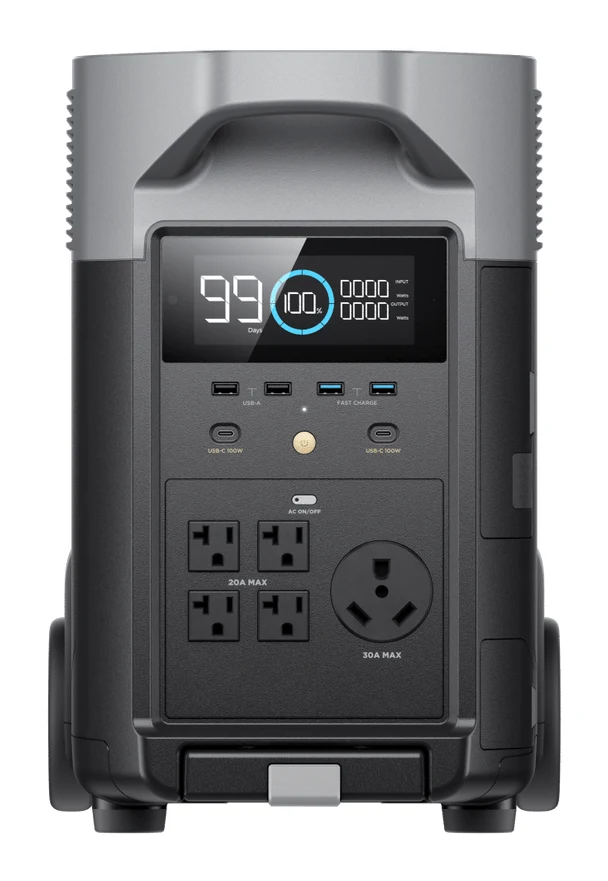
EcoFlow DELTA Pro Review (2026): Big Backup, Big Weight
Our EcoFlow DELTA Pro review looks at a 3600Wh LFP power station built for home backup, RV and off-grid use, and where its weight and 240V limits matter.
Published Oct 25, 2026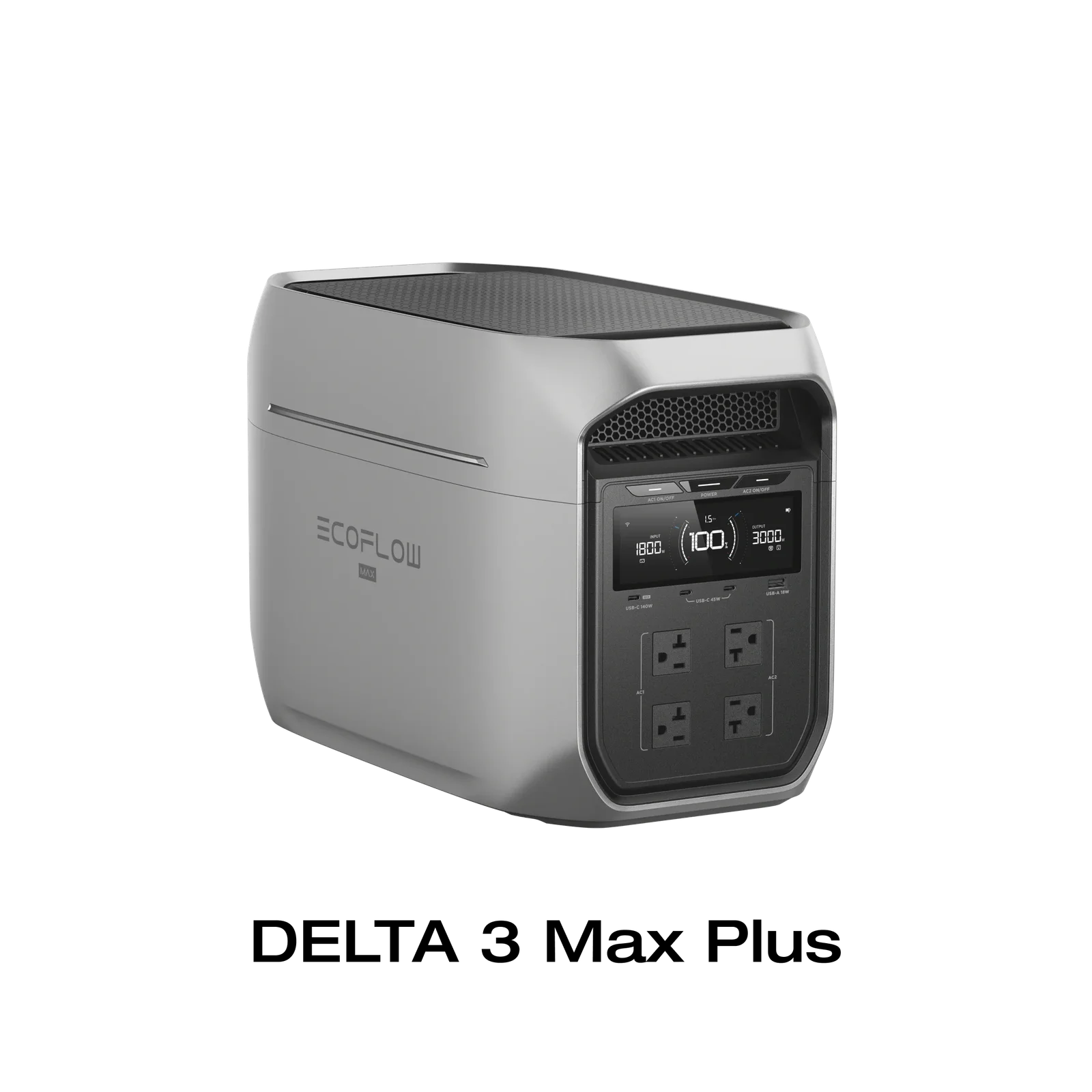
EcoFlow DELTA 3 Max Plus Review (2026): Quiet Home Backup
A look at the EcoFlow DELTA 3 Max Plus, a quiet, expandable 3000W power station aimed at home backup. Based on specs and expert reviews.
Published Oct 20, 2026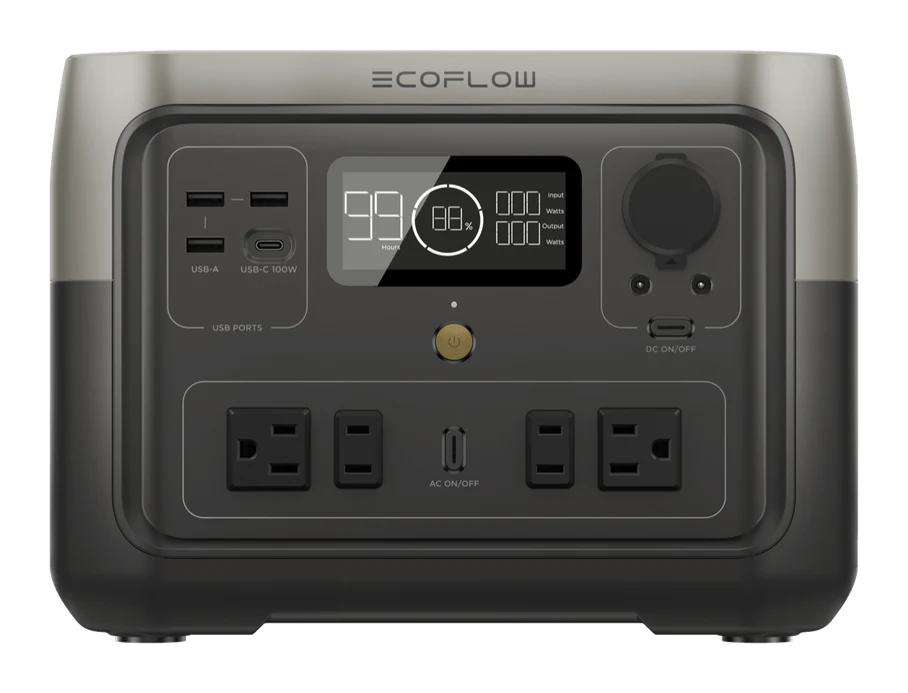
EcoFlow RIVER 2 Max 500 Review (2026): Fast Charging
Our EcoFlow RIVER 2 Max 500 review covers the 499Wh LFP power station: fast AC recharging, four charging routes, 11 ports and the limits of its 500W output.
Published Nov 16, 2026