Google Nest Doorbell (Wired, 3rd Gen) Review: 2K Video
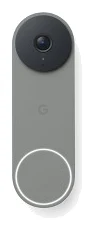
A look at the wired 3rd-gen Google Nest Doorbell: its 2K HDR video, tall square view, smart alerts and the wiring and subscription catches buyers should know about.
Research-based · We earn from qualifying purchases
Our verdict
A strong pick for people already using Google Home who have existing doorbell wiring and want sharp video, a wide view and reliable smart alerts. Skip it if you need a battery-powered install, want to avoid subscriptions for advanced features, or prefer 4K resolution.
The good
- Sharp 2K HDR video with a very wide 166° square view
- Shows visitors head to toe plus packages on the ground
- Accurate person, package, animal and vehicle alerts
- Free 6 hours of event video previews included
- Easy guided installation and simple Google Home app
+2 more
- Free 6 hours of event video previews included
- Easy guided installation and simple Google Home app
The bad
- Familiar faces and longer video history need paid Google Home Premium
- Wired only, with no battery backup option
- Requires a compatible doorbell transformer and chime, which may need replacing
- 2K resolution is lower than some 4K rival doorbells
+1 more
- 2K resolution is lower than some 4K rival doorbells
This Google Nest Doorbell (Wired, 3rd Gen) review is based on Google's manufacturer specs and what independent experts report, not hands-on testing. The doorbell is aimed at people who already live in the Google Home world and have existing doorbell wiring. It promises sharp video, a view that covers the whole doorstep and alerts that tell you what is actually at the door.
It sits in the mid-range part of the market. It is wired only, and several of its more advanced features sit behind a paid plan. Below we go through what it offers, where reviewers are enthusiastic and where they raise concerns.
Google Nest Doorbell (Wired, 3rd Gen): specs at a glance
From the manufacturer- Power
- 16–24VAC, 10–40VA, 50/60Hz doorbell transformer
- Video
- Up to 2K at 30 FPS, HDR
- Wi-Fi
- 802.11ac-ready (2.4 GHz / 5 GHz)
- Colors
- Snow, Hazel, Linen
- Weight
- 4.9 oz (140 g)
- Encoding
- H.264 and H.265
- Bluetooth
- Bluetooth Low Energy (BLE)
- Dimensions
- Height 5.2 in (131 mm), length 1.7 in (42 mm), width 1.1 in (28 mm)
- Aspect ratio
- 1:1
- Digital zoom
- 6x
- Night vision
- Up to 10 ft (3 m), six 850 nm infrared LEDs
- Camera sensor
- 2K (2048 x 2048)
- Field of view
- 166° diagonal
- Weather resistance
- IP65
- Operating temperature
- –4°F to 104°F (–20°C to 40°C)
Key features
- 2K HDR video for sharp detail day and night
- Wide 166° diagonal view with square 1:1 framing to show visitors head to toe and packages on the ground
- Built-in alerts for person, package, animal and vehicle
- Activity zones and zoom & crop to focus on what matters
- Free 6 hours of event video previews, with optional Google Home Premium for longer history
- Works with Gemini for Home voice assistant and is compatible with Alexa
- Two-way audio with noise cancellation and canned replies
- IP65 dust and water resistance, with three colors (Snow, Hazel, Linen)
Design and build
The Nest Doorbell is a slim, upright unit. It measures 5.2 in (131 mm) tall, 1.7 in (42 mm) long and 1.1 in (28 mm) wide, and weighs 4.9 oz (140 g). The camera uses square 1:1 framing, which we cover below. It comes in three colors, Snow, Hazel and Linen, so you can pick one that suits your door or the wall beside it.
It carries an IP65 rating for dust and water resistance. The operating range is –4°F to 104°F (–20°C to 40°C), which covers a wide spread of seasonal conditions. Check that range against your local climate before buying, particularly if winters or summers get extreme where you live.
Video quality and the square view
The headline feature is the camera. It records up to 2K at 30 FPS with HDR, using a 2K (2048 x 2048) sensor. HDR matters at a front door because the scene is often awkward: bright sky behind a visitor, a dark porch, or strong sun on one side. HDR is designed to hold detail across those extremes, and the spec sheet pairs it with video encoding in both H.264 and H.265.
The field of view is 166° diagonal, in a 1:1 aspect ratio. The square 1:1 frame is designed to show a visitor head to toe and also packages on the ground. Reviewers praise the view for exactly that.
There is a 6x digital zoom, along with a zoom and crop feature, for picking out detail such as a face or a label. Digital zoom works from the same sensor data, so how useful it is depends on how far away the subject is.
After dark, the doorbell uses six 850 nm infrared LEDs for night vision up to 10 ft (3 m). Google doesn't specify coverage beyond that distance.
Smart alerts and everyday features
The doorbell has built-in alerts for people, packages, animals and vehicles. Reviewers praise how accurate these are, and it matters in daily use. A doorbell that notifies you about every passing car or cat quickly trains you to ignore it. Separate alerts for each type let you decide what deserves a buzz on your phone.
Activity zones let you tell the camera which parts of the scene to care about. If part of your view covers a busy pavement or road, you can focus alerts on the porch and path instead. Combined with zoom and crop, it gives you some control over what you see and what you are told about.
Two-way audio includes noise cancellation, plus canned replies. That means you can talk to a visitor from your phone. If you can't speak, or would rather not, you can send a preset message. That suits delivery drivers and anyone you'd rather not engage in conversation.
On the smart-home side, it works with the Gemini for Home voice assistant and is compatible with Alexa. It is clearly built for Google Home first, and reviewers describe the Google Home app as simple, with guided setup that makes installation easier.
Video history and Google Home Premium
Google includes free 6 hours of event video previews. That gives you a short window to check what triggered an alert. For a longer history, you need the optional Google Home Premium plan. A common criticism is that familiar-face recognition also needs Premium. Buyers who want a long history or face recognition should treat the subscription as part of the real cost of ownership. Those who only want to see who is at the door in the moment can live with the free tier.
Google Nest Doorbell (Wired, 3rd Gen) review: installation and power
This is a wired doorbell, with no battery option. It needs a 16–24VAC, 10–40VA, 50/60Hz doorbell transformer. Reviewers note that you need a compatible transformer and chime, and that these may need replacing if yours are old or don't meet the requirement. Reviewers praise the easy guided installation, but the doorbell needs a compatible transformer and chime. If your house has no doorbell wiring at all, this model is the wrong fit.
One upside of wired power is that you never have to remove the doorbell to recharge it. The downside is that there is no battery backup, so what you get depends on your home's power and wiring. For some people that is a good trade for always-on reliability. For others it rules the product out.
Connectivity covers Wi-Fi, which Google lists as 802.11ac-ready on 2.4 GHz and 5 GHz, plus Bluetooth Low Energy. Because the doorbell streams video, a solid Wi-Fi signal at your front door is worth checking before you buy. The spec sheet doesn't give a range figure, so it is best to see how your router performs at that spot.
What experts like and what they criticise
Two published scores are available. Tom's Guide gives the doorbell 4 out of 5 and PCWorld gives it 4 out of 5, which averages 8/10 across 2 expert reviews. It is also recommended in 7 expert buying guides.
Reviewers consistently praise:
- The sharp 2K HDR video and very wide 166° square view.
- The head-to-toe framing of visitors, including packages on the ground.
- Accurate person, package, animal and vehicle alerts.
- The free 6 hours of event video previews.
- Easy guided installation and a simple Google Home app.
Common criticisms are:
- Familiar faces and longer video history need paid Google Home Premium.
- It is wired only, with no battery backup option.
- You need a compatible doorbell transformer and chime, which may need replacing.
- Its 2K resolution is lower than some 4K rival doorbells.
The subscription and wiring points are the ones that actually decide purchases. They are not small footnotes. Treat them as conditions to check before you buy.
Who should buy it and who should skip it
Buy it if you already use Google Home, have working doorbell wiring and want a doorbell that shows the whole doorstep, including the ground, with alerts that separate people from packages, animals and vehicles. It also suits people who want an easy, guided setup and are happy to use the free event previews.
Skip it if you need a battery-powered install, or your home has no suitable wiring and you don't want to deal with a transformer or chime swap. Skip it too if you want to avoid subscriptions for advanced features, or if 4K resolution is high on your list.
How it fits in its category
Video doorbells split broadly into wired and battery models, and between those that lean on subscriptions and those that don't. The Nest Doorbell sits on the wired side. It leans on a Google ecosystem and an optional subscription for extras. Its strengths are the tall square view and the accuracy of its alerts. Its trade-offs are wiring requirements and paid features, along with a 2K resolution that some rivals exceed with 4K. We don't have a doorbell buying guide to link to yet, so if you are comparing models, line up the same things: wired or battery, subscription needs, view shape and the smart-home platform you use.
Verdict
The Google Nest Doorbell (Wired, 3rd Gen) is a focused product. It does the core job well: a sharp picture, a view that suits real doorsteps and alerts that tell you what matters. It asks for a particular kind of home, one with suitable wiring and ideally a Google Home setup. If that describes you, it is an easy product to recommend. If you need battery power, want to avoid a subscription for longer history and face recognition, or want 4K, look elsewhere.
Related buying guides
Not sure about the Google Nest Doorbell (Wired, 3rd Gen)? Consider these
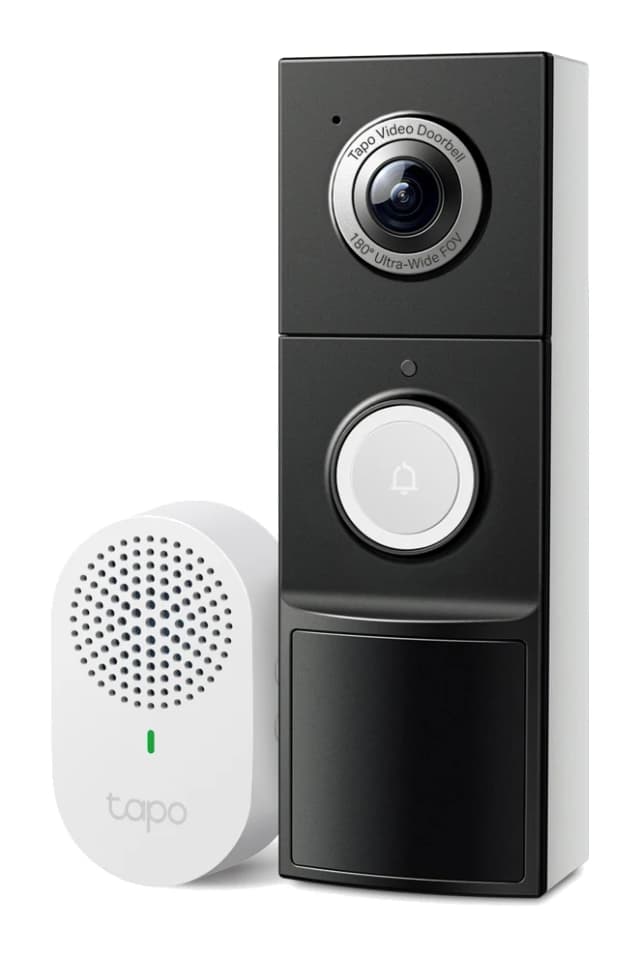
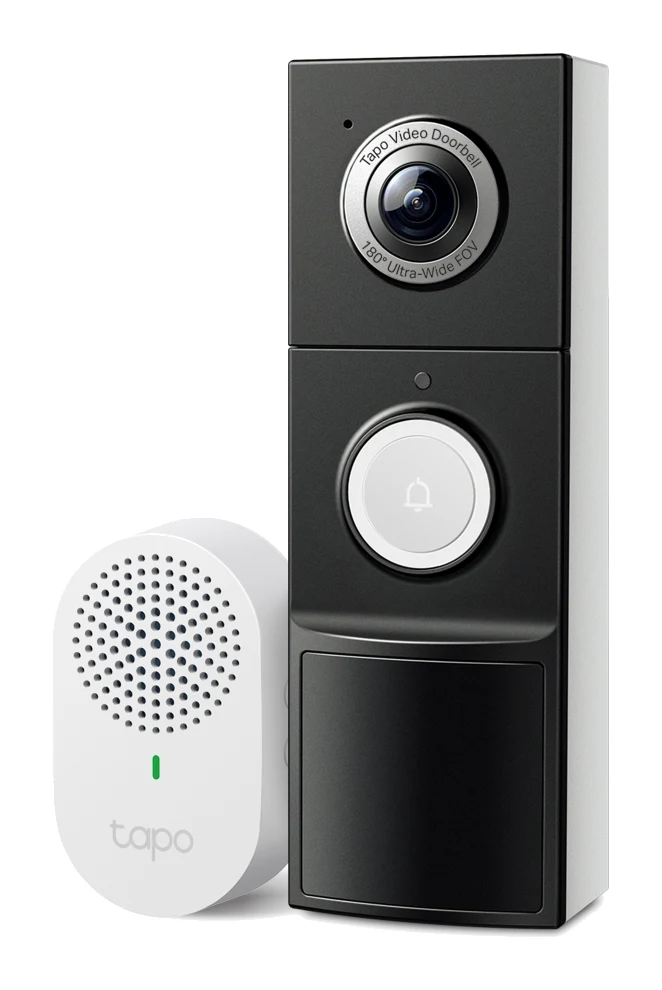
- Best OverallTP-Link Tapo D225 Video DoorbellWhy we picked it →
- Also GreatRing Battery Doorbell 2K PlusWhy we picked it →
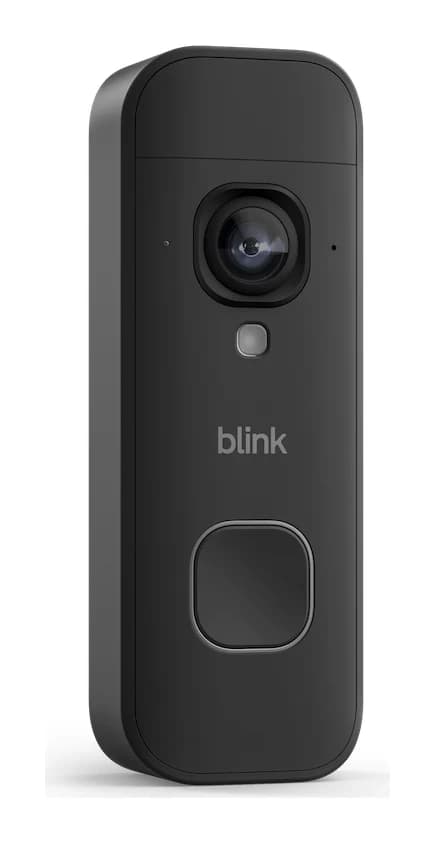
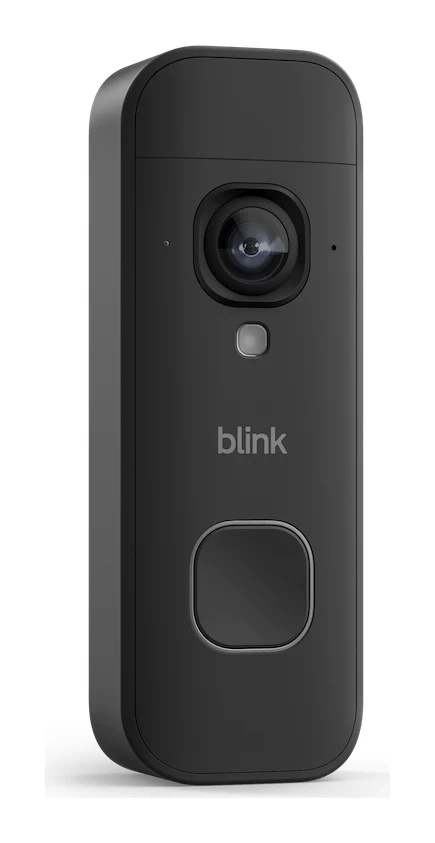
- Best ValueBlink Battery Doorbell 2K+Why we picked it →
Frequently asked questions
Is the Google Nest Doorbell (Wired, 3rd Gen) worth it?
It is a strong choice if you use Google Home and already have doorbell wiring. Reviewers praise the sharp 2K HDR video, the wide 166° square view and accurate alerts. It averages 8/10 across 2 expert reviews. It is less compelling if you want a battery model, 4K video or no subscription for advanced features.
Does the Nest Doorbell (Wired, 3rd Gen) need a subscription?
No, it works without one and includes free 6 hours of event video previews. Longer video history and familiar-face recognition need the optional Google Home Premium plan.
Is the Google Nest Doorbell (3rd Gen) battery powered?
No. This version is wired only, with no battery backup option. It needs a 16–24VAC, 10–40VA, 50/60Hz doorbell transformer, and reviewers note that you may need to replace your transformer and chime.
Does the Google Nest Doorbell work with Alexa?
Google lists it as compatible with Alexa. It also works with the Gemini for Home voice assistant, and the Google Home app is the main way to set it up and use it.
What video quality does the Nest Doorbell (Wired, 3rd Gen) record?
It records up to 2K at 30 FPS with HDR, using a 2K (2048 x 2048) sensor and a 1:1 aspect ratio. Its 166° diagonal field of view shows visitors head to toe and packages on the ground. Some rival doorbells offer 4K.
Is the Google Nest Doorbell weatherproof?
It has an IP65 rating for dust and water resistance and an operating temperature range of –4°F to 104°F (–20°C to 40°C).
Sources
Specs are taken from the manufacturers' official pages; expert recommendations from the publications below.
- Google Nest Doorbell (Wired, 3rd Gen): store.google.com, pcworld.com, tomsguide.com, homedepot.com
Related reviews & guides
Best Video Doorbell 2026: 5 Top Picks Compared
The best video doorbell depends on your wiring, storage and smart home setup. We compare five picks on manufacturer specs and expert recommendations.
Published Oct 17, 2026
Ring Battery Doorbell 2K Plus Review: Is 2K Enough?
The Ring Battery Doorbell 2K Plus pairs a head-to-toe 2K view with a Quick Release battery and optional wired trickle-charging. Here is what the specs and expert reviews say, and who should skip it.
Published Oct 25, 2026TP-Link Tapo D225 Video Doorbell Review: Free AI, Big Body
A look at the TP-Link Tapo D225: 2K head-to-toe video, AI alerts with no subscription, flexible power and local storage, balanced against its bulk and HDR-free image.
Published Oct 26, 2026