Nanoleaf Essentials A19 Matter Smart Bulb Review
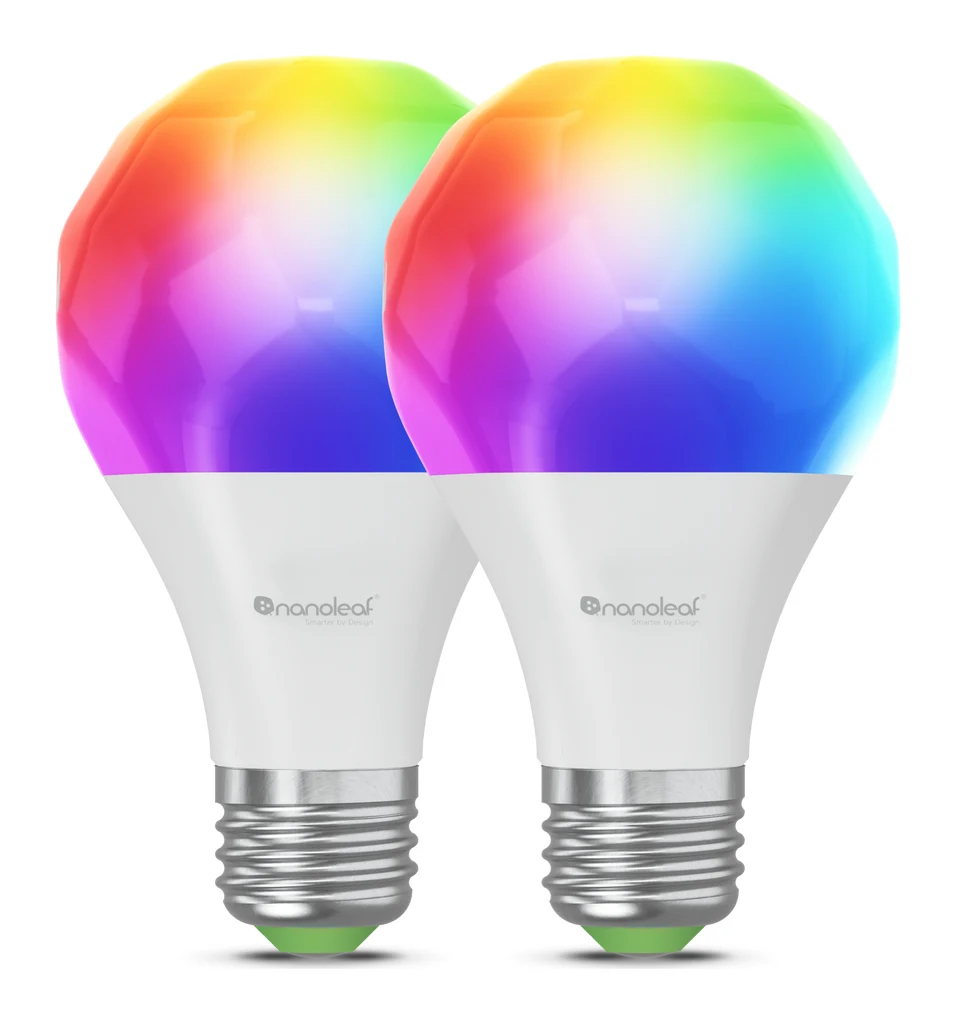
A colorful, bright Matter bulb that works with Apple Home, Google Home, Alexa and SmartThings. Here is what the specs and expert reviews say about its strengths and setup quirks.
Research-based · We earn from qualifying purchases
Our verdict
This is an affordable, bright and colorful Matter bulb that works across all the major smart home platforms, with extras like circadian lighting and screen mirroring. It suits buyers who want an easy way into color smart lighting and will tolerate some setup fuss, but anyone who wants flawless cross-platform control or Hue-matched whites should look elsewhere.
The good
- Matter support works with Apple Home, Google Home, Alexa and SmartThings
- 16M+ colors plus tunable whites from 2700K to 6500K
- Bright output of up to 1000 lumens with CRI of 90 or higher
- Circadian Lighting shifts white tone through the day automatically
- Choice of Wi-Fi or Thread versions to suit your smart home setup
+2 more
- Circadian Lighting shifts white tone through the day automatically
- Choice of Wi-Fi or Thread versions to suit your smart home setup
The bad
- Setup can be fiddly and often requires firmware updates in the Nanoleaf app
- Some features only work in the Nanoleaf app and can be overridden elsewhere
- Thread version needs a border router; Bluetooth fallback is slow and inconsistent
- Warm-white and color tones can look different from Hue or LIFX
+1 more
- Warm-white and color tones can look different from Hue or LIFX
This Nanoleaf Essentials A19 Matter smart bulb review looks at a color-capable bulb built around one idea: it should work with whichever smart home platform you already use. It supports Matter, so it can pair with Apple Home, Google Home, Alexa and SmartThings, and it comes in both Wi-Fi and Thread versions. It is aimed at people who want colorful, flexible lighting across platforms without committing to one ecosystem.
This review is based on Nanoleaf's manufacturer specs and on what independent expert reviews report. It is not based on hands-on testing.
Nanoleaf Essentials A19 Matter Smart Bulb: specs at a glance
From the manufacturer- CRI
- ≥90
- Wattage
- 9W ±10% (60W equivalent)
- Warranty
- 2 years
- Dimensions
- 2.4 × 4.4 in (6.1 × 11.1 cm)
- Form factor
- A19/A60, rhombicosidodecahedron shape
- Fitting base
- E26/E27/B22
- Dimming range
- 1–100%
- Input voltage
- 120V AC, 60Hz
- Color channels
- RGBCW
- Rated lifetime
- 25,000 hours
- Color capability
- 16M+ colors + tunable whites
- Color temperature
- 2700–6500K
- Connectivity (Wi-Fi version)
- Wi-Fi, Matter over Wi-Fi, Bluetooth
- Connectivity (Thread version)
- Thread, Matter over Thread, Bluetooth
- Brightness (avg), Matter Thread/Wi-Fi models
- 900 lm
- Brightness (max), Matter Thread/Wi-Fi models
- 1000 lm
Key features
- 16M+ colors plus tunable whites from 2700K to 6500K
- Matter support works with Apple Home, Google Home, Alexa and SmartThings
- Matter over Wi-Fi and Matter over Thread models; Bluetooth for app setup and basic control
- Circadian Lighting adjusts white tone to your timezone through the day
- Schedules and automations from the Nanoleaf app or a Matter app
- Screen Mirror syncs the bulb to on-screen colors through the Nanoleaf desktop app
- Distinctive multi-faceted bulb shape that fits standard A19 | E26 fixtures
- 2-year warranty; ENERGY STAR certified bulbs carry 3 years where applicable
Nanoleaf Essentials A19 Matter smart bulb review: design and build
The bulb is easy to spot. Instead of the smooth frosted dome of a typical A19, it has a multi-faceted shape that the spec sheet describes as a rhombicosidodecahedron. Whether you like that look is subjective, but it is a deliberate styling choice.
Practically, the bulb fits standard A19 | E26 fixtures. The spec sheet also lists E27 and B22 fitting bases, so check which one your lamps use. It measures 2.4 × 4.4 in (6.1 × 11.1 cm). It runs from 120V AC, 60Hz mains, so it suits North American fixtures.
The rated lifetime is 25,000 hours. Nanoleaf backs the bulb with a 2-year warranty, and ENERGY STAR certified bulbs carry 3 years where applicable. Check which version you are buying if the longer cover matters to you.
Colors, whites and light quality
The bulb uses RGBCW color channels. That means it has dedicated cool-white and warm-white channels alongside red, green and blue. In practice you get 16M+ colors plus tunable whites from 2700K to 6500K. The range runs from a warm, evening-style glow to a crisp, daylight-leaning white, and everything in between.
The white channels matter more than the color count for most people. Most of a bulb's life is spent making white light, and a CRI of 90 or higher is a reassuring figure there. A higher CRI generally means colors on objects and skin tones look more natural under the bulb. Dimming runs from 1–100%, so it can drop low enough for evening use as well as reach full output.
One caveat from reviewers is that the warm-white and color tones can look different from Hue or LIFX. If you are adding this bulb to a room that already has bulbs from another brand, expect to spend some time matching tones. Mixing brands in a single fixture or on the same wall may show visible differences.
Brightness and efficiency
Nanoleaf lists average brightness for the Matter Thread and Wi-Fi models at 900 lm, with a maximum of 1000 lm. The bulb draws 9W ±10% and is rated as a 60W equivalent. That is a sensible match for general room lighting, such as a lamp, a ceiling fixture or a hallway. Nanoleaf lists output of up to 1000 lumens.
A bulb this bright with this much color range is more than you need for mood lighting alone.
Matter, Wi-Fi or Thread: choosing a version
This is the most important buying decision, because the two versions connect differently.
Matter over Wi-Fi
The Wi-Fi version connects over Wi-Fi and speaks Matter over Wi-Fi, with Bluetooth for app setup and basic control. It is the more straightforward option if you do not have Thread devices at home.
Matter over Thread
The Thread version uses Thread and Matter over Thread, again with Bluetooth for setup and basic control. Thread is a low-power mesh protocol, so it suits a home that already has Thread-capable devices. The catch, which reviewers flag, is that it needs a Thread border router. The Bluetooth fallback is described as slow and inconsistent, so you should not plan on it as a substitute for a proper border router.
If you are unsure which to buy, the simplest rule is this. If you already have a border router in your smart home, Thread is a reasonable pick. If you do not, the Wi-Fi version avoids that dependency.
Features and what they mean day to day
The headline feature is cross-platform Matter support. The bulb works with Apple Home, Google Home, Alexa and SmartThings, so you are not locked to one assistant. If someone in the household uses a different phone, or you switch platforms later, the bulb should keep working. That is the main reason to choose it over a platform-specific bulb.
The Nanoleaf app adds extras on top.
- Circadian Lighting adjusts the white tone to your timezone through the day. The white tone adjusts to your timezone through the day without you touching anything. It is a set-and-forget feature if you like the idea.
- Schedules and automations can be created in the Nanoleaf app or in a Matter app, so you can use your preferred platform for routines.
- Screen Mirror syncs the bulb to on-screen colors through the Nanoleaf desktop app. It is a fun extra for a desk, gaming or media setup.
There is a trade-off. Reviewers note that some features only work in the Nanoleaf app and can be overridden elsewhere. It is worth deciding up front which app is the main controller for each bulb.
Setup and day-to-day reliability
Setup is the most common criticism. Reviewers describe it as fiddly, and note that it often requires firmware updates in the Nanoleaf app. That is not unusual for smart home gear, but it does mean the first session may take longer than screwing in a bulb and pairing it.
Once you are past setup, the platform support is what you are buying. The practical advice is to set aside some time for the first bulb, update the firmware, and then add the others. If you plan to fill a whole house, test one bulb in your chosen platform before ordering more.
What experts like and what they criticise
The picture from independent reviews is fairly consistent. Reviewers praise:
- the breadth of Matter support across the major platforms;
- the wide color range and tunable whites;
- the bright output with a CRI of 90 or higher;
- Circadian Lighting;
- the option of a Wi-Fi or Thread version.
A common criticism is that setup is fiddly and sometimes needs firmware updates. Reviewers also say some features are Nanoleaf-app only and can be overridden elsewhere. The Thread version needs a border router, with a weak Bluetooth fallback, and the tones can differ from Hue or LIFX.
TechRadar scores it 4/5, and the bulb is recommended in 4 expert guides. That points to a well-regarded product rather than a flawless one, which matches the criticisms above.
Who should buy it
The bulb makes the most sense for:
- people who want colorful smart lighting and an easy way into Matter;
- households that mix platforms, such as an iPhone user alongside an Alexa speaker;
- anyone who wants circadian white tones without manual scheduling;
- desk and media setups that could use Screen Mirror.
Who should skip it
Skip it if you need flawless cross-platform control and expect everything to behave identically in every app. The overrides between the Nanoleaf app and other platforms can get in the way. It is also not the best choice if you want whites that match an existing Hue or LIFX setup, or if you dislike fiddly setup. Finally, if you pick the Thread version without a border router, you are likely to be frustrated.
How it fits in the smart bulb category
In general terms, color smart bulbs trade off price, light quality, app polish and ecosystem support. This bulb leans toward ecosystem flexibility and color capability. It gives you bright output, a wide color range and the choice of Wi-Fi or Thread, in exchange for some setup friction and tone differences from the more established brands. If your priority is broad platform compatibility, it makes a strong case. If your priority is the most seamless app experience, you may want to look elsewhere.
Verdict
The Nanoleaf Essentials A19 Matter smart bulb is a bright, colorful and flexible way into Matter lighting. It earns its place through cross-platform support, a wide white range, circadian lighting and the option of Wi-Fi or Thread. Its weaknesses are the fiddly setup, the app overrides and the tone differences from other brands. Pick the right version for your home, be ready to update firmware, and it suits buyers who want affordable color lighting that does not tie them to a single platform and will tolerate some setup fuss.
Related buying guides
- Best Smart Light Bulbs 2026: Hue, Matter & Wi-Fi Picks
- LIFX Color A19 Review (2026): Bright HomeKit Bulb, No Hub
- Govee H6008 Review (2026): Hub-Free Color Bulb
- Philips Hue Essential Smart LED A19 Review: Hue for Less
- Linkind Matter Smart Plug Review (2026): Local Control
- Philips Hue Color Ambiance A19 75W Review: Premium Pick?
- TP-Link Tapo L535E Review (2026): Bright Matter Bulb
- Wyze Bulb Color Review (2026): Bright, Hub-Free, No HomeKit
Not sure about the Nanoleaf Essentials A19 Matter Smart Bulb? Consider these
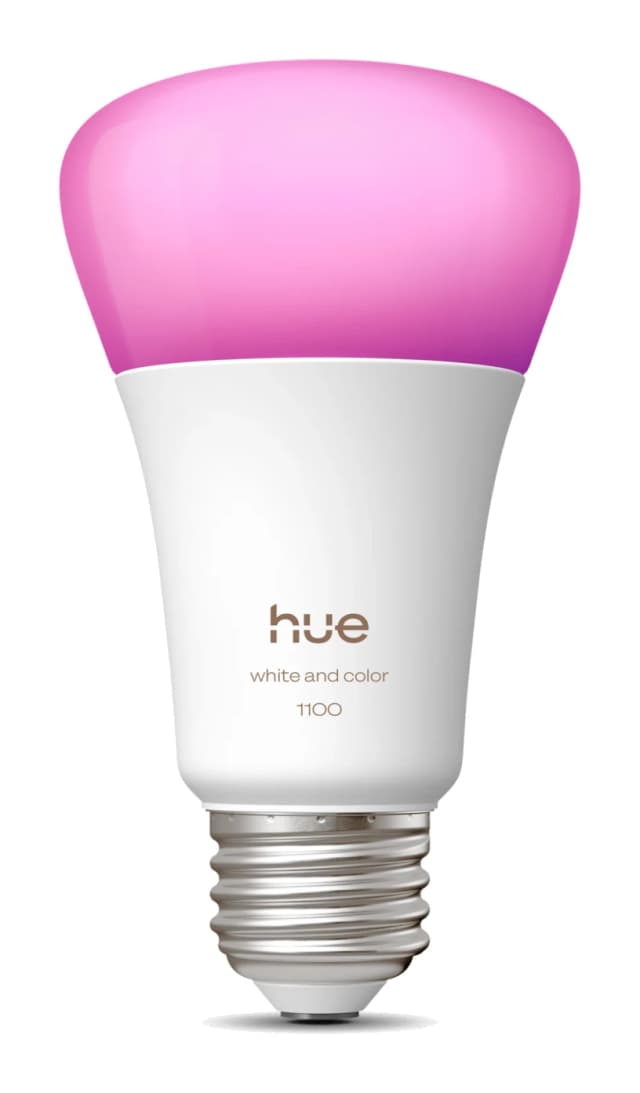
- Best OverallPhilips Hue White and Color Ambiance A19 (75W)Why we picked it →
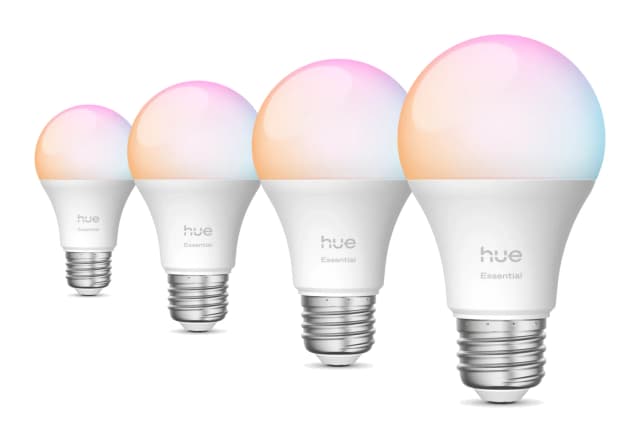
- Best ValuePhilips Hue Essential Smart LED A19Why we picked it →
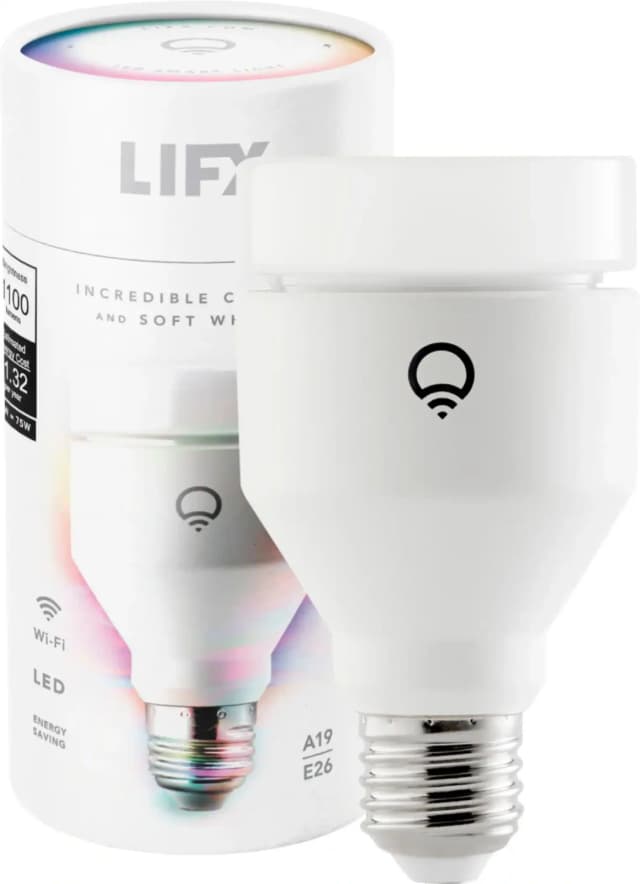
- Premium PickLIFX Color A19Why we picked it →
Frequently asked questions
Is the Nanoleaf Essentials A19 Matter smart bulb worth it?
For people who want colorful, bright lighting that works across Apple Home, Google Home, Alexa and SmartThings, reviewers see it as a good option. It is recommended in 4 expert guides and TechRadar scores it 4/5. The main drawbacks are fiddly setup and some features that only work in the Nanoleaf app.
Does the Nanoleaf Essentials A19 work with Apple Home, Google Home and Alexa?
Yes. It supports Matter, so it works with Apple Home, Google Home, Alexa and SmartThings. Some features only work in the Nanoleaf app and can be overridden elsewhere.
Should I buy the Wi-Fi or the Thread version?
The Wi-Fi version connects over Wi-Fi and Matter over Wi-Fi. The Thread version uses Thread and Matter over Thread, and needs a Thread border router. If you do not already have a border router, the Wi-Fi version is the simpler choice.
How bright is the Nanoleaf Essentials A19 bulb?
Nanoleaf lists an average brightness of 900 lm and a maximum of 1000 lm for the Matter Thread and Wi-Fi models. It draws 9W ±10% and is rated as a 60W equivalent.
What colors and white tones can it produce?
It offers 16M+ colors plus tunable whites from 2700K to 6500K, with a CRI of 90 or higher. Dimming runs from 1–100%.
Can the bulb sync with my screen?
Yes. Screen Mirror syncs the bulb to on-screen colors through the Nanoleaf desktop app.
Will it fit my light fixture?
It fits standard A19 | E26 fixtures. The spec sheet also lists E27 and B22 fitting bases, and it runs on 120V AC, 60Hz.
Sources
Specs are taken from the manufacturers' official pages; expert recommendations from the publications below.
- Nanoleaf Essentials A19 Matter Smart Bulb: us-shop.nanoleaf.me, homedepot.com, walmart.com, nanoleaf.me
Related reviews & guides
Best Smart Light Bulbs 2026: Hue, Matter & Wi-Fi Picks
Five of the best smart light bulbs for 2026, from Philips Hue to Nanoleaf, LIFX and WiZ, compared on connectivity, brightness, dimming and Matter support, plus how to avoid buzzing and flicker.
Published Oct 22, 2026
Philips Hue Essential Smart LED A19 Review: Hue for Less
A full-color, tunable-white Hue bulb that costs far less than standard Hue bulbs. Here is what it does well, where it compromises, and who it suits.
Published Nov 9, 2026
LIFX Color A19 Review (2026): Bright HomeKit Bulb, No Hub
A hub-free, 1100-lumen color bulb with HomeKit, Alexa, Google Home and SmartThings support. We look at who it suits and where reviewers say it falls short.
Published Oct 28, 2026