Anker SOLIX F3800 Plus Review (2026): Home Backup Core
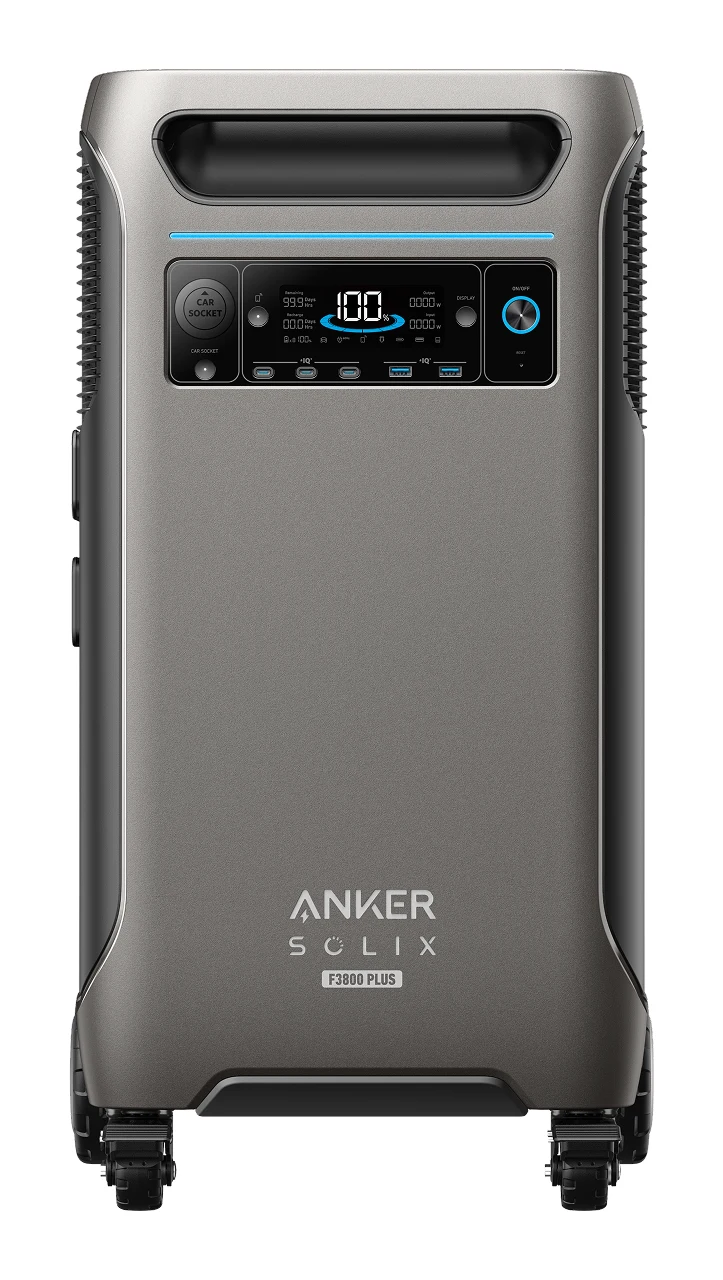
A look at the Anker SOLIX F3800 Plus, a 3,840Wh expandable power station with 240V output, strong solar input and generator bypass, built for home backup.
Research-based · We earn from qualifying purchases
Our verdict
The F3800 Plus is a powerful, expandable 3,840Wh station with true 240V output, strong solar input and generator bypass, making it a solid core for home backup. Skip it if you need a light, grab-and-go unit or have a tight budget.
The good
- True 120V/240V output with built-in L14-30 port, no converters needed
- 6,000W AC output covers heavy home appliances
- Up to 3,200W solar input over two MPPT inputs for fast recharging
- Generator bypass allows 240V generator charging during long outages
- Expands up to 53.8kWh and 12,000W as a scalable home backup core
+2 more
- Generator bypass allows 240V generator charging during long outages
- Expands up to 53.8kWh and 12,000W as a scalable home backup core
The bad
- At 136.7 lb it is hard on stairs, despite wheels and handles
- Expensive, and a full system costs more with expansion batteries and accessories
- Early reviews flagged standby drain; a later firmware update aimed to reduce it
- 240V output can't be used while charging from 120V AC
+1 more
- 240V output can't be used while charging from 120V AC
This Anker SOLIX F3800 Plus review looks at a power station that is less a camping accessory than the starting point for a home backup system. It pairs a 3,840Wh battery with 6,000W of AC output, true 120V/240V power and the ability to grow into a much larger setup. It is aimed at homeowners who want to build scalable backup power, not at anyone who wants a light, grab-and-go box. This review is based on Anker's published specifications and what independent expert reviews report.
Anker SOLIX F3800 Plus: specs at a glance
From the manufacturer- Weight
- 62 kg / 136.7 lb
- Warranty
- 5 years
- Car socket
- 12V / 10A
- Dimensions
- 27.6 × 15.3 × 15.6 in / 70.2 × 38.8 × 39.5 cm
- Solar input
- 3,200W (2 × 1,600W, 11-165V, 17A each)
- USB-A output
- 12W max per port
- USB-C output
- 100W max per port
- UPS switchover
- 20 ms
- Battery capacity
- 3,840Wh
- AC output (total)
- 6,000W max
- Battery chemistry
- LiFePO4, 3,000+ cycles
- AC input (charging)
- 1,800W max
- Expandable capacity
- Up to 53.8kWh
- Discharging temperature
- -4°F to 104°F / -20°C to 40°C
- Generator / home power panel port
- 6,000W max (AC input and output), 120V/240V
Key features
- 120V/240V dual-voltage output with a built-in NEMA L14-30 port, so no converters are needed for 240V appliances
- Up to 3,200W solar input over two 11-165V MPPT inputs for fast recharging
- Generator bypass lets you recharge from a 240V generator for long outages
- Expands up to 53.8kWh and 12,000W with expansion batteries and a second unit
- Charges from solar, gas generator, home power panel or an AC outlet
- Wi-Fi and Bluetooth app control
- Wheels, an extension handle and a bottom handle make the 136.7 lb unit easier to move
- Storm Guard automatically charges the unit before severe weather, and a 5-year warranty is included
Design and build: a big unit with moving aids
The F3800 Plus measures 27.6 × 15.3 × 15.6 in / 70.2 × 38.8 × 39.5 cm and weighs 62 kg / 136.7 lb. That puts it firmly in the category of equipment you position once and move occasionally. Anker adds wheels, an extension handle and a bottom handle to make the 136.7 lb unit easier to move.
Weight is a downside: even with the wheels and handles, 136.7 lb is hard on stairs. If your backup spot is a garage, utility room or ground-floor space, that matters little. If it has to go up or down steps, plan the logistics before you buy.
The battery uses LiFePO4 chemistry, rated for 3,000+ cycles. The discharging temperature range is -4°F to 104°F / -20°C to 40°C, so think about where it will live.
Anker SOLIX F3800 Plus review: features that matter day to day
True 120V/240V output
The headline feature is dual-voltage output with a built-in NEMA L14-30 port. In practice, you can power 240V appliances without converters or adapters. Total AC output is 6,000W max, which covers heavy home appliances.
There is one limitation to know about: the 240V output can't be used while the unit is charging from 120V AC. If you plan to recharge from a standard outlet while powering 240V loads, that won't work.
Smaller outputs and everyday ports
Beyond the big AC output, the unit has USB-C ports rated at 100W max per port, USB-A ports at 12W max per port, and a 12V / 10A car socket. These are handy for phones, laptops and small accessories, though the F3800 Plus is clearly built around its AC capability. The UPS switchover is 20 ms, relevant if you want it sitting between the wall and sensitive electronics.
App control and Storm Guard
Wi-Fi and Bluetooth app control let you manage the station remotely. Storm Guard is a more situational extra: it automatically charges the unit before severe weather, so it is topped up when an outage is most likely. For a home-backup product, that kind of automation is a sensible touch.
Charging: solar, generator, panel or wall
This is where the F3800 Plus is most flexible. It can charge from solar, a gas generator, a home power panel or a standard AC outlet.
Solar input
Solar input reaches 3,200W, delivered through two MPPT inputs rated 11-165V, 17A each (2 × 1,600W). The two MPPT inputs allow fast recharging. Getting the most from it depends on how many panels you can connect and what your site allows. Our guide to the best solar panels for portable power stations is a useful starting point for choosing compatible panels.
Generator bypass and long outages
Generator bypass lets you recharge from a 240V generator during long outages. The generator / home power panel port handles 6,000W max for both AC input and output at 120V/240V. Generator bypass is one of the product's listed strengths for long outages.
Wall charging
AC input for charging is 1,800W max. That is useful for topping up before a storm or keeping the unit ready. Remember too that 240V output is unavailable while charging from 120V AC.
Capacity and expansion
The built-in battery is 3,840Wh, which is a solid foundation by itself. The F3800 Plus is also designed to grow. It expands up to 53.8kWh and 12,000W with expansion batteries and a second unit. That makes it a scalable core for home backup: you can start with one station and add capacity later instead of committing to the full setup on day one.
The flip side is cost. The F3800 Plus is expensive, and a full system costs more once you add expansion batteries and accessories. The real total depends on how far you scale with expansion batteries and accessories.
What experts like and what they criticise
The F3800 Plus averages 8.7/10 across 3 expert reviews. Digital Trends scores it 9/10, How-To Geek 8/10 and AppleInsider 4.5/5. It is also recommended in 1 expert buying guide.
Praise
Key strengths include:
- true 120V/240V output through the built-in L14-30 port, with no converters needed
- 6,000W AC output that covers heavy home appliances
- fast solar recharging via two MPPT inputs
- generator bypass for 240V generator charging during long outages
- expandability to 53.8kWh and 12,000W
Criticism
A common criticism is weight: at 136.7 lb it is hard on stairs. Cost is the second theme, especially once expansion batteries and accessories are added. Early reviews flagged standby drain, and a later firmware update aimed to reduce it. The restriction on 240V output while charging from 120V AC is another drawback.
Who should buy it
The F3800 Plus suits homeowners building a scalable whole-home backup power system. It makes the most sense if you:
- need 240V appliances to run without adapters
- want to recharge from solar, a generator or your home power panel
- expect to add capacity over time
- have a ground-level spot where a 136.7 lb unit can stay put
Who should skip it
Skip it if you need something light for travel, camping or occasional trips, because the weight and size work against that. Also skip it if budget is tight: this is a system investment, and the full setup costs more than the station alone.
How it fits in its category
The F3800 Plus is a 3,840Wh, 136.7 lb station aimed at home backup. Its combination of 240V output, high solar input, generator bypass and expansion is aimed at home resilience, not portability. That focus is its strength and its limitation: it does a lot for home backup and little for anyone who needs to carry it around.
Verdict
The F3800 Plus is a capable, expandable foundation for home backup. True 240V output, strong solar input, generator bypass and a path to 53.8kWh make it a flexible core. The downsides are real: it is heavy, the full system is a significant spend, and early standby drain reports are worth watching. If you are building a backup system and have somewhere sensible to keep it, it deserves a serious look. Backed by a 5-year warranty, it is a long-term purchase more than a casual gadget.
Related buying guides
- Anker SOLIX C1000 Gen 2 Review (2026): Fast but Fixed
- Best Power Banks of 2026: MagSafe, Laptop & Travel Picks
- Best Home Backup Batteries for Power Outages 2026
- BLUETTI Elite 200 V2 Review (2026): Big Power, Heavy Body
- Jackery Explorer 1000 v2 Review (2026): Light, Quiet Power
- EcoFlow DELTA 3 Max Plus Review (2026): Quiet Home Backup
- BLUETTI AC180 Review (2026): Fast-Charging Home Backup
Not sure about the Anker SOLIX F3800 Plus? Consider these
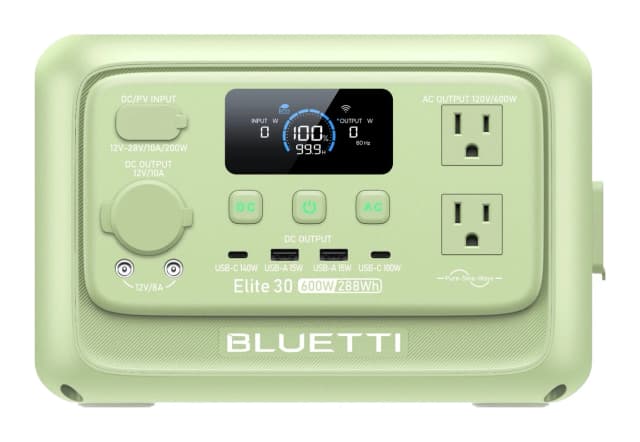
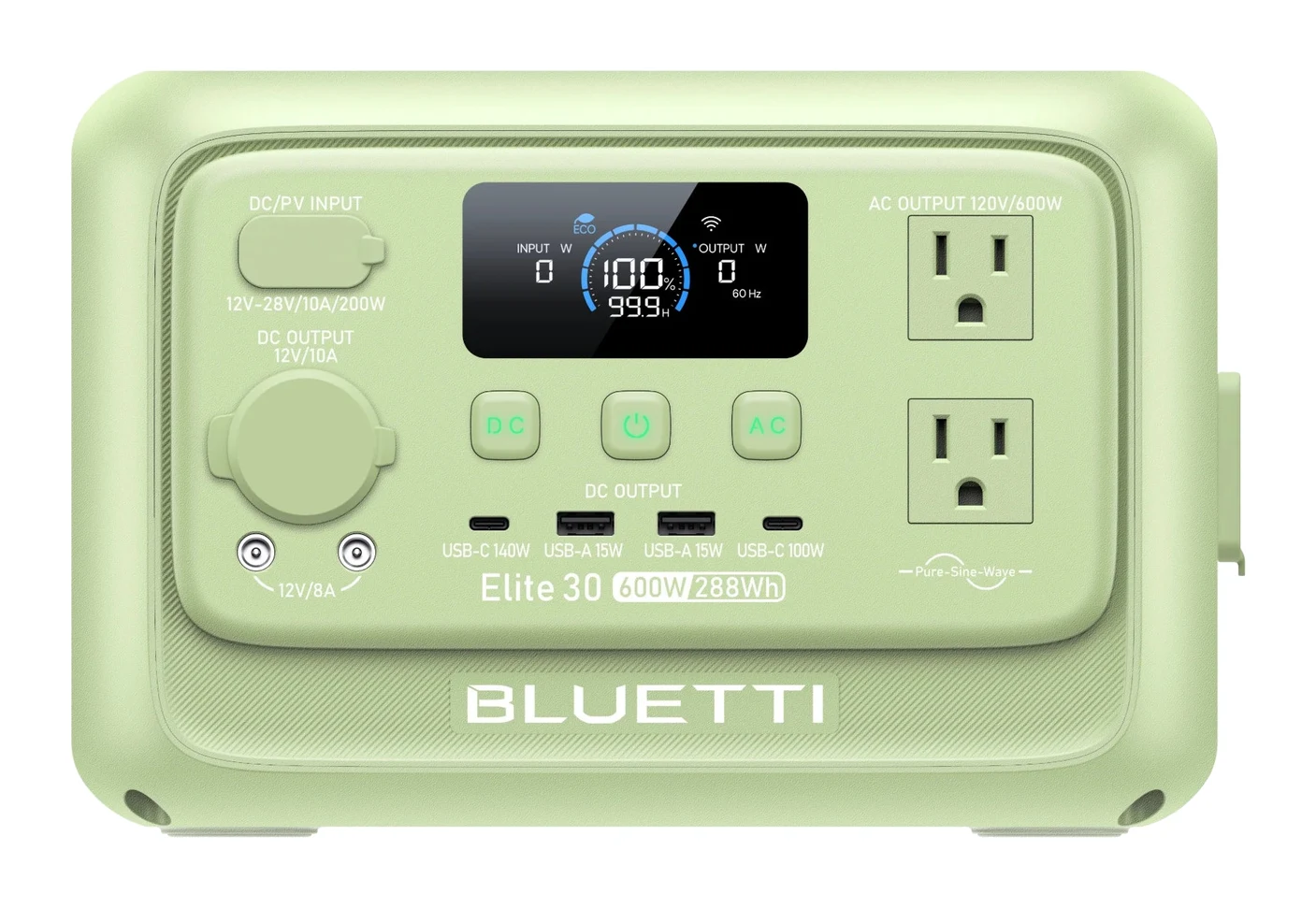
- Best OverallBLUETTI Elite 30 V2Why we picked it →
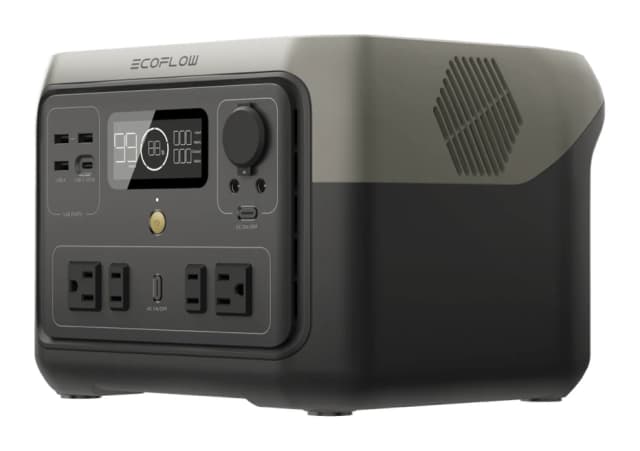
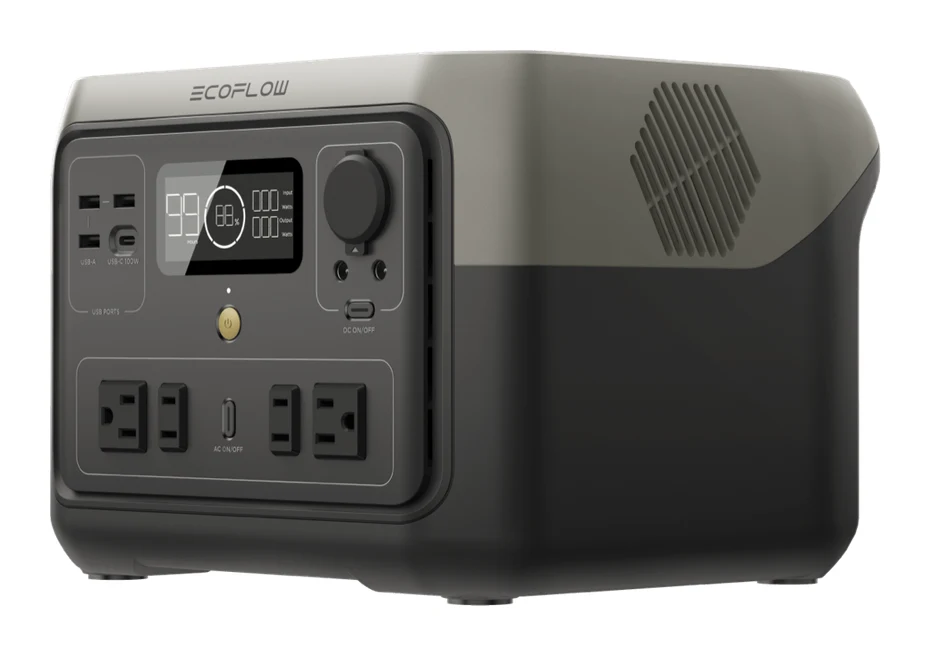
- Best ValueEcoFlow RIVER 2 Max 500Why we picked it →
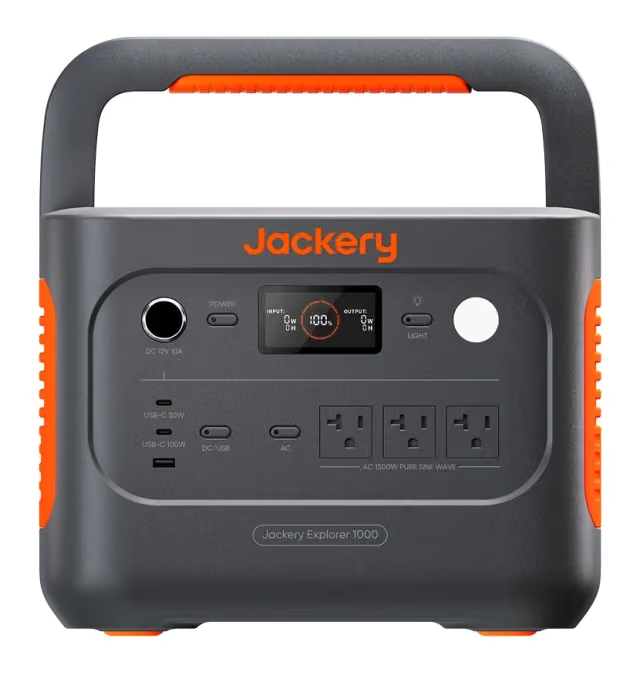
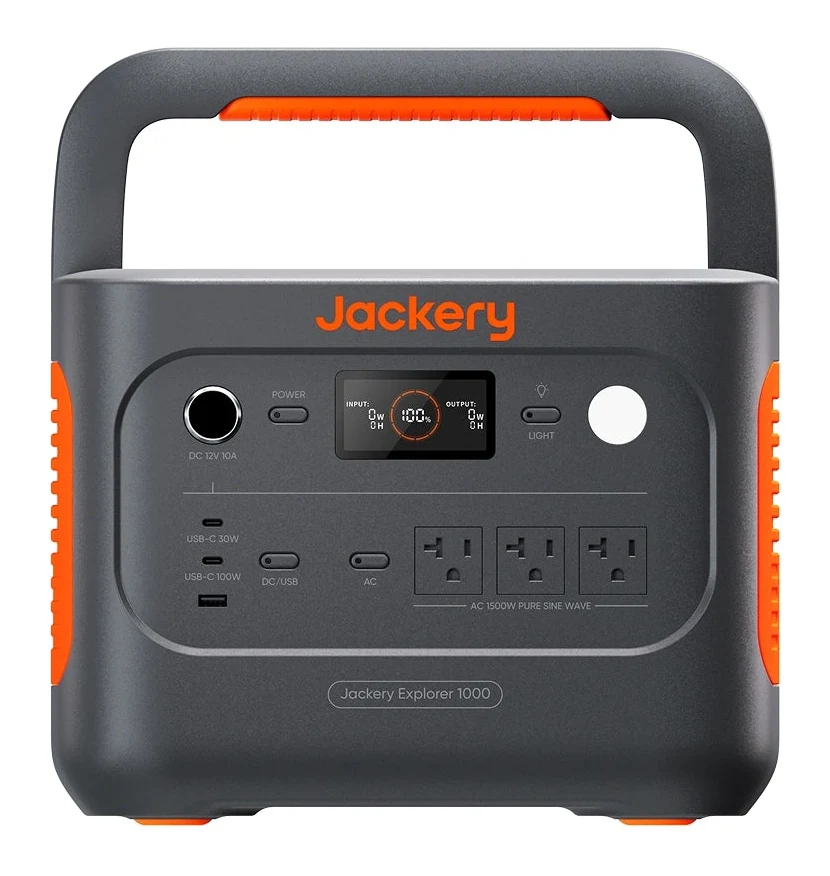
- Best BudgetJackery Explorer 1000 v2Why we picked it →
Frequently asked questions
Is the Anker SOLIX F3800 Plus worth it?
For homeowners building a scalable backup system, it is a solid core. It averages 8.7/10 across 3 expert reviews. It is expensive and heavy, so it is less suited to buyers who want a light, low-cost unit.
Can the Anker SOLIX F3800 Plus run 240V appliances?
Yes. It offers 120V/240V dual-voltage output with a built-in NEMA L14-30 port, so no converters are needed. Note that 240V output can't be used while the unit is charging from 120V AC.
How can I recharge the F3800 Plus?
It charges from solar, a gas generator, a home power panel or an AC outlet. Solar input reaches 3,200W over two MPPT inputs, and AC charging is 1,800W max.
Can the F3800 Plus be expanded?
Yes. With expansion batteries and a second unit it expands up to 53.8kWh and 12,000W.
How heavy is the Anker SOLIX F3800 Plus?
It weighs 62 kg / 136.7 lb. Wheels, an extension handle and a bottom handle help, but it is still hard on stairs.
What warranty does the F3800 Plus have?
It includes a 5-year warranty.
Sources
Specs are taken from the manufacturers' official pages; expert recommendations from the publications below.
- Anker SOLIX F3800 Plus: ankersolix.com, support.ankersolix.com, solarwaypoint.com
Related reviews & guides
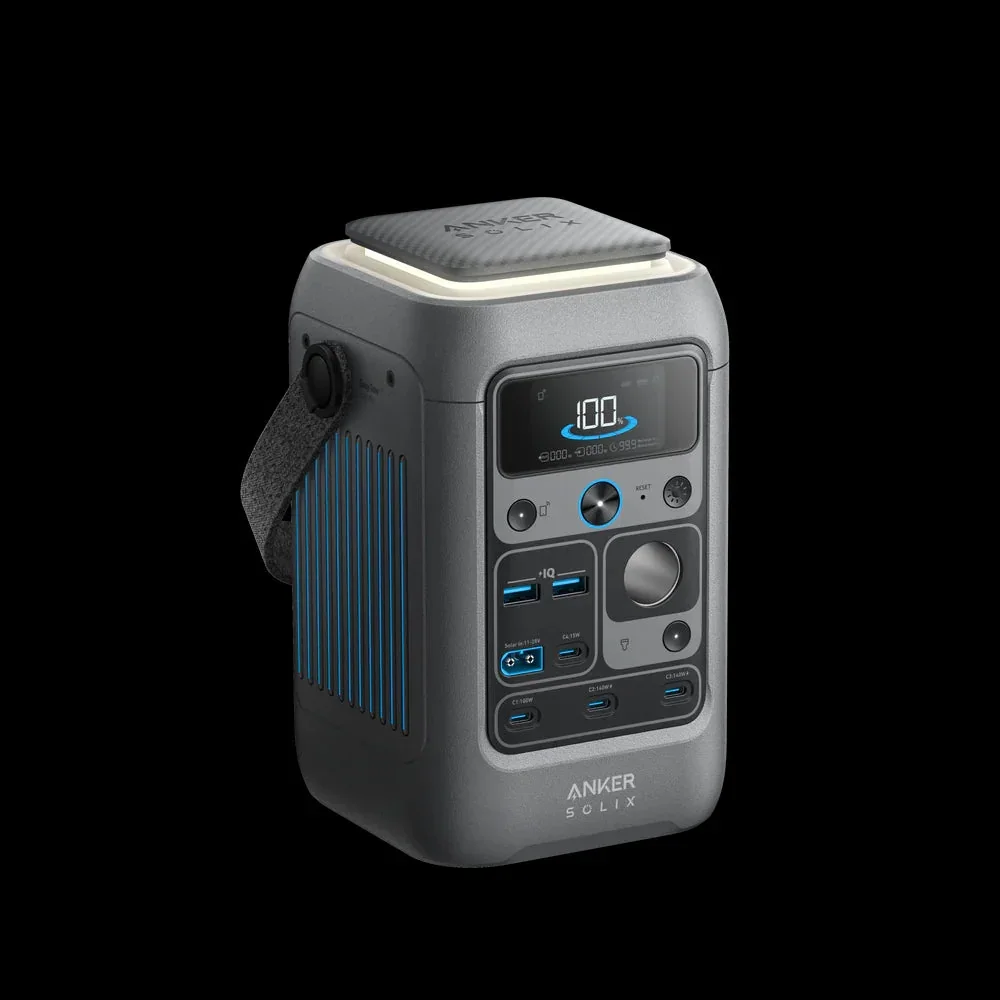
Anker SOLIX C300 Review (2026): Compact, Quiet, Limited
Our Anker SOLIX C300 review looks at a compact 288Wh LiFePO4 power station built around fast USB-C charging, quiet running and a long-life battery, and at the limits that come with its size.
Published Oct 25, 2026
Anker SOLIX C1000 Gen 2 Review (2026): Fast but Fixed
A look at the Anker SOLIX C1000 Gen 2, a compact 1,024Wh LiFePO4 power station with fast recharging, strong output and a 5-year warranty, plus the trade-offs experts flag.
Published Oct 19, 2026
EcoFlow DELTA 3 Max Plus Review (2026): Quiet Home Backup
A look at the EcoFlow DELTA 3 Max Plus, a quiet, expandable 3000W power station aimed at home backup. Based on specs and expert reviews.
Published Oct 20, 2026