Jackery Explorer 1000 v2 Review (2026): Light, Quiet Power
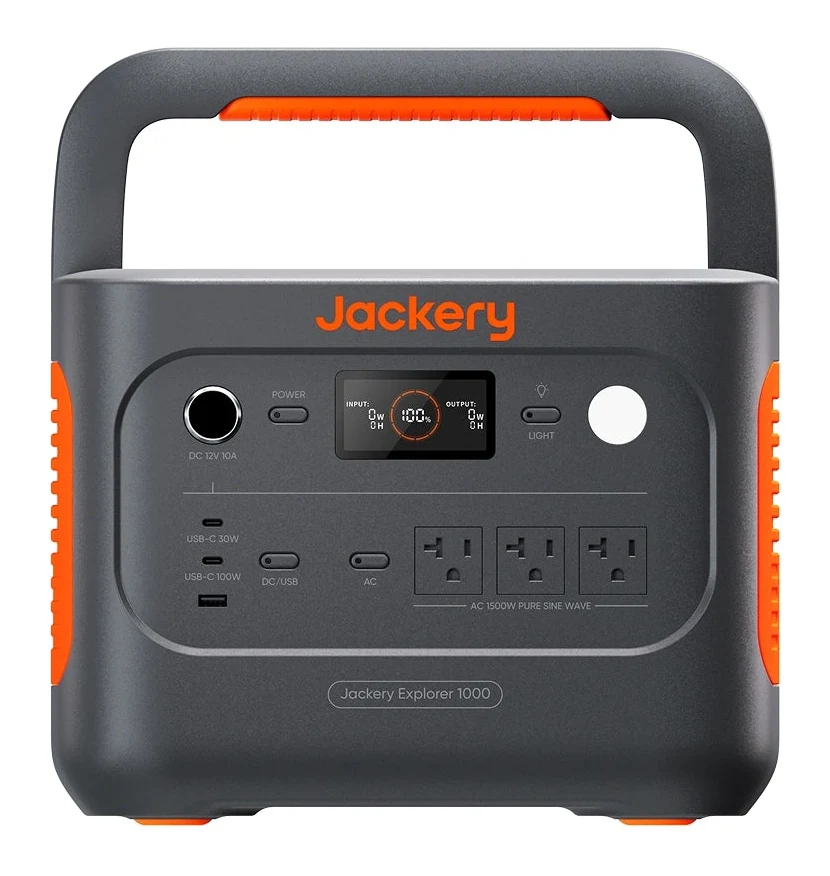
Our Jackery Explorer 1000 v2 review covers a portable power station built around 1500W output, a LiFePO4 battery and a compact body, plus where its fixed capacity and solar limits hold it back.
Research-based · We earn from qualifying purchases
Our verdict
The Explorer 1000 v2 suits buyers who want a light, quiet, powerful station for camping, tools and outage backup, with a long-life battery and 5-year warranty. Skip it if you need expandable capacity, faster solar charging or more AC outlets.
The good
- 1500W AC output with 3000W surge runs most appliances and tools
- Light and compact for its output, at about 23.8 lbs
- Emergency mode recharges from 0% to 100% in about 1 hour
- LiFePO4 battery rated for 4000 cycles to 70%+ capacity
- Very quiet fans, even under heavy load
+2 more
- LiFePO4 battery rated for 4000 cycles to 70%+ capacity
- Very quiet fans, even under heavy load
The bad
- Not expandable, so capacity is fixed at 1070 Wh
- Solar input capped at 400W, with dated connectors tied to Jackery panels
- Only three AC outlets, and reviewers note tight spacing
- Fastest charging requires enabling Emergency mode in the app
+1 more
- Fastest charging requires enabling Emergency mode in the app
This Jackery Explorer 1000 v2 review looks at a portable power station aimed at people who want one box for camping trips, power tools and outage backup. It pairs a 1500W AC output with a 1070 Wh LiFePO4 battery in a shape designed to be carried and packed, rather than parked in a garage. It sits in the mid-range part of the market. If you're weighing a station that is easy to move and runs most everyday appliances, it deserves a look.
This review is based on Jackery's published specs and on what independent expert reviews report. It is not hands-on testing.
Jackery Explorer 1000 v2: specs at a glance
From the manufacturer- Weight
- Around 23.8 lbs (10.8 kg)
- Warranty
- 3+2 Years
- AC output
- 1500W rated, 3000W surge peak
- USB ports
- 2x USB-C (one 100W, one 30W), 1x USB-A 18W
- AC outlets
- 3x 120V ~ 60Hz
- Cycle life
- 4000 cycles to 70%+ capacity
- Dimensions
- 12.9 x 8.8 x 9.7 inches
- Expandable
- No
- Solar input
- 400W max (2x 200W DC ports)
- AC recharge time
- 1.58 Hours; about 1 hour in Emergency mode
- Battery capacity
- 1070 Wh (30.4Ah/35.2V DC)
- Battery chemistry
- LiFePO4
- Car charging (12V)
- 12 Hours
- Solar charging time (with SolarSaga 200W)
- 7.5 Hours
Key features
- 1500W AC output with 3000W surge peak for most household and camping appliances
- Emergency super charge from 0% to 100% in about 1 hour
- LiFePO4 battery rated for 4000 cycles to 70%+ capacity
- ChargeShield 2.0 with 62-point protection
- Dual USB-C ports up to 100W PD, plus USB-A and 12V car port
- Foldable carry handle and compact shape for easy packing
- App control and a built-in light
- UPS-style backup power for outages
What the Explorer 1000 v2 is trying to be
The Explorer 1000 v2 targets the middle of the portable power station range. It has enough output for most household and camping appliances, and it is meant to stay portable. It suits campers and home-backup users who want quiet, portable 1500W power.
The headline numbers are the 1500W rated AC output and the 3000W surge peak. The rated figure is what the station can supply continuously. The surge figure covers the short spike many motors and compressors draw when they start. Together they explain why reviewers say it runs most appliances and tools.
The 1070 Wh capacity is the other half of the story. Watt-hours measure how much energy the battery stores, so runtime depends on how hungry your devices are. A phone charger will run for a very long time. A high-draw appliance will drain the battery much faster. Think about the loads you plan to run before buying.
Jackery Explorer 1000 v2 review: design and portability
Weight and size are among its strongest points. It weighs around 23.8 lbs (10.8 kg) and measures 12.9 x 8.8 x 9.7 inches, according to Android Police. Reviewers praise it as light and compact for its output.
A foldable carry handle and the compact shape make it easier to pack into a car boot or move around a campsite.
Another point reviewers raise is fan noise. They describe the fans as very quiet, even under heavy load. That matters in a tent, a van, a bedroom or a living room during an outage, where a loud fan quickly becomes irritating.
Ports and what you can plug in
The station has three 120V ~ 60Hz AC outlets, which cover the main appliances you would plug in at a campsite or during a blackout. Reviewers do note that the outlets are tightly spaced. Chunky adapters or bulky plugs may crowd each other. A short extension lead or power strip is a sensible workaround if you want to run several things at once.
For smaller devices there are two USB-C ports, one at up to 100W PD and one at 30W, plus a USB-A port at 18W and a 12V car port. The 100W USB-C port is the highest-output of the smaller-device ports. The USB-A port is modest, so it suits phones and accessories rather than anything demanding.
The feature list also mentions a built-in light and app control. The app is also where you enable the fastest charging mode, which is covered below.
Charging: fast at the wall, more limited with solar
Charging is where the Explorer 1000 v2 stands out, with a caveat.
Wall charging and Emergency mode
Jackery's spec page lists an AC recharge time of 1.58 Hours. An emergency super charge mode can take it from 0% to 100% in about 1 hour. Reviewers praise that speed, which is useful when you have a short window of mains power before a trip or between outages.
The catch is that the fastest charging requires enabling Emergency mode in the app. If you want the best charge time, you need to set it up deliberately rather than just plugging in. It is a small hurdle, but a common criticism.
Solar and car charging
Solar input is capped at 400W, through two 200W DC ports. With the SolarSaga 200W panel, Jackery lists a solar charging time of 7.5 Hours. Car charging through the 12V port takes 12 Hours, so it is better as a top-up on a long drive than a quick refill.
Reviewers also criticise the solar side. The connectors are described as dated and tied to Jackery panels. If you already own panels from another brand, or want to mix and match, expect to check compatibility first. Anyone planning an off-grid setup built mainly around solar may find the 400W ceiling limiting.
Battery life and protection
The battery is LiFePO4, rated for 4000 cycles to 70%+ capacity. Reviewers praise this longevity. A rating like that suggests the station should keep most of its capacity through a lot of charge cycles, which suits people who plan to use it regularly rather than leave it in a cupboard for emergencies.
Jackery adds ChargeShield 2.0, with 62-point protection. The listed features also include UPS-style backup power for outages.
The warranty is listed as 3+2 Years, which our analyst's verdict describes as a 5-year warranty.
What experts like and what they criticise
The expert scores are strong overall. TechRadar scores it 4.5/5, Android Police gives it 9/10, The Drive gives it 9/10, and OutdoorGearLab gives it 67/100. Averaged, that works out to 8.4/10 across 4 expert reviews. OutdoorGearLab is the lowest of the four, so the praise is not unanimous.
What reviewers praise:
- The 1500W AC output and 3000W surge, which handle most appliances and tools.
- The light, compact build for its output.
- Emergency mode recharging from 0% to 100% in about 1 hour.
- The long-life LiFePO4 battery.
- Very quiet fans, even under heavy load.
What reviewers criticise:
- It is not expandable, so capacity is fixed at 1070 Wh.
- Solar input is capped at 400W, with dated connectors tied to Jackery panels.
- There are only three AC outlets, and the spacing is tight.
- The fastest charging depends on enabling Emergency mode in the app.
The fixed capacity is the most important criticism for many buyers. If your needs might grow, you cannot add battery later. You are buying the capacity you will have for the life of the unit, so be honest about how much you will need.
Who should buy it
The Explorer 1000 v2 suits campers who want something light enough to carry and quiet enough not to disturb a campsite. It also suits people who want outage backup that is easy to move to wherever it is needed. The 1500W output and surge headroom make it a flexible choice for running tools or appliances. The rapid wall charging helps when you are short on time.
It also fits buyers who value long-term durability. The 4000-cycle battery rating and 5-year warranty point to a product designed for repeated use.
Who should skip it
Skip it if you want to expand capacity later, since reviewers confirm it cannot be expanded. Look elsewhere if solar is your main charging plan and you need more than 400W of input, or if you already own panels with different connectors. Think twice if you need to run several AC devices at once and want generous outlet spacing, as it has only three outlets and reviewers call them tightly spaced.
How it fits among portable power stations
The Explorer 1000 v2 favours portability and quiet operation over expandability. Its capacity is fixed at 1070 Wh, so it suits buyers who value a light, quiet unit over room to grow. For other power stations, see our BLUETTI Elite 200 V2 review and Anker SOLIX F3800 Plus review. The right choice comes down to whether you value carrying it more than adding capacity later.
Verdict
The Jackery Explorer 1000 v2 is a well-regarded portable power station that does the main job well. It delivers strong 1500W output in a body of about 23.8 lbs, runs quietly, charges quickly in Emergency mode and uses a battery built for long service. Its drawbacks are clear and mostly about flexibility: fixed 1070 Wh capacity, a 400W solar ceiling with Jackery-tied connectors, only three AC outlets and an app step for the fastest charging. If those limits don't affect your plans, it is a strong option for camping, tools and outage backup. If they do, look at stations that can grow with your needs.
Related buying guides
- Best Power Banks of 2026: MagSafe, Laptop & Travel Picks
- Best Solar Panels for Portable Power Stations 2026: Foldable
- Anker SOLIX C1000 Gen 2 Review (2026): Fast but Fixed
- Best Home Backup Batteries for Power Outages 2026: By Size
- EcoFlow DELTA 3 Max Plus Review (2026): Quiet Home Backup
- BLUETTI AC180 Review (2026): Fast-Charging Home Backup
Not sure about the Jackery Explorer 1000 v2? Consider these
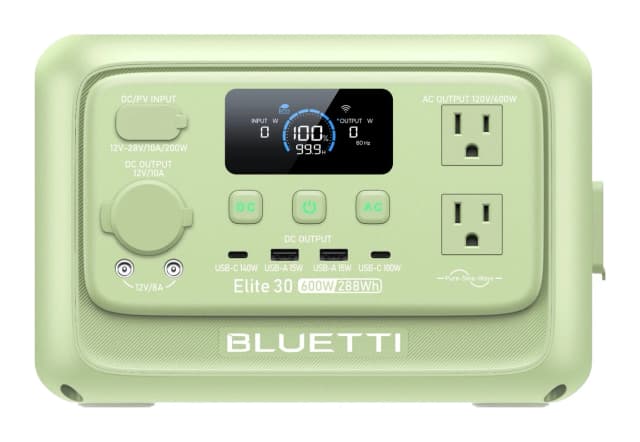
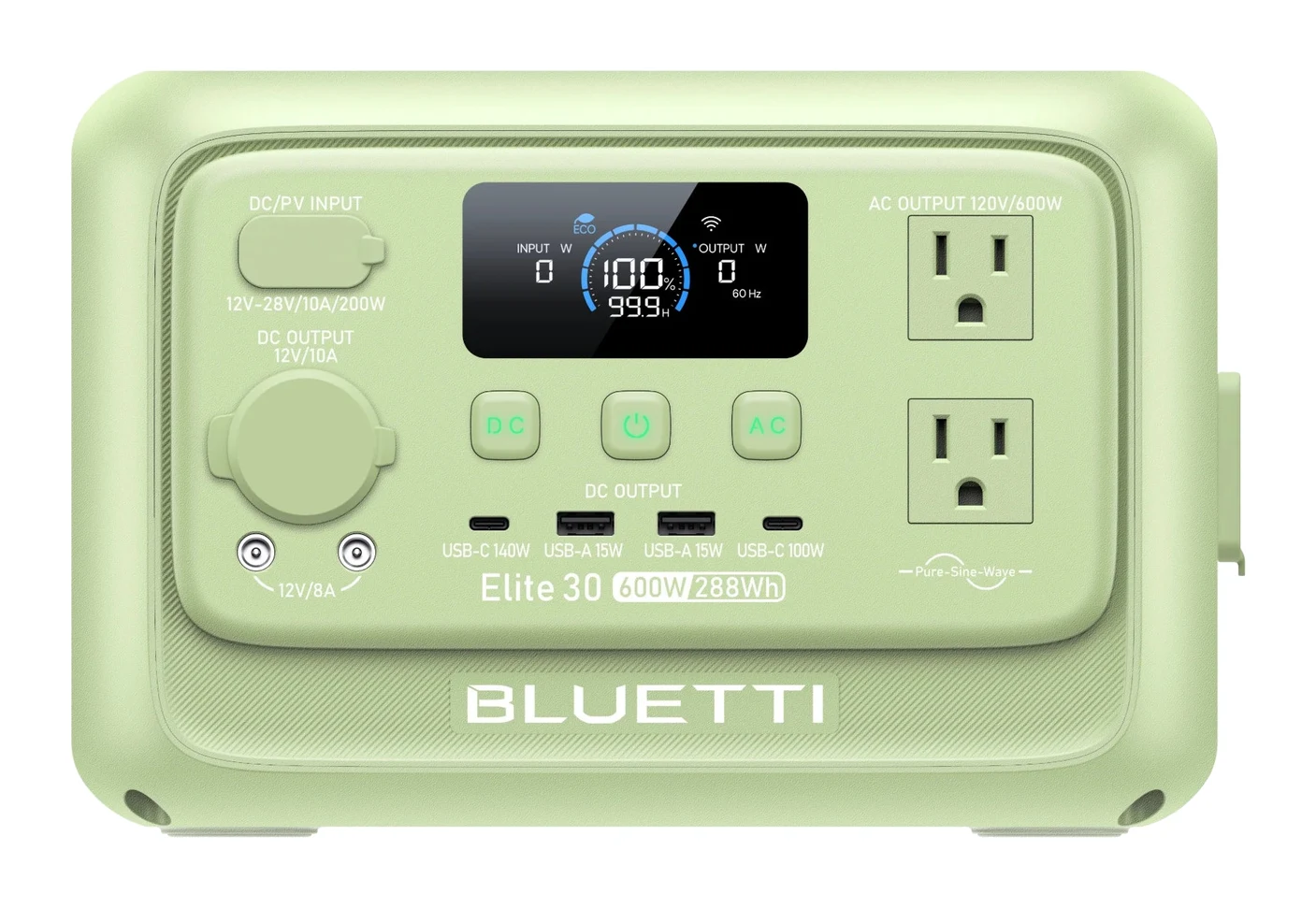
- Best OverallBLUETTI Elite 30 V2Why we picked it →
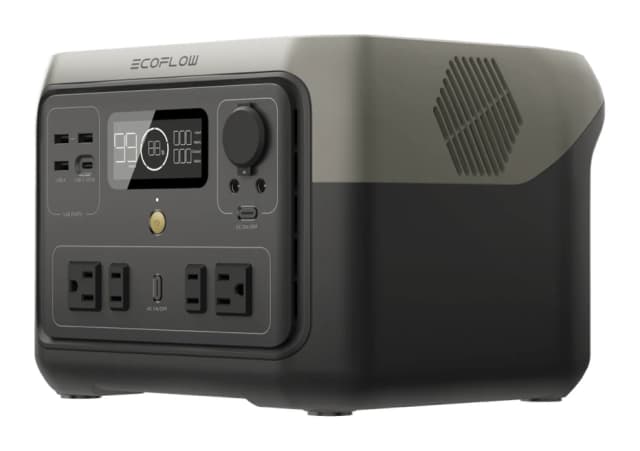
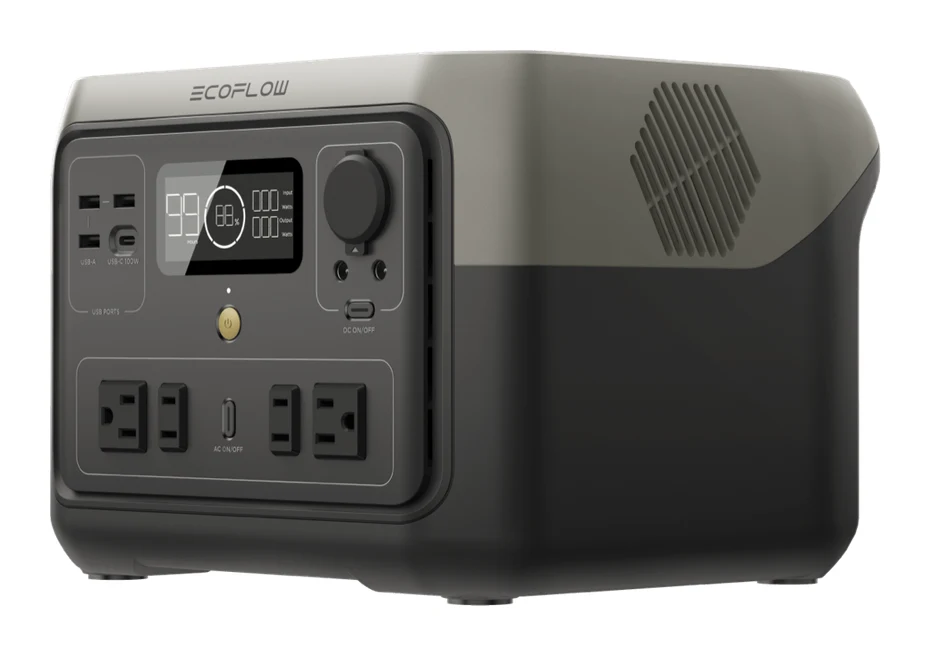
- Best ValueEcoFlow RIVER 2 Max 500Why we picked it →
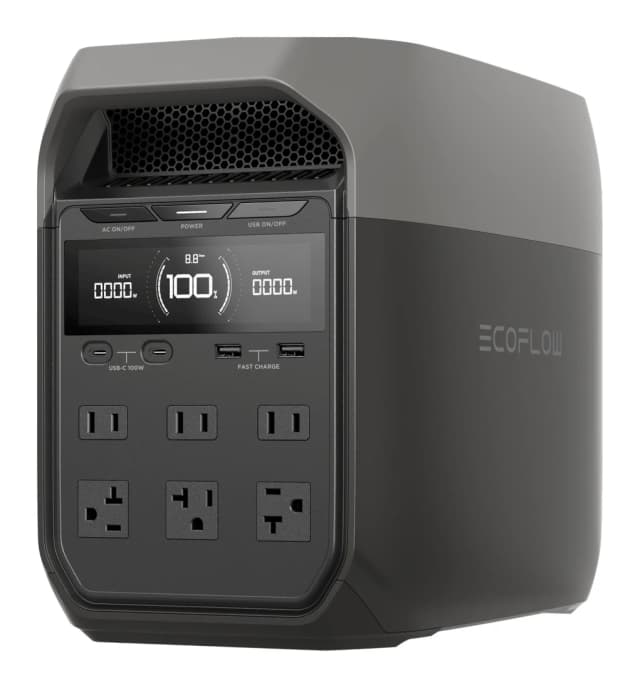
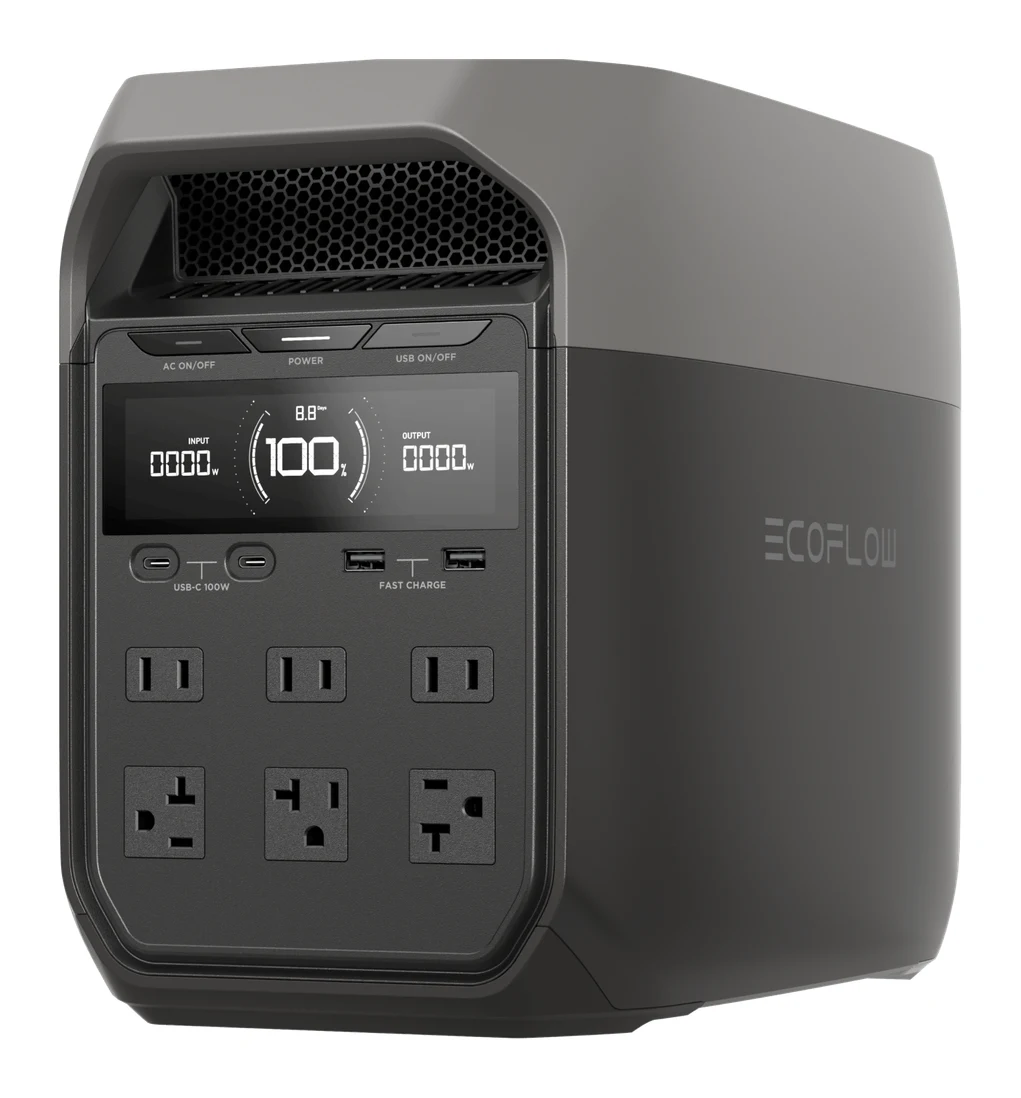
- Also GreatEcoFlow DELTA 3Why we picked it →
Frequently asked questions
Is the Jackery Explorer 1000 v2 worth it?
For campers and home-backup users who want a light, quiet station with 1500W output, expert reviews say yes. It averages 8.4/10 across 4 expert reviews. It is less compelling if you need expandable capacity, faster solar charging or more AC outlets.
How much power does the Jackery Explorer 1000 v2 output?
It has a 1500W rated AC output with a 3000W surge peak. Its battery capacity is 1070 Wh. It has three 120V ~ 60Hz AC outlets.
How fast does the Jackery Explorer 1000 v2 charge?
Jackery's spec page lists an AC recharge time of 1.58 Hours. In Emergency mode it can go from 0% to 100% in about 1 hour, but you need to enable that mode in the app. Car charging through the 12V port takes 12 Hours.
Can you expand the Jackery Explorer 1000 v2 with extra batteries?
No. Reviewers confirm it is not expandable, so capacity stays fixed at 1070 Wh.
Does the Jackery Explorer 1000 v2 work with solar panels?
Yes. It accepts up to 400W of solar input through two 200W DC ports. With the SolarSaga 200W, Jackery lists a solar charging time of 7.5 Hours. Reviewers note that the connectors are dated and tied to Jackery panels.
What type of battery does the Jackery Explorer 1000 v2 use?
It uses a LiFePO4 battery rated for 4000 cycles to 70%+ capacity. It also includes ChargeShield 2.0 with 62-point protection.
Sources
Specs are taken from the manufacturers' official pages; expert recommendations from the publications below.
- Jackery Explorer 1000 v2: jackery.com, thedrive.com, backuppowerhub.com, outdoortechlab.com
Related reviews & guides
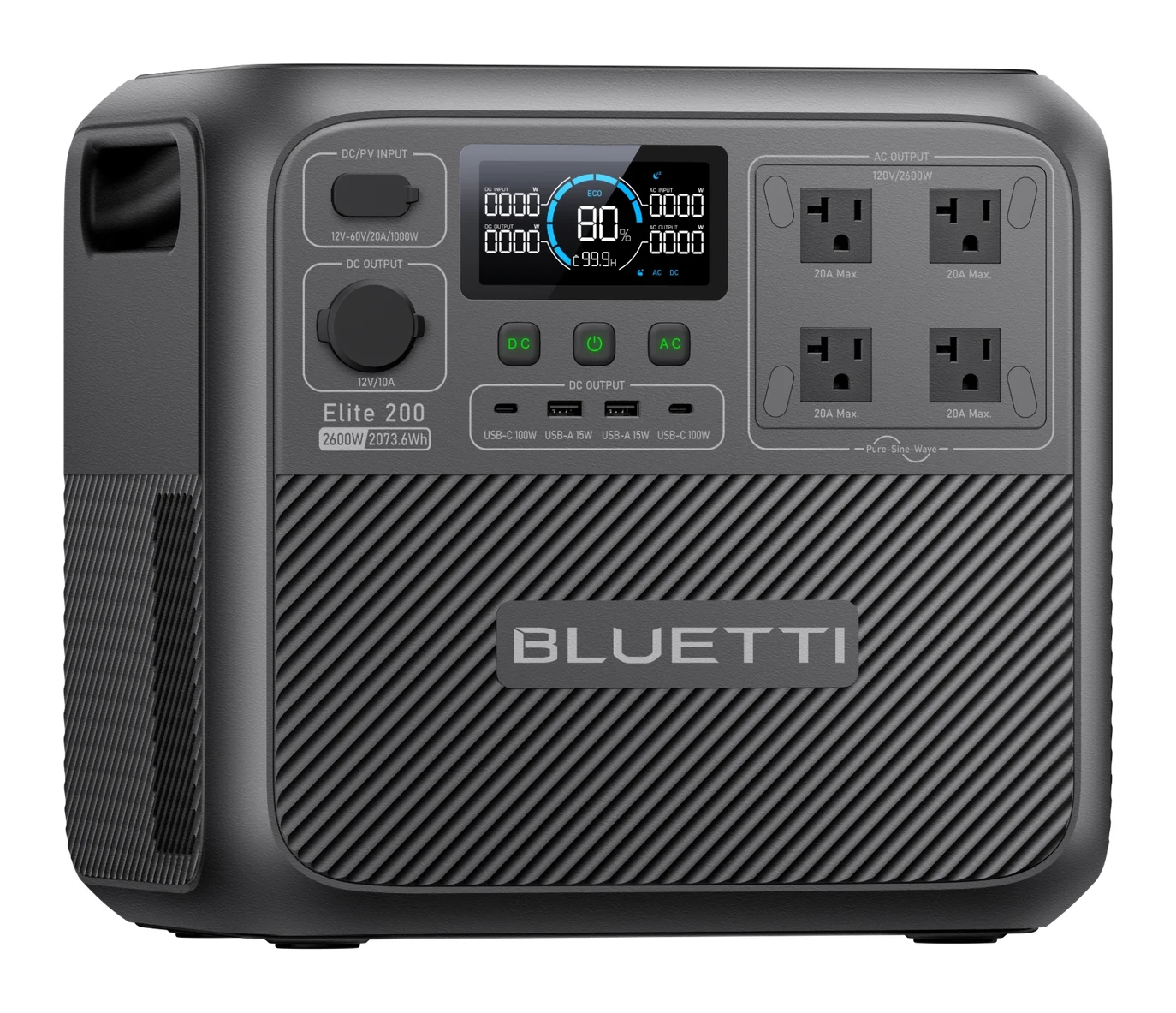
Bluetti Elite 200 V2 vs Jackery Explorer 1000 v2 (2026)
Bluetti Elite 200 V2 or Jackery Explorer 1000 v2? We compare capacity, output, charging, solar input, weight and expert scores to show who should buy which.
Published Oct 30, 2026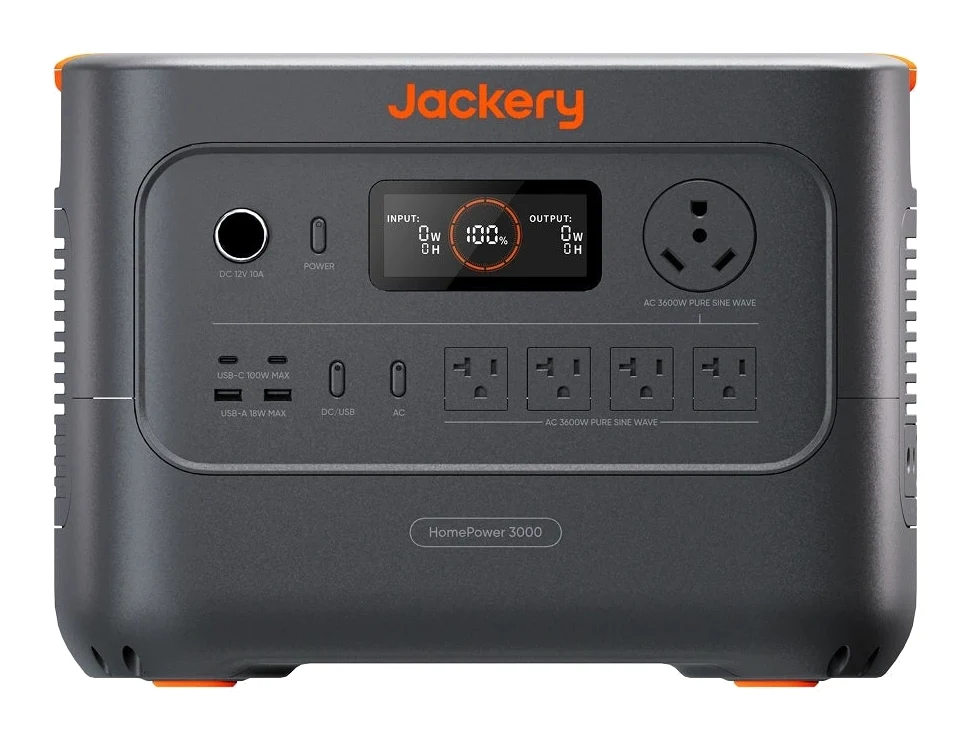
Jackery HomePower 3000 Review (2026): Compact 3kWh Backup
Our Jackery HomePower 3000 review covers the 3072Wh LiFePO4 station's output, fast recharging, UPS function and RV port, plus the trade-offs: no wheels, no expansion and no 240V.
Published Oct 25, 2026BLUETTI Elite 200 V2 Review (2026): Big Power, Heavy Body
A look at the BLUETTI Elite 200 V2 power station: its capacity, output, fast charging and UPS mode, plus the weight and app trade-offs experts point out.
Published Oct 20, 2026