Jackery HomePower 3000 Review (2026): Compact 3kWh Backup
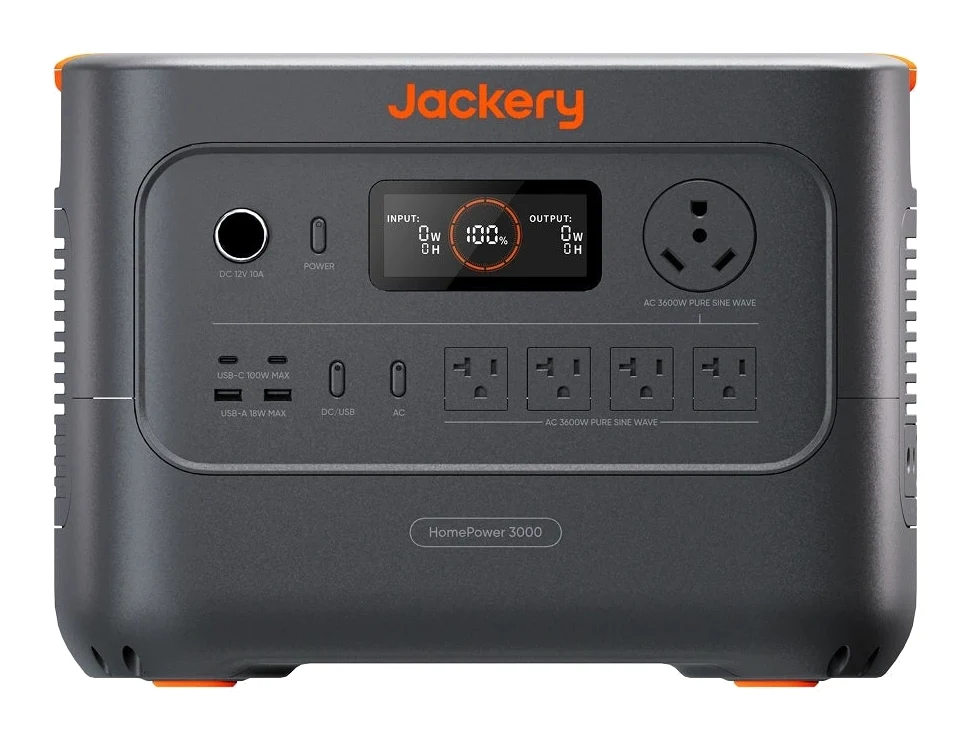
Our Jackery HomePower 3000 review covers the 3072Wh LiFePO4 station's output, fast recharging, UPS function and RV port, plus the trade-offs: no wheels, no expansion and no 240V.
Research-based · We earn from qualifying purchases
Our verdict
The HomePower 3000 suits buyers who want a quiet, compact, easy-to-use 3kWh backup for outages or RV trips, with a UPS function and fast recharging. Skip it if you need 240V, expandable capacity, high solar input or a wheeled unit you move often.
The good
- 3072Wh LiFePO4 battery with 4,000-cycle rating and 3+2 year warranty
- 3600W continuous output plus a real 30A TT-30 port for RVs
- Fast recharging: 1.7 hours hybrid AC+DC, 2.2 hours on AC
- UL-certified UPS switchover in 20ms or less protects during outages
- Compact for a 3kWh unit, and reviewers praise its quiet, cool running
+2 more
- UL-certified UPS switchover in 20ms or less protects during outages
- Compact for a 3kWh unit, and reviewers praise its quiet, cool running
The bad
- No wheels and only basic side handles, so moving 59.5 lbs is awkward
- Not expandable, with no external battery option
- 120V only, with no 240V output
This Jackery HomePower 3000 review looks at a 3072Wh LiFePO4 power station aimed at people who want serious backup power without a bulky, hard-to-place unit. It pairs 3600W of continuous output with a UPS function and fast recharging. That makes it a candidate for riding out power cuts at home as well as for powering an RV. It sits in the mid-range part of the market.
This article is based on Jackery's published specifications and on what independent expert reviews report. It is not based on hands-on testing.
Jackery HomePower 3000: specs at a glance
From the manufacturer- Weight
- About 59.52 lbs (27 kg)
- Capacity
- 3072 Wh (60Ah/51.2V DC)
- Warranty
- 3+2 Years
- AC output
- 3600W continuous, 7200W surge peak
- AC outlets
- 4x 120V 20A (2400W) + 1x 120V 30A (3600W)
- Cycle life
- 4000 cycles to 70%+ capacity
- Dimensions
- 16.4×12.8×12 in (41.6×32.5×30.5 cm)
- USB-A outputs
- 2x, 18W max
- USB-C outputs
- 2x PD100W max
- UPS switchover
- ≤20ms
- AC recharge time
- 2.2 hours
- Battery chemistry
- LiFePO4
- Hybrid AC+DC recharge time
- 1.7 hours
- Solar charging with 2x SolarSaga 200W
- 80% in 9 hours
Key features
- 3072Wh LiFePO4 battery keeps a fridge, Wi-Fi, fans and lights running for 1-2 days
- 3600W continuous output (7200W surge) runs multiple devices at once
- Recharges in 1.7 hours via hybrid AC and DC, or 2.2 hours via AC
- UL-certified UPS switches to battery in 20ms or less for outage protection
- Built-in 30A TT-30 port for RV and large-appliance use
- Lighter and smaller than typical 3kWh stations, with side handles
- Rated for 4,000 cycles to 70%+ capacity, with a 3+2 year warranty
- Works with a manual transfer switch to back up up to six home circuits
Who the HomePower 3000 is for
The HomePower 3000 suits buyers who want a quiet, compact, easy-to-use 3kWh backup for outages or RV trips. Jackery says the capacity keeps a fridge, Wi-Fi, fans and lights running for 1-2 days. The 3600W output means you aren't limited to a handful of small devices. If you need 240V, expandable capacity, high solar input, or a unit you will be wheeling around constantly, the trade-offs below matter more.
If your only goal is keeping a sleep apnea machine running, a station this large is probably more than you need. Our guide to the best power station for CPAP covers that use case.
Jackery HomePower 3000 review: design and build
The headline design point is size. Jackery positions the unit as lighter and smaller than typical 3kWh stations. It measures 16.4×12.8×12 in (41.6×32.5×30.5 cm) and weighs about 59.5 lbs (27 kg). That is still a heavy object, but Jackery positions it as lighter and smaller than typical 3kWh stations.
The unit has side handles, and the weight is where the design draws its main criticism. There are no wheels and only basic handles. Moving 59.5 lbs around is awkward, given there are no wheels and only basic side handles. If the station will mostly sit in one spot and move only when needed, that is easy to live with. If you plan to carry it between a vehicle, a campsite and a house regularly, it is a real limitation.
The battery chemistry is LiFePO4, a type known for long service life. Jackery rates the pack for 4,000 cycles to 70%+ capacity and backs it with a 3+2 year warranty. For a product people buy to sit waiting for the next outage, that longevity and warranty coverage are a meaningful part of the appeal.
Power output and ports
The AC side is the core of the HomePower 3000. It delivers 3600W continuous with a 7200W surge peak. In practical terms, that lets it run several devices at once rather than forcing you to pick one. Surge headroom matters for appliances that draw more power when they start up.
The outlet layout has two tiers:
- Four standard outlets: 4x 120V 20A (2400W).
- One high-power outlet: 1x 120V 30A (3600W). It is a built-in 30A TT-30 port, which is the connection RVs commonly use.
The built-in 30A TT-30 port is listed among the unit's strengths. It lets the station feed larger loads directly instead of relying only on household-style outlets.
For smaller gear, there are 2x USB-C outputs rated up to PD100W and 2x USB-A outputs at 18W max each. The USB-A ports are more modest at 18W max each and suit simple charging jobs.
The main limit is the voltage. The unit is 120V only, with no 240V output. Some buyers will find that a dealbreaker, because 240V appliances cannot run from this station.
Home backup, UPS function and transfer switch
The features list describes a 3072Wh battery that can keep a fridge, Wi-Fi, fans and lights running for 1-2 days. Real runtime depends on what you plug in and how often those devices cycle, but it gives a sense of the intended role: keeping the essentials alive rather than powering a whole household without limits.
The UPS function adds a different layer. The UPS function is UL-certified, and the switch to battery takes 20ms or less. In day-to-day terms, that is designed to protect plugged-in equipment when mains power drops. A UPS-style changeover is the sort of feature that matters if you work from home, run networking equipment, or want protection from a sudden outage.
For wider home coverage, the HomePower 3000 works with a manual transfer switch to back up up to six home circuits. That is a different setup from simply plugging devices into the station. It does open the door to powering selected circuits rather than running extension cords. Choosing which six circuits to back up is a sensible way to budget the battery.
Charging speed and solar
Recharging is a strong point. Jackery lists 1.7 hours using hybrid AC and DC input, or 2.2 hours using AC alone. Recharging in 1.7 hours hybrid or 2.2 hours on AC is listed as a strength, and it matters during repeated outages. Getting back to full between events means the station is ready again sooner.
Solar charging is supported too. With 2x SolarSaga 200W panels, Jackery lists an 80% charge in 9 hours. The verdict's advice to skip the unit if you need high solar input is worth heeding if you are planning a larger off-grid array.
Capacity, longevity and expansion
The 3072Wh capacity (60Ah/51.2V DC) is the main thing you are buying. Combined with the 4,000-cycle rating and the 3+2 year warranty, it makes the HomePower 3000 look like a long-term investment rather than a disposable gadget.
The flip side is that it is not expandable. There is no external battery option. What you buy is what you have, so it is worth judging whether 3072Wh covers your needs before committing. Buyers who expect their requirements to grow, or who want to add capacity later, will find the lack of an expansion path restrictive.
Expert scores, strengths and drawbacks
Across the expert reviews we found, the HomePower 3000 averages 8.1/10. BackupPowerHub scores it 8.4/10, SolarPowerGuides gives it 4.3/5 and BoostMyTruck gives it 3.6/5.
What counts in its favor:
- The combination of 3072Wh capacity, a 4,000-cycle rating and a 3+2 year warranty.
- The 3600W continuous output and a real 30A TT-30 port for RVs.
- Fast recharging, at 1.7 hours hybrid AC+DC or 2.2 hours on AC.
- The UL-certified UPS switchover of 20ms or less.
- Its compact size for a 3kWh unit, along with quiet, cool running.
What counts against it:
- No wheels and only basic side handles, which makes moving it awkward.
- No expansion, with no external battery option.
- 120V only, with no 240V output.
The criticisms are fairly specific and easy to check against your own situation. They are real constraints, not footnotes. If one applies to you, it should carry real weight in your decision.
Who should buy it, and who should skip it
Buy it if:
- You want home backup that is compact and quiet, with enough output to run several things at once.
- You have an RV and want a station with a native 30A TT-30 port.
- Fast recharging between outages matters to you.
- You value a UPS-style switchover for computers or networking gear.
- You like the idea of a long-life LiFePO4 battery with a 4,000-cycle rating and a 3+2 year warranty.
Skip it if:
- You need 240V output.
- You want to add battery capacity later.
- You plan to build a large solar setup with high input.
- You will be moving it often and want wheels.
How it fits in its category
In general terms, large power stations tend to trade off capacity, output, weight and expandability. The HomePower 3000 leans toward being compact, quiet and simple, with strong output and quick recharging. It lacks expansion and 240V support. That makes it a good fit for fixed or semi-fixed backup and RV use, and a weaker fit for modular, whole-home or heavy-solar systems. It is best judged on whether its fixed 3072Wh and 120V design matches your needs.
Verdict
The HomePower 3000 is a focused, practical 3kWh power station. Its strengths line up with what most people want from home backup: a decent battery, strong 3600W output, quick recharging, a UPS function and a compact body. The weaknesses are clear and honest. It is heavy without wheels, cannot expand and offers only 120V. If those limits don't affect you, it is an easy product to recommend for outage protection and RV trips. If they do, look for a station built around the feature you need.
Related buying guides
- Jackery Explorer 1000 v2 Review (2026): Light, Quiet Power
- Best Home Backup Batteries for Power Outages 2026: Any Size
- Best Solar Panels for Portable Power Stations 2026: Foldable
- BLUETTI AC180 Review (2026): Fast-Charging Home Backup
- Anker SOLIX C300 Review (2026): Compact, Quiet, Limited
- EcoFlow DELTA Pro Review (2026): Big Backup, Big Weight
- Anker SOLIX F3800 Plus Review (2026): Home Backup Core
Not sure about the Jackery HomePower 3000? Consider these
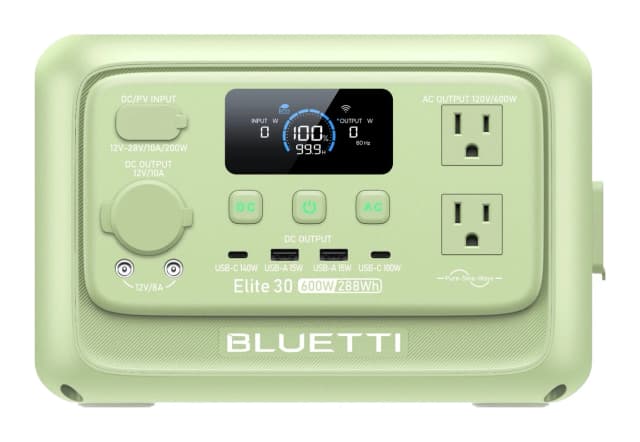
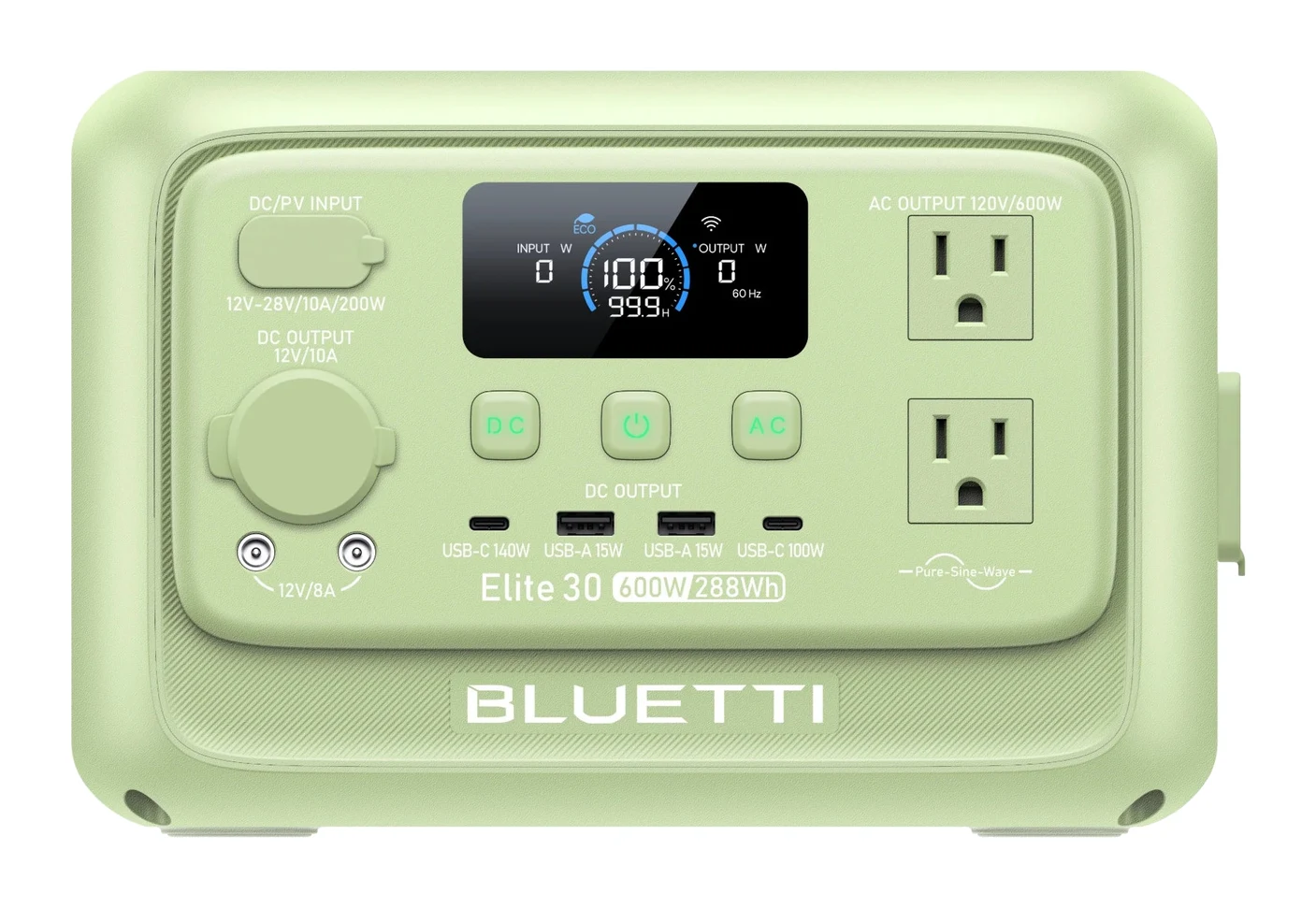
- Best OverallBLUETTI Elite 30 V2Why we picked it →
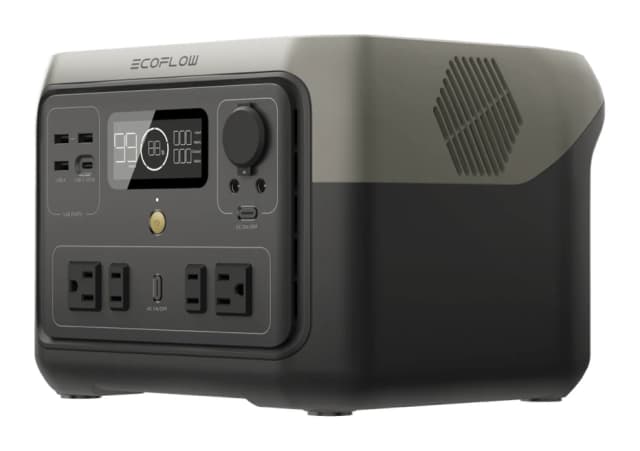
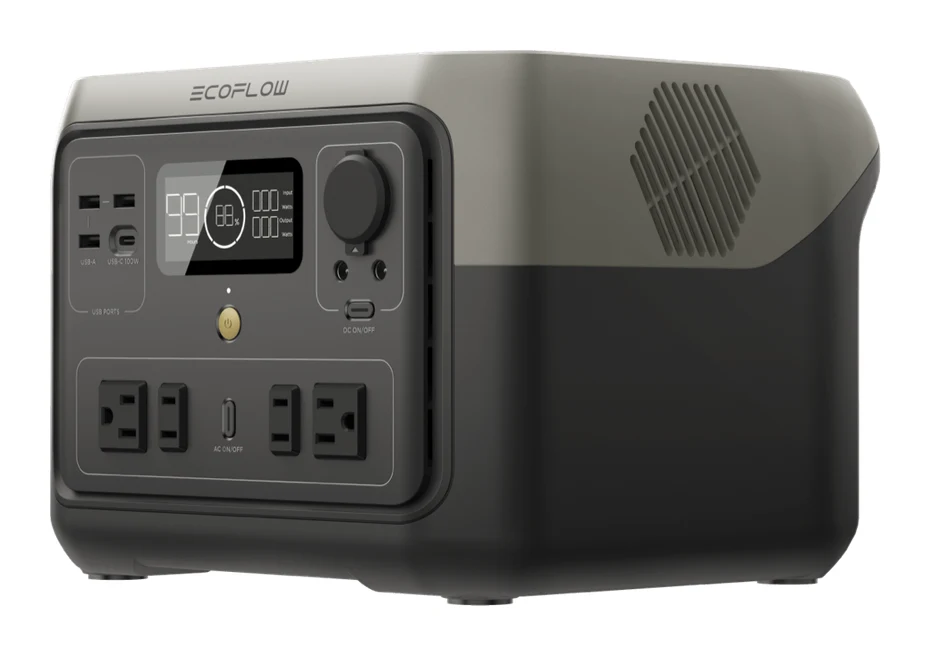
- Best ValueEcoFlow RIVER 2 Max 500Why we picked it →
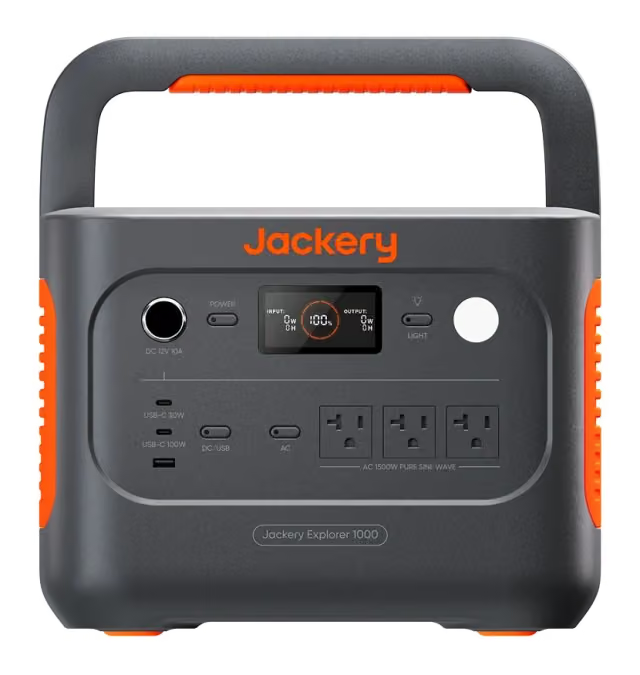
- Best BudgetJackery Explorer 1000 v2Why we picked it →
Frequently asked questions
Is the Jackery HomePower 3000 worth it?
It is worth considering if you want compact, quiet 3kWh backup with a UPS function, fast recharging and an RV-ready 30A port. Experts rate it at 8.1/10 on average. It is less compelling if you need 240V, expandable capacity or a wheeled unit.
How long does the Jackery HomePower 3000 take to charge?
Jackery lists 1.7 hours using hybrid AC and DC input and 2.2 hours on AC alone. With 2x SolarSaga 200W panels, it lists 80% in 9 hours.
What can the Jackery HomePower 3000 run?
It offers 3600W continuous output with a 7200W surge peak, so it can run multiple devices at once. Jackery says the 3072Wh battery keeps a fridge, Wi-Fi, fans and lights running for 1-2 days. Actual runtime depends on what you connect.
Does the Jackery HomePower 3000 work as a UPS?
Yes. It has a UL-certified UPS function that switches to battery in 20ms or less, which is designed to protect connected equipment during outages.
Can the Jackery HomePower 3000 power an RV?
It has a built-in 30A TT-30 port, which is intended for RV and large-appliance use. The port is listed among the unit's strengths.
Can the Jackery HomePower 3000 back up my house?
It works with a manual transfer switch to back up up to six home circuits. It is 120V only with no 240V output, so appliances that need 240V cannot run from it.
Sources
Specs are taken from the manufacturers' official pages; expert recommendations from the publications below.
- Jackery HomePower 3000: jackery.com, thesolarlab.com, solarguyspro.com
Related reviews & guides
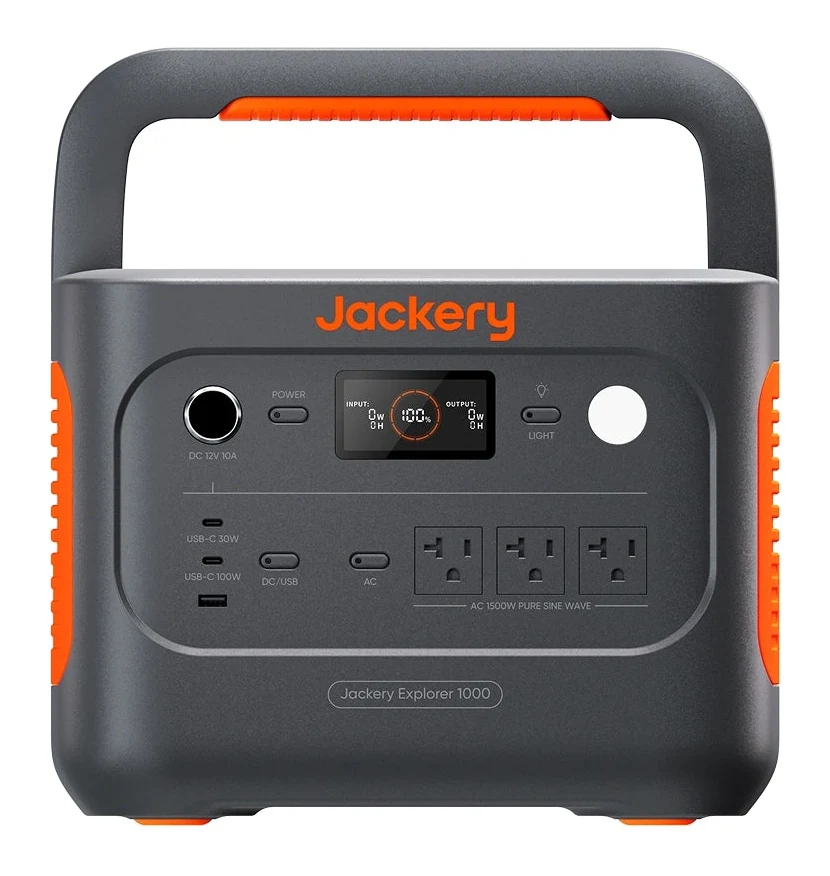
Jackery Explorer 1000 v2 Review (2026): Light, Quiet Power
Our Jackery Explorer 1000 v2 review covers a portable power station built around 1500W output, a LiFePO4 battery and a compact body, plus where its fixed capacity and solar limits hold it back.
Published Oct 20, 2026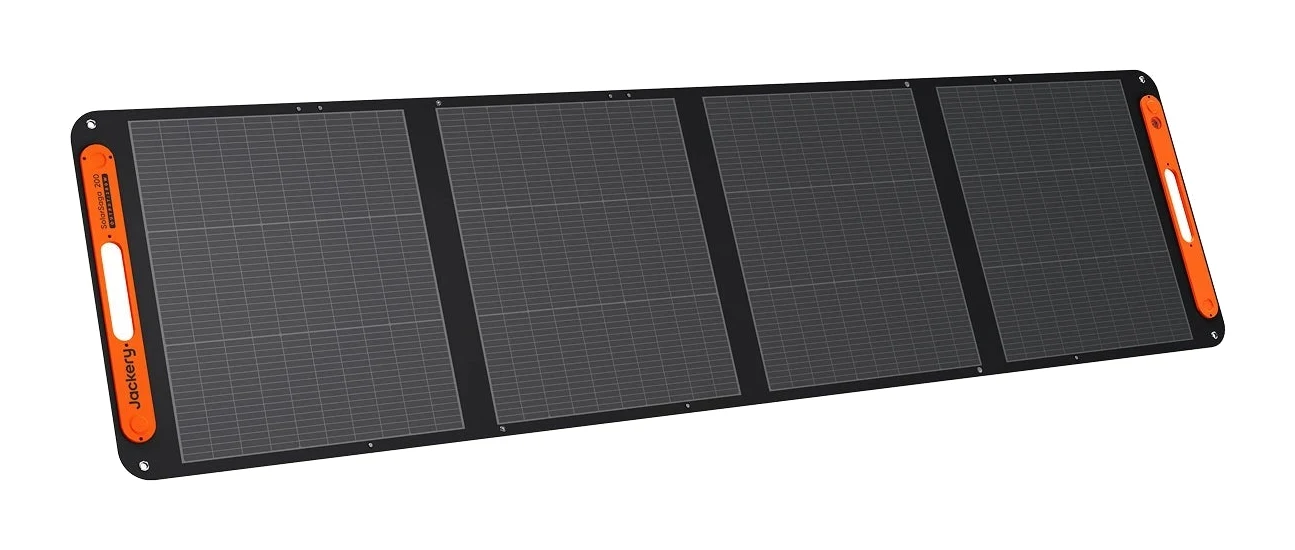
Jackery SolarSaga 200W Review (2026): Efficient but Pricey
The Jackery SolarSaga 200W is an efficient, weatherproof folding panel built around Jackery power stations. Here is what the specs and expert reviews say, and who should skip it.
Published Oct 27, 2026
Bluetti Elite 200 V2 vs Jackery Explorer 1000 v2 (2026)
Bluetti Elite 200 V2 or Jackery Explorer 1000 v2? We compare capacity, output, charging, solar input, weight and expert scores to show who should buy which.
Published Oct 30, 2026