Anker SOLIX C1000 Gen 2 Review (2026): Fast but Fixed
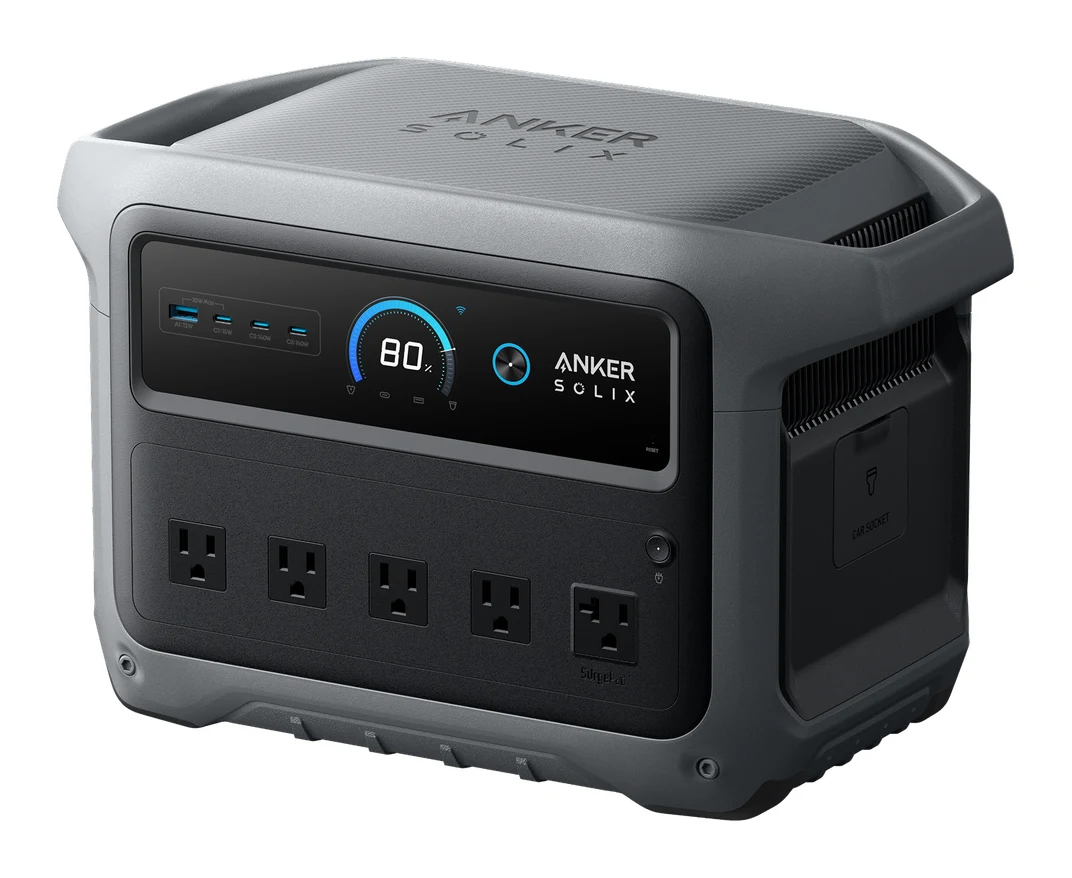
A look at the Anker SOLIX C1000 Gen 2, a compact 1,024Wh LiFePO4 power station with fast recharging, strong output and a 5-year warranty, plus the trade-offs experts flag.
Research-based · We earn from qualifying purchases
Our verdict
The C1000 Gen 2 suits anyone wanting a compact, fast-charging 1kWh-class power station for home backup, camping or work, especially when it's on sale. Skip it if you need expandable capacity, a built-in light or quiet operation under heavy loads.
The good
- Full recharge in 49 minutes with UltraFast mode enabled in the app
- 2,000W continuous AC output (3,000W peak) is strong for a 1,024Wh unit
- Dual 140W USB-C ports plus five AC outlets cover many devices
- LiFePO4 battery rated for 4,000+ cycles, backed by a 5-year warranty
- Compact 24.9 lb body with 10 ms UPS switchover
+2 more
- LiFePO4 battery rated for 4,000+ cycles, backed by a 5-year warranty
- Compact 24.9 lb body with 10 ms UPS switchover
The bad
- Fans get loud under heavy charging or load
- No built-in light
- Not expandable, unlike the first generation
- Fastest charging requires enabling UltraFast mode in the app
+1 more
- Fastest charging requires enabling UltraFast mode in the app
If you are shopping for a portable power station that can back up a home, power a camp or keep a work setup running, this Anker SOLIX C1000 Gen 2 review covers what the unit offers and where it falls short. It is a 1,024Wh LiFePO4 power station that aims to combine fast charging, high output and a compact body. It is priced in the mid-range tier among the products we compared. It is aimed at people who want a 1kWh-class unit that charges quickly and handles a lot of devices at once.
This review is based on Anker's published specs and on what independent expert reviews report. It is not based on hands-on testing.
Anker SOLIX C1000 Gen 2: specs at a glance
From the manufacturer- USB-A
- 5V 2.4A (12W max)
- USB-C
- 2 × 140W max, 1 × 15W (5V 3A)
- Weight
- 24.9 lb (11.3 kg)
- Capacity
- 1,024Wh
- Warranty
- 5 years
- AC output
- 2,000W max (3,000W peak)
- AC outlets
- 5 × 120V
- Car output
- 12V 10A, 120W
- Cycle life
- 4,000+ cycles (to 80%)
- Dimensions
- 15.12 × 8.19 × 9.61 in (384 × 208 × 244 mm)
- Solar input
- 600W Max (11-28V 8.2A; 29-60V 14.5A)
- Battery type
- LiFePO4
- UPS switchover
- 10 ms
- AC input (UltraFast)
- 1,600W Max
- AC input (standard charging)
- 1,200W Max
Key features
- Full recharge in 49 minutes from a wall outlet with UltraFast mode enabled in the app
- 2,000W continuous AC output with 3,000W peak, via 10 ports
- Five AC outlets plus dual 140W USB-C ports
- Up to 600W solar input via XT60i, about 1.8 hours to recharge in optimal sunlight
- LiFePO4 battery rated for 4,000+ cycles to 80%, positioned as a 10-year lifespan
- 10 ms UPS switchover to keep electronics running during outages
- App control with an LCD showing per-port wattage
- Compact, 24.9 lb body with a 5-year warranty
Design and build
The C1000 Gen 2 weighs 24.9 lb (11.3 kg) and measures 15.12 × 8.19 × 9.61 in (384 × 208 × 244 mm). That is compact for a unit with 1,024Wh of capacity, and reviewers count the compact body as a strength. It is still a power station rather than a pocketable gadget. You will carry it from car to campsite or from garage to living room, not around all day.
The unit offers app control and an LCD that shows per-port wattage. Anker also backs it with a 5-year warranty, which suits a product people expect to keep for years.
One gap shows up in the expert criticism: there is no built-in light. Some power stations double as a camp lantern, but this one does not, so you will need a separate light.
Anker SOLIX C1000 Gen 2 review: features and what they mean day to day
Ports and output
The headline output figure is 2,000W continuous AC, with a 3,000W peak. That is a lot of headroom for a 1,024Wh unit, and reviewers single it out as a strength. In practice it means the unit can handle demanding mains-powered devices, as long as you stay within those limits. Bigger loads also drain the 1,024Wh battery faster, which is true of any power station.
There are 10 ports in total:
- Five 120V AC outlets
- Two USB-C ports rated at 140W max each
- One USB-C port at 15W (5V 3A)
- A USB-A port at 5V 2.4A (12W max)
- A 12V 10A car output rated at 120W
Reviewers praise the combination of dual 140W USB-C ports and five AC outlets. The mix of AC and USB outputs means you can run a work setup, charge phones and power a few appliances from one box without adapters.
App control and UltraFast charging
The C1000 Gen 2 supports app control. The app is also where you enable UltraFast mode, which enables the quickest recharge. This is worth knowing before you buy, because reviewers list it as a criticism: the fastest charging is not the default, and you have to turn it on in the app.
UPS function
The unit has a 10 ms UPS switchover. If the mains drops out, it can switch to battery quickly enough to keep electronics running. That makes it a reasonable fit for a home office, a router and computer, or other gear that dislikes a sudden power cut. As with any UPS-style feature, you should check the specific devices you want to protect against the output specs.
Charging, solar and battery
Wall charging
Charging speed is the main reason people consider this model. With UltraFast mode enabled in the app, Anker says it recharges fully from a wall outlet in 49 minutes. UltraFast mode allows up to 1,600W Max AC input. Standard charging is rated at 1,200W Max. In short, you get the best speed only if you enable the mode.
Solar input
Solar input goes up to 600W Max via XT60i. The input range is 11-28V 8.2A or 29-60V 14.5A. In optimal sunlight, Anker puts a recharge at about 1.8 hours. Real-world conditions are rarely optimal, so treat that figure as a best case. If you plan to pair it with panels, our guide to the best solar panels for portable power stations covers what to look for.
Battery chemistry and lifespan
The battery is LiFePO4, rated for 4,000+ cycles to 80%. Anker positions that as a 10-year lifespan. LiFePO4 is a chemistry that people choose for long service life, and the cycle rating plus the 5-year warranty make a good case for a unit meant for regular use or occasional emergency backup.
What experts like and what they criticise
The unit's expert average is 8.3/10 across four published reviews:
- MacRumors: 4.5/5
- Android Authority: 9/10
- How-To Geek: 8/10
- OutdoorGearLab: 70/100
There is a spread: the OutdoorGearLab score (70/100) is the lowest of the four.
Reviewers praise:
- The 49-minute full recharge with UltraFast mode enabled
- The 2,000W continuous AC output (3,000W peak), which they call strong for a 1,024Wh unit
- The combination of dual 140W USB-C ports and five AC outlets
- The LiFePO4 battery rated for 4,000+ cycles, backed by a 5-year warranty
- The compact 24.9 lb body and 10 ms UPS switchover
Common criticisms are:
- The fans get loud under heavy charging or load
- There is no built-in light
- It is not expandable, unlike the first generation
- The fastest charging requires enabling UltraFast mode in the app
The noise point deserves weight if you plan to use it indoors, in a bedroom or in a quiet workspace. Heavy charging or heavy load is when the fans become loud, so the unit is at its most intrusive when it is working hardest.
Who should buy it
The C1000 Gen 2 suits you if:
- You want a compact 1kWh-class power station for home backup, camping or work
- Fast recharging matters, for example if you need to top up between outages or trips
- You have laptops and other devices that benefit from two 140W USB-C ports
- You want a long-life LiFePO4 battery with a 5-year warranty
- You like the idea of a UPS-style switchover for desk or home-office gear
Our verdict says it is a particularly good fit when it is on sale.
Who should skip it
Look elsewhere if:
- You want expandable capacity. This model is not expandable, unlike the first generation.
- You need a built-in light
- You need quiet operation under heavy loads or heavy charging
- You do not want to use an app to unlock the fastest charging
How it fits in its category
In general terms, power stations trade off capacity, output, weight, charging speed and price. The C1000 Gen 2 leans towards fast charging, high output for its capacity and a compact body. It gives up expandability, a built-in light and quiet running under load. If your needs sit near its strengths, it is a convincing option. If you want something that grows with you or stays silent while working hard, the missing features will matter more than the headline numbers.
Verdict
The Anker SOLIX C1000 Gen 2 suits anyone wanting a compact, fast-charging 1kWh-class power station for home backup, camping or work. Its 2,000W continuous output, 10 ms UPS switchover, LiFePO4 battery and 5-year warranty back that up. The trade-offs are clear: loud fans under heavy load, no built-in light, no expansion and an app step to unlock the fastest charge. If those do not bother you, it is a good fit, especially on sale.
Related buying guides
- Best Power Banks of 2026: MagSafe, Laptop & Travel Picks
- Best Home Backup Batteries for Power Outages 2026
- Anker SOLIX F3800 Plus Review (2026): Home Backup Core
- BLUETTI Elite 200 V2 Review (2026): Big Power, Heavy Body
- Jackery Explorer 1000 v2 Review (2026): Light, Quiet Power
- BLUETTI AC180 Review (2026): Fast-Charging Home Backup
- EcoFlow DELTA 3 Max Plus Review (2026): Quiet Home Backup
Not sure about the Anker SOLIX C1000 Gen 2? Consider these
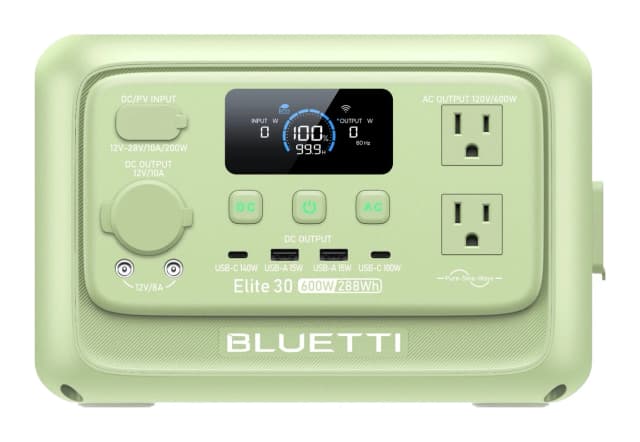
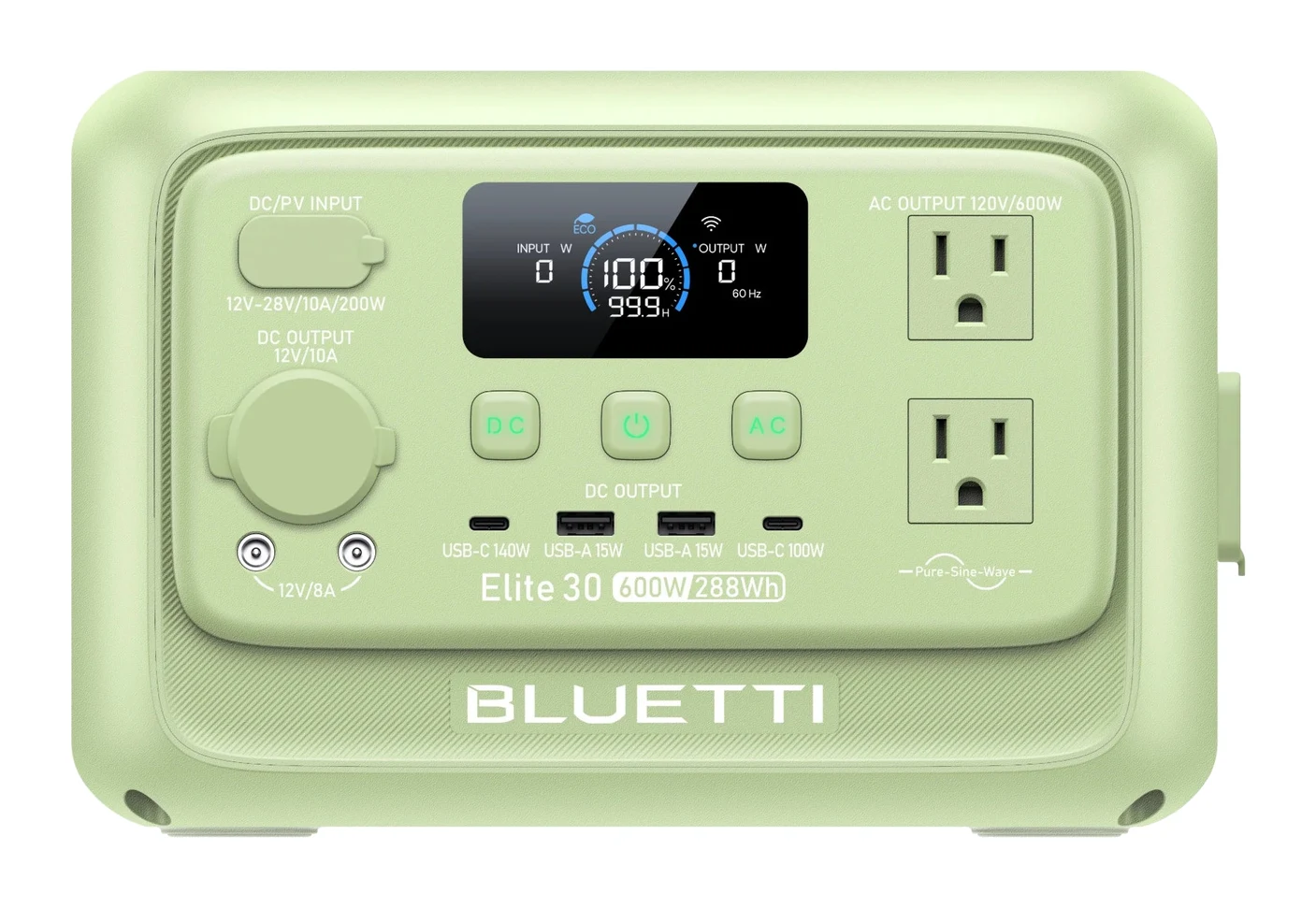
- Best OverallBLUETTI Elite 30 V2Why we picked it →
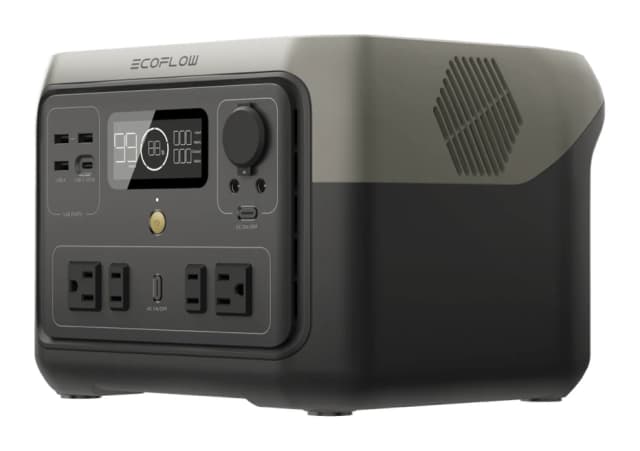
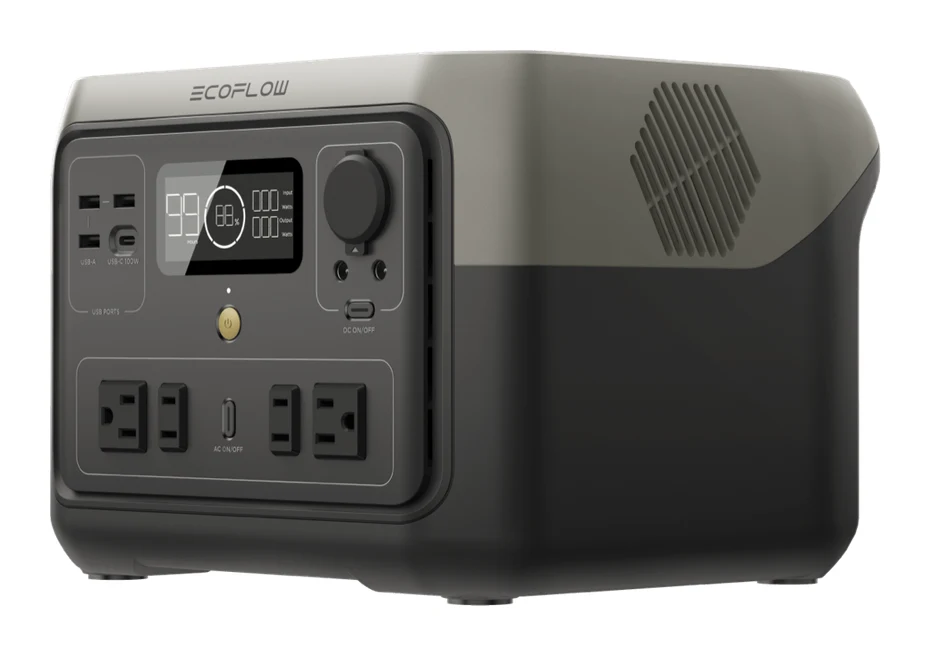
- Best ValueEcoFlow RIVER 2 Max 500Why we picked it →
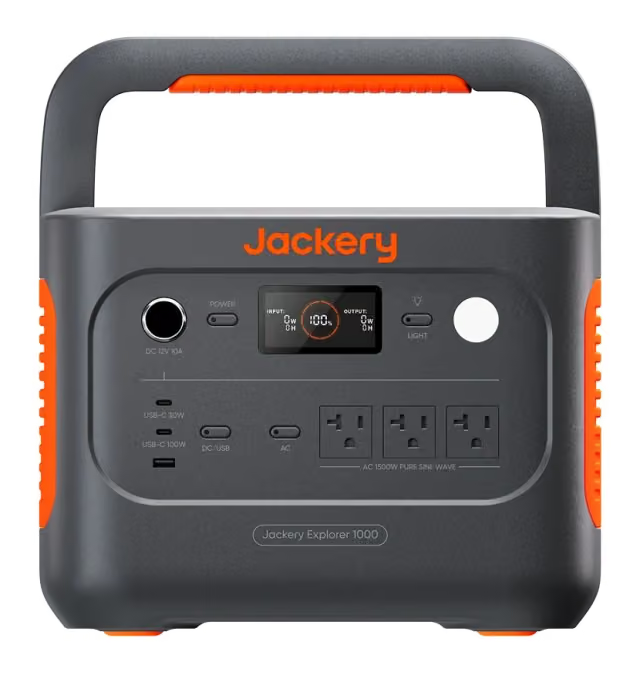
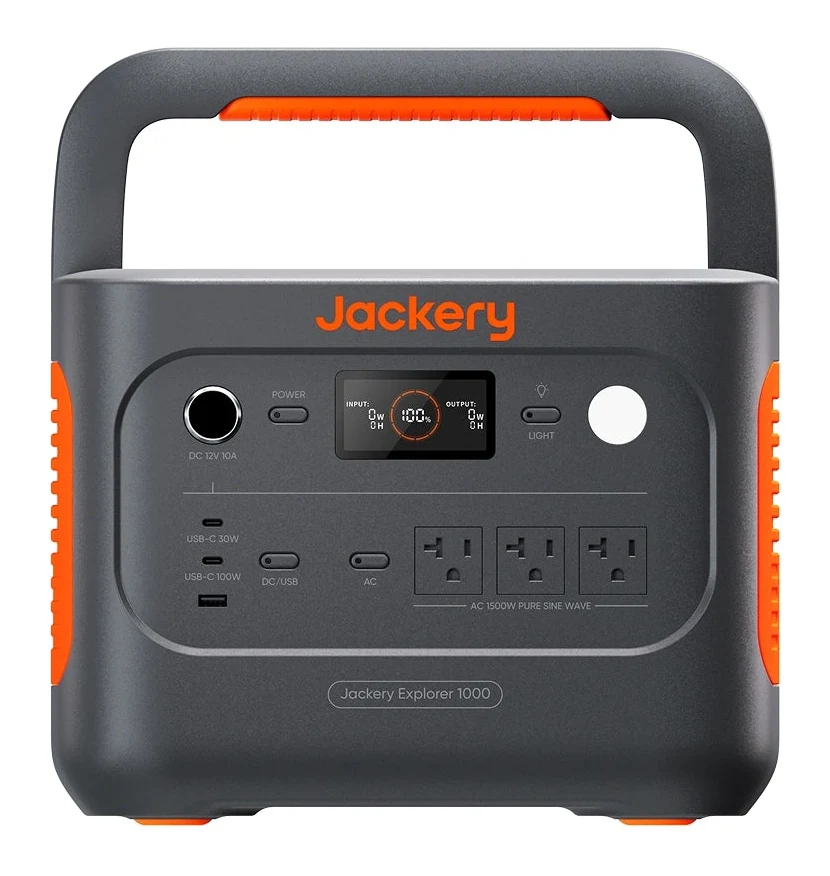
- Best BudgetJackery Explorer 1000 v2Why we picked it →
Frequently asked questions
Is the Anker SOLIX C1000 Gen 2 worth it?
Experts rate it 8.3/10 on average across four reviews. It suits people who want a compact, fast-charging 1kWh-class power station for home backup, camping or work. It is less suitable if you need expandable capacity, a built-in light or quiet running under heavy load.
How fast does the Anker SOLIX C1000 Gen 2 charge?
With UltraFast mode enabled in the app, Anker says it fully recharges from a wall outlet in 49 minutes. UltraFast allows up to 1,600W Max AC input, while standard charging is rated at 1,200W Max.
Can the C1000 Gen 2 be charged with solar panels?
Yes. It accepts up to 600W Max of solar input via XT60i. In optimal sunlight, Anker says a recharge takes about 1.8 hours. Real-world results will depend on conditions.
Does the Anker SOLIX C1000 Gen 2 work as a UPS?
It has a 10 ms UPS switchover, which is designed to keep electronics running during outages. Check that your devices fall within the unit's output ratings.
Is the C1000 Gen 2 expandable?
No. A common criticism is that it is not expandable, unlike the first generation, so its capacity is fixed at 1,024Wh.
How long will the battery last?
It uses a LiFePO4 battery rated for 4,000+ cycles to 80%, which Anker positions as a 10-year lifespan. The unit also has a 5-year warranty.
Sources
Specs are taken from the manufacturers' official pages; expert recommendations from the publications below.
- Anker SOLIX C1000 Gen 2: ankersolix.com, offgridsource.com, support.ankersolix.com, the-gadgeteer.com
Related reviews & guides
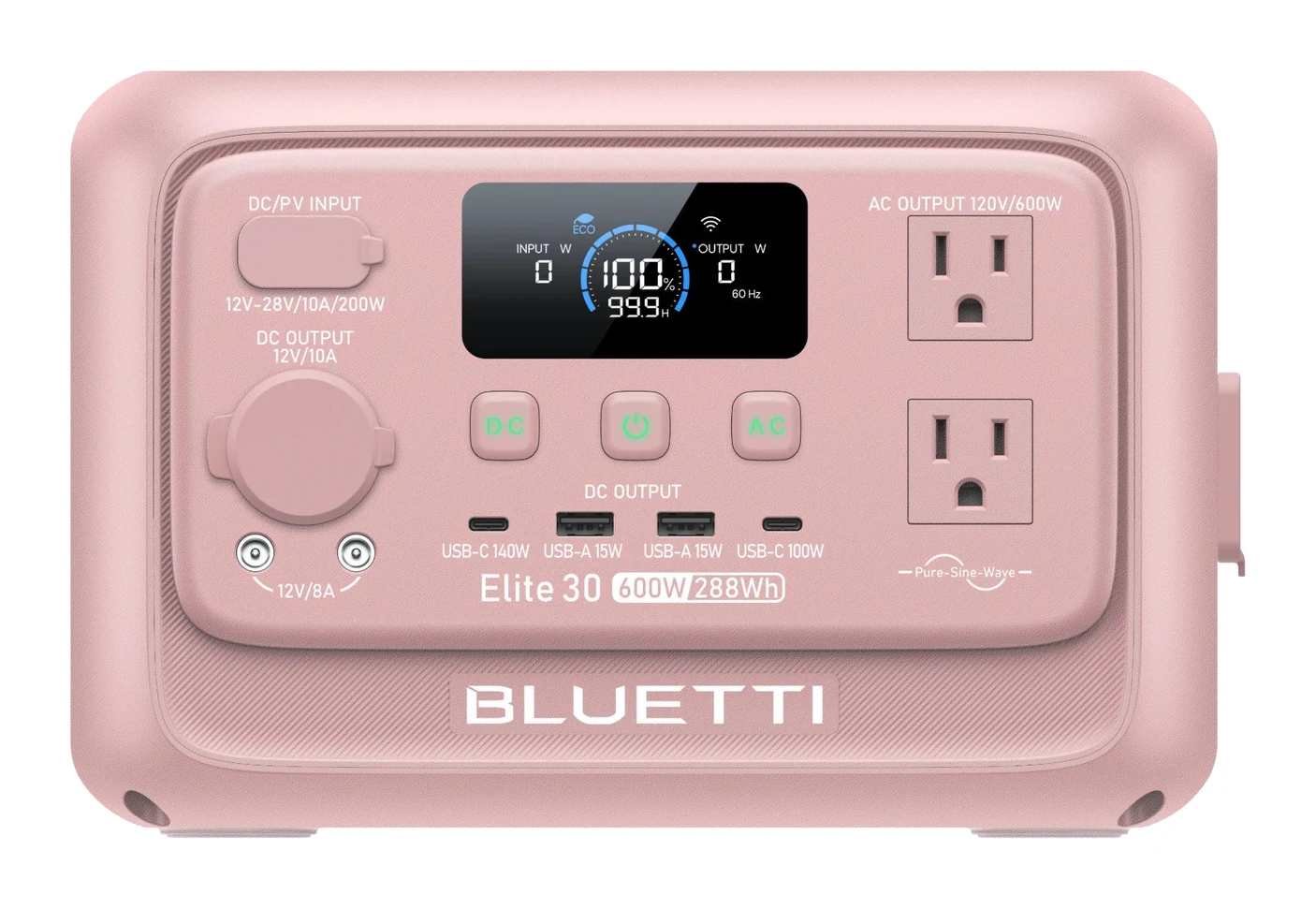
Bluetti Elite 30 V2 vs Anker SOLIX C1000 Gen 2 (2026)
The BLUETTI Elite 30 V2 is a light, quiet 288Wh desk and travel backup. The Anker SOLIX C1000 Gen 2 is a 1,024Wh power station for appliances. Here is how to choose.
Published Oct 30, 2026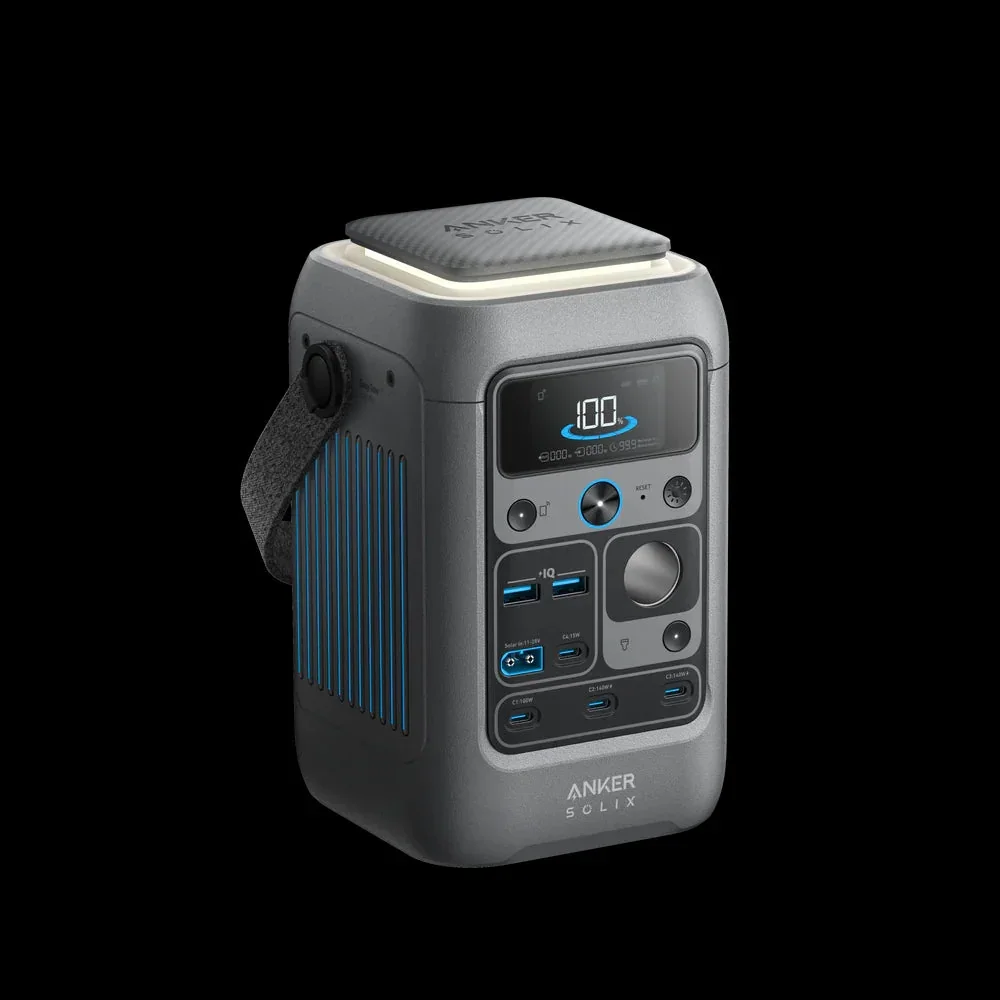
Anker SOLIX C300 Review (2026): Compact, Quiet, Limited
Our Anker SOLIX C300 review looks at a compact 288Wh LiFePO4 power station built around fast USB-C charging, quiet running and a long-life battery, and at the limits that come with its size.
Published Oct 25, 2026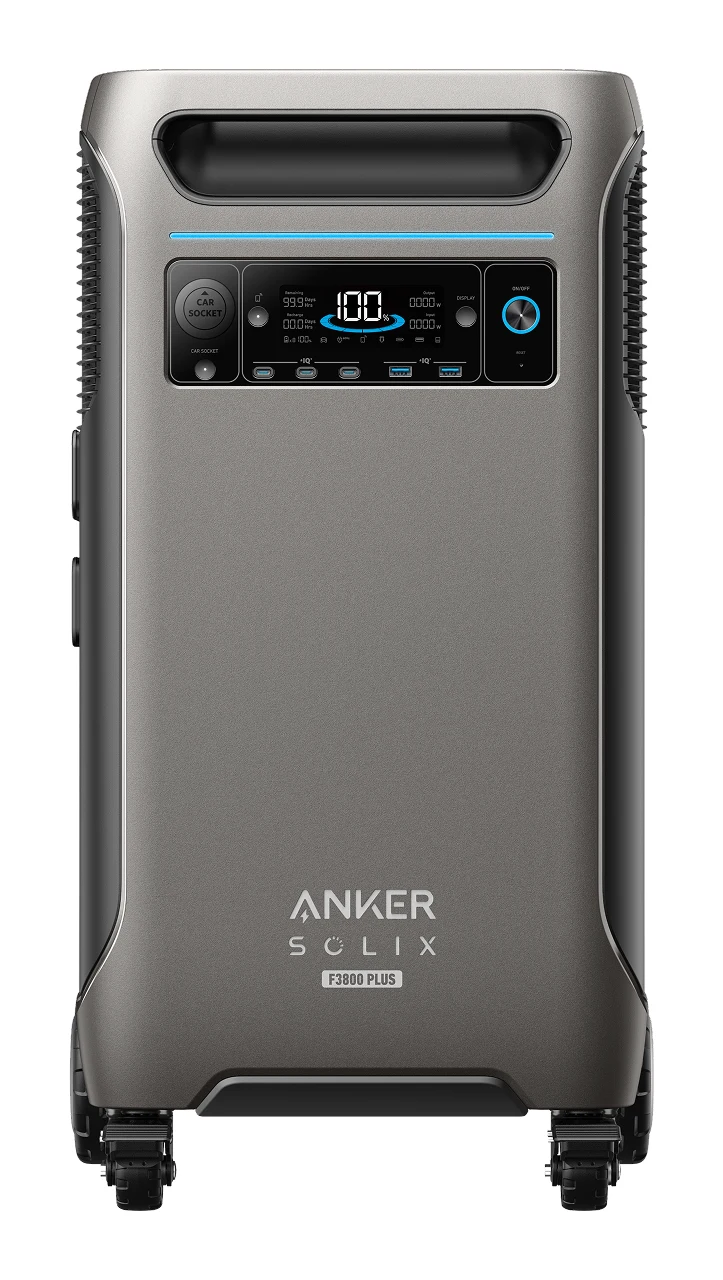
Anker SOLIX F3800 Plus Review (2026): Home Backup Core
A look at the Anker SOLIX F3800 Plus, a 3,840Wh expandable power station with 240V output, strong solar input and generator bypass, built for home backup.
Published Oct 19, 2026