Best Digital Pianos for Beginners 2026: Real Touch at Home
Five beginner-friendly digital pianos from Kawai, Casio, Roland and Yamaha, compared on key action, polyphony, portability and connectivity, with a clear pick for each kind of learner.
14 products compared · Research-based · Affiliate links
We earn a commission from qualifying purchases made through our links, at no extra cost to you. It never decides our picks. How we make money
Which one should you buy?
Our picks by what matters to you · details below ↓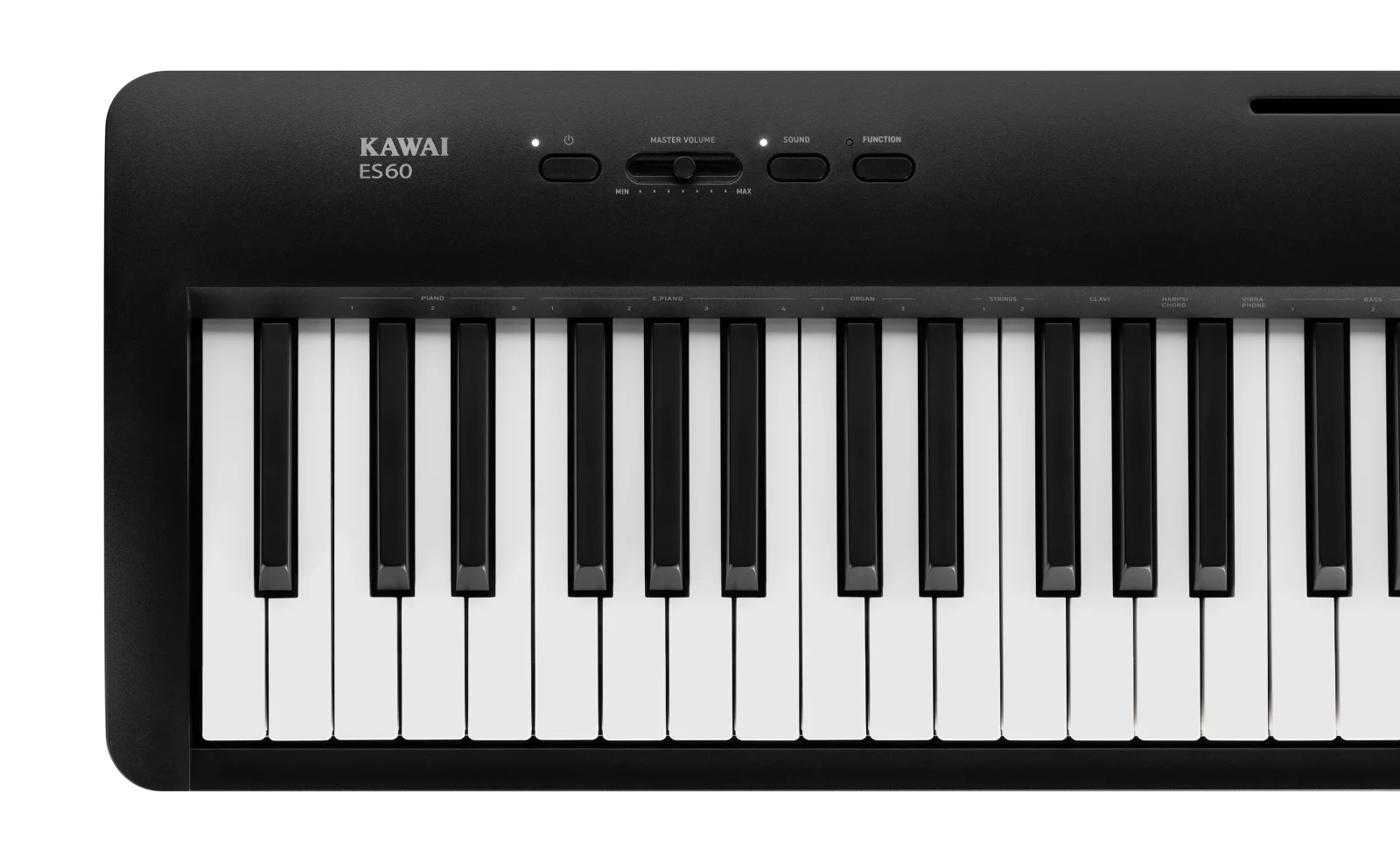
Best for: Students wanting authentic touch in a portable piano
Check price on Amazon- Best ValueCasio CDP-S160Best for: Budget-minded beginners needing a slim, flexible practice pianoCheck price

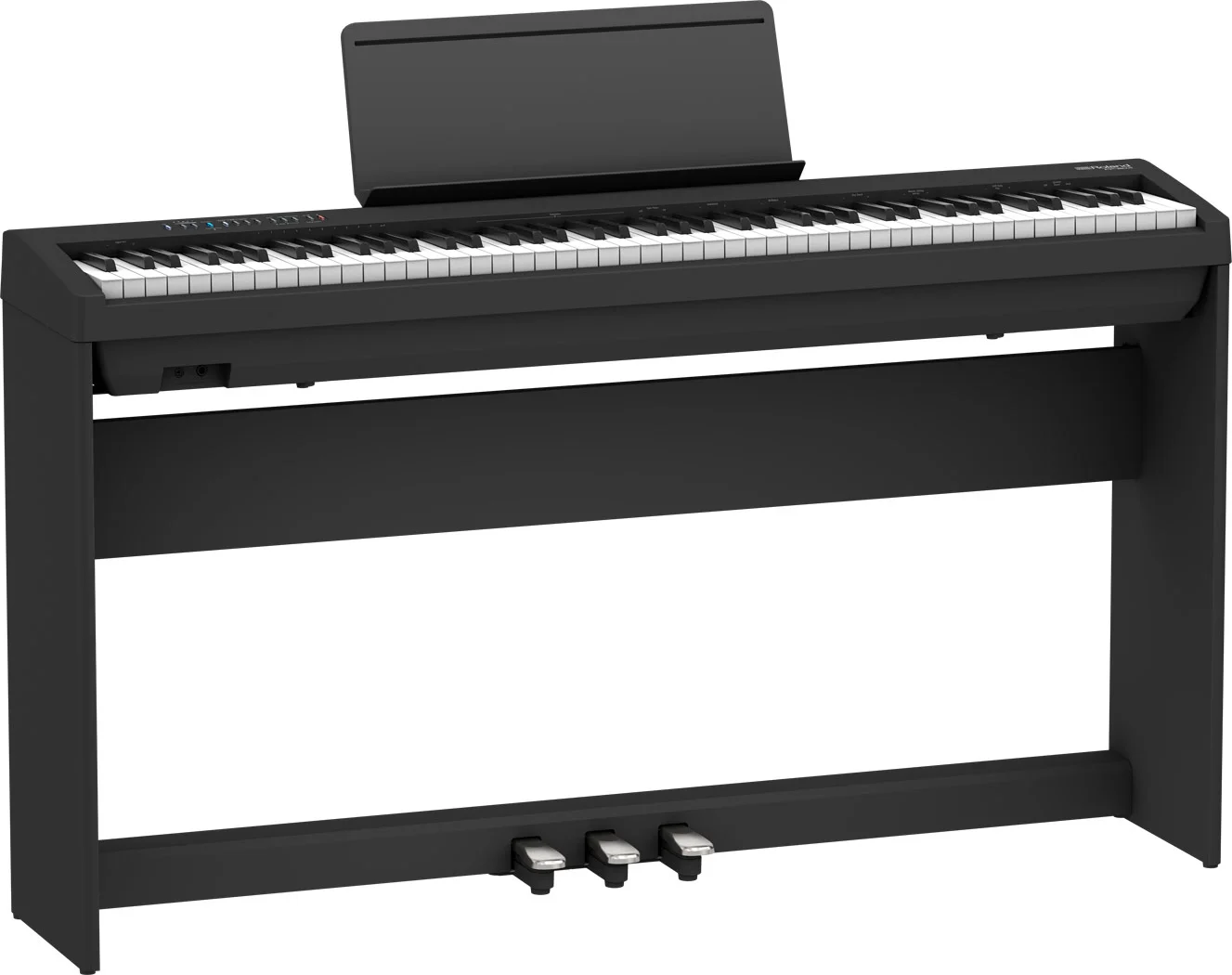
- Also GreatRoland FP-30XBest for: Learners wanting a versatile piano with Bluetooth connectivityCheck price
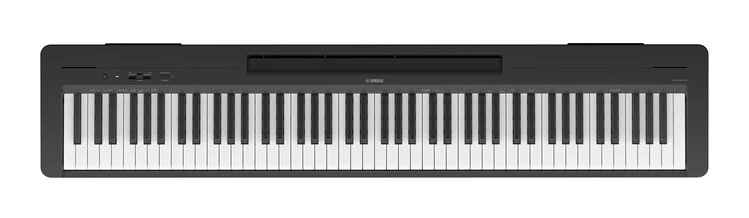
- Best BudgetYamaha P-145BTBest for: Beginners wanting a compact, simple Yamaha with BluetoothCheck price
- Premium PickYamaha Arius YDP-145Best for: Beginners wanting a permanent home piano with three pedalsCheck price
Finding the best digital pianos for beginners comes down to three things: how the keys feel, how much space you have, and how much room the instrument leaves you to grow. This guide compares five models from Kawai, Casio, Roland and Yamaha. All five have 88 weighted or hammer-action keys, but they differ a lot in weight, polyphony, pedals and wireless features.
The guide is based on manufacturer specifications and independent expert recommendations. It is not based on hands-on testing. Use the live check-price buttons on each product card for current pricing.
Digital pianos for beginners at a glance
| Model | Label | Key action | Polyphony | Weight | Bluetooth | Buy |
|---|---|---|---|---|---|---|
| Kawai ES60 | Best Overall | Responsive Hammer Lite | 192 notes | 11 kg (24.25 lbs) | Not listed (USB-MIDI) | Check price |
| Casio CDP-S160 | Best Value | Scaled hammer-action | 64 notes | 10.5 kg (23.1 lbs) | Not listed (USB Type B) | Check price |
| Roland FP-30X | Also Great | PHA-4 Standard with escapement | 256 notes | 14.8 kg | Audio and MIDI | Check price |
| Yamaha P-145BT | Best Budget | Graded Hammer Compact | 64 notes | 11.1 kg (24.5 lbs) | Audio | Check price |
| Yamaha Arius YDP-145 | Premium Pick | GHS graded hammer | 192 | 83 lbs 12 oz | Not listed (USB to Host) | Check price |
Kawai ES60: Best Overall for Authentic Portable Touch
Best for: Students wanting authentic touch in a portable piano
The Kawai ES60 pairs a graded weighted action with concert grand sounds in a very portable body. It suits beginners who want authentic piano feel and room to grow.
Read our full Kawai ES60 review →- Weight
- 11 kg (24.25 lbs)
- Dimensions
- 129.5 cm W × 26 cm D × 15 cm H (music rest detached)
- Pedals
- F-1SP switch pedal (damper on/off), compatible with F-10H damper pedal with half-pedal support
- Polyphony
- 192 notes
- Connectivity
- USB-MIDI, 1/4" stereo Line Out, 1/4" front headphone jack
- Sound Voices
- 17
Reasons to buy
- Responsive Hammer Lite weighted action gives authentic piano touch
- Shigeru Kawai SK-EX concert grand sampled sounds
- 192-note polyphony handles complex passages without dropped notes
- Light at 11 kg, easy for students to move
- Front headphone jack supports silent practice
Reasons to avoid
- Included pedal is an on/off switch, no half-pedaling
- Only 17 voices, fewer than some rivals
- Pianist's Compass
- 9.4
- 1st Note
- 6.4
The Kawai ES60 is our Best Overall because it pairs a graded weighted action with concert grand sounds in a body that is easy to carry. It suits students who want an authentic piano touch without giving up portability.
Keep reading about Kawai ES60
The keyboard has 88 weighted keys with Responsive Hammer Lite graded action. The sounds are sampled from a Shigeru Kawai SK-EX concert grand with Harmonic Imaging technology. At 11 kg (24.25 lbs) it is light enough to move between rooms or take to lessons. Its 192-note polyphony means complex passages shouldn't drop notes. The touch sensitivity is adjustable (Light, Normal, Heavy, Off).
Practice features are solid. There is a front headphone jack for silent practice, 2 x 10W speakers for normal playing, and USB-MIDI with support for the PianoRemote and PiaBookPlayer apps. It has been recommended in 3 expert guides, and Pianist's Compass rates it 4.7 out of 5.
The main trade-offs are the pedal and the sound count. The included F-1SP is a simple on/off damper switch with no half-pedaling. You can use the optional F-10H damper pedal if you want half-pedal support. There are also only 17 voices, so this is a piano-first instrument rather than a sound-variety one.
Casio CDP-S160: Best Value for Slim, Flexible Practice
Best for: Budget-minded beginners needing a slim, flexible practice piano
The Casio CDP-S160 covers the learning essentials: weighted hammer action, a recorder and duet mode. Battery power and a slim body make it flexible for small spaces.
Read our full Casio CDP-S160 review →- Weight
- 10.5 kg (23.1 lbs)
- Dimensions
- 1,322 x 232 x 99 mm
- Pedals
- SP-3 sustain pedal included; SP-34 three-pedal unit optional
- Polyphony
- 64 notes
- Connectivity
- USB Type B, 3.5mm audio in/out, pedal jacks
- Sound Voices
- 10
Reasons to buy
- Scaled hammer-action 88 keys feel realistic for beginners
- Runs on AC adapter or 6 AA batteries
- Slim, portable body at 10.5 kg
- Duet mode and one-button recorder help learning
- Includes SP-3 sustain pedal
Reasons to avoid
- 64-note polyphony can limit dense, pedal-heavy playing
- Only 10 built-in tones
- Pianist's Compass
- 9.0
- Best Digital Piano
- 9.0
- Best Choice
- 7.5
The Casio CDP-S160 is our Best Value pick for beginners who need a slim, flexible practice piano. It covers the learning essentials: scaled hammer-action keys, a one-button recorder and a duet mode. It is a good fit for small spaces.
Keep reading about Casio CDP-S160
Its 88 keys use a scaled hammer-action keyboard that reviewers and the manufacturer's specs describe as realistic for piano practice. It weighs 10.5 kg (23.1 lbs), the lightest of the five here, and it can run from the AC adapter or from 6 AA batteries for up to 13 hours. That makes it easy to set up away from a wall socket. The SP-3 sustain pedal is included, and an optional SP-34 three-pedal unit is available.
For learning, the duet mode and the one-button MIDI recorder are useful. You can play back your own practice and check your progress. The 2 x 8W speakers and headphone jack cover both open-room and silent playing. It has 2 editorial mentions, and Best Digital Piano rates it 9 out of 10.
The trade-offs are polyphony and variety. With 64 notes, dense, pedal-heavy playing can run into limits, and there are just 10 built-in tones.
Roland FP-30X: Also Great for Bluetooth Versatility
Best for: Learners wanting a versatile piano with Bluetooth connectivity
The Roland FP-30X offers a refined key action, rich sound engine and wireless connectivity. A strong pick for beginners who want a instrument they can keep using as skills improve.
- Weight
- 14.8 kg (32 lbs 11 oz with music rest)
- Dimensions
- 1,300 x 284 x 151 mm (51-3/16 x 11-3/16 x 6 inches, with music rest)
- Pedals
- 1 (DP-2 damper pedal included); supports optional triple pedal unit (KPD-70)
- Polyphony
- 256 notes
- Connectivity
- Bluetooth Audio (v3.0), Bluetooth MIDI (v4.0), USB Type-B (host), USB Type-A (memory)
- Sound Voices
- 56
Reasons to buy
- PHA-4 hammer action with escapement for authentic feel
- 256-note polyphony keeps sustained playing smooth
- Bluetooth audio and MIDI for apps and play-along
- 56 sounds including electric pianos, organs and strings
- Dual headphone outputs suit teacher-student practice
Reasons to avoid
- Heaviest of the portable models here at 14.8 kg
- Only one damper pedal included
- The Tested Hub
- 9.4
- Piano-a-Queue (Le Diapason)
- 7.8
- Pianist's Compass
- 8.4
- Sweetwater (Customer Reviews)
- 9.0
The Roland FP-30X is the pick for learners who want one piano that stays useful as their skills improve. It combines a refined key action, a broad sound library and Bluetooth for apps and play-along.
Keep reading about Roland FP-30X
The keyboard is Roland's 88-key PHA-4 Standard, with hammer action and escapement. The SuperNATURAL sound engine gives 56 sounds, including pianos, electric pianos, organs, strings and synthesizers. Polyphony is 256 notes, the highest in this group, so sustained playing stays smooth. Bluetooth audio and Bluetooth MIDI make it easy to connect music apps or play along with songs.
The dual headphone outputs (1/4" and 3.5mm) let a teacher and student practice silently together. It has been recommended in 3 expert guides, and Pianist's Compass rates it 4.2 out of 5.
The main trade-off is weight. At 14.8 kg it is the heaviest of the portable models in this guide, so it's less convenient to carry to lessons than the Kawai, Casio or Yamaha P-145BT. It also comes with just one DP-2 damper pedal. An optional KPD-70 triple pedal unit is supported if you want more.
Yamaha P-145BT: Best Budget for Compact Bluetooth Play
Best for: Beginners wanting a compact, simple Yamaha with Bluetooth
The Yamaha P-145BT is a compact, easy-to-move piano with Yamaha's grand piano sound and Bluetooth audio. It fits beginners who want a simple, dependable starter instrument.
- Weight
- 11.1 kg
- Dimensions
- 1,326mm (W) x 129mm (H) x 268mm (D)
- Pedals
- 1 sustain foot switch included; compatible with optional LP-5A three-pedal unit
- Polyphony
- 64 notes
- Connectivity
- USB-to-Host (MIDI & Audio), Bluetooth 5.0 A2DP audio
- Sound Voices
- 10
Reasons to buy
- Graded Hammer Compact keys feel like an acoustic piano
- Bluetooth audio streaming for playing along with songs
- Yamaha CFIIIS grand piano sound with damper resonance
- Compact 11.1 kg body with slim profile
- Smart Pianist app compatibility via USB
Reasons to avoid
- 64-note polyphony may cut off notes in layered passages
- Includes only a basic sustain foot switch
Our score. Fewer than two published expert reviews score this model yet, so the number is our ranking formula (expert recommendations, features, value, retailers), relative to the other picks in this guide. It switches to the expert average once two reviews are published.
The Yamaha P-145BT is a simple, dependable starter piano for beginners who want a compact body, Yamaha's grand piano sound and Bluetooth audio. It is easy to set up and easy to move.
Keep reading about Yamaha P-145BT
It has 88 weighted Graded Hammer Compact keys, and its Yamaha CFIIIS grand piano sound includes damper resonance DSP. The body weighs 11.1 kg (24.5 lbs) and has a slim profile. Bluetooth audio streaming lets you play along with favorite songs. USB-to-Host handles MIDI and audio and works with the Smart Pianist app. Built-in stereo speakers have Sound Boost for amplified projection. Pianist's Compass rates it 4.5 out of 5, and it has been recommended in 3 expert guides.
There are two limitations. Polyphony is 64 notes, which may cut off notes in layered passages. The only pedal included is a basic sustain foot switch, though an optional LP-5A three-pedal unit is compatible. For simple, early-stage playing, those limits are manageable, but they matter more as repertoire gets denser.
Yamaha Arius YDP-145: Premium Pick for Permanent Home Setup
Best for: Beginners wanting a permanent home piano with three pedals
The Yamaha Arius YDP-145 is a home-style piano with three pedals, CFX sound and a large library of songs and exercises. It suits beginners who want a permanent, furniture-like setup.
Read our full Yamaha Arius YDP-145 review →- Weight
- 83 lbs 12 oz
- Dimensions
- 53-7/16" W x 32-1/16" H (38-1/8" with music rest raised) x 16-5/8" D
- Pedals
- 3 (Damper with half-pedal, Sostenuto, Soft)
- Polyphony
- 192
- Connectivity
- USB to HOST, 2x headphone jacks
- Sound Voices
- 10
Reasons to buy
- CFX concert grand sound sampled from Yamaha's flagship piano
- GHS graded hammer action feels like an acoustic
- Three pedals including half-pedal damper support
- 353 built-in songs and exercises aid practice
- Two headphone jacks for lessons together
Reasons to avoid
- Heavy at 83 lbs 12 oz, not portable
- Only 10 built-in voices
- No Bluetooth listed, USB to Host only
- Pianoo
- 7.8
- Best Piano Keyboards
- 9.5
- MusicRadar
- 9.0
The Yamaha Arius YDP-145 is the Premium Pick for beginners who want a permanent, furniture-style piano at home. It includes three pedals, the CFX concert grand sound and a large library of songs and exercises. It is not meant to be moved around.
Keep reading about Yamaha Arius YDP-145
The CFX sound is sampled from Yamaha's flagship grand piano. The keyboard is a GHS graded hammer action with 88 keys, and Virtual Resonance Modeling Lite adds natural harmonic resonance. The three pedals are a damper with half-pedal support, a sostenuto and a soft pedal. This is the only model here with that full set. Polyphony is 192.
For practice, it has 353 built-in songs, including 50 classical pieces and 303 practice exercises, plus Smart Pianist app compatibility. Two headphone jacks allow lessons together. MusicRadar rates it 4.5 out of 5 and Best Piano Keyboards gives it 9.5 out of 10. It has been recommended in one expert guide.
The trade-offs are weight and connectivity. At 83 lbs 12 oz it is not portable. It has 10 built-in voices. Bluetooth is not listed, so connection is through USB to Host only. If you need to move your piano, look at the lighter models above.
Compare our picks side by side
The specs most of our picks share, from each maker’s spec page (— = not published). Expert score = the average of published expert reviews, which rate each product for its price. Scroll sideways on small screens.
| Spec | Kawai ES60 | Casio CDP-S160 | Roland FP-30X | Yamaha P-145BT | Yamaha Arius YDP-145 |
|---|---|---|---|---|---|
| Best for | Best Overall | Best Value | Also Great | Best Budget | Premium Pick |
| Expert score | 7.9 | 8.5 | 8.7 | 6.1 | 8.8 |
| Price vs. these picks | Lower | Middle | Higher | Middle | Higher |
| Weight | 11 kg (24.25 lbs) | 10.5 kg (23.1 lbs) | 14.8 kg (32 lbs 11 oz with music rest) | 11.1 kg | 83 lbs 12 oz |
| Dimensions | 129.5 cm W × 26 cm D × 15 cm H (music rest detached) | 1,322 x 232 x 99 mm | 1,300 x 284 x 151 mm (51-3/16 x 11-3/16 x 6 inches, with music rest) | 1,326mm (W) x 129mm (H) x 268mm (D) | 53-7/16" W x 32-1/16" H (38-1/8" with music rest raised) x 16-5/8" D |
| Pedals | F-1SP switch pedal (damper on/off), compatible with F-10H damper pedal with half-pedal support | SP-3 sustain pedal included; SP-34 three-pedal unit optional | 1 (DP-2 damper pedal included); supports optional triple pedal unit (KPD-70) | 1 sustain foot switch included; compatible with optional LP-5A three-pedal unit | 3 (Damper with half-pedal, Sostenuto, Soft) |
| Polyphony | 192 notes | 64 notes | 256 notes | 64 notes | 192 |
| Connectivity | USB-MIDI, 1/4" stereo Line Out, 1/4" front headphone jack | USB Type B, 3.5mm audio in/out, pedal jacks | Bluetooth Audio (v3.0), Bluetooth MIDI (v4.0), USB Type-B (host), USB Type-A (memory) | USB-to-Host (MIDI & Audio), Bluetooth 5.0 A2DP audio | USB to HOST, 2x headphone jacks |
| Sound Voices | 17 | 10 | 56 | 10 | 10 |
| Weighted Keys | Yes, grade-weighted Responsive Hammer Lite | Scaled hammer-action | Yes, PHA-4 Standard with progressive hammer action and escapement | Graded Hammer Compact (GHC) action | GHS (Graded Hammer Standard) with matte black keytops |
| Number of Keys | 88 | 88 | 88 | 88 | 88 |
| Where to buy | Check price | Check price | Check price | Check price | Check price |
How to choose the best digital pianos for beginners
Key action comes first
All five models here have 88 keys with weighted or hammer-style action. Look for graded hammer action, where lower keys feel heavier than higher ones. That is how an acoustic piano behaves, and it helps build finger strength and control. The Roland adds escapement, which is meant to replicate the feel of an acoustic piano's mechanism.
Portability or permanence
The Casio CDP-S160 (10.5 kg), Kawai ES60 (11 kg) and Yamaha P-145BT (11.1 kg) are the lightest. The Roland FP-30X (14.8 kg) is heavier but still described as portable. The Yamaha Arius YDP-145 is a fixed home instrument. Pick based on whether your piano will live in one spot.
Polyphony
Polyphony is how many notes can sound at once. Higher numbers matter when you hold the sustain pedal through fast or layered passages. The Roland offers 256 notes, the Kawai and Yamaha Arius 192, and the Casio and Yamaha P-145BT 64. Simple beginner pieces rarely push the limit, but you may notice it as you advance.
Pedals
A damper pedal with half-pedal support gives finer control. Only the Arius includes three pedals with a half-pedal damper. The others ship with a single sustain pedal or switch, and each has an optional upgrade.
Connectivity and learning tools
Bluetooth audio and MIDI (Roland), Bluetooth audio (Yamaha P-145BT) and USB app support (Kawai, Yamaha) can make practice more engaging. If you want a built-in recorder and duet mode, the Casio has both. Headphone jacks matter if you practice at night. The Roland and Yamaha Arius have two, which suits lessons with a teacher.
How we picked
We compared these five models using manufacturer specifications and independent expert recommendations. We looked at key action, polyphony, weight, pedals, built-in sounds, connectivity, learning features and how often expert guides recommend each model. We have not tested these pianos hands-on. Each section reflects what the manufacturer lists and what reviewers consistently say.
Bottom line
For most beginners, the Kawai ES60 is the best overall choice: authentic weighted touch, concert grand sounds and a portable body. The Casio CDP-S160 is the pick if you want battery power, a recorder and a slim body. The Roland FP-30X suits those who want Bluetooth, a deep sound library and plenty of room to grow. The Yamaha P-145BT is a simple compact starter with Bluetooth audio, and the Yamaha Arius YDP-145 is the one to choose if you want a permanent, three-pedal home piano.
Ready to buy?
 Best OverallKawai ES60Check price
- Best ValueCasio CDP-S160Check price
- Also GreatRoland FP-30XCheck price
- Best BudgetYamaha P-145BTCheck price
- Premium PickYamaha Arius YDP-145Check price
Frequently asked questions
Which beginner digital piano is the lightest?
The Casio CDP-S160: 10.5 kg (23.1 lbs). The Kawai ES60 follows at 11 kg (24.25 lbs) and the Yamaha P-145BT at 11.1 kg (24.5 lbs). All three suit small spaces and moving between rooms.
Which model has the highest polyphony?
The Roland FP-30X: 256 notes. That helps sustained playing stay smooth. The Kawai ES60 and Yamaha Arius YDP-145 both offer 192 notes, while the Casio CDP-S160 and Yamaha P-145BT offer 64 notes.
Which digital pianos here have Bluetooth?
The Roland FP-30X and the Yamaha P-145BT. The Roland supports Bluetooth audio and Bluetooth MIDI, while the Yamaha offers Bluetooth audio streaming. Bluetooth is not listed for the Kawai ES60, Casio CDP-S160 or Yamaha Arius YDP-145.
Can any of these pianos run on batteries?
The Casio CDP-S160: up to 13 hours on 6 AA batteries. It can also run from the AC adapter, which makes it flexible for practice away from a wall socket.
Which piano comes with three pedals?
The Yamaha Arius YDP-145. It has a damper pedal with half-pedal support, a sostenuto pedal and a soft pedal. The other four models include a single sustain pedal or switch, though some have optional pedal units.
Sources
Specs are taken from the manufacturers' official pages; expert recommendations from the publications below.
- Kawai ES60: kawaius.com, kawai.co.uk, pianoandsynth.com, kawai.com.au
- Casio CDP-S160: casio.com, kraftmusic.com
- Roland FP-30X: roland.com, merriammusic.com, bhphotovideo.com
- Yamaha P-145BT: usa.yamaha.com, europe.yamaha.com, latinamerica.yamaha.com
- Yamaha Arius YDP-145: usa.yamaha.com, europe.yamaha.com, my.yamaha.com, au.yamaha.com
More buying guides
Kawai ES60 Review (2026): Grand Tone in a Portable Body
A look at the Kawai ES60 portable digital piano: its Shigeru Kawai SK-EX sound, Responsive Hammer Lite keys, line outs, and where reviewers say it falls short.
Published Oct 25, 2026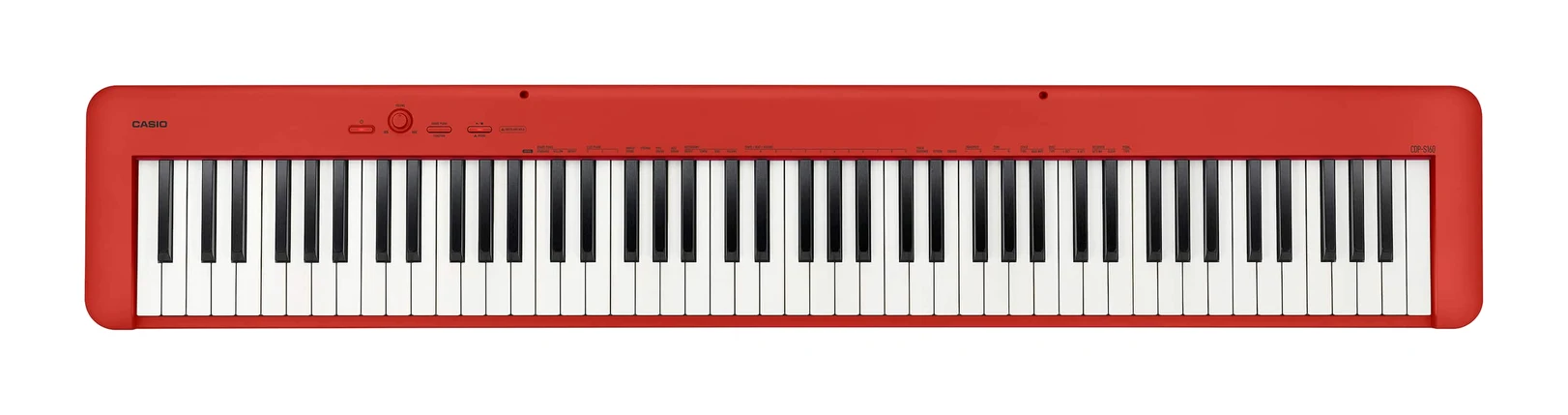
Casio CDP-S160 Review (2026): Weighted Keys, Slim Body
The Casio CDP-S160 is a slim, portable 88-key digital piano with scaled hammer action. Here is what it offers beginners, where it falls short and who should look elsewhere.
Published Oct 25, 2026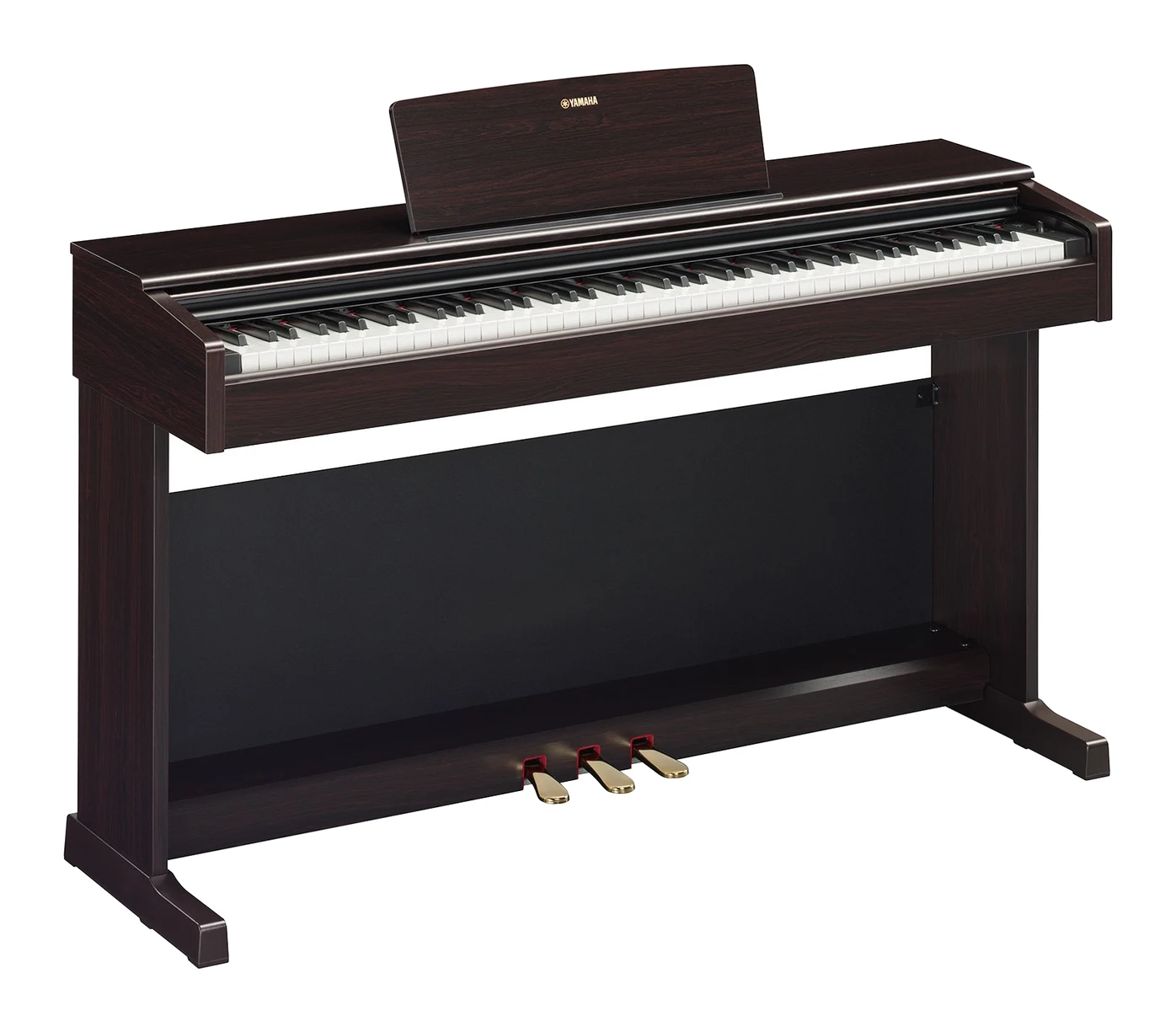
Yamaha Arius YDP-145 Review (2026): CFX Sound, Basic Keys
Our Yamaha Arius YDP-145 review looks at a mid-range home digital piano built around CFX concert grand sound and weighted keys, and who it suits.
Published Oct 25, 2026