Kawai ES60 Review (2026): Grand Tone in a Portable Body
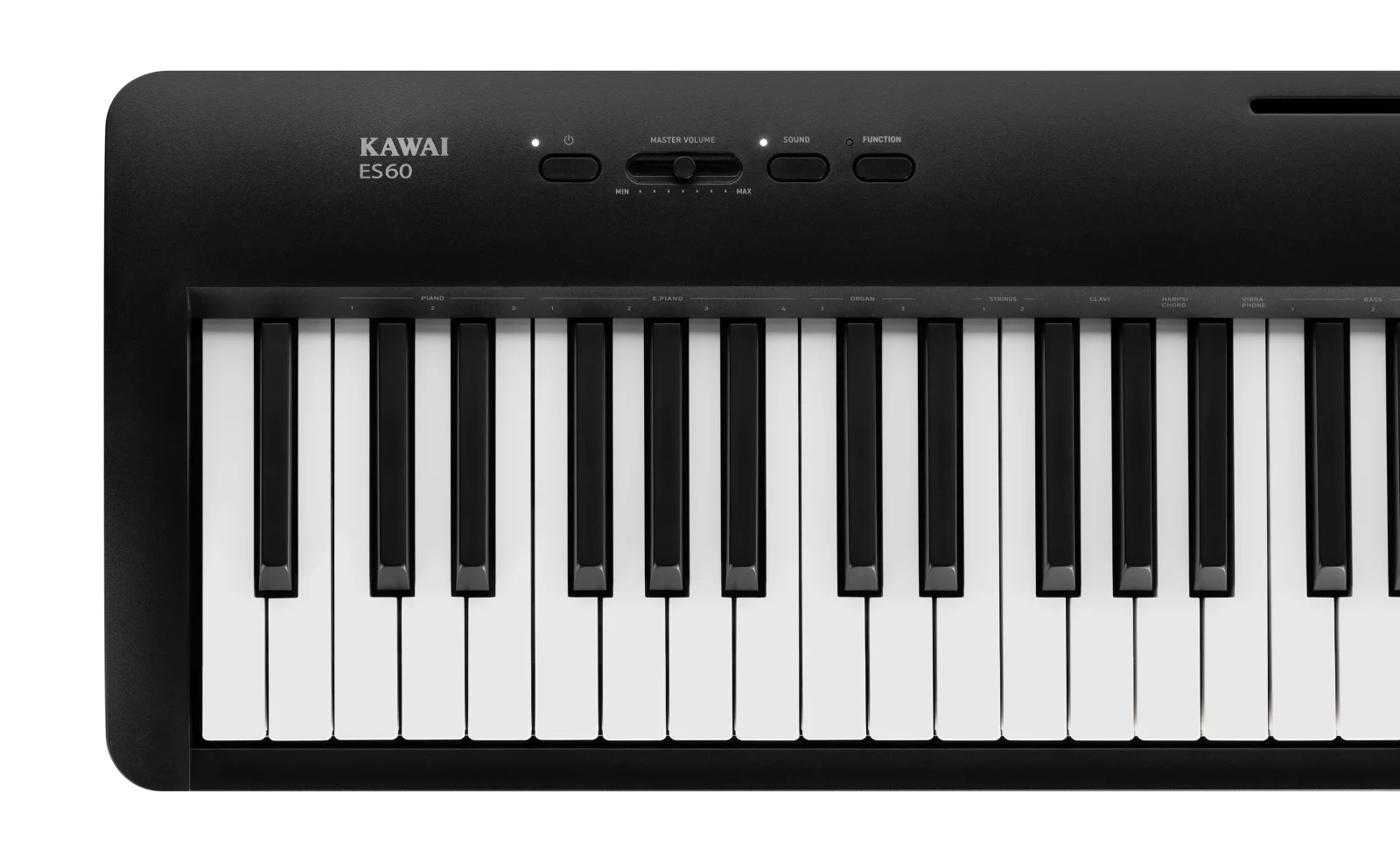
A look at the Kawai ES60 portable digital piano: its Shigeru Kawai SK-EX sound, Responsive Hammer Lite keys, line outs, and where reviewers say it falls short.
Research-based · We earn from qualifying purchases
Our verdict
The ES60 is a great pick for players who prioritize authentic grand piano tone and portability in a mid-range digital piano, with line outs that suit small gigs. Skip it if you want wireless audio, a built-in recorder, or the firmer, more refined action and build of the ES120.
The good
- Shigeru Kawai SK-EX concert grand samples give a standout piano tone
- Graded-weighted Responsive Hammer Lite action feels smooth with quiet key noise
- Built-in 20 W speakers are strong for a portable piano
- Stereo 1/4" line outs are a rare extra for PA or amp use
- At 11 kg, it is easy to carry between rooms or gigs
+2 more
- Stereo 1/4" line outs are a rare extra for PA or amp use
- At 11 kg, it is easy to carry between rooms or gigs
The bad
- No Bluetooth audio or USB audio connectivity
- Action is less consistent and authentic than the pricier ES120's
- Plastic body feels less sturdy than the ES120's
- Speakers distort when pushed hard, and gigging controls and memory are limited
+1 more
- Speakers distort when pushed hard, and gigging controls and memory are limited
This Kawai ES60 review looks at a portable 88-key digital piano that puts piano tone first and treats extras as secondary. It is built around sampling of the Shigeru Kawai SK-EX concert grand, paired with a graded-weighted action and a body light enough to move between rooms. It suits players who want a convincing grand piano sound in a compact instrument and don't need a long list of connected features.
This article is based on Kawai's published specifications and on what independent expert reviews report. It is not hands-on testing.
Kawai ES60: specs at a glance
From the manufacturer- Keys
- 88, Responsive Hammer Lite (RHL) grade-weighted action
- Pedal
- F-1SP switch pedal included; F-10H damper pedal optional (half-pedal support)
- Reverb
- 3 types
- Weight
- 11 kg
- Line out
- 1/4" L/MONO, R (unbalanced)
- Speakers
- 12 cm x 2, 20 W (10 W x 2)
- Sound engine
- Harmonic Imaging, SK-EX concert grand stereo sampling
- Playing modes
- Dual, Split
- Built-in sounds
- 17 voices
- Headphone output
- 1 x 1/4" stereo jack (front)
- Maximum polyphony
- 192 notes
- Power consumption
- 7 W
- Rhythms and songs
- 30 drum rhythms, 15 demo songs
- Dimensions (W x D x H)
- 1295 x 260 x 150 mm
- Computer/app connectivity
- USB-MIDI
Key features
- Responsive Hammer Lite graded-weighted 88-key action for a grand-piano-like touch
- Shigeru Kawai SK-EX concert grand sound via Harmonic Imaging
- 192-note polyphony for layered, sustained playing
- Built-in 20 W stereo speakers (10 W x 2) with upward-facing 12 cm drivers
- Dedicated 1/4" stereo line outs for PA or amp, plus a front headphone jack
- Light 11 kg body that is easy to carry between rooms or gigs
- Dual and Split modes, metronome and 30 drum rhythms for practice
- PianoRemote and PiaBookPlayer app support over USB-MIDI
Why people consider the Kawai ES60
The ES60 sits in the mid-range part of the digital piano market. It is aimed at players who care about how a piano sounds and feels more than about wireless audio, a recorder or a large feature set. Kawai's pitch is simple: concert-grand sampling, a hammer-style action, built-in speakers and line outs for gigs, all in a body that weighs 11 kg.
It has been recommended in 4 expert guides. Pianist's Compass scores it 4.7/5. The strengths cluster around tone, touch and portability. The criticisms mostly concern connectivity and how it compares with Kawai's pricier ES120, which we cover below.
If you are still working out which kind of digital piano suits you, see our guide to the best digital pianos for beginners for the wider category.
Design and build
The ES60 is a portable 88-key piano, measuring 1295 x 260 x 150 mm. The main practical point is weight. At 11 kg, reviewers describe it as easy to carry between rooms or to gigs. For anyone who moves a piano regularly, whether to a teacher's studio, a rehearsal or a small venue, that is a practical advantage.
The trade-off is the body material. A common criticism is that the plastic body feels less sturdy than the ES120's. It does mean the ES60 is not the pick if you want a more solid, furniture-like feel.
The controls are described by reviewers as limited for gigging, and memory is limited too. In practice the ES60 is a piano you sit down and play, rather than a performance workstation where you store and recall complex setups.
Keys and touch
The ES60 uses Kawai's Responsive Hammer Lite (RHL) action, a graded-weighted design across 88 keys. Graded-weighted means the keys feel heavier in the bass and lighter in the treble, as on an acoustic piano. Kawai's aim is a grand-piano-like touch, and reviewers say the action feels smooth with quiet key noise. The quiet mechanism helps if you practise late or share a living space.
The criticism is a relative one. Reviewers say the action is less consistent and authentic than the one on the pricier ES120. If you have played higher-end digital pianos and are sensitive to key feel, that gap may bother you. If you are coming from a lighter keyboard, a graded-weighted action is a meaningful step toward acoustic-style playing.
Pedal options
An F-1SP switch pedal is included. The F-10H damper pedal is optional and supports half-pedaling. If you want to control sustain more finely, as in expressive classical or ballad playing, budget for that upgrade, since the included switch pedal is an on/off type.
Sound engine and features
The headline feature is the sound. The ES60 uses Kawai's Harmonic Imaging with stereo sampling of the Shigeru Kawai SK-EX concert grand. Reviewers repeatedly single out this piano tone as a standout. For a portable instrument, having a concert grand as the core sound is the main reason to choose it.
Some other features worth knowing:
- 192-note polyphony. This is the maximum number of notes that can sound at once. It gives headroom for layered sounds and long sustained passages with the pedal down, where notes pile up.
- 17 built-in voices. The ES60 offers 17 built-in voices to choose from alongside the main concert grand sound.
- Dual and Split modes. Dual layers two sounds together. Split divides the keyboard into two zones with different sounds.
- 3 reverb types. These add room or hall ambience to the piano tone.
- Practice tools. There is a metronome, 30 drum rhythms and 15 demo songs.
There is no built-in recorder, which our verdict flags as a gap. If recording yourself inside the instrument is important, this is not the model for you.
Speakers, line outs and headphones
The ES60 has built-in 20 W stereo speakers (10 W x 2) with upward-facing 12 cm drivers. Reviewers call them strong for a portable piano, which means you can play at home without extra gear.
They have limits, though. A common criticism is that the speakers distort when pushed hard.
For that reason the line outs matter. The ES60 has 1/4" stereo line outs (L/MONO and R, unbalanced) for connecting to a PA or an amplifier. Reviewers call this a rare extra for PA or amp use. It gives you a route to a bigger sound at a small gig or rehearsal, with the piano's own speakers as a backup. A front 1/4" stereo headphone jack handles silent practice.
Power consumption is 7 W, which is a spec worth knowing mainly if you will run the piano from a power strip alongside other gear.
Connectivity
The ES60 connects to computers and apps over USB-MIDI. It supports Kawai's PianoRemote and PiaBookPlayer apps through that connection. That covers sending MIDI data and using Kawai's companion tools.
The notable limitation is audio. The ES60 has no Bluetooth audio and no USB audio connectivity. You can't stream a backing track wirelessly through the piano's speakers, and you can't record its audio over USB. If you play along with tracks or record regularly, the lack of Bluetooth audio and USB audio may be a deciding factor. For many players who just want to sit down and play, this will not matter. For others it may be the deciding factor.
What experts like and what they criticise
Praise
Reviewers consistently praise five things:
- the standout tone from the Shigeru Kawai SK-EX concert grand samples
- the smooth Responsive Hammer Lite action with quiet key noise
- strong built-in speakers for a portable piano
- the stereo 1/4" line outs
- how easy the 11 kg body is to carry
Criticism
A common criticism is the missing Bluetooth audio and USB audio. Reviewers also say the action is less consistent and authentic than the ES120's, and that the plastic body feels less sturdy. Others say the speakers distort when pushed hard and that gigging controls and memory are limited. These are real trade-offs to weigh against the ES60's strengths in tone, touch and portability.
Who should buy the Kawai ES60
The ES60 suits:
- players who put authentic grand piano tone first and are happy to go without extras
- anyone who moves their piano between rooms, lessons or small gigs
- players who want line outs for a PA or amp without buying a stage piano
- people who want a graded-weighted action and quiet key noise for home practice
Who should skip it
Look elsewhere if:
- you want Bluetooth audio or USB audio
- you want a built-in recorder
- you want the firmer, more refined action and sturdier build of the ES120
- you need built-in speakers that stay clean when pushed hard, or deep gigging controls and memory
How it fits in its category
In general terms, the portable digital piano market splits between instruments that chase features and connectivity and those that chase the feel and sound of an acoustic piano. The ES60 sits in the second group. It gives up wireless audio and recording to focus on a concert-grand sound, a hammer-style action and a light body. Its mid-range price tier sits below Kawai's pricier ES120, which reviewers say has a more consistent, authentic action and a sturdier build.
Verdict
The Kawai ES60 does the core job of a digital piano well: a convincing grand piano tone, a smooth graded-weighted action and a body that is easy to move. The line outs are a useful extra for PA or amp use. The trade-offs are clear and well documented: no Bluetooth audio, no USB audio, no built-in recorder, a plastic body, speakers that distort when pushed, and an action that falls short of the ES120's. If tone and portability are your priorities, it is an easy instrument to recommend. If you want wireless features or a more premium feel, look at other options first.
Related buying guides
Not sure about the Kawai ES60? Consider these
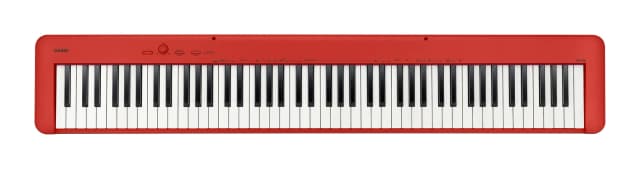
- Best ValueCasio CDP-S160Why we picked it →
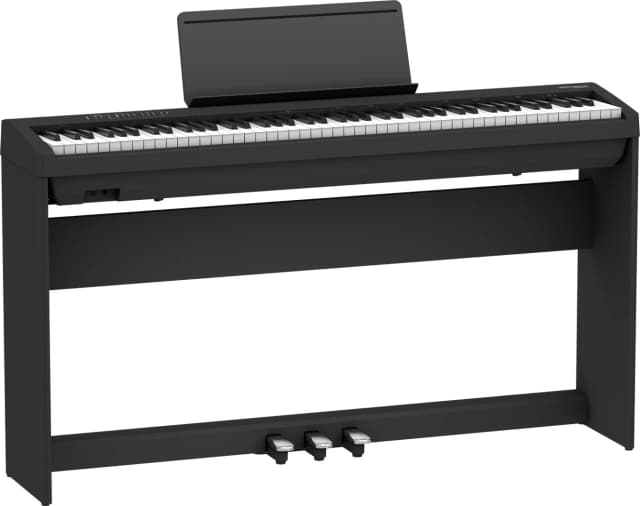
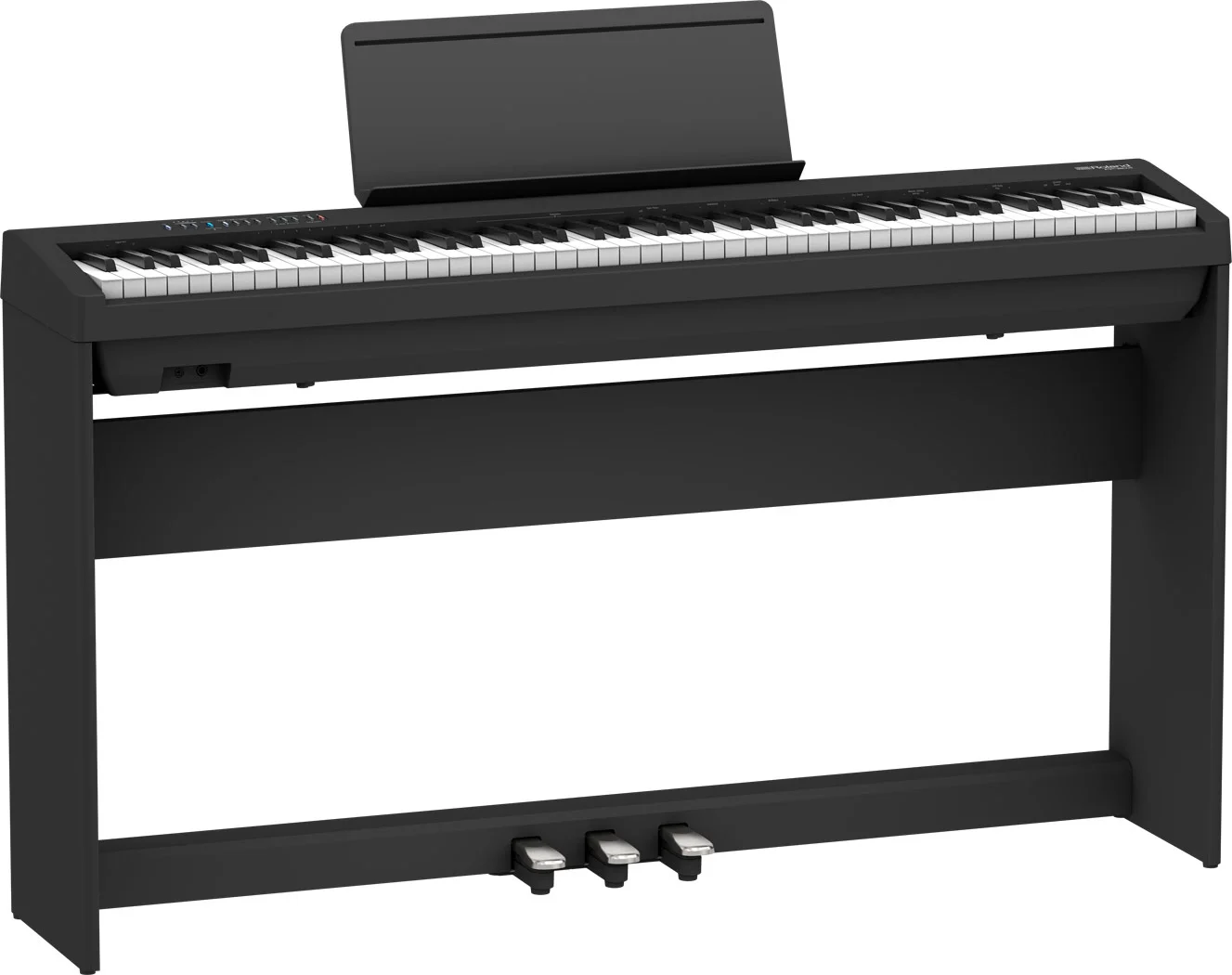
- Also GreatRoland FP-30XWhy we picked it →
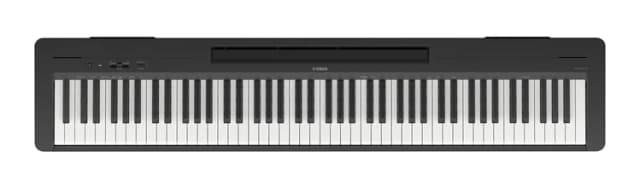
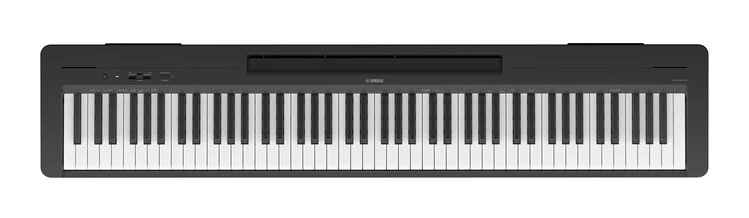
- Best BudgetYamaha P-145BTWhy we picked it →
Frequently asked questions
Is the Kawai ES60 worth it?
It is worth considering if you want authentic grand piano tone and a light, portable body in a mid-range digital piano. Reviewers praise its Shigeru Kawai SK-EX sound, smooth action and line outs. It is less compelling if you want Bluetooth audio, USB audio or a built-in recorder.
Does the Kawai ES60 have Bluetooth?
No. Reviewers note that it has no Bluetooth audio and no USB audio connectivity. It does connect to computers and apps over USB-MIDI, and supports the PianoRemote and PiaBookPlayer apps.
How heavy is the Kawai ES60?
It weighs 11 kg and measures 1295 x 260 x 150 mm. Reviewers describe it as easy to carry between rooms or to gigs.
Does the Kawai ES60 have built-in speakers?
Yes. It has 20 W stereo speakers (10 W x 2) with upward-facing 12 cm drivers. Reviewers call them strong for a portable piano, but a common criticism is that they distort when pushed hard.
Can I connect the Kawai ES60 to a PA or amplifier?
Yes. It has 1/4" stereo line outs (L/MONO and R, unbalanced) for a PA or amp. Reviewers describe this as a rare extra for PA or amp use. It also has a front 1/4" stereo headphone jack.
Does the Kawai ES60 come with a sustain pedal?
It includes an F-1SP switch pedal. The F-10H damper pedal is optional and supports half-pedaling, which gives finer control over sustain.
Sources
Specs are taken from the manufacturers' official pages; expert recommendations from the publications below.
- Kawai ES60: kawai-global.com, schmittmusic.com, merriammusic.com
Related reviews & guides
Best Digital Pianos for Beginners 2026: Real Touch at Home
Five beginner-friendly digital pianos from Kawai, Casio, Roland and Yamaha, compared on key action, polyphony, portability and connectivity, with a clear pick for each kind of learner.
Published Oct 25, 2026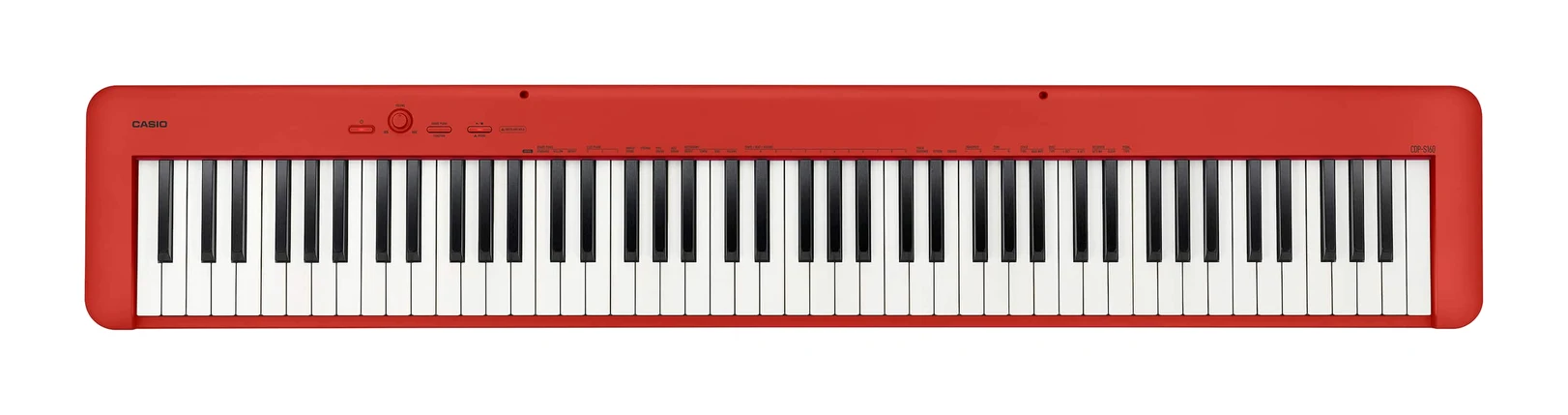
Casio CDP-S160 Review (2026): Weighted Keys, Slim Body
The Casio CDP-S160 is a slim, portable 88-key digital piano with scaled hammer action. Here is what it offers beginners, where it falls short and who should look elsewhere.
Published Oct 25, 2026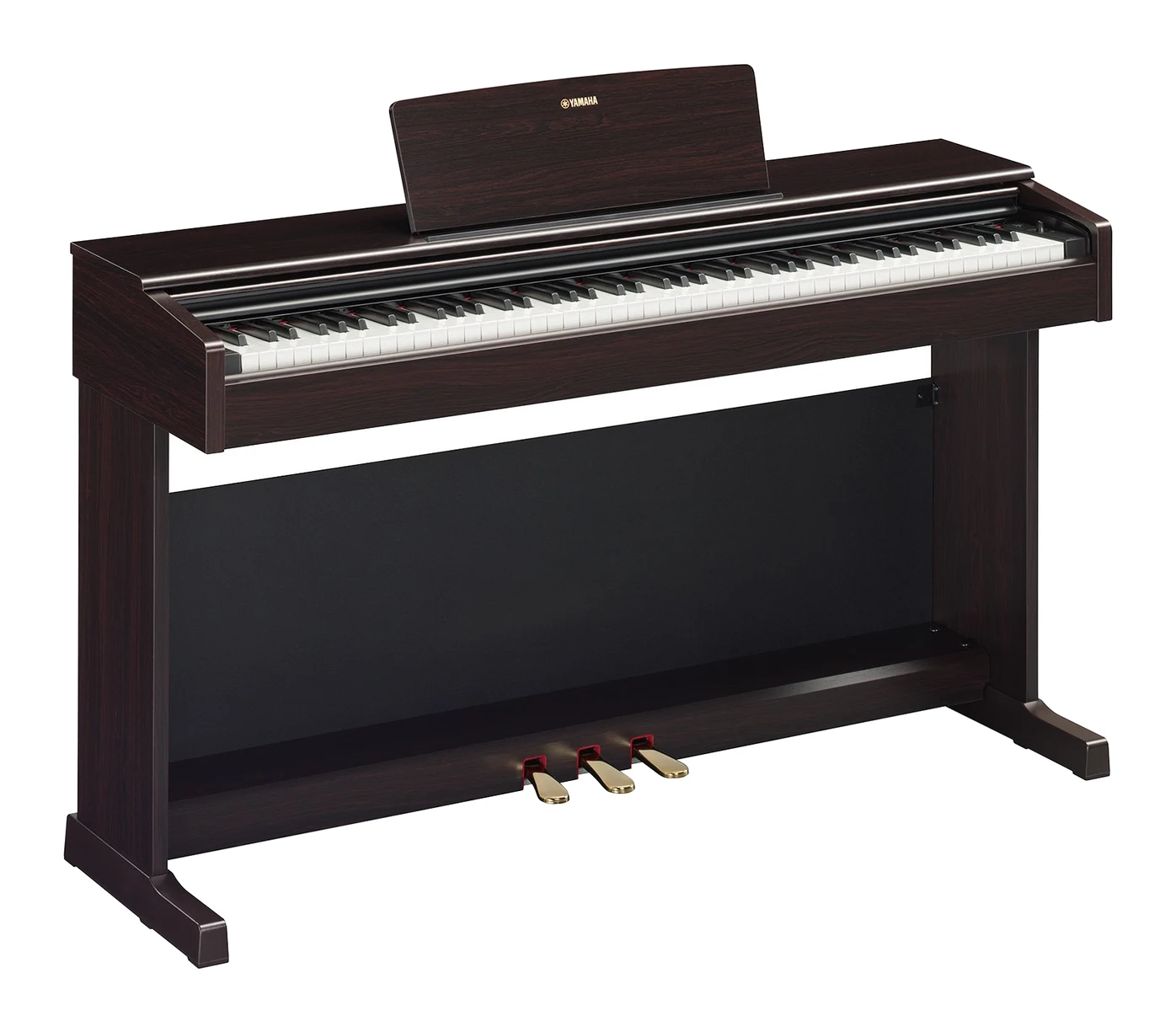
Yamaha Arius YDP-145 Review (2026): CFX Sound, Basic Keys
Our Yamaha Arius YDP-145 review looks at a mid-range home digital piano built around CFX concert grand sound and weighted keys, and who it suits.
Published Oct 25, 2026