Casio CDP-S160 Review (2026): Weighted Keys, Slim Body
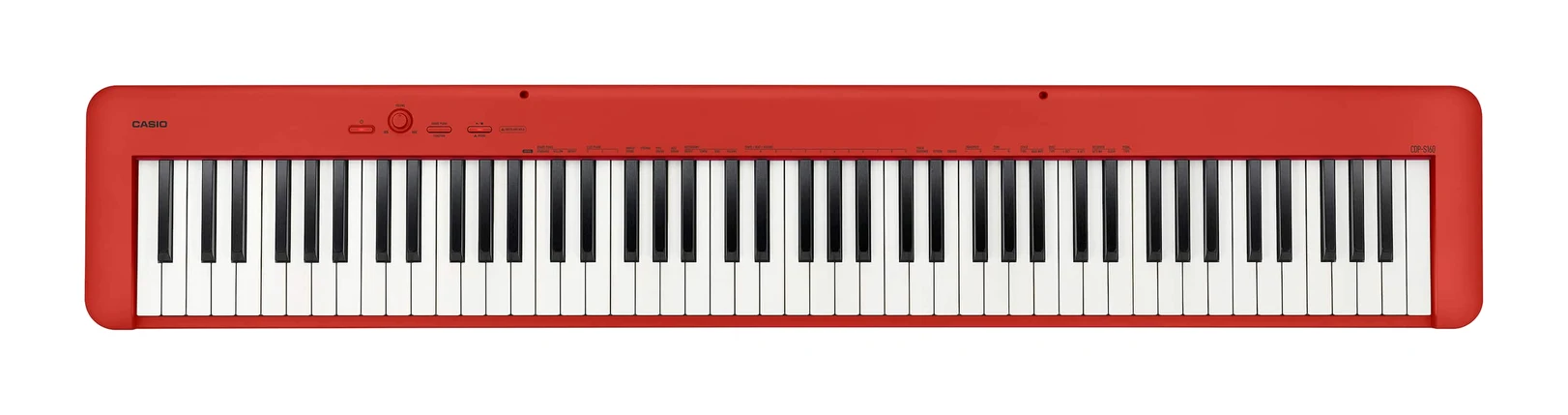
The Casio CDP-S160 is a slim, portable 88-key digital piano with scaled hammer action. Here is what it offers beginners, where it falls short and who should look elsewhere.
Research-based · We earn from qualifying purchases
Our verdict
The CDP-S160 is a portable, full-size weighted piano with a good key feel and a clean grand piano tone, which suits beginners and students. Players who want a wide range of sounds, deeper polyphony or advanced recording should look at more feature-rich models.
The good
- 88 scaled hammer-action keys give a weighted, grand-piano-style touch
- Slim 232 mm body and about 23 lb make it easy to move
- Runs on 6 AA batteries (about 13 hours) or the included AC adapter
- Clean, usable stereo grand piano tone with adjustable reverb and chorus
- Duet mode and simple controls suit lessons and beginners
+2 more
- Clean, usable stereo grand piano tone with adjustable reverb and chorus
- Duet mode and simple controls suit lessons and beginners
The bad
- Only 10 built-in tones, so sound variety is limited
- Polyphony tops out at 64 notes
- Recorder is basic: one track, one song
- Included SP-3 sustain pedal is basic
+1 more
- Included SP-3 sustain pedal is basic
This Casio CDP-S160 review looks at a digital piano built around one idea: give learners a full-size, weighted keyboard in a body that is easy to live with. It sits in the mid-range part of the market, and it is aimed at beginners and students who want a piano-style touch without a bulky cabinet instrument.
This article is based on Casio's published specifications and on what independent expert reviews report. It is not based on hands-on testing. Below we cover how the piano is built, what its features mean in daily practice, where reviewers see its limits, and who it suits.
Casio CDP-S160: specs at a glance
From the manufacturer- Keys
- 88, scaled weighted hammer action
- Power
- AD-A12150LW (DC 12V) adapter or 6 AA batteries, approx. 13 hours
- Weight
- 10.5 kg
- Effects
- Reverb (4 types), Chorus (4 types)
- Recorder
- 1 track, 1 song, approx. 2,500 notes
- Speakers
- 2 x 8W amplifiers, 12cm x 6cm oval (US page) or 13cm / 7cm oval (global page)
- Metronome
- 0 to 9 beats; tempo 20 to 255
- Connectivity
- USB Type B (MIDI), stereo mini Audio In, Phones/Output (stereo mini), damper pedal jack, 3-pedal unit connector
- Built-in tones
- 10
- Tuning control
- A4 = 415.5 Hz ~ 440.0 Hz ~ 465.9 Hz
- Maximum polyphony
- 64
- Touch sensitivity
- 3 levels, off
- Included accessories
- SP-3 sustain pedal, music stand, AC adapter
- Dimensions (w/o music stand)
- 1,322 x 232 x 99 mm
Key features
- Scaled hammer-action keys give a weighted, grand-piano-style touch
- Ebony- and ivory-textured key surfaces help stop fingers slipping
- Slim body, only 232 mm deep and about 23 lb, so it's easy to move and store
- Can run on 6 AA batteries (about 13 hours) as well as the included AC adapter
- 10 tones, including a stereo grand piano, with layering plus adjustable reverb and chorus
- Duet mode lets two players share the same key range for lessons
- Casio Music Space app control, plus a one-button MIDI recorder
- Built-in stereo speakers, a headphone jack and driverless USB-MIDI
Casio CDP-S160 review: design and build
The CDP-S160 is a slim instrument. The body is only 232 mm deep and weighs about 23 lb, and the overall dimensions without the music stand are 1,322 x 232 x 99 mm. For a full 88-key piano that is a compact footprint. It can sit on a stand or desk in a small room, and it is realistic to move or store when you are not playing.
Portability is one of the points reviewers praise. A piano that is easy to shift suits students who share a room, families with limited space, and anyone who wants to practise in more than one spot. Casio supplies a music stand and an AC adapter, and the power options (covered below) add to the flexibility.
The key surfaces are textured to look and feel like ebony and ivory. Casio says this helps stop fingers slipping. It is a small detail, but it matters on a keyboard you will practise on for long stretches.
The keyboard: scaled hammer action
The CDP-S160 has 88 keys with scaled hammer action. "Scaled" means the weighting is graded across the range, so the keys are not all the same. "Hammer action" means the keys are weighted to give a touch in the style of an acoustic grand piano. Reviewers consistently single out this key feel as a strength, and it is one of the reasons the piano suits beginners. Learning on weighted keys builds finger strength and control that carry over to an acoustic piano.
Touch sensitivity has three levels, plus an off setting. You can adjust how the piano responds to your playing strength, or turn the response off for a fixed volume.
Sound and features day to day
Tones, layering and effects
The piano has 10 built-in tones, including a stereo grand piano. Reviewers describe the grand piano sound as clean and usable, which matters because it is the tone most learners will use most of the time. Tones can be layered, and there are adjustable reverb and chorus effects, with four types of each. These add some tonal variety and let you change the room-like character of the sound.
The flip side is that 10 tones is a modest list. A common criticism is that sound variety is limited. If you want a large library of instruments for composing or performing, this piano is not built for that.
The maximum polyphony is 64 notes. Polyphony is the number of notes that can sound at once. When you hold the sustain pedal and play layered tones, older notes can drop out once you pass the limit. Reviewers list this as a drawback, though simple practice and beginner repertoire are less likely to hit it than dense, pedal-heavy playing.
Duet mode and lesson-friendly controls
Duet mode lets two players share the same key range, so a teacher and student can play at the same pitch range side by side. That is useful for lessons and for parents helping children. Reviewers say the simple controls and duet mode make the piano friendly for beginners.
The metronome also helps with practice. It offers 0 to 9 beats and a tempo range of 20 to 255. The tuning control covers A4 = 415.5 Hz ~ 440.0 Hz ~ 465.9 Hz. This helps if you play along with other instruments or recordings that are not at standard pitch.
Recording and app control
There is a one-button MIDI recorder. It is basic: one track, one song, and approximately 2,500 notes. It is good for capturing an idea or hearing yourself back, but not for multitrack arranging. Reviewers flag it as a limited feature, so serious recording is better done on a computer.
The piano also supports control through the Casio Music Space app. Because the USB connection is driverless USB-MIDI, you can connect to a computer for software instruments or notation programs without installing drivers. That is a practical convenience for students who want to explore music software later.
Power, speakers and connections
The CDP-S160 can run on the included AC adapter or on 6 AA batteries, which Casio rates at about 13 hours. Battery power means you can play away from a power outlet, in a garden, at a friend's house, or in a spot where cables are awkward. Reviewers highlight it as a real advantage.
Sound comes from built-in stereo speakers driven by 2 x 8W amplifiers. A headphone jack lets you practise quietly, which matters for apartment dwellers and late-night players. The Phones/Output uses a stereo mini connection. There is also a stereo mini Audio In, so you can play along with a phone or music player through the piano's speakers.
Other connections include USB Type B for MIDI, a damper pedal jack, and a connector for a three-pedal unit. The included SP-3 sustain pedal is functional, but reviewers call it basic. If pedalling becomes an important part of your playing, you might want a sturdier pedal or the three-pedal unit down the line.
What experts like and what they criticise
On the praise side, reviewers keep returning to the same points:
- The weighted, grand-piano-style key feel from the 88 scaled hammer-action keys.
- The slim, light body that makes the piano easy to move.
- Power flexibility, with batteries or the AC adapter.
- A clean stereo grand piano tone with adjustable reverb and chorus.
- Duet mode and simple controls that suit lessons.
Pianist's Compass scores it 4.5 out of 5, which is a strong endorsement for a beginner-focused instrument.
The criticisms are just as consistent. Sound variety is limited at 10 tones, polyphony stops at 64 notes, the recorder handles one track and one song, and the included pedal is basic. These are not flaws in what the piano is meant to do, but they define its ceiling. They are the reason it is more of a learner's instrument than an all-purpose workstation.
Who should buy the CDP-S160
This piano suits:
- Beginners and students who want weighted keys and a clean piano sound without complexity.
- Small-space households that need something slim and light enough to move or store.
- Families and teachers who value duet mode for lessons.
- Players who want flexible power, thanks to battery operation.
Who should skip it
Look elsewhere if you want:
- A large range of instrument sounds for production or stage use.
- Deeper polyphony for complex, pedal-heavy playing.
- Multitrack recording built into the instrument.
- A premium pedal setup out of the box.
How it fits in its category
In general terms, the CDP-S160 is a mid-range piano that puts key feel, a clean main piano tone and portability ahead of long feature lists. It makes trade-offs in tones, polyphony and recording to achieve that. If you are still shopping around, our guide to the best digital pianos for beginners lays out the options. You can also read our Kawai ES60 review for another portable piano.
Verdict
The CDP-S160 does the fundamentals well: a full-size weighted keyboard, a clean grand piano tone, a slim body and the freedom to run on batteries. Its limits, which are 10 tones, 64-note polyphony, a one-song recorder and a basic pedal, matter mainly to players who have outgrown the beginner stage or who want a more versatile instrument. For a learner who wants a portable piano that feels like a piano, it is an easy model to shortlist.
Related buying guides
Not sure about the Casio CDP-S160? Consider these
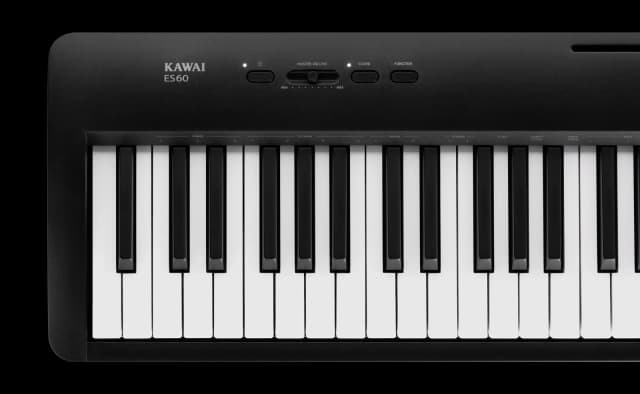
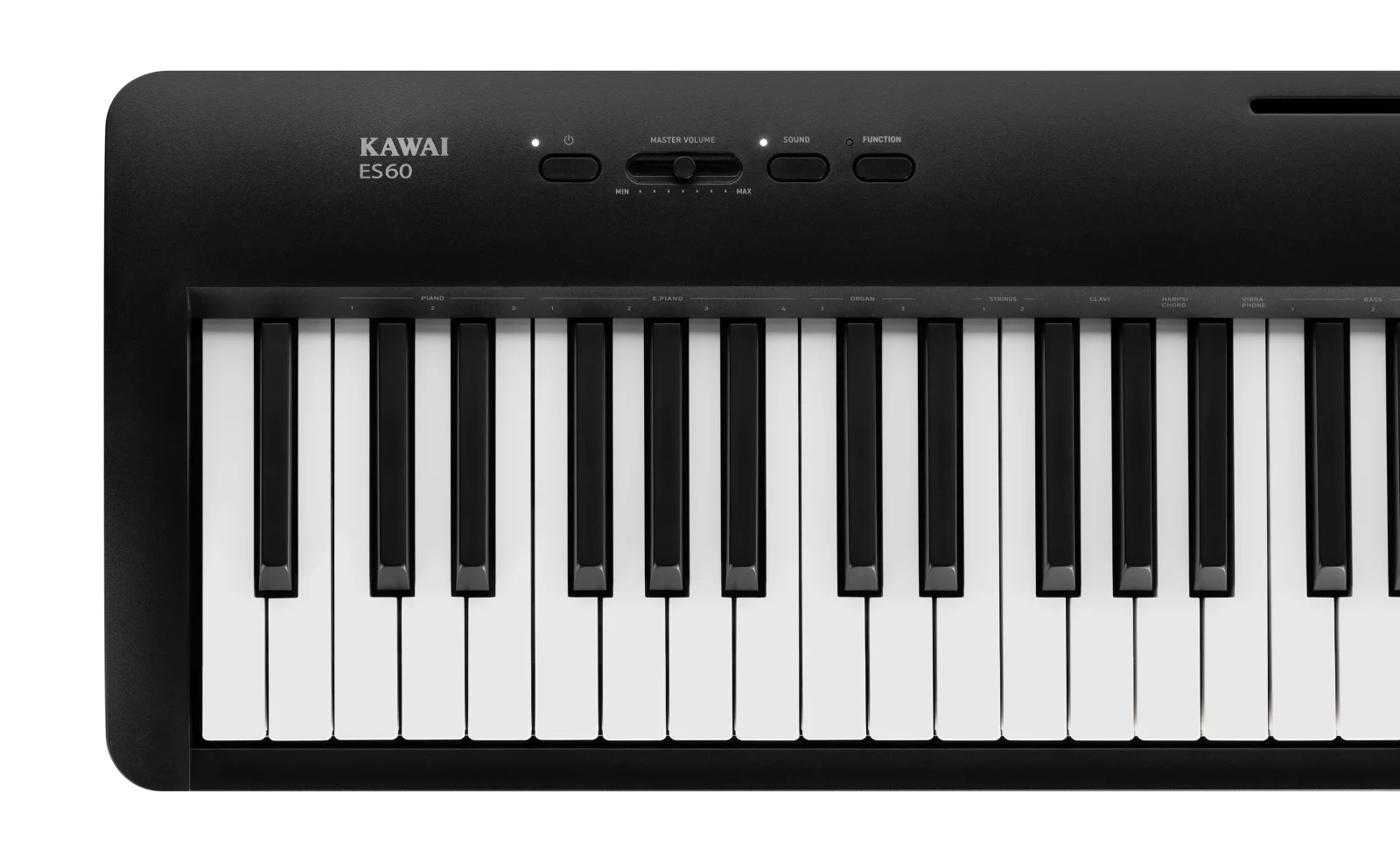
- Best OverallKawai ES60Why we picked it →
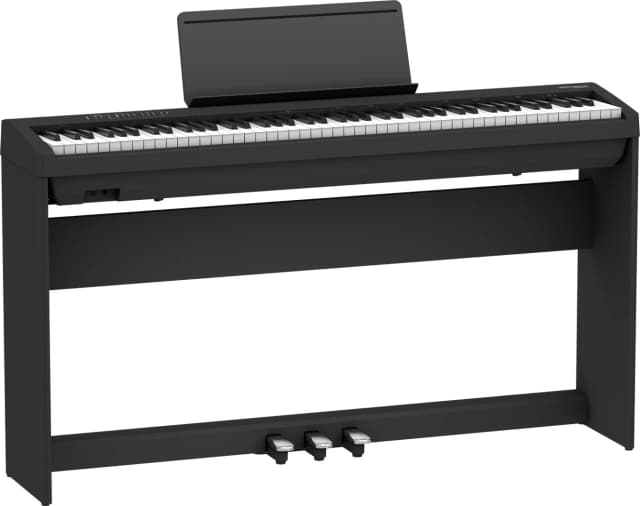
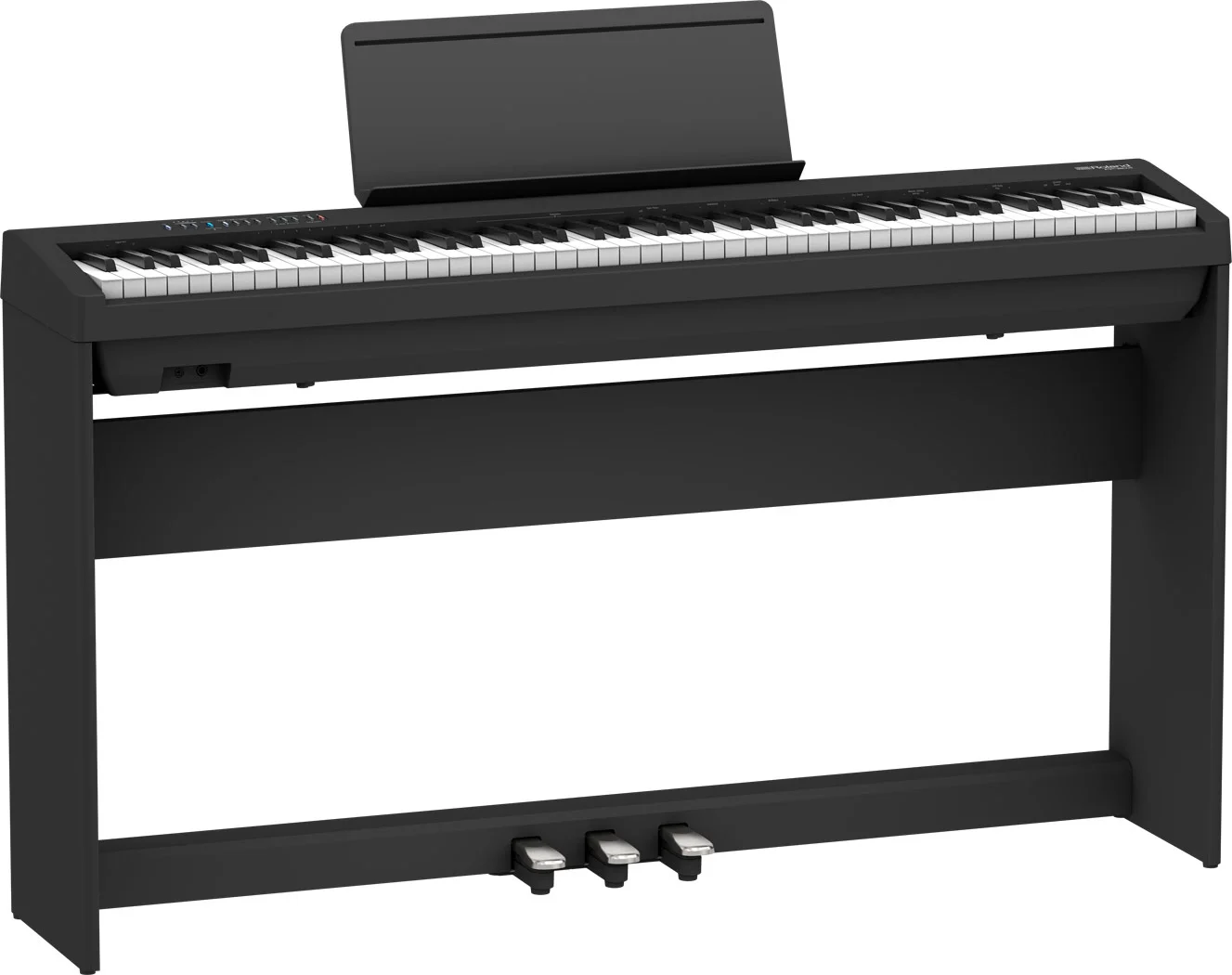
- Also GreatRoland FP-30XWhy we picked it →
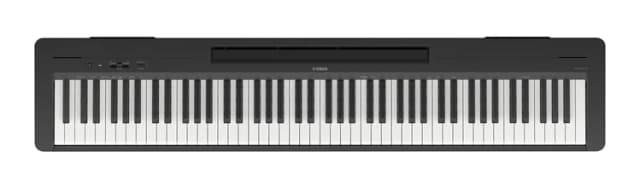
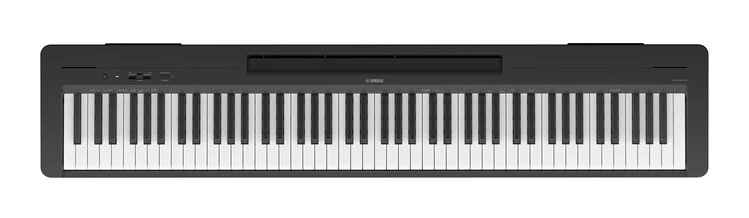
- Best BudgetYamaha P-145BTWhy we picked it →
Frequently asked questions
Is the Casio CDP-S160 worth it for beginners?
Reviewers say it suits beginners well. It has 88 scaled hammer-action keys, a clean stereo grand piano tone, simple controls and a duet mode for lessons. Its limits are only 10 tones, 64-note polyphony and a basic recorder, which matter less when you are starting out.
Does the Casio CDP-S160 have weighted keys?
Yes. It has 88 keys with scaled hammer action, designed to give a weighted, grand-piano-style touch. The key surfaces are textured like ebony and ivory to help stop fingers slipping.
Can the Casio CDP-S160 run on batteries?
Yes. It can run on 6 AA batteries for about 13 hours, or on the included AC adapter.
Does the CDP-S160 come with a sustain pedal?
Yes, it includes an SP-3 sustain pedal, a music stand and an AC adapter. Reviewers describe the pedal as basic. There is also a connector for a three-pedal unit if you want to upgrade.
Can I connect the Casio CDP-S160 to a computer or app?
Yes. It has a USB Type B port for MIDI with driverless USB-MIDI, and it supports control through the Casio Music Space app.
Can I practise silently on the CDP-S160?
Yes. It has a headphone jack (the Phones/Output stereo mini connection), so you can practise with headphones instead of the built-in stereo speakers.
Sources
Specs are taken from the manufacturers' official pages; expert recommendations from the publications below.
- Casio CDP-S160: casio.com, bhphotovideo.com
Related reviews & guides
Best Digital Pianos for Beginners 2026: Real Touch at Home
Five beginner-friendly digital pianos from Kawai, Casio, Roland and Yamaha, compared on key action, polyphony, portability and connectivity, with a clear pick for each kind of learner.
Published Oct 25, 2026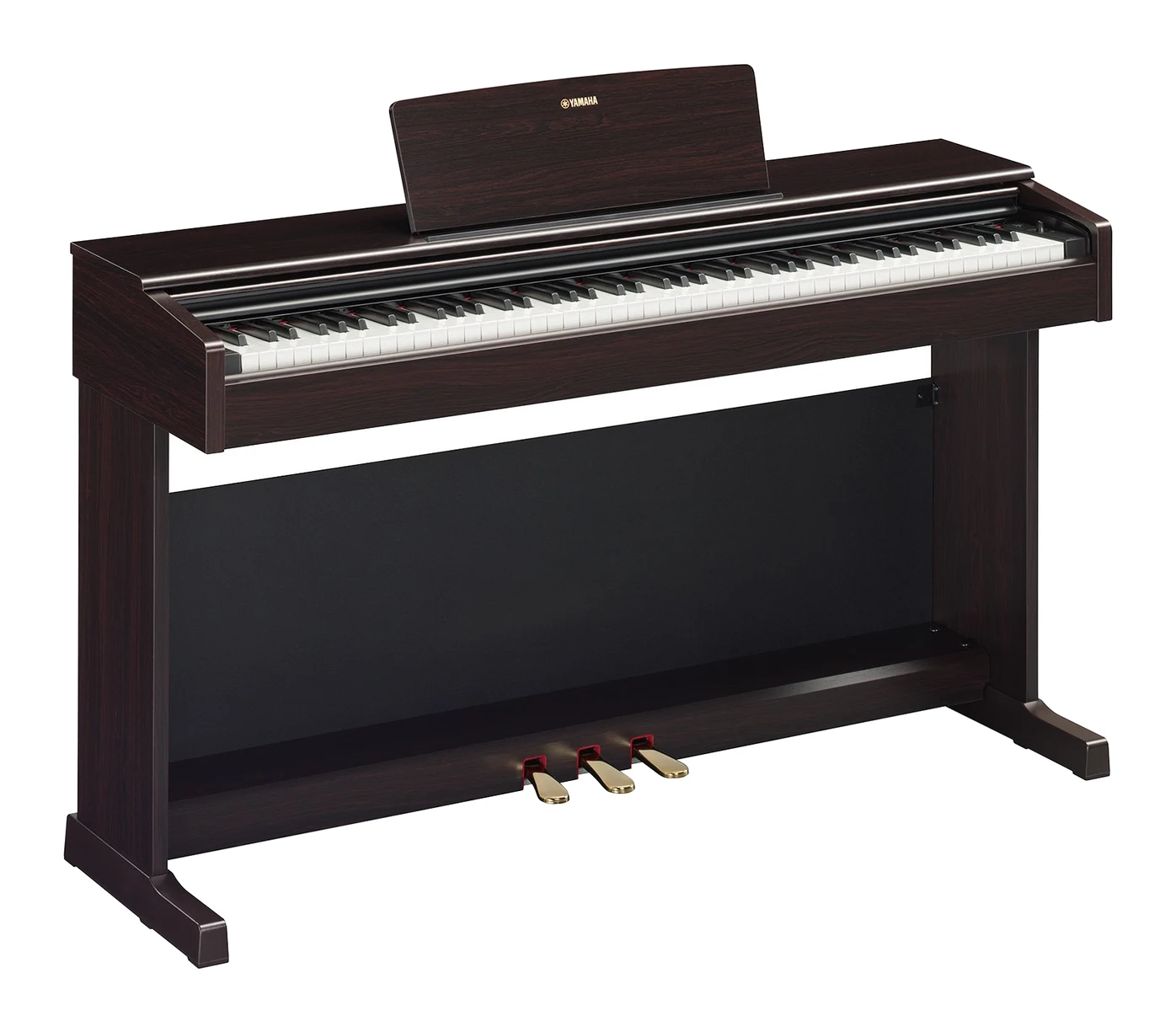
Yamaha Arius YDP-145 Review (2026): CFX Sound, Basic Keys
Our Yamaha Arius YDP-145 review looks at a mid-range home digital piano built around CFX concert grand sound and weighted keys, and who it suits.
Published Oct 25, 2026Kawai ES60 Review (2026): Grand Tone in a Portable Body
A look at the Kawai ES60 portable digital piano: its Shigeru Kawai SK-EX sound, Responsive Hammer Lite keys, line outs, and where reviewers say it falls short.
Published Oct 25, 2026