Yamaha Arius YDP-145 Review (2026): CFX Sound, Basic Keys
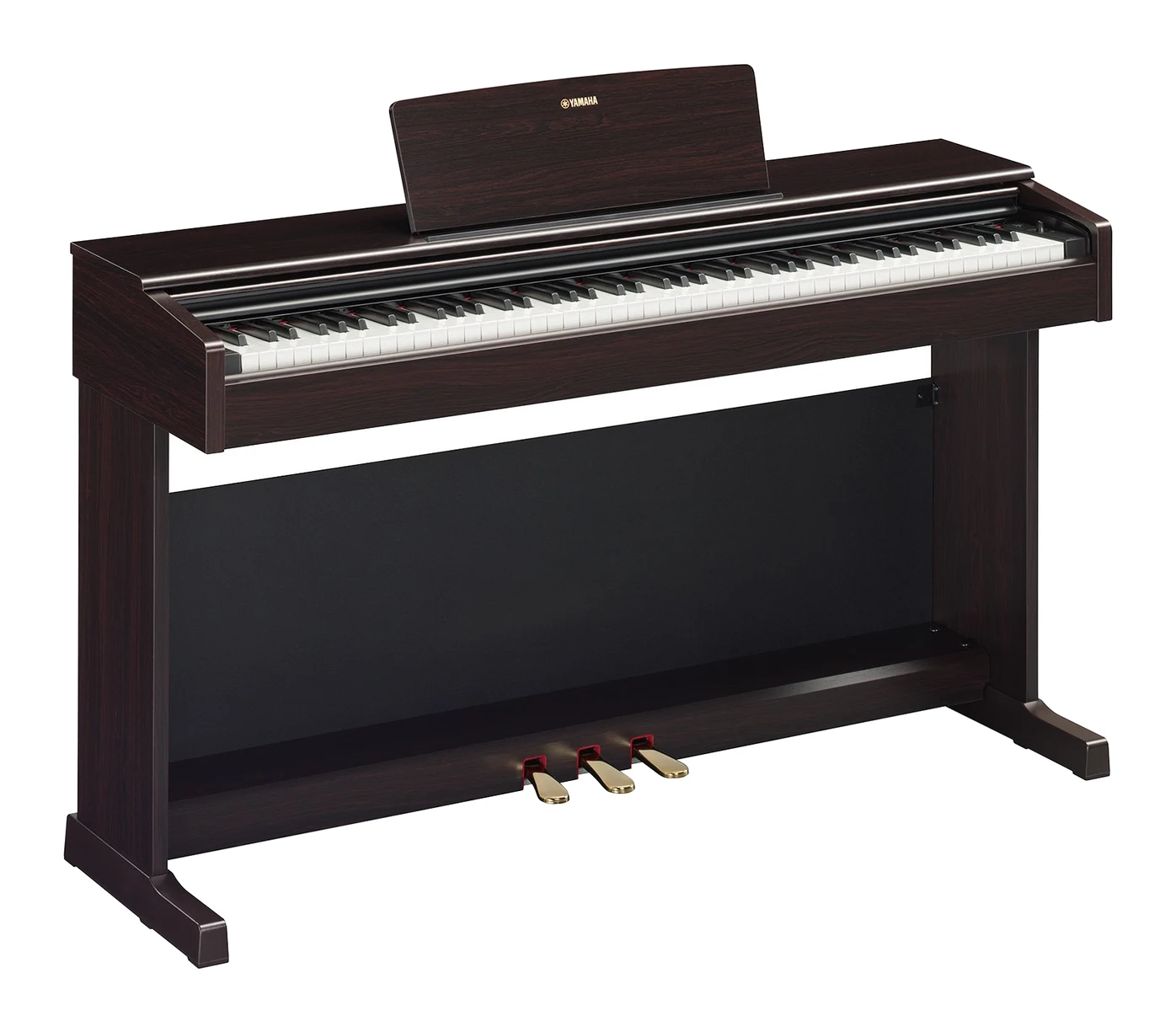
Our Yamaha Arius YDP-145 review looks at a mid-range home digital piano built around CFX concert grand sound and weighted keys, and who it suits.
Research-based · We earn from qualifying purchases
Our verdict
The YDP-145 is a well-built home digital piano with Yamaha's CFX sound, natural weighted keys and a compact cabinet. It suits beginners and families who want an authentic piano feel, but skip it if you want upgraded key action, wireless app connectivity or more speaker power.
The good
- CFX concert grand sampling gives a rich, realistic piano tone
- GHS weighted keys feel natural and suit beginners
- Half-damper pedal in a 3-pedal unit adds expressive control
- Sound stays clear at both low and high volumes
- Two headphone jacks and Duo mode suit lessons and shared practice
+2 more
- Sound stays clear at both low and high volumes
- Two headphone jacks and Duo mode suit lessons and shared practice
The bad
- GHS action is basic next to the GH3 keys on the YDP-165
- No built-in Bluetooth, so Smart Pianist needs a USB cable
- Headphone and USB sockets sit under the keyboard, and panel controls are sparse
- 8 W amplifiers are modest and there is no Split mode
+1 more
- 8 W amplifiers are modest and there is no Split mode
This Yamaha Arius YDP-145 review is for anyone weighing a proper home digital piano against a slim keyboard. The YDP-145 is a cabinet-style instrument with 88 weighted keys, a three-pedal unit and a piano voice sampled from Yamaha's flagship CFX concert grand. It sits in the mid-range part of the market and is aimed at beginners and families who want an authentic piano feel without paying for upgraded key action.
This review is based on Yamaha's published specifications and on what independent expert reviews report. It is not based on hands-on testing.
Yamaha Arius YDP-145: specs at a glance
From the manufacturer- Keys
- 88, GHS (Graded Hammer Standard) with matte black keytops
- Power
- 9 W (with PA-150 AC adaptor)
- Pedals
- 3: damper (with half-pedal), sostenuto, soft
- Reverb
- 4 types
- Voices
- 10
- Weight
- 83 lbs 12 oz
- Finishes
- Black Walnut, Dark Rosewood
- Recorder
- 1 song, 2 tracks, approx. 11,000 notes
- Speakers
- 12 cm x 2
- Polyphony
- 192 notes (max.)
- Amplifiers
- 8 W x 2
- Piano sound
- Yamaha CFX
- Connectivity
- USB to Host, 2 standard stereo phone jacks (headphones)
- Preset songs
- 10 voice demo songs + 50 classics + 303 lesson songs
- Touch response
- Hard/Medium/Soft/Fixed
- Dimensions (WxHxD)
- 53-7/16" x 32-1/16" x 16-5/8" (38-1/8" high with music rest raised)
Key features
- Piano voice sampled from Yamaha's flagship CFX concert grand
- 88-key GHS weighted keyboard with matte black keytops
- VRM Lite recreates grand-piano string resonance
- Half-damper pedal in a 3-pedal unit
- Smart Pianist app support for voices and on-screen scores
- Stereophonic Optimizer and Intelligent Acoustic Control for comfortable headphone and low-volume listening
- 353 built-in songs, including 50 classics and 303 lesson songs
- 2-track recorder, Duo mode and two headphone jacks
Why people consider the Yamaha Arius YDP-145
The YDP-145 is a practical choice for a first serious piano. It concentrates on the basics of piano playing: a graded weighted action, a CFX-sampled piano sound and a three-pedal unit with half-damper. Across 2 expert reviews it averages 8.7/10. Pianoo scores it 3.9/5 and Best Piano Keyboards scores it 9.5/10.
The pitch is simple. You get a recognisable Yamaha piano sound and weighted keys that reviewers say feel natural and suit beginners, in a package a household can live with. The trade-offs are just as clear, and they are covered below.
Design and build
The Arius is a furniture-style digital piano. It comes in two finishes, Black Walnut and Dark Rosewood, so it can blend into a living room instead of looking like gear. The cabinet is compact. The listed dimensions are 53-7/16" x 32-1/16" x 16-5/8" (38-1/8" high with music rest raised), so it has a modest footprint for a full 88-key instrument.
It weighs 83 lbs 12 oz, so it is a piano you place once rather than move around.
The keys have matte black keytops. The pedal unit has three pedals, which we cover in the features section. Reviewers note two practical quirks. The headphone and USB sockets sit underneath the keyboard, so plugging in means reaching under the instrument. The panel controls are also sparse, so you are not changing settings with a bank of dedicated buttons.
Features and what they mean day to day
The CFX piano sound
The headline feature is the piano voice sampled from Yamaha's CFX concert grand. Reviewers consistently praise the rich, realistic tone. There are 10 voices in total, so the YDP-145 is a piano first, not an all-purpose workstation. The 4 reverb types give some control over how roomy the sound feels, and polyphony is 192 notes (max.).
VRM Lite recreates the string resonance of a grand piano.
Weighted keys and touch
The keyboard is an 88-key GHS (Graded Hammer Standard) action. Reviewers say the keys feel natural and suit beginners. Touch response offers Hard, Medium, Soft and Fixed settings, so you can adapt the response to your playing style or switch to a fixed level.
One criticism concerns the action. Reviewers describe the GHS keys as basic next to the GH3 keys on the YDP-165, Yamaha's step-up model. If you already play and are picky about key feel, that comparison matters. For a beginner, GHS is a sensible place to start.
Pedals
The three-pedal unit gives you damper, sostenuto and soft pedals. The damper pedal supports half-pedaling, which allows partial sustain and finer expression as you progress. Reviewers single this out as a strength, saying the half-damper pedal adds expressive control.
Learning tools and app support
The YDP-145 includes 353 built-in songs (50 classics and 303 lesson songs), plus 10 voice demo songs. A 2-track recorder (1 song, approx. 11,000 notes) lets you capture and replay your own playing.
Smart Pianist app support adds voice selection and on-screen scores. The catch is connectivity. The piano has no built-in Bluetooth, so the app connects through a USB cable. That works, but it is less convenient than a wireless link and is one of the clearer criticisms reviewers make.
Headphone playing and shared practice
Stereophonic Optimizer and Intelligent Acoustic Control are aimed at comfortable listening on headphones and at low volumes. Reviewers say the sound stays clear at both low and high volumes, which matters in a shared home where late-night practice is common.
There are two standard stereo phone jacks for headphones, plus a Duo mode. Together they suit lessons and shared practice, for example a teacher and student or a parent and child playing at the same time.
Sound, speakers and connectivity
The speakers are two 12 cm units, driven by 8 W x 2 amplifiers. That is modest, and reviewers flag it as a limitation. Power draw is 9 W with the PA-150 AC adaptor.
Connectivity is straightforward: USB to Host and the two headphone jacks. There is no Bluetooth and no Split mode, which reviewers also mention. For a beginner who simply wants to play, neither is likely to matter much. For someone who wants a Split mode, it will.
What experts like and what they criticise
Reviewers praise a short list of things, and it lines up with what the piano is designed to do:
- The CFX concert grand sampling gives a rich, realistic piano tone.
- The GHS weighted keys feel natural and suit beginners.
- The half-damper pedal in a 3-pedal unit adds expressive control.
- The sound stays clear at both low and high volumes.
- Two headphone jacks and Duo mode suit lessons and shared practice.
The criticisms are equally consistent:
- The GHS action is basic next to the GH3 keys on the YDP-165.
- There is no built-in Bluetooth, so Smart Pianist needs a USB cable.
- The headphone and USB sockets sit under the keyboard, and panel controls are sparse.
- The 8 W amplifiers are modest, and there is no Split mode.
None of these is a deal-breaker for the intended audience, but they are real compromises and worth weighing against the sound quality.
Who should buy it
The YDP-145 suits beginners and families who want a realistic, good-value home piano with a weighted keyboard and proper pedals. It also suits learners who will benefit from the large bank of lesson songs and from two headphone outputs for lessons. If your priority is the sound of a concert grand at home, the CFX voice is the draw.
Who should skip it
Skip it if you want upgraded key action. Reviewers point to the YDP-165's GH3 keys as a step up, and if key feel is your top priority it is worth looking higher in the range. Skip it too if you want wireless app connectivity, since Smart Pianist needs a USB cable here. And look elsewhere if you need more speaker power or a Split mode.
How it fits in the digital piano category
In general terms, the YDP-145 is a home-first, piano-first instrument. It trades features and flexibility for a focused experience: a rich, realistic main piano voice, weighted keys and a cabinet that looks at home in a living room. Reviewers point to the YDP-165's GH3 keys as an upgrade over the GHS action. If you are still comparing options, see our guide to the best digital pianos for beginners.
Verdict
The Yamaha Arius YDP-145 is a sensible, well-focused home piano. Its CFX-sampled sound, natural weighted keys and half-damper pedal give a beginner an authentic place to learn, and the headphone features make practice easy in a shared home. The compromises are basic key action next to the YDP-165, no built-in Bluetooth, modest amplifiers and no Split mode. If you accept those limits, it is a strong, uncomplicated choice.
Related buying guides
Not sure about the Yamaha Arius YDP-145? Consider these
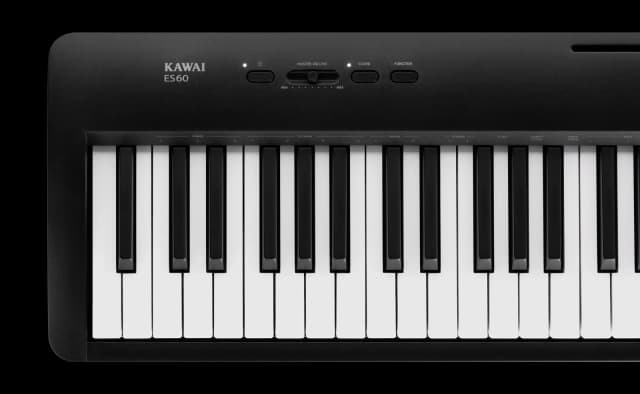
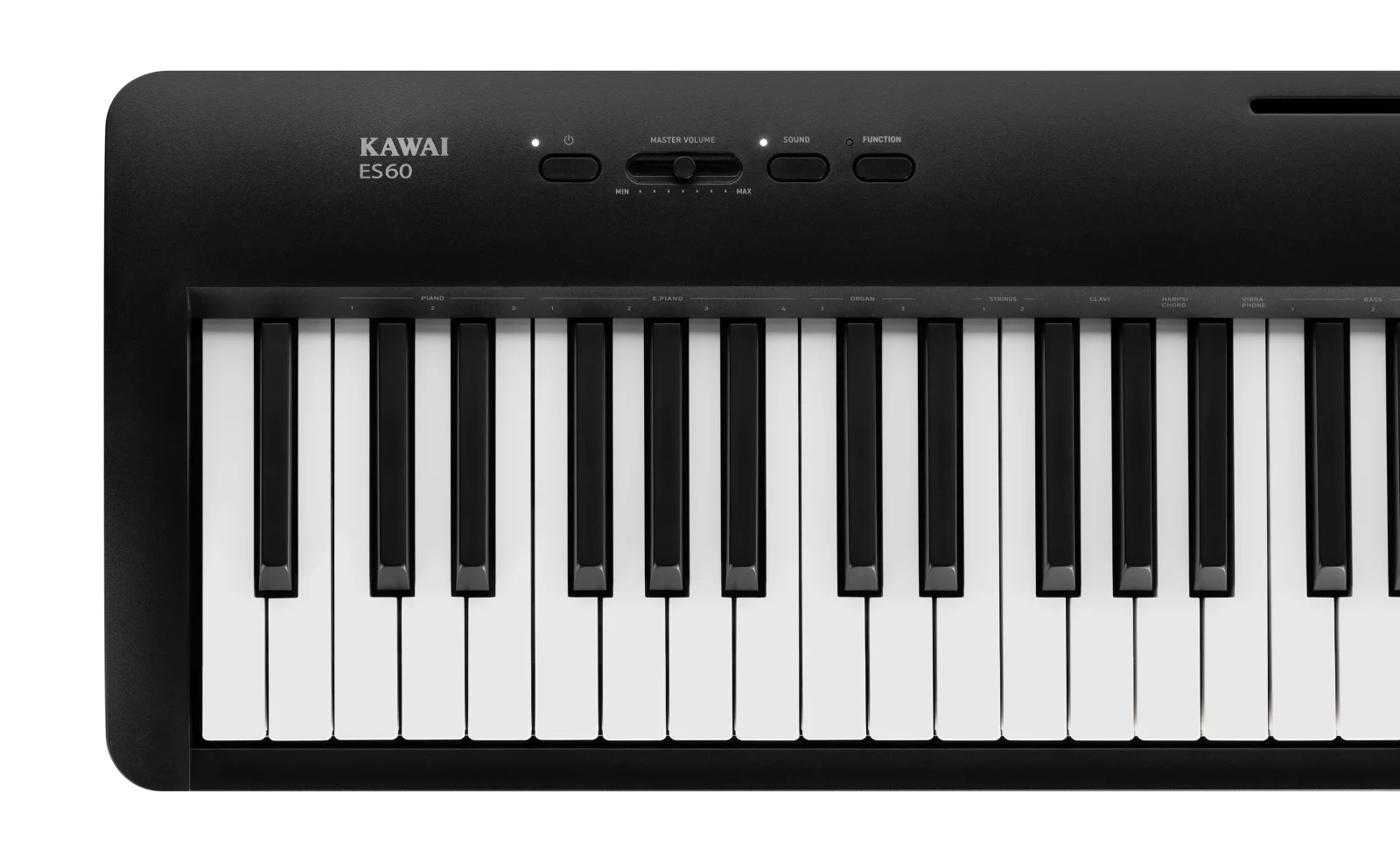
- Best OverallKawai ES60Why we picked it →
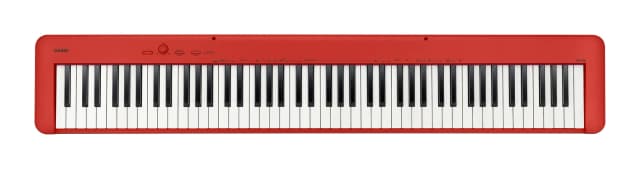
- Best ValueCasio CDP-S160Why we picked it →
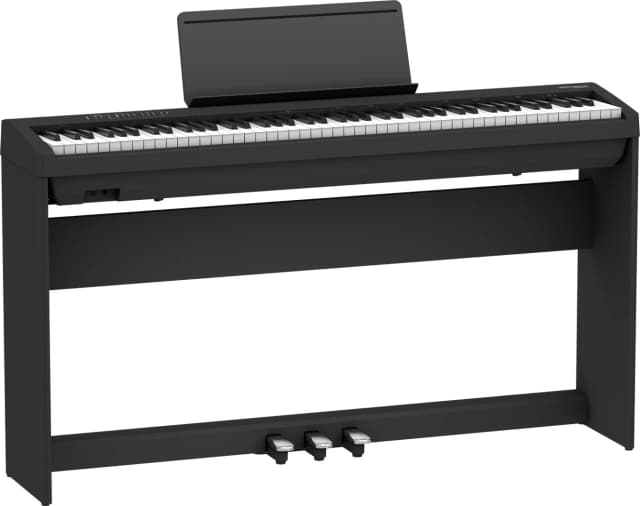
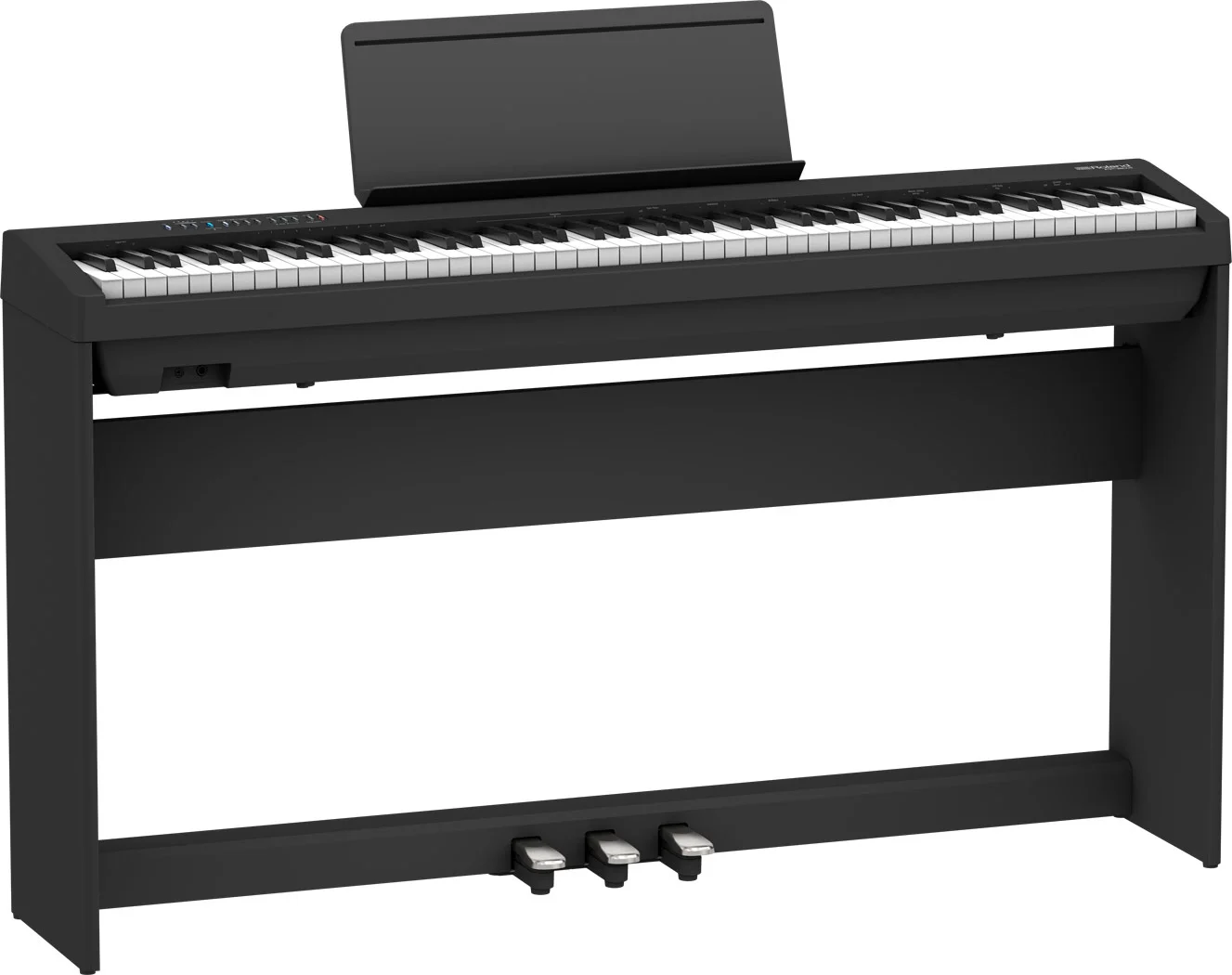
- Also GreatRoland FP-30XWhy we picked it →
Frequently asked questions
Is the Yamaha Arius YDP-145 worth it?
For beginners and families who want a realistic home piano, reviewers generally say yes. It averages 8.7/10 across 2 expert reviews, with praise for the CFX piano tone, natural weighted keys and half-damper pedal. It is less compelling if you want upgraded key action, wireless connectivity or more speaker power.
Does the Yamaha YDP-145 have Bluetooth?
No. It has no built-in Bluetooth. Smart Pianist app support is available, but the piano connects to your device through a USB cable via its USB to Host port.
What keys does the YDP-145 have?
It has 88 GHS (Graded Hammer Standard) weighted keys with matte black keytops. Touch response can be set to Hard, Medium, Soft or Fixed. Reviewers say the action feels natural and suits beginners, though they describe it as basic next to the GH3 keys on the YDP-165.
Does the YDP-145 have a half-damper pedal?
Yes. It has a 3-pedal unit with damper, sostenuto and soft pedals, and the damper pedal supports half-pedaling for more expressive control.
Can two people practise on the YDP-145 with headphones?
Yes. It has two standard stereo headphone jacks and a Duo mode, which reviewers say suit lessons and shared practice.
Does the YDP-145 have a Split mode?
No. Reviewers note there is no Split mode. It has 10 voices and 4 reverb types, but its focus is on piano playing.
Sources
Specs are taken from the manufacturers' official pages; expert recommendations from the publications below.
- Yamaha Arius YDP-145: usa.yamaha.com, falcettipianos.com, guitarcenter.com, ca.yamaha.com
Related reviews & guides
Best Digital Pianos for Beginners 2026: Real Touch at Home
Five beginner-friendly digital pianos from Kawai, Casio, Roland and Yamaha, compared on key action, polyphony, portability and connectivity, with a clear pick for each kind of learner.
Published Oct 25, 2026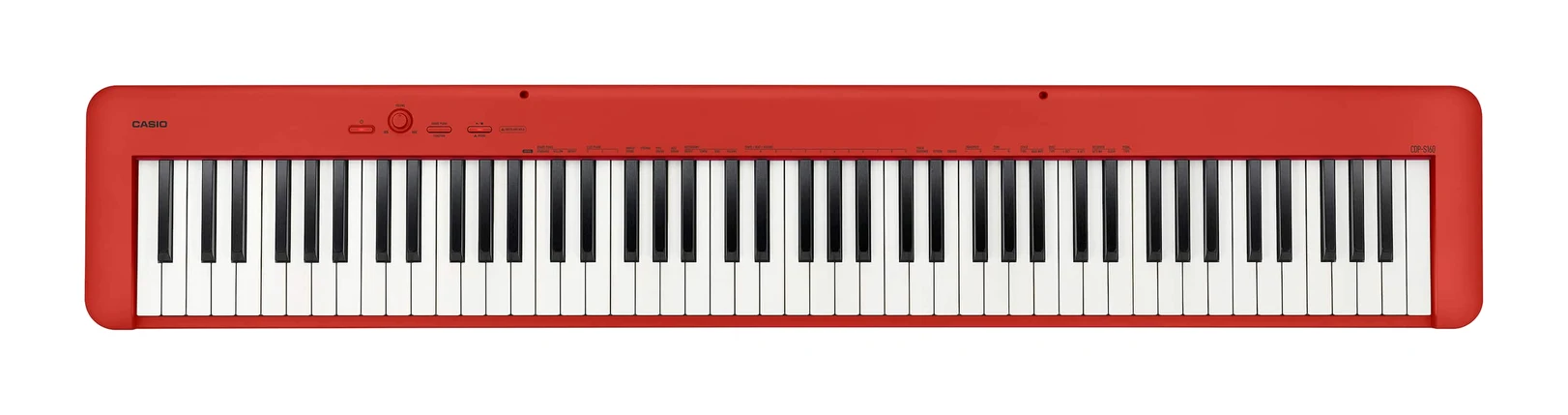
Casio CDP-S160 Review (2026): Weighted Keys, Slim Body
The Casio CDP-S160 is a slim, portable 88-key digital piano with scaled hammer action. Here is what it offers beginners, where it falls short and who should look elsewhere.
Published Oct 25, 2026Kawai ES60 Review (2026): Grand Tone in a Portable Body
A look at the Kawai ES60 portable digital piano: its Shigeru Kawai SK-EX sound, Responsive Hammer Lite keys, line outs, and where reviewers say it falls short.
Published Oct 25, 2026