DJI Flip Review (2026): A Safer Drone for Vloggers
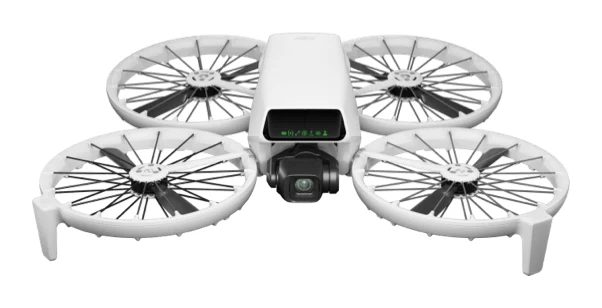
The DJI Flip trades some agility and wind resistance for foldable prop guards, a sub-249 g body and easy automated shots. Here is who it suits.
Research-based · We earn from qualifying purchases
Our verdict
The DJI Flip is a safe, easy-to-fly creator drone with sharp 4K video, long flight time and a sub-249 g folding design. It suits beginners and vloggers who want guarded props and automated shots, but those who fly often in wind or want maximum agility and image quality should look elsewhere.
The good
- Foldable full-coverage prop guards make flying near people and indoors safer
- Under 249 g, so no US registration for recreational flying
- 1/1.3-inch sensor delivers sharp 4K/60fps HDR video and 48MP stills
- Up to 31 minutes of flight time is strong for its size
- Palm takeoff, subject tracking and QuickShots make it easy to get polished clips
+2 more
- Up to 31 minutes of flight time is strong for its size
- Palm takeoff, subject tracking and QuickShots make it easy to get polished clips
The bad
- Prop guards add drag, so it struggles in windy conditions
- Obstacle sensing covers only forward and downward directions
- Bulkier to pack than open-prop mini drones
- Slower and less agile than the Mini 4 Pro
+1 more
- Slower and less agile than the Mini 4 Pro
If you want a camera drone but worry about clipping a wall, a tree or a person, the DJI Flip is built for you. This DJI Flip review looks at a mid-range folding drone that puts full-coverage propeller guards, automated shooting modes and a 1/1.3-inch camera into a body that weighs under 249 g. It is aimed at beginners and vloggers who want a portable, forgiving way to get aerial footage.
This review is based on DJI's published specifications and on what independent expert reviews report. It is not based on hands-on testing by us.
DJI Flip: specs at a glance
From the manufacturer- Lens
- 24 mm equivalent, f/1.7, 82.1° FOV
- Gimbal
- 3-axis mechanical (tilt, roll, pan)
- Weight
- under 249 g
- Battery
- 3110 mAh, 22.3 Wh
- Max video
- 4K 3840×2160 @ 60fps (up to 100fps)
- Image sensor
- 1/1.3-inch
- Max photo size
- 48MP (8064×6048)
- Vertical video
- 2.7K 1512×2688 @ 24/25/30fps
- Max flight time
- 31 min
- Internal storage
- 2 GB
- Obstacle sensing
- Forward 3D infrared plus downward visual and infrared sensors
- Folded dimensions
- 136×62×165 mm (L×W×H)
- Max video bitrate
- 150Mbps
- Max flight distance
- 14 km
- Unfolded dimensions
- 233×280×79 mm (L×W×H)
- Max wind speed resistance
- 10.7 m/s (Level 5)
Key features
- Foldable full-coverage propeller guards for safer flying near people and indoors
- Under 249 g, so it is registration-free for recreational flying in the US
- 1/1.3-inch sensor with 48MP stills and 4K/60fps HDR video
- Optional 10-bit D-Log M color mode and 4K/100fps slow motion
- Up to 31 minutes of flight time
- Palm takeoff, subject tracking and QuickShots/MasterShots automated modes
- O4 video transmission with 1080p/60fps live view
- Fly with RC-N3, RC 2, a smartphone, your voice or just your palm
Design and build: guards first
The defining feature of the Flip is its foldable, full-coverage propeller guards. DJI wraps the props, which is why reviewers consistently describe the Flip as safer for flying near people and indoors. For a first-time pilot, or anyone who wants to launch a drone in a tight space, that is a real confidence boost.
The design folds down to 136×62×165 mm (L×W×H) and opens up to 233×280×79 mm (L×W×H). It is portable, but the guards have a cost. A common criticism is that the Flip is bulkier to pack than open-prop mini drones. If you want the smallest possible footprint in a bag, that matters.
Weight is the other headline. At under 249 g, the Flip is registration-free for recreational flying in the US. That removes some paperwork for hobbyists and vloggers who just want to get flying. As always, check the rules where you live and for the type of flying you plan to do.
DJI Flip review: camera and image quality
The camera is built around a 1/1.3-inch sensor. It shoots 48MP stills (8064×6048) and 4K video at up to 3840×2160 and 60fps with HDR. The lens is a 24 mm equivalent f/1.7 with an 82.1° field of view. Reviewers praise the sharp 4K/60fps HDR video and 48MP stills.
A few other capture options are worth noting:
- 4K/100fps slow motion.
- Optional 10-bit D-Log M color mode for people who want more room to grade footage later.
- Vertical video at 2.7K (1512×2688) at 24, 25 or 30fps, handy for social platforms.
- Maximum video bitrate of 150Mbps.
The gimbal is a 3-axis mechanical design (tilt, roll, pan), which is what keeps footage smooth while the drone moves. Internal storage is 2 GB.
Features and what they mean day to day
The Flip is designed to make good-looking clips without much piloting skill. Several of its features work toward that:
- Palm takeoff lets you launch the drone from your hand.
- Subject tracking keeps the camera on your subject as you fly.
- QuickShots and MasterShots are automated modes that produce polished, pre-composed clips.
- Multiple ways to fly: the RC-N3 or RC 2 controller, a smartphone, your voice or just your palm.
That flexibility is a big part of the appeal for vloggers. You can fly with a smartphone, the RC-N3 or RC 2 controller, your voice or just your palm. The automated modes mean you can get shareable footage even if you are still learning manual flying.
Video transmission uses DJI's O4 system with a 1080p/60fps live view. The maximum flight distance is listed at 14 km. Check local regulations, which may limit how far you can fly.
Flight performance, battery and obstacle sensing
DJI lists up to 31 minutes of flight time from the 3110 mAh, 22.3 Wh battery. Reviewers call that strong for a drone this size. As with any maximum rating, real-world time will depend on how and where you fly.
Wind is a noted limitation of the Flip. DJI rates wind resistance at 10.7 m/s (Level 5), but a common criticism from reviewers is that the prop guards add drag, so it struggles in windy conditions. If you often fly on exposed coastlines, hilltops or in breezy weather, take that seriously. The guards that make it safe also make it less capable in rough air.
Obstacle sensing is limited too. The Flip has forward 3D infrared sensing plus downward visual and infrared sensors. A common criticism is that obstacle sensing covers only forward and downward directions. Another reviewer criticism is that the Flip is slower and less agile than the Mini 4 Pro. Reviewers describe it as safer to fly near people and indoors, but not as quick or agile as the Mini 4 Pro.
What experts like and what they criticise
Expert reviews are positive. The Flip averages 8.9/10 across 4 expert reviews: TechRadar gives it 4/5, Engadget 82/100, Digital Camera World 5/5 and Basic Tutorials 92/100. It is also recommended in 7 expert buying guides.
What reviewers praise:
- The foldable full-coverage guards for safer flying around people and indoors.
- The sub-249 g weight and the registration-free status for recreational flying in the US.
- Sharp 4K/60fps HDR video and 48MP stills from the 1/1.3-inch sensor.
- Strong flight time for its size.
- Palm takeoff, subject tracking and QuickShots that make polished clips easy.
What they criticise:
- Drag from the guards, which hurts performance in wind.
- Forward and downward obstacle sensing only.
- A bulkier packed size than open-prop mini drones.
- Less speed and agility than the Mini 4 Pro.
The pattern is consistent. The guards and automated modes make it safe and easy to fly, while the main limits are wind performance, obstacle sensing coverage, packed size and agility.
Who should buy the DJI Flip
The Flip makes the most sense for:
- Beginners who want a forgiving first drone with guarded props and automated modes.
- Vloggers and solo creators who want to launch from the palm, track themselves and get polished clips without a lot of piloting.
- People who fly near others or in confined spaces, where prop guards matter most.
- US hobbyists who like the idea of avoiding registration for recreational flying with a drone under 249 g.
Who should skip it
Look elsewhere if:
- You regularly fly in windy conditions. A common criticism is that the prop guards add drag.
- You want maximum agility and speed. Reviewers describe it as slower and less agile than the Mini 4 Pro.
- You want the smallest packed size for hiking or travel, since the guards make it bulkier than open-prop minis.
- You want all-round obstacle avoidance. Coverage is forward and downward only.
How it fits in the drone market
The Flip is a mid-range option that focuses on safety, ease of use and creator-friendly automation, with a 1/1.3-inch sensor and up to 31 minutes of flight time. That makes it a natural fit for people whose priority is getting easy, good-looking footage with minimal risk, rather than for experienced pilots who want maximum control and flight performance.
Verdict
The DJI Flip is a well-judged drone for a specific kind of buyer. Its guarded props, sub-249 g body, sharp 4K camera and automated shooting modes make aerial video approachable, and the strong expert scores back that up. The trade-offs are real, though: wind performance, limited obstacle sensing, a bulkier fold and less agility. If those do not describe the way you fly, the Flip is an easy drone to recommend to beginners and vloggers.
Related buying guides
Not sure about the DJI Flip? Consider these
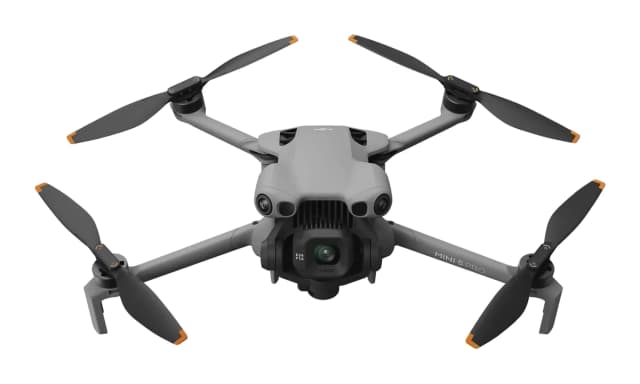
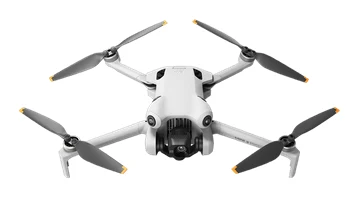
- Best OverallDJI Mini 5 ProWhy we picked it →
- Best ValueDJI NeoWhy we picked it →
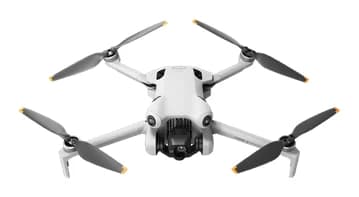
- Premium PickDJI Mini 4 ProWhy we picked it →
Frequently asked questions
Is the DJI Flip worth it?
For beginners and vloggers, reviewers think so. It averages 8.9/10 across 4 expert reviews and is recommended in 7 expert guides, thanks to its guarded props, sharp 4K video and easy automated modes. It is less suited to people who fly often in wind or want maximum agility.
Does the DJI Flip need to be registered in the US?
It weighs under 249 g, so it is registration-free for recreational flying in the US. Rules differ for other types of flying and in other countries, so check the regulations that apply to you.
How long does the DJI Flip fly on one battery?
DJI lists up to 31 minutes of flight time from its 3110 mAh, 22.3 Wh battery. Real flight time depends on how and where you fly, and reviewers call the figure strong for a drone this size.
What video quality does the DJI Flip shoot?
It records 4K at up to 60fps with HDR, and 4K/100fps for slow motion. A 10-bit D-Log M color mode is optional, and the 1/1.3-inch sensor also takes 48MP stills.
Is the DJI Flip good in wind?
Not especially. DJI rates it for wind speeds up to 10.7 m/s (Level 5), but reviewers say the prop guards add drag, so it struggles in windy conditions.
How can you control the DJI Flip?
You can fly it with the RC-N3 or RC 2 controller, a smartphone, your voice or just your palm. It also supports palm takeoff and subject tracking.
Sources
Specs are taken from the manufacturers' official pages; expert recommendations from the publications below.
- DJI Flip: dji.com, en.wikipedia.org
Related reviews & guides
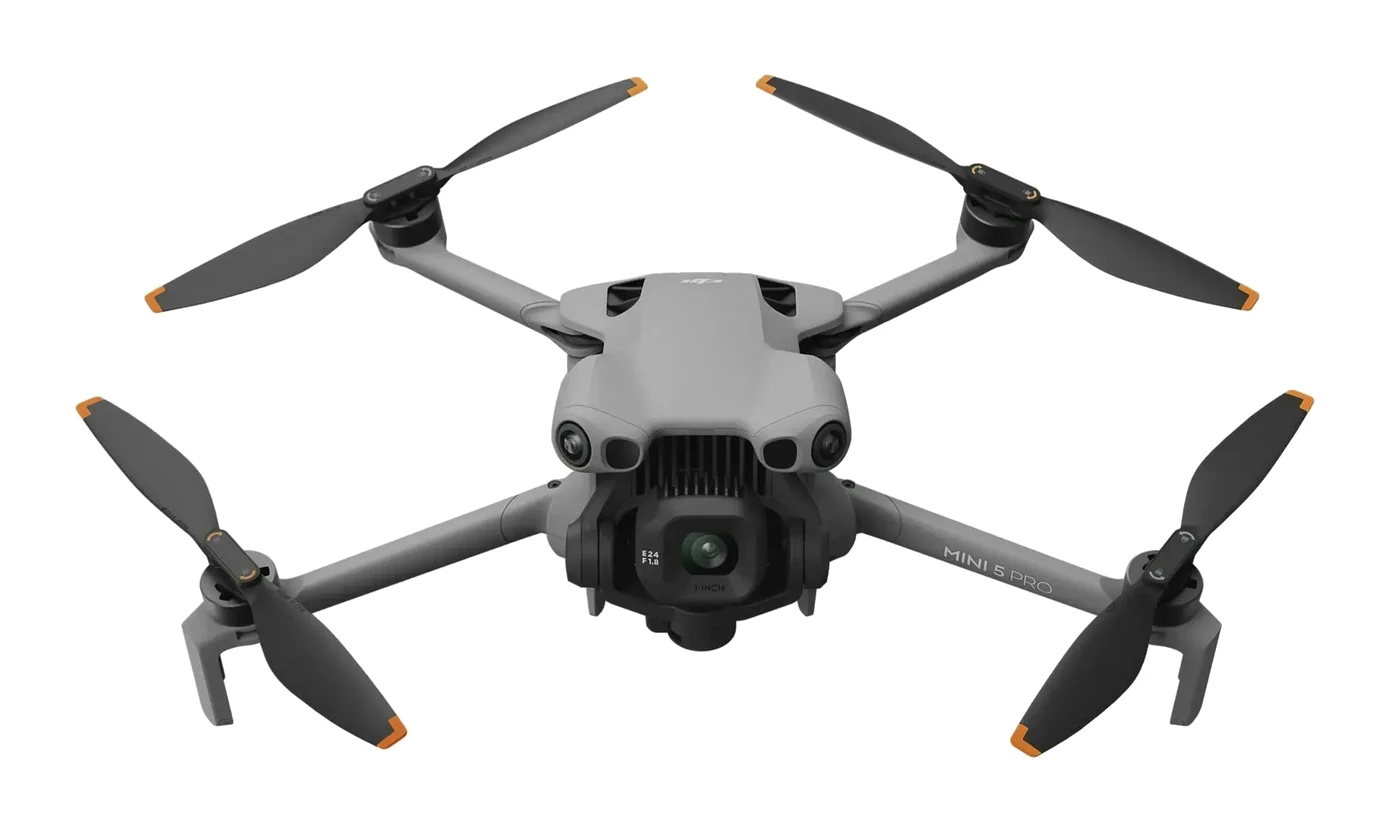
Best Drone for Beginners 2026: Five DJI and Potensic Picks
Five beginner-friendly drones compared on manufacturer specs and expert recommendations, from the palm-launch DJI Neo to the camera-focused DJI Mini 5 Pro.
Published Oct 9, 2026
DJI Neo Review (2026): Palm-Launch Drone for Beginners
A palm-sized, fully guarded drone that launches from your hand and films itself. Here is what the DJI Neo offers beginners, and where it falls short.
Published Oct 26, 2026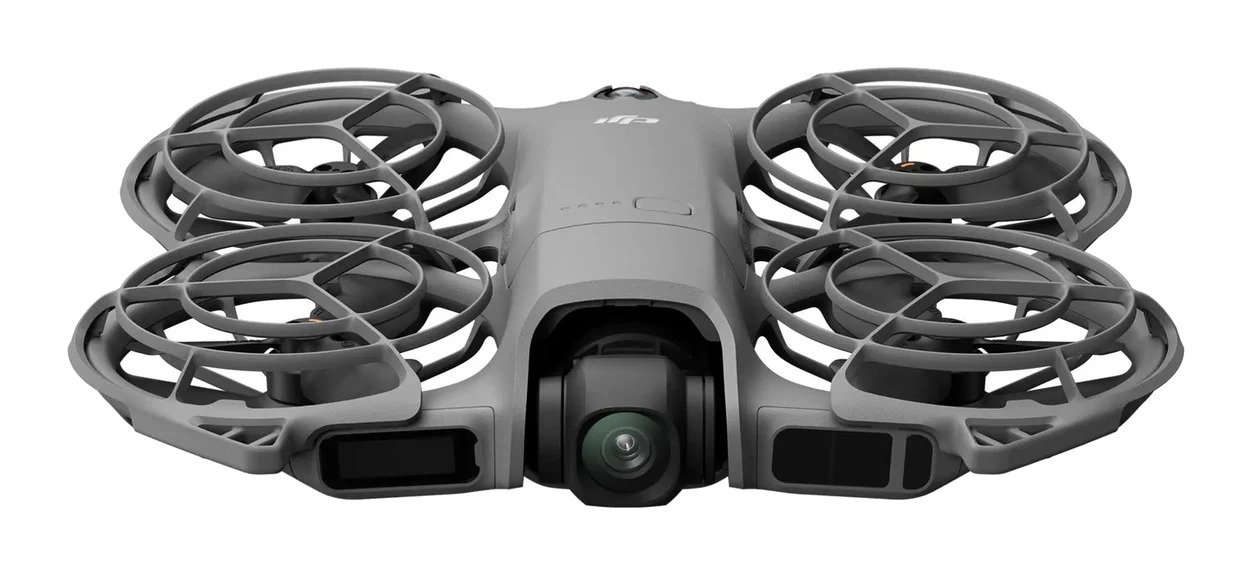
DJI Neo 2 Review (2026): A Palm-Launch Drone for Beginners
Our DJI Neo 2 review covers palm takeoff, gesture control, 4K/60fps video and obstacle sensing, plus the limits: 19-minute flights, a small sensor and no microSD slot.
Published Oct 19, 2026