DJI Mini 5 Pro Review (2026): Big Sensor, Tiny Body
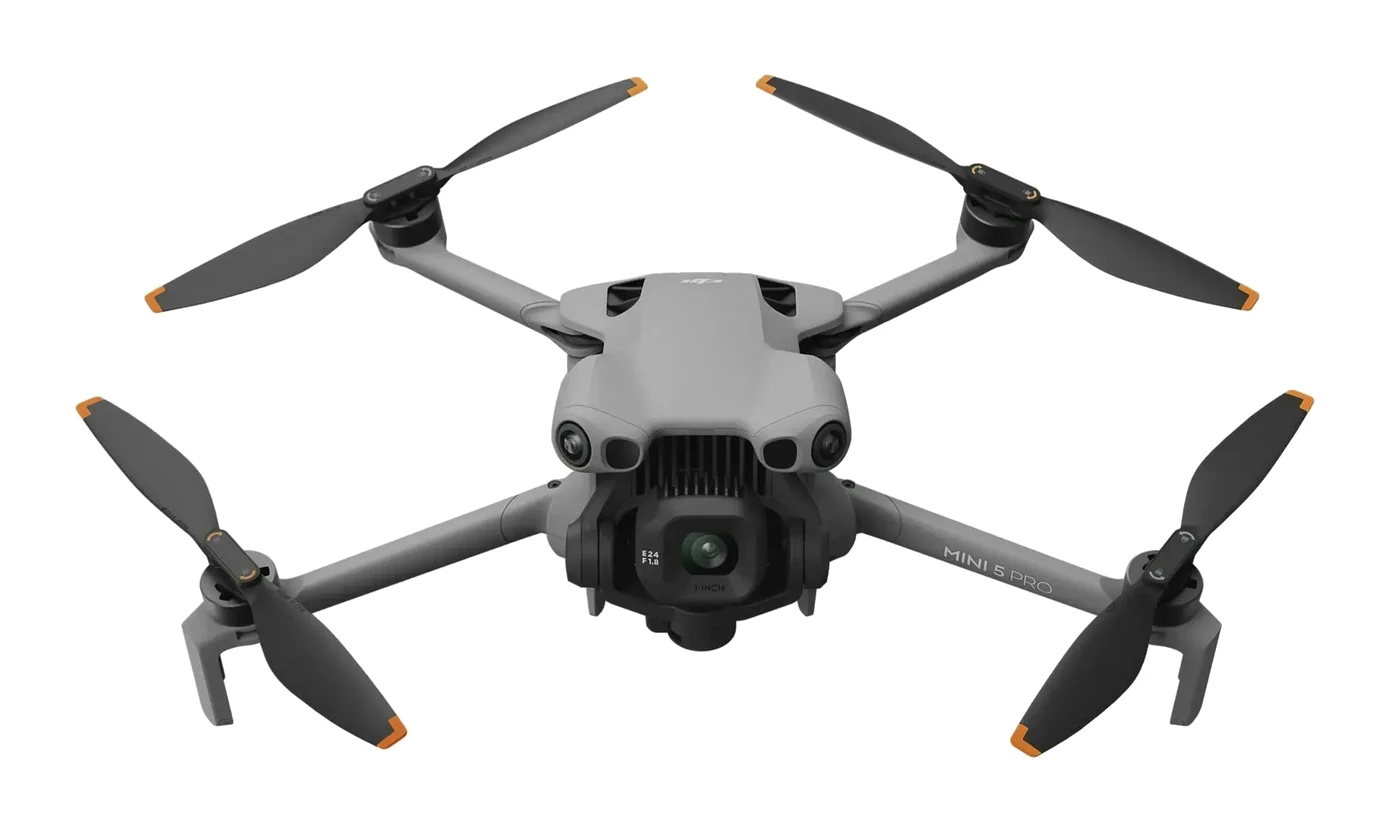
A 1-inch 50MP sensor, forward LiDAR and a 225° gimbal in a drone that folds down small. Here is what the DJI Mini 5 Pro offers, where reviewers see limits, and who it suits.
Research-based · We earn from qualifying purchases
Our verdict
The DJI Mini 5 Pro packs a 1-inch sensor, omnidirectional obstacle sensing and creator-friendly gimbal flexibility into a compact, portable body, making it a standout for serious aerial shooters. Skip it if you're on a tight budget, fly mostly in windy conditions, or need to stay strictly under weight-based regulatory limits.
The good
- 1-inch 50MP sensor delivers strong image quality in a sub-250g drone
- Excellent low-light performance and wide dynamic range
- Omnidirectional sensing with forward LiDAR helps safer flying, even at night
- 225° gimbal and true vertical shooting suit social video creators
- 4K/120fps slow motion and 10-bit D-Log M for flexible grading
+2 more
- 225° gimbal and true vertical shooting suit social video creators
- 4K/120fps slow motion and 10-bit D-Log M for flexible grading
The bad
- Real take-off weight can exceed 250g, risking regulatory complications
- Real-world battery life falls short of headline flight times
- Very light body is less stable in strong wind
- Pricier than earlier Minis and entry-level drones
+1 more
- Pricier than earlier Minis and entry-level drones
This DJI Mini 5 Pro review looks at a compact camera drone aimed at people who care more about image quality than about saving money. It pairs a 1-inch 50MP CMOS sensor with a body that folds down to 157×95×68 mm (without propellers). It suits creators who want a portable drone that still delivers serious footage. Pricing is one of the things reviewers push back on.
This article is based on DJI's published specifications and on what independent expert reviews report. It is not based on hands-on testing.
DJI Mini 5 Pro: specs at a glance
From the manufacturer- Lens
- 24 mm equivalent, f/1.8, 84° FOV
- Sensor
- 1-inch CMOS, 50MP
- Max video
- 4K up to 120 fps; 1080p up to 240 fps
- Flight time
- Up to 36 min (standard battery); up to 52 min (Plus battery)
- Color profiles
- 10-bit D-Log M and HLG
- Takeoff weight
- 249.9 g (standard battery)
- Internal storage
- 42 GB
- Obstacle sensing
- Omnidirectional vision + forward LiDAR + downward infrared
- Gimbal roll range
- 225°
- Video transmission
- O4+, up to 20 km (FCC); 10 km (CE)
- Max wind resistance
- 12 m/s
- Max horizontal speed
- 19 m/s
- Max takeoff altitude
- 6000 m
- Folded size (without propellers)
- 157×95×68 mm
Key features
- 1-inch 50MP CMOS sensor with f/1.8 lens for clean low-light shots
- 4K/60fps HDR video and 4K/120fps slow motion
- 225° gimbal rotation and true vertical shooting for social video
- Omnidirectional obstacle sensing with forward LiDAR, including at night
- ActiveTrack 360° subject tracking
- Up to 36 minutes of flight time on the standard battery, 52 minutes with the Plus battery
- O4+ 10-bit video transmission up to 20 km (FCC)
- 42GB internal storage plus a microSD slot
DJI Mini 5 Pro review: design and build
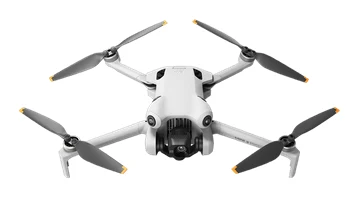
The Mini 5 Pro pairs a 1-inch sensor with a takeoff weight listed at 249.9 g. Takeoff weight with the standard battery is listed at 249.9 g, and the folded size is 157×95×68 mm without propellers.
That weight figure deserves some care. Reviewers note that the real take-off weight can exceed 250g, which can create regulatory complications. If you are choosing this drone partly because of a weight-based rule in your country, check how those rules apply to your exact setup before you buy. The spec sheet alone will not settle it.
The light body has another consequence. A common criticism is that it is less stable in strong wind. DJI lists a maximum wind resistance of 12 m/s and a maximum horizontal speed of 19 m/s, so it is not helpless in a breeze. But reviewers say the very light body is less stable in strong wind. Plan your flights around the weather rather than assuming the spec will cover you.
Camera and image quality
The camera is the reason to consider this drone. The 1-inch, 50MP CMOS sensor sits behind a 24 mm equivalent f/1.8 lens with an 84° field of view. DJI positions the wide aperture and large sensor for clean low-light shots, and reviewers back that up. They praise strong image quality for a drone in this weight class, along with excellent low-light performance and wide dynamic range.
Video options
Video goes up to 4K at 120 fps, with 4K/60fps HDR also available. For 1080p, the ceiling is 240 fps. The 4K/120fps mode is the one to look at if you like slow motion. Reviewers specifically single it out as a strength, along with 10-bit D-Log M. If you plan to grade your footage, 10-bit capture gives you more room to adjust color and tone than 8-bit would. The published specs do not say how each profile looks straight out of the camera, so we will not guess.
The gimbal and vertical shooting
The gimbal has 225° of rotation and supports true vertical shooting. For anyone posting to social platforms, this matters more than it might sound. The gimbal supports true vertical shooting, so you can frame vertical video directly. Reviewers call out the gimbal and vertical mode as well suited to social video creators.
Safety features and obstacle sensing
The Mini 5 Pro uses omnidirectional vision, forward LiDAR and downward infrared for obstacle sensing. DJI says the obstacle sensing works at night too, which is useful because low-light flying is where a drone with this sensor is most tempting to use. Reviewers praise the sensing suite for helping make flights safer, including after dark.
It also supports ActiveTrack 360° subject tracking, so the drone can follow a subject while you concentrate on the shot. The published specs do not detail how well it copes with different subjects or environments. As with any automated tracking, treat it as an aid rather than a substitute for paying attention to your surroundings.
Obstacle sensing is not a reason to ignore the usual precautions, especially with the wind limitations mentioned above.
Battery life and flight time
DJI quotes up to 36 minutes of flight time on the standard battery and up to 52 minutes with the Plus battery. Those are the headline numbers, and they are best-case figures.
A common criticism from reviewers is that real-world battery life falls short of the headline flight times. It means you should plan your shoots around shorter flights than the spec suggests. For anyone planning longer sessions, the Plus battery looks like the sensible option on paper. The published specs do not say how much it adds to the weight, though. Given the weight caveat above, check that before you commit to it if you are close to a regulatory limit.
Range, transmission and storage
The drone uses O4+ video transmission with 10-bit video, rated up to 20 km under FCC conditions and 10 km under CE. Check the rules where you fly for how far you can legally operate the drone.
Maximum takeoff altitude is listed at 6000 m, which is relevant if you shoot in mountain regions.
On storage, there is 42GB of internal memory and a microSD slot. Internal storage means you can start shooting without a card to hand, and the slot gives you room to expand when you are recording high-bitrate 4K.
What experts like and what they criticise
Critical reception is strongly positive. Tom's Guide gives it 5/5 and Trusted Reviews gives it 5/5. That works out to an average of 10/10 across the two expert reviews. That is a small sample, but both are top marks.
Reviewers consistently praise:
- The image quality that a 1-inch 50MP sensor brings to a drone this light.
- Low-light performance and dynamic range.
- The safety benefit of omnidirectional sensing with forward LiDAR, including at night.
- The 225° gimbal and true vertical shooting for social video.
- The flexibility of 4K/120fps slow motion and 10-bit D-Log M for grading.
The criticisms are worth reading just as closely:
- Take-off weight in real use can exceed 250g, which risks regulatory complications.
- Real-world battery life falls short of the headline figures.
- The very light body is less stable in strong wind.
- It costs more than earlier Minis and entry-level drones.
The weight point is the one that could change your decision outright, since it relates to rules rather than performance.
Who should buy the DJI Mini 5 Pro
This drone suits creators who want top image quality in a portable package. It suits creators who want top image quality in a portable drone, including social video creators. The vertical shooting and 4K/120fps slow motion help if your output is mostly short-form video. The D-Log M and HLG profiles help if you like to grade. The omnidirectional obstacle sensing with forward LiDAR helps safer flying, including at night.
Who should skip it
Skip it if you are on a tight budget. It is priced above earlier Minis and entry-level drones, and a cheaper model may cover your needs if you only want casual clips. Skip it as well if you fly mostly in windy places, because the light body is a real limitation there. And think twice if you must stay strictly under weight-based regulatory limits, since the real take-off weight can exceed 250g.
How it fits in the drone category
The Mini 5 Pro is built around a simple idea: put as much camera as possible into a drone that is easy to carry. Its large sensor, 10-bit video options and vertical-capable gimbal suit creators who want top image quality in a portable drone, while the price is one reviewers push back on. The trade-offs that come with that approach are the ones reviewers flag: weight limits, wind and battery realism. We do not have a drone buying guide on the site to link to yet, so for now the best comparison is against your own priorities: image quality and portability versus cost and wind tolerance.
Verdict
The DJI Mini 5 Pro earns its strong reception. The camera hardware, the sensing system and the gimbal give serious aerial shooters a lot to work with in a body that folds down small. Reviewers also flag real limitations: weight rules, wind, battery life and cost. If those do not conflict with how you fly, it is a strong choice for creators who want top image quality in a portable drone. If one of them does, that is the reason to look elsewhere.
Related buying guides
- DJI Neo 2 Review (2026): A Palm-Launch Drone for Beginners
- Best Drone for Beginners 2026: Five DJI and Potensic Picks
- Best 65-Inch TV 2026: OLED and Mini LED for Gaming
- DJI Flip Review (2026): A Safer Drone for Vloggers
- DJI Neo Review (2026): Palm-Launch Drone for Beginners
- GoPro HERO13 Black vs Insta360 Ace Pro 2 (2026)
Not sure about the DJI Mini 5 Pro? Consider these
- Best ValueDJI NeoWhy we picked it →
- Premium PickDJI Mini 4 ProWhy we picked it →
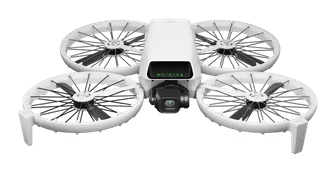
- Also GreatDJI FlipWhy we picked it →
Frequently asked questions
Is the DJI Mini 5 Pro worth it?
For creators who want strong image quality in a portable drone, reviewers say yes. Tom's Guide and Trusted Reviews both give it 5/5. It costs more than earlier Minis and entry-level drones, so it is harder to justify if you only want casual footage.
How long does the DJI Mini 5 Pro fly for?
DJI lists up to 36 minutes on the standard battery and up to 52 minutes with the Plus battery. Reviewers say real-world battery life falls short of those headline figures, so plan for shorter flights.
Does the DJI Mini 5 Pro shoot vertical video?
Yes. The 225° gimbal supports true vertical shooting, which reviewers say suits social video creators.
Can the DJI Mini 5 Pro fly at night?
DJI says its obstacle sensing, which uses omnidirectional vision and forward LiDAR, works at night. Reviewers also praise the sensor's low-light performance. Always check local rules on night flying.
Is the DJI Mini 5 Pro under 250g?
DJI lists takeoff weight as 249.9 g with the standard battery. Reviewers warn the real take-off weight can exceed 250g, which could cause regulatory complications, so check the rules where you fly.
What video quality does the DJI Mini 5 Pro offer?
It records 4K up to 120 fps, with 4K/60fps HDR, and 1080p up to 240 fps. It also offers 10-bit D-Log M and HLG color profiles.
Sources
Specs are taken from the manufacturers' official pages; expert recommendations from the publications below.
- DJI Mini 5 Pro: djiusa.com, dronexl.co, bhphotovideo.com, techpoint.africa
Related reviews & guides
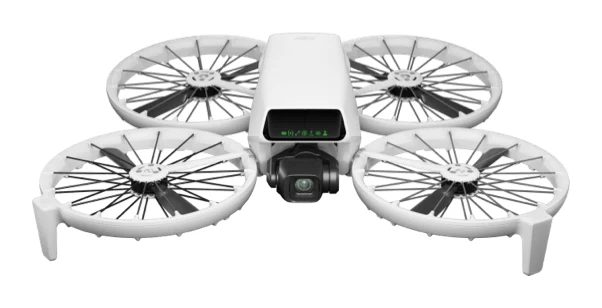
DJI Flip Review (2026): A Safer Drone for Vloggers
The DJI Flip trades some agility and wind resistance for foldable prop guards, a sub-249 g body and easy automated shots. Here is who it suits.
Published Oct 25, 2026
DJI Neo Review (2026): Palm-Launch Drone for Beginners
A palm-sized, fully guarded drone that launches from your hand and films itself. Here is what the DJI Neo offers beginners, and where it falls short.
Published Oct 26, 2026
DJI Neo 2 Review (2026): A Palm-Launch Drone for Beginners
Our DJI Neo 2 review covers palm takeoff, gesture control, 4K/60fps video and obstacle sensing, plus the limits: 19-minute flights, a small sensor and no microSD slot.
Published Oct 19, 2026