DJI Neo 2 Review (2026): A Palm-Launch Drone for Beginners
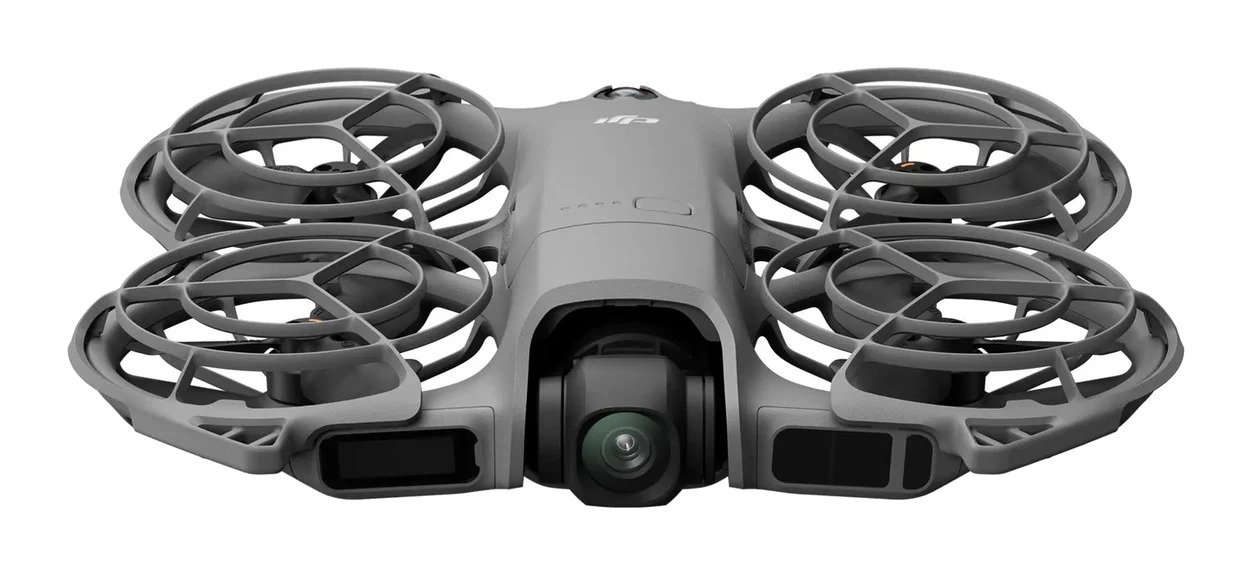
Our DJI Neo 2 review covers palm takeoff, gesture control, 4K/60fps video and obstacle sensing, plus the limits: 19-minute flights, a small sensor and no microSD slot.
Research-based · We earn from qualifying purchases
Our verdict
The DJI Neo 2 suits beginners, vloggers and casual creators who want an easy, safe, pocketable camera drone that follows them with minimal setup. Skip it if you need long flights, expandable storage, or RAW and log footage for serious editing.
The good
- Palm takeoff and landing with gesture control, no controller needed
- Omnidirectional obstacle sensing with forward LiDAR makes crashes less likely
- 4K/60fps and 4K/100fps slow motion on a 2-axis gimbal
- ActiveTrack follows up to 12 m/s, with a Cycling mode
- 151 g weight with full propeller guards; small and light
+2 more
- ActiveTrack follows up to 12 m/s, with a Cycling mode
- 151 g weight with full propeller guards; small and light
The bad
- Max flight time is 19 minutes, and real flights reportedly run shorter
- Small 1/2-inch sensor; no RAW photos or log profile
- 49 GB internal storage with no microSD slot, so no expansion
- Obstacle avoidance and wind handling have limits in complex environments
+1 more
- Obstacle avoidance and wind handling have limits in complex environments
This DJI Neo 2 review looks at a small, mid-range camera drone built around one idea: flying should be easy enough that you can launch it from your hand and let it follow you. It is aimed at beginners, vloggers and casual creators who want simple, safe, pocketable aerial footage. If you need long flights, expandable storage, or RAW and log footage for serious editing, it is the wrong tool. This article is based on manufacturer specs and what independent experts report, not on our own testing.
DJI Neo 2: specs at a glance
From the manufacturer- Lens
- f/2.2, 119.8° FOV, 16.5 mm format equivalent
- Video
- 4K/60fps, 4K/100fps slow motion, 2.7K/60fps vertical
- Gimbal
- 2-axis mechanical (tilt, roll)
- Weight
- 151 g (160 g with DJI Neo 2 Digital Transceiver)
- Battery
- 1606 mAh, 11.5 Wh, 46 g
- Image sensor
- 12MP, 1/2-inch CMOS
- Max flight time
- 19 minutes
- Wind resistance
- 10.7 m/s (Level 5)
- Internal storage
- 49 GB (no microSD slot)
- Obstacle sensing
- Omnidirectional monocular vision, forward-facing LiDAR, downward infrared
- Max video bitrate
- 80 Mbps
- Max tracking speed
- 12 m/s
- Video transmission
- Wi-Fi: 500 m; O4: 6 km (CE) / 10 km (FCC)
- Operating temperature
- -10° to 40° C
- Dimensions (with guards, without transceiver)
- 147 x 171 x 41 mm
Key features
- Takes off and lands on your palm, with no controller needed
- Gesture control and Return to Palm for hands-free flying
- ActiveTrack follows you faster, with a new Cycling mode
- Omnidirectional obstacle sensing with forward LiDAR helps prevent crashes
- 4K/60fps video, 4K/100fps slow motion and 2.7K vertical video on a 2-axis gimbal
- SelfieShot, Dolly Zoom, MasterShots and QuickShots automate the filming
- Full-coverage propeller guards, and the 151 g weight keeps it under 250 g
- 49GB of internal storage, so no memory card is needed
Expert reception is strong. The DJI Neo 2 averages 9.3/10 across 3 expert reviews: TechRadar and Tom's Guide each give it 4.5 out of 5, and Stuff gives it 5 out of 5. The rest of this review covers what is behind those scores and where the drone falls short.
Design and build: small, light and guarded
The Neo 2 weighs 151 g, or 160 g with the DJI Neo 2 Digital Transceiver, and DJI notes that the 151 g weight keeps it under 250 g. Its dimensions are 147 x 171 x 41 mm with the guards fitted and the transceiver left off.
The drone has full-coverage propeller guards, which suit the audience it is aimed at. Guards make flying near people, furniture and trees less intimidating, and they protect the propellers from bumps. Reviewers specifically praise the combination of small size, low weight and full guards.
The battery is a 1606 mAh, 11.5 Wh pack weighing 46 g. The operating temperature range is -10° to 40° C, so it is rated for cool conditions as well as warm ones. Wind resistance is 10.7 m/s (Level 5). Reviewers do note that wind handling has limits in more demanding conditions.
Features and what they mean day to day
Palm takeoff and gesture control
The headline feature is that the Neo 2 takes off and lands on your palm with no controller needed. Gesture control and Return to Palm let you fly hands-free. For someone who wants to film themselves walking, cycling or hanging out with friends, this removes much of the setup. You do not need a controller to take off and land, because it launches from your palm. Reviewers list palm takeoff and landing with gesture control among the drone's best points.
ActiveTrack and automated shots
ActiveTrack follows you faster on the Neo 2, with a maximum tracking speed of 12 m/s and a new Cycling mode. That makes it a natural fit for riders and other people who move quickly through a scene.
The drone also automates the filming itself. SelfieShot, Dolly Zoom, MasterShots and QuickShots handle the choreography, so you pick a mode and let the drone produce a finished-looking clip. For beginners, this means you can pick a mode and let the drone handle the filming.
Obstacle sensing
The Neo 2 has omnidirectional monocular vision, forward-facing LiDAR and downward infrared sensing. DJI says this helps prevent crashes, and reviewers agree that the sensor suite makes collisions less likely. The caveat is that obstacle avoidance has limits in complex environments, so it is a safety net rather than a licence to fly through dense trees or cluttered spaces without care.
Video and image quality
The camera uses a 12MP, 1/2-inch CMOS sensor behind an f/2.2 lens with a 119.8° field of view and a 16.5 mm format equivalent. Video options are 4K/60fps, 4K/100fps slow motion and 2.7K/60fps vertical video, with a maximum bitrate of 80 Mbps. A 2-axis mechanical gimbal (tilt and roll) handles stabilisation.
The spec sheet suits social content well. The wide field of view is good for framing yourself and your surroundings. The vertical video mode means clips can go to phone-first platforms without cropping a horizontal frame. The 4K/100fps mode adds slow motion for action moments.
The limits are those of a small sensor. The 1/2-inch sensor is a common criticism, and there are no RAW photos or log profile. Serious editors who want to grade footage heavily, or match it with footage from other cameras, will find less room to work than they would with a larger-sensor camera. For casual sharing and vlogging, that is less of a problem.
Battery, storage and connectivity
Maximum flight time is 19 minutes. That is a best-case figure, and reviewers report that real flights run shorter. The drone is best treated as a short-session camera: a few clips, then a recharge. If you plan to film for long stretches, expect to plan around the battery.
Storage is 49 GB internal, with no microSD slot. The upside is that you do not need to buy or manage a memory card. The downside is that you cannot expand the storage. A day of heavy 4K shooting means offloading footage before you fill the drone, so plan your transfers.
Video transmission is rated at 500 m over Wi-Fi, and 6 km (CE) or 10 km (FCC) with O4. Those are the rated transmission ranges, and the longer O4 figures differ by region (CE or FCC).
What experts like and what they criticise
Reviewers consistently praise:
- Palm takeoff and landing with gesture control, with no controller needed.
- Omnidirectional obstacle sensing with forward LiDAR, which makes crashes less likely.
- 4K/60fps and 4K/100fps slow motion on a 2-axis gimbal.
- ActiveTrack following at up to 12 m/s, including the Cycling mode.
- A 151 g body with full propeller guards that is small and light.
A common criticism is that:
- The 19-minute maximum flight time is optimistic, and real flights reportedly run shorter.
- The small 1/2-inch sensor offers no RAW photos or log profile.
- The 49 GB of internal storage cannot be expanded, because there is no microSD slot.
- Obstacle avoidance and wind handling have limits in complex environments.
The scores suggest the strengths outweigh the weaknesses for the intended buyer. The weaknesses are not trivial, though, and they define who the drone is not for.
Who should buy the DJI Neo 2, and who should skip it
Buy it if you are a beginner, vlogger or casual creator who wants an easy, safe, pocketable drone that follows you with minimal setup. If you mostly film yourself, your friends or your rides, the palm launch, gesture control and automated shots are what you are paying for.
Skip it if you need long flights, expandable storage, or RAW and log footage for serious editing. The 19-minute maximum, the fixed 49 GB and the small sensor are all real limits. If your main goal is a durable camera for sport and travel rather than aerial shots, our guide to the best action cameras is worth a look. If you simply want a straightforward stills camera, see the best digital cameras for beginners.
How it fits in the camera drone category
The Neo 2 sits in the mid-range part of the market. Its focus is on ease of use and safety rather than on the largest sensor or longest endurance. In general terms, that places it with compact drones for casual creators rather than with professional aerial platforms. The trade-offs are clear: you get automation, guards and obstacle sensing, and you give up RAW and log footage, expandable storage and long flight times.
Verdict
The DJI Neo 2 is easy to recommend to the audience it was designed for. Palm takeoff, gesture control, omnidirectional obstacle sensing with forward LiDAR and automated shot modes make it approachable, while 4K/60fps video on a 2-axis gimbal gives it enough quality for social content. With an expert average of 9.3/10, it is well received.
Just go in with realistic expectations. Flights are short, storage cannot be expanded, and the small sensor with no RAW or log limits how far you can push the footage in editing. If those limits do not bother you, the Neo 2 is a convenient, low-stress way to get aerial video.
Related buying guides
Not sure about the DJI Neo 2? Consider these
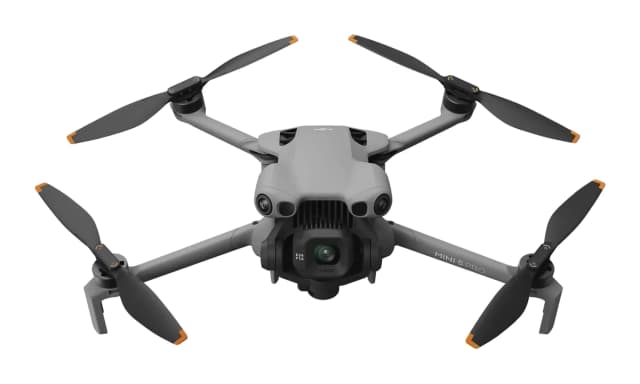
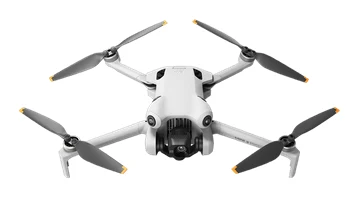
- Best OverallDJI Mini 5 ProWhy we picked it →
- Best ValueDJI NeoWhy we picked it →
- Premium PickDJI Mini 4 ProWhy we picked it →
Frequently asked questions
Is the DJI Neo 2 worth it?
For beginners, vloggers and casual creators, experts think so: it averages 9.3/10 across 3 expert reviews. It is less suited to anyone who needs long flights, expandable storage, or RAW and log footage for serious editing.
Does the DJI Neo 2 need a controller?
No. It takes off and lands on your palm with no controller needed, and gesture control and Return to Palm let you fly hands-free.
How long does the DJI Neo 2 fly on a battery?
The maximum flight time is 19 minutes. Reviewers report that real flights run shorter, so plan for short sessions.
Does the DJI Neo 2 have a microSD card slot?
No. It has 49 GB of internal storage and no microSD slot, so there is no way to expand it. You will need to offload footage to free up space.
What video quality does the DJI Neo 2 record?
It records 4K/60fps and 4K/100fps slow motion, plus 2.7K/60fps vertical video, on a 2-axis gimbal with a 12MP, 1/2-inch sensor. It has no RAW photos or log profile.
Does the DJI Neo 2 have obstacle avoidance?
Yes. It has omnidirectional monocular vision, forward-facing LiDAR and downward infrared sensing. Reviewers note that avoidance has limits in complex environments.
Sources
Specs are taken from the manufacturers' official pages; expert recommendations from the publications below.
- DJI Neo 2: djiusa.com, heliguy.com, blog.dronetrader.com, originofbots.com
Related reviews & guides
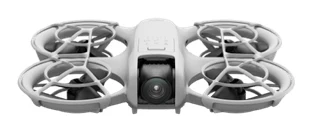
DJI Neo Review (2026): Palm-Launch Drone for Beginners
A palm-sized, fully guarded drone that launches from your hand and films itself. Here is what the DJI Neo offers beginners, and where it falls short.
Published Oct 26, 2026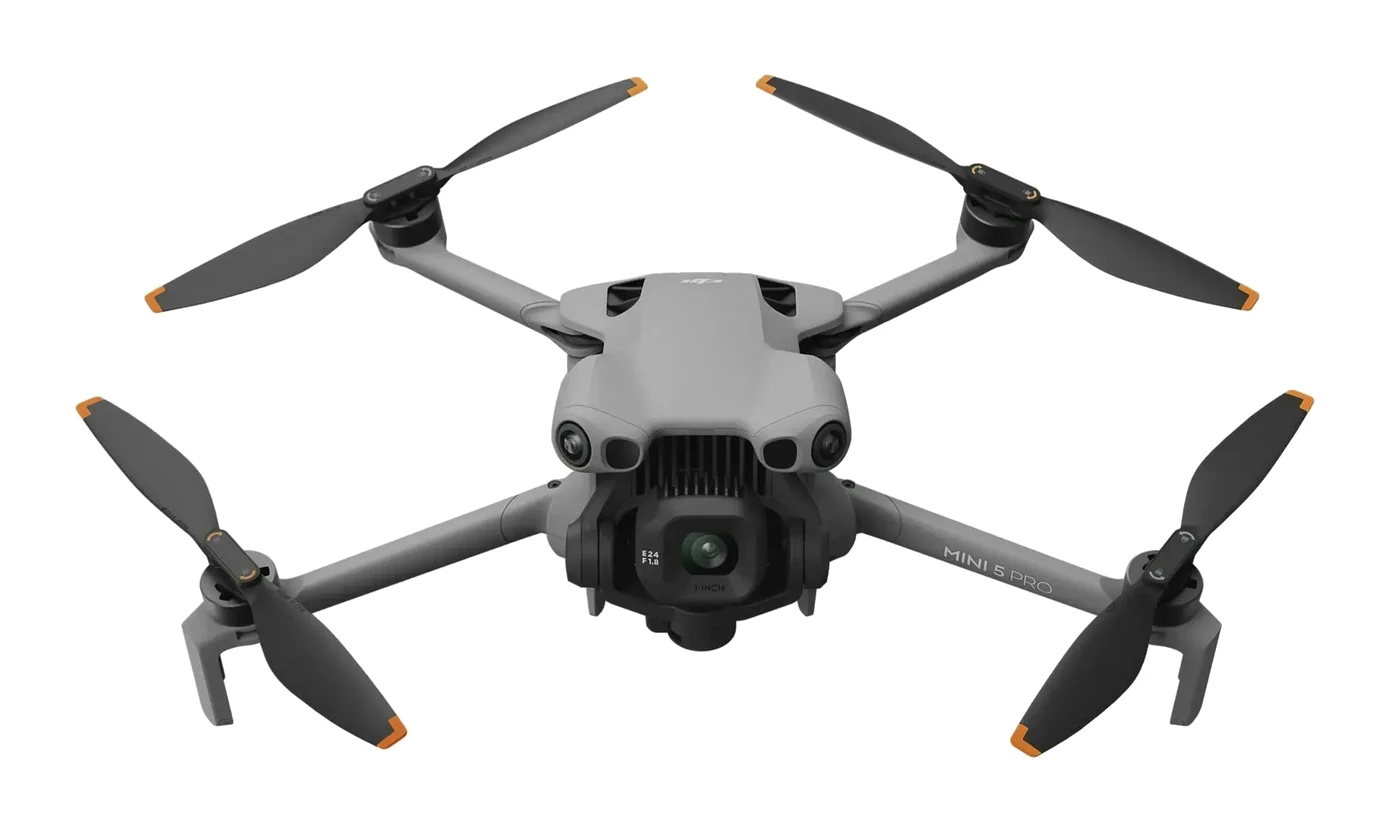
Best Drone for Beginners 2026: Five DJI and Potensic Picks
Five beginner-friendly drones compared on manufacturer specs and expert recommendations, from the palm-launch DJI Neo to the camera-focused DJI Mini 5 Pro.
Published Oct 9, 2026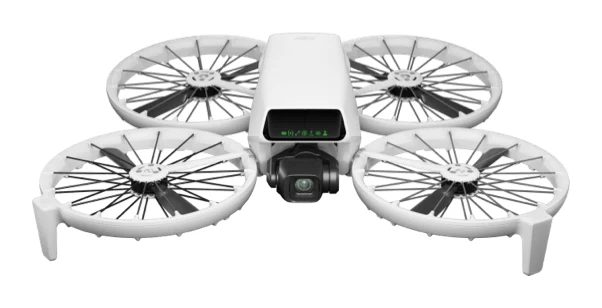
DJI Flip Review (2026): A Safer Drone for Vloggers
The DJI Flip trades some agility and wind resistance for foldable prop guards, a sub-249 g body and easy automated shots. Here is who it suits.
Published Oct 25, 2026