Best Digital Camera for Beginners 2026: Compact & Easy
Five beginner-friendly cameras from Canon, Fujifilm, Nikon and Olympus, compared on sensor, weight, screen, autofocus and video, with expert recommendation counts.
26 products compared · Research-based · Affiliate links
We earn a commission from qualifying purchases made through our links, at no extra cost to you. It never decides our picks. How we make money
Which one should you buy?
Our picks by what matters to you · details below ↓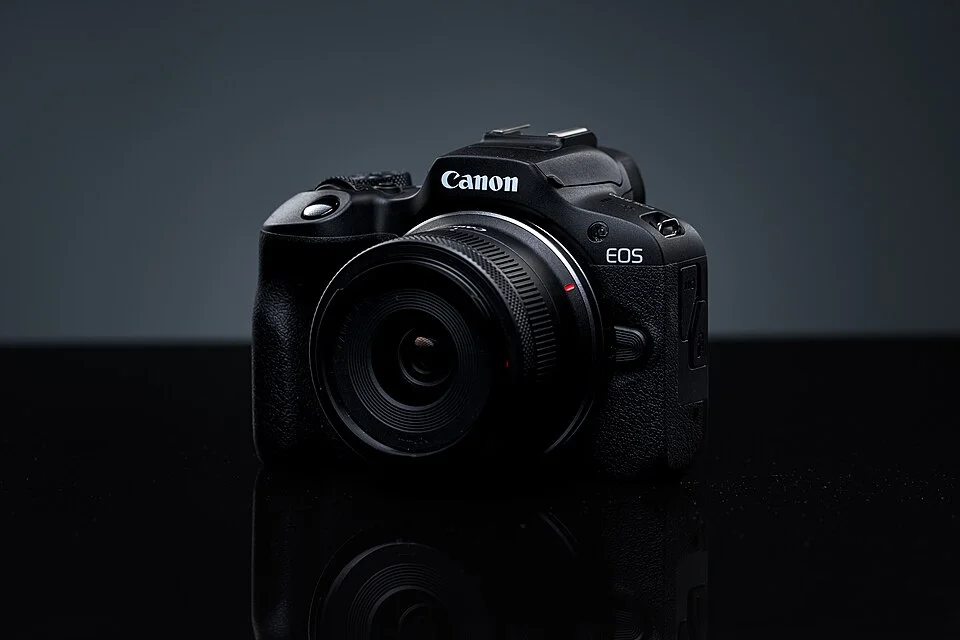
Best for: Beginners wanting capable APS-C sensor and light body
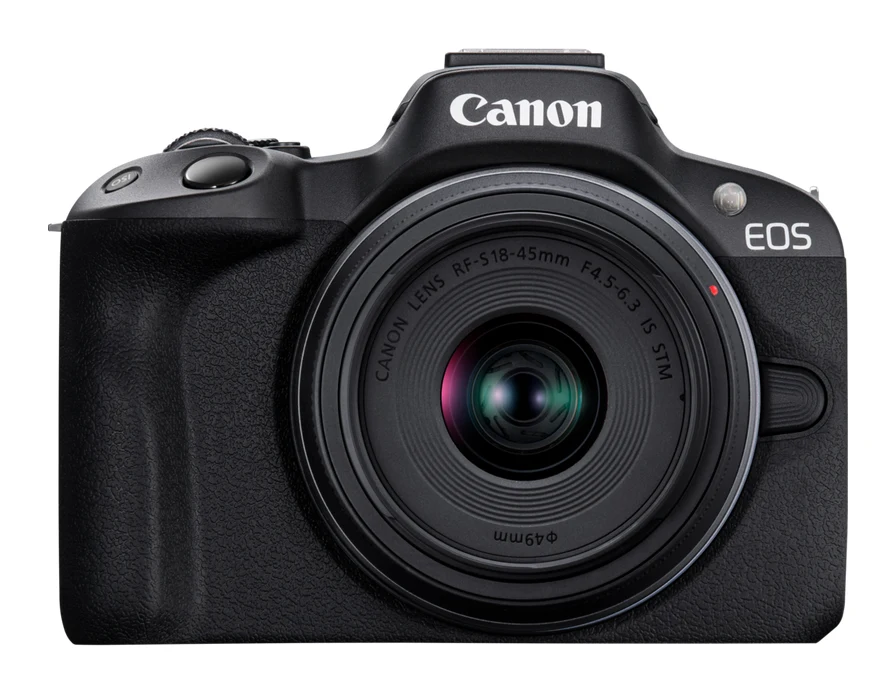
Check price on Amazon- Best ValueCanon EOS R50Best for: Buyers prioritizing video and advanced autofocus capabilityCheck price
- Best BudgetFujifilm X-M5Best for: Beginners desiring creative film simulations and strong videoCheck price
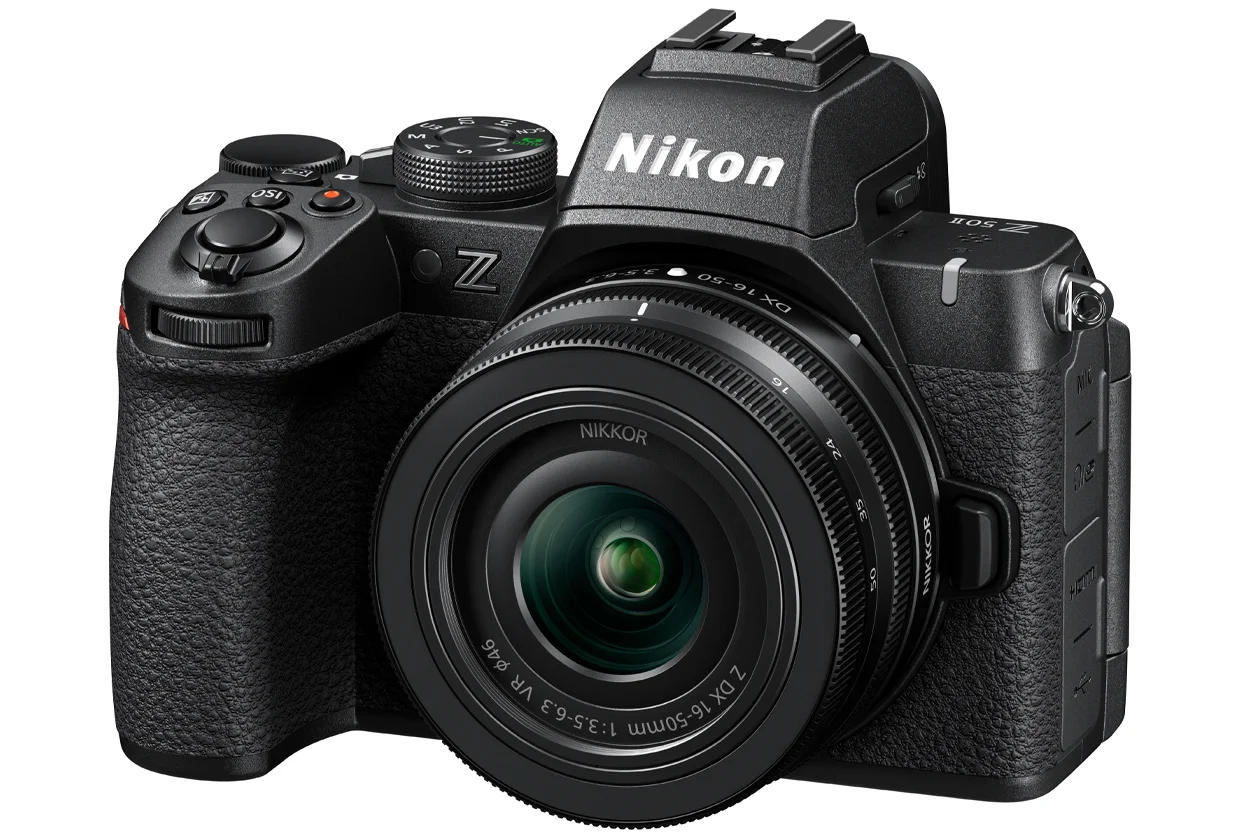
- Premium PickNikon Z50 IIBest for: Beginners wanting advanced subject tracking and room to growCheck price
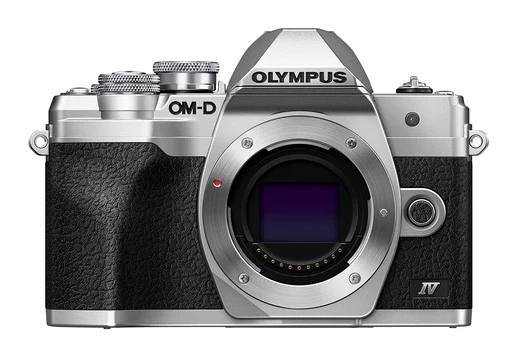
- Also GreatOlympus OM-D E-M10 Mark IVBest for: Travel and casual shooters needing in-body stabilizationCheck price
Finding the best digital camera for beginners comes down to a few practical questions. How forgiving is the autofocus? How much does the body weigh after a day of carrying it? Does the screen help you frame shots from awkward angles? We narrowed the field to five cameras from Canon, Fujifilm, Nikon and Olympus that suit someone stepping up from a phone.
This guide is based on manufacturer specs and independent expert recommendations. It is a research-based roundup, and we did not test the cameras ourselves.
Best Digital Camera for Beginners at a Glance
| Camera | Label | Sensor | Weight | Screen | Expert guides recommending | Buy |
|---|---|---|---|---|---|---|
| Canon EOS R100 | Best Overall | 24.1MP APS-C | 356g | 3.0-inch fixed, non-touch | 13 | Check price |
| Canon EOS R50 | Best Value | 24.2MP APS-C | 375g | 3.0-inch fully articulating touchscreen | 11 | Check price |
| Fujifilm X-M5 | Best Budget | 26.1MP APS-C | 355g | 3.0-inch fully articulated touchscreen | 9 | Check price |
| Nikon Z50 II | Premium Pick | 20.9MP APS-C | 550g | 3.2-inch vari-angle touchscreen | 11 | Check price |
| Olympus OM-D E-M10 Mark IV | Also Great | 20.3MP Micro Four Thirds | 383g | 3.0-inch tilting touchscreen | 8 | Check price |
1. Canon EOS R100: Best Overall
Best for: Beginners wanting capable APS-C sensor and light body
Best Overall for beginners thanks to a capable APS-C sensor, easy autofocus and a very light body. It ranked first on score, with 13 expert recommendations and the strongest value of the group.
Read our full Canon EOS R100 review →- Battery life
- 340 shots (viewfinder), 430 shots (live view)
- Weight
- 356 g (with battery and SD card)
- Dimensions
- 116.3 x 85.5 x 68.8 mm
- Resolution
- 24.1 megapixels
- Sensor
- APS-C CMOS, 24.1 megapixels (22.3 x 14.9 mm)
- ISO Range
- 100 - 12,800 (expandable to 25,600)
Reasons to buy
- 24.1MP APS-C sensor with Dual Pixel autofocus and Eye Detection
- Smallest, lightest EOS R body at 356g
- 6.5 fps continuous shooting with One-Shot AF
- Up to 430 shots per charge in live view
Reasons to avoid
- Fixed, non-touchscreen 3.0-inch LCD
- 4K video is cropped and limited to 24fps
- Smaller 0.39-inch viewfinder than some rivals
- DPReview
- 7.9
- Digital Camera World
- 9.0
- Photography Blog
- 7.0
- The Phoblographer
- 4.0
- TechRadar
- 8.0
The EOS R100 earned the top spot because it covers the basics well and has the most expert backing of the group, with 13 independent guides recommending it. It pairs a 24.1MP APS-C sensor with Dual Pixel CMOS AF, which has 143 AF zones and Eye Detection. For a first camera, that means the focus is handled for you, so you can concentrate on composition. At 356g it is the smallest and lightest body in Canon's EOS R series, which matters if the camera is going to be carried everywhere.
Keep reading about Canon EOS R100
The R100 also shoots at 6.5 fps with One-Shot AF, which is enough for kids, pets and everyday action. Battery life is rated at 340 shots with the viewfinder and 430 shots in live view. It records 4K video at 24fps (cropped) and Full HD at up to 60fps with Movie Digital IS for smoother handheld clips.
The main trade-off is the 3.0-inch LCD, which is fixed and not a touchscreen. The 0.39-inch viewfinder is also smaller than some rivals', and the 4K is cropped. It suits photo-first beginners who want a light, simple camera and don't need heavy video features.
2. Canon EOS R50: Best Value
Best for: Buyers prioritizing video and advanced autofocus capability
Best Value for buyers who want more video and autofocus capability than the R100 offers. It earned the top feature set, with an articulating touchscreen and uncropped 4K, backed by 11 expert recommendations.
Read our full Canon EOS R50 review →- Battery life
- LP-E17
- Weight
- 375 g (with battery and card)
- Dimensions
- 116.3 x 85.5 x 68.8 mm
- Resolution
- 24.2 MP
- Sensor
- APS-C CMOS (22.3 x 14.9 mm)
- ISO range
- 100-32,000 (expandable to 51,200)
Reasons to buy
- Uncropped 4K video oversampled from 6K with 10-bit HDR
- 651-zone Dual Pixel CMOS AF II autofocus
- Fully articulating touchscreen suits vlogging and awkward angles
- 12 fps mechanical-style shooting, 15 fps electronic shutter
Reasons to avoid
- Slightly heavier than the R100 at 375g
- Lower value for money than the R100 in this lineup
- DPReview
- 8.4
- Tom's Guide
- 8.0
- TechRadar
- 7.0
- Photography Blog
- 9.0
- ePHOTOzine
- 8.0
The EOS R50 is the step up if video and flexibility matter to you. It has a 24.2MP APS-C sensor and the DIGIC X processor. Autofocus uses Dual Pixel CMOS AF II with 651 AF zones, a big jump over the R100's 143 zones. It also earned a top feature set in our comparison.
Keep reading about Canon EOS R50
Video is the standout. The R50 records uncropped 4K at up to 30 fps, oversampled from 6K, with 10-bit HDR support. The 3.0-inch screen is a fully articulating touchscreen, so vlogging, low-angle shots and selfies are easy. Continuous shooting reaches 12 fps with electronic first curtain and 15 fps with the electronic shutter, and Wi-Fi and Bluetooth help you move photos to your phone.
The trade-offs are small. At 375g it is slightly heavier than the R100, and it scored lower on value in our lineup. It is best for beginners who expect to shoot a lot of video or social content.
3. Fujifilm X-M5: Best Budget
Best for: Beginners desiring creative film simulations and strong video
Best Budget pick for beginners who want creative looks straight from the camera and strong video specs. It scored top marks on features and has 9 expert recommendations.
Read our full Fujifilm X-M5 review →- Battery life
- 440 frames (Eco mode), 330 frames (Normal mode)
- Weight
- 355g (with battery and card)
- Dimensions
- 111.9 x 66.6 x 38.0 mm
- Resolution
- 26.1 megapixels (6240 x 4160)
- Sensor
- 23.5 x 15.6mm APS-C X-Trans CMOS 4
- ISO Range
- 160-12,800 (standard), 80-51,200 (extended)
Reasons to buy
- Compact 355g body, the lightest in Fujifilm's X-series
- 26.1MP X-Trans sensor with AI-powered autofocus
- 20 Film Simulation modes with a dedicated dial
- 6.2K/30p 10-bit video and 4K/60p recording
- Fully articulated touchscreen with three built-in microphones
Reasons to avoid
- Normal-mode battery life is 330 frames
- Lower expert backing than the Canon options
- TechRadar
- 9.0
- Digital Camera World
- 10.0
- Stuff
- 10.0
- DPReview
- 8.4
- RTINGS
- 7.9
- PetaPixel
- 7.5
The X-M5 stands out for its creative approach. A dedicated dial gives access to 20 Film Simulation modes, so you can get distinctive looks straight from the camera without editing. The 26.1MP X-Trans CMOS 4 sensor is the highest-resolution one in this guide. It is paired with AI-powered autofocus and 425 autofocus points. At 355g it is the smallest and lightest in Fujifilm's X-series and fits in a jacket pocket.
Keep reading about Fujifilm X-M5
Its video specs are strong for this group. They include 6.2K/30p 4:2:2 10-bit recording, 4K/60p and 1080p/240p slow motion. Three built-in microphones with four directional audio modes help with sound. The 3.0-inch touchscreen is fully articulated, and continuous shooting reaches 8 fps with the mechanical shutter and 20 fps with the electronic shutter.
The X-M5 has 9 expert recommendations, fewer than the Canon models. Battery life is rated at 440 frames in Eco mode but 330 frames in Normal mode, so a spare battery is worth considering for long days out. It suits beginners who care about style and video as much as sharpness.
4. Nikon Z50 II: Premium Pick
Best for: Beginners wanting advanced subject tracking and room to grow
Premium Pick for beginners who want room to grow, with flagship-derived processing and advanced subject tracking. It has 11 expert recommendations, but costs more than the budget choices.
- Battery life
- 230 shots
- Weight
- 550 g (with battery and SD card)
- Dimensions
- 127 × 96.8 × 66.5 mm
- Resolution
- 20.9 million
- Sensor
- 23.5 × 15.7 mm CMOS (APS-C/DX format)
- ISO Range
- 100–51200
Reasons to buy
- EXPEED 7 processor inherited from Nikon's Z9 and Z8
- 9-subject AI detection autofocus with 3D tracking
- Bright 1000 cd/m² EVF for outdoor shooting
- 4K 60p video with N-Log 10-bit support
- Up to 30 fps electronic-shutter shooting
Reasons to avoid
- Heaviest in the group at 550g
- 4K 60p video is cropped
- Lower value for money than the Canon and Fujifilm picks
- DPReview
- 8.8
- Photography Blog
- 9.0
- GadReview
- 8.0
- Tom's Guide
- 8.0
- TechRadar
- 9.0
The Z50 II is for beginners who want a camera they won't outgrow quickly. It uses the EXPEED 7 processor, inherited from Nikon's flagship Z9 and Z8 models, with a 20.9MP APS-C sensor. Autofocus offers 9-subject AI detection with 3D tracking. Electronic-shutter shooting reaches 30 fps. Eleven expert guides recommend it.
Keep reading about Nikon Z50 II
The viewfinder is a highlight. It is an OLED unit rated at 1000 cd/m², which should help in bright outdoor conditions. Video includes 4K UHD 60p (cropped), 4K 30p full-width with 5.6K oversampling, and N-Log 10-bit support for colour grading. The 3.2-inch vari-angle touchscreen is the largest screen here.
The cost is size and price. At 550g it is the heaviest camera in the group, and 4K 60p is cropped. It also costs more than the budget choices and scored lower on value than the Canon and Fujifilm picks. Pick it if you want advanced tracking and pro-style video tools from the start.
5. Olympus OM-D E-M10 Mark IV: Also Great
Best for: Travel and casual shooters needing in-body stabilization
Also Great for travel and casual shooting, thanks to in-body stabilization and a compact, lightweight body. It has 8 expert recommendations, the fewest of the group, and its autofocus is simpler than the rivals'.
- Battery life
- Approximately 360 shots
- Weight
- 383g (with battery and memory card)
- Dimensions
- 121.7 x 84.4 x 49 mm
- Resolution
- 20.3 MP
- Sensor
- 20.3MP Live MOS Micro Four Thirds
- ISO range
- 200-25600
Reasons to buy
- 5-axis in-body stabilization up to 4.5 EV stops
- Compact 383g body suited to travel
- Flip-down touchscreen works well for selfies and vlogs
- Face and eye detection autofocus with 121 points
- 4K UHD video at up to 30fps
Reasons to avoid
- Contrast-detection autofocus only
- Smaller Micro Four Thirds sensor at 20.3MP
- Tilting screen rather than fully articulating
- DPReview
- 8.1
- RTINGS
- 7.6
- Photography Blog
- 9.0
- Digital Camera World
- 10.0
- ephotozine
- 9.0
The E-M10 Mark IV is the travel-friendly option. Its 5-axis in-body image stabilization is rated at up to 4.5 EV stops, which helps keep handheld shots sharp when light drops. The body weighs 383g with battery and card, and the Micro Four Thirds system is built around a 20.3MP sensor. It records 4K UHD video at 30fps with a built-in stereo microphone.
Keep reading about Olympus OM-D E-M10 Mark IV
The 3.0-inch touchscreen tilts and flips down for selfies and vlogging. The viewfinder is a 2.36M dot OLED, and battery life is approximately 360 shots. Continuous shooting reaches 8.7 fps with S-AF and 5 fps with C-AF.
The trade-offs are real. Autofocus is 121-point contrast detection with face and eye detection, which is simpler than the systems on the other cameras here. The screen tilts rather than fully articulating, and the sensor is smaller than the APS-C models. It has 8 expert recommendations, the fewest of the group. It suits casual and travel shooters who value stabilization and a compact body.
Compare our picks side by side
The specs most of our picks share, from each maker’s spec page (— = not published). Expert score = the average of published expert reviews, which rate each product for its price. Scroll sideways on small screens.
| Spec | Canon EOS R100 | Canon EOS R50 | Fujifilm X-M5 | Nikon Z50 II | Olympus OM-D E-M10 Mark IV |
|---|---|---|---|---|---|
| Best for | Best Overall | Best Value | Best Budget | Premium Pick | Also Great |
| Expert score | 7.2 | 8.1 | 8.8 | 8.6 | 8.7 |
| Price vs. these picks | Lower | Lower | Lower | Middle | Middle |
| Battery life | 340 shots (viewfinder), 430 shots (live view) | LP-E17 | 440 frames (Eco mode), 330 frames (Normal mode) | 230 shots | Approximately 360 shots |
| Weight | 356 g (with battery and SD card) | 375 g (with battery and card) | 355g (with battery and card) | 550 g (with battery and SD card) | 383g (with battery and memory card) |
| Dimensions | 116.3 x 85.5 x 68.8 mm | 116.3 x 85.5 x 68.8 mm | 111.9 x 66.6 x 38.0 mm | 127 × 96.8 × 66.5 mm | 121.7 x 84.4 x 49 mm |
| Resolution | 24.1 megapixels | 24.2 MP | 26.1 megapixels (6240 x 4160) | 20.9 million | 20.3 MP |
| Sensor | APS-C CMOS, 24.1 megapixels (22.3 x 14.9 mm) | APS-C CMOS (22.3 x 14.9 mm) | 23.5 x 15.6mm APS-C X-Trans CMOS 4 | 23.5 × 15.7 mm CMOS (APS-C/DX format) | 20.3MP Live MOS Micro Four Thirds |
| ISO Range | 100 - 12,800 (expandable to 25,600) | 100-32,000 (expandable to 51,200) | 160-12,800 (standard), 80-51,200 (extended) | 100–51200 | 200-25600 |
| LCD Screen | 3.0-inch fixed LCD, 1.04 million dots, non-touchscreen | 3.0 inch fully articulating touchscreen, 1,620,000 dots | 3.0-inch fully articulated touchscreen, 1.04 million dots | 3.2-inch vari-angle touchscreen, 1.04M-dot TFT | 3.0-inch tilting touchscreen, 1,037k dots |
| Sensor size | APS-C (22.3 x 14.9 mm) | 22.3 x 14.9 mm (APS-C) | 23.5 x 15.6 mm | 23.5 x 15.7 mm | Four Thirds (17.4 x 13 mm) |
| Where to buy | Check price | Check price | Check price | Check price | Check price |
How to Choose a Camera as a Beginner
Start with autofocus
Autofocus does the most to make early photos look good. The Canon EOS R50 offers 651 AF zones, the R100 has 143 AF zones with Eye Detection, and the Nikon Z50 II adds 9-subject AI detection with 3D tracking. The Olympus relies on contrast detection with face and eye detection, which is the simplest approach in this guide.
Think about the screen
If you plan to shoot video, vlog or take low-angle photos, an articulating or vari-angle screen is useful. The R50, X-M5 and Z50 II all have one. The R100's fixed, non-touch LCD is the main compromise at the lowest-weight end.
Weight and size
A camera you carry gets used more. The X-M5 (355g), R100 (356g) and R50 (375g) are all light. The Olympus comes in at 383g. The Nikon at 550g is noticeably heavier.
Video needs
For casual clips, any of these will do. For more serious video, look at the R50's uncropped 4K with 10-bit HDR, or the X-M5's 6.2K/30p 10-bit recording.
Battery life
The R100 is rated at 430 shots in live view, the Olympus at approximately 360 shots, and the X-M5 at 330 frames in Normal mode. If you shoot all day, plan for a spare battery.
How We Picked
We ranked the shortlist using manufacturer specs, plus how many independent expert guides recommend each model. We weighed autofocus, sensor, video, screen, weight and value. We did not test the cameras ourselves, and we do not quote prices because they change. Use the live check-price buttons to see current deals.
Bottom Line
For most newcomers, the Canon EOS R100 is the best digital camera for beginners: light, simple, and the most recommended by experts. Choose the EOS R50 if you want stronger autofocus and video, and the Fujifilm X-M5 for film looks and a budget-friendly route into creative shooting. The Nikon Z50 II is the one to buy if you want room to grow, while the Olympus OM-D E-M10 Mark IV suits travel with its in-body stabilization.
Ready to buy?
 Best OverallCanon EOS R100Check price
- Best ValueCanon EOS R50Check price
- Best BudgetFujifilm X-M5Check price
- Premium PickNikon Z50 IICheck price
- Also GreatOlympus OM-D E-M10 Mark IVCheck price
Frequently asked questions
What is the best digital camera for beginners in 2026?
Based on manufacturer specs and expert recommendations, the Canon EOS R100 ranks first. It has a 24.1MP APS-C sensor, Dual Pixel CMOS AF with Eye Detection, a 356g body, and 13 expert guides recommend it.
Which beginner camera is best for video?
The Canon EOS R50 records uncropped 4K at up to 30 fps, oversampled from 6K with 10-bit HDR support. The Fujifilm X-M5 offers 6.2K/30p 10-bit recording, 4K/60p and 1080p/240p slow motion.
Which of these cameras is the lightest?
The Fujifilm X-M5 is listed at 355g and the Canon EOS R100 at 356g. The Canon EOS R50 is 375g, the Olympus OM-D E-M10 Mark IV 383g, and the Nikon Z50 II is the heaviest at 550g.
Do I need a camera with a touchscreen?
It is not essential, but it helps with vlogging, selfies and awkward angles. The R50, X-M5 and Z50 II have articulating or vari-angle touchscreens. The Olympus has a tilting touchscreen, and the Canon EOS R100 has a fixed, non-touch LCD.
Did you test these cameras yourselves?
No. This guide is based on manufacturer specs and independent expert recommendations; it is research-based and we did not test the cameras ourselves.
Sources
Specs are taken from the manufacturers' official pages; expert recommendations from the publications below.
- Canon EOS R100: usa.canon.com, michaelfil.com, global.canon, dpreview.com
- Canon EOS R50: usa.canon.com, en.wikipedia.org, support.usa.canon.com, cam.start.canon
- Fujifilm X-M5: fujifilm-x.com, dpreview.com, bhphotovideo.com
- Nikon Z50 II: imaging.nikon.com, nikon.com, nij.nikon.com
- Olympus OM-D E-M10 Mark IV: explore.omsystem.com, bhphotovideo.com, dpreview.com, ephotozine.com
More buying guides
Canon EOS R100 Review (2026): Easy Entry, Easy to Outgrow
A small, light entry to Canon's RF mirrorless system with image quality that impresses beginners, but video, burst speed and handling show its age.
Published Oct 27, 2026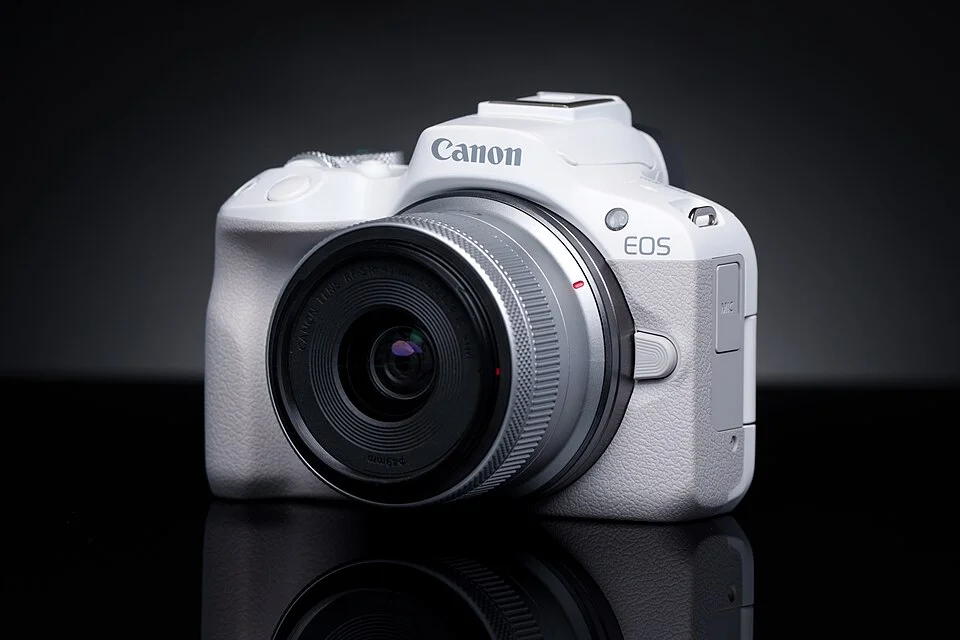
Canon EOS R50 Review (2026): Small Body, Smart Autofocus
Our Canon EOS R50 review covers its compact body, subject-detecting autofocus and uncropped 4K video, and the handling and lens limits that reviewers flag.
Published Oct 19, 2026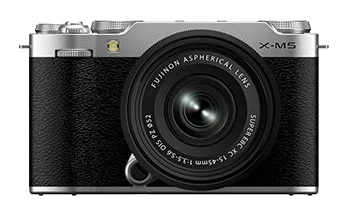
Fujifilm X-M5 Review (2026): Pocket Camera, Big Video Specs
The Fujifilm X-M5 is the smallest, lightest X Series body, with a 26.1MP APS-C sensor and 6.2K video. Here is who it suits and what you give up.
Published Oct 30, 2026