Canon EOS R100 Review (2026): Easy Entry, Easy to Outgrow
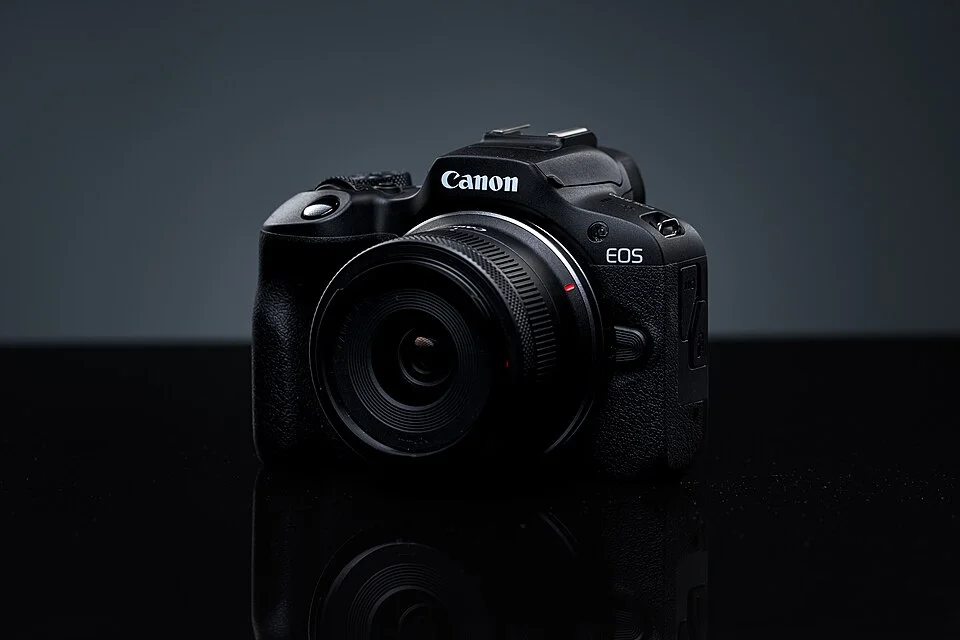
A small, light entry to Canon's RF mirrorless system with image quality that impresses beginners, but video, burst speed and handling show its age.
Research-based · We earn from qualifying purchases
Our verdict
The EOS R100 is a small, light and affordable entry to Canon's RF mirrorless system, with image quality that impresses for beginners. Skip it if you want strong video, fast burst shooting or room to grow, since experts note it is dated and easy to outgrow.
The good
- Light, compact body at about 356 g with a decent grip
- 24.1MP APS-C sensor delivers very good image quality and colour
- Dual Pixel AF reliably detects faces and eyes for stills
- Beginner-friendly guided interface with Creative Assist and filters
- Cheapest way into Canon's RF mirrorless lens system
+2 more
- Beginner-friendly guided interface with Creative Assist and filters
- Cheapest way into Canon's RF mirrorless lens system
The bad
- Fixed, non-touch rear screen limits flexibility and ease of use
- 4K video is heavily cropped at 24 fps, with weak autofocus
- Slow burst shooting, especially with Servo AF and RAW files
- No in-body stabilization and a single control dial feel dated
+1 more
- No in-body stabilization and a single control dial feel dated
This Canon EOS R100 review looks at the smallest and lightest camera in Canon's EOS R series. It is built for people who want a step up from a phone without a steep learning curve. It sits in the mid-range part of the market. It is aimed at beginners who want a compact Canon RF stills camera, and it is the kind of body people consider when they want mirrorless image quality, interchangeable lenses and a guided interface in one small package.
This review is based on Canon's manufacturer specs and on what independent expert reviews report. We haven't handled the camera ourselves. Below we go through what the specs mean day to day, where experts are enthusiastic, and where they point out limits.
Canon EOS R100: specs at a glance
From the manufacturer- Video
- 4K at 23.98 fps (cropped); Full HD at 59.94 fps
- Sensor
- APS-C CMOS, approx. 24.1 megapixels effective
- Battery
- LP-E17; 430 shots with LCD, 340 shots with viewfinder (CIPA, power saving mode)
- Storage
- 1 × SD card slot (UHS-I)
- Autofocus
- Dual Pixel CMOS AF, 143 zones for stills
- ISO range
- 100 to 12,800 (100 to 25,600 extended)
- Processor
- DIGIC 8
- Lens mount
- Canon RF
- Viewfinder
- 0.39-inch OLED EVF, approx. 2,360,000 dots, 0.95× magnification
- Rear screen
- 3.0 inch fixed LCD, approx. 1,040,000 dots, non-touch
- Continuous shooting
- 6.5 shots/sec. One-Shot AF; 3.5 shots/sec. Servo AF
- Image stabilization
- No in-body stabilization
- Dimensions (W × H × D)
- 116.3 × 85.5 × 68.8 mm
- Weight (body with battery and card)
- approx. 356 g
Key features
- Smallest and lightest camera in the EOS R series, easy to carry anywhere
- 24.1 Megapixel APS-C sensor for natural background blur and low noise
- Dual Pixel CMOS AF detects human faces and focuses on eyes
- 4K (cropped) video at up to 24 fps and Full HD at up to 60 fps
- 6.5 fps continuous shooting
- Creative Filters and Creative Assist for beginner-friendly looks
- Takes the full Canon RF and RF-S lens range; EF and EF-S lenses work with an adapter
- Built-in Wi-Fi and Bluetooth, plus a built-in flash
Canon EOS R100 review: who is it really for?
The R100 is a stills-first, beginner-friendly body. Its 24.1 Megapixel APS-C sensor gives natural background blur and low noise, and the camera's guided features are designed for people still learning exposure and composition. Canon's Creative Assist and Creative Filters let you shape the look of an image without touching a manual setting.
It also appeals as a cheap way into Canon's RF mirrorless system. Reviewers describe it as the least expensive route into that lens family. That matters if you plan to build a kit over time, though experts also note it is dated and easy to outgrow, which we cover below.
It is recommended in one independent expert buying guide. It is not a camera that sweeps every roundup, and the scores below show why.
Design and build
The headline here is size and weight. The body measures 116.3 × 85.5 × 68.8 mm and weighs approx. 356 g with battery and card. Canon calls it the smallest and lightest in the EOS R series, and reviewers praise the light, compact body and note that it still has a decent grip. For anyone who has been put off by bulky camera bags, that is a real draw.
There is a 0.39-inch OLED electronic viewfinder (approx. 2,360,000 dots, 0.95× magnification), which is useful in bright light when a rear screen is hard to read. The rear screen is a 3.0 inch fixed LCD at approx. 1,040,000 dots, and it is non-touch.
That screen is one of the most common criticisms. A fixed, non-touch display limits flexibility, so you can't flip it out for awkward angles or tap to choose a focus point. Experts also say the single control dial feels dated. Compact and simple helps beginners, but it can frustrate once you want quick access to settings.
Features and what they mean day to day
Beginner-friendly guidance
Creative Assist and Creative Filters are the core of the R100's pitch. They are meant to help new photographers get a distinctive look without learning every exposure setting first. Reviewers specifically praise the guided interface as a strength for beginners.
Autofocus for stills
The camera uses Dual Pixel CMOS AF with 143 zones for stills. It detects human faces and focuses on eyes, and reviewers say it reliably finds faces and eyes for stills. For portraits and snapshots of people, that takes much of the guesswork out of focusing.
Lenses
The R100 uses the Canon RF mount and takes the full RF and RF-S lens range. EF and EF-S lenses also work with an adapter. If you already own Canon DSLR glass, the adapter route means you may not have to start from scratch. The mount also gives you a path to better lenses later.
Connectivity and flash
Built-in Wi-Fi and Bluetooth are included, plus a built-in flash. These are handy basics for a camera meant for casual and everyday shooting. Storage is a single SD card slot (UHS-I).
Performance
Image quality
Image quality is where the R100 earns its praise. The APS-C CMOS sensor has approx. 24.1 megapixels effective, and it is paired with a DIGIC 8 processor. Reviewers say the sensor delivers very good image quality and colour. The ISO range is 100 to 12,800, expandable to 100 to 25,600, which covers a good range of lighting situations.
Burst shooting
Continuous shooting runs at 6.5 shots/sec. in One-Shot AF and 3.5 shots/sec. in Servo AF. Reviewers call burst shooting slow, especially with Servo AF and RAW files. For family photos and static scenes that is fine. For children running around, pets or sport, expect to miss moments that a faster camera would catch.
Video
Video is one of the camera's main drawbacks. The R100 shoots 4K at 23.98 fps (cropped) and Full HD at 59.94 fps. A common criticism is that the 4K is heavily cropped at 24 fps and has weak autofocus. If video matters to you, Full HD at up to 60 fps is the more practical mode. Anyone building a video workflow will likely want something else.
There is also no in-body stabilization, so steadiness depends on your technique and on any stabilization in the lens you choose. That affects handheld video and low-light stills.
Battery life
The LP-E17 battery is rated at 430 shots with the LCD and 340 shots with the viewfinder (CIPA, power saving mode). If you shoot a lot of video or travel for long stretches, a spare battery is sensible, as it is with most cameras.
What experts like and what they criticise
Across four named expert reviews, the R100 averages 7/10. DPReview gives it 79/100, Digital Camera World 4.5/5, Photography Blog 3.5/5 and The Phoblographer 2/5. That spread is wide.
What reviewers praise:
- The light, compact body with a decent grip.
- Very good image quality and colour from the 24.1MP APS-C sensor.
- Reliable face and eye detection for stills.
- A guided interface that suits beginners.
- The low cost of entry into Canon's RF lens system.
What they criticise:
- The fixed, non-touch rear screen.
- Heavily cropped 4K video at 24 fps with weak autofocus.
- Slow burst shooting, especially with Servo AF and RAW files.
- No in-body stabilization, and a single control dial that feels dated.
The verdict from reviewers is that the R100 is a good first camera but easy to outgrow.
Who should buy it, and who should skip it
Buy it if you are a beginner who wants better photos than a phone gives you, in a body that is small enough to carry anywhere. It also suits you if you want to start with Canon's RF mount without spending more than you need to, or if you own EF or EF-S lenses and plan to use an adapter. People who mostly photograph people and everyday life will get the most from its strengths.
Skip it if video is a priority, since the 4K is cropped and the autofocus is criticised. Skip it too if you shoot action or wildlife and need quick bursts, or if you want a touchscreen and a more flexible, tilting display. Anyone who expects to become a serious enthusiast quickly may find themselves wanting a more capable body sooner rather than later.
How it fits in its category
Entry-level mirrorless cameras generally trade features for size and affordability, and the R100 is a clear example. It puts a large APS-C sensor and an interchangeable-lens system in a small body, but the handling, video and burst speed reflect that low entry point. It is best seen as a starting point into a lens system rather than an all-rounder. We have no buying guide in this category to link to yet, so compare it with other beginner mirrorless bodies on lens options, screen design and video needs before you decide.
Verdict
The Canon EOS R100 does the basics well. It is small, light and approachable, and its 24.1MP APS-C sensor and face-and-eye-detecting autofocus give beginners strong still images. It also opens the door to the RF lens range. The compromises are real: a fixed non-touch screen, cropped 4K, slow bursts and no in-body stabilization. If you want a simple, compact stills camera to learn on, it is a sensible choice. If you want room to grow, or serious video and action capability, look higher up the range.
Related buying guides
- Best Digital Camera for Beginners 2026: Compact & Easy
- Canon EOS R50 Review (2026): Small Body, Smart Autofocus
- Best High-End Cameras 2026: Resolution, Speed & Video
- Nikon Z f Review (2026): Is Retro Worth the Quirks?
- Sony a7CR Review (2026): 61MP in a Small Body
- Nikon Z6III Review (2026): Hybrid Shooter's All-Rounder
- KODAK PIXPRO WPZ2 Review (2026): Rugged but Basic
- FUJIFILM X-T30 III Review (2026): Small Body, Big Colour
Not sure about the Canon EOS R100? Consider these
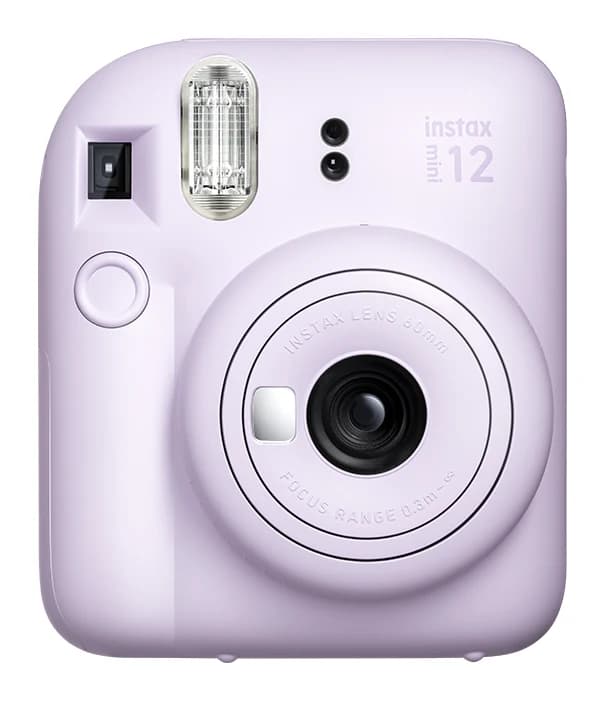
- Best OverallFujifilm Instax Mini 12Why we picked it →
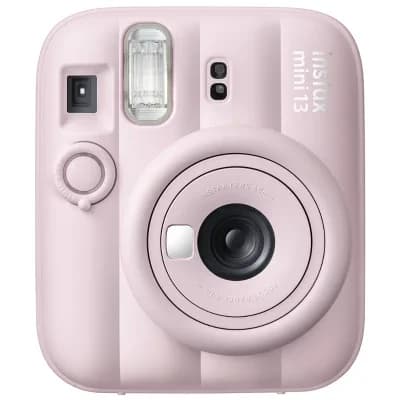
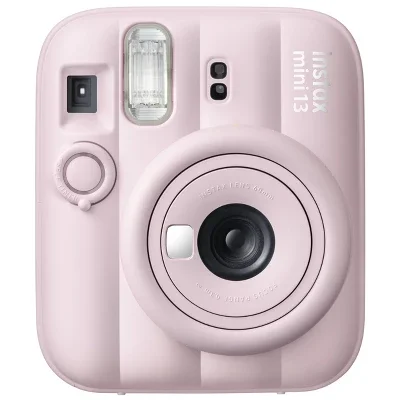
- Best ValueFujifilm Instax Mini 13Why we picked it →
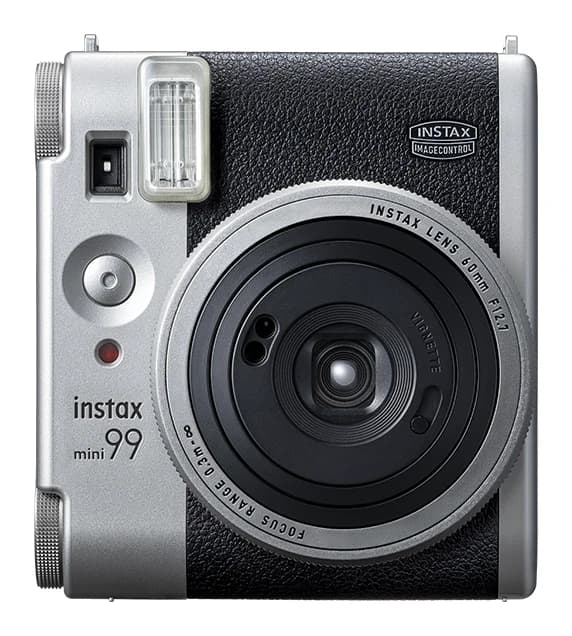
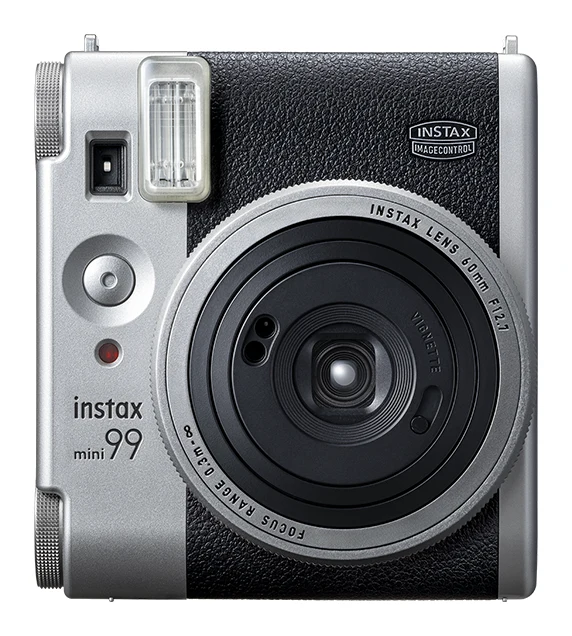
- Premium PickFujifilm Instax Mini 99Why we picked it →
Frequently asked questions
Is the Canon EOS R100 worth it?
For beginners who mainly want good-looking stills in a small, light body, experts say yes. It averages 7/10 across four expert reviews, and reviewers praise its image quality and low cost of entry into the RF system. Those who want strong video, fast bursts or room to grow may find it limiting.
Does the Canon EOS R100 shoot 4K video?
Yes, but with limits. It records 4K at 23.98 fps (cropped), and reviewers criticise the heavy crop and weak autofocus in this mode. Full HD at up to 60 fps is the more practical option.
Does the Canon EOS R100 have a touchscreen?
No. The rear screen is a 3.0 inch fixed LCD and it is non-touch. Reviewers list this among the camera's main drawbacks.
Does the Canon EOS R100 have image stabilization?
There is no in-body stabilization. If you want stabilization, you would need to rely on any that the lens offers.
Can I use EF lenses on the Canon EOS R100?
Yes, with an adapter. The camera takes the full Canon RF and RF-S lens range natively, and EF and EF-S lenses work through an adapter.
How long does the Canon EOS R100 battery last?
Canon rates the LP-E17 battery at 430 shots with the LCD and 340 shots with the viewfinder (CIPA, power saving mode). Real-world use varies with how you shoot.
Sources
Specs are taken from the manufacturers' official pages; expert recommendations from the publications below.
- Canon EOS R100: usa.canon.com, cam.start.canon, bhphotovideo.com, ephotozine.com
Related reviews & guides
Best Digital Camera for Beginners 2026: Compact & Easy
Five beginner-friendly cameras from Canon, Fujifilm, Nikon and Olympus, compared on sensor, weight, screen, autofocus and video, with expert recommendation counts.
Published Oct 11, 2026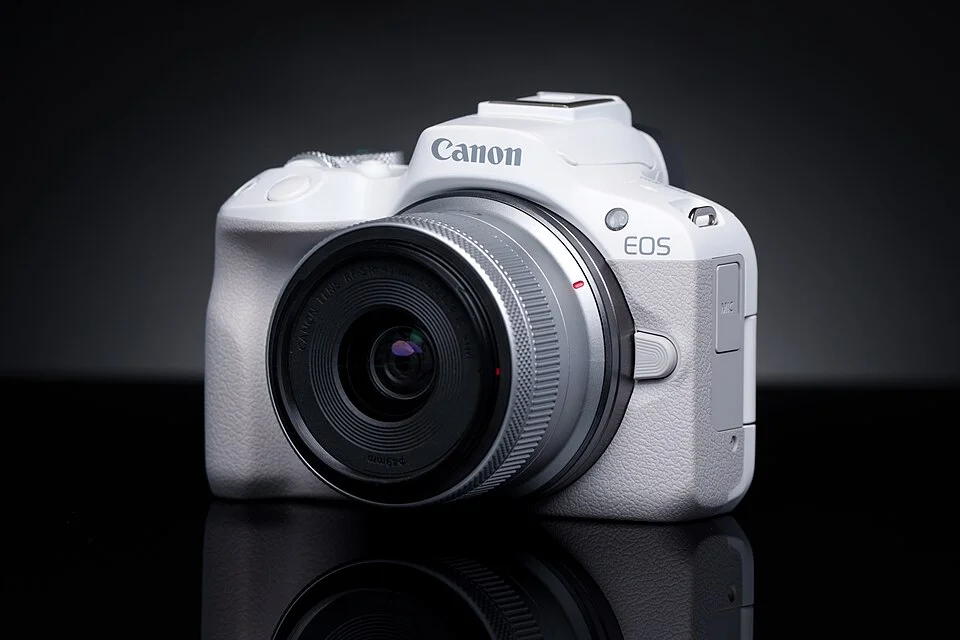
Canon EOS R50 Review (2026): Small Body, Smart Autofocus
Our Canon EOS R50 review covers its compact body, subject-detecting autofocus and uncropped 4K video, and the handling and lens limits that reviewers flag.
Published Oct 19, 2026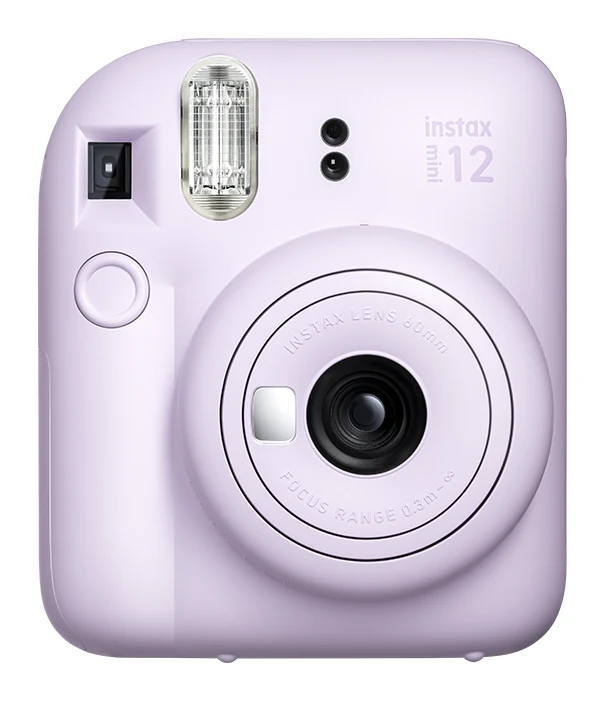
Best Instant Cameras 2026: Easy Snaps to Creative Control
Five instant cameras compared from manufacturer specs and expert recommendations, from simple point-and-shoot Instax models to creative, manual-control options.
Published Oct 29, 2026