FUJIFILM X-T30 III Review (2026): Small Body, Big Colour
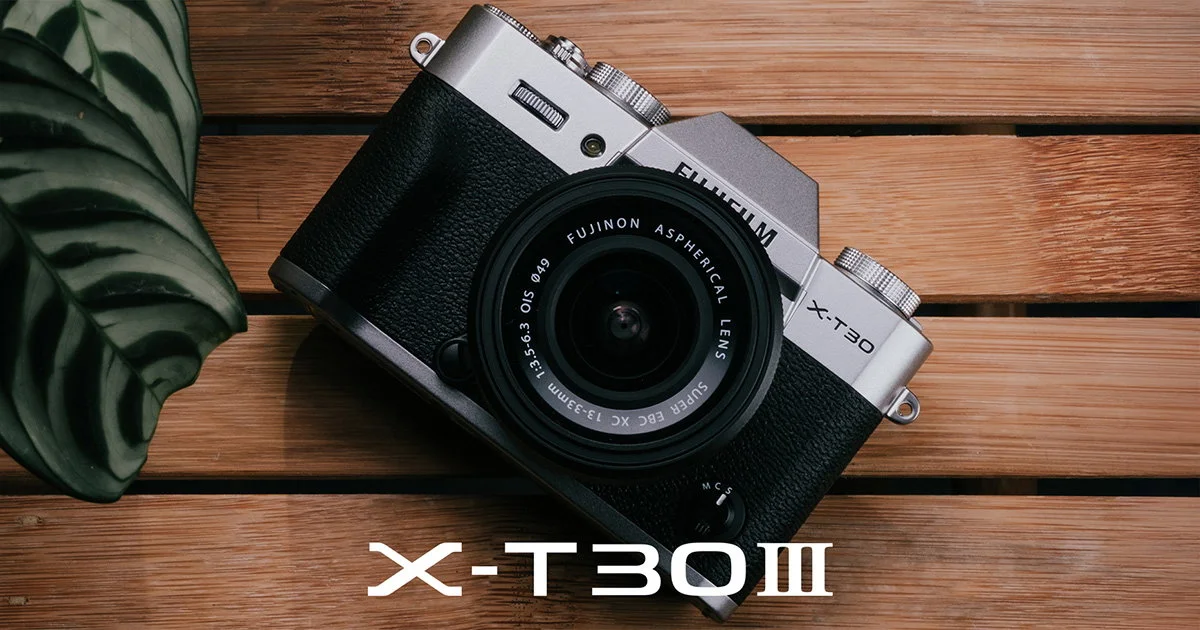
A pocketable APS-C mirrorless camera built around Film Simulations, strong JPEG colour and capable video. This FUJIFILM X-T30 III review covers who it suits and where it cuts corners.
Research-based · We earn from qualifying purchases
Our verdict
The X-T30 III suits travelers, street shooters and beginners who want a pocketable camera with standout JPEG colour, film simulations and capable video. Skip it if you need IBIS, weather sealing or a more secure grip for demanding or long-lens work.
The good
- Pocket-sized retro body at 378g with battery and card
- Excellent image quality and colour, especially straight-out-of-camera JPEGs
- Film Simulation dial with custom recipe slots for quick looks
- Strong video for the class: 6.2K/30p 10-bit, 4K/60p, 1080/240p
- AI subject-detection AF covers animals, vehicles, insects and drones
+2 more
- Strong video for the class: 6.2K/30p 10-bit, 4K/60p, 1080/240p
- AI subject-detection AF covers animals, vehicles, insects and drones
The bad
- No in-body stabilization; digital stabilization only for video
- No weather sealing, and build feels a little plasticky
- Small, shallow grip with crowded, easily knocked controls
- Single UHS-I SD slot limits storage flexibility
+1 more
- Single UHS-I SD slot limits storage flexibility
This FUJIFILM X-T30 III review is for anyone who wants a proper interchangeable-lens camera that fits in a coat pocket and produces good-looking images without hours of editing. It is a compact APS-C mirrorless body with a retro design, a 26.1MP sensor, a dial for Film Simulations and a video spec that reviewers describe as strong for its class. It is aimed at travelers, street shooters and newer photographers rather than people who need a rugged workhorse.
FUJIFILM X-T30 III: specs at a glance
From the manufacturer- Video
- 6.2K/30p 4:2:2 10-bit, 4K/60p, 1080/240p
- Sensor
- 26.1MP APS-C (23.5mm x 15.6mm) back-illuminated X-Trans CMOS 4
- Weight
- 378g (with battery and card)
- Storage
- Single SD slot, UHS-I
- ISO range
- 160-12,800 (extended 80-51,200)
- Processor
- X-Processor 5
- Dimensions
- 118.4mm x 82.8mm x 46.8mm
- Lens mount
- FUJIFILM X mount
- Viewfinder
- 0.39-inch OLED, approx. 2.36 million dots, 100% coverage
- Rear screen
- 3.0-inch tilting touchscreen, approx. 1.62 million dots
- Weather sealing
- No
- Battery life (CIPA)
- Approx. 425 frames (Economy mode), approx. 315 frames (Normal mode)
- Continuous shooting
- 8fps mechanical, 20fps electronic, 30fps electronic with 1.25x crop
- Image stabilization
- Digital only, no IBIS
Key features
- Pocket-sized retro body weighing 378g with battery and card
- Top-plate dial for 20 Film Simulations, with custom recipe slots
- AI subject detection AF for animals, birds, cars, motorcycles, bicycles, airplanes, trains, insects and drones
- Internal 6.2K/30p 4:2:2 10-bit video, plus 4K/60p and 1080/240p slow motion
- One-switch AUTO mode that picks focus and exposure for the scene
- Built-in pop-up flash and a central OLED viewfinder
- Digital image stabilization for video, including walking footage
- Up to 425 frames per charge in Economy mode
FUJIFILM X-T30 III review: what it is and who it's for
The X-T30 III is a mid-range option among the products we compared. It uses the FUJIFILM X mount, so it works with the X-series lens ecosystem. Inside is a 26.1MP back-illuminated X-Trans CMOS 4 sensor paired with the X-Processor 5. Together they handle both the stills and the more demanding video modes.
The appeal is a mix of size, colour and simplicity. Independent reviewers consistently praise the image quality, especially straight-out-of-camera JPEGs, and the camera has been recommended in 4 expert buying guides. This article is based on the manufacturer's specifications and what independent experts report, not on our own hands-on testing.
Design and build
The headline number is the weight: 378g with battery and card. The body measures 118.4mm x 82.8mm x 46.8mm, so it is genuinely small for an interchangeable-lens camera. Reviewers praise the pocket-sized retro body. For travel, street photography and everyday carry, that is the main reason to pick it over a bigger camera.
The small size comes with trade-offs, and reviewers are fairly direct about them. A common criticism is a small, shallow grip, along with crowded controls that are easy to knock. Reviewers also say the build feels a little plasticky. There is no weather sealing, so this is a camera to keep out of heavy rain and dusty conditions.
The central OLED viewfinder is 0.39-inch, with approx. 2.36 million dots and 100% coverage. On the back is a 3.0-inch tilting touchscreen with approx. 1.62 million dots. The tilting screen is useful for low and high angles, and the viewfinder gives you a way to compose in bright light. There is also a built-in pop-up flash for quick fill light when you don't want to carry a separate unit.
Film Simulations: the main attraction
The feature most buyers will care about is the top-plate dial for 20 Film Simulations, with custom recipe slots. Film Simulations are in-camera colour and tonality looks that shape the JPEG straight out of the camera. Putting them on a physical dial makes switching between looks quick, and the custom slots let you save your own recipes.
This ties directly to the praise for JPEG output. If you would rather get a finished-looking image in the camera than process raw files at a desk, the dial is the most practical way to do it. It is also a good fit for casual shooters who want a distinctive look without learning editing software.
There is also a one-switch AUTO mode that picks focus and exposure for the scene. That is helpful when you hand the camera to a friend or want to shoot without thinking about settings.
Autofocus and shooting speed
The autofocus uses AI subject detection. It covers animals, birds, cars, motorcycles, bicycles, airplanes, trains, insects and drones. Reviewers praise this AI subject-detection AF, which covers that wide range of subjects. In practice it means the camera can look for a wide range of subjects rather than only people, which suits travel, hobby and general-purpose shooting.
Burst speeds are 8fps with the mechanical shutter and 20fps electronic. There is also 30fps electronic with a 1.25x crop. Remember that the single SD slot is UHS-I, which reviewers flag as limiting. That matters most if you shoot long bursts or high-bitrate video and want more storage flexibility.
The ISO range is 160-12,800, extended to 80-51,200. The native range gives you room for most everyday lighting. The extended values are there if you need them, though they are an extension rather than the core range.
Video capability
Video is a strength for a camera this size. The X-T30 III records internal 6.2K/30p 4:2:2 10-bit video, plus 4K/60p and 1080/240p slow motion. Reviewers describe the video as strong for the class. The 4:2:2 10-bit option is the kind of spec that gives footage more room for colour grading, while 1080/240p covers slow-motion clips.
Stabilization is where the camera is limited. There is no in-body stabilization (IBIS). The camera offers digital image stabilization for video, including walking footage. Digital stabilization can smooth handheld clips, but it is not a replacement for IBIS, and the lack of IBIS is a common criticism from reviewers. If you shoot a lot of handheld video or use slower shutter speeds for stills, it is worth thinking about how much this matters to you. Pairing the camera with stabilized lenses or a gimbal is the usual way around it.
Battery life
CIPA ratings are approx. 425 frames in Economy mode and approx. 315 frames in Normal mode. For a long trip or an event, plan for a spare battery. If you plan to record plenty of video, a spare battery is a sensible precaution.
What experts like and what they criticise
Across the expert reviews we looked at, the X-T30 III averages 8.7/10. TechRadar gives it 4/5, while Photography Blog and ePHOTOzine each give it 4.5/5.
Reviewers praise:
- the pocket-sized retro body
- the image quality and colour, especially JPEGs
- the Film Simulation dial with custom recipe slots
- the video capability for its class
- the wide AI subject-detection autofocus
A common criticism is that it:
- lacks in-body stabilization
- has no weather sealing, and the build feels a little plasticky
- has a small, shallow grip with crowded, easily knocked controls
- has a single UHS-I SD slot
The criticisms are not about image quality. They are about handling, protection and storage flexibility, which are the areas where a very small body has to compromise. How much they bother you depends on how you shoot.
Who should buy it, and who should skip it
Buy it if you want a camera you will actually carry. It suits travelers and street shooters who value size and weight. It also suits beginners who want good colour straight out of the camera, and creators who want a capable video spec in a small body. If you like the idea of choosing a look with a dial instead of editing every file, it is a natural fit.
Skip it if you need IBIS, weather sealing or a more secure grip. People who work with long or heavy lenses, or who shoot in demanding conditions, are likely to find the small grip and crowded controls frustrating. The single UHS-I card slot may also be a problem if you want backup recording or fast card throughput.
How it fits in its category
The X-T30 III sits among compact APS-C mirrorless cameras that balance size against features. Its position is defined by the combination of a small body, a strong video spec and the Film Simulation dial. Its compromises are the missing IBIS, the lack of weather sealing and the basic grip. If you are still working out what kind of camera you need, our guide to the best digital camera for beginners is a good place to compare options.
Verdict
The X-T30 III is a camera built around portability and colour. It is easy to carry, produces JPEGs that reviewers praise, and has a video spec that reviewers describe as strong for its class. The trade-offs are real: no IBIS, no weather sealing, a small grip with crowded controls and a single UHS-I card slot. If those do not rule it out for the way you shoot, it is a strong choice for travel, street and everyday photography.
Related buying guides
- Sony a7CR Review (2026): 61MP in a Small Body
- Canon EOS R50 Review (2026): Small Body, Smart Autofocus
- Best Camera Phone 2026: Top 5 Picks Ranked
- Best microSD Cards for Cameras 2026: 4K Speed & Durability
- The Best High-End Cameras 2026: Resolution, Speed & 8K
- Nikon Z f Review (2026): Is Retro Worth the Quirks?
- Best Action Camera 2026: Budget Buys to 8K and 360°
Not sure about the FUJIFILM X-T30 III? Consider these
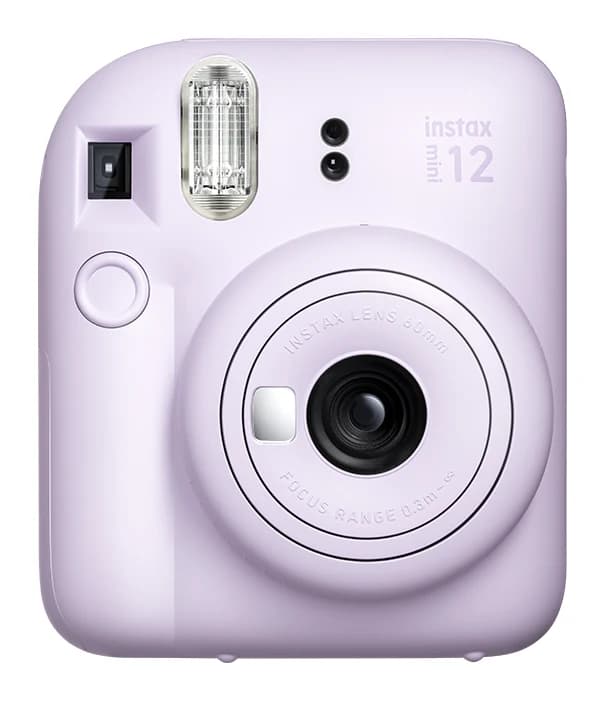
- Best OverallFujifilm Instax Mini 12Why we picked it →
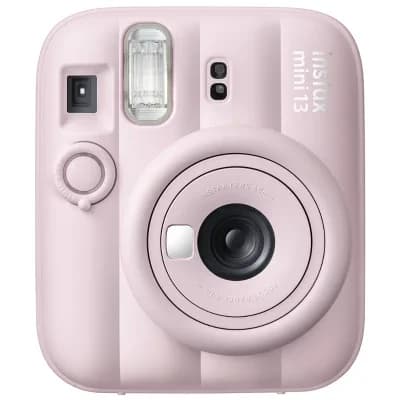
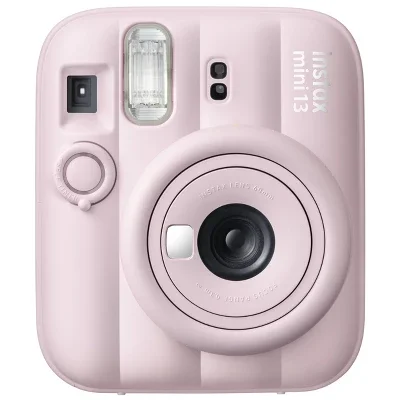
- Best ValueFujifilm Instax Mini 13Why we picked it →
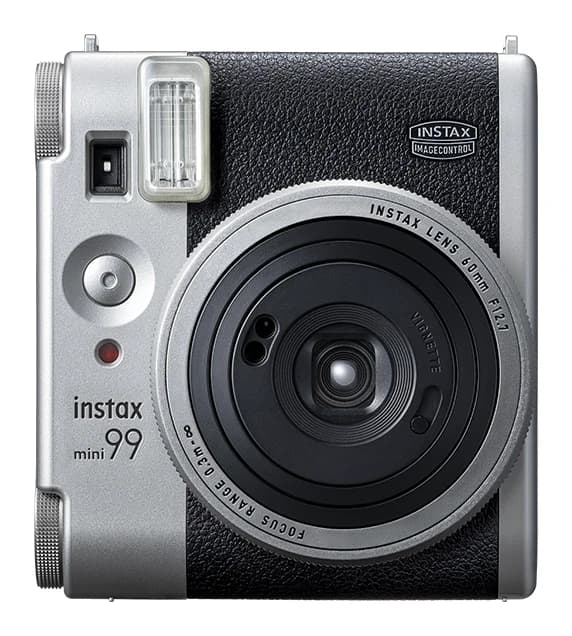
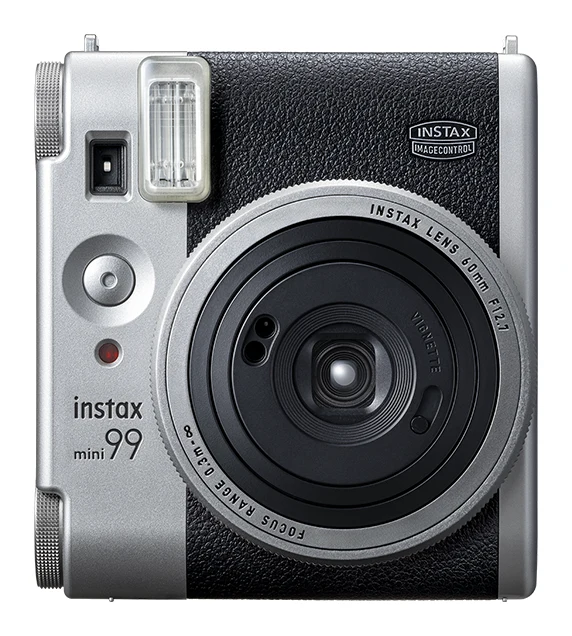
- Premium PickFujifilm Instax Mini 99Why we picked it →
Frequently asked questions
Is the FUJIFILM X-T30 III worth it?
For travelers, street shooters and beginners who want a pocketable camera with strong JPEG colour and capable video, reviewers say yes. It averages 8.7/10 across 3 expert reviews. It is less suited to anyone who needs IBIS, weather sealing or a larger grip.
Does the FUJIFILM X-T30 III have in-body image stabilization?
No. It has digital image stabilization for video, including walking footage, but no IBIS. This is a common criticism from reviewers.
Is the FUJIFILM X-T30 III weather sealed?
No. It has no weather sealing, so it is best kept away from heavy rain and dusty conditions.
What video does the FUJIFILM X-T30 III record?
It records internal 6.2K/30p 4:2:2 10-bit video, 4K/60p and 1080/240p slow motion.
How long does the X-T30 III battery last?
The CIPA rating is approx. 425 frames in Economy mode and approx. 315 frames in Normal mode. A spare battery is sensible for longer days.
Does the X-T30 III have dual card slots?
No. It has a single SD slot that supports UHS-I, which reviewers cite as a limit on storage flexibility.
Sources
Specs are taken from the manufacturers' official pages; expert recommendations from the publications below.
- FUJIFILM X-T30 III: fujifilm-x.com, dpreview.com, sansmirror.com
Related reviews & guides
Fujifilm X-M5 Review (2026): Pocket Camera, Big Video Specs
The Fujifilm X-M5 is the smallest, lightest X Series body, with a 26.1MP APS-C sensor and 6.2K video. Here is who it suits and what you give up.
Published Oct 30, 2026
Fujifilm Instax Mini 12 Review (2026): Simple Instant Fun
The Fujifilm Instax Mini 12 is a pastel, point-and-shoot instant camera built for people who want fun prints without settings. Here is what it does well, where it falls short and who should buy it.
Published Oct 30, 2026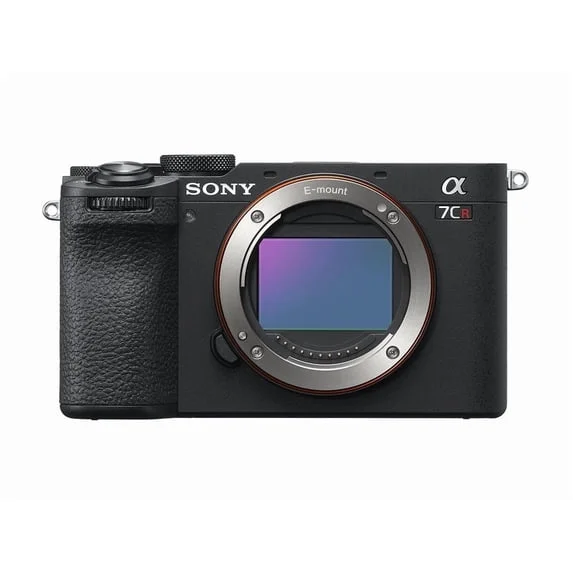
Sony a7CR Review (2026): 61MP in a Small Body
The Sony a7CR packs a 61MP full-frame sensor into a compact, weather-sealed body. We break down what the specs mean and what experts say about it.
Published Oct 19, 2026