Fujifilm X-M5 Review (2026): Pocket Camera, Big Video Specs
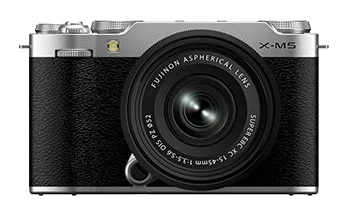
The Fujifilm X-M5 is the smallest, lightest X Series body, with a 26.1MP APS-C sensor and 6.2K video. Here is who it suits and what you give up.
Research-based · We earn from qualifying purchases
Our verdict
The X-M5 suits vloggers, travelers and Fujifilm fans who want a pocketable camera with excellent colour and strong video specs. Skip it if you rely on a viewfinder, in-body stabilization or comfortable handling with big lenses and large hands.
The good
- Tiny, light body at about 355 g that fits in a jacket pocket
- 26.1MP APS-C sensor delivers good image quality with Fujifilm colours
- 6.2K/30p 10-bit open-gate video is strong for a mid-range camera
- Vari-angle touchscreen suits vlogging and awkward low or high angles
- Film simulation dial gives quick access to Fujifilm looks
+2 more
- Vari-angle touchscreen suits vlogging and awkward low or high angles
- Film simulation dial gives quick access to Fujifilm looks
The bad
- No viewfinder, so bright-light shooting depends on the rear screen
- No in-body stabilization; digital stabilization in movie mode adds a crop
- Small grip and cramped controls can feel awkward for larger hands
- Single UHS-I SD slot limits card speed
+1 more
- Single UHS-I SD slot limits card speed
This Fujifilm X-M5 review looks at a camera built around one idea: put a proper APS-C sensor, serious video specs and Fujifilm's colour look into a body small enough to carry everywhere. It is the lightest and smallest X Series body, and it is aimed at vloggers, travellers and Fujifilm fans who would rather carry a camera than leave it at home.
This review is based on Fujifilm's manufacturer specifications and on what independent expert reviewers report, not on our own hands-on testing.
Fujifilm X-M5: specs at a glance
From the manufacturer- LCD
- 3.0-in vari-angle touchscreen, approx. 1.04 million dots
- Video
- 6.2K/30p 4:2:2 10-bit; 4K/60p; 1080/240p
- Sensor
- 23.5mm x 15.6mm (APS-C) X-Trans CMOS 4
- Weight
- Approx. 355 g / 12.5 oz including battery and memory card
- Battery
- NP-W126S, USB rechargeable; 440 shots CIPA per DPReview
- Storage
- Single SD slot, UHS-I
- Autofocus
- Intelligent Hybrid AF (TTL contrast AF / TTL phase detection AF)
- Processor
- X-Processor 5
- Lens mount
- FUJIFILM X mount
- Viewfinder
- None
- Effective pixels
- 26.1 million pixels
- Continuous shooting
- 8fps mechanical shutter; 30fps electronic shutter with 1.25x crop
- Image stabilization
- Digital only (movie mode)
- Dimensions (W x H x D)
- 111.9 mm × 66.6 mm × 38 mm
Key features
- Lightest, smallest X Series body, small enough for a jacket pocket
- 26.1MP back-illuminated X-Trans CMOS 4 sensor with X-Processor 5
- 6.2K/30p 4:2:2 10-bit open-gate video, plus 4K/60p and 1080/240p
- Subject-detection AF covering animals, birds, cars, bikes, planes and trains
- Dedicated film simulation dial with 20 recipes
- Three built-in microphones with selectable audio directions, plus 3.5mm mic and headphone jack
- Vari-angle touchscreen LCD for vlogging and low-angle shots
- Vertical 9:16 short-video mode for social media
Why people are looking at the Fujifilm X-M5
The X-M5 sits in the mid-range part of the market. It offers a 26.1MP back-illuminated X-Trans CMOS 4 sensor, the X-Processor 5 engine and a long list of video features, in a body that weighs approx. 355 g including battery and memory card. Reviewers consistently single out the combination of size, image quality and video capability as its main appeal.
It has also been recommended in 6 independent expert buying guides. Among the published scores we can cite, TechRadar rates it 4.5/5, Digital Camera World 5/5 and Stuff 5/5. That works out to an average of 9.7/10 across 3 expert reviews, which is a very strong showing.
The trade-offs are just as clear. There is no viewfinder, no in-body stabilization and a small grip. Whether those matter depends on how you shoot, and we cover them below.
Design and build: made to be carried
The body measures 111.9 mm × 66.6 mm × 38 mm. Fujifilm describes it as small enough for a jacket pocket, and reviewers echo that. The low weight makes it easy to bring along on a day out, a trip or a casual walk.
The flip side of a body this small is handling. A common criticism is that the grip is small and the controls are cramped, which can feel awkward for larger hands. If you have big hands, or you plan to pair the camera with large lenses, that is worth thinking through. The X-M5 is at its best as a compact, carry-everywhere camera rather than a rig built around heavy glass.
The other defining design choice is what is missing: there is no viewfinder. You compose on the rear screen. In bright light that can be a real limitation, because shooting then depends on the rear screen.
The rear screen
The 3.0-in vari-angle touchscreen has approx. 1.04 million dots. Because it articulates, it does more work here than a fixed screen would. It suits vlogging, where you need to see yourself, and it helps with low and high angles that would otherwise mean crouching or stretching. Reviewers praise it for exactly those awkward-angle situations.
Features and what they mean day to day
Film simulations, close at hand
Fujifilm's colour is a big part of the brand's appeal, and the X-M5 puts it within easy reach with a dedicated film simulation dial and 20 recipes. Instead of digging through menus, you can switch looks quickly. Reviewers credit the 26.1MP APS-C sensor with good image quality and Fujifilm colours, so the dial is a practical way to get a finished look straight from the camera.
Autofocus that recognises subjects
The camera uses Intelligent Hybrid AF, combining TTL contrast AF and TTL phase detection AF. Subject detection covers animals, birds, cars, bikes, planes and trains.
Built for social video
There is a vertical 9:16 short-video mode for social media, for shooting vertical video. The three built-in microphones offer selectable audio directions, and there is a 3.5mm mic and headphone jack for when you want better sound. Having both a mic input and a headphone output on a body this small is a clear plus for anyone who records talking-to-camera content.
Video performance
Video is a major part of the X-M5's appeal. The specs list:
- 6.2K/30p 4:2:2 10-bit open-gate video
- 4K/60p
- 1080/240p for slow motion
Reviewers call the 6.2K/30p 10-bit open-gate video strong for a mid-range camera. Open-gate recording uses the full sensor area, which gives you flexibility to reframe for different aspect ratios afterwards. That fits neatly with the vertical mode and with creators who publish to several platforms. The 10-bit 4:2:2 colour gives more room for colour grading than lower-bit-depth recording.
There are two caveats. First, there is no in-body image stabilization. Only digital stabilization is available, in movie mode, and it adds a crop. For handheld walking shots you may need to account for that, or use stabilized lenses or a gimbal. Second, the camera has a single SD slot that is UHS-I only. Reviewers point out that this limits card speed, which is worth keeping in mind given the high-resolution video formats on offer.
Stills, speed and sensor
The sensor is a 23.5mm x 15.6mm (APS-C) X-Trans CMOS 4 with 26.1 million effective pixels. It uses the FUJIFILM X mount, which gives access to the X-mount lens system. Continuous shooting reaches 8fps with the mechanical shutter. The electronic shutter goes up to 30fps with a 1.25x crop, which is handy for bursts but costs you some field of view.
Battery and connectivity
The camera uses an NP-W126S battery that is USB rechargeable. DPReview puts battery life at 440 shots by the CIPA standard. CIPA is a standardised test method, so it is useful for comparing cameras, but real-world use with video, screen use and heavy review will vary. If you plan on long shooting days, particularly with video, carrying a power bank for USB charging is a sensible habit.
For connections beyond the media slot, the 3.5mm mic and headphone jack is the notable feature, and the USB charging support adds convenience on the road.
What experts like and what they criticise
Reviewers praise the following:
- The tiny, light body.
- Image quality and Fujifilm colour from the 26.1MP APS-C sensor.
- The strength of the 6.2K/30p 10-bit video for a mid-range camera.
- The vari-angle touchscreen for vlogging and awkward angles.
- The film simulation dial for quick access to Fujifilm looks.
The criticisms are consistent too:
- The lack of a viewfinder makes bright-light shooting depend on the rear screen.
- The absence of in-body stabilization means digital stabilization is the only option in movie mode, and it adds a crop.
- The small grip and cramped controls can feel awkward for larger hands.
- The single UHS-I SD slot limits card speed.
None of these is a hidden flaw. The question is whether you can live with them.
Who should buy the Fujifilm X-M5, and who should skip it
Buy it if you are a vlogger, a traveller or a Fujifilm fan who wants a pocketable camera with strong colour and impressive video specs. It also suits anyone who wants a real interchangeable-lens camera that they will actually carry. The vari-angle screen, mic and headphone jacks, vertical video mode and film simulation dial all point toward creators who shoot and share quickly.
Skip it if you rely on a viewfinder, want in-body stabilization, or need comfortable handling with large lenses and bigger hands. If your shooting is mostly in bright sunlight, or you regularly shoot handheld video without a gimbal or stabilized lens, the missing features could become daily frustrations.
How it fits in its category
In general terms, the X-M5 trades handling and stabilization for size and video capability. The X-M5 puts its weight, quite literally, into being as small as possible while still offering a capable sensor and a generous video feature set. If you are weighing it against a larger, more traditional camera, decide first whether pocketability or handling matters more to you.
Verdict
The X-M5 suits creators who value colour and video. Experts rate it very highly, with an average of 9.7/10 across 3 expert reviews and recommendations in 6 independent guides. It makes real compromises: no viewfinder, no in-body stabilization, a small grip and a UHS-I card slot. If those do not describe how you shoot, this is a compelling, genuinely portable camera. If they do, look at something larger and more traditional.
Related buying guides
- FUJIFILM X-T30 III Review (2026): Small Body, Big Colour
- Fujifilm Instax Mini 12 Review (2026): Simple Instant Fun
- Best Digital Camera for Beginners 2026: Compact & Easy
- Best High-End Cameras 2026: Resolution, Speed & Video
- Best Instant Cameras 2026: Easy Snaps to Creative Control
- Nikon Z f Review (2026): Is Retro Worth the Quirks?
- Sony a7CR Review (2026): 61MP in a Small Body
Not sure about the Fujifilm X-M5? Consider these
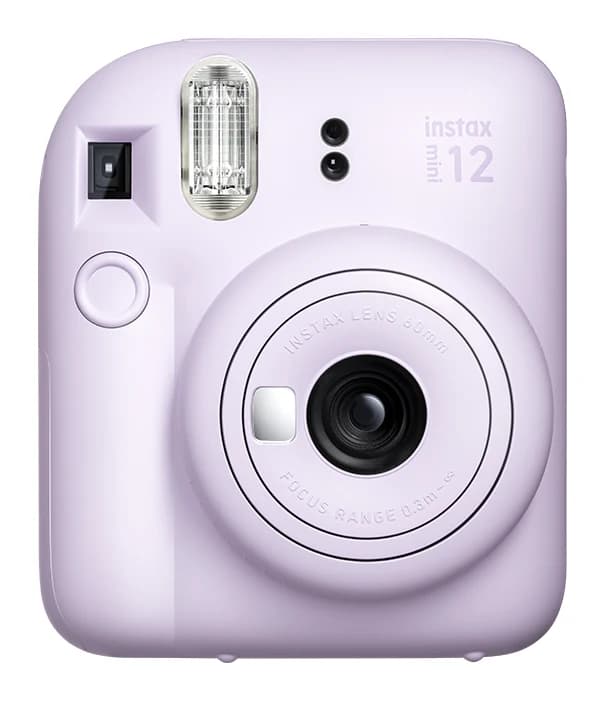
- Best OverallFujifilm Instax Mini 12Why we picked it →
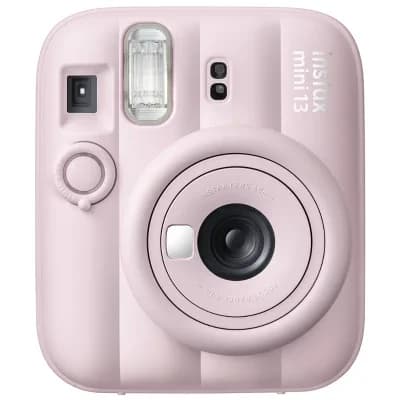
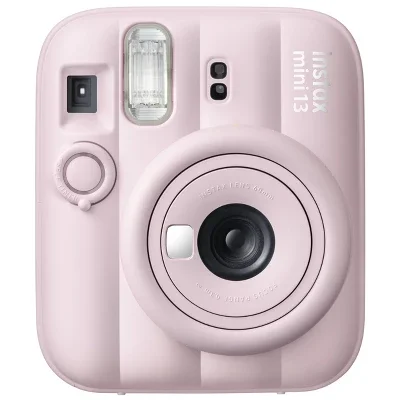
- Best ValueFujifilm Instax Mini 13Why we picked it →
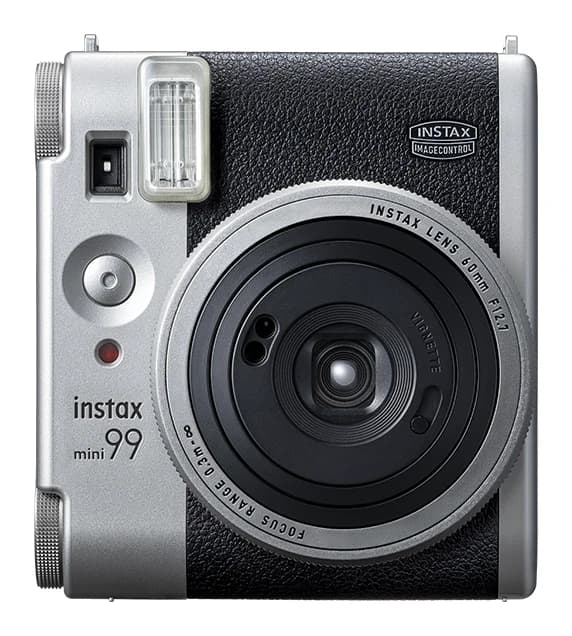
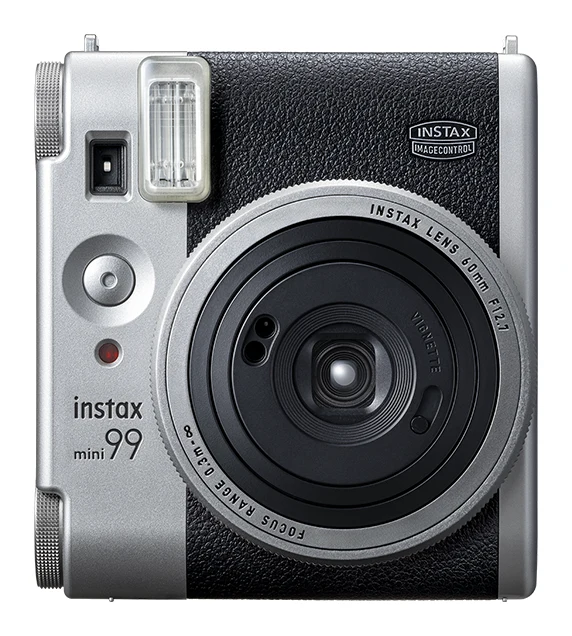
- Premium PickFujifilm Instax Mini 99Why we picked it →
Frequently asked questions
Is the Fujifilm X-M5 worth it?
For vloggers, travellers and Fujifilm fans who want a pocketable camera, experts say yes. It averages 9.7/10 across 3 expert reviews and is recommended in 6 independent guides. It is less suitable if you need a viewfinder or in-body stabilization.
Does the Fujifilm X-M5 have a viewfinder?
No. The X-M5 has no viewfinder, so you compose on the 3.0-in vari-angle touchscreen. Reviewers note that this can make shooting in bright light harder.
Does the Fujifilm X-M5 have in-body image stabilization?
No. Image stabilization is digital only, available in movie mode, and it adds a crop. For smoother handheld video you may need a stabilized lens or a gimbal.
What video quality can the Fujifilm X-M5 record?
The X-M5 records 6.2K/30p 4:2:2 10-bit open-gate video, 4K/60p and 1080/240p. It also has a vertical 9:16 mode for social media.
Does the Fujifilm X-M5 have a microphone jack?
Yes. It has a 3.5mm mic and headphone jack, plus three built-in microphones with selectable audio directions.
How long does the Fujifilm X-M5 battery last?
DPReview puts battery life at 440 shots by the CIPA standard. The NP-W126S battery is USB rechargeable, and real-world use will vary, especially if you shoot video.
Sources
Specs are taken from the manufacturers' official pages; expert recommendations from the publications below.
- Fujifilm X-M5: fujifilm-x.com, fujifilm-dsc.com
Related reviews & guides
FUJIFILM X-T30 III Review (2026): Small Body, Big Colour
A pocketable APS-C mirrorless camera built around Film Simulations, strong JPEG colour and capable video. This FUJIFILM X-T30 III review covers who it suits and where it cuts corners.
Published Oct 19, 2026
Fujifilm Instax Mini 12 Review (2026): Simple Instant Fun
The Fujifilm Instax Mini 12 is a pastel, point-and-shoot instant camera built for people who want fun prints without settings. Here is what it does well, where it falls short and who should buy it.
Published Oct 30, 2026
Best Digital Camera for Beginners 2026: Compact & Easy
Five beginner-friendly cameras from Canon, Fujifilm, Nikon and Olympus, compared on sensor, weight, screen, autofocus and video, with expert recommendation counts.
Published Oct 11, 2026