Nikon Z f Review (2026): Is Retro Worth the Quirks?
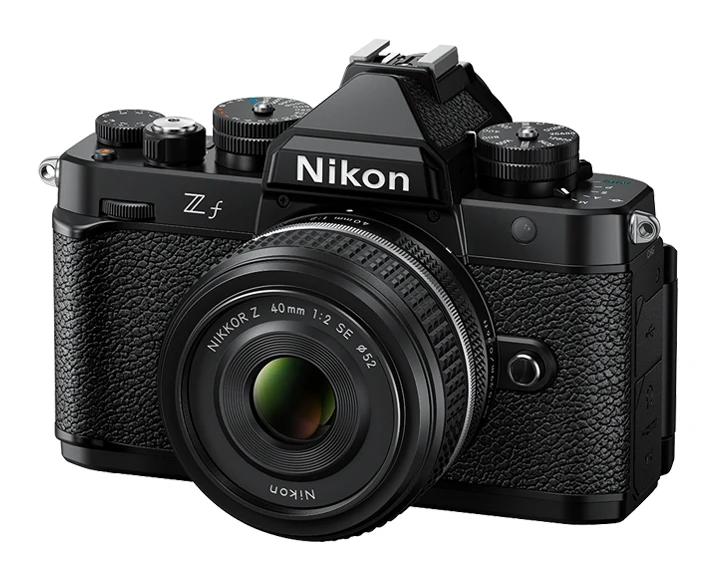
A full-frame camera with dials, a magnesium-alloy body and modern autofocus. Here is what the Nikon Z f offers, where experts say it frustrates, and who should buy it.
Research-based · We earn from qualifying purchases
Our verdict
The Nikon Z f suits enthusiasts and hybrid shooters who want full-frame image quality, strong autofocus and tactile retro handling, backed by consistently strong expert reviews. Skip it if you need a comfortable grip for big lenses, fast dual card slots or uncropped 4K/60p video.
The good
- 24.5MP full-frame sensor delivers excellent image quality and clean high-ISO output
- Retro design with tactile dials and a dust- and drip-resistant magnesium-alloy body
- Subject detection for 9 subject types with 3D tracking, a big step up from the Z6 II
- 8.0-stop 5-axis in-body stabilization helps with sharp handheld low-light shots
- Vari-angle touchscreen and 10-bit H.265 video suit hybrid shooters and vloggers
+2 more
- 8.0-stop 5-axis in-body stabilization helps with sharp handheld low-light shots
- Vari-angle touchscreen and 10-bit H.265 video suit hybrid shooters and vloggers
The bad
- Slim grip and heavy body feel uncomfortable, especially with larger lenses
- Second card slot is slower UHS-I microSD, limiting storage performance
- Awkward dial and button interaction, with limited custom buttons and no quick Auto ISO
- 4K/60p is cropped (DX) and rolling shutter limits video
+1 more
- 4K/60p is cropped (DX) and rolling shutter limits video
This Nikon Z f review looks at a mid-range full-frame camera with retro styling. It pairs a 24.5MP sensor and modern autofocus with a body styled like a classic film SLR. The short verdict: it suits enthusiasts and hybrid shooters who want excellent image quality and tactile, dial-led handling. It is a poorer fit if you need a comfortable grip for big lenses, fast dual card slots or uncropped 4K/60p video.
This review is based on Nikon's published specifications and what independent expert reviews report. We have not handled the camera ourselves. Across 5 expert reviews it averages 9.2/10, which is a very strong showing. DPReview scores it 90/100 and Photography Blog gives it 5/5.
Nikon Z f: specs at a glance
From the manufacturer- Video
- 4K UHD/60p (DX crop), 4K/30p oversampled from 6K, 1080/120p
- Sensor
- 35.9 x 23.9 mm CMOS (full-frame/FX-format)
- Weight
- approx. 710 g with battery and card; approx. 630 g body only
- Battery
- EN-EL15c, 380 shots CIPA (LCD)
- Storage
- SD (UHS-II) + microSD (UHS-I)
- ISO range
- ISO 100 to 64000
- Viewfinder
- approx. 3690k-dot OLED EVF, approx. 0.8x magnification
- Focus points
- 273 (single-point AF, FX format)
- Rear monitor
- 3.2 in. vari-angle touchscreen, 2100k dots
- Effective pixels
- 24.5 million
- Continuous shooting
- up to approx. 14 fps (30 fps with C30 mode)
- Image stabilization
- 8.0-stop in-camera VR (5-axis)
- Dimensions (W x H x D)
- approx. 144 x 103 x 49 mm
- Autofocus detection range
- -10 to +19 EV
Key features
- 24.5MP full-frame BSI CMOS sensor with EXPEED 7 processor for clean, detailed images
- 8.0-stop in-camera vibration reduction for sharp handheld shots in low light
- Subject detection for 9 subject types with 3D tracking for reliable autofocus
- Dedicated B&W selector and Flat/Deep Tone Monochrome Picture Controls
- Pixel-shift shooting for higher-resolution stills
- Vari-angle 3.2-in. touchscreen for vlogging, selfies and low-angle shots
- In-camera 10-bit H.265 video, 4K UHD/60p, 4K from 6K oversampling, up to 125 minutes recording
- Magnesium-alloy body with dust and drip resistance and dual SD/microSD slots
Nikon Z f review: design and build
The Z f's appeal starts with how it looks and feels. Nikon has built a retro body with physical dials, and the tactile handling is a highlight. If you like setting exposure with your fingertips rather than menus, this is the main reason to consider it.
The body is magnesium alloy with dust and drip resistance. That is reassuring for a camera that looks like it belongs on a shelf. It weighs approx. 710 g with battery and card, or approx. 630 g body only, and measures approx. 144 x 103 x 49 mm. A common criticism is that the slim grip and heavy body feel uncomfortable, especially with larger lenses. Small, light lenses suit the camera's character better.
The viewfinder is an approx. 3690k-dot OLED EVF with approx. 0.8x magnification. On the back is a 3.2 in. vari-angle touchscreen with 2100k dots. The swing-out screen is useful for low-angle shots, selfies and vlogging.
Image quality and sensor
The Z f uses a 24.5MP full-frame BSI CMOS sensor (35.9 x 23.9 mm) with the EXPEED 7 processor. Reviewers praise the image quality and clean high-ISO output. The ISO range runs from ISO 100 to 64000, so there is headroom for dim interiors and evening street work.
Two features suit the camera's character:
- Dedicated B&W selector and Flat/Deep Tone Monochrome Picture Controls. These make black-and-white shooting a first-class option rather than a buried menu setting.
- Pixel-shift shooting. This produces higher-resolution stills, which is useful for static subjects such as products, landscapes and architecture.
Autofocus and stabilization
This is where the "modern brains" claim holds up. The Z f offers subject detection for 9 subject types with 3D tracking, and reviewers describe it as a big step up from the Z6 II. The autofocus detection range is -10 to +19 EV, and single-point AF in FX format has 273 focus points.
In-camera stabilization is rated at 8.0-stop (5-axis). The stabilization helps with sharp handheld shots in low light. You can often use slower shutter speeds with static subjects, though stabilization does not freeze moving ones.
Continuous shooting reaches up to approx. 14 fps, or 30 fps with C30 mode. Reviewers note that the second card slot is slower UHS-I microSD, which limits storage performance (see below).
Video capabilities
The Z f offers a solid video feature set for a stills-focused body. It records in-camera 10-bit H.265 and offers 4K/30p oversampled from 6K, as well as 1080/120p for slow motion. Recording runs up to 125 minutes. Together with the vari-angle touchscreen, that makes it appealing to hybrid shooters and vloggers.
There is a catch. 4K UHD/60p uses a DX crop, and reviewers note that rolling shutter limits video. If your work depends on uncropped high-frame-rate 4K, this is a real limitation. For occasional video alongside stills, or for 4K/30p that benefits from 6K oversampling, the feature set suits the job.
Battery, storage and connectivity
The camera uses the EN-EL15c battery, rated at 380 shots CIPA (LCD). Carrying a spare is a sensible precaution for long days or video work.
The dual card slots are mismatched. One takes SD (UHS-II) and the other microSD (UHS-I). Reviewers flag the slower microSD slot as limiting storage performance. It works as a backup or overflow slot, but it is not equivalent to a pair of fast SD slots. If you plan to use it, our guide to the best microSD cards for cameras explains what to look for.
What experts like and what they criticise
The praise is consistent. Reviewers single out:
- the image quality and clean high-ISO output from the 24.5MP full-frame sensor;
- the retro design, tactile dials and dust- and drip-resistant magnesium-alloy body;
- the subject detection and 3D tracking, which they call a big step up from the Z6 II;
- the 8.0-stop 5-axis stabilization for handheld low-light shooting;
- the vari-angle touchscreen and 10-bit H.265 video for hybrid shooters and vloggers.
The criticisms are just as consistent, and they are mostly about handling and practicality rather than image quality:
- The slim grip and heavy body feel uncomfortable, especially with larger lenses.
- The second card slot is slower UHS-I microSD.
- Dial and button interaction can be awkward. There are limited custom buttons and no quick Auto ISO.
- 4K/60p is cropped (DX), and rolling shutter limits video.
The pattern is clear. The Z f delivers on the technical side, but the retro approach costs some ergonomic convenience. How much that matters depends on whether you enjoy the dial-led style or just want the fastest route to a setting.
Who should buy the Nikon Z f, and who should skip it
Buy it if you:
- want full-frame image quality in a body that is enjoyable to handle;
- shoot street, travel, portraits or low-light scenes where stabilization and clean high-ISO files help;
- like physical dials and a dedicated black-and-white workflow;
- shoot a mix of stills and video and value a vari-angle screen and 10-bit H.265.
Skip it if you:
- regularly use large, heavy lenses and need a deep, secure grip;
- need two fast card slots for events or sports;
- depend on uncropped 4K/60p video;
- want extensive custom buttons and quick Auto ISO access.
If you are new to cameras and want something simple and compact, our guide to the best digital cameras for beginners is a better starting point.
How it fits among full-frame cameras
In general terms, the Z f sits in the mid-range part of the market. It offers subject detection with 3D tracking, strong stabilization and 10-bit video in a package that puts style and feel first. Cameras that prioritize ergonomics, dual fast card slots or video specs may suit some buyers better. To see how it compares with the wider field, browse our guide to the best high-end cameras.
Verdict
The Nikon Z f is an easy camera to like and a slightly harder one to live with if you are particular about handling. The sensor, autofocus and stabilization are strong, and expert scores are high, with a 9.2/10 average across 5 reviews. The trade-offs are practical: a slim grip on a heavy body, a slower second card slot, cropped 4K/60p and some awkward controls. For enthusiasts and hybrid shooters who want full-frame quality with real character, it is a compelling choice. If you need the most ergonomic or video-focused tool, look elsewhere.
Related buying guides
Not sure about the Nikon Z f? Consider these
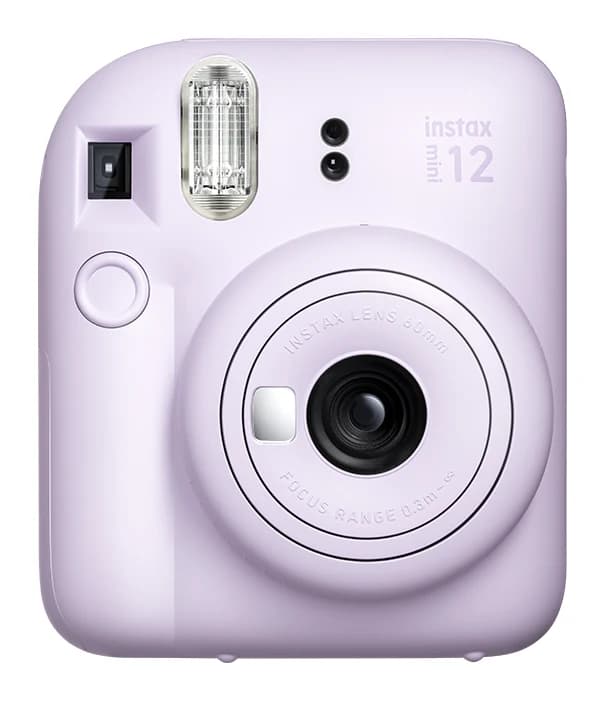
- Best OverallFujifilm Instax Mini 12Why we picked it →
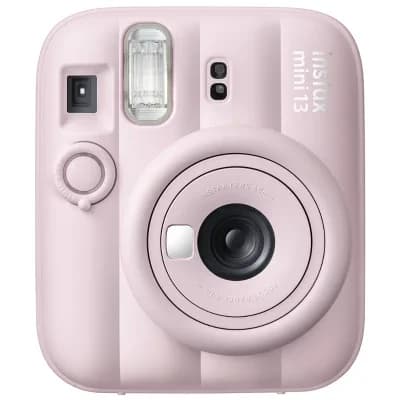
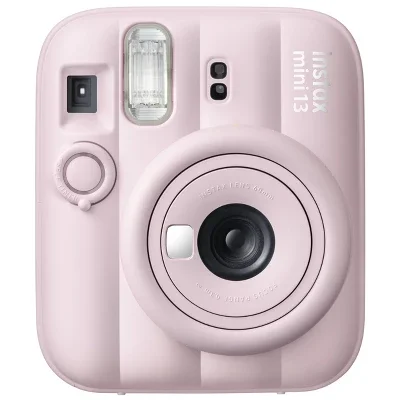
- Best ValueFujifilm Instax Mini 13Why we picked it →
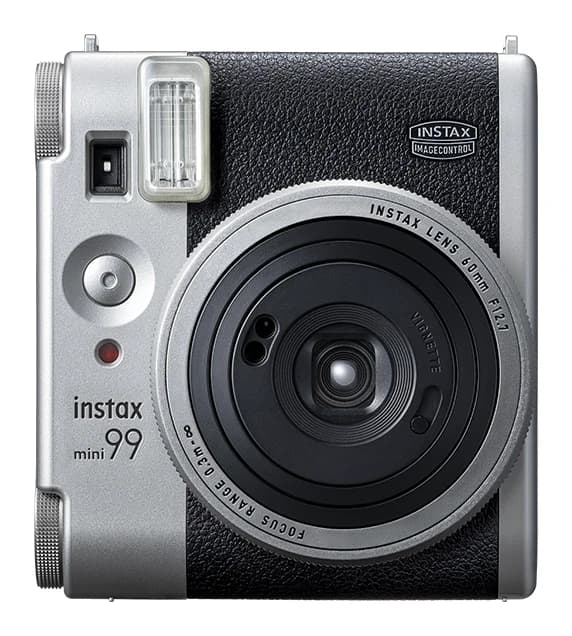
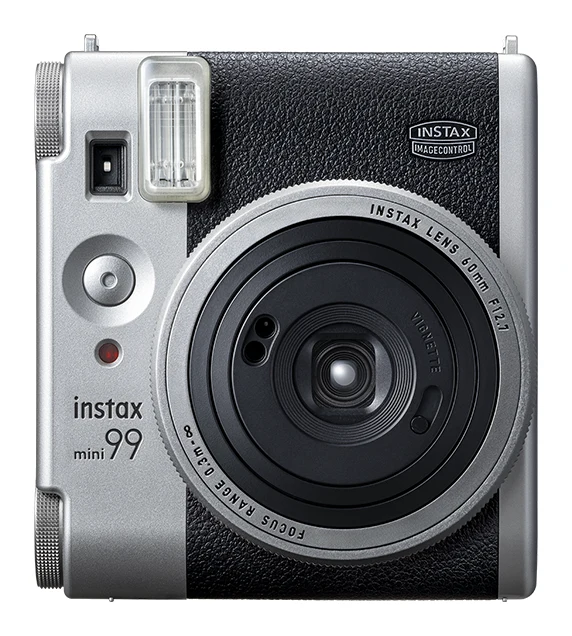
- Premium PickFujifilm Instax Mini 99Why we picked it →
Frequently asked questions
Is the Nikon Z f worth it?
For enthusiasts and hybrid shooters who want full-frame image quality, strong autofocus and tactile retro handling, experts say yes. It averages 9.2/10 across 5 expert reviews. It is less compelling if you need a deep grip, fast dual card slots or uncropped 4K/60p video.
Does the Nikon Z f have in-body image stabilization?
Yes. It has 8.0-stop in-camera vibration reduction (5-axis), which reviewers say helps with sharp handheld shots in low light.
Can the Nikon Z f shoot 4K video?
Yes. It offers 4K UHD/60p (DX crop) and 4K/30p oversampled from 6K, plus 1080/120p. It records in-camera 10-bit H.265. Reviewers note that the 4K/60p crop and rolling shutter limit video.
What memory cards does the Nikon Z f use?
It has dual slots: one SD (UHS-II) and one microSD (UHS-I). Reviewers point out that the microSD slot is slower, which limits storage performance.
How good is the Nikon Z f's battery life?
It uses the EN-EL15c battery, rated at 380 shots CIPA (LCD). Carrying a spare is sensible for long days or video work.
Is the Nikon Z f weather-sealed?
It has a magnesium-alloy body with dust and drip resistance, which is reassuring for a camera with a retro look.
Sources
Specs are taken from the manufacturers' official pages; expert recommendations from the publications below.
- Nikon Z f: nikonusa.com, imaging.nikon.com, dpreview.com, bhphotovideo.com
Related reviews & guides
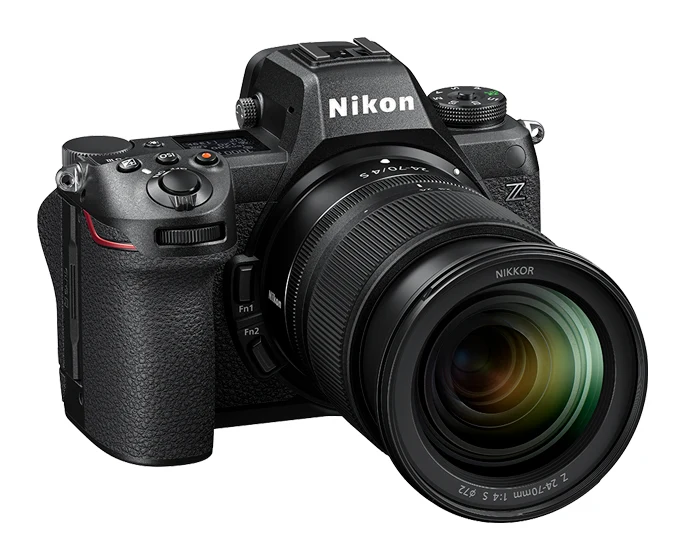
Nikon Z6III Review (2026): Hybrid Shooter's All-Rounder
Our Nikon Z6III review looks at a 24.5MP full-frame hybrid with fast autofocus, a very bright viewfinder and serious video options, plus where experts say it falls short.
Published Oct 25, 2026
Best Digital Camera for Beginners 2026: Compact & Easy
Five beginner-friendly cameras from Canon, Fujifilm, Nikon and Olympus, compared on sensor, weight, screen, autofocus and video, with expert recommendation counts.
Published Oct 11, 2026
Best Instant Cameras 2026: Easy Snaps to Creative Control
Five instant cameras compared from manufacturer specs and expert recommendations, from simple point-and-shoot Instax models to creative, manual-control options.
Published Oct 29, 2026