Nikon Z6III Review (2026): Hybrid Shooter's All-Rounder
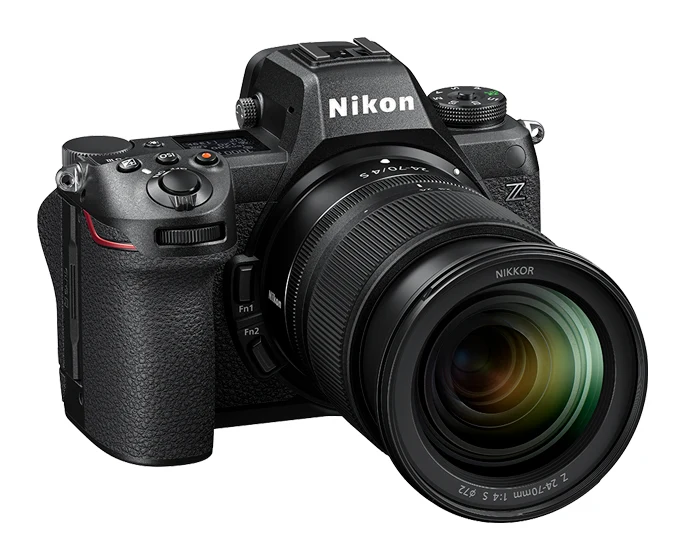
Our Nikon Z6III review looks at a 24.5MP full-frame hybrid with fast autofocus, a very bright viewfinder and serious video options, plus where experts say it falls short.
Research-based · We earn from qualifying purchases
Our verdict
The Z6III is a strong all-round hybrid for photographers and videographers who want fast, dependable autofocus, a superb viewfinder and serious video features in a weather-sealed body. Buyers who prioritize maximum dynamic range or higher resolution, or who want the lowest price, may be better served elsewhere.
The good
- Reliable autofocus with 3D tracking and nine subject types, down to −10 EV
- Very bright, detailed 5760k-dot viewfinder with wide color gamut
- Fast bursts: 20 fps RAW and 60 fps full-resolution JPEG
- Internal 6K/60p N-RAW video with 4K/120p and Full HD/240p options
- Weather-sealed body with 8-stop stabilization and a versatile vari-angle screen
+2 more
- Internal 6K/60p N-RAW video with 4K/120p and Full HD/240p options
- Weather-sealed body with 8-stop stabilization and a versatile vari-angle screen
The bad
- Dynamic range is slightly lower than some rivals and the Z6 II
- Pricier than earlier Z6 models, yet resolution stays at 24.5MP
- No battery charger in the box; charging is USB-C PD only
- N-RAW has limited software support, and some saw noise pulsing in deep shadows
+1 more
- N-RAW has limited software support, and some saw noise pulsing in deep shadows
This Nikon Z6III review is based on the manufacturer's specifications and what independent experts report. It covers a full-frame mirrorless camera built around a 24.5MP partially-stacked sensor and the EXPEED 7 processor. It is aimed at people who split their time between stills and video and want one body that handles both. It sits in the mid-range part of the market and has been recommended in 4 expert buying guides.
Nikon Z6III: specs at a glance
From the manufacturer- Video
- 6K/60p N-RAW, 6K/30p ProRes RAW HQ, 4K UHD/120p, Full HD/240p
- Sensor
- 24.5MP partially-stacked CMOS, 35.9 x 23.9 mm (FX)
- Weight
- 670 g (23.7 oz) body only; approx. 760 g with battery and card
- Battery
- EN-EL15c rechargeable Li-ion
- Monitor
- 3.2 in. vari-angle touchscreen, 2100k-dot
- Storage
- CFexpress (Type B)/XQD slot plus SD UHS-II slot
- Autofocus
- 299 focus points (auto-area AF), detection range −10 to +19 EV
- ISO range
- 100-64000 (expandable up to 204800)
- Processor
- EXPEED 7
- Dimensions
- 138.5 x 101.5 x 74 mm (5.5 x 4 x 3 in.)
- Viewfinder
- 0.5-in. OLED, approx. 5760k-dot, 0.8x magnification
- Shutter speed
- Mechanical 1/8000 sec; electronic 1/16000 sec
- Continuous shooting
- 20 fps RAW / 60 fps JPEG full-res / 120 fps JPEG at 11MP
- Image stabilization
- 5-axis in-body, up to 8 stops
- Max video record time
- 2 hours 5 minutes
Key features
- Partially-stacked 24.5MP sensor with EXPEED 7 for fast readout and fast autofocus
- Autofocus with 3D tracking and detection of 9 subject types, down to −10 EV
- Shoots up to 20 fps in RAW, 60 fps in full-resolution JPEG, and 120 fps in JPEG at 11MP
- Internal 6K/60p N-RAW video, plus Full HD/240p for 10x slow motion
- Very bright 5760k-dot EVF at 4000 nits, with a DCI-P3 equivalent gamut
- 5-axis in-body stabilization rated up to 8 stops, with Focus Point VR
- 3.2-inch vari-angle touchscreen suited to vlogging and low-angle shooting
- Z8-level weather sealing, rated to work down to -10°C/14°F
Why People Consider the Z6III
The Z6III's pitch is speed and flexibility. The partially-stacked sensor is designed for fast readout, and that feeds into the autofocus system, the burst rates and the video modes. Resolution stays at 24.5MP, while the partially-stacked sensor and EXPEED 7 processor are built for fast readout and autofocus.
Expert reviewers have responded well. It averages 9.8/10 across 4 expert reviews: TechRadar, Digital Camera World and ePHOTOzine each score it 5/5, and DPReview gives it 91/100. That is a strong run of scores, though the criticisms below are real and worth weighing against your own priorities.
Design and Build
The Z6III is a mid-sized full-frame body measuring 138.5 x 101.5 x 74 mm (5.5 x 4 x 3 in.). It weighs 670 g (23.7 oz) body only, or approx. 760 g with a battery and card fitted. Lens choice will change the overall load.
The weather sealing is described as Z8-level, and the camera is rated to work down to -10°C/14°F. If you shoot outdoors in rough conditions, such as cold mornings, damp trails or dusty events, that is useful to know about.
Screen and Viewfinder
The rear monitor is a 3.2 in. vari-angle touchscreen with 2100k-dot resolution. A vari-angle design suits vlogging, selfie-style framing and low-angle shooting, because the screen can face forward or tilt away from the body rather than sitting in a fixed position.
The viewfinder is a real highlight. It is a 0.5-in. OLED panel with approx. 5760k-dot resolution and 0.8x magnification, and it reaches 4000 nits with a gamut equivalent to DCI-P3. In practical terms, a very bright finder helps you compose in harsh daylight, and a wide gamut means the preview is closer to the colors you are trying to capture. Reviewers consistently praise it as very bright and detailed.
Cards and Power
There are two card slots: one CFexpress (Type B)/XQD and one SD UHS-II. The fast slot makes sense for high-speed bursts and high-bitrate video, while the SD slot gives you a more familiar, flexible option for backup or overflow.
Power comes from the EN-EL15c rechargeable Li-ion battery. One practical point: there is no battery charger in the box, and charging is via USB-C PD only. If you already own a compatible USB-C power source this is easy to live with, but it is worth knowing before you buy, and a common criticism among reviewers.
Nikon Z6III Review: Autofocus and Stills Performance
Autofocus is one of the areas reviewers praise, and they call it reliable. It offers 3D tracking and detection of 9 subject types, with 299 focus points in auto-area AF and a detection range of −10 to +19 EV. The low end of that range is useful in dim venues, indoor events and evening light, where the camera still needs to find and hold a subject.
Burst shooting is equally capable on paper:
- Up to 20 fps in RAW
- 60 fps in full-resolution JPEG
- 120 fps in JPEG at 11MP
Combined with a mechanical shutter up to 1/8000 sec and an electronic shutter up to 1/16000 sec, that gives you room to freeze fast action or shoot wide open in bright light. The ISO range is 100-64000, expandable up to 204800, which covers a wide spread of lighting situations.
Stabilization is 5-axis in-body, rated up to 8 stops, with Focus Point VR. For handheld shooting at slower shutter speeds, and for steadier video, that is a meaningful safety net. As with any manufacturer rating, real-world results depend on your lens, focal length and technique.
The Resolution Question
The trade-off is resolution. At 24.5MP, the Z6III offers the same pixel count as earlier Z6 models, and reviewers note that it is priced higher than those. Another common criticism is that dynamic range is slightly lower than some rivals and the Z6 II. If you routinely crop heavily, print very large or lean hard on pulling detail out of shadows, those points deserve attention. If your priority is catching the shot, they matter less.
Video Features and What They Mean Day to Day
Video is the other half of the hybrid story. The Z6III records 6K/60p N-RAW internally; other listed video modes are 6K/30p ProRes RAW HQ, 4K UHD/120p and Full HD/240p. The Full HD/240p mode gives you 10x slow motion, and the 4K/120p option is there for smoother slow-motion work at higher resolution. Maximum video record time is 2 hours 5 minutes.
RAW video comes with caveats. Reviewers note that N-RAW has limited software support, and some saw noise pulsing in deep shadows. If your workflow depends on a particular editing app, check compatibility before committing to that format. Large RAW files also demand a capable editing machine; our guide to the best laptops for video editing is a useful starting point if you are upgrading.
What Experts Like and What They Criticise
Praise. Reviewers repeatedly highlight the reliable autofocus, the very bright and detailed viewfinder with wide color gamut, and the fast bursts. They also point to the internal 6K/60p N-RAW video alongside the 4K/120p and Full HD/240p options, and to the combination of weather sealing, 8-stop stabilization and a versatile vari-angle screen.
Criticism. The complaints are narrower but concrete:
- Dynamic range is slightly lower than some rivals and the Z6 II.
- It costs more than earlier Z6 models without a resolution increase.
- No charger is included, so you rely on USB-C PD charging.
- N-RAW has limited software support, and some noticed noise pulsing in deep shadows.
The dynamic range and resolution points could be decisive for buyers who prioritize maximum dynamic range or higher resolution.
Who Should Buy the Z6III, and Who Should Skip It
Buy it if you shoot a mix of stills and video and want fast, dependable autofocus. It also suits you if you value a superb viewfinder, need a weather-sealed body for outdoor work, or want internal 6K/60p N-RAW video and high-frame-rate options such as 4K/120p and Full HD/240p.
Skip it if your priority is maximum dynamic range or higher resolution, since the sensor stays at 24.5MP and reviewers flag dynamic range as slightly behind some rivals. Buyers who want the lowest possible price may also be better served elsewhere, as may anyone who needs a charger in the box. If you have no use for fast bursts or advanced video, you are paying for capability you will not use.
How It Fits in the Full-Frame Category
The Z6III's strengths are autofocus, burst speed, viewfinder quality and video features, while resolution stays at 24.5MP. Think about which of those areas you will actually use before comparing it with other cameras.
Verdict
The Z6III is a confident, well-rounded hybrid. Its autofocus, viewfinder, burst speeds and video options are consistently praised, and the weather-sealed body with in-body stabilization makes it practical for real-world shooting. The compromises are clear too: resolution stays at 24.5MP, dynamic range is slightly behind some rivals, the price is higher than earlier Z6 models, and N-RAW workflows need some care. If your work is built around speed and video, it is an easy camera to recommend.
Related buying guides
- Nikon Z f Review (2026): Is Retro Worth the Quirks?
- Best Digital Camera for Beginners 2026: Compact & Easy
- Best High-End Cameras 2026: Resolution, Speed & Video
- Sony a7CR Review (2026): 61MP in a Small Body
- Canon EOS R50 Review (2026): Small Body, Smart Autofocus
- FUJIFILM X-T30 III Review (2026): Small Body, Big Colour
- KODAK PIXPRO WPZ2 Review (2026): Rugged but Basic
Not sure about the Nikon Z6III? Consider these
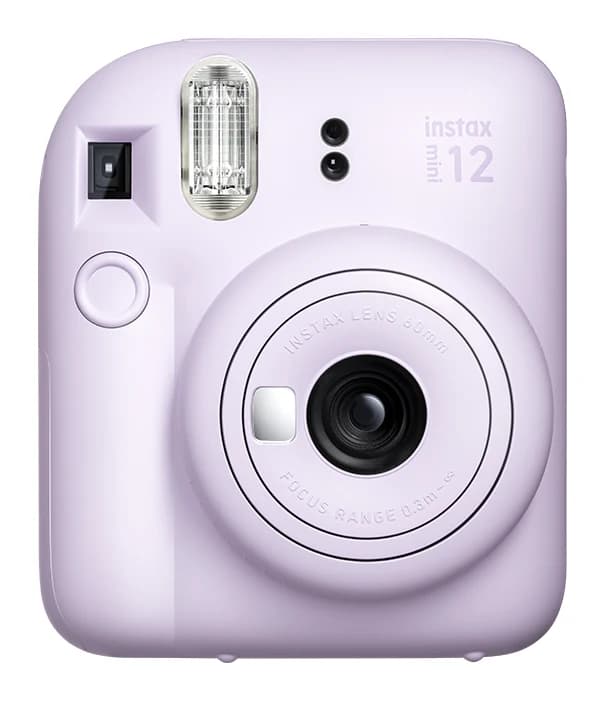
- Best OverallFujifilm Instax Mini 12Why we picked it →
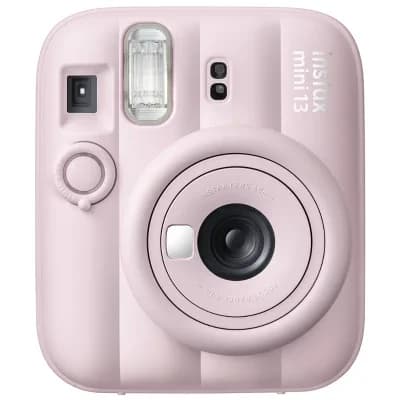
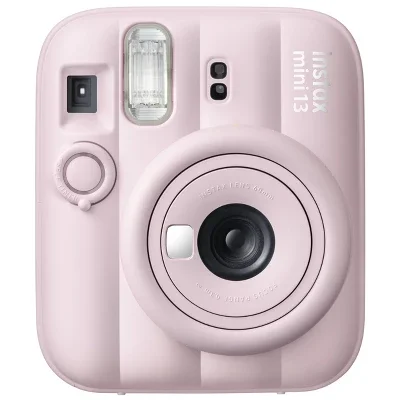
- Best ValueFujifilm Instax Mini 13Why we picked it →
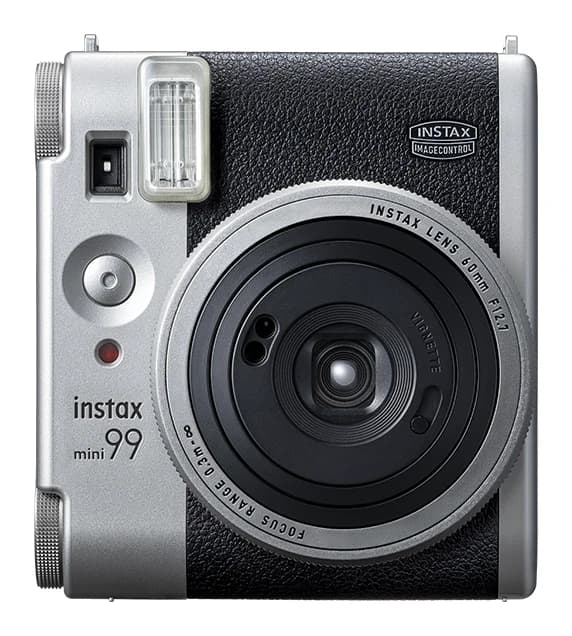
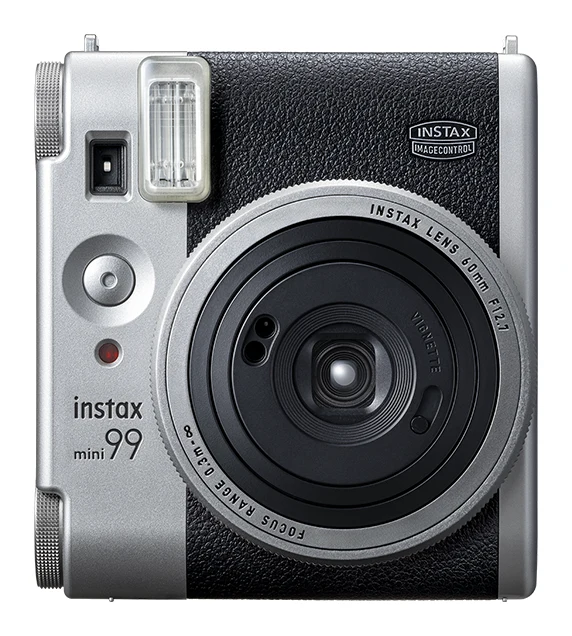
- Premium PickFujifilm Instax Mini 99Why we picked it →
Frequently asked questions
Is the Nikon Z6III worth it?
For hybrid shooters who want fast autofocus, a very bright viewfinder and strong video features in a weather-sealed body, experts say yes. It averages 9.8/10 across 4 expert reviews. If you want higher resolution or maximum dynamic range, or the lowest price, other cameras may suit you better.
What video can the Nikon Z6III record?
It records 6K/60p N-RAW internally; other listed video modes are 6K/30p ProRes RAW HQ, 4K UHD/120p and Full HD/240p, the last of which gives 10x slow motion. Maximum video record time is 2 hours 5 minutes.
Does the Nikon Z6III have image stabilization?
Yes. It has 5-axis in-body stabilization rated up to 8 stops, along with Focus Point VR.
Is the Nikon Z6III weather sealed?
Nikon describes the sealing as Z8-level, and the camera is rated to work down to -10°C/14°F.
Does the Nikon Z6III come with a battery charger?
No. Reviewers note that no charger is in the box and that charging is USB-C PD only. It uses the EN-EL15c rechargeable Li-ion battery.
How fast does the Nikon Z6III shoot?
Up to 20 fps in RAW, 60 fps in full-resolution JPEG, and 120 fps in JPEG at 11MP.
What memory cards does the Nikon Z6III use?
It has two slots: one CFexpress (Type B)/XQD slot and one SD UHS-II slot.
Sources
Specs are taken from the manufacturers' official pages; expert recommendations from the publications below.
- Nikon Z6III: nikonusa.com, imaging.nikon.com
Related reviews & guides
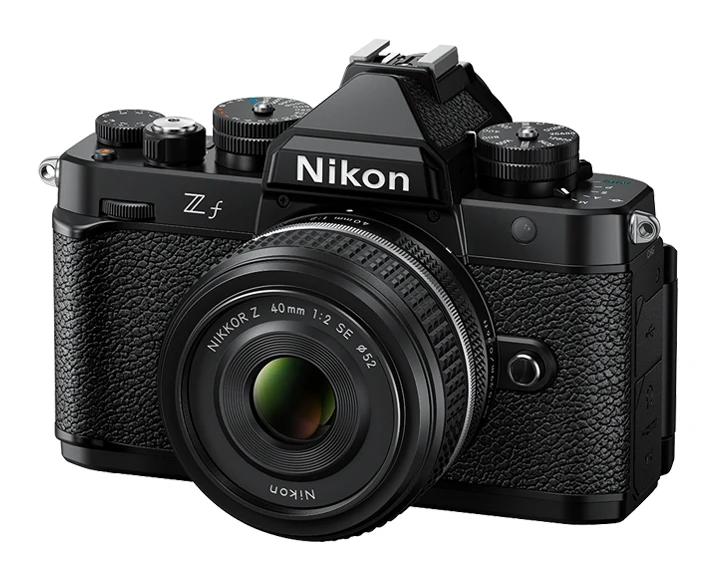
Nikon Z f Review (2026): Is Retro Worth the Quirks?
A full-frame camera with dials, a magnesium-alloy body and modern autofocus. Here is what the Nikon Z f offers, where experts say it frustrates, and who should buy it.
Published Oct 19, 2026
Best Digital Camera for Beginners 2026: Compact & Easy
Five beginner-friendly cameras from Canon, Fujifilm, Nikon and Olympus, compared on sensor, weight, screen, autofocus and video, with expert recommendation counts.
Published Oct 11, 2026
Best Instant Cameras 2026: Easy Snaps to Creative Control
Five instant cameras compared from manufacturer specs and expert recommendations, from simple point-and-shoot Instax models to creative, manual-control options.
Published Oct 29, 2026