Canon EOS R50 Review (2026): Small Body, Smart Autofocus
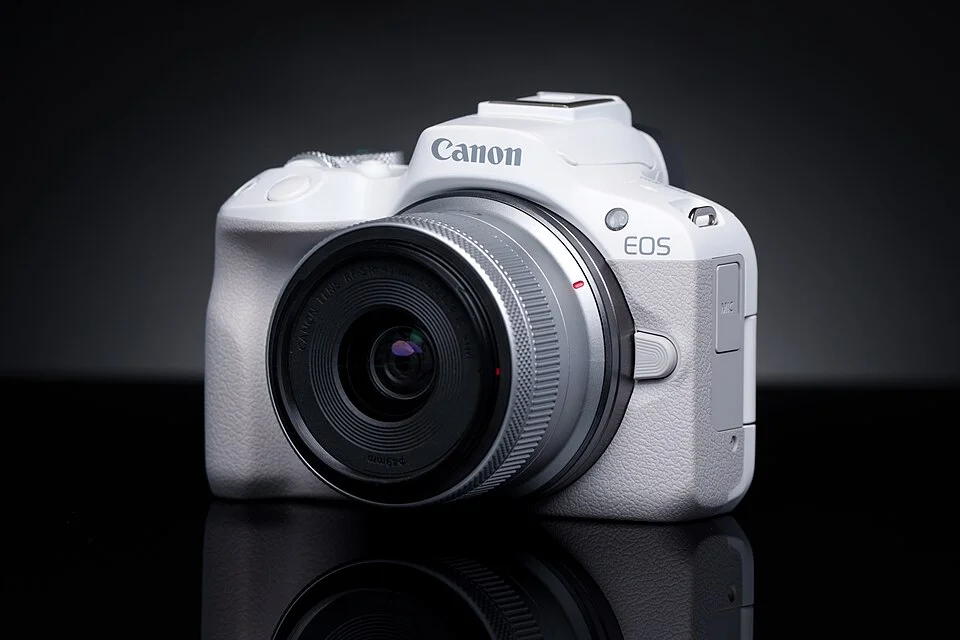
Our Canon EOS R50 review covers its compact body, subject-detecting autofocus and uncropped 4K video, and the handling and lens limits that reviewers flag.
Research-based · We earn from qualifying purchases
Our verdict
The Canon EOS R50 suits beginners, travelers and vlogger-minded creators who want a small camera with strong autofocus and uncropped 4K video. Skip it if you need in-body stabilization, weather sealing, a deep native lens lineup or comfortable handling for demanding burst shooting.
The good
- Subject-detecting autofocus tracks people, animals and vehicles well for the price
- Compact body at about 375 g with battery and card
- Uncropped 4K video at up to 30 fps, oversampled from 6K
- Fully articulating touchscreen suits vlogging and selfies
- Beginner-friendly auto modes and simple controls
+2 more
- Fully articulating touchscreen suits vlogging and selfies
- Beginner-friendly auto modes and simple controls
The bad
- No in-body stabilization; only lens IS is available
- Few native RF-S lenses available
- Small grip, single control dial and no focus joystick
- Modest battery life and a single UHS-I SD slot
+1 more
- Modest battery life and a single UHS-I SD slot
This Canon EOS R50 review looks at a small mirrorless camera aimed at people stepping up from a phone, or from a basic compact, into interchangeable lenses. It pairs a 24.2 megapixel APS-C sensor and Canon's DIGIC X processor with a body light enough to carry everywhere. It sits in the mid-range part of the market. Eight independent expert guides recommend it.
This review is based on Canon's published specifications and on what independent experts report. It is not hands-on testing. The aim is to explain what the numbers mean in practice, where reviewers are enthusiastic and where they hold back.
Canon EOS R50: specs at a glance
From the manufacturer- ISO
- 100-32,000 (expandable to 51,200)
- Video
- 4K at up to 30 fps oversampled from 6K, uncropped
- Screen
- 3.0-inch vari-angle touchscreen, approx. 1,620,000 dots
- Sensor
- 24.2 megapixel APS-C CMOS, approx. 22.3 x 14.9 mm
- Weight
- Approx. 375 g (0.83 lbs) with battery and card; 328 g body only (black)
- Battery
- LP-E17
- Storage
- 1 x SD card slot, UHS-I
- Autofocus
- 651 zones, 4503 positions (stills)
- Processor
- DIGIC X
- Lens mount
- Canon RF (RF-S lenses supported; EF/EF-S with adapter)
- Viewfinder
- 0.39-inch OLED EVF, approx. 2.36 million dots, 100% coverage
- Continuous shooting
- 12 fps electronic first curtain / 15 fps electronic shutter
- Image stabilization
- None in body (lens IS only)
- Dimensions (W x H x D)
- 116.3 x 85.5 x 68.8 mm (4.58 x 3.37 x 2.71 in)
Key features
- Dual Pixel CMOS AF II tracks people, animals and vehicles
- Uncropped 4K video at up to 30 fps, oversampled from 6K
- 12 fps (electronic first curtain) and 15 fps (electronic shutter) burst shooting
- Compact, lightweight body at about 375 g with battery and card
- Fully articulating 3-inch touchscreen for selfies and vlogging
- A+ Assist auto modes and Creative Assist suit beginners
- UVC/UAC support for webcam and streaming use
- Wi-Fi, Bluetooth and USB-C for phone connection and charging
What the Canon EOS R50 is and who it's for
The R50 is for beginners, travelers and creators who want a vlogging-friendly camera without a bulky kit. It has automatic modes to lean on while you learn, a flip-out screen for shooting yourself, and 4K video. The trade is that it has no in-body stabilization, no weather sealing and few native RF-S lenses. Reviewers praise its autofocus, compact body and 4K video, and criticize its lack of in-body stabilization, limited native lenses and basic controls.
Canon EOS R50 review: design, build and handling
The body measures 116.3 x 85.5 x 68.8 mm (4.58 x 3.37 x 2.71 in). It weighs about 375 g with battery and card, or 328 g body only in black. That is light enough that a camera and lens can go in a small bag without much thought, and reviewers praise the compact body.
The Canon EOS R50 has a small grip, a single control dial and no focus joystick. A common criticism is that the small grip, single control dial and lack of a focus joystick make handling less comfortable for demanding burst shooting. Weather sealing is not among its features, so skip it if you need that.
The viewfinder is a 0.39-inch OLED EVF with approx. 2.36 million dots and 100% coverage. Having an eye-level finder is useful in bright light, when a rear screen can be hard to see, and it also helps steady the camera when shooting stills.
The vari-angle screen
The rear screen is a 3.0-inch vari-angle touchscreen with approx. 1,620,000 dots. Because it is fully articulating, it can face forward for selfies and vlogging and can be tucked away to protect it. Reviewers highlight it as a good fit for creators who appear on camera.
Autofocus and stills performance
Autofocus is the headline strength. The camera uses Dual Pixel CMOS AF II, and it tracks people, animals and vehicles. For stills, the spec sheet lists 651 zones and 4503 positions. Reviewers praise how well the subject detection works for the price, and it is a big reason the camera suits beginners. Instead of manually choosing a focus point for every shot, you can let the camera find and follow the subject.
Continuous shooting reaches 12 fps with the electronic first curtain and 15 fps with the electronic shutter. Remember that the single SD card slot is UHS-I, and that experts flag the handling as less than ideal for demanding burst work. Reviewers flag the handling as less than ideal for demanding burst shooting.
The sensor's ISO range is 100-32,000, expandable to 51,200. This gives some room for dim indoor scenes. The camera has no in-body stabilization, so only lens stabilization is available. That matters in low light and for handheld video, and reviewers list it as a drawback. If you choose lenses without stabilization, you'll notice the absence.
Video and streaming features
Video is one of the camera's strengths. It records 4K at up to 30 fps, oversampled from 6K and uncropped. Uncropped means the full field of view is used, so your lens's wide end behaves as expected, which is helpful for vlogging at arm's length. Oversampling from 6K is the technique that generally gives a cleaner 4K image than reading the sensor at the final resolution. Reviewers list the video quality among the camera's strengths.
The camera also supports UVC/UAC, so it can work as a webcam and as an audio source for streaming and video calls. For anyone who wants a better image than a laptop camera gives, this is a practical extra. Combined with the vari-angle screen and tracking autofocus, it makes the camera a reasonable content-creation tool.
Lenses and ecosystem
The R50 uses the Canon RF mount and supports RF-S lenses. EF and EF-S lenses work with an adapter. The cons list is direct about the downside: few native RF-S lenses are available. That is not a problem on day one, but it can limit growth if you want a wide choice of specialist lenses without spending more on full-frame RF glass or adapting older lenses. Check which lenses you'd actually buy before committing.
Beginner features and connectivity
Canon includes A+ Assist auto modes and Creative Assist. They are meant to help beginners get good results and understand how settings change the picture, without needing to learn full manual control first. Reviewers consistently describe the auto modes and simple controls as beginner-friendly, and that matches the camera's design.
For sharing, the camera has Wi-Fi, Bluetooth and USB-C for phone connection and charging. Wi-Fi, Bluetooth and USB-C provide phone connection and charging. Note that the battery is the LP-E17, and reviewers describe battery life as modest. If you plan to shoot all day or record a lot of video, a spare battery makes sense.
What experts like and what they criticise
The R50 averages 8.1/10 across 5 expert reviews. DPReview scores it 84/100, Tom's Guide 4/5, TechRadar 3.5/5, Photography Blog 4.5/5 and ePHOTOzine 4/5. The scores are positive without being glowing, which fits a camera that gets the essentials right and makes visible compromises.
What reviewers praise:
- Subject-detecting autofocus that tracks people, animals and vehicles well for the price.
- A compact body at about 375 g with battery and card.
- Uncropped 4K video at up to 30 fps, oversampled from 6K.
- A fully articulating touchscreen that suits vlogging and selfies.
- Beginner-friendly auto modes and simple controls.
What they criticise:
- No in-body stabilization; only lens stabilization is available.
- Few native RF-S lenses.
- A small grip, a single control dial and no focus joystick.
- Modest battery life and a single UHS-I SD slot.
Who should buy it, and who should skip it
Buy it if you want a small, light camera with strong subject-tracking autofocus, you plan to shoot 4K video or vlog, and you want auto modes that help you learn. It also suits travelers who need a camera that doesn't take over their luggage.
Skip it if you need in-body stabilization, weather sealing, a deep native lens lineup or comfortable handling for demanding burst shooting. Anyone who wants a long-term system with lots of native lens choices should look at what the mount offers first. If you're still weighing options at this level, our guide to the best digital camera for beginners puts several choices side by side. And if you're not sure you need a dedicated camera, the best camera phone guide covers the alternative.
How it fits in its category
Its strengths are the ones beginners notice first: autofocus that works without much effort, an easy-to-use screen and capable video. Its weaknesses tend to show up later, when you want a better grip, more lens choice or steadier handheld footage.
Verdict
The Canon EOS R50 is a sensible first interchangeable-lens camera, particularly for people who care about video and portability. Subject-detecting autofocus, uncropped 4K and an articulating touchscreen make it easy to get good results early on. The missing stabilization, limited native lenses, modest battery life and basic controls are real limits, so know them before you buy. If your needs match its strengths, it's a well-regarded choice, backed by an expert average of 8.1/10 and recommendations in eight expert guides.
Related buying guides
- Sony a7CR Review (2026): 61MP in a Small Body
- Best microSD Cards for Cameras 2026: 4K Speed & Durability
- The Best High-End Cameras 2026: Resolution, Speed & 8K
- FUJIFILM X-T30 III Review (2026): Small Body, Big Colour
- Nikon Z f Review (2026): Is Retro Worth the Quirks?
- Best Action Camera 2026: Budget Buys to 8K and 360°
Not sure about the Canon EOS R50? Consider these
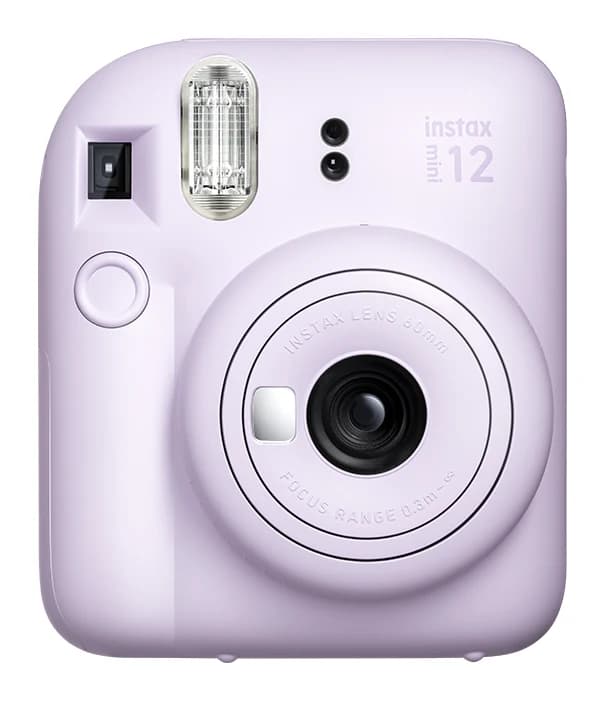
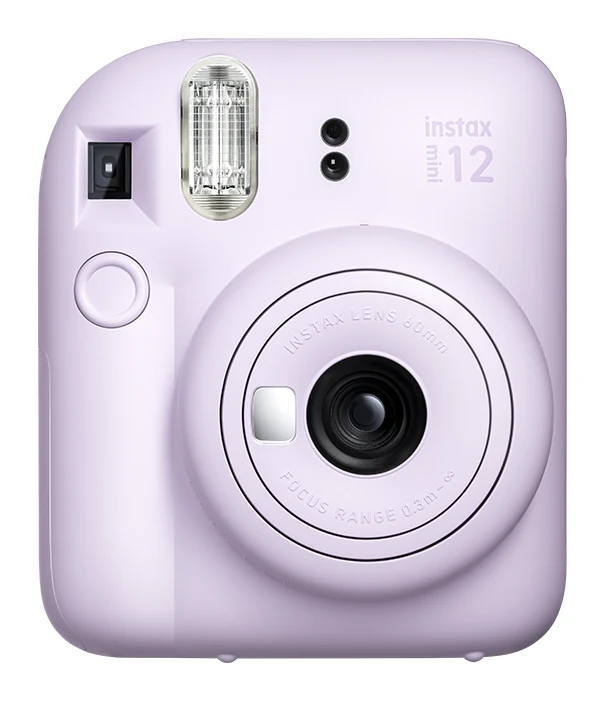
- Best OverallFujifilm Instax Mini 12Why we picked it →
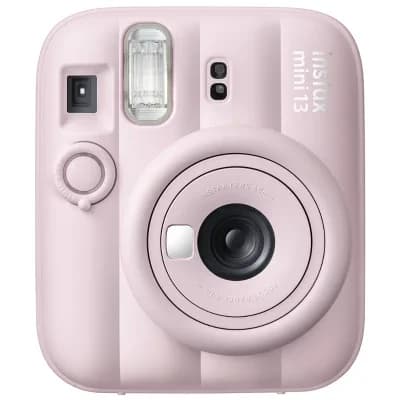
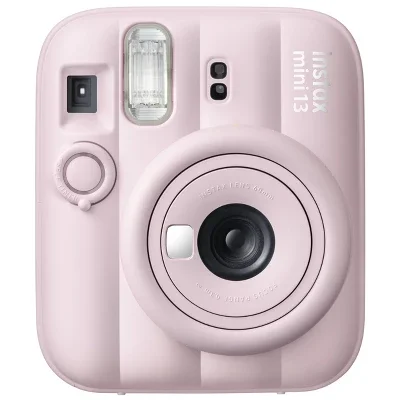
- Best ValueFujifilm Instax Mini 13Why we picked it →
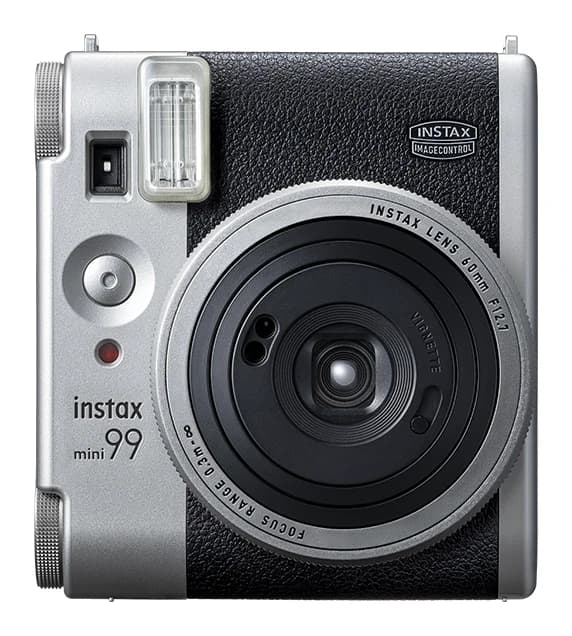
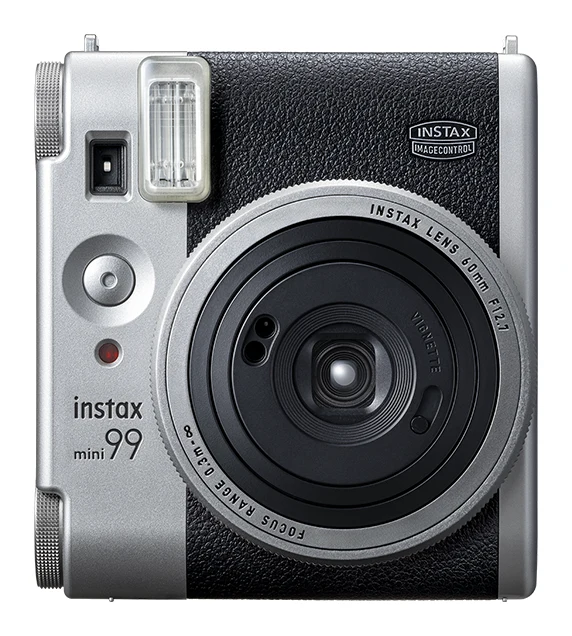
- Premium PickFujifilm Instax Mini 99Why we picked it →
Frequently asked questions
Is the Canon EOS R50 worth it?
For beginners, travelers and vlogger-minded creators, reviewers generally say yes. It averages 8.1/10 across 5 expert reviews, with praise for its autofocus, compact body and 4K video. It is less suited to anyone who needs in-body stabilization, weather sealing or a deep native lens lineup.
Does the Canon EOS R50 have in-body image stabilization?
No. The camera has no in-body stabilization, so stabilization comes only from lenses that include it. Reviewers list this among the main criticisms.
Does the Canon EOS R50 shoot 4K video?
Yes. It records 4K at up to 30 fps, oversampled from 6K and uncropped.
Can the Canon EOS R50 be used as a webcam?
Yes. It supports UVC/UAC, so it can be used for webcam and streaming purposes.
What lenses work with the Canon EOS R50?
It uses the Canon RF mount and supports RF-S lenses. EF and EF-S lenses can be used with an adapter. A common criticism is that few native RF-S lenses are available.
Does the Canon EOS R50 have a flip-out screen?
Yes. It has a fully articulating 3-inch touchscreen, which suits selfies and vlogging.
Sources
Specs are taken from the manufacturers' official pages; expert recommendations from the publications below.
- Canon EOS R50: usa.canon.com, cam.start.canon, en.wikipedia.org, dpreview.com
Related reviews & guides
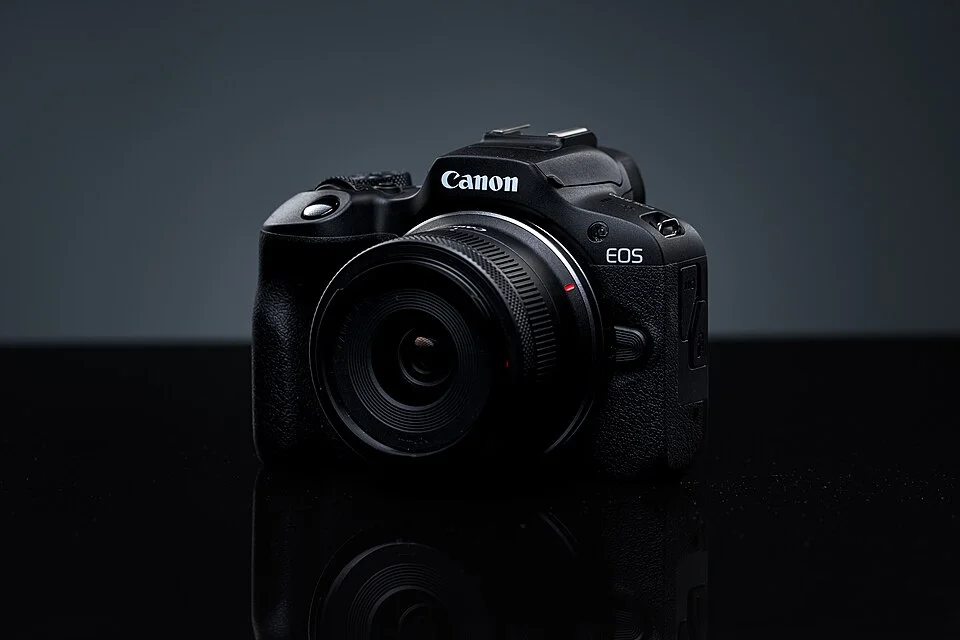
Canon EOS R100 Review (2026): Easy Entry, Easy to Outgrow
A small, light entry to Canon's RF mirrorless system with image quality that impresses beginners, but video, burst speed and handling show its age.
Published Oct 27, 2026Best Digital Camera for Beginners 2026: Compact & Easy
Five beginner-friendly cameras from Canon, Fujifilm, Nikon and Olympus, compared on sensor, weight, screen, autofocus and video, with expert recommendation counts.
Published Oct 11, 2026
Sony a7CR Review (2026): 61MP in a Small Body
The Sony a7CR packs a 61MP full-frame sensor into a compact, weather-sealed body. We break down what the specs mean and what experts say about it.
Published Oct 19, 2026