Sony a7CR Review (2026): 61MP in a Small Body
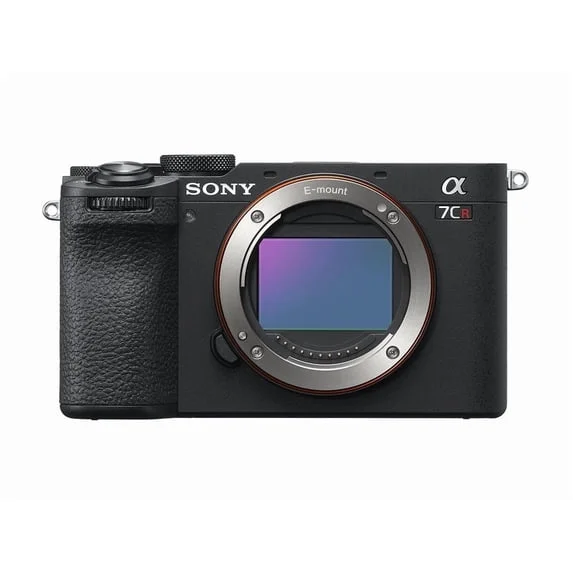
The Sony a7CR packs a 61MP full-frame sensor into a compact, weather-sealed body. We break down what the specs mean and what experts say about it.
Research-based · We earn from qualifying purchases
Our verdict
Best for landscape, portrait, travel and studio shooters who want high resolution in a compact, weather-sealed full-frame body. Skip it if you shoot fast action or need dual card slots for critical work.
The good
- 61MP full-frame sensor delivers very detailed stills with room to crop
- Compact, weather-sealed body at about 18.2 oz with battery and card
- AI-assisted autofocus with 693 points and reliable subject recognition
- 5-axis stabilization rated up to 7 stops helps handheld shooting
- 4K 60p 10-bit 4:2:2 video with S-Log3
+2 more
- 5-axis stabilization rated up to 7 stops helps handheld shooting
- 4K 60p 10-bit 4:2:2 video with S-Log3
The bad
- Single SD card slot offers no backup redundancy
- Burst tops out at 8 fps mechanical, limiting action use
- 4K 60p is cropped 1.2x
- Small grip, and reviewers report fiddly rear controls and no AF joystick
+1 more
- Small grip, and reviewers report fiddly rear controls and no AF joystick
The Sony a7CR is a compact full-frame camera built around a 61MP sensor. It is aimed at photographers who want a lot of resolution without carrying a large body. This Sony a7CR review is based on manufacturer specs and what independent experts report, not on our own hands-on testing. It looks at who the camera suits, where it compromises, and how it fits into the wider high-resolution field.
Sony a7CR: specs at a glance
From the manufacturer- Video
- 4K up to 60p, 10-bit 4:2:2 (1.2x crop at 4K 60p)
- Sensor
- 61.0 MP full-frame (35.7 x 23.8 mm) BSI CMOS
- Weight
- 515 g with battery and card (430 g body only)
- Battery
- NP-FZ100, approx. 490 shots (viewfinder)
- Autofocus
- 693 phase-detection points, sensitivity down to -4 EV
- Card slot
- single SD (UHS-II)
- Processor
- BIONZ XR with AI processing unit
- Dimensions
- 124.0 x 71.1 x 63.4 mm
- Native ISO
- 100-32,000 (50-102,400 extended)
- Viewfinder
- 2.36m-dot OLED, 0.7x magnification
- Rear screen
- 3.0" 1.03m-dot vari-angle touchscreen
- Shutter speed
- mechanical 1/4000 to 30 s; electronic 1/8000 to 30 s
- Continuous shooting
- up to 8 fps mechanical, 7 fps electronic
- Image stabilization
- 5-axis sensor-shift, up to 7 stops
Key features
- 61MP full-frame sensor for very detailed stills and heavy cropping
- Compact, weather-sealed body at about 18.2 oz with battery and card
- 5-axis in-body stabilization rated up to 7 stops
- AI-assisted autofocus with 693 phase-detection points and subject recognition
- Pixel Shift Multi Shooting combines 16 shots into roughly 240.8MP images
- 4K 60p video in 10-bit 4:2:2 with S-Log3
- Vari-angle touchscreen and 0.7x OLED viewfinder
- USB-C charging and power, plus a grip extension in the box
It sits in the mid-range part of the market for the cameras we compare. That makes it a realistic option for landscape, portrait, travel and studio shooters who care more about detail and portability than about speed. Across three expert reviews it averages 8.6/10, which is a strong result for a camera with some clear trade-offs.
Sony a7CR review: design and build
The pitch is size. The body measures 124.0 x 71.1 x 63.4 mm and weighs 515 g with battery and card (430 g body only), which the manufacturer lists at about 18.2 oz. It is a compact, weather-sealed full-frame body built around a 61MP sensor. Reviewers praise the compact, weather-sealed construction, which suits travel and outdoor work where you want to carry less and don't want to worry about the weather.
Small bodies come with ergonomic costs, and reviewers say so. A common criticism is the small grip, along with fiddly rear controls and no AF joystick. Sony includes a grip extension in the box, which should help if the standard grip feels cramped. If you have large hands or use big lenses, check how the camera feels in a shop before buying.
At the back is a 3.0" 1.03m-dot vari-angle touchscreen. The vari-angle design is useful for low and high angles and for shooting video to camera. The viewfinder is a 2.36m-dot OLED with 0.7x magnification.
The 61MP sensor and what it means day to day
The 61.0 MP full-frame (35.7 x 23.8 mm) BSI CMOS sensor is the centrepiece, and reviewers consistently praise the detail it delivers. In practice, resolution like this gives you two things. You get fine texture in landscapes and studio work, and you get room to crop. If you shoot a wider frame and decide later that a tighter composition works better, you still have plenty of pixels left.
Native ISO runs from 100 to 32,000, extendable to 50-102,400.
Pixel Shift Multi Shooting takes this further by combining 16 shots into roughly 240.8MP images. It is a specialist feature best suited to static subjects where the camera and scene stay still.
The processor is a BIONZ XR with an AI processing unit. That unit supports the autofocus system and subject recognition covered below.
Autofocus and stabilization
Autofocus uses 693 phase-detection points with sensitivity down to -4 EV, and the system is AI-assisted with subject recognition. Reviewers praise the autofocus and describe the subject recognition as reliable. For portraits, travel and general shooting, that means fewer missed frames.
The 5-axis sensor-shift stabilization is rated up to 7 stops. High-resolution sensors make camera shake easier to see, so this matters. It helps with handheld shooting in lower light and with slower shutter speeds. Reviewers single it out as a strength.
Shutter speeds run from 1/4000 to 30 s mechanical and from 1/8000 to 30 s electronic. The electronic shutter's 1/8000 limit is useful for wide apertures in bright light.
Burst speed, video and connectivity
Continuous shooting reaches up to 8 fps mechanical and 7 fps electronic. Reviewers list the burst rate as a limitation for fast-action shooters. If you regularly shoot sports or wildlife, the camera's strengths point in a different direction.
On video, it records 4K up to 60p in 10-bit 4:2:2 with S-Log3, which gives video shooters useful grading flexibility. The catch is that 4K 60p carries a 1.2x crop. If you rely on a wide field of view at 60p, factor that in.
As for power and charging, the camera uses an NP-FZ100 battery rated at approx. 490 shots with the viewfinder. USB-C handles charging and power, which is convenient for travel because you can top up from a power bank or a standard charger.
What experts like and what they criticise
Three named reviews give the camera a clear thumbs-up. TechRadar scores it 4.5/5, DPReview gives it 88/100, and The Phoblographer scores it 4/5. Together they average 8.6/10.
What reviewers praise:
- The detail from the 61MP sensor, plus room to crop.
- The compact, weather-sealed body.
- The reliable autofocus and subject recognition.
- The stabilization, which helps handheld shooting.
- The 10-bit 4:2:2 video with S-Log3.
What reviewers criticise:
- The single SD card slot (UHS-II), which means no backup redundancy.
- The 8 fps mechanical burst limit.
- The 1.2x crop at 4K 60p.
- The small grip, fiddly rear controls and lack of an AF joystick.
The single card slot is the criticism most likely to matter. For paid work such as weddings or events, where a failed card is a serious problem, that is a real limitation. For personal and travel photography, it is less of a worry.
Who should buy the Sony a7CR
It is a good fit if you:
- Shoot landscapes, portraits, travel or studio work and want maximum detail.
- Want a full-frame camera that is easy to carry all day.
- Value weather-sealed construction.
- Want serious video features such as 10-bit 4:2:2 and S-Log3 alongside the stills.
Who should skip it
Look elsewhere if you:
- Shoot fast action and need a quicker burst than 8 fps.
- Do critical work where dual card slots are needed for backup.
- Have large hands and find small grips uncomfortable, or rely on an AF joystick.
- Need uncropped 4K at 60p.
How it fits in its category
The a7CR puts its emphasis on a compact body and high resolution, with an 8 fps mechanical burst and a small grip as the trade-offs. If you are still comparing options, our guide to the best high-end cameras covers resolution, speed and video across the category. For another full-frame body, see our Nikon Z f review.
Verdict
The Sony a7CR is a focused camera. It delivers very detailed stills, reliable autofocus and capable video in a body that is easy to carry, and expert scores support that. Its compromises are equally clear: one card slot, a modest burst rate and cramped controls. If your priorities match what it does well, it offers high-resolution full-frame in a small package. If they don't, those same trade-offs are good reasons to look elsewhere.
Related buying guides
- Best Camera Phone 2026: Top 5 Picks Ranked
- Best microSD Cards for Cameras 2026: 4K Speed & Durability
- Best Digital Camera for Beginners 2026: Compact & Easy
- Best Action Camera 2026: Budget Buys to 8K and 360°
- Canon EOS R50 Review (2026): Small Body, Smart Autofocus
- FUJIFILM X-T30 III Review (2026): Small Body, Big Colour
Not sure about the Sony a7CR? Consider these
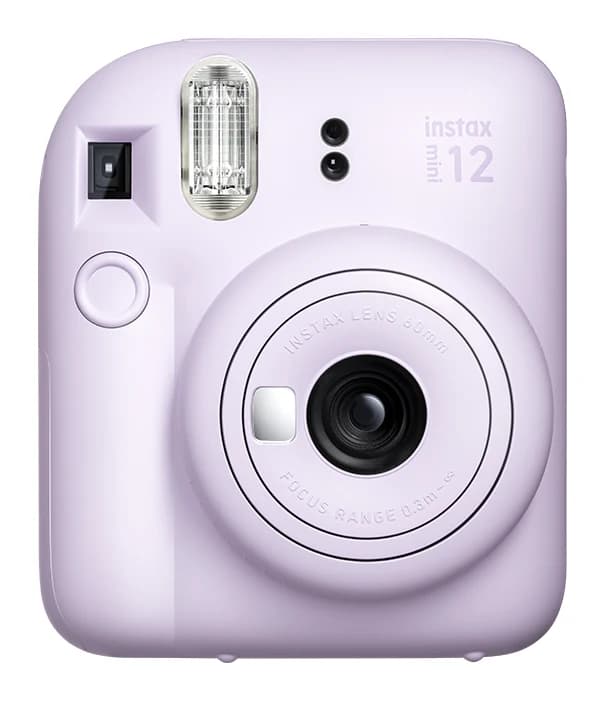
- Best OverallFujifilm Instax Mini 12Why we picked it →
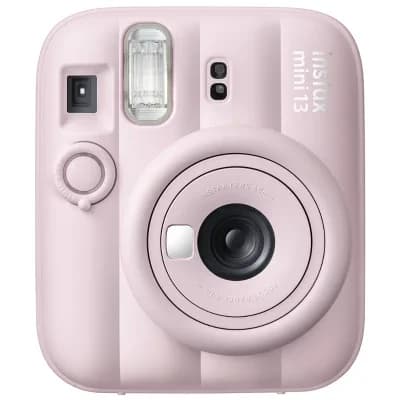
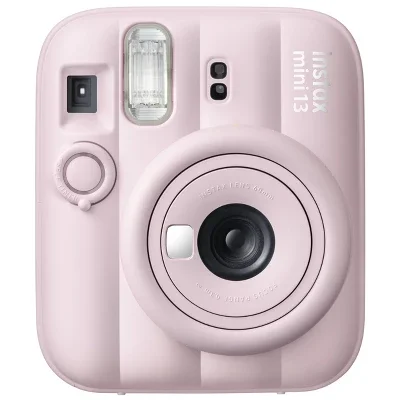
- Best ValueFujifilm Instax Mini 13Why we picked it →
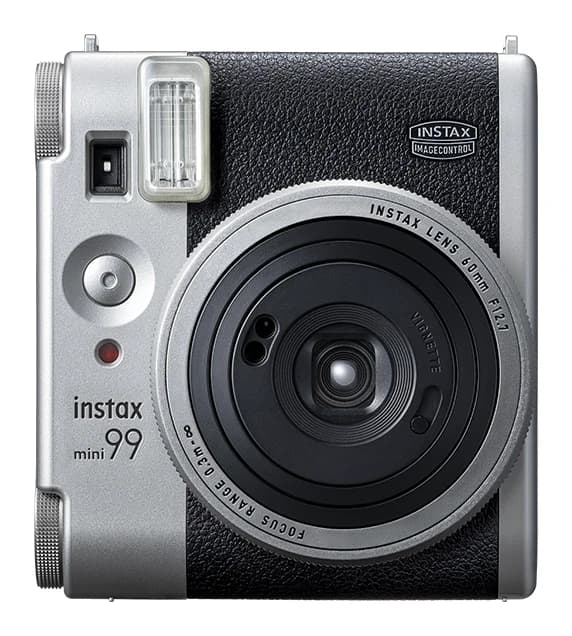
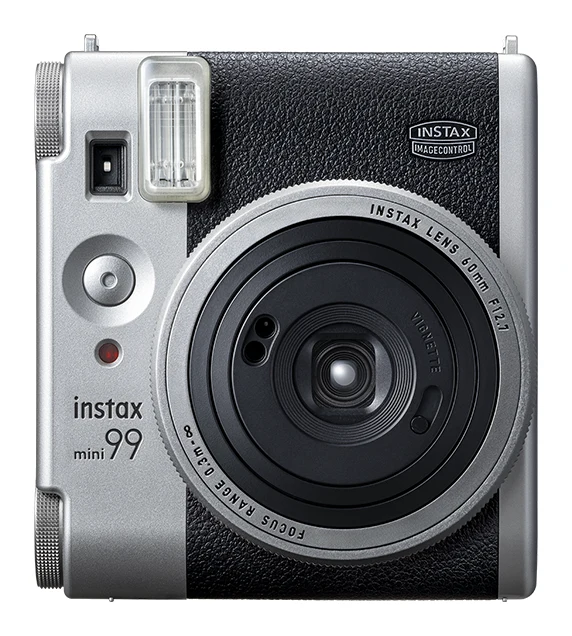
- Premium PickFujifilm Instax Mini 99Why we picked it →
Frequently asked questions
Is the Sony a7CR worth it?
For landscape, portrait, travel and studio shooters who want high resolution in a compact body, experts think so: it averages 8.6/10 across three expert reviews. It is less compelling for fast action or critical work that needs dual card slots.
How many megapixels does the Sony a7CR have?
It has a 61.0 MP full-frame (35.7 x 23.8 mm) BSI CMOS sensor. Pixel Shift Multi Shooting can combine 16 shots into roughly 240.8MP images.
Does the Sony a7CR have dual card slots?
No. It has a single SD (UHS-II) card slot, so there is no in-camera backup. Reviewers list this as a common criticism.
Does the Sony a7CR shoot 4K 60p video?
Yes, it records 4K up to 60p in 10-bit 4:2:2 with S-Log3. At 4K 60p there is a 1.2x crop.
Is the Sony a7CR weather-sealed?
Yes. The manufacturer describes the compact body as weather-sealed, and reviewers praise it. It weighs 515 g with battery and card.
How fast can the Sony a7CR shoot continuously?
Up to 8 fps with the mechanical shutter and 7 fps with the electronic shutter. Reviewers say the burst rate limits it for fast action.
Sources
Specs are taken from the manufacturers' official pages; expert recommendations from the publications below.
- Sony a7CR: electronics.sony.com, bhphotovideo.com, dpreview.com, sansmirror.com
Related reviews & guides
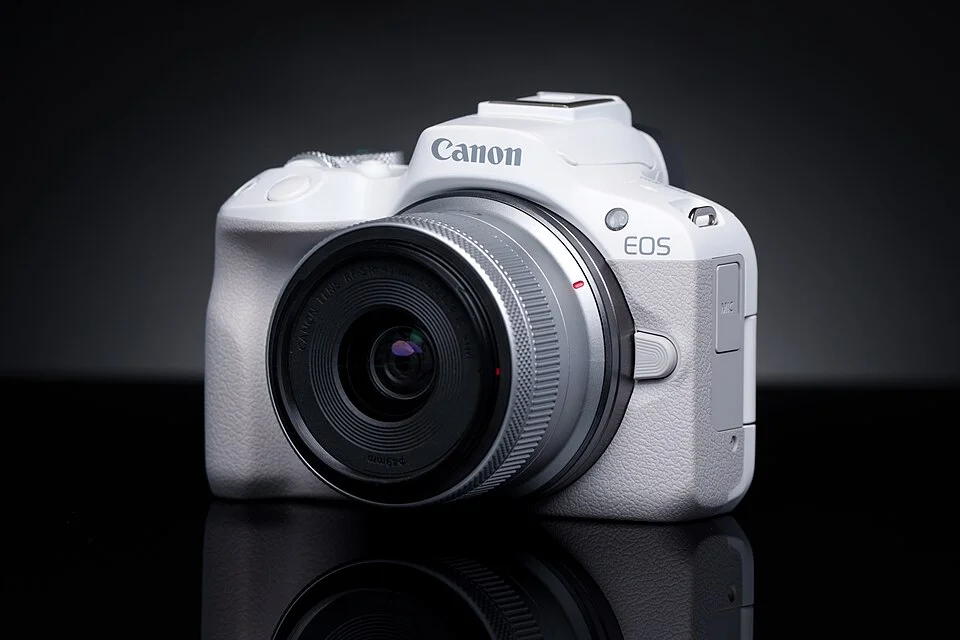
Canon EOS R50 Review (2026): Small Body, Smart Autofocus
Our Canon EOS R50 review covers its compact body, subject-detecting autofocus and uncropped 4K video, and the handling and lens limits that reviewers flag.
Published Oct 19, 2026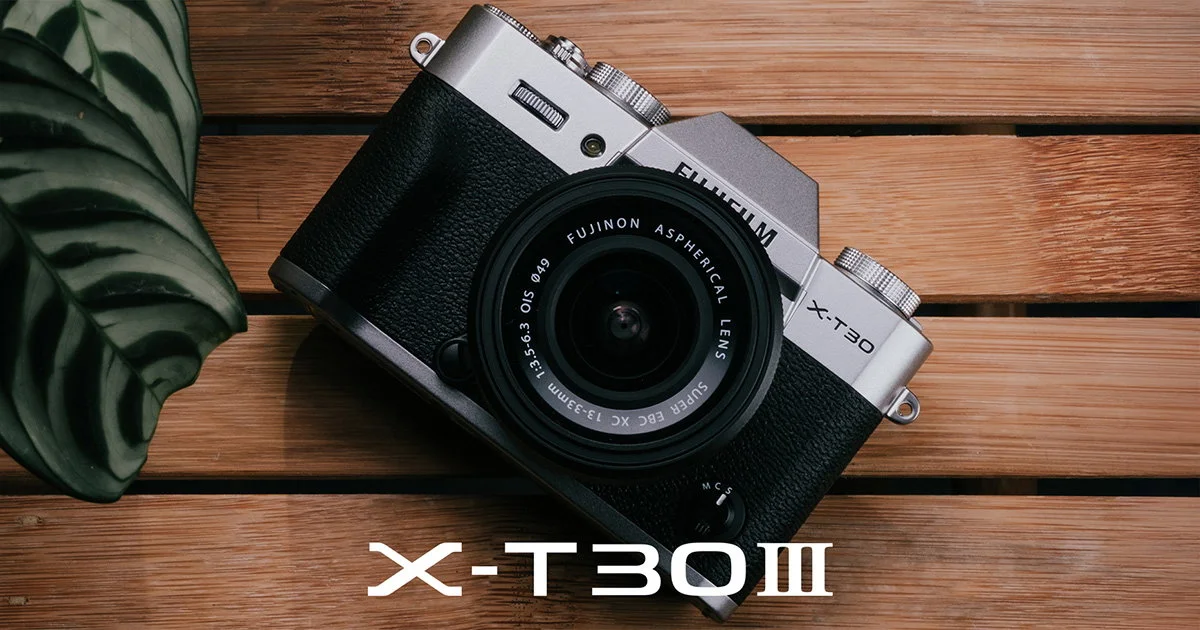
FUJIFILM X-T30 III Review (2026): Small Body, Big Colour
A pocketable APS-C mirrorless camera built around Film Simulations, strong JPEG colour and capable video. This FUJIFILM X-T30 III review covers who it suits and where it cuts corners.
Published Oct 19, 2026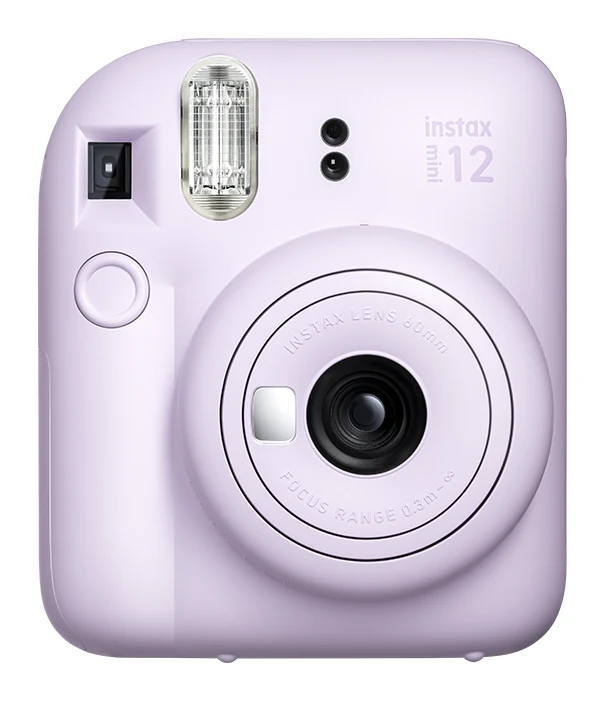
Best Instant Cameras 2026: Easy Snaps to Creative Control
Five instant cameras compared from manufacturer specs and expert recommendations, from simple point-and-shoot Instax models to creative, manual-control options.
Published Oct 29, 2026