Best High-End Cameras 2026: Resolution, Speed & Video
Five high-end mirrorless cameras compared on resolution, burst speed, stabilization and video, from the 66.8MP Sony a7R VI to the full-frame Nikon Z5 II.
23 products compared · Research-based · Affiliate links
We earn a commission from qualifying purchases made through our links, at no extra cost to you. It never decides our picks. How we make money
Which one should you buy?
Our picks by what matters to you · details below ↓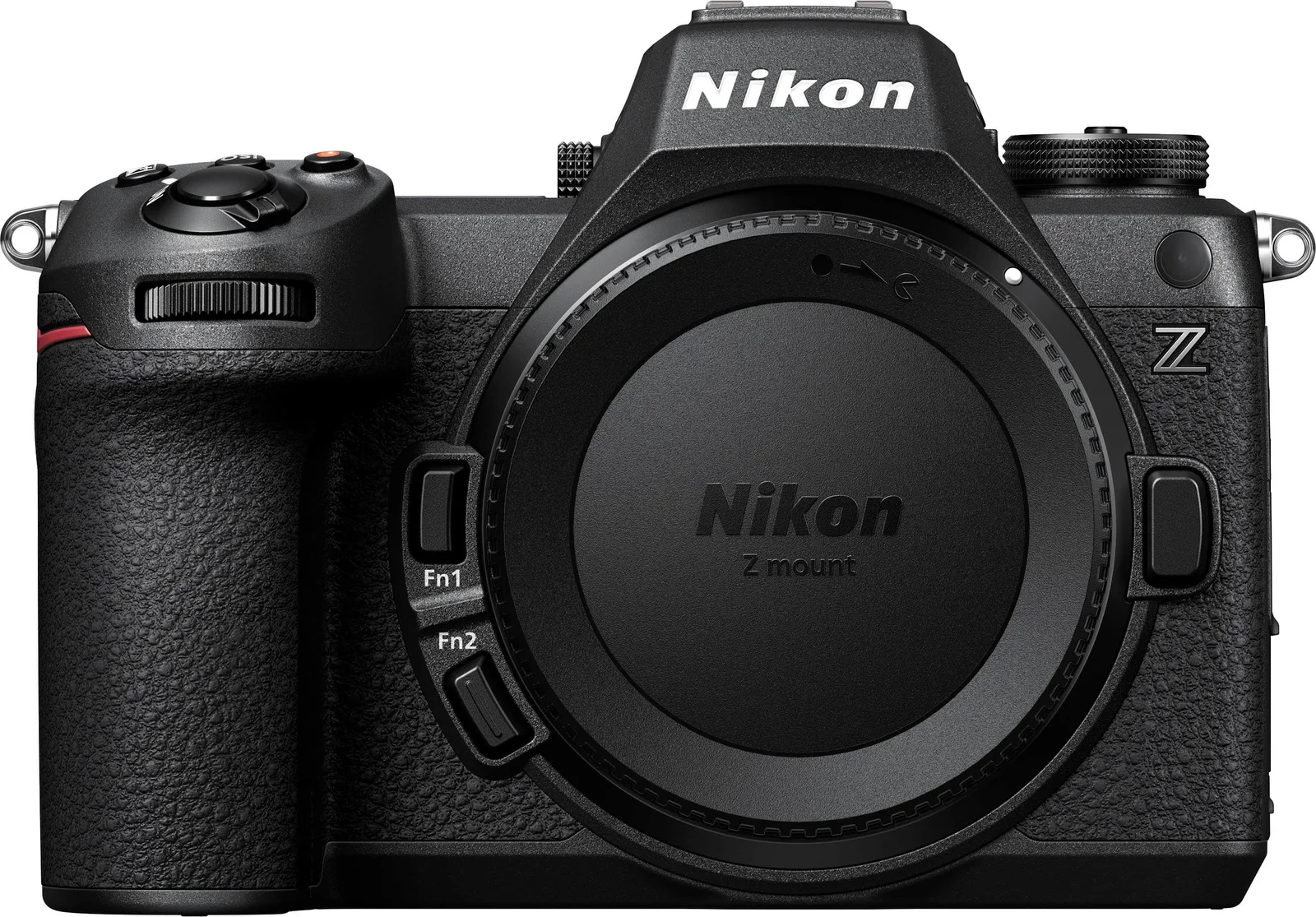
Best for: Hybrid shooters wanting versatile photo and video performance
Check price on Amazon- Best ValueNikon Z8Best for: Wildlife and hybrid pros wanting flagship power in compact bodyCheck price
- Premium PickSony a7R VIBest for: Landscape and studio photographers demanding maximum resolution and speedCheck price
- Best BudgetNikon Z5 IIBest for: Enthusiasts stepping up to full-frame on a budgetCheck price
- Also GreatCanon EOS R6 Mark IIIBest for: Canon users wanting a fast, video-capable all-rounderCheck price
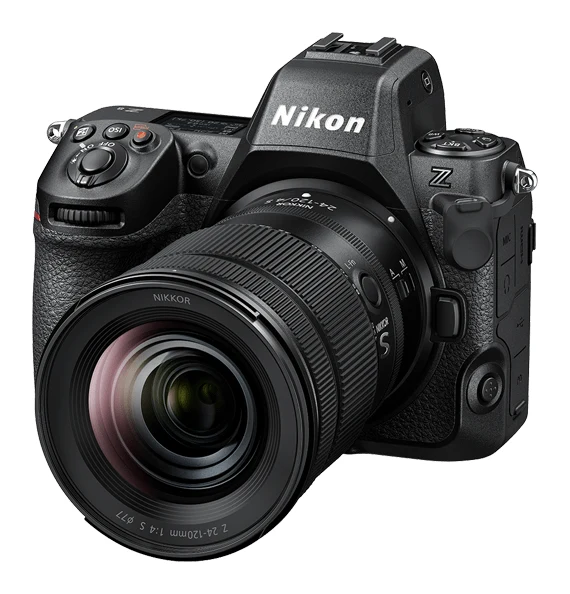
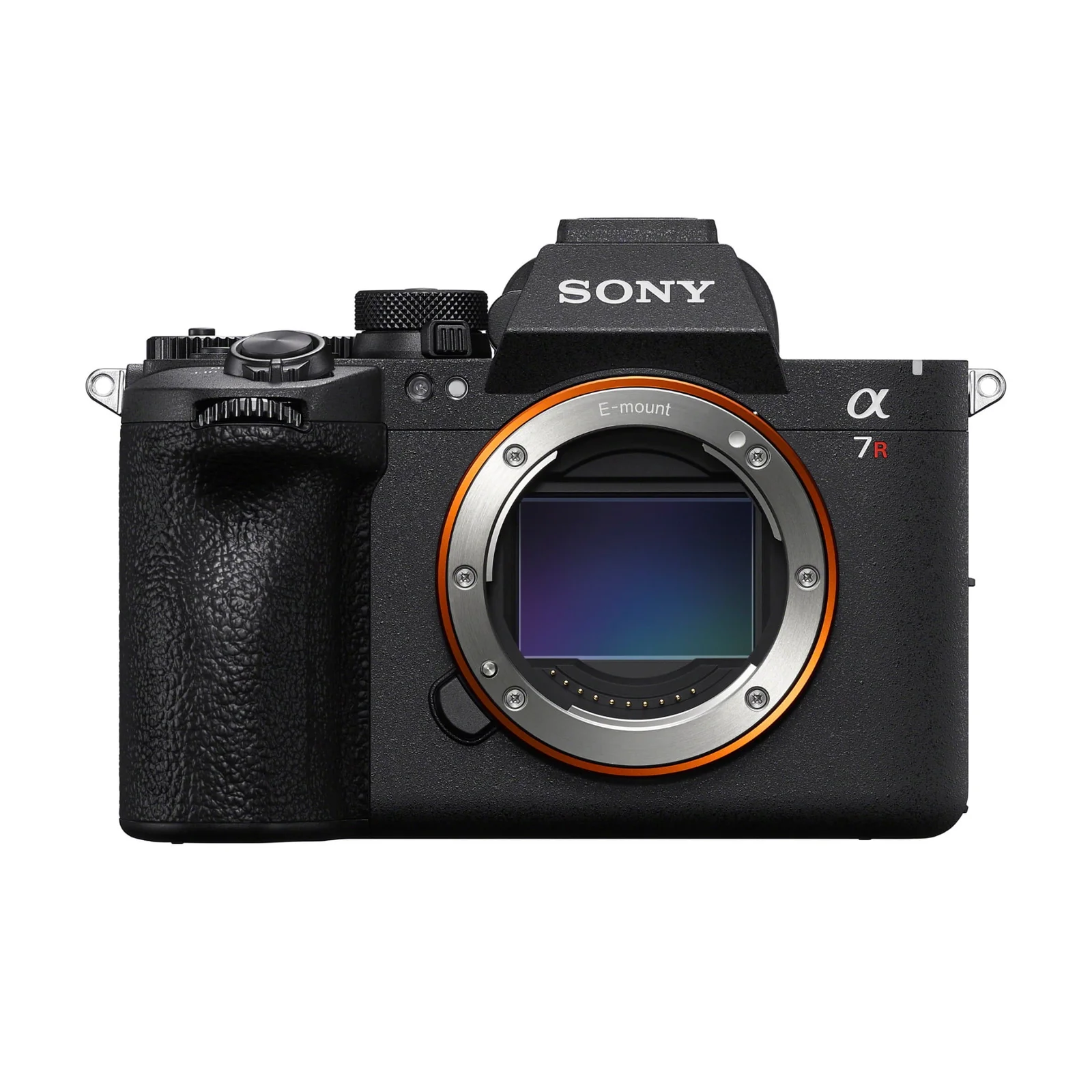
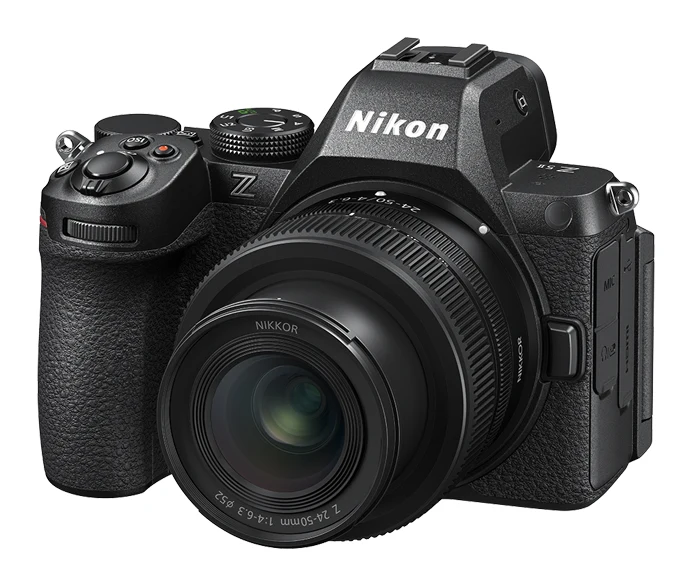
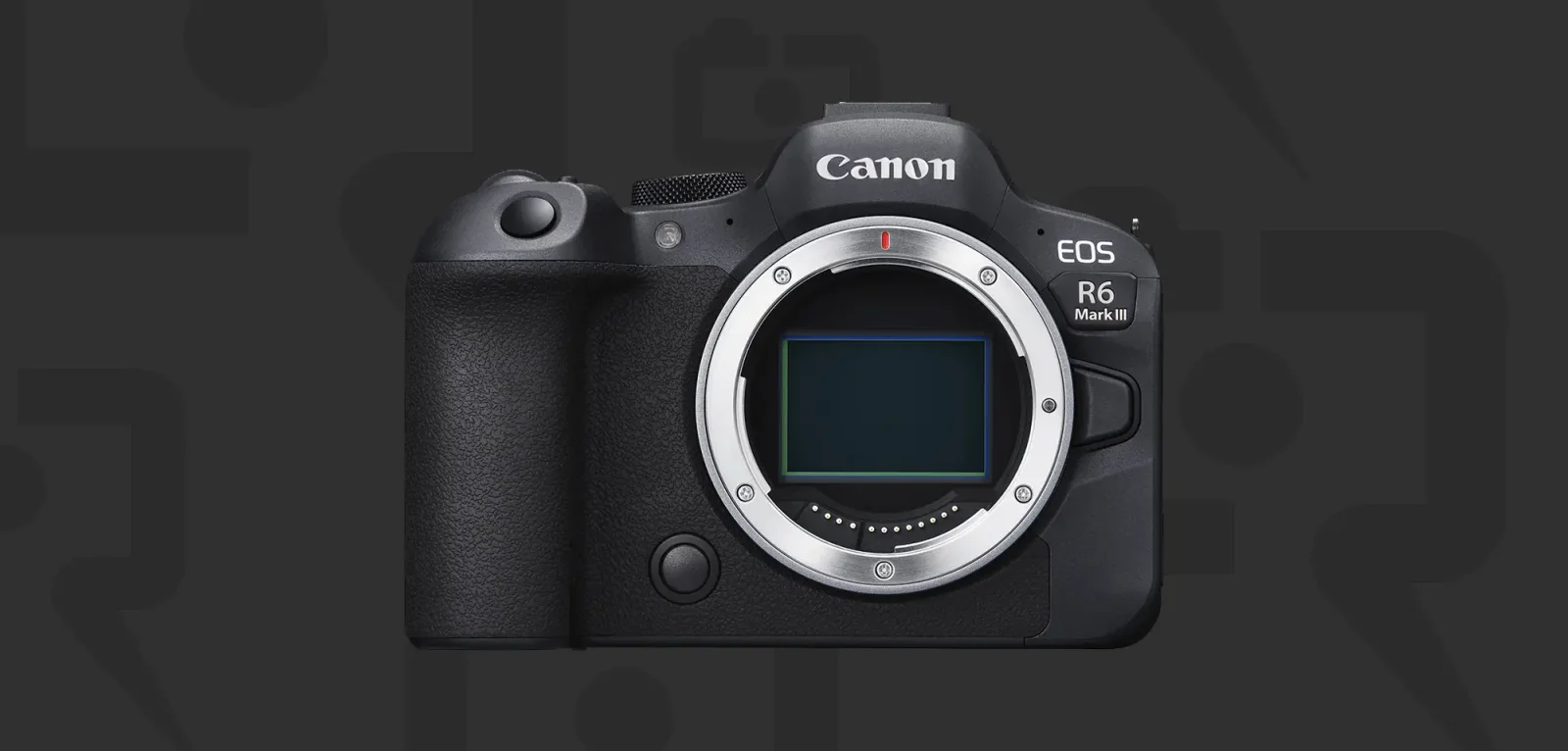
The best high-end cameras in 2026 combine strong stills and video features, though each body puts its strengths in a different place: raw resolution, burst speed, compact size or an accessible way into full-frame.
This guide compares five full-frame bodies from Nikon, Sony and Canon. It is based on manufacturer specifications and independent expert recommendations, not our own hands-on testing. Below you will find a quick comparison table, a section on each camera and a short buying guide.
Best High-End Cameras at a Glance
| Camera | Label | Resolution | Top video | Best for | Buy |
|---|---|---|---|---|---|
| Nikon Z6 III | Best Overall | 24.5 million effective pixels | 6K/60p N-RAW | Hybrid shooters wanting versatile photo and video performance | Check price |
| Nikon Z8 | Best Value | 45.7 megapixels | 8.3K 60p N-RAW | Wildlife and hybrid pros wanting flagship power in a compact body | Check price |
| Sony a7R VI | Premium Pick | 66.8 MP | 8K 30p | Landscape and studio photographers demanding maximum resolution and speed | Check price |
| Nikon Z5 II | Best Budget | 24.5 megapixels | 4K UHD at 30p (full-frame) | Enthusiasts stepping up to full-frame on a budget | Check price |
| Canon EOS R6 Mark III | Also Great | 32.5MP | 7K RAW 60p | Canon users wanting a fast, video-capable all-rounder | Check price |
Nikon Z6 III: Best Overall for Hybrid Photo and Video
Best for: Hybrid shooters wanting versatile photo and video performance
The Z6 III balances stills speed, pro-grade RAW video, and a standout viewfinder in one full-frame body. It suits most high-end shooters who want hybrid versatility without chasing maximum resolution.
Read our full Nikon Z6 III review →- Battery life
- 360 frames (viewfinder), 390 frames (rear LCD), 410 frames (eco mode)
- Resolution
- 24.5 million effective pixels (6048 × 4032)
- Processor
- EXPEED 7
- ISO range
- 100–64000
- Megapixels
- 24.5
- Sensor size
- 35.9 × 23.9 mm (full-frame/FX-format)
Reasons to buy
- Internal 6K/60p RAW video with Full HD 240p slow motion
- Partially-stacked sensor gives fast readout and up to 120 fps bursts
- 299-point autofocus with detection for nine subject types
- Very bright 4000-nit EVF with high-resolution display
- 8-stop in-body stabilization and dual CFexpress/SD card slots
Reasons to avoid
- Battery rated at only 360 frames with the viewfinder
- 24.5MP resolution is modest for heavy cropping or large prints
- TechRadar
- 10.0
- Digital Camera World
- 10.0
- ePHOTOzine
- 10.0
- DPReview
- 9.1
The Nikon Z6 III earns Best Overall because it balances stills speed, pro-grade RAW video and a standout viewfinder in one full-frame body. It suits hybrid shooters who want versatile photo and video performance without chasing maximum resolution. It is recommended in 8 independent expert guides.
Keep reading about Nikon Z6 III
The 24.5MP partially-stacked CMOS sensor offers 3.5x faster readout than the previous generation. That supports up to 120 fps continuous shooting with Pre-Release Capture in burst modes. On the video side, it records 6K/60p internal RAW (N-RAW and ProRes RAW), plus Full HD 240p for 10x slow motion. Autofocus uses 299 focus points with subject detection for 9 subject types.
The viewfinder is a highlight at 4000 nits with a 5760k-dot resolution and DCI-P3 color gamut. Stabilization is 5-axis in-body VR with Focus Point VR up to 8 stops, and the body has both CFexpress Type B and UHS-II SD card slots. Reviewers are enthusiastic: TechRadar, Digital Camera World and Ephotozine each give it 5 out of 5, and DPReview scores it 4.55 out of 5.
The main trade-offs are battery life and resolution. Battery life is rated at 360 frames with the viewfinder, and 24.5MP is modest if you crop heavily or make large prints. If either matters most, look at the higher-resolution cameras below.
Nikon Z8: Best Value for Flagship Power, Compact
Best for: Wildlife and hybrid pros wanting flagship power in compact body
The Z8 packs flagship-level resolution, video, and autofocus into a smaller body. It's a strong choice for buyers wanting high-end capability without paying for a larger flagship.
- Battery life
- 340 shots (CIPA rating with EN-EL15c)
- Resolution
- 45.7 megapixels (8256 x 5504)
- Processor
- EXPEED 7
- ISO range
- 64-25,600 (expandable to 32-102,400)
- Megapixels
- 45.7
- Sensor size
- 35.9 x 23.9 mm (full-frame)
Reasons to buy
- 45.7MP stacked sensor delivers detail and wide dynamic range
- 8.3K 60p N-RAW internal video plus 4K 120p
- 493-point AF with animal and bird subject detection
- Compact body about 30% smaller than the Z9
- Blackout-free 120 fps viewfinder with tilting touchscreen
Reasons to avoid
- Battery rated at only 340 shots per charge
- Pricier than the Z6 III for a similar body class
- DPReview
- 9.4
- Photography Blog
- 9.0
- TechRadar
- 10.0
- Kieran Hayes Photography
- 9.8
The Nikon Z8 is our Best Value pick because it packs flagship-level resolution, video and autofocus into a body about 30% smaller than the Z9. It suits wildlife shooters and hybrid pros who want high-end capability without paying for a larger flagship. It has the most expert-guide recommendations here, at 11.
Keep reading about Nikon Z8
Its 45.7MP stacked CMOS sensor is praised for detail and wide dynamic range. It records 8.3K 60p N-RAW internally, with 4K 120p also available. The 493-point hybrid autofocus includes AI-based subject detection, with animal and bird modes that matter for wildlife work. The blackout-free Real-Live Viewfinder refreshes at 120 fps (0.8x magnification, 3.69M-dot OLED, 100% coverage). A 4-axis tilting touchscreen and 5-axis in-body stabilization round out the package.
The body measures 144 x 118.5 x 83 mm (5.7 x 4.7 x 3.3 in), and the electronic shutter reaches 1/32000. The ISO range is 64-25,600, expandable to 32-102,400. DPReview scores it 4.7 out of 5, TechRadar gives it 5 out of 5, Kieran Hayes Photography 4.9 out of 5 and Photography Blog 4.5 out of 5.
"Value" here means capability for the money, not the lowest outlay, since it is pricier than the Z6 III in a similar body class. Battery life is the other drawback, rated at 340 shots per charge (CIPA, with the EN-EL15c). Carry spares if you shoot long days.
Sony a7R VI: Premium Pick for Maximum Resolution
Best for: Landscape and studio photographers demanding maximum resolution and speed
The a7R VI combines very high resolution with fast burst shooting and strong stabilization, which is rare in one body. It's built for those who prioritize maximum image detail and don't mind paying for it.
- Battery life
- 600 shots (EVF), 710 shots (LCD)
- Resolution
- 66.8 MP
- Processor
- BIONZ XR2
- ISO range
- ISO 100-32000 (expandable to ISO 50-102400)
- Megapixels
- 66.8
- Sensor size
- 35.9 × 24 mm full-frame
Reasons to buy
- 66.8MP fully-stacked sensor for exceptional detail
- 30 fps blackout-free shooting with full AF/AE
- 8.5-stop IBIS and 759-point phase-detection AF
- Long battery life of 600 shots with the EVF
- Sharp 9.44M-dot HDR OLED viewfinder
Reasons to avoid
- 8K limited to 30p, with 4K 120p for slow motion
- Premium pricing puts it out of reach for many buyers
- DPReview
- 9.2
- Digital Camera World
- 9.0
- What Digital Camera
- 9.2
- PhotoTrend
- 9.0
The Sony a7R VI is the Premium Pick for photographers who put maximum image detail first. Its 66.8MP fully-stacked sensor is paired with fast burst shooting, which makes it a fit for landscape and studio work. It is recommended in 10 expert guides.
Keep reading about Sony a7R VI
The Exmor RS CMOS sensor offers 5.6x faster readout and up to 16 stops of dynamic range. It shoots 30 fps blackout-free with full AF/AE at 14-bit RAW (30 fps electronic, 10 fps mechanical). Stabilization is rated at 8.5 stops at the center and 7.0 stops at the periphery. The 759 phase-detection points cover 94% of the frame, and AI-powered Real-time Recognition AF+ handles subject tracking and detection.
Battery life is a strength at 600 shots with the EVF and 710 with the LCD. The 9.44M-dot OLED viewfinder supports HDR and is 3x brighter than its predecessor's. Video covers 8K 30p and 4K 120p at 10-bit with 4:2:2 chroma, and the dual card slots take CFexpress Type A and UHS-II SD. DPReview and What Digital Camera each give it 4.6 out of 5, and Digital Camera World and PhotoTrend give it 4.5 out of 5.
The trade-offs are plain. 8K is limited to 30p, with 4K 120p as the route to slow motion. Premium pricing also puts it out of reach for many buyers. If you do not need this much resolution, the Z6 III or R6 Mark III sit in lower price tiers.
Nikon Z5 II: Best Budget for Stepping Up to Full-Frame
Best for: Enthusiasts stepping up to full-frame on a budget
The Z5 II brings full-frame quality, effective stabilization, and modern autofocus at an accessible level. It's a smart entry into Nikon's mirrorless lineup for enthusiasts moving up.
- Battery life
- Approximately 330 shots (viewfinder mode), 390 shots (monitor mode)
- Resolution
- 24.5 megapixels (6048 x 4032)
- Processor
- EXPEED 7
- ISO range
- 100-64000 (expandable to 50-204800)
- Megapixels
- 24.5
- Sensor size
- 35.9 x 23.9 mm (full-frame FX-format)
Reasons to buy
- Full-frame 24.5MP sensor with strong low-light capability
- 7.5-stop in-body stabilization helps handheld shooting
- Bright viewfinder and AI subject detection for nine subject types
- Up to 30 fps JPEG bursts with pre-release capture
- Internal N-RAW recording to SD card
Reasons to avoid
- 4K/60p uses a crop; full-frame 4K tops out at 30p
- Battery rated at about 330 shots with the viewfinder
- DPReview
- 9.1
- Photography Blog
- 9.0
- GadReview
- 8.7
- The Phoblographer
- 8.0
The Nikon Z5 II is the Best Budget pick, bringing full-frame quality, effective stabilization and modern autofocus at an accessible level. It is aimed at enthusiasts moving up to full-frame who want a smart way into Nikon's mirrorless lineup. Seven expert guides recommend it.
Keep reading about Nikon Z5 II
Its 24.5MP back-illuminated full-frame sensor covers ISO 100-64000 for stills, expandable to 204800, which supports low-light work. The EXPEED 7 processor drives AI subject detection for 9 types of subjects, and autofocus works down to -10 EV. In-body stabilization is rated at 7.5 stops at the center and 6.0 stops at the periphery. The viewfinder reaches 3000 cd/m², 3x brighter than its predecessor's.
Continuous shooting reaches up to 30 fps for JPEG and 14 fps for RAW, with pre-release capture. Video includes internal N-RAW recording to SD card, with 4K/30p, 4K at 60p (crop) and Full HD up to 120p. DPReview scores it 4.55 out of 5, Photography Blog 4.5, GadReview 4.35 and The Phoblographer 4.
The limits matter for video shooters: 4K/60p uses a crop, and full-frame 4K tops out at 30p. Battery life is about 330 shots with the viewfinder. It is not the pick for demanding hybrid work, but it is a capable step up.
Canon EOS R6 Mark III: Also Great for Fast Hybrid Shooting
Best for: Canon users wanting a fast, video-capable all-rounder
The R6 Mark III is a well-rounded hybrid with fast bursts, high-quality RAW video, and reliable people-focused autofocus. It's a natural fit for Canon shooters wanting a capable all-rounder.
- Battery life
- 620 shots (LCD), 390 shots (EVF with power saving)
- Resolution
- 32.5MP (6960 x 4640)
- Processor
- DIGIC X
- ISO range
- 100-64,000 (expandable to 50-102,400)
- Megapixels
- 32.5
- Sensor size
- 35.9 x 23.9 mm
Reasons to buy
- 32.5MP sensor with 40 fps bursts and pre-capture buffer
- Internal 7K 60p RAW and 4K 120p video with Canon Log
- 8.5-stop in-body stabilization for stills and video
- Dual Pixel CMOS AF II with people priority tracking
- Dual card slots with CFexpress Type B and SD
Reasons to avoid
- Battery drops to 390 shots when using the viewfinder
- Lighter on resolution than the 45MP and 66MP rivals here
- RTINGS
- 7.8
- Jerad Hill Photo
- 8.4
- Photography Blog
- 10.0
The Canon EOS R6 Mark III earns the Also Great slot as a well-rounded hybrid with fast bursts, high-quality RAW video and reliable people-focused autofocus. It is a natural fit for Canon shooters who want a capable all-rounder. Nine expert guides recommend it.
Keep reading about Canon EOS R6 Mark III
The 32.5MP full-frame sensor (6960 x 4640) shoots up to 40 fps with a 20-frame pre-capture buffer. Video options include internal 7K 60p RAW, 4K 120p and Open Gate 7K 30p, with Canon Log 2/3 for grading. Dual Pixel CMOS AF II uses 1,053 zones and offers Register People Priority face detection. In-body stabilization is rated at 8.5 stops.
It weighs 699 g with battery and card. It has a 3-inch articulating touchscreen (1.62M dots) and a 3.69M-dot OLED viewfinder with 100% coverage. It also has CFexpress Type B and UHS-II SD slots. Photography Blog scores it 5 out of 5, Jerad Hill Photo 4.2 out of 5 and RTINGS 7.8 out of 10.
Battery life is 620 shots with the LCD but drops to 390 shots with the viewfinder (power saving). It is also lighter on resolution than the 45MP and 66MP rivals here, so landscape and studio shooters may want more.
Compare our picks side by side
The specs most of our picks share, from each maker’s spec page (— = not published). Expert score = the average of published expert reviews, which rate each product for its price. Scroll sideways on small screens.
| Spec | Nikon Z6 III | Nikon Z8 | Sony a7R VI | Nikon Z5 II | Canon EOS R6 Mark III |
|---|---|---|---|---|---|
| Best for | Best Overall | Best Value | Premium Pick | Best Budget | Also Great |
| Expert score | 9.8 | 9.6 | 9.1 | 8.7 | 8.7 |
| Price vs. these picks | Lower | Middle | Higher | Lower | Middle |
| Battery life | 360 frames (viewfinder), 390 frames (rear LCD), 410 frames (eco mode) | 340 shots (CIPA rating with EN-EL15c) | 600 shots (EVF), 710 shots (LCD) | Approximately 330 shots (viewfinder mode), 390 shots (monitor mode) | 620 shots (LCD), 390 shots (EVF with power saving) |
| Resolution | 24.5 million effective pixels (6048 × 4032) | 45.7 megapixels (8256 x 5504) | 66.8 MP | 24.5 megapixels (6048 x 4032) | 32.5MP (6960 x 4640) |
| Processor | EXPEED 7 | EXPEED 7 | BIONZ XR2 | EXPEED 7 | DIGIC X |
| ISO range | 100–64000 | 64-25,600 (expandable to 32-102,400) | ISO 100-32000 (expandable to ISO 50-102400) | 100-64000 (expandable to 50-204800) | 100-64,000 (expandable to 50-102,400) |
| Megapixels | 24.5 | 45.7 | 66.8 | 24.5 | 32.5 |
| Sensor size | 35.9 × 23.9 mm (full-frame/FX-format) | 35.9 x 23.9 mm (full-frame) | 35.9 × 24 mm full-frame | 35.9 x 23.9 mm (full-frame FX-format) | 35.9 x 23.9 mm |
| Shutter speed | 1/16000 sec (electronic), 900 sec to 1/8000 sec (mechanical) | 1/32000 - 900 seconds (electronic) | 30 s – 1/8000 s (mechanical and electronic) | 1/8000 to 30 seconds | 30s to 1/8000s (up to 1/16000s electronic) |
| Video recording | 6K/60p N-RAW, 6K/30p ProRes RAW, 4K/120p, Full HD/240p | 8.3K 60p N-RAW, 4K 120p, 1080p 120p | 8K 30p, 4K 120p 10-bit | 4K UHD at 30p (full-frame), 4K at 60p (crop), Full HD at up to 120p, N-RAW internal recording | 7K RAW 60p, 4K 120p, Open Gate 7K 30p |
| Where to buy | Check price | Check price | Check price | Check price | Check price |
How to Choose the Best High-End Cameras
Decide how much resolution you need
Resolution is the clearest dividing line in this group. The Sony a7R VI offers 66.8MP and the Nikon Z8 45.7MP, which suits large prints and heavy cropping. The Canon R6 Mark III has 32.5MP, and the Nikon Z6 III and Z5 II have 24.5MP. The lower-resolution bodies suit shooters who do not need heavy cropping or large prints.
Match the video specs to your work
If you want the most video headroom, the Z8 records 8.3K 60p N-RAW and the a7R VI offers 8K 30p. The Z6 III records 6K/60p RAW with Full HD 240p slow motion, and the R6 Mark III records 7K 60p RAW. The Z5 II is the most limited, with full-frame 4K at 30p.
Check burst speed and autofocus
Burst figures vary by mode, and some need an electronic shutter. The Z6 III lists up to 120 fps with Pre-Release Capture, the R6 Mark III 40 fps, and the a7R VI and Z5 II 30 fps (JPEG for the Z5 II). For wildlife, the Z8's animal and bird modes are a plus.
Weigh battery life and size
Battery ratings are modest on the Nikons, at 330 to 360 shots with a viewfinder, and 340 on the Z8. The Sony a7R VI is rated at 600 shots with the EVF. If you shoot long days, budget for spare batteries. Size matters too: the Z8 is a compact body, and the R6 Mark III weighs 699 g.
How We Picked
We compared these five cameras using manufacturer specifications and independent expert recommendations. We looked at the number of expert guides recommending each camera and the scores published by named reviewers. We did not test these cameras ourselves. Labels reflect each camera's role in the group, such as Best Overall or Best Budget, and prices are not listed because they change. Use the live check-price buttons on each product card for current pricing.
Bottom Line
The Nikon Z6 III is the best all-round choice for most high-end shooters, thanks to its speed, RAW video and bright viewfinder. The Nikon Z8 is the pick for those who want flagship resolution and autofocus in a smaller body. Choose the Sony a7R VI if image detail is the priority and the premium pricing is acceptable. The Nikon Z5 II is the sensible entry to full-frame, and the Canon EOS R6 Mark III suits Canon users who want a fast hybrid. All five have clear strengths, so match the camera to the work you do most.
Ready to buy?
 Best OverallNikon Z6 IIICheck price
- Best ValueNikon Z8Check price
- Premium PickSony a7R VICheck price
- Best BudgetNikon Z5 IICheck price
- Also GreatCanon EOS R6 Mark IIICheck price
Related buying guides
- Best Digital Camera for Beginners 2026: Compact & Easy
- Nikon Z f Review (2026): Is Retro Worth the Quirks?
- Sony a7CR Review (2026): 61MP in a Small Body
- Nikon Z6III Review (2026): Hybrid Shooter's All-Rounder
- Canon EOS R50 Review (2026): Small Body, Smart Autofocus
- FUJIFILM X-T30 III Review (2026): Small Body, Big Colour
- KODAK PIXPRO WPZ2 Review (2026): Rugged but Basic
- Best Action Camera 2026: Budget Buys to 8K and 360°
Frequently asked questions
Which high-end camera has the highest resolution?
The Sony a7R VI: 66.8MP. Its fully-stacked sensor also shoots 30 fps electronic bursts. The Nikon Z8 is next in this guide at 45.7MP.
Which high-end camera has the best battery life?
The Sony a7R VI: 600 shots with the EVF and 710 with the LCD. The Nikon Z6 III is rated at 360 frames with the viewfinder, and the Canon EOS R6 Mark III at 390 shots with the viewfinder.
Which of these cameras record 8K video?
The Nikon Z8 and the Sony a7R VI: the Z8 records 8.3K 60p N-RAW, and the a7R VI records 8K 30p. The other three top out below 8K, including 7K RAW 60p on the Canon EOS R6 Mark III.
What is the best budget full-frame camera in this guide?
The Nikon Z5 II: it is our Best Budget pick, with a 24.5MP full-frame sensor and 7.5-stop in-body stabilization. Its main limit is that full-frame 4K tops out at 30p.
Which camera has the fastest burst shooting?
The Nikon Z6 III: up to 120 fps with Pre-Release Capture in burst modes. The Canon EOS R6 Mark III lists 40 fps and the Sony a7R VI 30 fps electronic.
Sources
Specs are taken from the manufacturers' official pages; expert recommendations from the publications below.
- Nikon Z6 III: nikonusa.com, imaging.nikon.com, en.wikipedia.org, dpreview.com
- Nikon Z8: nikonusa.com, imaging.nikon.com, dpreview.com, onlinemanual.nikonimglib.com
- Sony a7R VI: sony.com, dpreview.com, photographylife.com, en.wikipedia.org
- Nikon Z5 II: nikonusa.com, imaging.nikon.com, en.wikipedia.org, onlinemanual.nikonimglib.com
- Canon EOS R6 Mark III: usa.canon.com, dpreview.com, bhphotovideo.com, en.wikipedia.org
More buying guides
Fujifilm X-M5 Review (2026): Pocket Camera, Big Video Specs
The Fujifilm X-M5 is the smallest, lightest X Series body, with a 26.1MP APS-C sensor and 6.2K video. Here is who it suits and what you give up.
Published Oct 30, 2026
Best Instant Cameras 2026: Easy Snaps to Creative Control
Five instant cameras compared from manufacturer specs and expert recommendations, from simple point-and-shoot Instax models to creative, manual-control options.
Published Oct 29, 2026
Best Digital Camera for Beginners 2026: Compact & Easy
Five beginner-friendly cameras from Canon, Fujifilm, Nikon and Olympus, compared on sensor, weight, screen, autofocus and video, with expert recommendation counts.
Published Oct 11, 2026