Fujifilm Instax Mini 12 Review (2026): Simple Instant Fun
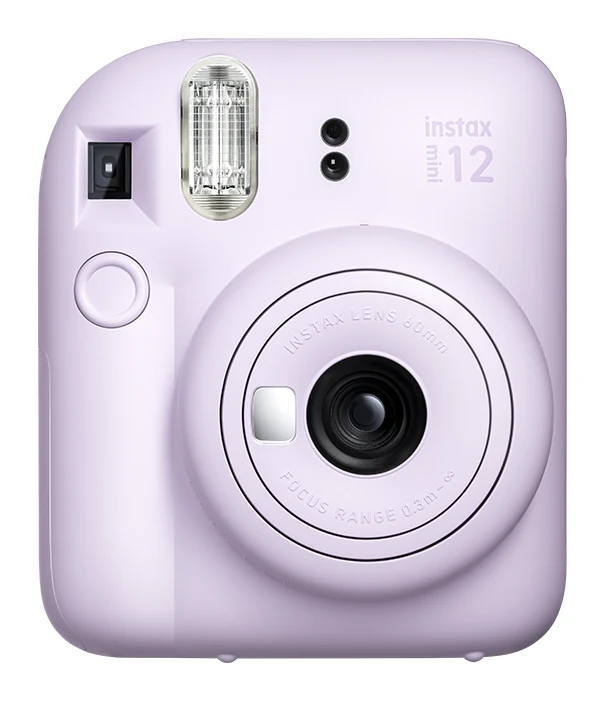
The Fujifilm Instax Mini 12 is a pastel, point-and-shoot instant camera built for people who want fun prints without settings. Here is what it does well, where it falls short and who should buy it.
Research-based · We earn from qualifying purchases
Our verdict
The Instax Mini 12 is an easy, charming instant camera that suits beginners, casual snappers and anyone who wants fun, retro-style prints without fiddling with settings. Skip it if you want control over flash or exposure, or crisp, accurate image quality.
The good
- Point-and-shoot simplicity with automatic exposure and flash, ideal for beginners
- Twist-barrel lens handles power-on and close-up mode in one motion
- Close-up mode with parallax-corrected viewfinder helps frame subjects at 0.3 to 0.5 m
- Built-in selfie mirror makes framing self-portraits easy
- Two AA batteries last about 10 film packs
+2 more
- Built-in selfie mirror makes framing self-portraits easy
- Two AA batteries last about 10 film packs
The bad
- Flash can't be turned off, so bright scenes may wash out
- No self-timer and little creative control over shots
- Smooth, slippery body can be fiddly to hold, especially for selfies
- Prints look soft with limited tonal range in very bright or dim light
+1 more
- Prints look soft with limited tonal range in very bright or dim light
Instant cameras sell on charm more than image quality, and this Fujifilm Instax Mini 12 review is written with that in mind. The Mini 12 is a pastel-coloured, fully automatic camera that prints small credit-card-style photos within about 90 seconds. It is aimed at beginners, casual snappers and anyone who wants to point, press and hand someone a physical photo. This review is based on Fujifilm's specifications and on what independent expert reviews report.
Fujifilm Instax Mini 12: specs at a glance
From the manufacturer- Film
- Fujifilm instax mini instant film (sold separately)
- Lens
- 2 components, 2 elements, f = 60 mm, 1:12.7
- Flash
- Constant firing flash (automatic light adjustment), effective range 0.3 to 2.2 m
- Power
- Two AA-size alkaline batteries (LR6), approx. 10 film packs of 10 exposures each
- Weight
- 306 g (without batteries, strap, and film)
- Shutter
- Programmed electronic shutter 1/2 to 1/250 sec, slow synchro for low light
- Film size
- 86 mm x 54 mm
- Dimensions
- 104 mm × 66.6 mm × 122 mm
- Viewfinder
- Real image finder, 0.37×, with target spot
- Picture size
- 62 mm x 46 mm
- Auto power off
- After 5 minutes
- Shooting range
- 0.3 m and beyond (Close-Up Mode for 0.3 m to 0.5 m)
- Exposure control
- Automatic, Lv 5.0 to 14.5 (ISO 800)
- Flash recycle time
- 7 seconds or less (new batteries)
- Film developing time
- Approx. 90 seconds
Key features
- Twist the lens barrel to power on and to enter close-up mode
- Automatic exposure and flash control, with no settings to fiddle with
- Built-in selfie mirror next to the lens
- Close-up mode with viewfinder parallax correction
- Prints eject automatically and develop in about 90 seconds
- Runs on two AA batteries, good for about 10 film packs
- Five pastel colours: Pastel Blue, Mint Green, Blossom Pink, Lilac Purple, Clay White
- Uses widely available Instax Mini film
Why people consider the Instax Mini 12
The appeal is simplicity. Exposure and flash are both automatic, so there is no menu or mode dial and no settings to learn. You turn the camera on, frame the shot and press the shutter. Reviewers consistently describe it as ideal for beginners, and the spec sheet backs that up: the camera makes the decisions and you focus on the subject.
It also uses widely available Instax Mini film, which is sold separately. That matters for any instant camera, because the film is the part you will keep buying. In price terms it is a mid-range option among the products compared.
The Mini 12 has also been recommended in an independent expert guide. Its expert reviews are strong too: Digital Camera World scores it 5/5, while TechRadar and Tech Advisor each give it 4.5/5. That averages 9.3/10 across 3 expert reviews.
Fujifilm Instax Mini 12 review: design and build
The Mini 12 comes in five pastel colours: Pastel Blue, Mint Green, Blossom Pink, Lilac Purple and Clay White. It is a deliberately playful design, and it suits the gift-and-party-camera role well.
The most distinctive design detail is the lens barrel. You twist it to power the camera on, and twisting it further enters close-up mode. One motion covers two jobs, and reviewers praise it. There is no separate power button to hunt for.
On the numbers, the camera measures 104 mm × 66.6 mm × 122 mm and weighs 306 g without batteries, strap and film. The Mini 12 also has an auto power-off after 5 minutes.
The body is smooth, and a common criticism is that it can be slippery and a little fiddly to hold. Reviewers raise this especially for selfies, when you are holding the camera at arm's length and trying to press the shutter.
Features and what they mean day to day
Automatic exposure and flash
Exposure is automatic across a range of Lv 5.0 to 14.5 (ISO 800). The shutter is a programmed electronic design running from 1/2 to 1/250 sec, with slow synchro for low light. In practice, the camera picks the shutter speed and flash output for you. That is what makes it so easy to use.
The trade-off is control. Reviewers point out that the flash cannot be turned off, so bright scenes can look washed out. There is also little creative control over shots, and there is no self-timer. If you want to experiment, the Mini 12 will frustrate you. If you want to avoid thinking, that is the point.
Close-up mode and the viewfinder
The shooting range starts at 0.3 m and beyond, and Close-Up Mode covers 0.3 m to 0.5 m. This matters because instant cameras with a separate viewfinder suffer from parallax, where what you see through the finder differs from what the lens captures at short distances. The Mini 12's close-up mode includes viewfinder parallax correction, which reviewers say helps with framing subjects at those close distances.
The viewfinder is a real image finder with 0.37× magnification and a target spot. It is a basic optical finder rather than a screen, and that is in keeping with the camera's no-frills approach.
Selfie mirror
A built-in selfie mirror sits next to the lens. You can see roughly where you are pointing the camera when it is turned towards you, so you can frame yourself and friends without guesswork. Reviewers call out this mirror as making self-portraits easy to frame. The only catch is the slippery body noted above.
Performance, flash and print quality
The lens is specified as 2 components, 2 elements, f = 60 mm, 1:12.7. The numbers are modest, and image quality is where the Mini 12 is most clearly a fun camera rather than a precise one. The picture size is 62 mm x 46 mm, printed on film measuring 86 mm x 54 mm. That is a small image, which suits sharing, pinning to a wall or tucking in a wallet.
A common criticism is that prints can look soft with limited tonal range, particularly in very bright or dim light. That fits the camera's approach: automatic control, a simple lens and a flash that is always active. Treat the prints as keepsakes with a retro look rather than as accurate records of a scene.
The flash is described as constant firing with automatic light adjustment, and its effective range is 0.3 to 2.2 m. That makes it best for subjects that are near the camera, such as friends at a table, a group at a party or a close-up of an object. After a shot, the flash needs 7 seconds or less to recycle with new batteries, so you will not be firing off rapid bursts.
Prints eject automatically and develop in about 90 seconds. That short wait is part of the fun, since people gather round to watch the picture appear.
Battery life and running costs
Power comes from two AA-size alkaline batteries (LR6), and Fujifilm rates them at about 10 film packs of 10 exposures each. AA batteries are easy to find and swap, with no proprietary battery or charging cable to remember. That makes the camera a good fit for trips and events. Keep in mind that film is sold separately and is the main ongoing expense, so factor it in when deciding whether the camera is right for you.
What experts like and what they criticise
Reviewers praise several things consistently:
- The point-and-shoot simplicity, with automatic exposure and flash.
- The twist-barrel lens that handles power-on and close-up mode in one motion.
- The close-up mode with its parallax-corrected viewfinder.
- The selfie mirror.
- The battery life, with two AA batteries lasting about 10 film packs.
The criticisms are just as consistent. The flash cannot be disabled. There is no self-timer and not much creative control. The smooth body can be hard to grip. Prints look soft with a limited tonal range in very bright or dim light. None of these is surprising for a camera of this type, but you should know about them before you buy. They are real limits, not footnotes.
Who should buy it, and who should skip it
Buy the Instax Mini 12 if:
- You are new to instant photography and want something that works straight out of the box.
- You want a fun camera for parties, holidays or gifts, with colour options to match your taste.
- You take plenty of selfies or close-up shots and like the idea of a mirror and a dedicated close-up mode.
- You prefer AA batteries you can replace anywhere to a rechargeable battery.
Skip it if:
- You want to control the flash or exposure.
- You need a self-timer, or other tools for creative experimentation.
- You care about crisp, accurate image quality, since reviewers describe the prints as soft.
- You are uncomfortable with a smooth body that may be hard to hold securely.
How it fits among instant cameras
Instant cameras generally fall into two camps: simple, automatic models that put fun first, and more advanced models that add manual control and creative options. The Mini 12 sits clearly in the first group. It is built for ease of use, not for flexibility. If you are weighing it against more capable models, our guide to the best instant cameras covers the range from easy snaps to creative control.
Verdict
The Instax Mini 12 does what it sets out to do. It is a charming, easy camera that makes instant photography accessible, and the expert scores reflect that, averaging 9.3/10. Its automatic approach is both its biggest strength and its main limitation: you get quick, fun results, but little say in how they look. If you want a simple, colourful camera for snapshots, selfies and shared moments, it is an easy recommendation. If you want sharper prints or the freedom to adjust the flash and exposure, look elsewhere.
Related buying guides
- FUJIFILM X-T30 III Review (2026): Small Body, Big Colour
- Best Digital Camera for Beginners 2026: Compact & Easy
- Best High-End Cameras 2026: Resolution, Speed & Video
- Nikon Z f Review (2026): Is Retro Worth the Quirks?
- Sony a7CR Review (2026): 61MP in a Small Body
- Canon EOS R50 Review (2026): Small Body, Smart Autofocus
- Nikon Z6III Review (2026): Hybrid Shooter's All-Rounder
Not sure about the Fujifilm Instax Mini 12? Consider these
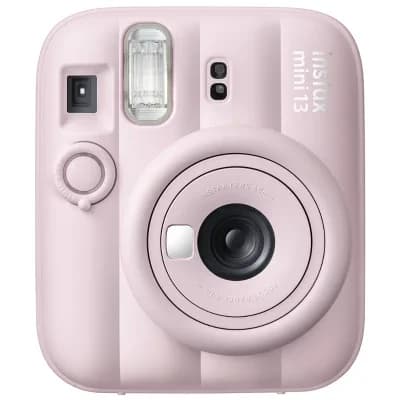
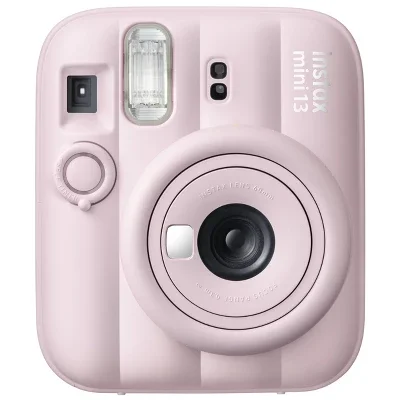
- Best ValueFujifilm Instax Mini 13Why we picked it →
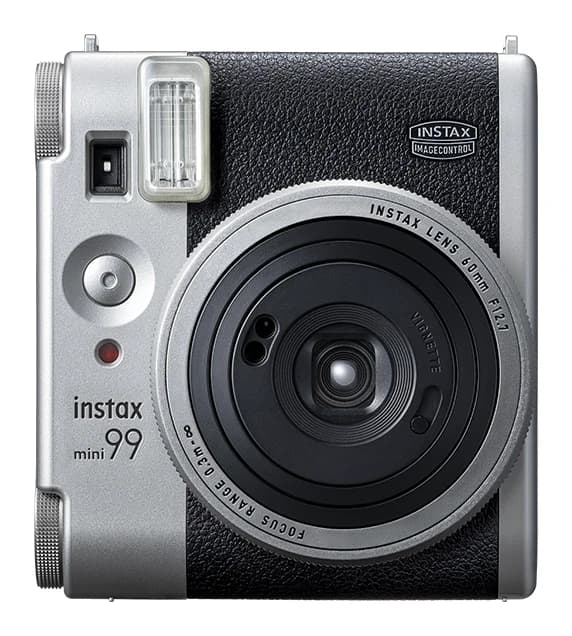
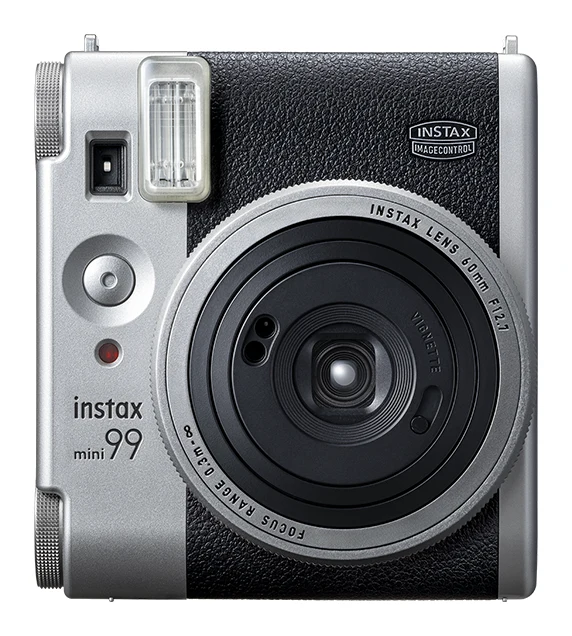
- Premium PickFujifilm Instax Mini 99Why we picked it →
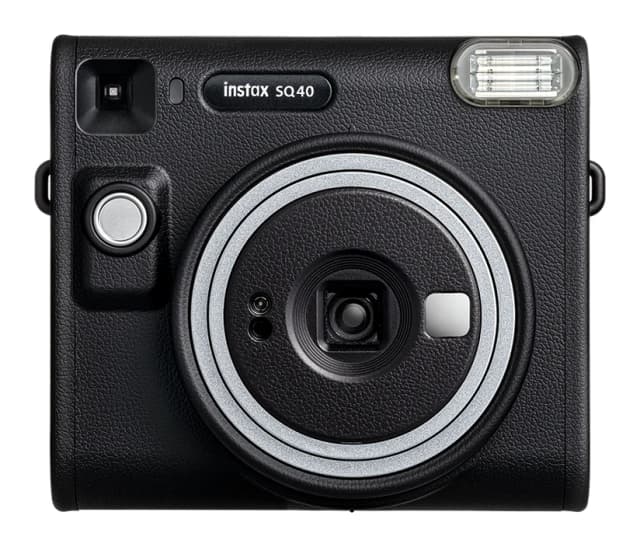
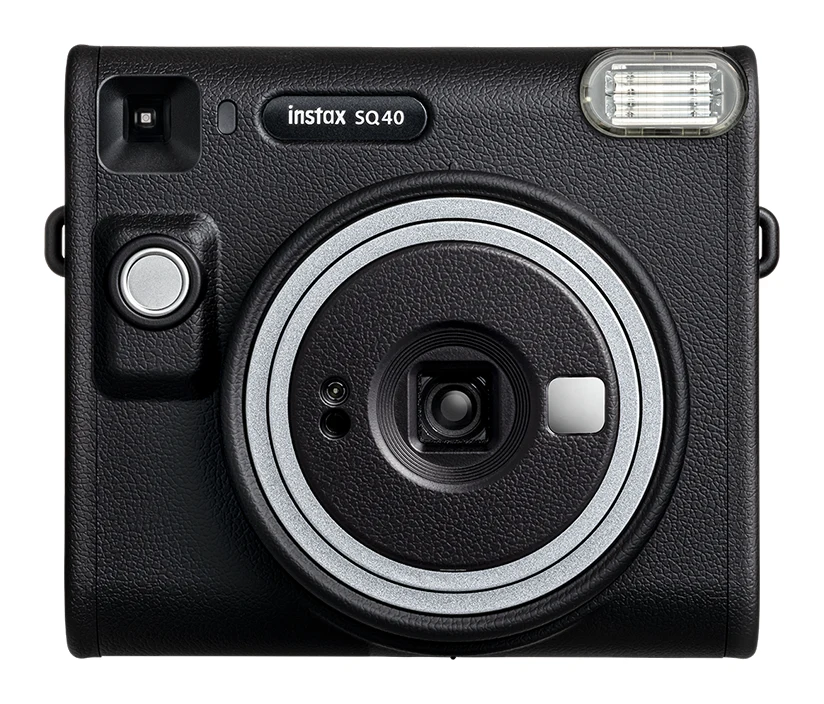
- Also GreatFujifilm Instax Square SQ40Why we picked it →
Frequently asked questions
Is the Fujifilm Instax Mini 12 worth it?
For beginners and casual users, reviewers say yes. It is simple to use, with automatic exposure and flash, and its expert scores average 9.3/10. It is less suited to anyone who wants control over the flash or exposure, or sharper prints.
Can you turn the flash off on the Instax Mini 12?
No. A common criticism from reviewers is that the flash cannot be turned off, so bright scenes can look washed out. The flash uses automatic light adjustment, with an effective range of 0.3 to 2.2 m.
How long do Instax Mini 12 photos take to develop?
Prints eject automatically and develop in about 90 seconds.
What batteries does the Instax Mini 12 use?
It runs on two AA-size alkaline batteries (LR6), which are good for about 10 film packs of 10 exposures each. The camera also switches itself off after 5 minutes.
Does the Instax Mini 12 have a selfie mode?
It has a built-in selfie mirror next to the lens, which makes it easier to frame self-portraits. It does not have a self-timer. Reviewers also note that the smooth body can be fiddly to hold for selfies.
What film does the Instax Mini 12 use?
It uses Fujifilm Instax Mini instant film, which is sold separately and widely available.
Sources
Specs are taken from the manufacturers' official pages; expert recommendations from the publications below.
- Fujifilm Instax Mini 12: instaxus.com, fujifilm.com, instax.com
Related reviews & guides
Best Instant Cameras 2026: Easy Snaps to Creative Control
Five instant cameras compared from manufacturer specs and expert recommendations, from simple point-and-shoot Instax models to creative, manual-control options.
Published Oct 29, 2026
Fujifilm X-M5 Review (2026): Pocket Camera, Big Video Specs
The Fujifilm X-M5 is the smallest, lightest X Series body, with a 26.1MP APS-C sensor and 6.2K video. Here is who it suits and what you give up.
Published Oct 30, 2026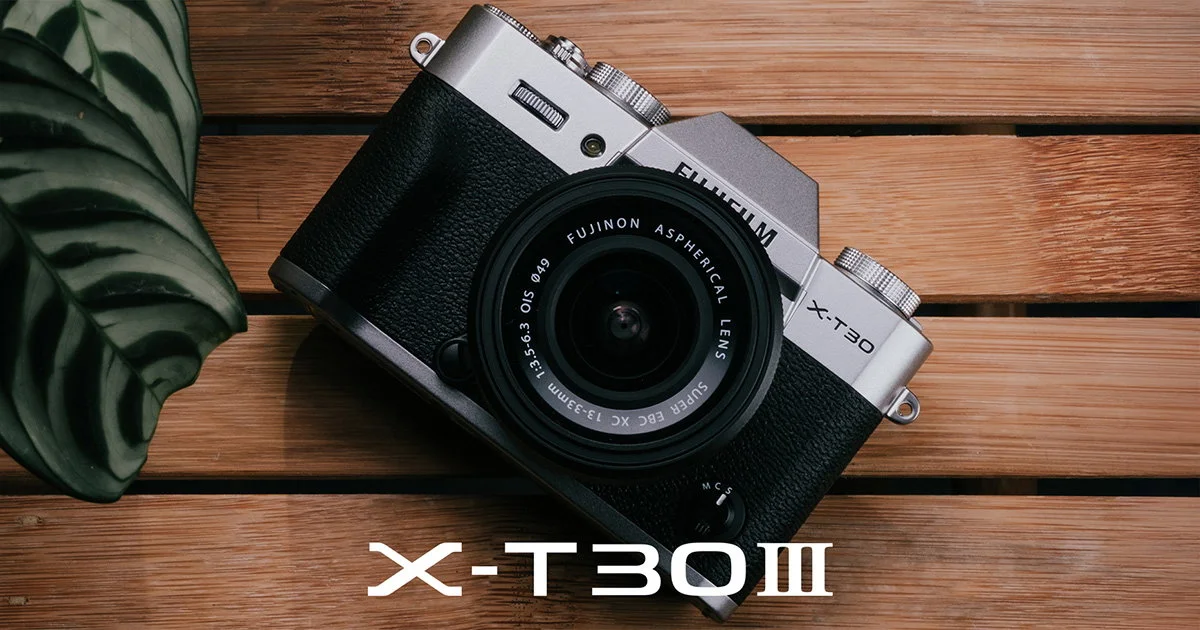
FUJIFILM X-T30 III Review (2026): Small Body, Big Colour
A pocketable APS-C mirrorless camera built around Film Simulations, strong JPEG colour and capable video. This FUJIFILM X-T30 III review covers who it suits and where it cuts corners.
Published Oct 19, 2026