DJI Neo Review (2026): Palm-Launch Drone for Beginners
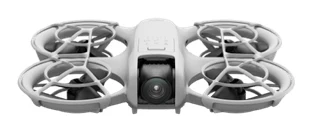
A palm-sized, fully guarded drone that launches from your hand and films itself. Here is what the DJI Neo offers beginners, and where it falls short.
Research-based · We earn from qualifying purchases
Our verdict
The DJI Neo is an easy, safe and affordable entry into drone flying, with reviewers praising its simple automated modes and tough, guarded design. Skip it if you need top image quality, obstacle avoidance or long flight times, and consider a more advanced drone instead.
The good
- Takes off and lands on your palm with no controller
- Fully enclosed propeller guards make flying safer, even indoors
- Subject tracking and QuickShots capture automated clips hands-free
- Many ways to fly: app, controller, FPV goggles or voice
- Palm-sized at 135 g with 22 GB of built-in storage
+2 more
- Many ways to fly: app, controller, FPV goggles or voice
- Palm-sized at 135 g with 22 GB of built-in storage
The bad
- Short flight time of about 18 minutes, so spare batteries are useful
- No obstacle avoidance, and light weight means wind can push it around
- Image quality is average, struggling in low light and bright sun
- No microSD slot, JPEG-only photos and 4K capped at 30fps
+1 more
- No microSD slot, JPEG-only photos and 4K capped at 30fps
This DJI Neo review looks at a drone built for people who have never flown one. It is small enough for a palm, it takes off and lands from your hand with no controller, and its propellers are fully enclosed. It is aimed at beginners and casual vloggers who want automated clips without learning to fly first.
The review is based on DJI's published specifications and on what independent experts report, not on hands-on testing by us. Across six expert reviews, the Neo averages 8.5/10. TechRadar gives it 4/5, Gizmodo 4.5/5, Tom's Guide 4.5/5, Space.com 4/5, Amateur Photographer 4.5/5 and Stuff 4/5. It also turns up in 2 independent expert buying guides, and it sits in the mid-range part of the market.
DJI Neo: specs at a glance
From the manufacturer- Lens
- FOV 117.6°, f/2.8, focus 0.6 m to ∞
- Gimbal
- Single-axis mechanical (tilt), controllable -90° to 60°
- Battery
- 1435 mAh, 7.3 V, 10.5 Wh
- Max video
- 4K/30fps and 1080p@60/50/30fps
- Dimensions
- 130×157×48.5 mm (L×W×H)
- Image sensor
- 1/2-inch
- Charging time
- Approx. 50 minutes directly (15W); approx. 60 minutes for three batteries via the hub (60W)
- Max photo size
- 12 MP (4000×3000), JPEG
- Takeoff weight
- Approx. 135 g
- Max flight time
- Approx. 18 mins (approx. 17 mins with propeller guards)
- Internal storage
- 22 GB (no microSD slot)
- Max video bitrate
- 75Mbps
- Max flight distance
- 7 km
- Operating temperature
- -10° to 40° C (14° to 104° F)
- Max wind speed resistance
- 8 m/s (Level 4)
Key features
- Takes off and lands on your palm with no controller
- Fully enclosed propeller guards for safer flying, including indoors
- 4K/30fps video from a 1/2-inch sensor with RockSteady stabilization
- Subject tracking and QuickShots for hands-free automated clips
- Several ways to fly: app, RC-N3 controller, goggles with FPV controllers, or voice
- 22 GB internal storage, so no memory card is needed
- Palm-sized at 135 g; one report says it needs no FAA registration in the US
- Swappable batteries, with a charging hub for charging three at once
DJI Neo Review: Design and Build
The Neo's main selling point is its size. It has a takeoff weight of approx. 135 g and dimensions of 130×157×48.5 mm (L×W×H), so it is compact and light enough to carry easily. One report says it needs no FAA registration in the US. Rules differ by country and change over time, so check your local regulations before you rely on that.
The design choice that matters most is the fully enclosed propeller guards. Reviewers praise the fully enclosed propeller guards for making flying safer, including indoors. For a first-time pilot, or anyone nervous about spinning blades near people, pets or furniture, this is a real reassurance.
The guards cost a little flight time. DJI lists max flight time as approx. 18 mins, or approx. 17 mins with the propeller guards fitted.
Features and What They Mean Day to Day
Palm takeoff and landing
You can launch the Neo from your open hand and have it land back on your palm, with no controller. For a casual user this is the main draw. You do not need a controller to get a shot.
Subject tracking and QuickShots
The Neo has subject tracking and QuickShots, DJI's automated flight patterns. Reviewers praise how well these capture clips hands-free. They give you automated clips hands-free, without a controller.
Several ways to fly
The Neo is flexible in how you control it:
- The DJI app on your phone
- The RC-N3 controller
- Goggles with FPV controllers
- Voice commands
A beginner can start with palm launch and the app, then move to a controller or goggles for more manual flying. Maximum flight distance is listed at 7 km.
Built-in storage
The Neo has 22 GB of internal storage, so you do not need a memory card to start recording. There is no microSD slot, though. You cannot expand the storage, and you will need to copy footage off the drone once the space is used.
Image Quality and Video
The Neo uses a 1/2-inch sensor behind an f/2.8 lens with a 117.6° field of view and a focus range of 0.6 m to ∞. It records 4K/30fps and 1080p at 60, 50 or 30fps, with a maximum video bitrate of 75Mbps. RockSteady stabilization smooths footage.
The gimbal is a single-axis mechanical (tilt) design, controllable from -90° to 60°. Photos are 12 MP (4000×3000) and saved as JPEG only.
These specs suit social-media clips and casual family videos. A common criticism from reviewers is that image quality is average, and that it struggles in low light and in bright sun. Further limits are:
- 4K is capped at 30fps.
- Photos are JPEG only.
If you plan to edit footage heavily or sell your work, those limits will matter. For sharing clips from a day out, they are less of a concern.
Flight Time, Battery and Charging
The battery is 1435 mAh at 7.3 V (10.5 Wh). With the flight time listed at approx. 18 mins, and slightly less with the guards fitted, you get short sessions. Reviewers note the short flight time, which makes spare batteries useful.
The Neo helps here because the batteries are swappable and there is a charging hub that charges three at once. DJI lists approx. 50 minutes to charge directly at 15W, and approx. 60 minutes for three batteries via the hub at 60W. Swappable batteries and the charging hub help you keep flying.
Wind, Weather and Safety Limits
DJI rates the Neo for max wind speed resistance of 8 m/s (Level 4) and an operating temperature of -10° to 40° C (14° to 104° F). Reviewers still note that its light weight means wind can push it around. That is a reasonable trade-off for a drone this small, but it is worth bearing in mind on breezy days or in open spaces.
The Neo also has no obstacle avoidance. The propeller guards help protect it and the people around it in a bump, but it will not steer itself around a tree or a wall. Fly it in open areas with a clear line of sight.
What Experts Like and What They Criticise
Reviewers consistently praise:
- Palm takeoff and landing with no controller
- Enclosed propeller guards that make flying safer, even indoors
- Automated clips from subject tracking and QuickShots
- The range of ways to fly
- The palm-sized body with 22 GB of built-in storage
The common criticisms are:
- Flight time of about 18 minutes
- No obstacle avoidance, with wind able to push the light airframe around
- Average image quality, particularly in low light and bright sun
- No microSD slot, JPEG-only photos and 4K capped at 30fps
These criticisms suggest the Neo trades capability for ease of use. For its intended audience that is reasonable, provided you know what you are buying.
Who Should Buy the DJI Neo, and Who Should Skip It
Buy it if you are:
- A first-time drone owner who wants something simple and safe
- A vlogger or social-media user who wants hands-free clips of yourself
- Someone who wants to fly indoors as well as outdoors, with the guards fitted
- A buyer who wants a drone small enough to carry everywhere
Skip it if you need:
- Top image quality, especially in low light or harsh sunlight
- Obstacle avoidance
- Long flight times without carrying spare batteries
- Expandable storage, 4K above 30fps or photo formats beyond JPEG
If those needs describe you, a more advanced drone is the better choice.
How the Neo Fits Among Beginner Drones
In general terms, the Neo is an easy, safe entry into drone flying. The things it prioritises are:
- Portability
- Palm launch
- Automated shots
- Guarded propellers
Its listed limits are average image quality, no obstacle avoidance and a flight time of about 18 minutes. Its range of control options (app, RC-N3 controller, goggles or voice) gives you several ways to fly, but it is still an entry-level tool.
Verdict
The DJI Neo does what it sets out to do. It is a small, guarded drone that lets a beginner get automated 4K/30fps clips with minimal fuss, and experts rate it well for that, at an average of 8.5/10. The limits are real: short flight time, no obstacle avoidance, average image quality in difficult light, and no microSD slot. If you accept those, it is a sensible way into drone flying. If image quality or longer flights matter most, look elsewhere.
Related buying guides
Not sure about the DJI Neo? Consider these
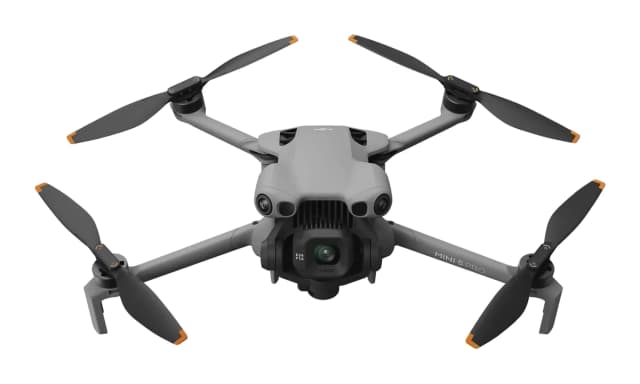
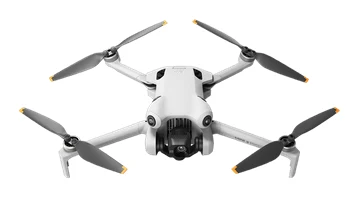
- Best OverallDJI Mini 5 ProWhy we picked it →
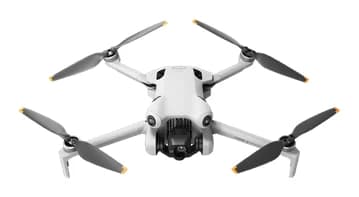
- Premium PickDJI Mini 4 ProWhy we picked it →
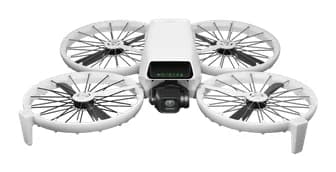
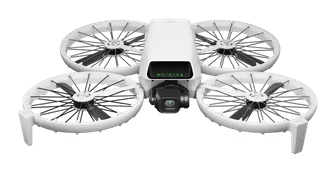
- Also GreatDJI FlipWhy we picked it →
Frequently asked questions
Is the DJI Neo worth it?
For beginners, probably yes. Reviewers praise its palm takeoff, guarded propellers and automated shooting modes, and it averages 8.5/10 across 6 expert reviews. It is less suitable if you need top image quality, obstacle avoidance or long flight times.
Does the DJI Neo need a controller?
No. It takes off and lands on your palm without one. You can also fly it with the app, the RC-N3 controller, goggles with FPV controllers, or by voice.
How long does the DJI Neo fly for?
DJI lists max flight time as approx. 18 mins, or approx. 17 mins with the propeller guards fitted. Swappable batteries and a charging hub that charges three at once help if you want to keep flying.
Does the DJI Neo have obstacle avoidance?
No. Reviewers list the lack of obstacle avoidance as a drawback. The fully enclosed propeller guards add safety, but you should still fly in open areas.
Does the DJI Neo have a microSD slot?
No. It has 22 GB of internal storage and no microSD slot, so you cannot expand the storage.
What video quality does the DJI Neo record?
It records 4K/30fps and 1080p at 60, 50 or 30fps from a 1/2-inch sensor, with a maximum video bitrate of 75Mbps and RockSteady stabilization. Reviewers describe the image quality as average, struggling in low light and bright sun.
Sources
Specs are taken from the manufacturers' official pages; expert recommendations from the publications below.
- DJI Neo: dji.com, en.wikipedia.org, drdrone.ca
Related reviews & guides
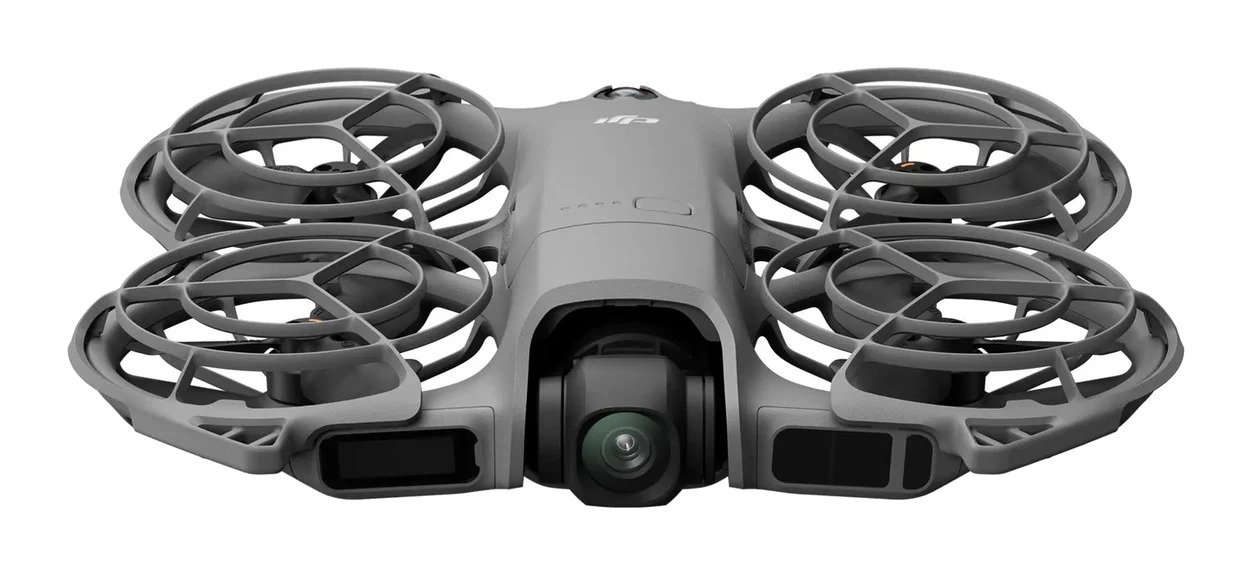
DJI Neo 2 Review (2026): A Palm-Launch Drone for Beginners
Our DJI Neo 2 review covers palm takeoff, gesture control, 4K/60fps video and obstacle sensing, plus the limits: 19-minute flights, a small sensor and no microSD slot.
Published Oct 19, 2026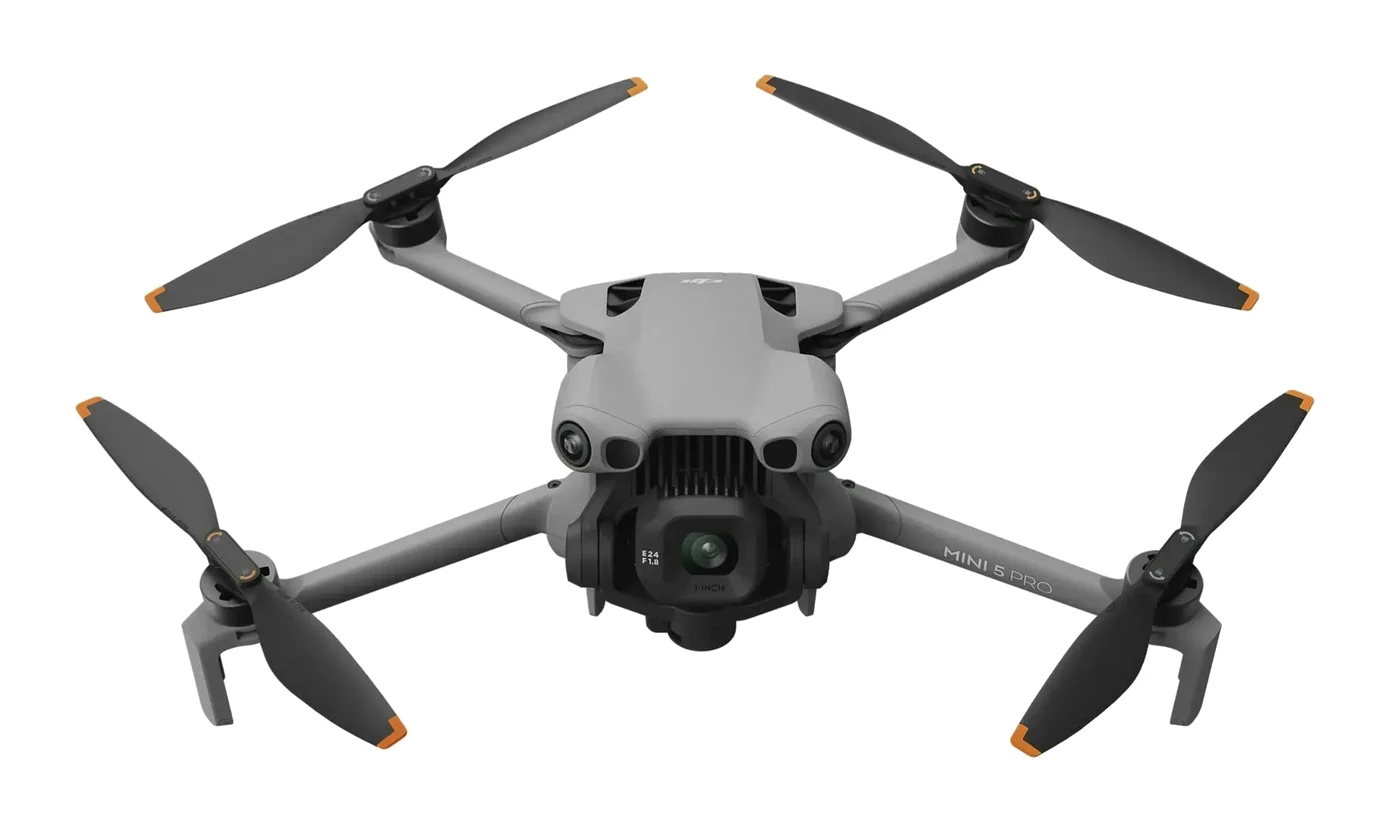
Best Drone for Beginners 2026: Five DJI and Potensic Picks
Five beginner-friendly drones compared on manufacturer specs and expert recommendations, from the palm-launch DJI Neo to the camera-focused DJI Mini 5 Pro.
Published Oct 9, 2026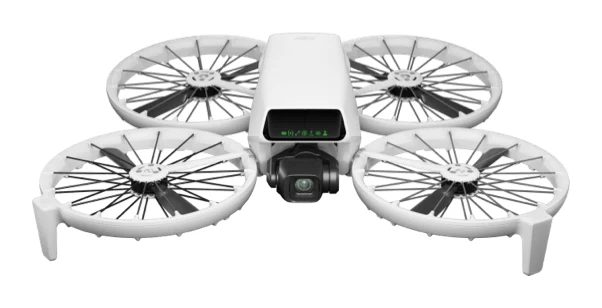
DJI Flip Review (2026): A Safer Drone for Vloggers
The DJI Flip trades some agility and wind resistance for foldable prop guards, a sub-249 g body and easy automated shots. Here is who it suits.
Published Oct 25, 2026