Google Pixel 11 Pro Fold Review (2026): Tough, Not Slim
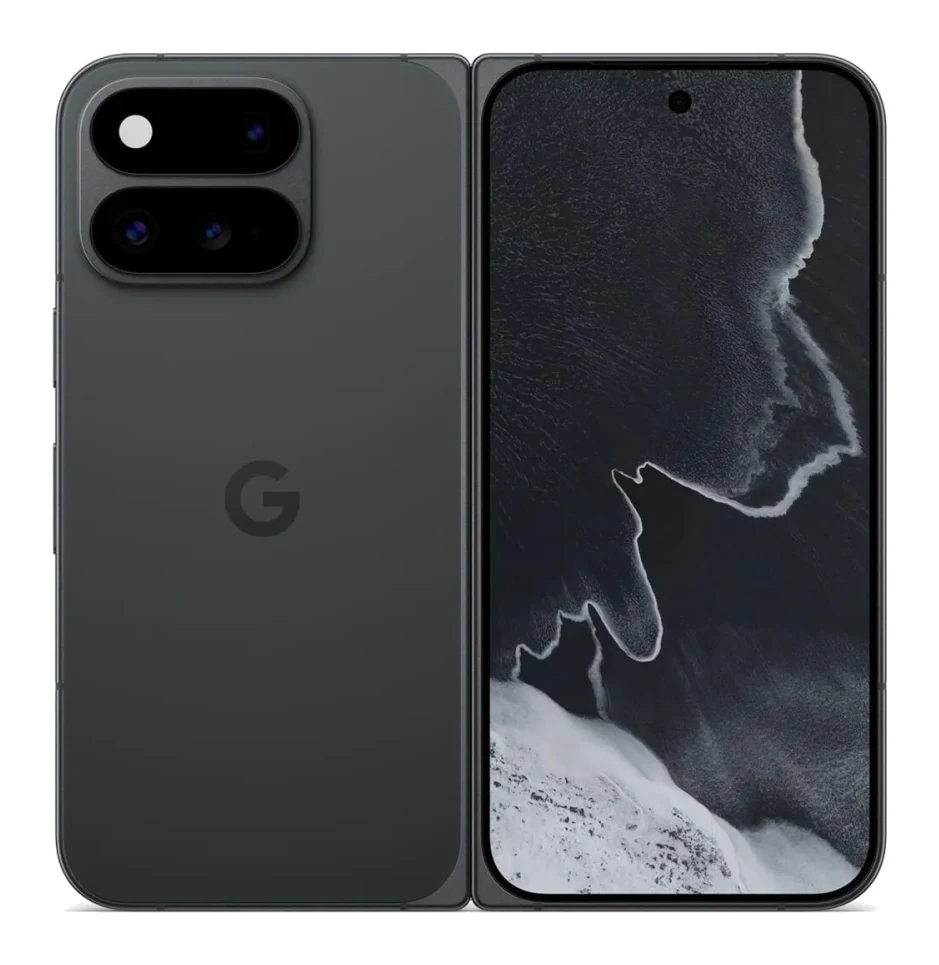
The Pixel 11 Pro Fold pairs IP68 durability, clean Android 17 software and seven years of updates with a bulkier body and middling battery life. Here is who it suits.
Research-based · We earn from qualifying purchases
Our verdict
The Pixel 11 Pro Fold suits buyers who want a durable, water-resistant foldable with clean software, long update support and reliable cameras. Those who prioritize top performance, battery life or the slimmest, least-creased design should look at rivals.
The good
- IP68 dust and water resistance, rare among mainstream foldables
- Bright 8-inch inner and 6.5-inch cover displays, both up to 3600 nits
- Dependable cameras with 48 MP main and 5x telephoto
- Clean Android 17 software with 7 years of updates
- Pixelsnap Qi2.2 magnetic wireless charging up to 25W
+2 more
- Clean Android 17 software with 7 years of updates
- Pixelsnap Qi2.2 magnetic wireless charging up to 25W
The bad
- Thicker and bulkier than Samsung's latest foldables
- Battery endurance is mediocre, and the cell is smaller than last year's
- Tensor G6 performance trails Snapdragon and Apple chips
- Crease is more visible than on the best rivals
+1 more
- Crease is more visible than on the best rivals
This Google Pixel 11 Pro Fold review looks at a book-style foldable aimed at people who want a phone that can take daily knocks, stay current with software for years and still turn into a small tablet. It has an 8-inch inner display, a 6.5-inch cover display, a Tensor G6 chip and 16 GB of RAM, and it sits in the mid-range part of the foldable market. It is built for buyers who value durability, clean software and dependable cameras more than raw speed or the slimmest possible body.
This review is based on Google's published specifications and on what independent expert reviews report. It is not based on hands-on testing.
Google Pixel 11 Pro Fold: specs at a glance
From the manufacturer- RAM
- 16 GB
- Weight
- 239 g
- Battery
- Typical 4806 mAh (minimum 4658 mAh)
- Storage
- 256 GB / 512 GB / 1 TB
- Software
- Android 17, 7 years of updates
- Processor
- Google Tensor G6 with Titan M3 security coprocessor
- Connectivity
- Wi-Fi 7, Bluetooth v6, 5G mmWave, dual SIM (nano SIM + eSIM)
- Rear cameras
- 48 MP wide, 10.5 MP ultrawide, 10.8 MP 5x telephoto
- Cover display
- 6.5-inch Super Actua OLED, 1080 x 2342, 1-120 Hz
- Inner display
- 8-inch Super Actua Flex OLED, 2076 x 2152, 1-120 Hz
- Selfie cameras
- 10 MP cover, 10 MP inner
- Wired charging
- up to 50% in about 30 minutes with a 30W USB-C PPS charger
- Peak brightness
- up to 3600 nits (both displays)
- Folded dimensions
- 155.2 mm x 76 mm x 10.1 mm
- Wireless charging
- Pixelsnap (Qi2.2-certified) up to 25W
- Unfolded thickness
- 5 mm
- Dust/water resistance
- IP68
Key features
- 8-inch inner display and 6.5-inch cover display, both up to 3600 nits peak
- IP68 dust and water resistance
- Gearless hinge and glass-ceramic cover glass for durability
- Pixelsnap Qi2.2 wireless charging up to 25W
- Google Tensor G6 chip with 16 GB RAM
- 48 MP main camera, 5x telephoto and Super Zoom up to 30x
- 7 years of OS, security and Pixel Drop updates
- HiLight notification glow on the back
Google Pixel 11 Pro Fold review: design and build
The headline for the Pixel 11 Pro Fold's design is durability. It carries an IP68 rating for dust and water resistance, which reviewers single out as rare among mainstream foldables. Foldables have a reputation for being delicate, with hinges and gaps that let in dust and moisture, so this rating is a real selling point for anyone nervous about the format.
Google backs it up with a gearless hinge and a glass-ceramic cover glass, both aimed at long-term durability. The spec sheet doesn't say how either was tested, so treat them as design intentions rather than proven results. Together with the IP68 rating, though, they make the case that this is a foldable meant to be used rather than babied.
The cost is size. Folded, the phone measures 155.2 mm x 76 mm x 10.1 mm, and unfolded it is 5 mm thick. It weighs 239 g. A common criticism from reviewers is that it is thicker and bulkier than Samsung's latest foldables. If you care most about slipping a foldable into a slim pocket without noticing it, that matters. If you would trade some slimness for resilience, it is less of an issue.
The crease is another recurring complaint. Reviewers say it is more visible than on the best rivals. That is a normal foldable compromise, but reviewers say it is more visible here than on the best rivals.
On the back, Google adds HiLight, a notification glow.
Displays: two screens, both very bright
The inner screen is an 8-inch Super Actua Flex OLED at 2076 x 2152, and the cover screen is a 6.5-inch Super Actua OLED at 1080 x 2342. Both run from 1 to 120 Hz, so scrolling should look smooth and the refresh rate can drop when the screen is static.
Both panels reach up to 3600 nits peak brightness. Reviewers praise the brightness of both screens.
The inner display's almost square shape (2076 x 2152) suits a tablet-like experience. It gives you room to read, browse or run two apps side by side. The cover display is the one you will use for quick tasks without unfolding.
Software and everyday features
The phone ships with Android 17 and Google promises 7 years of OS, security and Pixel Drop updates. For a foldable this is a strong point, because these devices cost more than a typical phone and you will want to keep them for years. Reviewers praise the clean software too, which is a good fit for a form factor where uncluttered interfaces help big and small screens feel consistent.
Security is handled by the Titan M3 coprocessor alongside the Tensor G6 chip. Connectivity covers Wi-Fi 7, Bluetooth v6 and 5G mmWave, with dual SIM support through a nano SIM and an eSIM. That is a full modern connectivity package, useful if you travel or keep separate work and personal lines.
Storage comes in 256 GB, 512 GB and 1 TB versions, all alongside 16 GB of RAM. That generous memory should help with keeping multiple apps open across the two screens, though the spec sheet doesn't give multitasking figures.
Cameras
The rear setup is a 48 MP wide camera, a 10.5 MP ultrawide and a 10.8 MP 5x telephoto. Google also lists Super Zoom up to 30x. Reviewers describe the cameras as dependable, and the combination of a main camera, ultrawide and 5x telephoto covers the shots most people take.
There are two selfie cameras, both 10 MP: one on the cover and one inside. The cover camera is handy for quick selfies and video calls in the folded position. The inner one is there for when you are using the big screen.
Performance and battery
This is where the Pixel 11 Pro Fold draws its sharpest criticism. The Tensor G6 chip, according to reviewers, trails Snapdragon and Apple chips in performance. If top chip performance is your priority, this is not the strongest option.
Battery endurance is described as mediocre, and reviewers note that the cell is smaller than last year's. The phone has a typical 4806 mAh battery (minimum 4658 mAh). With two large 120 Hz screens to power, that is a combination to think about if you are a heavy user who is away from a charger all day.
Charging has some compensating strengths. Wired charging reaches up to 50% in about 30 minutes with a 30W USB-C PPS charger. Wireless charging uses Pixelsnap, which is Qi2.2-certified, at up to 25W. Reviewers praise the Pixelsnap Qi2.2 magnetic wireless charging.
What experts like and what they criticise
Across three published reviews, the Pixel 11 Pro Fold averages 8.2/10. Engadget scores it 8.5/10, while TechRadar and Tom's Guide both give it 4 out of 5. It is also recommended in 4 expert buying guides.
What reviewers praise:
- The IP68 dust and water resistance, which is unusual among mainstream foldables
- The very bright inner and cover displays
- Dependable cameras with a 48 MP main sensor and 5x telephoto
- Clean Android 17 software with 7 years of updates
- Pixelsnap Qi2.2 magnetic wireless charging
What they criticise:
- A thicker, bulkier body than Samsung's latest foldables
- Mediocre battery endurance from a cell smaller than last year's
- Tensor G6 performance that trails Snapdragon and Apple chips
- A crease that is more visible than on the best rivals
The pattern is clear. The praise is about longevity, resilience and software. The criticism is about raw hardware polish: size, battery, chip speed and crease.
Who should buy it, and who should skip it
Buy it if you want a foldable that feels built to last. The IP68 rating, the durable hinge and cover glass and the 7-year update promise make it a sensible long-term purchase. It also suits anyone who likes clean Android software and wants reliable cameras without a lot of fuss.
Skip it if you want the slimmest, lightest foldable or the least visible crease. The 239 g weight and 10.1 mm folded thickness are noticeable. Heavy users who need all-day battery life, and anyone who wants the fastest processor, should also look elsewhere or at least weigh those compromises carefully.
How it fits in the foldable category
In general terms, the Pixel 11 Pro Fold trades slimness and benchmark speed for durability and software support. Reviewers say it is thicker and bulkier than Samsung's latest foldables, with a crease more visible than on the best rivals, and that Tensor G6 performance trails Snapdragon and Apple chips. Reviewers note the IP68 rating is rare among mainstream foldables, however, and that is the clearest differentiator here. If you are cross-shopping, decide first whether resilience or portability matters more to you, because that choice will settle most of the comparison.
Verdict
The Pixel 11 Pro Fold is a well-rounded foldable for people who plan to keep their phone for years and want it to survive real life. Its bright displays, dependable cameras, Pixelsnap wireless charging and long update promise make a strong everyday package. The bulk, the mediocre battery life, the slower chip and the crease are real compromises. If those trade-offs suit you, it is an easy foldable to recommend.
Related buying guides
- Google Pixel 10 Pro XL Review (2026): Polished, Not Fastest
- Google Pixel 9a Review (2026): Built to Last for Years
- Google Pixel 10a Review (2026): Great Basics, Few Surprises
- iPhone 18 Pro Max vs iPhone 18 Pro (2026): Which Size?
- Galaxy Z Fold8 vs Motorola Razr Ultra 2025: Book or Flip?
- Best Foldable Phones 2026: Flip or Fold for Every Budget
- Samsung Galaxy Z Fold8 Review (2026): Light Fold, No Zoom
Not sure about the Google Pixel 11 Pro Fold? Consider these
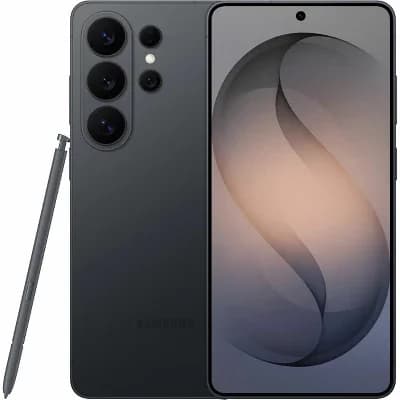
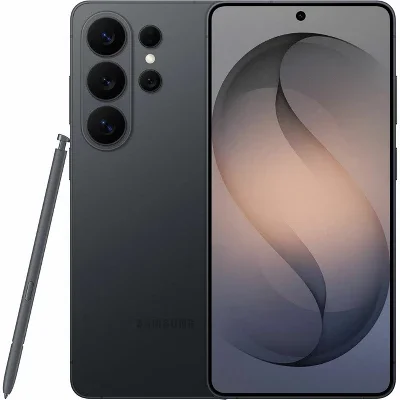
- Best OverallSamsung Galaxy S26 UltraWhy we picked it →
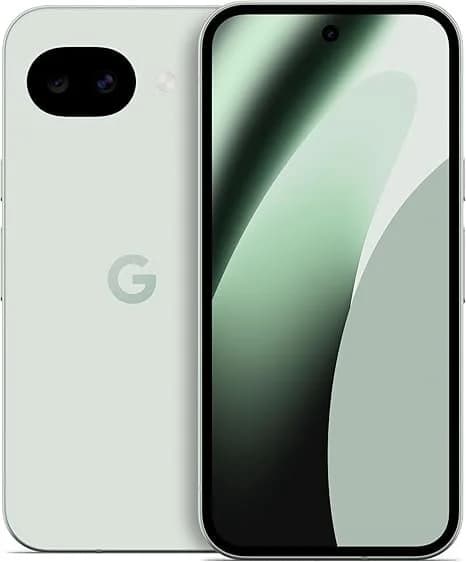
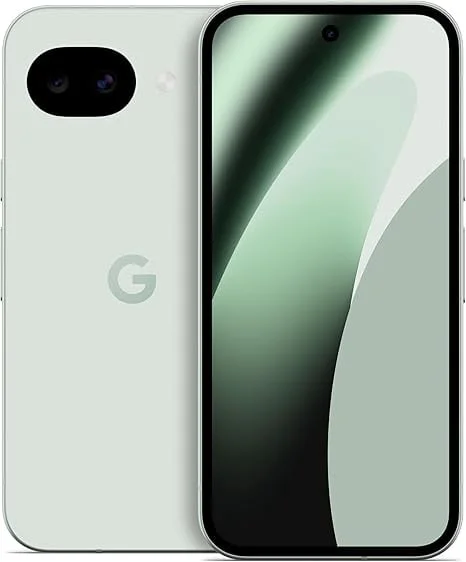
- Best ValueGoogle Pixel 10aWhy we picked it →
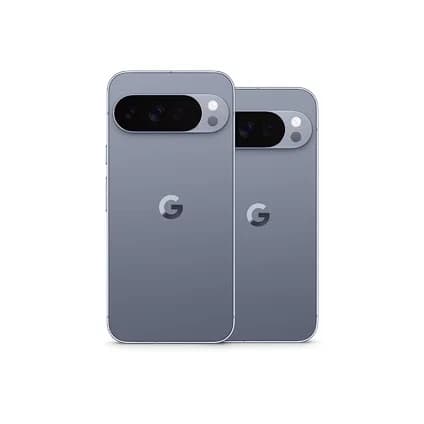
- Also GreatGoogle Pixel 10 Pro XLWhy we picked it →
Frequently asked questions
Is the Google Pixel 11 Pro Fold worth it?
It averages 8.2/10 across three expert reviews and is recommended in 4 expert guides. It is a good fit if you want durability, clean software and dependable cameras. If you prioritise the slimmest design, the fastest chip or the best battery life, reviewers suggest looking at rivals.
Is the Google Pixel 11 Pro Fold waterproof?
It has an IP68 rating for dust and water resistance, which reviewers note is rare among mainstream foldables. IP68 means it is protected against dust and water immersion, but it is not a reason to treat the hinge or screens carelessly.
Does the Pixel 11 Pro Fold support wireless charging?
Yes. It supports Pixelsnap wireless charging, which is Qi2.2-certified, at up to 25W. Wired charging reaches up to 50% in about 30 minutes with a 30W USB-C PPS charger.
How long will the Pixel 11 Pro Fold get software updates?
Google promises 7 years of OS, security and Pixel Drop updates. It launches with Android 17.
How good is the battery life on the Pixel 11 Pro Fold?
Reviewers describe battery endurance as mediocre and note the cell is smaller than last year's. The phone has a typical 4806 mAh battery (minimum 4658 mAh) and has to power two large 120 Hz displays, so heavy users should plan around that.
Does the Pixel 11 Pro Fold have dual SIM and 5G?
Yes. It supports dual SIM with a nano SIM plus an eSIM, and its connectivity includes 5G mmWave, Wi-Fi 7 and Bluetooth v6.
Sources
Specs are taken from the manufacturers' official pages; expert recommendations from the publications below.
- Google Pixel 11 Pro Fold: store.google.com, androidcentral.com, digitaltrends.com, 9to5google.com
Related reviews & guides
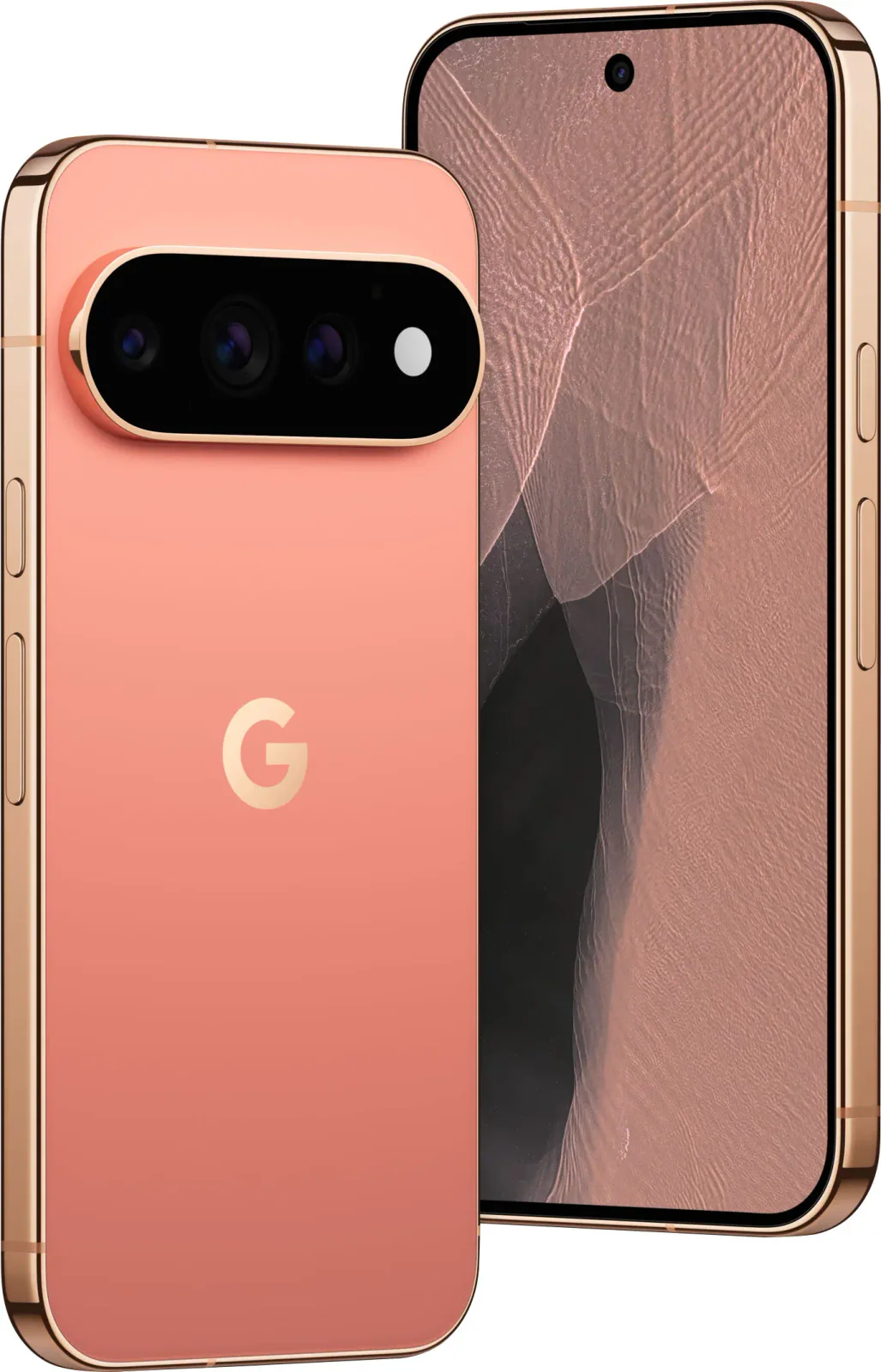
Google Pixel 11 Pro Review (2026): Compact, With Caveats
Our Google Pixel 11 Pro review looks at a compact flagship with a versatile triple camera, a very bright display and long software support, and where expert reviewers say it falls short.
Published Oct 22, 2026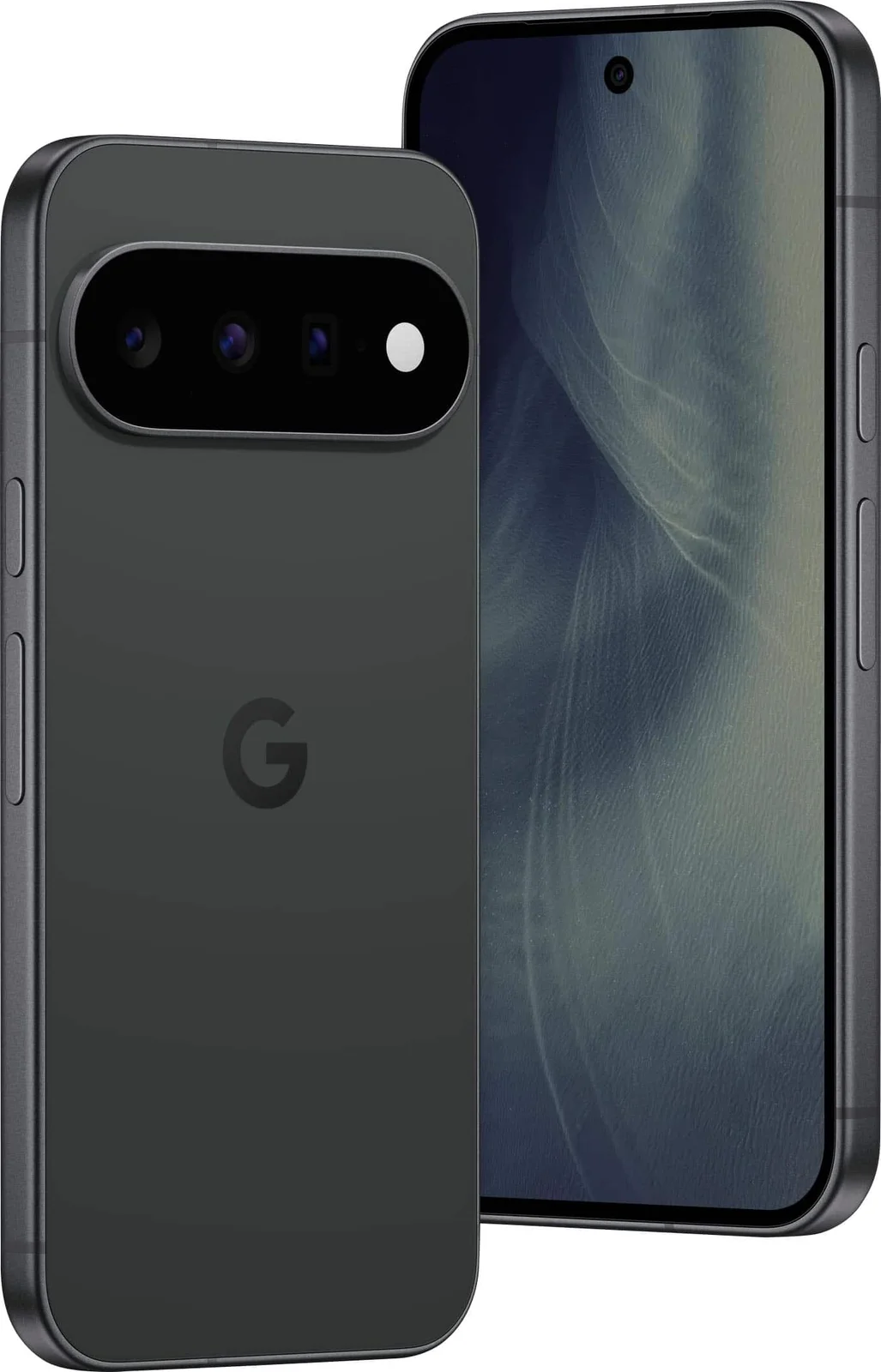
Google Pixel 11 Review (2026): Refined, Not Reinvented
Our Google Pixel 11 review covers the compact design, 5x telephoto camera, 7 years of updates and the trade-offs experts flag, from slow charging to Tensor G6 performance.
Published Oct 19, 2026
Google Pixel 10 Pro XL Review (2026): Polished, Not Fastest
The Pixel 10 Pro XL pairs a very bright 6.8-inch OLED and natural-looking cameras with seven years of updates. Here's what experts like and where it falls short.
Published Nov 6, 2026