HyperX Cloud III vs Turtle Beach Atlas Air (2026)
The HyperX Cloud III is the safer pick for most gamers: a budget, wired, durable headset that works with nearly every platform. The Turtle Beach Atlas Air wins if you want wireless and open-back sound.
Head-to-head comparison · Research-based · Affiliate links
We earn a commission from qualifying purchases made through our links, at no extra cost to you. It never decides our picks. As an Amazon Associate I earn from qualifying purchases. How we make money
HyperX Cloud III vs Turtle Beach Atlas Air: which one should you buy?
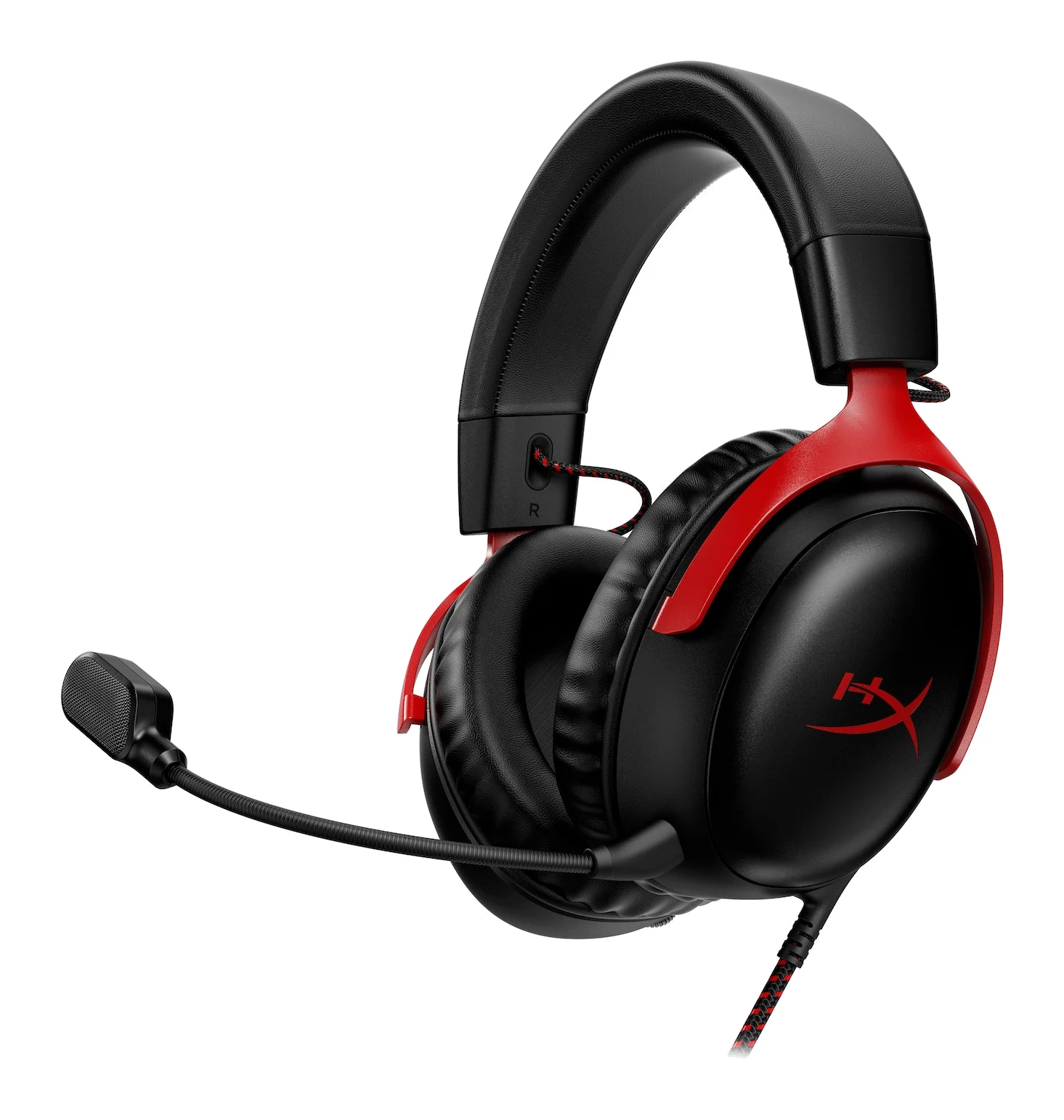
Best for: Budget-minded gamers wanting a sturdy, comfortable wired headset for any platform
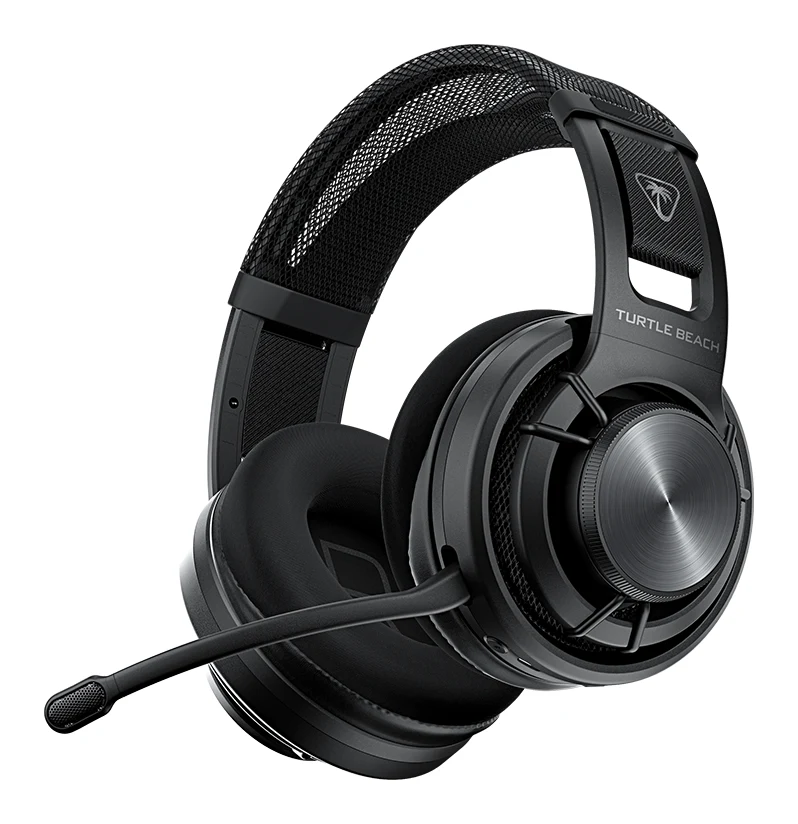
Best for: PC and PlayStation gamers wanting wireless, open-back sound in quiet rooms
The HyperX Cloud III vs Turtle Beach Atlas Air comes down to a simple trade, and most buyers should pick the Cloud III: it is the budget option, it is built from aluminum, and it plugs into nearly every platform, Xbox included. The Atlas Air is the better choice if you play on PC or PlayStation, want to cut the cable, and use headphones in a quiet room where an open-back design makes sense.
They are very different headsets despite sitting in the same category. The Cloud III is a wired, closed-back headset. The Atlas Air is a wireless, open-back one in the premium price tier. Here is how they compare where it matters.
HyperX Cloud III vs Turtle Beach Atlas Air: sound and soundstage
The biggest difference is the earcup design. The Cloud III is a closed-back headset with angled 53mm drivers (neodymium magnets, 10Hz-21kHz frequency response, 64Ω impedance) tuned for gaming audio. Reviewers praise its balanced, detailed sound. A common criticism is that some testers found the soundstage narrow and the noise isolation poor. Its DTS Headphone:X virtual surround is PC-only, and reviewers call it subtle, with basic software.
The Atlas Air uses 40mm drivers rated 20Hz - 40kHz in an open-back design. Reviewers say this gives a wide, immersive soundstage with good positional audio, and Turtle Beach adds 24-bit/96kHz hi-fi audio in PC mode plus Waves 3D Audio. The cost is that open-back cups leak sound and offer almost no noise isolation. Turtle Beach lists no noise cancellation, and the Cloud III has none either. Its only noise cancelling is in the microphone.
Edge: the Atlas Air for spacious, airy sound in a quiet room, particularly for gamers who care about positional cues. The Cloud III is the better fit if others share your space, or you share theirs, since an open-back design will leak what you are listening to.
Wireless, battery and platform support
This round is not close. The Cloud III is wired only, with no Bluetooth or wireless option. It connects through a 3.5mm (4-pole CTIA) jack, USB-C, or USB-A via the included adapter, and works across PC, PlayStation, Xbox, Switch, Mac and mobile. HyperX lists no battery because there isn't one.
The Atlas Air offers 2.4GHz wireless plus Bluetooth 5.2, with a QuickSwitch button to change between them. Its 800mAh rechargeable battery is rated for up to 50 hours, with quick charge. It also has a 5-pole 3.5mm audio port for wired use and USB-C for charging.
There are limits. Turtle Beach lists wireless support for PC, PS5, PS4 and Bluetooth mobile devices. Xbox Series X|S and Xbox One work wired only. Reviewers also note you can't run 2.4GHz and Bluetooth at the same time.
Edge: the Atlas Air for PC and PlayStation players who want wireless freedom and long battery life. The Cloud III is the one for Xbox players and anyone who wants a single headset across nearly every device with no charging to think about.
Comfort and build quality
Both are built for long sessions. The Cloud III has memory foam ear cushions and headband padding. Reviewers describe very comfortable memory foam with light clamping that suits glasses wearers. It weighs 308g (320g with microphone). The one niggle is that its earcups don't swivel.
The Atlas Air weighs 301g with microphone and uses floating earcups, a mesh headband and memory foam cushions with an athletic weave fabric. Turtle Beach describes its memory foam cushions as glasses-friendly, and the open-back design keeps ears cooler.
Build is where the Cloud III pulls ahead. HyperX uses an aluminum frame that flexes and resists travel and accidents, and reviewers say it feels premium. Reviewers say the Atlas Air's plastic build feels cheap for the price. The Cloud III also comes with a 2-year warranty.
Edge: a close call on comfort, with both praised and the Atlas Air slightly lighter. The Cloud III clearly wins on build and durability.
Microphone and software
The Cloud III has a detachable 10mm uni-directional electret condenser mic with noise cancelling and an LED mute indicator. Reviewers call it clear. It also has onboard volume and mic-mute controls on the earcup.
The Atlas Air has a detachable uni-directional flip-to-mute mic with noise reduction, rated 100Hz - 16kHz and 16-bit/32kHz. HyperX doesn't list a mic frequency range or bit depth, so the specs alone don't let you compare those figures directly.
On software, the Atlas Air has the more capable offering on paper: the Swarm II app (desktop and mobile) with a 10-band EQ. The catch is that reviewers describe the software and firmware as buggy and frustrating. The Cloud III's software is basic, but it asks less of you. If you want to tweak your sound, the Atlas Air gives you the tools. If you want to plug in and play, the Cloud III is simpler.
What experts say
Reviewers lean toward the Cloud III overall. It averages 8.1 out of 10 across published scores, and it is recommended in 2 expert buying guides. The scores are TechRadar 5/5, Tom's Hardware 4/5, RTINGS 7.7/10, TweakTown 88/100 and SoundGuys 6.2/10. The praise centres on comfort, the sturdy aluminum frame, balanced gaming sound, the clear mic and wide compatibility. The criticism is that it is wired only, the surround is subtle, noise isolation is poor and the soundstage can feel narrow.
The Atlas Air averages 7.6 out of 10. Its scores are Tom's Guide 3/5, SoundGuys 7/10, PC Gamer 80/100, CGMagazine 9/10 and Galaxus 4/5. Reviewers praise the open-back soundstage and positional audio, the light floating-earcup design, the flexible wireless options, the battery life and the 10-band EQ. They criticise the sound leakage, the buggy software, the plastic build, the lack of wireless on Xbox and the inability to use 2.4GHz and Bluetooth together.
The Atlas Air's scores range from 3/5 to 9/10, while the Cloud III's range from 6.2/10 to 5/5, so reviewers vary on both headsets. SoundGuys scored both headsets, giving the Atlas Air 7/10 and the Cloud III 6.2/10, so that outlet preferred the Atlas Air.
Choose HyperX Cloud III if…
Best for: Budget-minded gamers wanting a sturdy, comfortable wired headset for any platform
Pick the Cloud III if you want a durable, comfortable wired headset at a budget price that works with nearly every platform, Xbox included. It beats the Atlas Air on build quality and simplicity, though you give up wireless freedom.
Read our full HyperX Cloud III review →- Battery life
- N/A (wired)
- Noise cancellation
- No ANC (mic is noise-cancelling)
- Drivers
- Dynamic, 53mm with Neodymium magnets, angled
- Microphones
- Detachable 10mm electret condenser, uni-directional, noise-cancelling
- Weight
- 308g (320g with microphone)
- Ports
- 3.5mm (4-pole CTIA), USB-C, USB-A via included adapter
Reasons to buy
- Very comfortable memory foam, light clamping, good for glasses wearers
- Sturdy aluminum frame that feels premium
- Balanced, detailed 53mm driver sound suited to gaming
- Clear detachable noise-cancelling mic with LED mute indicator
- Works via 3.5mm, USB-C and USB-A across PC, consoles and mobile
Reasons to avoid
- Wired only, with no Bluetooth or wireless option
- DTS Headphone:X surround is subtle and the software is basic
- Some testers found the soundstage narrow and noise isolation poor
- Earcups don't swivel
- TechRadar
- 9.6
- Trusted Reviews
- 7.0
- TweakTown
- 8.8
- RTINGS
- 7.7
- Tom's Hardware
- 8.0
- SoundGuys
- 6.2
Choose the Cloud III if you want a durable, comfortable wired headset at the budget price tier that works with nearly every platform, including Xbox, Switch, Mac and mobile. It suits gamers who value a sturdy aluminum frame, a clear detachable mic with an LED mute indicator and a 2-year warranty over wireless freedom. It is also the safer pick if you play with other people nearby, since the closed-back design doesn't leak sound the way an open-back one does.
Choose Turtle Beach Atlas Air if…
Best for: PC and PlayStation gamers wanting wireless, open-back sound in quiet rooms
Pick the Atlas Air over the Cloud III if you want wireless freedom, long battery life and an airy open-back soundstage on PC or PlayStation. It suits quiet rooms, but expect a plastic build and a premium price.
Read our full Turtle Beach Atlas Air review →- Battery life
- Up to 50 hours (800mAh rechargeable lithium polymer)
- Noise cancellation
- None (open-back design)
- Drivers
- 40mm, 20Hz - 40kHz
- Microphones
- Detachable uni-directional flip-to-mute, 100Hz - 16kHz, 16-bit/32kHz
- Weight
- 301g with microphone
- Ports
- 5-pole 3.5mm audio port; USB-C charging
Reasons to buy
- Open-back design gives a wide, immersive soundstage with good positional audio
- Light 301g build with floating earcups suits long sessions
- 2.4GHz and Bluetooth 5.2 with QuickSwitch, plus wired option
- Up to 50 hours of battery life with quick charge
- Swarm II app offers a 10-band EQ for customisation
Reasons to avoid
- Open-back design leaks sound and offers almost no noise isolation
- Swarm II software and firmware are buggy and frustrating
- Plastic build feels cheap for the price
- No wireless on Xbox, and no simultaneous 2.4GHz and Bluetooth
- TechRadar
- 8.0
- Tom's Guide
- 6.0
- SoundGuys
- 7.0
- PC Gamer
- 8.0
- Gaming Shogun
- 8.0
- RTINGS
- 8.0
- Gaming Trend
- 9.0
- CGMagazine
- 9.0
- GamesReviews
- 9.5
- Galaxus
- 8.0
Choose the Atlas Air if you play on PC or PlayStation and want wireless, long battery life (up to 50 hours) and a wide, open-back soundstage. It suits quiet rooms, and it gives you Bluetooth 5.2 for mobile devices alongside 2.4GHz. Be ready for a plastic build, a premium price tier, buggy companion software and no wireless on Xbox.
Compare our picks side by side
The specs most of our picks share, from each maker’s spec page (— = not published). Expert score = the average of published expert reviews, which rate each product for its price. Scroll sideways on small screens.
| Spec | HyperX Cloud III | Turtle Beach Atlas Air |
|---|---|---|
| Best for | Our Pick | The Alternative |
| Expert score | 7.9 | 8.1 |
| Price vs. these picks | Lower | Higher |
| Battery life | N/A (wired) | Up to 50 hours (800mAh rechargeable lithium polymer) |
| Noise cancellation | No ANC (mic is noise-cancelling) | None (open-back design) |
| Drivers | Dynamic, 53mm with Neodymium magnets, angled | 40mm, 20Hz - 40kHz |
| Microphones | Detachable 10mm electret condenser, uni-directional, noise-cancelling | Detachable uni-directional flip-to-mute, 100Hz - 16kHz, 16-bit/32kHz |
| Weight | 308g (320g with microphone) | 301g with microphone |
| Ports | 3.5mm (4-pole CTIA), USB-C, USB-A via included adapter | 5-pole 3.5mm audio port; USB-C charging |
| Warranty | 2 years | 1 Year Limited |
| Wireless | None (wired only) | 2.4GHz wireless + Bluetooth 5.2 |
| Where to buy | View on Amazon | View on Amazon |
The verdict
For most people the HyperX Cloud III is the better buy. It scores higher with reviewers, feels sturdier, costs less and works with nearly every platform, though you give up the wireless connection entirely. The Turtle Beach Atlas Air is the pick for PC and PlayStation gamers who want wireless freedom and open-back sound in a quiet space, and who can live with its build and software complaints.
Ready to buy?
 Our PickHyperX Cloud IIIView on Amazon
 The AlternativeTurtle Beach Atlas AirView on Amazon
Related buying guides
Frequently asked questions
Is the HyperX Cloud III better than the Turtle Beach Atlas Air?
For most buyers, yes. The HyperX Cloud III averages 8.1 out of 10 from expert reviews against 7.6 for the Turtle Beach Atlas Air, it is the budget option, and it works with nearly every platform. The Atlas Air is better if you specifically want wireless and open-back sound on PC or PlayStation.
Does the HyperX Cloud III or Atlas Air have longer battery life?
The Turtle Beach Atlas Air, by default. It is rated for up to 50 hours with quick charge. The HyperX Cloud III is wired only and has no battery.
Is the HyperX Cloud III wireless?
No. The HyperX Cloud III is wired only, with no Bluetooth or wireless option. It connects through 3.5mm, USB-C or USB-A via the included adapter.
Which works better with Xbox, the Cloud III or the Atlas Air?
The HyperX Cloud III is the better choice for Xbox. It works with Xbox through its wired connections. The Turtle Beach Atlas Air supports Xbox Series X|S and Xbox One wired only, so you lose its wireless benefits there.
Is the Atlas Air open-back or closed-back?
The Turtle Beach Atlas Air is open-back, which gives a wide soundstage but leaks sound and offers almost no noise isolation. The HyperX Cloud III is closed-back.
Which is more comfortable, the Cloud III or the Atlas Air?
Both are praised for comfort. The HyperX Cloud III has memory foam and light clamping and weighs 308g (320g with microphone). The Turtle Beach Atlas Air is slightly lighter at 301g with microphone, with floating earcups and a mesh headband.
Sources
Specs are taken from the manufacturers' official pages; expert recommendations from the publications below.
- HyperX Cloud III: hyperx.com, row.hyperx.com, seriousinsights.net
- Turtle Beach Atlas Air: turtlebeach.com, microcenter.com, bestbuy.com
More buying guides
Turtle Beach Atlas Air Review (2026): Open-Back Comfort
The Turtle Beach Atlas Air is a lightweight open-back wireless gaming headset with a wide soundstage and long battery life. Here is who it suits and where it falls short.
Published Oct 25, 2026HyperX Cloud III Review (2026): Comfort Over Bass?
Our HyperX Cloud III review looks at a wired, aluminum-framed gaming headset built for comfort, with a detachable mic. Here is where it shines and where experts say it falls short.
Published Oct 19, 2026Best Gaming Headset 2026: Comfort, Battery & Low Latency
Our guide to the best gaming headset in 2026 compares five picks, from the HyperX Cloud III to the Audeze Maxwell 2, using specs and expert recommendations.
Published Oct 17, 2026