Meta Quest 3S vs Pimax Dream Air (2026): Which VR Fits?
Meta Quest 3S vs Pimax Dream Air: a budget wireless headset with a huge library against a premium, ultra-sharp PC VR headset. Here's who should buy which.
Head-to-head comparison · Research-based · Affiliate links
We earn a commission from qualifying purchases made through our links, at no extra cost to you. It never decides our picks. How we make money
Meta Quest 3S vs Pimax Dream Air: which one should you buy?
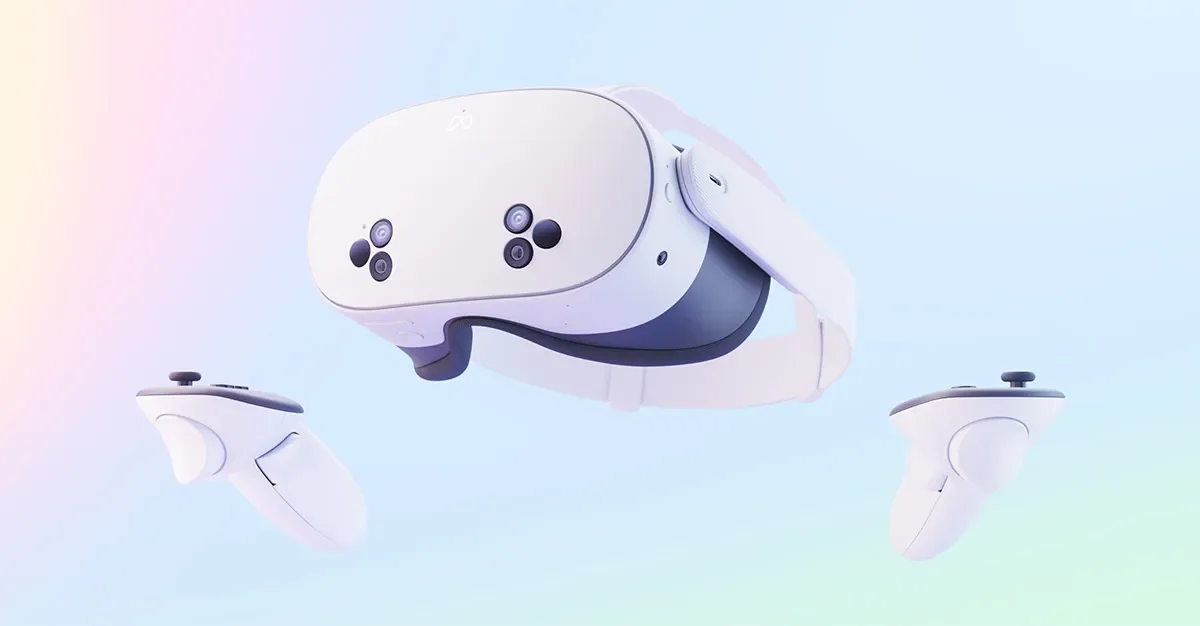
Best for: Newcomers wanting affordable, wireless, no-PC VR with mixed reality
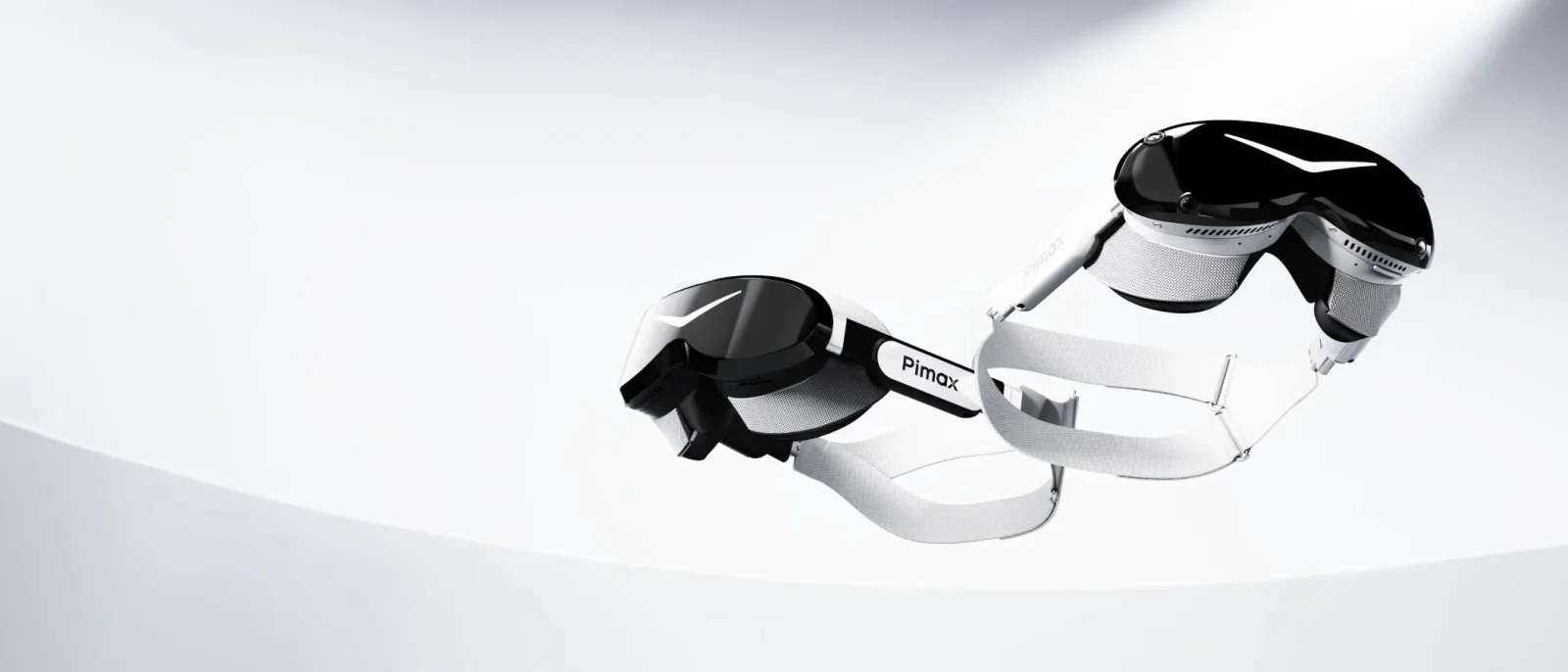
Best for: PC VR enthusiasts prioritizing top image quality and a light headset
Most buyers should pick the Meta Quest 3S: it's the budget option, it works wireless without a PC, and it runs the full Quest game and app library. The Pimax Dream Air is the better choice only if you're a PC VR enthusiast who already has (or will build) a powerful gaming rig and cares more about image quality, low weight and eye tracking than price or convenience.
This meta quest 3s vs pimax dream air comparison is really a comparison of two different philosophies. One is an all-in-one headset aimed at newcomers. The other is a premium PC-tethered display built for people who want the sharpest picture. It draws on manufacturer specs and what independent reviewers report.
Meta Quest 3S vs Pimax Dream Air: image quality and field of view
This is where the Dream Air pulls clearly ahead on paper. It uses Sony Micro-OLED panels at 3840 × 3552 per eye, behind pancake (ConcaveView) lenses. Reviewers praise those panels for sharpness, deep blacks and vivid color, and the headset offers a 110° horizontal field of view. A common criticism is that the vertical field of view feels restricted.
The Quest 3S uses an LCD panel with Fresnel lenses at 1832 x 1920 pixels per eye (20 PPD, 773 PPI). Its field of view is 96 degrees horizontal and 90 degrees vertical. Reviewers say the Fresnel lenses are blurry at the edges with a small sweet spot, and that resolution and field of view are lower than on the Quest 3.
On refresh rate, the Quest 3S supports 72Hz, 90Hz and 120Hz, while the Dream Air lists 72 / 90 Hz. If you want the option of 120Hz, only the Quest 3S offers it.
Who wins: the Dream Air, easily, for anyone who prioritizes visual fidelity. The Quest 3S is the compromise option here on image quality.
Comfort, weight and fit
The Dream Air's headset weighs under 170 g (headset only), and reviewers say it's comfortable for long sessions. The Quest 3S weighs 514 grams, and reviewers describe it as front-heavy and bulky, so long sessions tire.
The Dream Air has its own fit problems, though. Reviewers say the face cushion and strap fit can be hit-and-miss, and that it's awkward with glasses. They also report that the headset and cable get warm. The Quest 3S ships with a glasses spacer in the box, which is a practical plus if you wear glasses.
For IPD (the distance between your pupils), the Dream Air adjusts automatically across 58–72 mm. The Quest 3S has three fixed positions (58 mm, 63 mm, 68 mm), and reviewers flag that and the lack of eye tracking as weaknesses. The Dream Air's automatic adjustment covers a wider range than the Quest 3S's three presets.
Who wins: the Dream Air for weight and IPD flexibility. The Quest 3S gets the nod for glasses wearers on the strength of that included spacer, given reviewers' fit complaints about the Dream Air.
Eye tracking and tracking options
The Dream Air has built-in eye tracking (120 Hz) that drives dynamic foveated rendering. In plain terms, the headset can focus rendering detail where you're looking. The Quest 3S lists eye tracking as not featured.
The Dream Air also lets you choose between Lighthouse (base station) and SLAM inside-out tracking. That's flexibility enthusiasts may like, but reviewers say SLAM controller tracking and the Pimax Play software can be inconsistent.
The Quest 3S keeps things simple. It includes Touch Plus controllers and also supports controller-free hand tracking. It adds flood LEDs for tracking in dim rooms.
Who wins: the Dream Air for features, the Quest 3S for simplicity. Which matters more depends on whether you enjoy tinkering.
Setup, games and PC requirements
This round decides the matchup for many people. The Quest 3S is a wireless, all-in-one headset powered by a Qualcomm Snapdragon XR2 Gen 2 with 8GB RAM. It needs no PC, runs the full Quest library, and offers full-color mixed-reality passthrough. If you do own a gaming PC, it can also stream PC VR through a Quest Link cable or Air Link. Storage comes in 128GB or 256GB, and connectivity covers Wi-Fi 6E, Bluetooth 5.2 and USB-C.
The Dream Air is built around a PC. It connects through DP 1.4a + USB 3.0, which gives a direct DisplayPort connection for uncompressed visuals. Reviewers note that a demanding high-end PC is required on top of the premium price. The maker's listing doesn't include a processor, storage or battery spec, and it doesn't mention mixed-reality passthrough, so don't buy it expecting an all-in-one experience.
Battery is a simple contrast. The Quest 3S lists up to 2.5 hours of average use. The Dream Air's maker doesn't list a battery life.
Who wins: the Quest 3S, by a wide margin, for convenience and value. The Dream Air only makes sense if the PC is already part of your plan.
What experts say
Reviewers consistently praise the Quest 3S as a wireless standalone headset that needs no PC, with the full Quest library, color mixed-reality passthrough, included Touch Plus controllers with hand tracking, and a budget-tier price that makes it an easy entry into VR. The recurring criticisms are the blurry lens edges and small sweet spot, the lower resolution and narrower field of view than the Quest 3, the front-heavy 514 g build, and the fixed IPD presets with no eye tracking.
Its published scores are TechRadar 4.5/5, Trusted Reviews 4.5/5, Tom's Guide 4/5 and CGMagazine 9.5/10, for an expert average of 8.9 out of 10.
For the Dream Air, reviewers praise the Sony Micro-OLED image (sharpness, deep blacks and vivid color), the comfortable under-170 g headset, the 110° horizontal field of view, the 120 Hz eye tracking and the automatic IPD adjustment. Criticisms center on the premium price and high-end PC requirement, hit-and-miss fit (especially with glasses), inconsistent SLAM tracking and Pimax Play software, and warmth plus a restricted vertical view.
Its scores are GamesRadar 3.5/5, PC Gamer 75/100, PCGamesN 8/10 and Tom's Guide 4/5, averaging 7.6 out of 10. It is recommended in 3 expert guides. Tom's Guide gave both headsets 4/5, so the gap in averages comes from the other reviews.
If you're also weighing Meta's own range, our Quest 3S vs Quest 3 comparison covers the step up within the Quest family.
Choose Meta Quest 3S if…
Best for: Newcomers wanting affordable, wireless, no-PC VR with mixed reality
Pick the Quest 3S if you want an affordable, wireless headset that works out of the box with a huge game library and mixed reality. It suits newcomers and casual players who don't want a high-end PC or a premium price.
Read our full Meta Quest 3S review →- Weight
- 514 grams
- Resolution
- 1832 x 1920 pixels per eye (20 PPD, 773 PPI)
- Refresh rate
- 72Hz, 90Hz, 120Hz
- Processor
- Qualcomm Snapdragon XR2 Gen 2
- RAM
- 8GB
- Storage
- 128GB or 256GB
Reasons to buy
- Wireless standalone headset that needs no PC
- Runs the full Quest game and app library
- Full-color mixed-reality passthrough
- Touch Plus controllers included, plus hand tracking
- Budget-tier price makes it an easy entry into VR
Reasons to avoid
- Fresnel lenses are blurry at the edges with a small sweet spot
- Lower resolution and narrower field of view than Quest 3
- Front-heavy and bulky at 514 g, so long sessions tire
- Only three fixed IPD presets and no eye tracking
- Trusted Reviews
- 9.0
- TechRadar
- 9.0
- CGMagazine
- 9.5
- PCGamesN
- 7.0
- NexReview
- 8.9
- PC Gamer
- 8.3
- Tom's Guide
- 8.0
- Talk Android
- 7.2
Choose the Quest 3S if you want an affordable way into VR that works out of the box with no PC. It suits newcomers and casual players who want the full Quest library, mixed reality and included controllers. It's also the more sensible pick if you wear glasses and want a spacer in the box, or if you'd rather not spend on a powerful gaming rig. Accept that the lenses are softer at the edges and that the headset gets tiring over long sessions.
Choose Pimax Dream Air if…
Best for: PC VR enthusiasts prioritizing top image quality and a light headset
Choose the Dream Air over the Quest 3S if image quality, light weight and eye tracking matter more than price or convenience. It's meant for PC VR enthusiasts who already own, or will build, a powerful gaming rig.
- Weight
- <170 g headset only
- Resolution
- 3840 × 3552 per eye
- Refresh rate
- 72 / 90 Hz
- Processor
- —
- RAM
- —
- Storage
- —
Reasons to buy
- Sony Micro-OLED panels deliver best-in-class sharpness, deep blacks and vivid color
- Under 170 g headset is comfortable for long sessions
- 110° horizontal field of view is wider than the Quest 3S
- Built-in 120 Hz eye tracking enables dynamic foveated rendering
- Automatic IPD adjustment covers 58–72 mm
Reasons to avoid
- Premium price, plus a demanding high-end PC is required
- Face cushion and strap fit can be hit-and-miss; awkward with glasses
- SLAM controller tracking and Pimax Play software can be inconsistent
- Headset and cable get warm; vertical field of view feels restricted
- PC Gamer
- 7.5
- PCGamesN
- 8.0
- Tom's Guide
- 8.0
- SimRacingSetups
- 8.2
- GamesRadar
- 7.0
Choose the Dream Air if image quality is your top priority and you already own, or plan to build, a powerful PC. You get Sony Micro-OLED panels, a 110° horizontal field of view, 120 Hz eye tracking, automatic 58–72 mm IPD adjustment and a headset under 170 g. Go in knowing it's the premium option, that fit can be fiddly (particularly with glasses), and that reviewers report inconsistent software and SLAM controller tracking.
Compare our picks side by side
The specs most of our picks share, from each maker’s spec page (— = not published). Expert score = the average of published expert reviews, which rate each product for its price. Scroll sideways on small screens.
| Spec | Meta Quest 3S | Pimax Dream Air |
|---|---|---|
| Best for | Our Pick | The Alternative |
| Expert score | 8.4 | 7.7 |
| Price vs. these picks | Lower | Higher |
| Weight | 514 grams | <170 g headset only |
| Resolution | 1832 x 1920 pixels per eye (20 PPD, 773 PPI) | 3840 × 3552 per eye |
| Refresh rate | 72Hz, 90Hz, 120Hz | 72 / 90 Hz |
| Processor | Qualcomm Snapdragon XR2 Gen 2 | — |
| RAM | 8GB | — |
| Storage | 128GB or 256GB | — |
| Connectivity | Wi-Fi 6E, Bluetooth 5.2, USB-C | DP 1.4a + USB 3.0 |
| Display type | LCD with Fresnel lenses | Sony Micro-OLED |
| Where to buy | Check price | Check price |
The verdict
For most people the Meta Quest 3S is the right call: it's cheaper, wireless and easy, and it earns the higher expert average of 8.9 against 7.6. The Pimax Dream Air is the specialist pick. It's clearly the sharper, lighter and more feature-rich headset, but only worth it if you're a PC VR enthusiast ready to pay the premium and deal with some rough edges.
Ready to buy?
 Our PickMeta Quest 3SCheck price
 The AlternativePimax Dream AirCheck price
Frequently asked questions
Is Meta Quest 3S better than Pimax Dream Air?
For most buyers, yes. The Meta Quest 3S is the budget option, works wireless with no PC and has the higher expert average (8.9 vs 7.6 out of 10). The Pimax Dream Air is better only if you want top image quality, low weight and eye tracking and already have a powerful PC.
Does the Pimax Dream Air need a PC?
Yes. The Pimax Dream Air connects through DP 1.4a + USB 3.0, and reviewers note that a demanding high-end PC is required. The Meta Quest 3S works standalone, with no PC needed.
Which has the sharper image, Quest 3S or Dream Air?
The Pimax Dream Air. It uses Sony Micro-OLED panels at 3840 × 3552 per eye, and reviewers praise their sharpness, deep blacks and vivid color. The Meta Quest 3S uses an LCD panel at 1832 x 1920 pixels per eye, and reviewers say its Fresnel lenses are blurry at the edges.
Which headset is lighter and more comfortable?
The Pimax Dream Air is lighter at under 170 g (headset only), against 514 grams for the Meta Quest 3S, and reviewers say it's comfortable for long sessions. However, reviewers also say its face cushion and strap fit can be hit-and-miss, and awkward with glasses.
Does the Quest 3S or Dream Air have eye tracking?
The Pimax Dream Air does: built-in 120 Hz eye tracking that drives dynamic foveated rendering. The Meta Quest 3S lists eye tracking as not featured.
Can the Meta Quest 3S play PC VR games?
Yes. The Meta Quest 3S supports PC VR via a Quest Link cable or Air Link, so you can use a gaming PC if you have one. It also runs the full Quest library on its own.
Sources
Specs are taken from the manufacturers' official pages; expert recommendations from the publications below.
- Meta Quest 3S: meta.com, en.wikipedia.org, vr-compare.com
- Pimax Dream Air: pimax.com, store.pimax.com, vr-compare.com
More buying guides
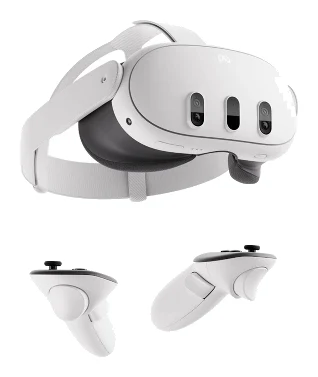
Meta Quest 3S vs Meta Quest 3 (2026): Savings or Sharpness?
Both headsets share the same chip and game library, but the Quest 3 adds sharper pancake lenses, a wider field of view and more storage. Here is who should pay for it.
Published Oct 30, 2026Meta Quest 3S Review (2026): Full Library, Softer Lenses
The Meta Quest 3S pairs the Quest 3's chip and game library with Fresnel lenses and less comfort. Here is what the specs and expert reviews say.
Published Oct 19, 2026Meta Quest 3 Review (2026): Wireless VR With Trade-Offs
A look at the Meta Quest 3 based on manufacturer specs and expert reviews: sharp lenses, strong performance and mixed reality, held back by battery life and the stock strap.
Published Oct 25, 2026