Meta Quest 3S Review (2026): Full Library, Softer Lenses
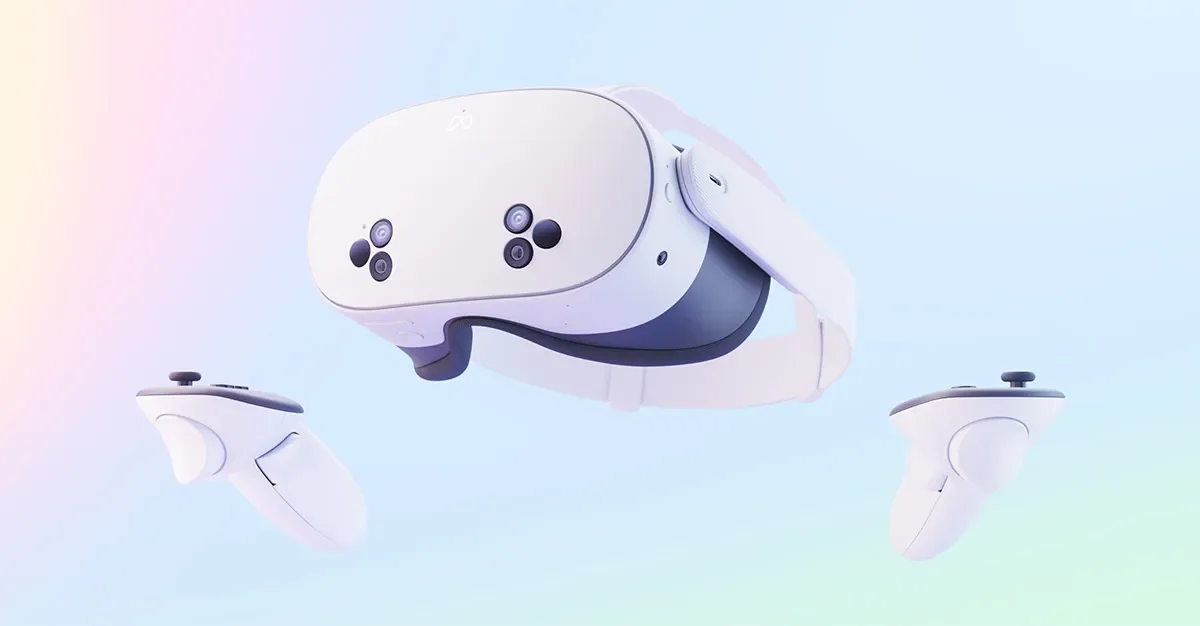
The Meta Quest 3S pairs the Quest 3's chip and game library with Fresnel lenses and less comfort. Here is what the specs and expert reviews say.
Research-based · We earn from qualifying purchases
Our verdict
The Quest 3S suits anyone who wants an affordable way into VR and mixed reality with the same processor and game library as the Quest 3. Skip it if you want the sharpest image, finer lens adjustment or the best comfort for long sessions.
The good
- Same Snapdragon XR2 Gen 2 and 8GB RAM as Quest 3
- Runs the full Quest library, standalone or with PC VR
- Full-colour mixed-reality passthrough, a big step up from Quest 2
- Touch Plus controllers with TruTouch haptics included in the box
- Up to 120 Hz refresh rate and Wi-Fi 6E for smooth wireless play
+2 more
- Touch Plus controllers with TruTouch haptics included in the box
- Up to 120 Hz refresh rate and Wi-Fi 6E for smooth wireless play
The bad
- Fresnel lenses give a less sharp image, with edge blur and screen-door effect
- Bulkier and less comfortable than Quest 3 for long sessions
- Three-position IPD presets instead of a continuous adjustment wheel
- No eye tracking, no headphone jack and no hardware depth sensor
+1 more
- No eye tracking, no headphone jack and no hardware depth sensor
This Meta Quest 3S review looks at a headset that gives you the same processor and game library as the Quest 3 as an affordable way into VR, with compromises in lens quality and comfort. It is built for anyone who wants a first step into VR and mixed reality without a PC or console. It is less suited to people who put image sharpness and long-session comfort first.
This review is based on manufacturer specs and what independent experts report, not hands-on testing. Across 4 expert reviews, the Quest 3S averages 8.6/10, and it is recommended in 6 expert buying guides.
Meta Quest 3S: specs at a glance
From the manufacturer- RAM
- 8 GB
- Wi-Fi
- Wi-Fi 6E
- Optics
- Fresnel lens
- Weight
- 514 grams
- Battery
- 4,324 mAh, up to 2.5 hours average use
- Chipset
- Qualcomm Snapdragon XR2 Gen 2
- Storage
- 128 GB or 256 GB
- Charge time
- Approximately 1.9 hours with included 18W adapter
- Passthrough
- 2 RGB cameras, 18 PPD
- Eye tracking
- Not featured
- Refresh rate
- 72 Hz, 90 Hz, 120 Hz
- Field of view
- 96° horizontal, 90° vertical
- Pixel density
- ~20 PPD / 773 PPI
- Lens adjustment
- 3-position IAD
- Display resolution
- 1832 x 1920 pixels per eye
Key features
- Standalone headset that needs no PC or console, and it also works with PC VR
- Full-colour mixed-reality passthrough from 2 RGB cameras at 18 PPD
- Snapdragon XR2 Gen 2 chip with 8GB RAM, the same as Quest 3, so it runs the full Quest library
- Touch Plus controllers with TruTouch haptics are included, and hand tracking is supported
- Two IR flood LEDs improve hand tracking and let you play in dim rooms
- Action button toggles between passthrough and VR
- Glasses spacer included, and it is compatible with Zenni prescription lens inserts
- Up to 120 Hz refresh rate and Wi-Fi 6E for smooth wireless play
Meta Quest 3S review: the short version
The Quest 3S is a standalone headset, so it needs no PC or console, though it also works with PC VR. It uses the Qualcomm Snapdragon XR2 Gen 2 chipset with 8GB RAM, the same as the Quest 3, so it runs the full Quest library. Touch Plus controllers with TruTouch haptics are in the box, and hand tracking is supported.
The trade-offs are mostly optical and ergonomic. Reviewers point to Fresnel lenses that give a less sharp image, with edge blur and a screen-door effect. They also say it is bulkier and less comfortable than the Quest 3 for long sessions. It sits in the mid-range part of the market.
Design and build
The headset weighs 514 grams. Reviewers call it bulkier and less comfortable than the Quest 3 for longer sessions, which matters if you plan marathon play. For shorter sessions, that criticism may count for less.
Lens adjustment uses a 3-position IAD, meaning three presets rather than a continuous adjustment wheel. If your eye spacing falls between presets, you may not get a perfect match, and reviewers list this as a drawback. The optics are Fresnel lenses, which explains much of the criticism about sharpness.
Glasses wearers get some thought here. A glasses spacer is included, and the headset is compatible with Zenni prescription lens inserts.
There is no headphone jack. An action button on the headset toggles between passthrough and VR.
Features and what they mean day to day
Mixed reality passthrough
The headset has full-colour passthrough from 2 RGB cameras at 18 PPD. Reviewers describe this as a big step up from the Quest 2. In practice you can see your room while wearing the headset, and the action button lets you switch between passthrough and a full VR view. Mixed-reality apps can also blend virtual content with the space around you.
The Quest 3S has no hardware depth sensor and no eye tracking.
Controllers and hand tracking
The Touch Plus controllers with TruTouch haptics come with the headset, so you don't need to buy extras. Hand tracking is also supported. Two IR flood LEDs improve hand tracking and let you play in dim rooms, which suits evening sessions without the lights on.
Standalone and PC VR
Because it needs no PC or console, you can take it out of the box and start playing. If you later want more demanding games, it also works with PC VR. Wi-Fi 6E supports smooth wireless play.
Performance, display and battery
Processor and games
The Snapdragon XR2 Gen 2 chip with 8GB RAM is the same combination as the Quest 3. In practical terms, you aren't buying a cut-down platform: the 3S runs the full Quest library. Storage comes in 128 GB or 256 GB. Pick the larger one if you expect to install many games.
Display and refresh rate
The display is 1832 x 1920 pixels per eye, with a pixel density of ~20 PPD / 773 PPI. The field of view is 96° horizontal and 90° vertical. Refresh rate options are 72 Hz, 90 Hz and 120 Hz. The headset supports refresh rates up to 120 Hz, and higher refresh rates generally make motion look smoother.
The Fresnel lenses give a less sharp image despite the resolution figures. A common criticism is edge blur and a screen-door effect, so the image is less sharp than the numbers alone might suggest.
Battery and charging
The 4,324 mAh battery is rated for up to 2.5 hours average use. Charging takes approximately 1.9 hours with the included 18W adapter.
What experts like and what they criticise
Reviewers consistently praise the following:
- The same processor and 8GB RAM as the Quest 3, as an affordable entry point.
- Access to the full Quest library, standalone or via PC VR.
- Full-colour mixed-reality passthrough, which they describe as a big step up from Quest 2.
- Touch Plus controllers with TruTouch haptics included in the box.
- Smooth wireless play thanks to up to 120 Hz and Wi-Fi 6E.
Common criticisms include:
- Fresnel lenses that give a less sharp image, with edge blur and screen-door effect.
- Less comfort than the Quest 3 for long sessions, and a bulkier feel.
- Three-position IPD presets instead of a continuous adjustment wheel.
- No eye tracking, no headphone jack and no hardware depth sensor.
The scores reflect that split. Trusted Reviews and TechRadar each give it 4.5/5, CGMagazine scores it 9.5/10, and PCGamesN gives it 7/10.
Who should buy it, and who should skip it
Buy it if:
- You want an affordable way into VR and mixed reality with the same chip and game library as the Quest 3.
- You want a standalone headset that can also run PC VR later.
- You like the idea of controllers in the box and the option of hand tracking.
- You wear glasses and want a headset with a spacer included and Zenni insert compatibility.
Skip it if:
- You want the sharpest possible image and are bothered by edge blur or screen-door effect.
- You expect to wear the headset for long sessions and comfort is a priority.
- You need finer lens adjustment than three IPD presets.
- You want eye tracking, a headphone jack or a hardware depth sensor.
How it fits in the VR headset market
The Quest 3S aims at people who want the platform rather than the finest hardware. It keeps the same processor and memory as the Quest 3, and the compromises are in optics, comfort and adjustment. Standalone play and PC VR support make it flexible, but it isn't aimed at buyers who want the best visuals. To see how it compares with other options across PS5, PC and standalone play, read our guide to the best VR headsets for 2026.
Verdict
The Meta Quest 3S earns its 8.6/10 expert average by delivering the Quest 3's core platform as an affordable entry point. You get the full Quest library, colour mixed reality, included Touch Plus controllers and smooth wireless play. In return you accept Fresnel lenses, three IPD presets and less comfort over long sessions.
If you want an easy, affordable entry to VR and mixed reality, it is a strong choice. If sharpness, fine adjustment and comfort matter most, it's worth looking at other options first.
Related buying guides
- Best Gaming Headset 2026: Comfort, Battery & Low Latency
- HyperX Cloud III Review (2026): Comfort Over Bass?
- Meta Quest 3 Review (2026): Wireless VR With Trade-Offs
- Best Gaming Monitor 2026: QD-OLED Speed, 4K & Ultrawide
- Meta Quest 3S vs Meta Quest 3 (2026): Savings or Sharpness?
- Quest 3S vs Dream Air (2026): Wireless Ease or PC Image Quality?
Not sure about the Meta Quest 3S? Consider these
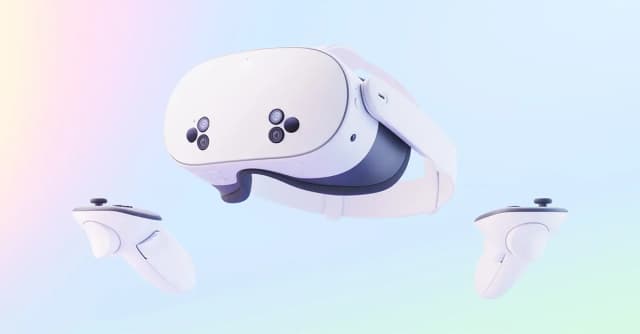
- Best OverallMeta Quest 3SWhy we picked it →
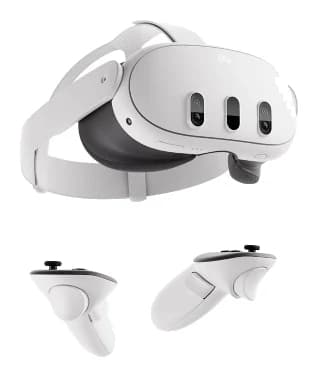
- Best ValueMeta Quest 3Why we picked it →
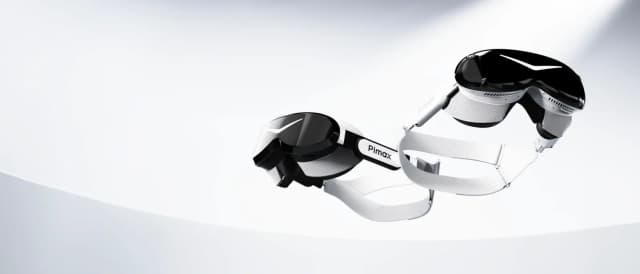
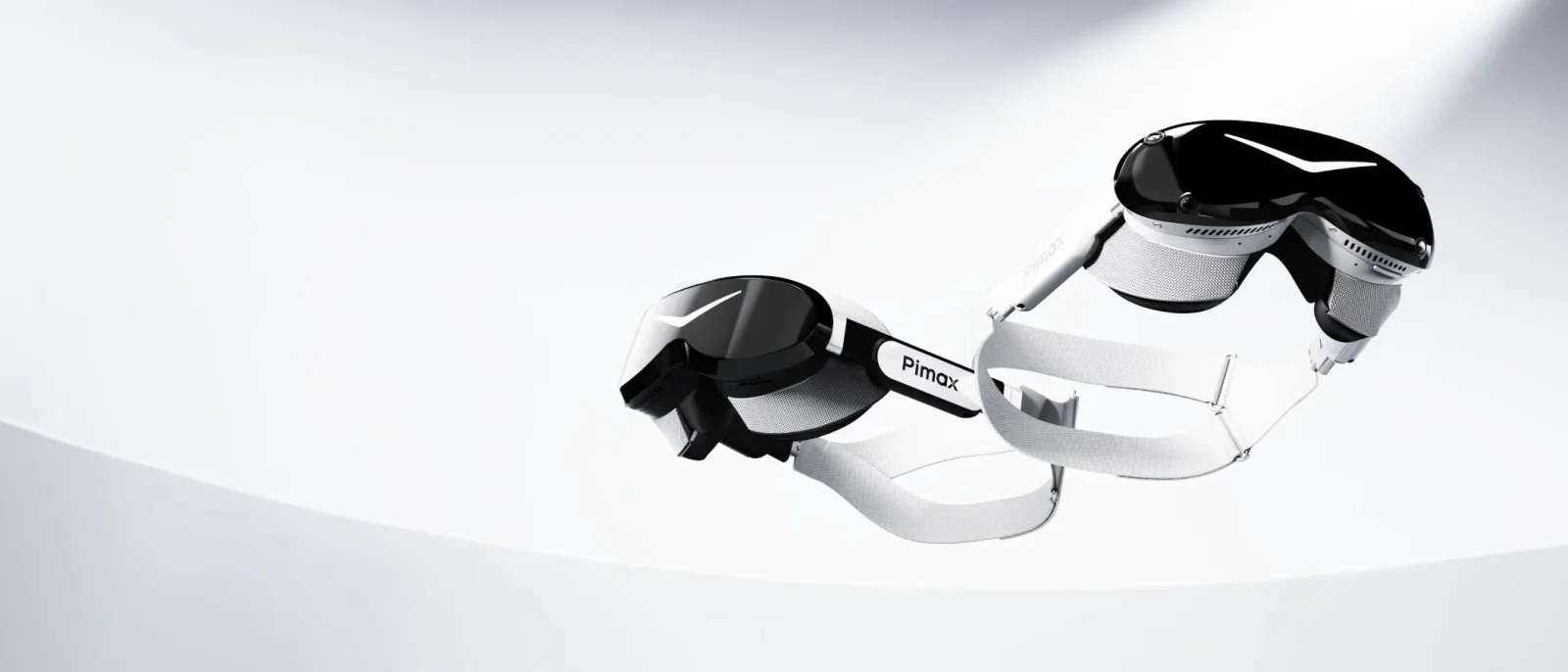
- Premium PickPimax Dream AirWhy we picked it →
Frequently asked questions
Is the Meta Quest 3S worth it?
For anyone wanting an affordable entry to VR and mixed reality, experts generally think so. It averages 8.6/10 across 4 expert reviews and is recommended in 6 expert guides. It is less compelling if you want the sharpest image or the best long-session comfort.
Does the Meta Quest 3S need a PC or console?
No. It is a standalone headset that needs no PC or console. It also works with PC VR if you want to use it that way.
Does the Quest 3S use the same chip as the Quest 3?
Yes. It uses the Qualcomm Snapdragon XR2 Gen 2 with 8GB RAM, the same as the Quest 3, so it runs the full Quest library.
Can I wear glasses with the Meta Quest 3S?
A glasses spacer is included, and the headset is compatible with Zenni prescription lens inserts.
How long does the Meta Quest 3S battery last?
The 4,324 mAh battery is rated for up to 2.5 hours average use. Charging takes approximately 1.9 hours with the included 18W adapter.
Does the Meta Quest 3S have eye tracking?
No. Eye tracking is not featured. Reviewers also note there is no headphone jack and no hardware depth sensor.
Sources
Specs are taken from the manufacturers' official pages; expert recommendations from the publications below.
- Meta Quest 3S: meta.com, en.wikipedia.org, vr-compare.com, androidcentral.com
Related reviews & guides
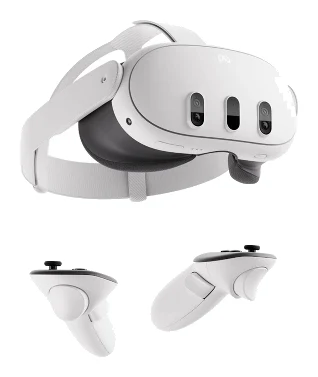
Meta Quest 3S vs Meta Quest 3 (2026): Savings or Sharpness?
Both headsets share the same chip and game library, but the Quest 3 adds sharper pancake lenses, a wider field of view and more storage. Here is who should pay for it.
Published Oct 30, 2026Meta Quest 3 Review (2026): Wireless VR With Trade-Offs
A look at the Meta Quest 3 based on manufacturer specs and expert reviews: sharp lenses, strong performance and mixed reality, held back by battery life and the stock strap.
Published Oct 25, 2026Meta Quest 3S vs Pimax Dream Air (2026): Which VR Fits?
Meta Quest 3S vs Pimax Dream Air: a budget wireless headset with a huge library against a premium, ultra-sharp PC VR headset. Here's who should buy which.
Published Oct 30, 2026